Lecce to Ostuni Travel Guide: 7 Essential Planning Tips
Planning a trip to Ostuni from Lecce? Discover the best train routes, driving tips, parking secrets, and a local comparison of these two Puglian gems.
On this page
Lecce to Ostuni Travel Guide: 7 Essential Planning Tips
Visiting Ostuni from Lecce is a highlight of any southern Italian vacation through the sun-drenched Salento region. The journey takes you through groves of ancient olive trees and rolling hills toward the Valle d'Itria. I have traveled this specific route many times during my various summer explorations across the Puglia coast. This guide was last updated in October 2024 to provide the most current transit prices and rules.
Most visitors choose the regional train because it is affordable and avoids the stress of narrow Italian roads. I once missed the shuttle bus and had to walk the steep road in the peak July heat. Learning from my mistakes will ensure your trip to the famous White City is smooth and highly enjoyable. Whether you prefer driving or public transit, this guide covers every detail for a perfect Italian day trip.
Getting from Lecce to Ostuni by Train
The regional train is the most efficient way to reach Ostuni from Lecce for most independent international travelers. Direct trains depart from the main Lecce station roughly every hour from early morning until the late evening. You can find live schedules and compare prices on The Trainline before heading to the platform. Most journeys take between 45 and 55 minutes depending on the number of local stops along the way.
Tickets for the regional service cost approximately €6.70 / ~$7 for a standard one-way second-class adult fare. I recommend buying your tickets via the Trenitalia Official Site to avoid station kiosk lines. Digital tickets are convenient but you must ensure your phone remains charged for the duration of the trip. If you prefer paper tickets, remember to validate them at the green machines before boarding the train carriage.
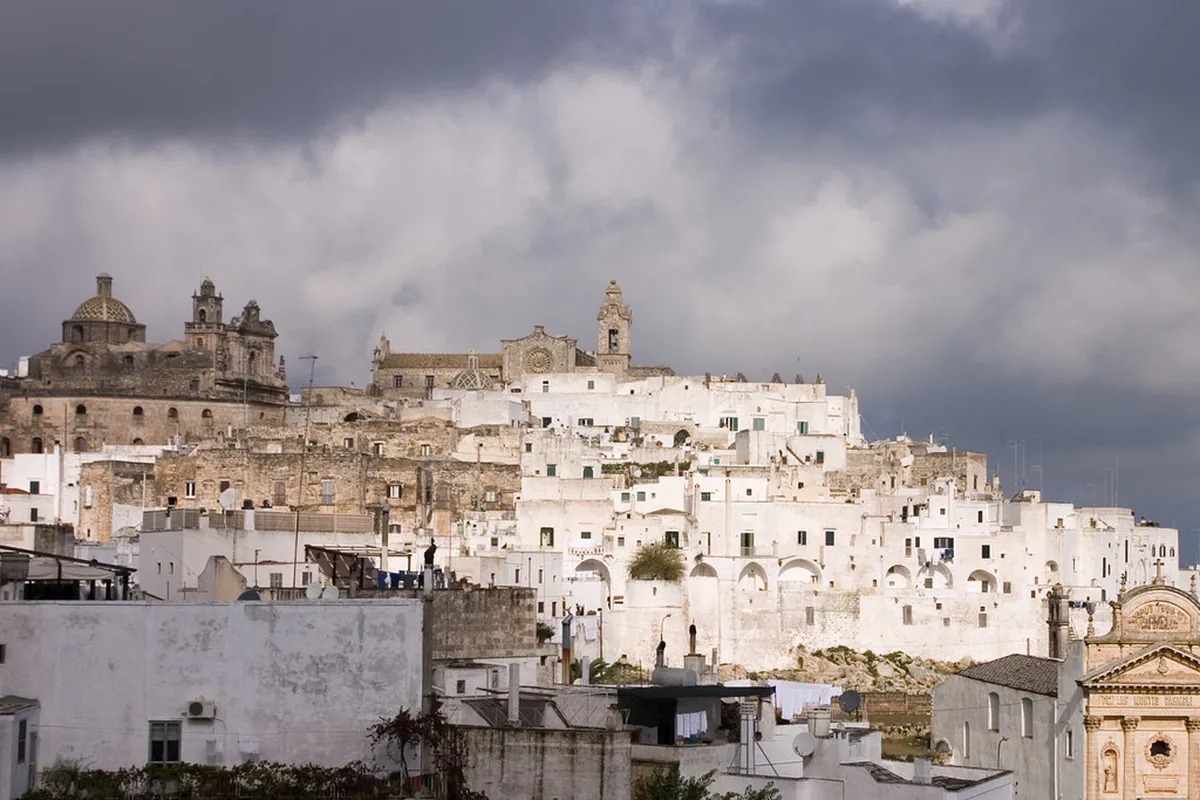
The Ostuni train station is located about two kilometers away from the historic center on a steep hill. You should not attempt to walk this distance during the summer months due to the intense southern heat. A dedicated shuttle bus runs between the station and the town center to meet arriving train passengers regularly. This small bus is the easiest way to reach the Piazza della Libertà without a long, uphill hike.
- Step 1: Purchase your train tickets
- Buy tickets at the station kiosks or through the official Trenitalia mobile application.
- Expect to pay about €6.70 / ~$7 for a one-way second-class adult ticket.
- Double check that your selected train is a direct service to avoid unnecessary transfers.
- Step 2: Locate your departure platform
- Check the large electronic departures board at Lecce station for your specific platform number.
- Arrive at the station at least fifteen minutes before your scheduled departure time.
- Follow the underground tunnels to reach the correct track for the northbound Brindisi line.
- Step 3: Validate your travel ticket
- Insert your paper ticket into the green or yellow validation machines near the platform entrance.
- Digital tickets purchased on the app usually require a check-in action before you board.
- Avoid heavy fines by ensuring your ticket has a visible timestamp from the validation machine.
- Step 4: Exit at Ostuni station
- Listen for the station announcements or watch for the white hilltop city appearing on your left.
- Gather your belongings quickly as the train only stops for a few minutes at this station.
- Follow the signs toward the station exit where the local shuttle bus usually waits.
- Step 5: Board the center shuttle
- Look for the small white or orange bus operated by the local STP Brindisi company.
- The shuttle ride costs about €0.90 / ~$1 and takes roughly ten minutes to reach town.
- Have small coins ready for the ticket machine located inside the bus near the driver.
- Step 6: Arrive at Piazza della Libertà
- Get off at the main square which serves as the gateway to the historic old town.
- Check the return bus schedule posted at the stop before you start your sightseeing tour.
- Walk toward the narrow white alleys to begin your exploration of the famous White City.
Driving from Lecce to Ostuni
Driving provides the most flexibility for travelers who want to explore more day trips from Lecce. The route follows the SS16 highway and takes about one hour to cover the 75-kilometer distance safely. You will pass through beautiful landscapes filled with ancient olive trees and distant views of the sea. Rental cars are available at the Lecce train station or near the city center for daily use.
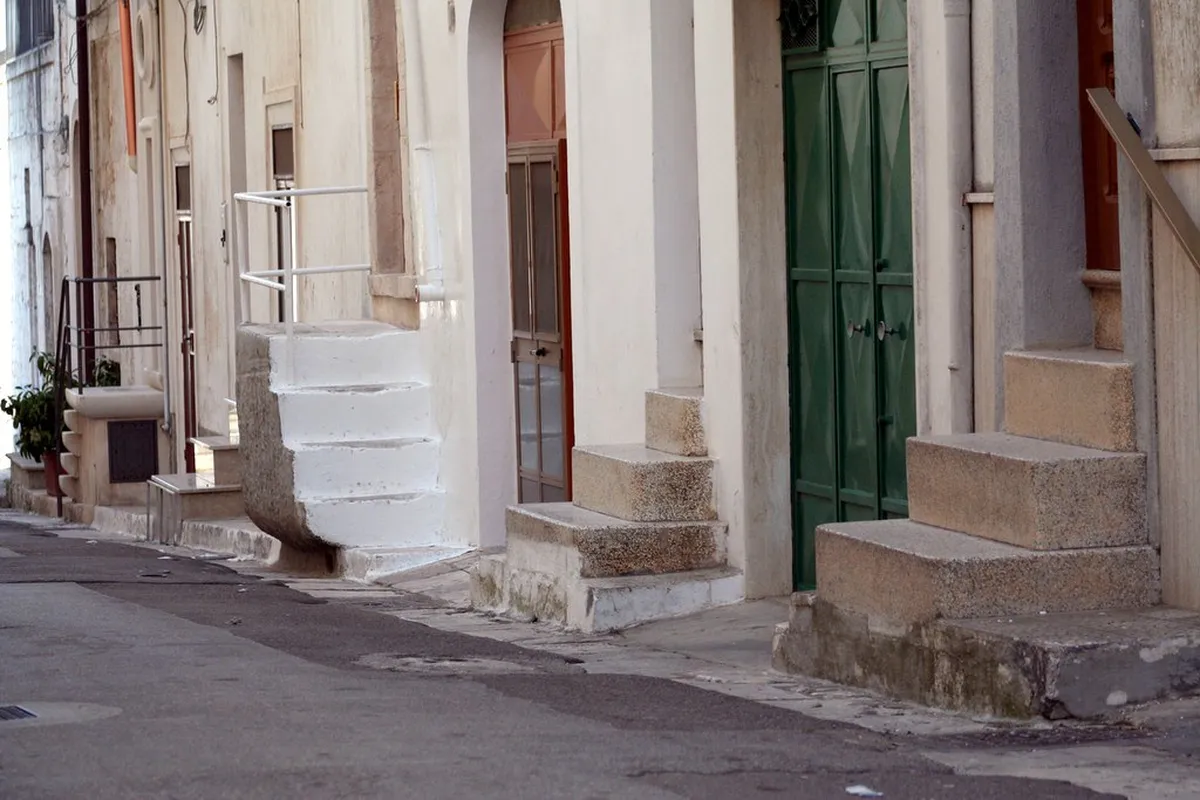
Parking in Ostuni is notoriously difficult because the historic center is a restricted traffic zone or ZTL. I suggest using the Parcheggio Via G. Pisanelli located just a short walk from the main city gates. This lot usually costs around €1.50 / ~$1.65 per hour and accepts both cash and credit cards. Avoid driving into the narrow white alleys to prevent receiving expensive fines from the local traffic police.
Navigating the roads in Puglia requires focus as local drivers can be quite aggressive on the main highways. Keep a close eye on the blue signs directing you toward the 'Centro Storico' once you arrive. Gas stations are plentiful along the SS16 but many close for a long lunch break during the afternoon. Plan your return trip before sunset to avoid driving on unlit rural roads back toward the Salento.
Comparing Lecce and Ostuni for Your Stay
Choosing between these two cities is one of the most common dilemmas for travelers planning a Puglia itinerary. Lecce, known as the Florence of the South, is a full-size regional capital built from golden pietra leccese limestone. Its baroque masterpieces — the Basilica di Santa Croce, the Roman amphitheatre hidden inside the city, the cathedral square that buzzes with students every evening — make it a destination that rewards slow exploration over several days. It is the obvious transport hub, with better train connections to Otranto and direct rail links north toward Brindisi and Bari.
Ostuni, by contrast, is a hilltop village of roughly 30,000 residents that earns its nickname La Città Bianca — the White City — through sheer visual impact. Every wall, staircase, and archway is lime-washed brilliant white, and in late afternoon the whole town glows amber against the Adriatic horizon. It is dramatically smaller than Lecce. This works in its favour at dawn and dusk, when the tour buses are gone and the narrow alleys belong to you. Specific highlights include the 15th-century Cathedral of Santa Maria Assunta with its gothic rose window, the city walls offering panoramic views toward the olive plains below, and a clutch of genuinely excellent trattorias serving orecchiette al ragù di carne cavallina.
The clearest decision framework: if you are spending three or more nights in the region and want easy rail access to the southern beaches and Salento, base yourself in Lecce. If you want one romantic night in a hilltop masseria hotel surrounded by scenery, Ostuni delivers that more convincingly. Day-tripping from Lecce to Ostuni is the single most popular combination precisely because it lets you have both. Consult my Italy Wander blog for accommodation reviews in both locations.
Essential Tips for a Day Trip to Ostuni
A successful day trip requires careful timing to avoid the worst of the afternoon heat and large crowds. I recommend arriving in Ostuni by 10:00 AM to explore the quiet alleys before the sun gets high. Many shops and churches close between 1:00 PM and 4:00 PM for the traditional Italian afternoon rest. Use this quiet time to enjoy a long lunch at a shaded restaurant near the cathedral.
The limestone streets of Ostuni are polished and extremely slippery, even when dry. Wear high-traction walking shoes with good grip to avoid falls on stairs and inclined passages. The hills are steep and climbing them in July heat without water can lead to heat exhaustion.
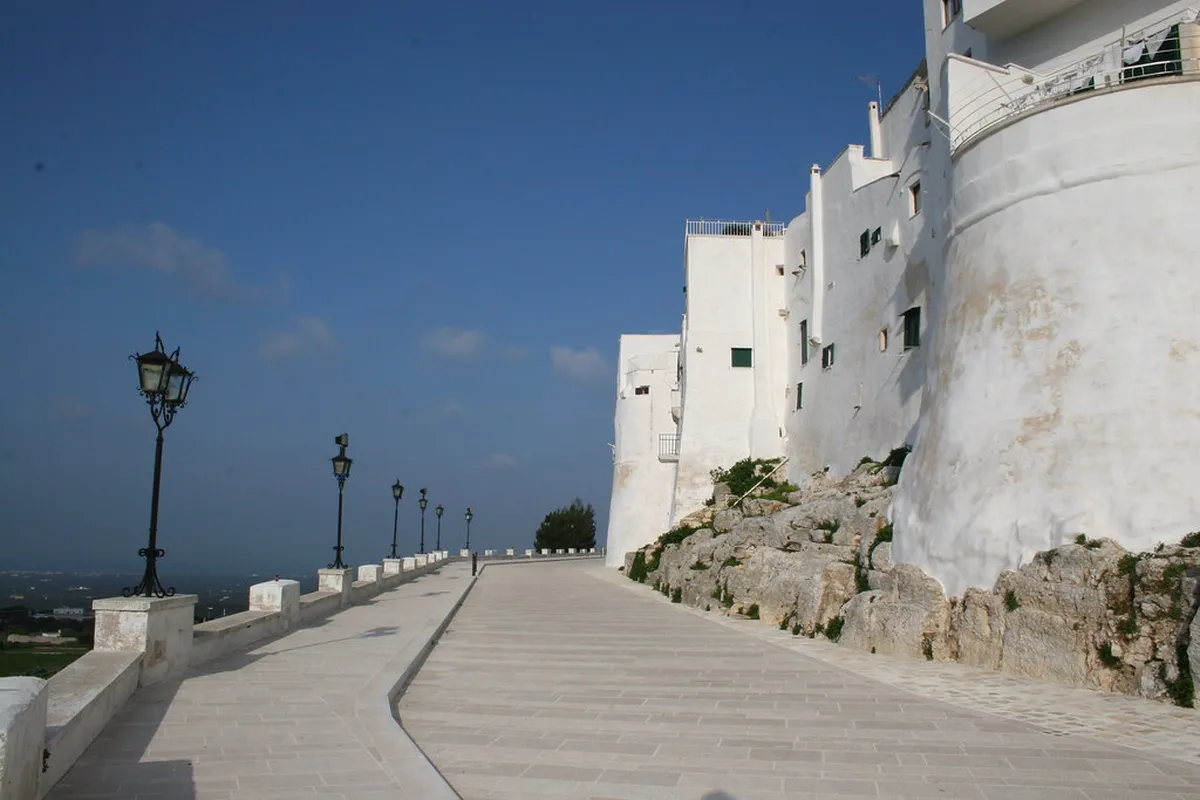
Photography enthusiasts should head to the 'Door of Puglia' for the best colorful shots in the morning light. This famous green and blue door is located on the western side of the old city walls. Wear comfortable walking shoes with good grip as the polished limestone streets can be very slippery when dry. The hills in Ostuni are steep and you will likely do a lot of climbing throughout the day.
Check the weather forecast before you leave Lecce because the hilltop can be quite windy and cool. Even in the summer a light linen shirt is useful for sun protection and visiting the religious sites. Remember to carry a reusable water bottle to fill at the public fountains scattered around the old town. Staying hydrated is essential when navigating the many stairs and inclines of the historic White City.
- Preparation checklist for your Ostuni trip
- Download an offline map of the Ostuni historic center for easy navigation.
- Pack a portable phone charger to keep your digital train tickets accessible.
- Bring a small bag of coins for the station shuttle bus machine.
- Wear high-traction walking shoes for the slippery limestone streets and stairs.
- Carry a reusable water bottle for the public fountains in the square.
- Pack a light scarf to cover your shoulders when entering the cathedral.
- Check the STP Brindisi website for the latest shuttle bus times.
Bus and Private Transfer Options
A direct intercity bus connecting Lecce to Ostuni does not run as a regular scheduled service, which surprises many travelers who expect the same frequency they find in northern Italy. The primary regional bus operator, STP Brindisi, serves the intra-provincial network but routes that link Lecce directly to Ostuni require a connection through Brindisi or another intermediate stop. Journey time via bus can reach two hours or more versus under one hour by train, which makes the regional rail the vastly superior choice for most visitors.
Private transfers are a practical alternative if you are travelling as a group of three or more and want door-to-door comfort. Several licensed NCC (non-linea) drivers operate between Lecce city centre and Ostuni historic center; expect to pay approximately €60–€80 each way for a saloon car, rising to around €90–€110 for a minivan. Book via your hotel concierge or through one of the Lecce-based transfer services listed on the Trenitalia partner pages. Transfers eliminate the last-mile problem at Ostuni station entirely and are worth considering in July–August when the shuttle bus runs less frequently outside peak train arrival windows.
| Method | Duration | Cost (one-way) | Last-mile to centre | Best for |
|---|---|---|---|---|
| Regional Train | 45–55 min | €6.70–€7 | Shuttle bus €0.90 (10 min) | Solo / couple travellers |
| Car (self-drive) | ~60 min via SS16 | Fuel + tolls ~€8–€12; parking €1.50/hr | Walk 5–10 min from ZTL edge | Groups exploring multiple stops |
| Private Transfer (NCC) | ~65 min | €60–€80 (saloon car) | Door-to-door, no last mile | Groups of 3+, early/late runs |
| Bus via Brindisi | 90–120 min | €3–€5 | Town-centre drop | Budget travellers with no time pressure |
Beat the Heat: A Golden Hour Itinerary for Ostuni
July and August temperatures in the Valle d'Itria regularly exceed 36 °C by early afternoon, and Ostuni's limestone streets hold that heat long after midday. A well-timed itinerary transforms an exhausting slog into a genuinely memorable day. Arrive on the 09:48 train from Lecce (arriving Ostuni ~10:43) — the historic centre is quiet at this hour, the morning light is golden, and the cobblestones are still relatively cool underfoot.
Spend the first two hours walking the old town: the Cathedral square, the city walls with their Adriatic panorama, and the "Door of Puglia" — the famous blue and green decorated doorway on the western edge of the centro storico that makes for exceptional photographs in morning light. By 13:00, retreat into shade. The Museo di Civiltà Preclassiche della Murgia Meridionale on Via Cattedrale is an excellent air-conditioned option that houses Bronze Age and Messapian artefacts in cool, low-lit rooms; admission costs around €5 / ~$5.50. A long, slow lunch at a shaded restaurant near the Piazza della Libertà will comfortably fill the 12:00–16:00 window while the sun peaks.
From 16:30 onward, the city reinvents itself. Re-emerge for the passeggiata, browse the ceramics and linen shops as they reopen, and position yourself on the city walls for the 18:00–19:30 golden hour when the white facades turn amber and rose. Catch the 20:18 or later train back to Lecce. This schedule requires only one overnight bag and a fully charged phone — no car hire, no parking stress, and no heat exhaustion.
Frequently Asked Questions
How long is the train from Lecce to Ostuni?
The train journey typically takes between 45 and 55 minutes. Most regional services are direct and run frequently throughout the day. Check the latest schedules online to confirm your specific departure time.
Is there a direct bus from Lecce to Ostuni?
Direct commercial buses are rare between these two specific cities. Most travelers prefer the regional train for its speed and reliability. You can also book a private transfer for more comfort.
How do I get from Ostuni train station to the city center?
Take the STP Brindisi shuttle bus located right outside the station exit. The ride costs under €1 / ~$1.10 and takes ten minutes. Avoid walking the steep 2km road in the heat.
Is Ostuni or Lecce better to stay in?
Stay in Lecce for better transport links and a larger city feel. Choose Ostuni for romantic views and a smaller boutique atmosphere. Both cities offer excellent access to the beaches of Gallipoli.
Traveling to Ostuni from Lecce is a straightforward journey that rewards you with stunning views and history. Whether you choose the convenience of the train or the freedom of a car, the White City will impress you. I hope this guide helps you navigate the logistics of the Salento and Valle d'Itria regions with ease. Enjoy your exploration of the narrow alleys and golden Baroque architecture during your stay in Puglia.
You might also like

Continue reading
More guides you'll find useful