Best Things to Do in Bari: Complete Travel Guide & Local Tips
Discover the best things to do in Bari, Italy. From the famous Orecchiette Street to hidden local eateries and day trip logistics, plan your perfect Puglia trip.
On this page
Best Things to Do in Bari: A Local Travel Guide
Bari serves as the vibrant gateway to the stunning Puglia region and offers a raw, authentic Italian experience. This coastal city balances ancient history with a lively modern atmosphere that captures the heart of every curious traveler.
You will find narrow limestone alleys in the old town that contrast sharply with the grand 19th-century boulevards of the new district. From the scent of fresh focaccia to the salty breeze of the Adriatic, the city engages all your senses.
Many visitors often overlook this port city for more famous neighbors, yet it remains one of the most rewarding stops in southern Italy. This guide will show you exactly why this sun-drenched capital deserves a top spot on your 2026 itinerary.
Key Takeaways
- Visit Orecchiette Street in the morning to see local women making fresh pasta by hand.
- Use the Ferrotramviaria yellow signs at the station to find the correct train for the airport.
- Try the Focaccia Barese from Panificio Fiore for the most authentic taste of the city.
Bari Planning Cheatsheet: Essential Facts
Bari spent years carrying an unfair "unsafe" reputation that dated back to the turbulent 1990s. In 2026, that label is badly out of date. The city has undergone a steady transformation driven by urban investment, a growing university population, and a sharp rise in international visitors who have demanded — and received — better public spaces.
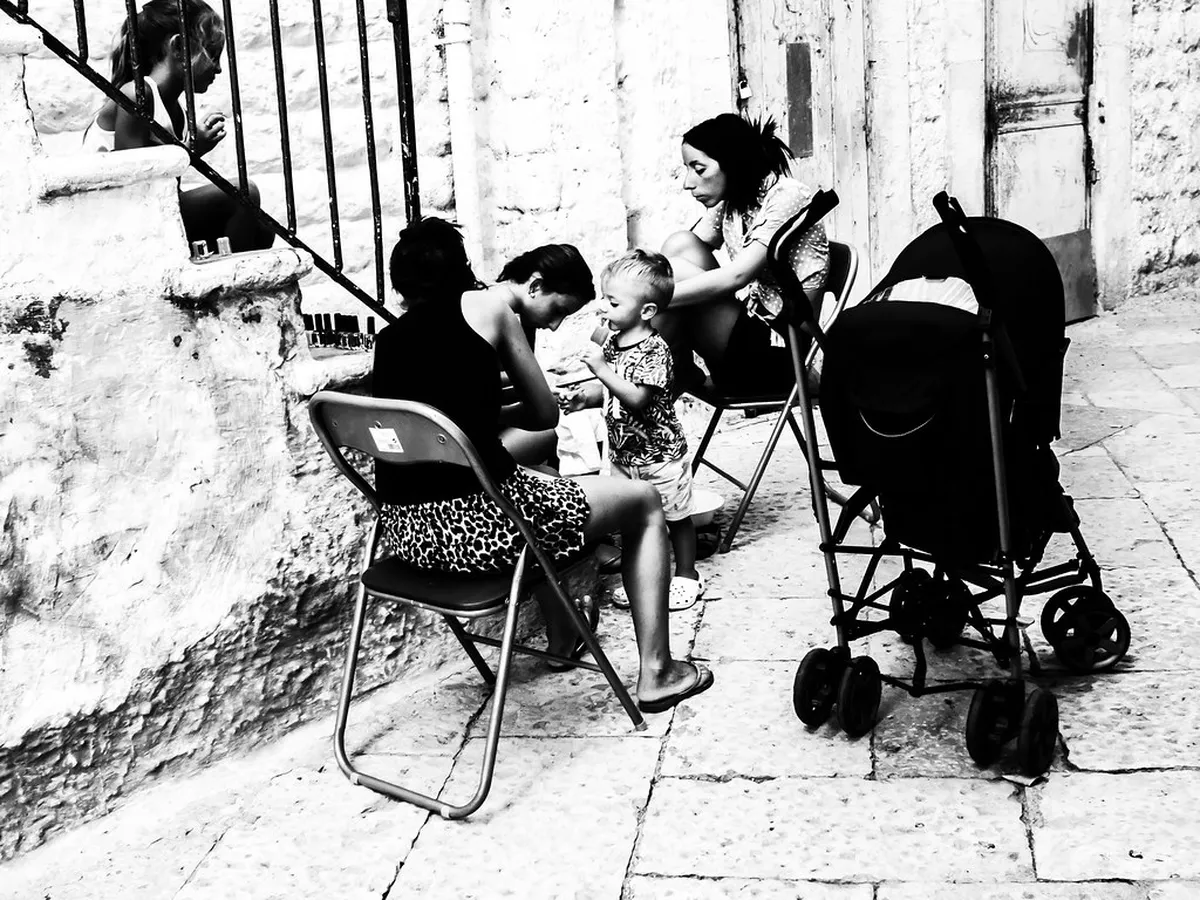
Bari Vecchia is now largely pedestrianized and brightly lit at night, with families, students, and tour groups mixing freely in the squares until well past midnight. The main piazzas around Piazza Mercantile and Largo Albicocca buzz with a social energy that makes solo travelers feel welcome rather than exposed. The practical cautions that apply here — secure your phone in crowded market alleys, keep bags zipped on the Lungomare — are the same ones you would apply in any large southern Italian city.
English is widely spoken in hotels and most restaurants in the Murat district, though a few words of Italian go a long way in the old town bakeries. Most small shops and churches observe a midday closing between 13:00 and 16:00, so plan your visits and errands accordingly to avoid wasted trips.
Cash remains king at street food stalls, fresh pasta vendors on Arco Basso, and small-family bakeries — carry EUR 10–20 in small notes and coins. Major hotels, restaurants, and shops in Murat all accept Visa and Mastercard without issue. Public transport tickets cost under EUR 2 and must be purchased before boarding, not on the vehicle itself.
Top Attractions: The Best Things to Do in Bari
The historic heart of the city is a maze of winding streets that hold centuries of fascinating religious and maritime history. You can start your exploration by visiting the Basilica di San Nicola to see the impressive resting place of Saint Nicholas, whose 12th-century Romanesque facade and golden-ceilinged crypt draw pilgrims from Catholic and Orthodox communities across Europe. Entry is free; opening hours are 07:00–20:30.
A Bari Vecchia old town guide is essential for navigating the complex web of alleys without missing the hidden courtyards. The neighborhood has a lived-in, almost theatrical quality — doors open onto the street, neighbors chat from balconies, and the smell of garlic and olive oil drifts from ground-floor kitchens. You should also consider taking a Take a Bari walking tour with me! to learn the deep legends of the city in around three hours.
The small alley called Arco Basso — the famous Orecchiette Street — sits just off Piazza Federico II di Svevia near the castle. This is where local women have been hand-rolling fresh pasta outside their homes for generations. Arrive before 11:00 to watch the full production process: they work at impressive speed, pressing each ear-shaped piece with a butter knife against a wooden board. The etiquette is simple — watch quietly, keep camera lenses respectful, and buy something before you leave. A half-kilo bag of fresh orecchiette costs around EUR 2.50 and keeps for up to 15 days unrefrigerated, making it one of the best edible souvenirs in southern Italy. The women also sell sun-dried tomatoes and taralli, a crunchy local snack worth picking up.
One of the free things to do in Bari involves walking along the Lungomare, Europe's longest seafront promenade at 15 kilometres. The best stretch runs from Piazza del Ferrarese past the distinctive pink Teatro Margherita building and on toward the free Pane e Pomodoro beach. Sunset here is hard to beat.
The Castello Svevo stands as a powerful symbol of the city's medieval strength and now hosts various art exhibitions and cultural events. Walking through its thick stone walls provides a cool escape from the Mediterranean sun while offering a glimpse into the defensive past. The small moated exterior is photogenic even if you skip the interior museum.
- Arco Basso (Orecchiette Street)
- Activity: Watch pasta making
- Best time: Morning hours
- Cost: Free to watch
- Tip: Buy fresh pasta
- Cattedrale di San Sabino
- Style: Apulian Romanesque
- Highlight: Crypt mosaics
- Access: Free entry
- Location: Old Town
- Teatro Petruzzelli
- Type: Opera house
- Feature: Red facade
- Activity: Guided tours
- Status: Fully restored
Food & Drink: Bari Culinary Guide
Bari is a paradise for food lovers who appreciate simple ingredients transformed into bold and memorable Mediterranean flavors. You must try the famous Focaccia Barese from Panificio Fiore, which is known for its crispy edges, juicy cherry tomato topping, and generous pour of local olive oil. A bakery that used to be a Byzantine church, Panificio Fiore is best visited in the morning when the bread comes out hot. Panificio Santa Rita is the other top choice — arrive early at either to avoid queuing. Both sell out fast.
A large slice of Focaccia Barese from Panificio Fiore costs approximately EUR 2 and is best enjoyed sitting on the stone walls overlooking the fishing harbor at midday.
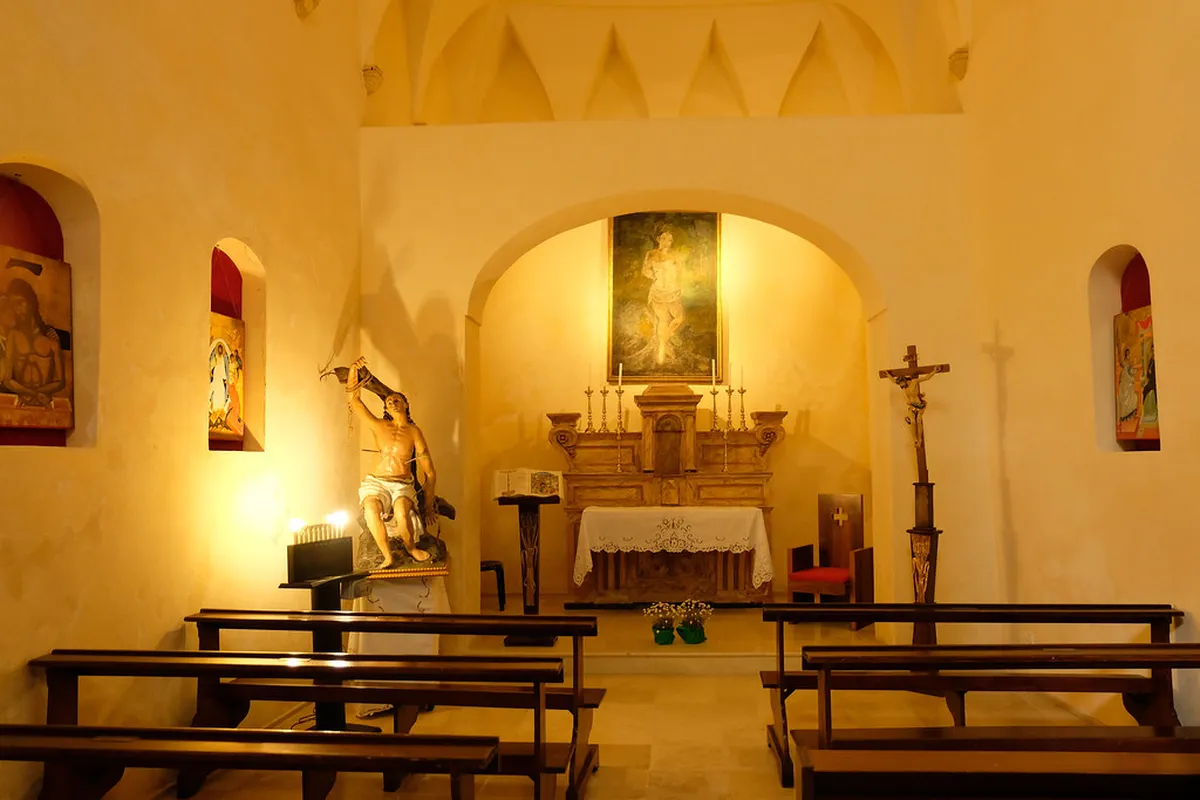
Beyond focaccia, the old town street food circuit is genuinely outstanding. Sgagliozze — squares of deep-fried polenta — are sold by local women in doorways along Largo Albicocca; Le Sgagliozze di Donna Carmela is a reliable spot. Even better are panzerotti, half-moon pockets of fried dough stuffed with mozzarella and tomato, essentially a fried calzone. The best version in the city is at Pizzeria di Cosimo in Largo Albicocca, which also serves some of the finest cheap pizza (EUR 4.50 for a margherita) in Puglia. It opens at 18:00, fills up fast on weekends, and is closed on Mondays.
The city is also a great place for things to do in Bari with kids because the local street food is both delicious and affordable. At the harbor, vendors sell raw sea urchins and octopus in the style of sushi — it is adventurous but deeply local. Grilled octopus panini from coastal stalls make an ideal lunch while watching the Adriatic.
Dinner in Bari typically starts after 20:00. The dish to order in a trattoria is orecchiette con cime di rapa — the ear-shaped pasta tossed with bitter turnip tops, garlic, chilli, and anchovies. For aperitivo before dinner, head to Piazza del Ferrarese where bars spill onto the square; Voglia Pane e Vino and Mercantile Nove are both reliable for drinks and bar snacks. Note that unlike in Milan or Turin, aperitivo snacks in Bari are typically charged separately.
Where to Stay: Best Neighborhoods & Hotels
The railway line that runs through Bari Centrale effectively divides the city in two, which makes choosing a base straightforward. Everything worth seeing — Bari Vecchia, the Lungomare, the fish market, Arco Basso — sits on the northern side, between the tracks and the Adriatic. Within that zone, you have two distinct neighborhoods to choose from.
Bari Vecchia (Old Town): This is the charming option. Buildings are historical, the streets are pedestrianized, and the atmosphere is intimate. Staying here puts you within a five-minute walk of all the main sights and the best evening piazzas. The trade-off is noise — the old town is lively until late — and the fact that hotels are mostly small boutique guesthouses rather than business hotels. B&B Murex on Arco Basso (the pasta street itself) is a consistently recommended option at around EUR 100 per night.
Murat District (New Town): This area offers wider streets, larger hotels, and easier access to the station for day-trippers. It is the better choice if you value modern amenities and are spending several nights using Bari as a base for exploring Puglia. For a luxury stay with sea views, consider booking a room at the JR Hotels Bari Grande Albergo delle Nazioni, located right on the waterfront promenade and a short walk to the old town entrance. Rooms start at around EUR 250 per night. Vis Urban Suites in Murat is a boutique option with a spa and excellent breakfast for a similar price.
Budget-conscious travelers will find charming bed and breakfasts along and around Via Sparano, Bari's main pedestrian shopping street lined with Art Nouveau facades. Staying here keeps you within walking distance of restaurants, the station, and the old town in under ten minutes.
Top Day Trips from Bari
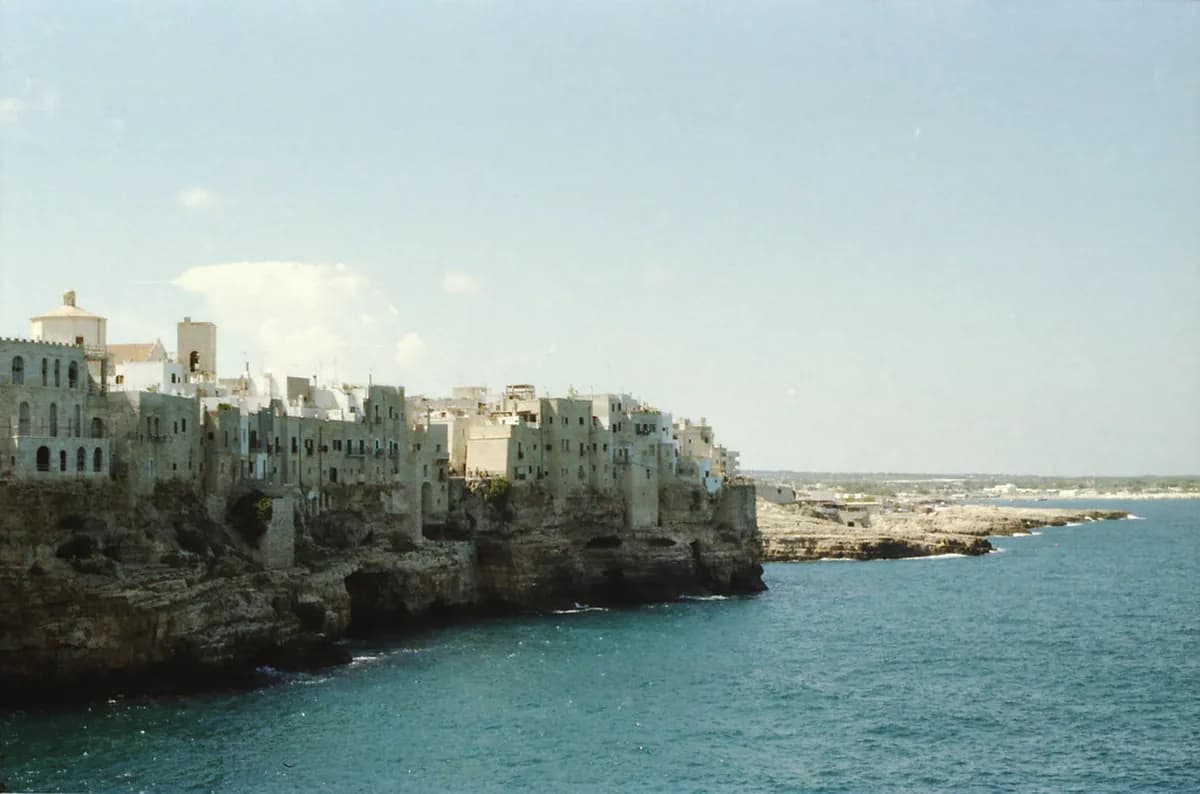
Bari serves as an excellent base for exploring the diverse landscapes and unique architecture of the surrounding Puglia region. You can easily reach the cliffside town of Polignano a Mare in under thirty minutes using the frequent local train service.
| Destination | Travel Time | Transport | Cost | Highlight |
|---|---|---|---|---|
| Polignano a Mare | 30 minutes | Trenitalia train | 3 euros | Lama Monachile beach |
| Alberobello | 1.5 hours | FSE train | 5 euros | Trulli cone houses |
| Monopoli | 30 minutes | Trenitalia train | 3 euros | Harbor and coves |
If you plan to visit multiple inland towns like Alberobello or Matera, you might find it more convenient to use DiscoverCars for a rental. Having your own vehicle allows you to explore the rolling hills and olive groves at your own pace without following rigid schedules.
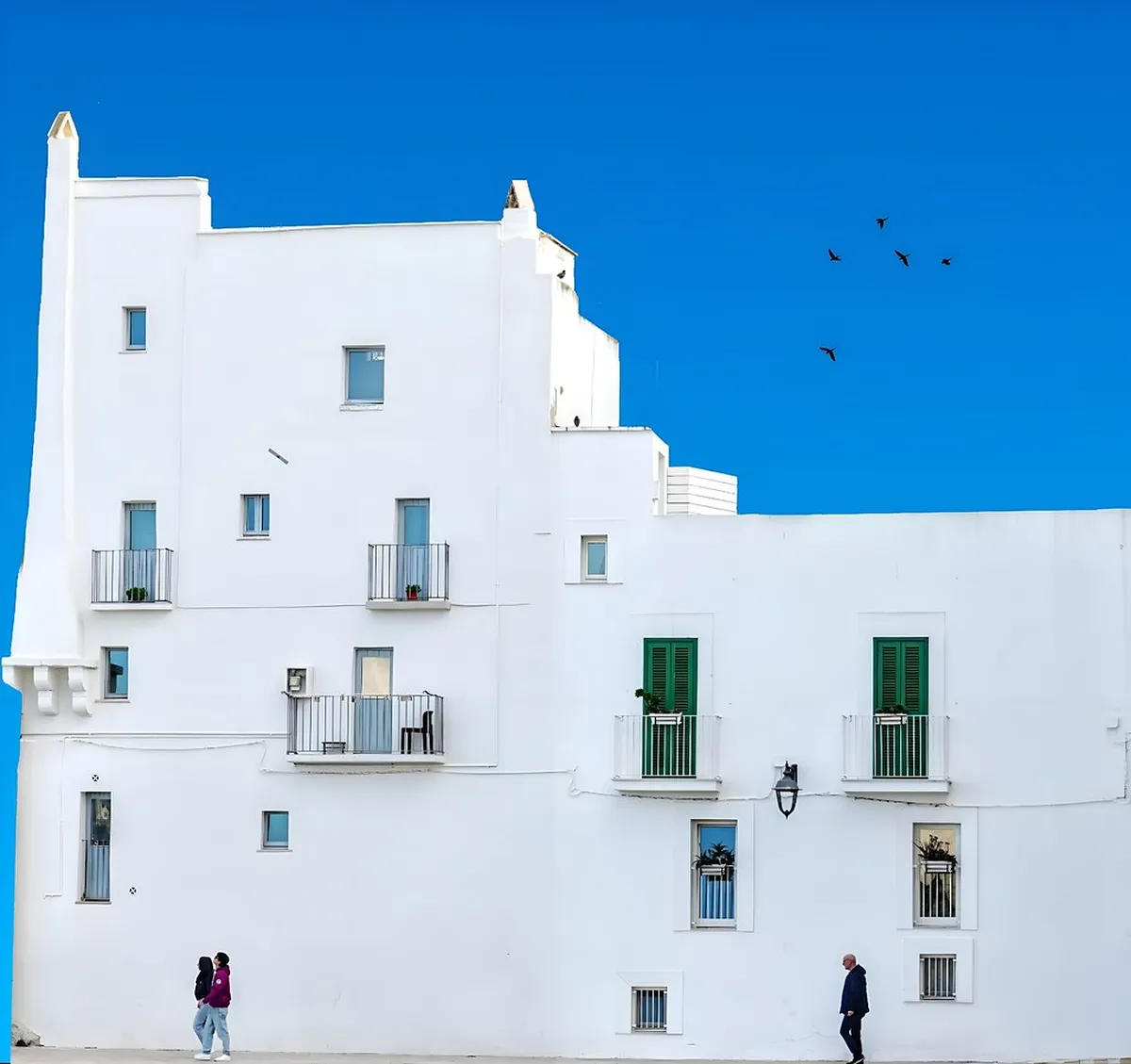
The white-washed town of Monopoli offers a quieter alternative to the busier tourist spots and features a beautiful historic harbor and sandy beaches. It is a perfect destination for a relaxing afternoon of swimming and enjoying a long lunch by the turquoise water.
Matera is another essential stop that is famous for its ancient cave dwellings and dramatic canyon views that have served as film sets. While it is technically in the neighboring region of Basilicata, it remains one of the most popular day trips for visitors staying in Bari.
- Alberobello Trulli
- Travel: 1.5 hours
- Transport: FSE train
- Highlight: Conical roofs
- Tip: Go early
- Polignano a Mare
- Travel: 30 minutes
- Transport: Trenitalia
- Highlight: Lama Monachile
- Cost: Very cheap
- Trani
- Travel: 40 minutes
- Transport: Trenitalia
- Highlight: Seaside cathedral
- Atmosphere: Sophisticated
Getting to Bari: Transport Tips
Getting around and out of Bari is easier than it looks — but only once you understand the key quirk: Bari Centrale is actually four separate train stations operating under one roof, each run by a different company with its own platforms, ticket windows, and color-coded signage. Mixing them up is a very common tourist mistake.
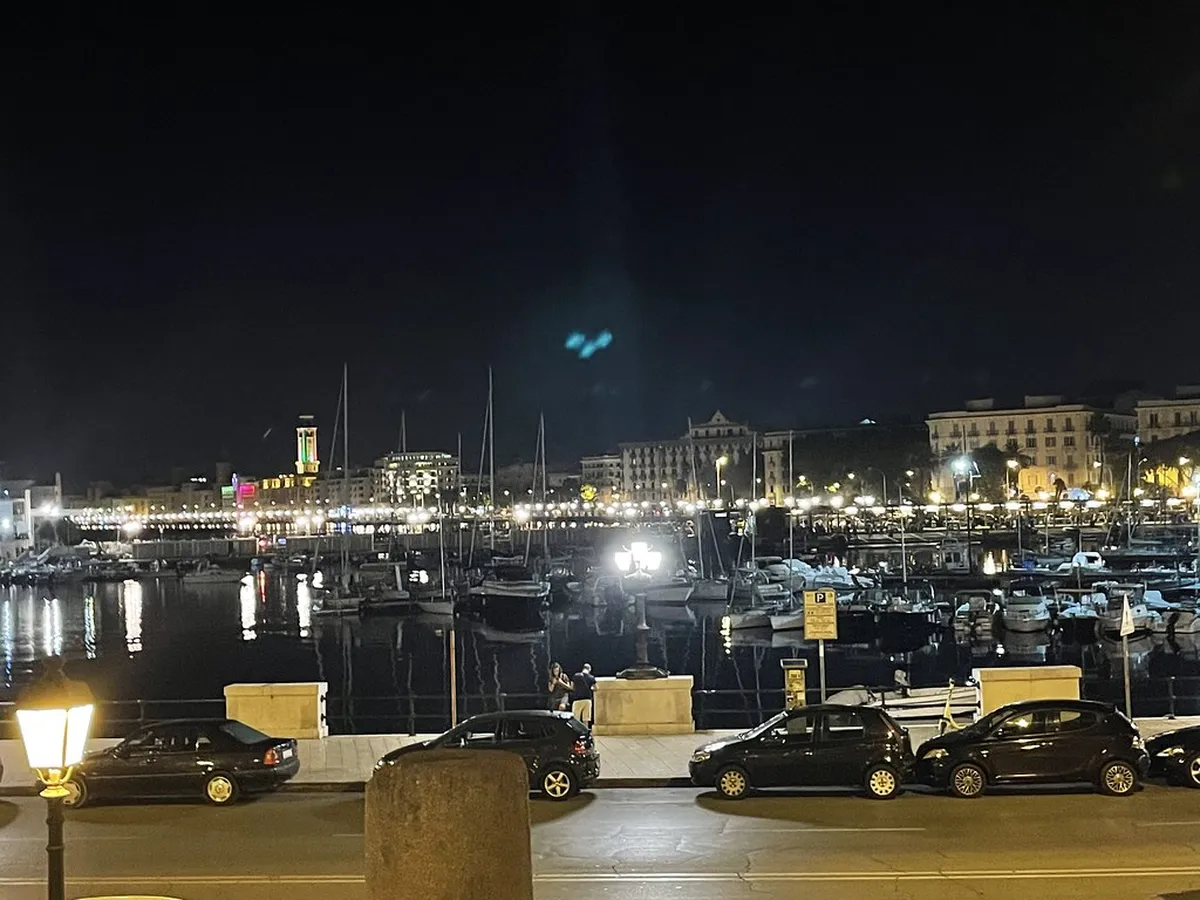
Here is how the four companies break down:
- Trenitalia — national rail operator; use for Rome (4 hours, from EUR 15 in advance), Polignano a Mare (30 minutes, EUR 3), Monopoli (30 minutes, EUR 3), and Trani (40 minutes, EUR 3). Tickets at the main hall or app.
- FSE (Ferrovie del Sud Est) — regional company; covers Alberobello (1.5 hours, EUR 5) and other Valle d'Itria towns. Platforms are in a separate wing of the station.
- Ferrotramviaria — follow the yellow signs to the underground platform; this is the company that runs the 15-minute airport train (EUR 5). Do not buy a Trenitalia ticket and try to board here.
- FAL (Ferrovie Appulo Lucane) — the line for Matera (around 1 hour 45 minutes). Its platforms are the easiest to miss; look for the FAL desk near the eastern exit of the station.
To make your urban travels easier, use Moovit to check live bus times and train schedules across all operators. Bari also has an international ferry port with regular crossings to Greece (Patras, Igoumenitsa), Albania, Croatia, and Montenegro — useful if you are combining an Adriatic route.
Tickets for local buses cost under EUR 2 and must be purchased at newsstands or tobacco shops before boarding. Validate immediately on entering the vehicle; inspectors do check, and the fine is disproportionate to the fare. You should not need a car while staying in Bari itself — the center is very walkable. If you are picking up a rental for a Puglia road trip, collect it the day you leave; parking in the old town is a genuine headache.
Is Bari Worth Visiting?
Bari is not the obvious Puglia choice. Travelers who want a perfectly photogenic, tourist-polished experience will feel more at home in Lecce or Ostuni. But for everyone else — those who want to eat extraordinarily well, walk through a genuinely lived-in medieval quarter, and use a well-connected city as a base for the region — Bari is the stronger option. Here is the honest comparison:
- Why Bari wins: Unmatched street food culture, a working historic neighborhood that has never been abandoned, excellent transport connections to the rest of Puglia, a more affordable price point than Lecce hotels, and an evening social scene that feels genuinely Italian rather than staged for tourists.
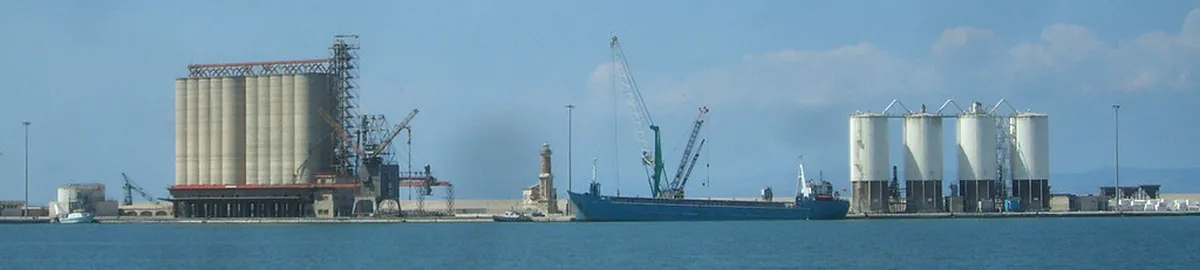
- Where Bari falls short: The city is large and port-industrial in places; arriving by the train station area or harbor districts can feel underwhelming on first impression. Summer brings cruise ship crowds and oppressive heat — July and August are the weakest months to visit. The old town's narrow alleys can feel disorienting until you get your bearings.
- The verdict for 2026: Two nights is the sweet spot for seeing Bari itself. Three to five nights makes sense if you are using it as a base for day trips throughout Puglia. Solo travelers, food-focused visitors, and anyone who appreciates raw urban authenticity will enjoy it most.
Discovering Bari hidden gems is a highlight for those who enjoy wandering off the beaten path to find quiet churches and local markets. The city provides a much more affordable experience than many other European coastal destinations, making it ideal for longer stays.
Bari Italy Map & Logistics
The city is divided into two very distinct sections that are easy to navigate once you understand the basic layout of the streets. The old town sits on a limestone peninsula to the north, while the modern Murat district extends south with its wide, straight boulevards.
Walking is the most effective way to see the main sights, as the distances between the harbor and the central station are quite manageable. You can easily cross from the historic center into the shopping district in less than ten minutes of casual walking.
Most major attractions are concentrated within a small area, so you do not need to rely heavily on public transport for daily sightseeing. Plan your route to include a walk through Piazza Umberto I to see the local student life and the beautiful central fountains.
Keep a digital map handy to help you find your way back out of the winding alleys of the old town during your first few days. The locals are generally very helpful and will gladly point you toward the sea or the main square if you lose your way.
Best Time to Visit Bari: Seasonal Guide
April through June and September through October are universally the best periods to visit Bari. Spring and early autumn bring warm sunny days without the brutal heat of midsummer, manageable crowd levels, and the full range of local life — markets, outdoor dining, and spontaneous evening socializing in the piazzas. May is particularly special because of the Feast of Saint Nicholas (Festa di San Nicola), held on 7–9 May each year. This is the city's most important religious celebration, featuring solemn processions through the old town, boats in the harbor, and a festival atmosphere that draws visitors from across the Orthodox and Catholic worlds.
July and August are the weakest months. Temperatures regularly exceed 35°C in the afternoons, cruise ships unload thousands of day-trippers into a city not designed to absorb them all at once, and the best local restaurants fill up with tourists rather than regulars. If July or August is your only option, offset the heat by starting your sightseeing before 09:00 and retreating indoors between 13:00 and 17:00.
November and December are underrated. The tourist crowds vanish almost entirely, prices drop, and the city returns to a pleasant local rhythm centered around students and workers. The Christmas period is genuinely lively — street markets, lights along Corso Vittorio Emanuele, and a festive intensity that only southern Italian cities can deliver. January through March is the quietest period and also the rainiest; there are far fewer events, but accommodation rates are at their lowest.
Frequently Asked Questions
How many days do you need in Bari?
Two full days are usually enough to see the main sights within the city center and enjoy the local food scene. If you plan to use the city as a base for day trips to places like Alberobello, you should stay for four to five days. Check our Bari Vecchia guide for itinerary ideas.
Is Bari safe for solo travelers?
Yes, Bari is generally safe for solo travelers as long as you follow standard safety precautions in busy urban areas. The pedestrian zones are well-lit and remain active with locals late into the evening. Avoid poorly lit alleys late at night and keep your belongings secure in crowded markets.
What is the best month to visit Bari?
May and September offer the best balance of warm weather and manageable crowd levels for sightseeing and outdoor dining. May is particularly special because of the Feast of Saint Nicholas, which brings vibrant parades and celebrations to the streets. Summer can be very hot and crowded near the beaches.
Bari is a city that rewards those who take the time to look past its rugged exterior to find the warmth within. From the hand-rolled pasta to the stunning Adriatic views, every corner of this city tells a story of resilience and tradition.
Whether you are exploring the ancient crypts or enjoying a cold beer on the pier, the authentic spirit of Puglia is always present. You will leave with a deeper understanding of southern Italian culture and a stomach full of incredible local flavors.
Start planning your journey today and discover why this coastal capital is the heart of the Mediterranean south. For more travel inspiration and tips on exploring the rest of the country, visit the Italy Wander blog for expert advice.
Explore More: Things to Do in Bari
Keep planning with these related Bari guides.
You might also like


Continue reading
More guides you'll find useful