12 Best Things to Do in Lecce Travel Guide (2026)
Plan the best things to do in Lecce with our 2026 guide to Baroque landmarks, Roman ruins, and authentic dining. Includes costs, hours, and local tips.
On this page
12 Best Things to Do in Lecce (2026)
After my fourth visit to Puglia last spring, I finally understood why Lecce is called the Florence of the South. The golden limestone buildings glow with a warmth that you simply cannot find in the more industrial northern cities. Our editors have reviewed every neighborhood to bring you this definitive list of the best things to do in Lecce. Whether you are here for the intricate Baroque carvings or the spicy Salento pasta, this city rarely fails to impress.
This guide was last refreshed in March 2026 after my latest seasonal return visit to check on new ticketing rules. Lecce has become significantly more popular recently, making it essential to plan your entry times for major cathedrals. I found that the evening atmosphere in the piazzas remains the true soul of the city, regardless of the growing crowds. You should prepare for a slower pace of life where the afternoon siesta is still strictly observed by local shops.
Many shops and some smaller churches close between 1:00 PM and 4:00 PM for riposo. Plan major visits early morning or after 6:00 PM, and use midday hours for the nearby San Cataldo Beach or shaded Villa Comunale gardens.
Key Takeaways
- Quick Pick: Best overall experience is the Piazza del Duomo at sunset for the light on the limestone.
- Quick Pick: Best for families is the Museo Faggiano for its adventurous underground tunnels and layers.
- Quick Pick: Best rainy-day activity is the Palazzo Taurino Jewish Museum for its deep indoor historical exhibits.
- Quick Pick: Best free activity is viewing the Roman Amphitheatre and walking through the three ancient city gates.
- Practical Tip: Purchase the LeccEcclesiae ticket to save money on the city's most famous Baroque churches.
Is Lecce Worth Visiting in 2026?
Lecce is a masterpiece of the Baroque era, offering a density of ornate churches, noble palaces, and Roman ruins that you will not find compressed into such a small area anywhere else in southern Italy. The city serves as the cultural capital of the Salento peninsula — the very heel of Italy's boot — and earns its nickname the Florence of the South through sheer architectural ambition rather than through any inflated sense of self-importance. Unlike Florence, however, the historic center is genuinely walkable in an afternoon, crowds remain manageable outside of August, and a cappuccino at a street-side bar costs under €2.
Travelers who treat Lecce as a quick day trip from coastal resorts or Bari consistently report that they missed the best of the city. The magic here happens in the golden hour after 18:00, when the Pietra Leccese stone — warm honey-colored limestone so soft it can be carved with exceptional detail — catches the fading sun and the evening passeggiata fills every piazza with students, families, and retirees. The streets narrow, accordion music drifts from a trattoria, and the whole city feels like a stage set that also happens to be someone's living room. You cannot experience any of that on a day trip.
The culinary argument for staying is equally strong. Lecce is the home of pasticciotto — a shortcrust custard pastry that originated in nearby Galatina in 1745 — and of caffè leccese, an espresso poured over ice with almond syrup that functions as the unofficial civic drink in summer. The restaurant scene anchors itself in cucina povera, the honest food of Puglia's historically poor agricultural south, which means chickpeas, hand-rolled orecchiette, and braised greens take center stage rather than meat-heavy sauces. If you enjoy walking pedestrian-friendly historic centers, eating meals that are both genuinely regional and genuinely affordable, and using a well-connected city as a base for coastal day trips, Lecce belongs on your 2026 Italy itinerary.
12 Best Things to Do in Lecce (2026)
Exploring Lecce requires a mix of organized sightseeing and aimless wandering through the narrow, winding alleys of the old town. The following items represent the absolute highlights that define the city's unique character and historical importance. I have grouped these into iconic landmarks, cultural museums, and essential local experiences to help you prioritize your time. Most of these attractions are located within the walkable historic center, making it easy to visit several in one afternoon.
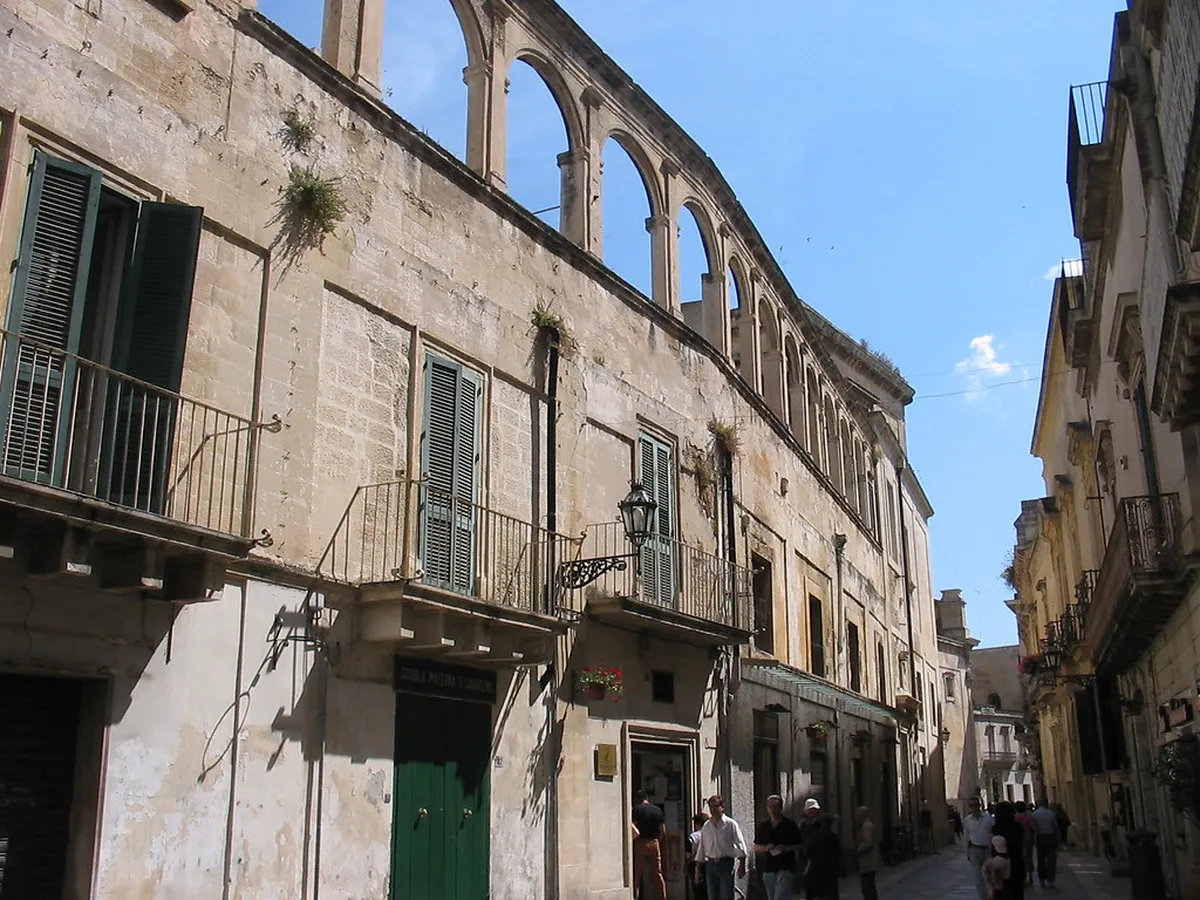
For those interested in religious art, the LeccEcclesiae circuit ticket is the most efficient way to see multiple churches. This combined pass covers the main cathedral and several basilicas, saving you money compared to buying individual entries. I suggest starting your day early to beat the tour groups that typically arrive from the cruise ports by mid-morning. Remember that many smaller sites close between 1:00 PM and 4:00 PM, so plan your indoor visits accordingly.
Lecce also offers a surprising amount of Roman history hidden beneath its Baroque surface, including two well-preserved theaters. Beyond the stone walls, the city's food culture provides a hands-on way to connect with the local traditions of Puglia. From street food tours to high-end dining, the variety of flavors reflects the diverse history of the Mediterranean region. Here are the 12 best things to do in Lecce for your 2026 itinerary.
- Admire the Extravagant Basilica di Santa Croce
- This church is the definitive example of Lecce Baroque, featuring a facade covered in mythical creatures and floral motifs.
- Expect to spend about 45 minutes marveling at the exterior before heading inside to see the ornate wooden ceiling.
- The church is located in the heart of the old town and costs €9 as part of the LeccEcclesiae pass.
- It is typically open daily from 9:00 AM to 9:00 PM, though hours may shift during religious services.
- Look for the detailed carvings of dodo birds which are hidden among the more traditional religious symbols.
- Be Amazed in Piazza del Duomo
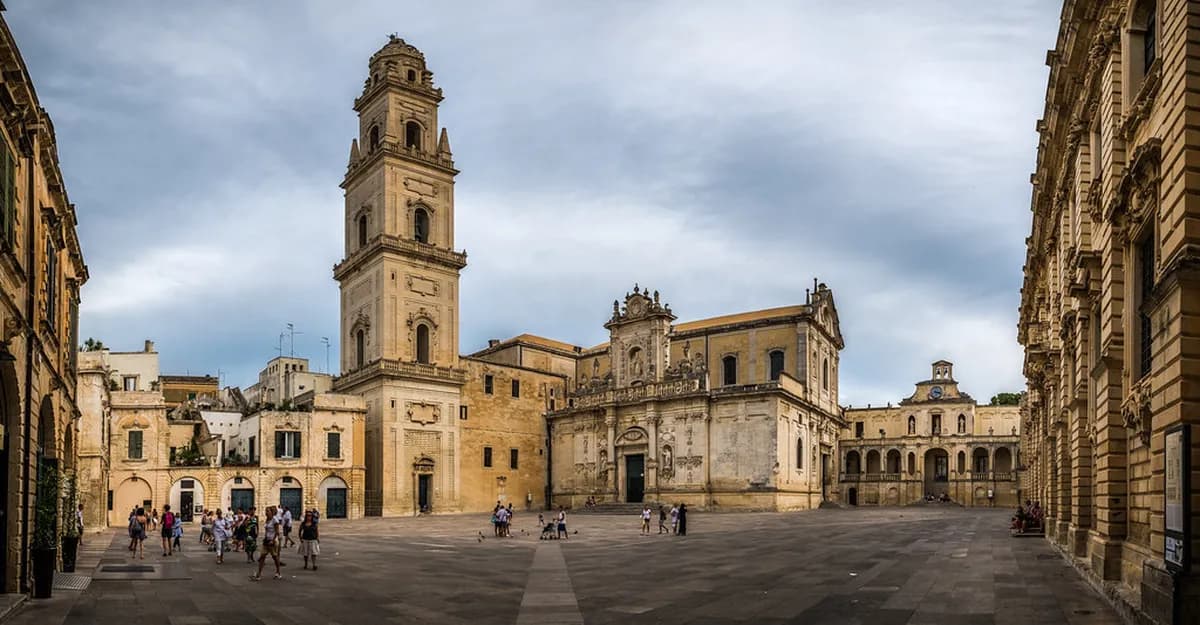
- This enclosed square is one of the few in Italy with a single entrance, creating a dramatic, stage-like atmosphere.
- The space contains the Cathedral, the Bishop's Palace, and a towering five-story bell tower that dominates the skyline.
- Access to the square is free, but entering the Lecce Cathedral requires the standard city church pass.
- The cathedral is open from 9:00 AM to 9:00 PM, and the bell tower offers incredible views for an extra fee.
- Visit at night when the limestone is lit up to avoid the heavy midday heat and the largest crowds.
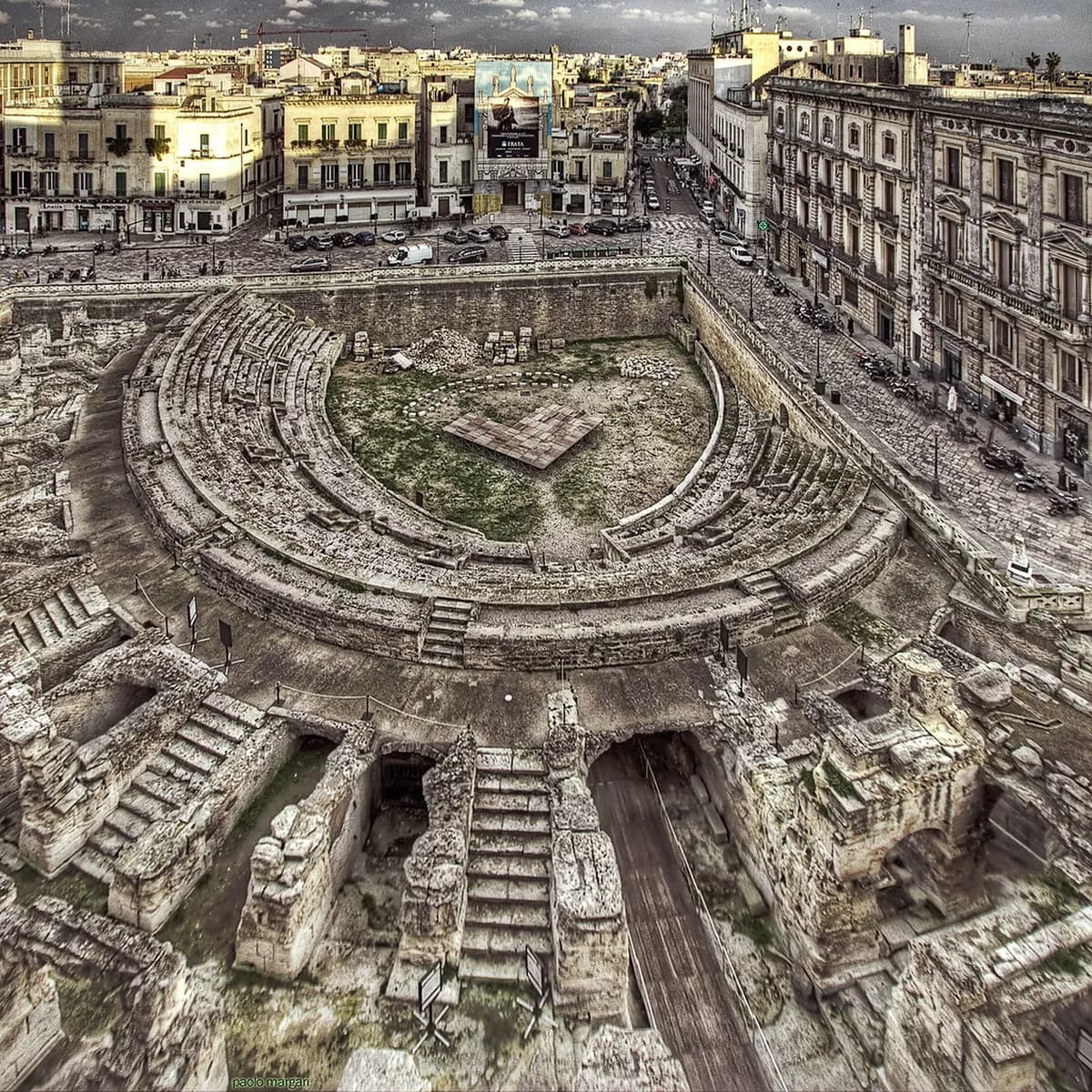
- Marvel at the Roman Amphitheatre
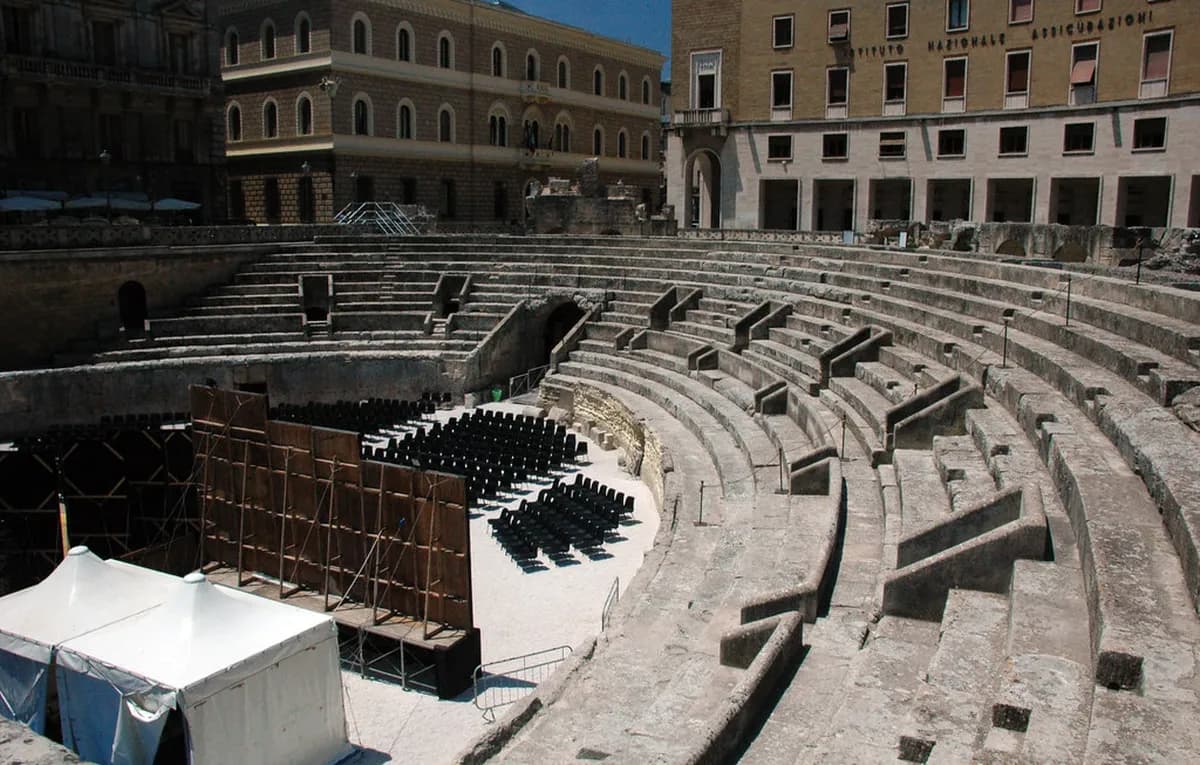
- Located in the central Piazza Sant'Oronzo, this sunken arena once held over 25,000 spectators for ancient gladiatorial games.
- Only about half of the structure is visible today, as the rest remains buried beneath the city's modern buildings.
- You can view the Roman Amphitheatre for free from the street level at any hour of the day.
- Special guided tours occasionally allow access to the lower levels, but these must be booked well in advance.
- The bronze statue of Sant'Oronzo nearby was actually gifted by Brindisi to thank Lecce for ending a local plague.
- Discover the Hidden Roman Theatre
- Tucked away behind modern apartment blocks, this smaller 2nd-century theater offers a more intimate look at Lecce's Roman past.
- It is often overlooked by tourists who stick to the main square, making it a peaceful spot for history lovers.
- The site is located on Via Teatro Romano and usually costs around €3 for a brief self-guided walk-through.
- It is typically open from 9:30 AM to 1:00 PM, though afternoon hours are often restricted or by appointment.
- Check the small museum attached to the site for a collection of masks and artifacts found during the excavation.
- Explore the Fascinating Museo Faggiano
- This private home turned museum was discovered by accident when the owner tried to fix a sewage pipe in 2001.
- The excavation revealed layers of history including Messapian tombs, Roman granaries, and a Franciscan convent's secret tunnels.
- Located near the Port'Arco di Prato, entry is approximately €5 per person for a self-guided tour of the levels.
- It is open daily from 9:30 AM to 8:00 PM and provides a rare look at the city's vertical history.
- Wear sturdy shoes as the metal stairs and ancient stone floors can be quite slippery and steep in sections.
- Visit the Palazzo Taurino Jewish Museum
- This museum sits in the heart of the old Jewish quarter and tells the story of the community's medieval presence.
- The exhibits are housed in a beautiful palace that was built directly over the remains of a former synagogue.
- Entry costs roughly €9 and the museum is generally open from 10:00 AM to 6:00 PM, closed on Saturdays.
- It is a vital stop for understanding the diverse cultural layers that existed in Lecce before the 16th century.
- The multimedia installations are excellent for providing context on how the Jewish community shaped the city's early trade.
- Walk Through the Three Ancient Portas
- Lecce was once a walled city, and three of its monumental gates still stand as grand entrances to the historic center.
- Porta Napoli, Porta Rudiae, and Porta San Biagio each feature unique carvings and serve as excellent landmarks for navigation.
- Walking between these gates is a free activity that allows you to see the transition between old and new Lecce.
- They are accessible 24 hours a day and mark the edges of the main pedestrian zones where cars are restricted.
- Porta Rudiae is the most ornate and is located near the vibrant university district where students gather in the evenings.
- Have Dinner at Alle due Corti
- This legendary restaurant is famous for preserving 'cucina povera' recipes that have been passed down through local generations.
- The menu features traditional dishes like Ciceri e Tria, which is a unique pasta with fried chickpeas.
- A full meal here typically ranges from €25 to €45 per person including local wine and appetizers.
- It is located on Corte dei Mesagnesi and is open for lunch and dinner, though reservations are highly recommended.
- The owner often walks around the tables to explain the history of the ingredients used in your specific meal.
- Join a Cooking Experience Lecce Class
- Learn to make orecchiette pasta by hand under the guidance of local chefs who specialize in Salento traditions.
- This activity is perfect for foodies who want to bring a piece of Italian culture back to their own kitchen.
- Classes at Cooking Experience Lecce usually last 3-4 hours and cost around €90-€120.
- The school is located within the historic walls and offers various sessions throughout the week depending on demand.
- I found that the morning market tour included in some packages is the best way to see local produce.
- Take a Day Trip to Otranto
- This stunning coastal town is just 30 minutes away and features a famous cathedral with a massive medieval mosaic floor.
- The town's Aragonese castle and turquoise harbor offer a beautiful contrast to the inland stone of Lecce.
- A round-trip train or bus ticket costs under €10, while private tours offer more flexibility for exploring the coast.
- The cathedral is free to enter and usually remains open until 7:00 PM during the peak summer months.
- Visit the Bauxite Quarry just outside of town for a surreal landscape of red earth and emerald green water.
- Relax at San Cataldo Beach
- As the closest beach to the city, San Cataldo provides a quick escape to the Adriatic Sea for a swim.
- The area features a mix of free public stretches and private beach clubs where you can rent umbrellas and chairs.
- Buses run regularly from the Lecce city center during the summer, with tickets costing about €1.50 each way.
- Beach club rentals typically range from €20 to €40 per day depending on the month and proximity to the water.
- The lighthouse here is a historic landmark and the nearby pine forests offer shaded paths for a quiet afternoon walk.
- Lecce History and Street Food Tasting Tour
- Combine a guided walking tour of the main sites with stops to taste local delicacies like Pasticciotto and Rustico.
- This is an excellent way for first-time visitors to get their bearings while sampling the best snacks in town.
- A Lecce History and Street Food Tasting Tour typically costs around €50 and lasts 2.5 hours.
- Tours usually depart from the main square and run in both the morning and late afternoon to avoid the heat.
- Ask your guide for their favorite local bakery, as the best Pasticciotto is often found in the most unassuming shops.
What to Skip in Lecce: Editorial Honesty
While Lecce is full of charm, some aspects of the tourist experience can be underwhelming or unnecessarily expensive for travelers. I recommend skipping the overpriced souvenir shops located directly on the main strip between Piazza Sant'Oronzo and the Cathedral. Many of these shops sell mass-produced items that lack the quality of the authentic papier-mâché workshops found in the side streets. You will find much better value and craftsmanship by walking just two blocks away from the primary tourist thoroughfares.
The 'tourist train' that circles the historic center is another attraction that many visitors find disappointing and cramped. Lecce is remarkably flat and compact, making it one of the easiest cities in Italy to explore entirely on foot. Walking allows you to stop at hidden courtyards and small churches that the train simply cannot access due to narrow streets. Save your money for a better experience, like a Lecce Historical Attractions Rickshaw Tour for a more personalized touch.
Where to Stay in Lecce: Neighborhood Guide
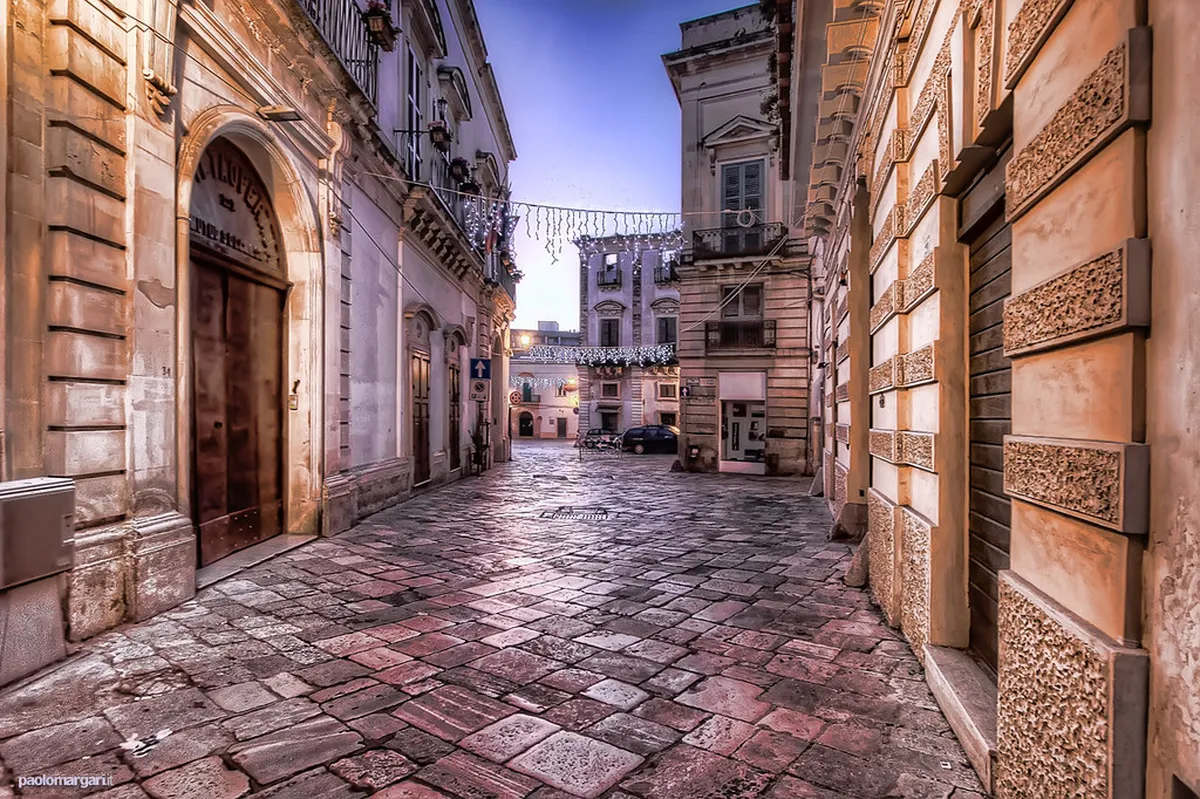
Choosing the right neighborhood is essential for balancing convenience with the desire for a quiet night's sleep in this lively city. The Centro Storico is the most popular choice, placing you within steps of the major Baroque landmarks and the best dining. However, keep in mind that many streets here are pedestrian-only, which can make arriving with heavy luggage a bit challenging. You can find many charming holiday rentals in Lecce on Vrbo that offer authentic stone-vaulted ceilings.
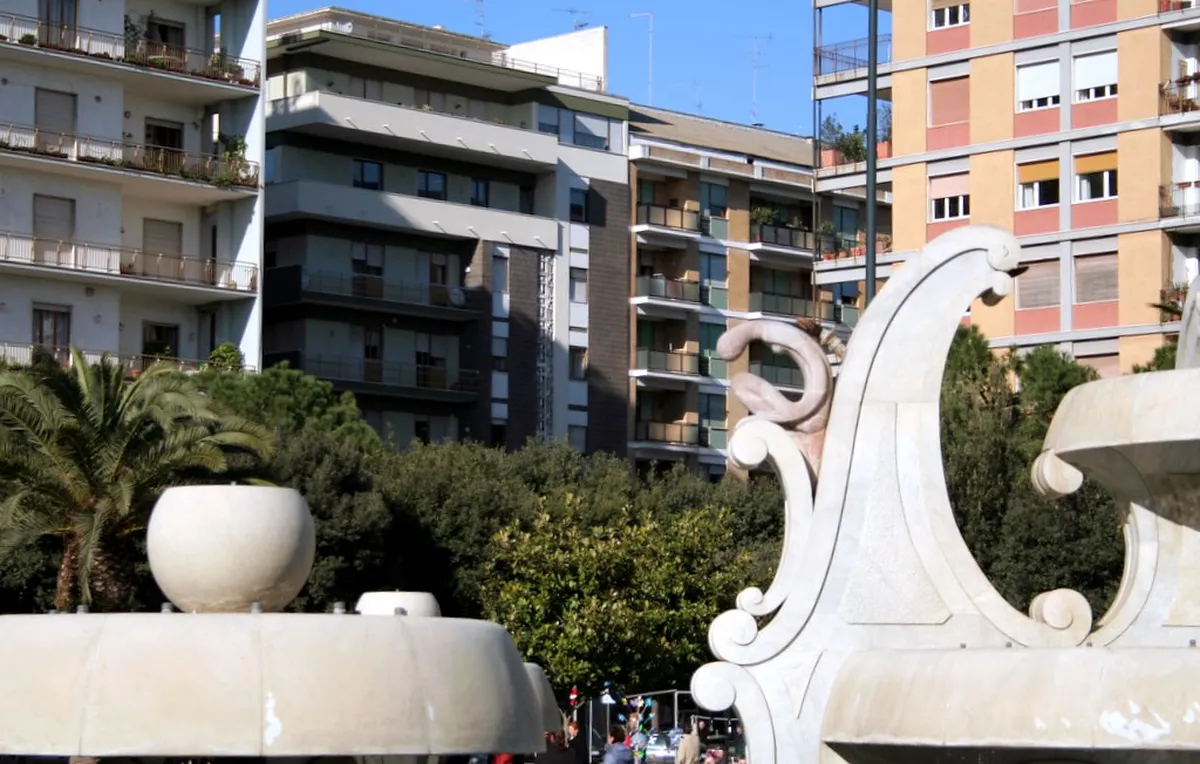
If you prefer a more modern atmosphere with easier parking, the Mazzini district just east of the old town is a great alternative. This area is the commercial heart of the city, featuring high-end shopping, wide boulevards, and excellent contemporary cafes. It is only a ten-minute walk to the historic gates, allowing you to enjoy the best of both worlds during your stay. This district is also where most of the larger, full-service hotels are located if you prefer traditional amenities over boutique rentals.
Budget-conscious travelers should look toward the area surrounding the train station, which offers more affordable guesthouses and B&Bs. While the immediate station area is less picturesque, it is safe and provides quick access for those planning many regional day trips. I found that the streets just north of the station offer a nice residential feel while remaining close to the historical action. Regardless of where you stay, ensure your accommodation has air conditioning if you are visiting during the peak summer months.
Lecce Planning Cheatsheet
The best time to visit Lecce is during the shoulder seasons of May, June, September, and October for ideal walking weather. July and August can be oppressively hot, with temperatures often exceeding 35°C, making afternoon sightseeing almost impossible for many. Winter is mild but quiet, with some restaurants and attractions operating on reduced hours or closing for seasonal maintenance. I suggest checking the local calendar for the Feast of Sant'Oronzo in late August for a truly spectacular local celebration.
Getting to Lecce is straightforward via the Brindisi Airport, which is connected to the city by a 40-minute shuttle bus service. The city is also the southern terminus for many high-speed trains from Rome and Bari, making it very accessible by rail. Once you arrive, you will not need a car within the city, but renting one is highly recommended for exploring the Salento coast. Parking is strictly regulated in the old town, so always look for the blue lines indicating paid public parking zones.
Lecce is generally an affordable destination compared to northern Italian cities, with coffee and pastries costing very little at local bars. Most museums and churches have modest entry fees, and the abundance of free architectural sites helps keep your daily budget low. I recommend carrying some cash for smaller purchases, as some family-run shops in Puglia still prefer it over credit cards. For more planning resources, you can check out the latest updates on ItalyWander to stay informed.
Best Beaches Near Lecce
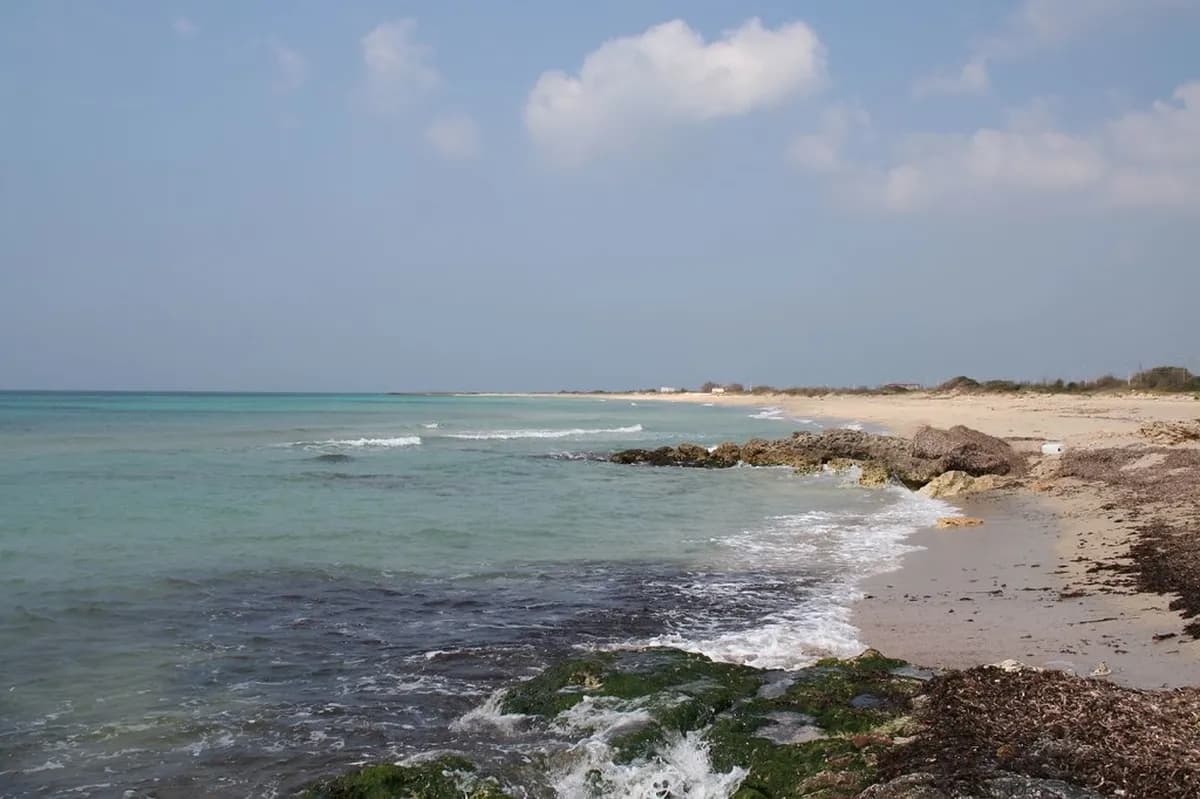
Lecce sits almost equidistant between the Adriatic Sea to the east and the Ionian Sea to the west, which means you have two completely different coastal personalities within 30 to 40 minutes by car. The nearest beach by distance is San Cataldo on the Adriatic, just 20 minutes east of the city center. It has a free public section and several lidos where umbrella-and-lounger sets rent for €20 to €30 per day in peak July and August. The water is clear but the coastline here is relatively flat and the beach itself is more practical than spectacular — fine for a cooling afternoon dip when you do not want to travel far.
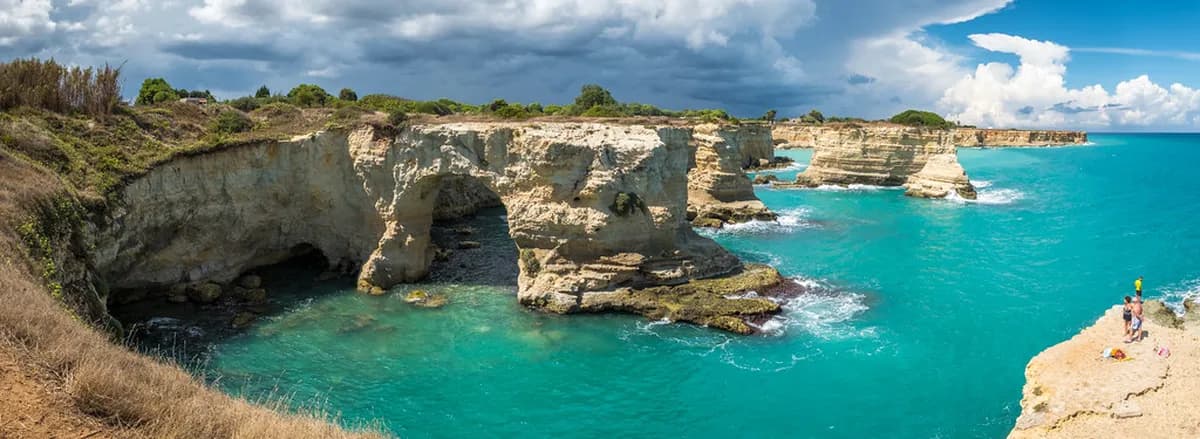
For genuinely beautiful swimming, the consensus points west to the Ionian Coast around Porto Cesareo. Torre Lapillo and Punta Prosciutto, both reachable in 35 minutes, deliver white-powdery sand and water that runs through shades of turquoise more typical of the Caribbean than the Mediterranean. These are among the most photographed beaches in all of Puglia and get correspondingly busy in August; arrive before 10:00 to secure a good spot on the free section, or budget €40 to €60 per day for a full lido setup at one of the more polished beach clubs. If you prefer pines over parasols, Porto Selvaggio — 30 minutes south — offers a pebble cove backed by protected maritime forest with no commercial development at all. Bring food and water, as there are no facilities on-site. If you are heading to Otranto for a day trip, the beaches around Torre dell'Orso north of town are excellent and can be combined without backtracking. The single biggest planning tip: go to the Ionian coast in the morning, visit Lecce in the golden evening, and avoid the Adriatic beaches entirely in August unless you live nearby.
Day Trips from Lecce
Lecce's position at the heart of the Salento peninsula makes it one of the best-placed bases in southern Italy for day-tripping. The entire heel of the Italian boot lies within 40 minutes by car, and several of the region's most compelling towns are also reachable by train or bus if you are traveling without a vehicle. Having a car is strongly recommended for anything other than Otranto, as local FSE trains run infrequently and connections often require two or three changes.
Otranto, 40 minutes east, is the most popular day trip for good reason. The cathedral floor mosaic — a 12th-century masterpiece showing the Tree of Life across 800 square meters of stone — is one of the most extraordinary medieval artworks in Italy and costs nothing to enter. The Aragonese castle overlooking the harbor adds another hour. Gallipoli, 35 minutes southwest on the Ionian coast, is a Baroque old town built on a small island connected to the mainland by a bridge; it has excellent beaches north of the center and one of the best fish markets in Puglia. For something less visited, Castro (40 minutes) is a quiet coastal village built over sea caves, with boat tours of the Grotta Zinzulusa running from the harbor for around €10 per person. Galatina, just 25 minutes south, is worth a half-day purely for the Basilica di Santa Caterina d'Alessandria — a 14th-century church whose interior frescoes rival anything in Assisi, yet most visitors have never heard of it. If you have more than three nights in Lecce, combining a morning in Galatina with an afternoon at a nearby Ionian beach is one of the most satisfying itinerary decisions you can make in this part of Italy.
Frequently Asked Questions
Is Lecce worth visiting for just one day?
Yes, Lecce's compact historic center makes it possible to see the major Baroque landmarks and Roman ruins in a single day. However, staying overnight allows you to experience the magical evening atmosphere and local dining scene properly.
How many days do you need in Lecce?
Three days is the ideal amount of time to explore the city at a relaxed pace and take one day trip. This allows you to visit the major museums, enjoy the local food culture, and see the nearby coast.
What is the best way to get around Lecce?
Walking is the best way to navigate the historic center as most attractions are close together and many streets are pedestrian-only. For regional travel to nearby beaches or towns, renting a car or using the local bus network is necessary.
Lecce remains one of Italy's most rewarding destinations for those who appreciate history, architecture, and authentic regional flavors. The city's unique blend of Roman foundations and Baroque flourishes creates an atmosphere that is both grand and deeply intimate. By following this guide, you can navigate the best things to do in Lecce while avoiding the common pitfalls of the growing tourism scene. I hope your journey to the heel of Italy is filled with golden limestone views and the best pasta you have ever tasted.
Planning more of the region? See our using Bari as your gateway guide.
Explore More: Things to Do in Lecce
Keep planning with these related guides.
You might also like
Continue reading
More guides you'll find useful