10 Best Day Trips from Lecce (2026 Travel Guide)
Discover the best day trips from Lecce with our 2026 guide. Explore Otranto, Ostuni, and hidden Salento gems with expert planning tips.
On this page
10 Best Day Trips from Lecce (2026)
After spending several summers based in the golden-hued 'Florence of the South,' I have learned that Lecce is the perfect hub. The city serves as a gateway to the rugged Adriatic coast and the sandy shores of the Ionian Sea. My recent visits have revealed that while the city is stunning, the true magic of Puglia lies in the surrounding villages. This guide helps you navigate the diverse landscapes of the Salento peninsula with ease and local insight.
Updated for 2026, this article reflects the latest transport schedules and entry requirements for regional attractions. Planning a trip here requires balancing the slow pace of southern life with the desire to see iconic white-washed towns. You will find that renting a car through DiscoverCars offers the most flexibility for reaching remote coves. However, several key destinations remain accessible via the local train network for those preferring a more relaxed pace.
Choosing the right excursions can transform a standard holiday into a deep immersion into Apulian culture and history. Whether you seek baroque architecture or crystal-clear waters, the variety within an hour of Lecce is truly remarkable. I have curated these selections based on accessibility, historical significance, and that unique sense of place found only in Italy. Let us explore the most rewarding destinations to add to your itinerary this year.
Key Takeaways
- Quick Pick: Otranto is the best overall day trip for a mix of history, swimming, and dining.
- Best for Families: The shallow, sandy beaches near Gallipoli are ideal for children.
- Best Rainy Day: The Basilica in Galatina and the museums of Lecce offer excellent indoor culture.
- Best Free Option: Exploring the white streets of Ostuni or the nature trails of Porto Selvaggio costs nothing.
- Traveler Tip: Always check the wind direction; if it's windy on the Adriatic, head to the Ionian coast for calmer water.
10 Best Day Trips from Lecce (2026)
The Salento peninsula offers a dense concentration of historical towns and natural wonders all within a short driving distance. Most travelers find that focusing on one coast per day allows for a deeper appreciation of the local atmosphere. Our list includes a mix of world-famous landmarks and quiet corners where the old traditions of Puglia still thrive. Each of these locations provides a distinct perspective on the region's complex heritage and vibrant modern life.
| Destination | Distance | Transport | Time Needed | Best For |
|---|---|---|---|---|
| Otranto | 45 km | Train 90 min / Car 45 min | 6–8 hours | History and swimming |
| Gallipoli | 40 km | Train 90 min / Bus 75 min | 6–8 hours | Sandy beaches and seafood |
| Ostuni | 75 km | Train 55 min / Car 60 min | 6–8 hours | White-washed architecture |
| Alberobello | 80 km | Train 90 min / Car 75 min | 8 hours | Trulli houses and culture |
| Galatina | 25 km | Train 20 min / Car 30 min | 4–5 hours | Art and pasticciotto pastry |
| Santa Maria di Leuca | 70 km | Bus 75 min / Car 90 min | 8–10 hours | Cliff views and sea caves |
| Porto Selvaggio | 30 km | Car only / 35 min | 4–6 hours | Nature hikes and local vibes |
| Grottaglie | 45 km | Train 45 min / Car 40 min | 4–5 hours | Ceramic workshops |
| Torre Guaceto | 35 km | Car only / 40 min | 6–8 hours | Snorkeling and wildlife |
| Castro and Zinzulusa | 55 km | Car 60 min | 7–8 hours | Cave exploration |
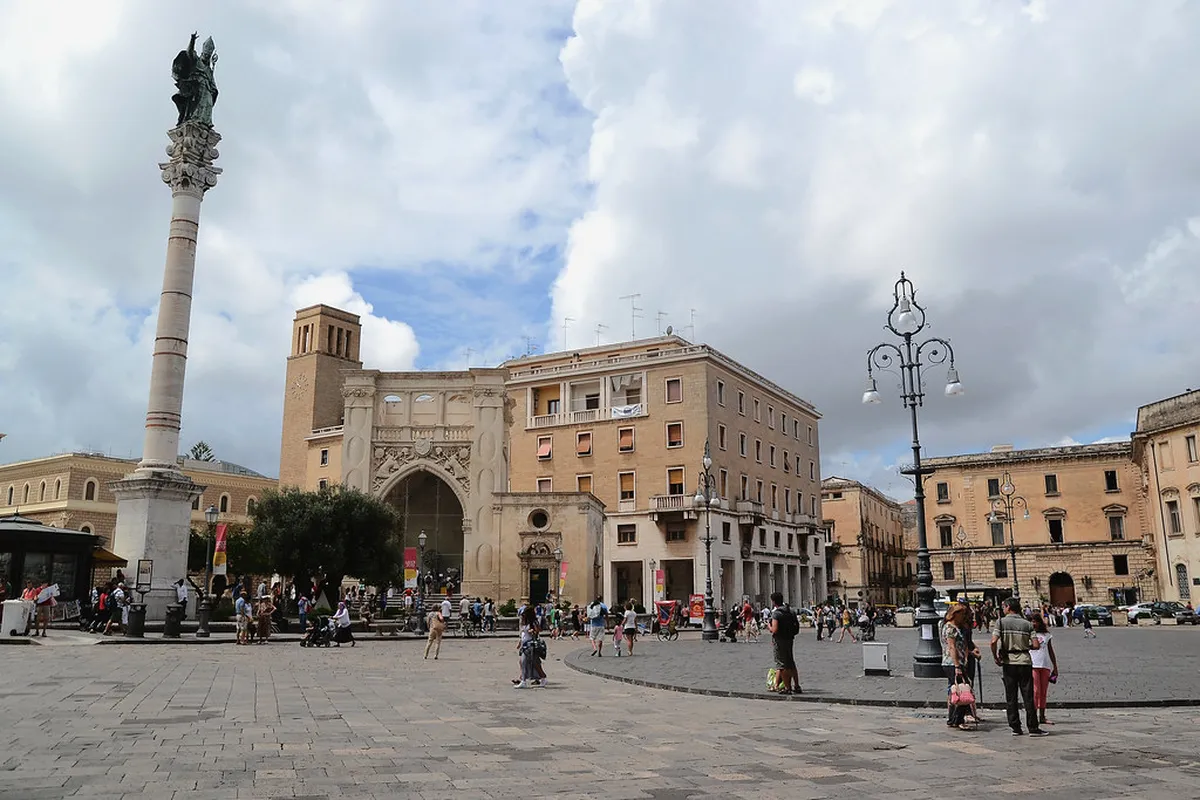
Travelers often struggle to choose between the rocky Adriatic cliffs and the sandy Ionian beaches during their first visit. I recommend alternating between coastal explorations and inland cultural tours to avoid 'baroque fatigue' during your stay. The following destinations are ranked by their popularity and the quality of the experience they offer to international visitors. Prepare your camera and your appetite as we dive into the best day trips available from Lecce.
- The Historic Coastal Beauty of Otranto
- This seaside town sits on the easternmost point of Italy and offers a stunning mix of turquoise water and medieval history.
- A visit to Otranto from Lecce typically takes about 45 minutes by car or an hour by local train.
- Entry to the massive Aragonese Castle costs roughly €10 to €12, while the cathedral with its mosaic floor is free.
- The castle is open daily from 10 am to 7 pm, but the cathedral often closes for a few hours mid-afternoon.
- Walk along the ancient city walls at sunset for the best views of the harbor and the distant Albanian mountains.
- The Island Old Town of Gallipoli
- Gallipoli features a unique historic center located on a limestone island connected to the mainland by a 16th-century bridge.
- Exploring Gallipoli from Lecce allows you to experience the vibrant Ionian coast and its famous seafood markets.
- The Greek Fountain and the Cathedral of Saint Agatha are highlights that rarely charge more than a small donation fee.
- Most shops and churches follow the traditional 1 pm to 4:30 pm closure, so plan your museum visits for the morning.
- Head to the Spiaggia della Purità for a quick swim right beneath the ancient city walls before your lunch.
- The White City of Ostuni
- Perched on a hill overlooking olive groves, Ostuni is famous for its whitewashed houses and winding, labyrinthine streets.
- Taking a trip to Ostuni from Lecce takes about an hour by train followed by a short bus ride.
- The Civic Museum and the Cathedral are the primary paid sites, with combined tickets usually costing under €10 per adult.
- Summer hours often extend late into the evening, with many boutiques staying open until 10 pm for the nightly stroll.
- Wear comfortable shoes with good grip, as the polished limestone streets can be surprisingly slippery even when dry.
- The Iconic Trulli of Alberobello
- This UNESCO World Heritage site is home to over 1,500 conical-roofed limestone dwellings known as trulli.
- While it is slightly further north, it remains a essential stop for anyone wanting to see the most famous Puglia landmarks.
- Walking through the Rione Monti district is free, though the Trullo Sovrano museum charges a modest €2 entry fee.
- Most trulli shops are open from 9 am until sunset, but the town becomes very crowded after 11 am each day.
- I suggest arriving by 8:30 am to photograph the streets before the large tour buses arrive from the cruise ports.
- The Artistic Soul of Galatina
- Galatina is a hidden gem known for the Basilica of Saint Catherine of Alexandria and its stunning 15th-century frescoes.
- This town is the birthplace of the pasticciotto pastry, making it a mandatory stop for food lovers visiting the region.
- The Basilica is free to enter and is generally open from 9 am to 1 pm and 3:30 pm to 7 pm.
- Parking is usually easy to find in the blue zones near the historic center for about €1 per hour.
- Order a warm pasticciotto at Pasticceria Ascalone, which has been serving these iconic treats since the year 1745.
- Santa Maria di Leuca Finibus Terrae
- Located at the very tip of the Italian 'heel,' this town is where the Adriatic and Ionian seas meet.
- Visiting Santa Maria di Leuca from Lecce offers dramatic cliff views and elegant 19th-century villas.
- The Basilica Sanctuary and the lighthouse area are free to explore, though boat tours to the caves cost €25-€40.
- The monumental staircase and waterfall are only illuminated on specific summer evenings, so check the local schedule online.
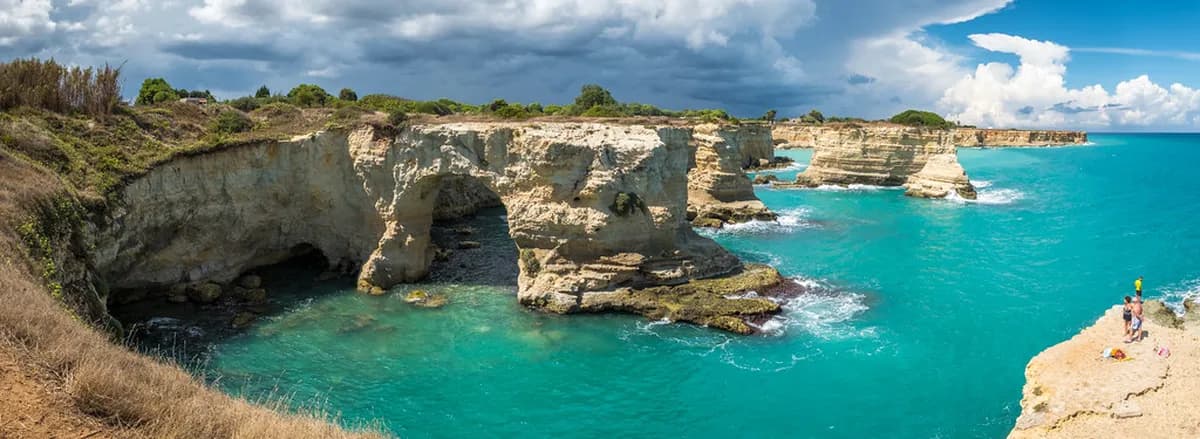
- Book a sunset boat tour to see the sea caves when the light reflects most beautifully against the white limestone.
- Nature Hikes in Porto Selvaggio
- This regional park offers a refreshing escape with its dense pine forests and rocky coves filled with cool spring water.
- It is a favorite for locals who want to avoid the more commercialized beach clubs found elsewhere in the Salento.
- Access to the park is free, though you will need to pay for parking along the main road near the entrance.
- The park is open 24 hours, but hiking is safest during daylight hours on the well-marked coastal trails.
- Bring sturdy water shoes because the entry into the sea is rocky and can be difficult for bare feet.
- The Ceramic Workshops of Grottaglie
- Grottaglie is world-renowned for its ceramics district, where dozens of artisans work in workshops carved into the rock.
- Visitors can watch potters at work and purchase unique 'Pumi' sculptures that are symbols of luck in Puglia.
- The Ceramics Museum located in the Episcopio Castle charges approximately €5 for entry and is closed on Mondays.
- Workshops generally operate from 9 am to 1 pm and reopen at 4 pm for the evening trade.
- Look for the 'Quartiere delle Ceramiche' sign to find the densest concentration of authentic, family-run artisan studios.
- Torre Guaceto Marine Protected Area
- This pristine nature reserve features some of the cleanest beaches in Italy and a diverse range of Mediterranean flora.
- It is an ideal spot for snorkeling or birdwatching away from the noise of beach bars and umbrellas.
- There is no entry fee for the beach, but the mandatory shuttle from the parking lot costs a few euros.
- The visitor center is open daily in summer, offering guided bike tours and trekking for roughly €15 to €25.
- Pack all the water and snacks you need for the day as there are very few commercial facilities inside.
- Castro and the Zinzulusa Cave
- Castro is a vertical town with a stunning medieval fortress and access to one of Italy's most famous sea caves.
- The Grotta Zinzulusa is filled with dramatic stalactites and can be reached via a walkway or by a small boat.
- Guided tours of the cave cost about €15 per person and run frequently from 10 am until 6 pm.
- The upper town of Castro offers incredible panoramic views and a small archaeological museum for a €5 entry fee.
- Eat lunch at the harbor where the local 'frittura di pesce' is famously fresh and surprisingly affordable.
Museums, Art, and Culture in Salento
While the coastline often steals the spotlight, the interior of the Salento peninsula is a treasure trove of artistic heritage that rewards deliberate cultural day trips. Lecce itself is a Baroque open-air museum — the Basilica di Santa Croce, the Duomo, and the Church of Sant'Irene showcase the local 'pietra leccese' limestone at its most ornate. But the cultural riches extend well beyond the city. Towns like Galatina and Nardò deliver equally stunning religious architecture with far fewer crowds, making them ideal half-day additions to any itinerary.
The frescoes inside Galatina's Basilica of Saint Catherine of Alexandria are genuinely breathtaking — a 15th-century cycle comparable in scale to those in Assisi. Entry is free and the basilica is typically open from 09:00 to 13:00 and 15:30 to 19:00. For contemporary art, the small gallery network in Lecce's historic center curates rotating exhibitions of regional ceramics and sculpture; check the municipal website for current programming during your stay in 2026. The 'Museo Castromediano' in Lecce is also worth an hour — it is the oldest museum in Puglia and frames the Messapian and Roman layers beneath every village you will visit on your day trips.
Cultural travelers should also seek out the local 'Sagre' calendar — seasonal festivals celebrating specific foods, saints, or historical events that run from April through October. These gatherings feature traditional Pizzica music, tarantella dancing, and artisan markets that offer an authentic counterpoint to the polished tourist circuits. The Notte della Taranta festival held in late August is the region's most famous, drawing thousands to Melpignano for a climactic open-air concert. Attending even a small village Sagra is perhaps the single most immersive cultural experience available in southern Italy.
Parks, Gardens, and Outdoor Spots in Puglia
Puglia's landscape is defined by its ancient olive trees, some of which have stood for over a thousand years. Exploring the countryside on a bicycle is a popular way to see the 'pajare,' which are dry-stone huts similar to trulli. The regional parks offer a protected environment where the natural Mediterranean scrub meets the crystal-clear sea. You can find quiet walking paths that lead to secluded beaches even during the height of the summer season.
Check the wind direction before leaving for the coast. North winds (Tramontana) keep the Ionian calm and sandy; South winds (Scirocco) make the Adriatic clearest for swimming. Use a weather app like Windfinder to plan your beach day accordingly.
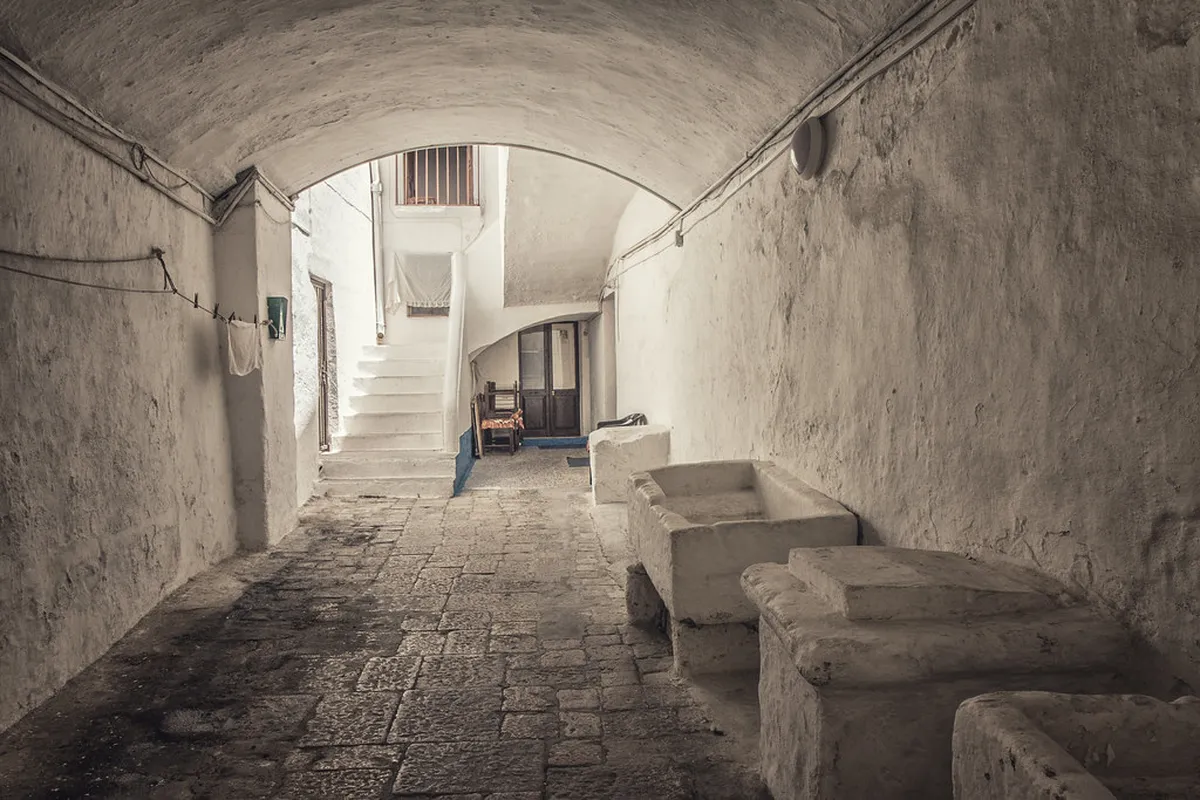
The Bauxite Quarry near Otranto is a striking outdoor spot featuring a deep emerald lake surrounded by red earth. It is a favorite for photographers due to the high contrast between the soil, the water, and the blue sky. There is no formal entry fee for this site, making it an excellent budget-friendly stop on a coastal driving tour. Ensure you visit during the 'golden hour' before sunset to see the colors at their most intense.
For those interested in marine life, the protected areas offer snorkeling opportunities that are among the best in the Mediterranean. Guided excursions often include visits to submerged Roman columns or hidden sea caves accessible only by water. I suggest booking these trips in advance during July and August to ensure availability on smaller, eco-friendly boats. Always check the weather forecast, as the northern 'Tramontana' wind can make the Adriatic side quite choppy for swimming.
Family-Friendly and Budget-Friendly Options
Traveling with a family in Salento is remarkably easy because the local culture is incredibly welcoming to children. Many of the Salento beaches from Lecce feature shallow, calm waters perfect for young swimmers. Towns like Otranto and Gallipoli have large pedestrian zones where kids can run safely away from car traffic. Gelaterias are found on every corner, offering a cheap and delicious way to keep everyone happy during a long day.
Budget-conscious travelers can save significantly by utilizing the 'Southeastern Railway' (FSE) instead of renting a private car. While the trains are slower, they offer a scenic and very affordable way to reach towns like Alberobello and Martina Franca. Picnicking is also a great way to save, as local markets sell high-quality cheese, olives, and bread for very low prices. Look for 'Forno' signs to find bakeries selling 'focaccia barese' or 'pucce' for just a few euros.
Many of the most beautiful sights in the region, such as the coastal watchtowers and public squares, cost nothing to visit. I often suggest that visitors spend their mornings at free natural sites and their afternoons in the shaded historic centers. This strategy helps avoid the midday heat while keeping the overall trip costs manageable for families. Local parks often host free outdoor cinema or music events during the summer months for the public to enjoy.
Lecce and Salento Monument Tickets Explained
Navigating the ticketing systems for Puglia's monuments can be confusing for first-time visitors to the region. In Lecce, the 'LeccEcclesiae' pass is a great value, covering the Cathedral, Santa Croce, and several other major churches. This pass currently costs about €11 and is valid for two weeks, allowing for a very flexible sightseeing schedule. You can purchase it at any of the included churches or at the central ticket office near the Piazza Duomo.
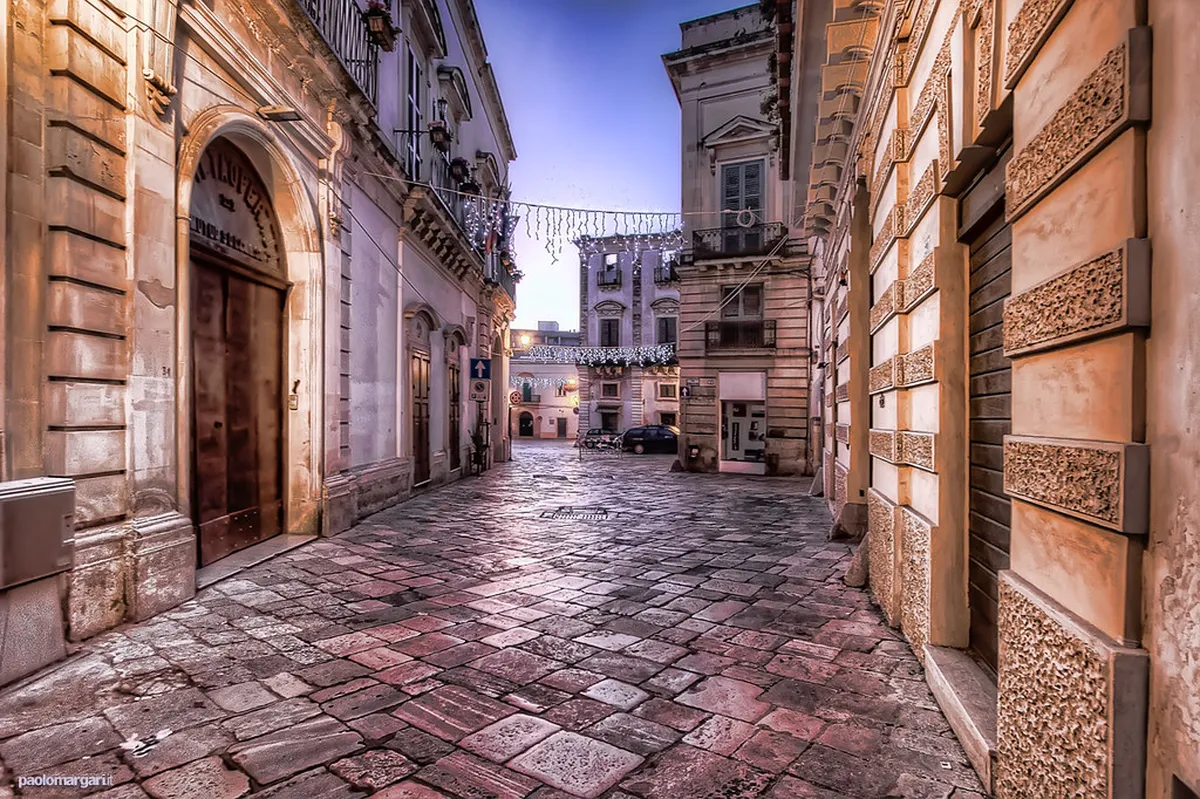
Outside of Lecce, most castles and museums operate independently and rarely offer a unified regional tourist card. It is common for smaller sites to only accept cash, so always keep some small bills on hand for entry fees. Online booking is rarely required for monuments, but it is highly recommended for popular Gems of the Salento coast day trips. Boat tours and guided winery visits are the two activities that definitely require a reservation at least 48 hours in advance.
For those interested in a deeper dive, a Lecce walking tour with Paolo provides excellent historical context before you head out. Understanding the local history makes visiting the smaller provincial museums much more rewarding and meaningful. Most museum tickets include a small brochure in English, but the quality of signage can vary between different towns. I find that hiring a local guide for at least one day helps unlock stories you would never find in a standard guidebook.
Good to know before your day trips
The most important thing to understand about Puglia is the 'Controra,' or the deep afternoon silence. Between 1:30 pm and 5:00 pm, almost everything closes as locals retreat indoors to escape the intense heat. I have seen many tourists frustrated by closed doors, so plan your travel or lunch during these quiet hours. This is the perfect time for a long, slow meal at a shaded trattoria or a nap back at your accommodation.
Public transportation in Salento requires patience and careful planning, especially on Sundays when many services stop entirely. The Moovit app is generally reliable for checking local bus and train connections in real-time. If you plan to visit multiple towns in one day, a rental car is almost always the better choice for efficiency. Parking in historic centers is restricted by 'ZTL' zones, so always look for parking lots just outside the old walls.
Driving in southern Italy can be an adventurous experience due to narrow roads and the assertive local driving style. I recommend choosing a small car to make navigating the tight streets of medieval villages much less stressful. Always carry a physical map or download offline Google Maps, as GPS signals can be spotty in the deep countryside. Gas stations are plentiful, but many are self-service only during the afternoon break and late at night.
My Favorite Hidden Gems in Puglia
While the main tourist path is beautiful, the true soul of Puglia is often found in the quiet, overlooked villages. Specchia is one of my personal favorites, consistently ranked as one of the most beautiful 'borghi' in all of Italy. It lacks the crowds of Otranto but offers stunning sunset views and a perfectly preserved medieval street layout. A visit here feels like stepping back in time to a Puglia that existed before the recent tourism boom.
Another gem is the town of Nardò, which boasts a piazza that rivals Lecce for baroque splendor but with fewer tourists. The 'Santuario del Santissimo Crocifisso' is a masterpiece of local architecture that many travelers completely miss. Nardò is also the gateway to the Porto Selvaggio park, making it easy to combine culture with a nature walk. I love stopping here for a coffee in the morning when the square is filled with locals reading the newspaper.
Finally, consider a trip to the wineries of Manduria if you are a fan of bold, sun-drenched red wines. The Primitivo di Manduria is the king of local wines, and many estates offer tours that include ancient underground cellars. It is a fascinating way to see how the agricultural wealth of the region has been preserved over generations. Always check italywander.com/blog for updated winery recommendations and seasonal tasting event dates.
How Long to Spend on Each Day Trip
One of the most common planning mistakes I see is trying to combine two or three destinations in a single day, only to end up racing through each one. Salento rewards patience. The distances on a map look small — but factor in the 'Controra' closures between 13:30 and 17:00, a slow lunch, and traffic on summer afternoons and your day fills quickly. As a practical guide, treat any destination over 50 km from Lecce as a full-day trip, and destinations under 30 km as potential half-day trips that can be combined with one nearby stop.
Otranto warrants a minimum of six hours: two hours for the castle and cathedral, an hour at the waterfront for lunch, and another hour walking the city walls and the nearby Bauxite Quarry. Alberobello is best as a standalone full day — the train from Lecce takes 90 minutes each way and the Rione Monti district is far more enjoyable when you are not watching the clock. Galatina and Nardò sit just 25 to 30 km south of Lecce, making them an ideal pairing for a relaxed cultural morning: drive south, visit the Galatina basilica before noon, then continue to Nardò for lunch and a walk around its baroque piazza before returning by mid-afternoon. For coastal destinations like Gallipoli or Castro, plan to arrive by 10:00 to claim a spot at the best beaches before the midday rush arrives, and stay through the early evening when the light turns golden and restaurant prices drop for the traditional 'prima serata' dinner sitting.
If you have three days in Lecce, a practical rhythm is: Day 1 north and inland (Alberobello or Grottaglie), Day 2 south Adriatic coast (Otranto, Bauxite Quarry, Castro), and Day 3 Ionian coast (Gallipoli, Porto Selvaggio, Santa Maria di Leuca). This structure keeps driving distances short each day and naturally separates the cultural, coastal, and nature experiences so nothing feels rushed.
Towns South and North of Lecce: Planning by Direction
Thinking about Lecce's day trips geographically — rather than alphabetically — saves time and fuel. The Salento peninsula fans out in two main directions from the city, and each direction has a distinct character that shapes the kind of experience you will have. South of Lecce, the landscape narrows into the 'thin blade' of the peninsula, where the Adriatic and Ionian coasts are never more than 30 km apart. This southern strip is the heart of classic Salento: white-sand beaches at Pescoluse (the 'Maldives of Italy'), the cliff sanctuaries of Santa Maria di Leuca at the peninsula's tip, the sea caves of Castro and Zinzulusa, and the historic old town island of Gallipoli on the Ionian side. Roads through this zone are quiet, often running between ancient olive groves, and distances are short. Budget €20–€35 for fuel if you plan a full south-loop from Lecce and back.
North of Lecce, the landscape broadens into the wider Puglia interior and the Valle d'Itria, where the trulli country begins. This direction is best suited for cultural and artisan trips rather than beach days. Grottaglie (40 km) is a direct drive through flat agricultural land and rewards pottery enthusiasts with a genuinely working ceramics quarter. Ostuni (75 km) sits on a ridge above the olive plain and is breathtaking at sunset. Alberobello (80 km) requires the most travel time but delivers the most photographically iconic landscape in the entire region. For first-time visitors, the north route is best attempted by car or train on a day when you want cultural immersion rather than swimming; the coast is too far to squeeze in comfortably alongside these inland stops. Combining a northern cultural stop with a quick swim at the nearby Torre Guaceto marine reserve (35 km northeast of Lecce) is one of the most efficient half-day loops the area offers.
Frequently Asked Questions
What are the best day trips from Lecce?
The top day trips include Otranto for history, Gallipoli for beaches, and Ostuni for its white-washed architecture. Alberobello is also a must-see for its unique trulli houses. Most of these are within a 60-minute drive from Lecce.
How much time should you plan for day trips from Lecce?
Plan for at least 6 to 8 hours per trip to account for travel and the afternoon siesta. Most towns can be explored in half a day. However, coastal spots often require more time if you plan to swim.
What should travelers avoid when planning day trips?
Avoid traveling on Sundays if you rely on public transport, as many services are limited. Do not attempt to visit more than two towns in a single day. You will likely miss the best parts of both by rushing.
Frequently Asked Questions
What are the best day trips from Lecce?
The top day trips include Otranto for history, Gallipoli for beaches, and Ostuni for its white-washed architecture. Alberobello is also a must-see for its unique trulli houses. Most of these are within a 60-minute drive from Lecce.
How much time should you plan for day trips from Lecce?
Plan for at least 6 to 8 hours per trip to account for travel and the afternoon siesta. Most towns can be explored in half a day. However, coastal spots often require more time if you plan to swim.
What should travelers avoid when planning day trips?
Avoid traveling on Sundays if you rely on public transport, as many services are limited. Do not attempt to visit more than two towns in a single day. You will likely miss the best parts of both by rushing.
Lecce is a spectacular city, but its true value lies in how easily it connects you to the rest of Salento. By venturing out on these day trips, you gain a much fuller understanding of the flavors and traditions of Puglia. Whether you choose the rugged Adriatic coast or the quiet olive groves of the interior, you will find something special. Puglia rewards those who take the time to slow down and explore its many hidden corners.
Remember to embrace the local pace of life and don't be afraid to get a little lost in the white-washed alleys. The memories of a sunset in Otranto or a quiet lunch in Galatina will stay with you long after you leave. Safe travels as you discover the incredible beauty of southern Italy from your base in Lecce.
Explore More: Day Trips from Lecce
Keep planning with these related guides.
You might also like

Continue reading
More guides you'll find useful