Bari Ferry Port Guide: 10 Essential Tips and Routes
Navigate the Port of Bari with ease. Our guide covers ferry routes to Greece, bus transfers from Bari Centrale, luggage storage secrets, and top Old Town sights.
On this page
Bari Ferry Port Guide: 10 Essential Tips and Routes
Navigating the Adriatic Sea begins at the bustling Port of Bari, a vital gateway for travelers heading toward Greece and the Balkans. This historic harbor serves as a primary hub for both massive cruise ships and international ferry lines. Understanding the layout of the terminals ensures a stress-free start to your Mediterranean adventure.
Many visitors arrive at the central train station and need a quick transfer to catch their departing ship. The port area can feel overwhelming due to its size and the constant movement of vehicles and passengers. This guide provides the clarity you need to move between the city and the sea efficiently.
Whether you are planning a trip for late 2025 or looking ahead to 2026, staying updated on transit options is essential. From finding hidden luggage storage to choosing the right bus, we cover the practical details that competitors often miss. Prepare to explore the charm of Puglia before you set sail from this ancient maritime city.
Getting to the Port of Bari
Reaching the harbor from the city center requires knowing the specific differences between local bus lines. Most travelers arrive at Bari Centrale and look for the fastest way to the water. You should prioritize the public bus system for a budget-friendly and reliable transfer experience.
Bus 20/ (with the slash) is the dedicated line that connects the train station directly to the ferry terminals. Avoid confusing this with other routes that only skirt the edges of the port district. Learning how to get to bari port correctly saves you from a long walk with heavy suitcases.
Walking from the station to the port entrance takes approximately 20 to 25 minutes at a steady pace. This route leads you through the modern Murat district and toward the historic walls of the Old Town. It is a pleasant walk if you have light luggage and favorable weather conditions.
Taxis are readily available outside the main station entrance for those seeking a more direct door-to-door service. A typical ride to the terminal costs between 10 and 15 Euros depending on traffic and your specific terminal. Always confirm the fare with the driver before the journey begins to avoid surprises.
- Public Bus Number 20 with Slash
- Route: Station to Ferry Terminal
- Frequency: Every 20-30 minutes
- Ticket: Buy at newsstands
- Cost: Approximately 1.50 Euro
- Private Taxi Services at Centrale
- Availability: 24/7 at station
- Travel Time: 10 minutes
- Best for: Heavy luggage
- Cost: 10-15 Euro average
Bari Ferry Routes and Destinations
The Port of Bari acts as a bridge between Italy and several eastern Mediterranean nations. Frequent sailings connect Puglia to major ports in Greece, Albania, Croatia, and Montenegro throughout the year. Booking your tickets in advance on an Italy travel blog or official site is highly recommended.
Greece remains the most popular destination with daily departures to Igoumenitsa and Patras. These routes are vital for travelers exploring the Greek mainland or heading toward the Ionian Islands. Overnight ferries offer cabins that allow you to wake up refreshed at your destination.
Albania is another key connection with multiple ships sailing to the port of Durres every evening. These vessels often carry a mix of foot passengers and vehicles across the Adriatic. The journey typically takes about nine hours, arriving early in the morning for a full day of exploration.
| Destination | Journey time | Frequency | Operators |
|---|---|---|---|
| Igoumenitsa, Greece | 9 hours | Daily | Ventouris, GNV |
| Patras, Greece | 16.5 hours | Several weekly | Ventouris |
| Durres, Albania | 9 hours | Nightly departures | Ventouris, GNV |
| Dubrovnik, Croatia | 10 hours | Seasonal (June-Sept) | GNV |
Seasonal routes to Croatia and Montenegro expand the travel possibilities during the busy summer months. You can often find direct connections to Dubrovnik or Bar between June and September. Check the latest 2026 schedules as these specific routes can vary based on seasonal demand.
Bari Port Map and Terminal Layout
Understanding the distinction between the two main terminals is the most important part of your port logistics. Terminal Crociere handles the large cruise ships and some high-end international ferry lines. Meanwhile, Terminal Traghetti is the primary location for standard ferry departures to Albania and Greece.
Check-in procedures vary significantly depending on your chosen ferry operator and destination. You often need to visit a specific ticket office to exchange your digital confirmation for a physical boarding pass. These offices are usually located near the entrance of the Terminal Traghetti building.
Security gates and passport control areas are situated throughout the port to manage international departures. Give yourself at least two hours before departure to navigate these checkpoints comfortably. Crowds can grow quickly during the peak summer season when multiple ships depart simultaneously.
Signage within the port is generally clear and provided in both Italian and English. Follow the blue signs for 'Traghetti' if you are looking for ferries or 'Crociere' for cruise ships. Staff members are usually present near the main gates to help redirect lost travelers to the correct pier.
Port Facilities and Traveler Services
Travelers often hear conflicting reports about where they can leave their bags while waiting for a ship. The luggage storage truth is that dedicated deposit offices exist at both Terminal Crociere and Terminal Traghetti. Do not let Bari Centrale station staff convince you there is no storage at the harbor — this is a persistent and incorrect piece of advice that leaves travelers hauling heavy bags around the Old Town unnecessarily. At Terminal Traghetti, the luggage office sits inside the main passenger building near the check-in desks; at Terminal Crociere it is accessible from the ground-floor arrivals hall. Both are typically open from 07:00 to 22:00 during the summer season; confirm hours on arrival as they may be reduced in the off-peak months.
Luggage storage is available at both Terminal Crociere and Terminal Traghetti, despite what some staff may tell you. Arrive at least 2 hours before international ferry departures to allow time for security checks and passport control.
Terminal buildings offer basic amenities including cafes, small shops, and restrooms for waiting passengers. You can find vending machines and seating areas to relax before your boarding time begins. Free Wi-Fi is sometimes available but can be spotty during high-traffic periods in the terminals.
Parking facilities are located near the port entrance for those arriving by car for a long-term trip. Secure lots offer daily rates that are competitive for the region, though booking ahead is wise. Always keep your parking ticket in a safe place to avoid delays when you return.
Currency exchange offices and ATMs are available within the main terminal buildings for last-minute needs. While most ferry operators accept cards, having some cash is helpful for small purchases on board. Ensure you have the correct currency if you are traveling to non-Euro zone destinations like Albania.
Navigating Bari Cruise Port for DIY Excursions
Cruise passengers often prefer to explore the city independently rather than booking expensive ship-organized tours. Bus 50 — officially called Circolare Porto — operates as a continuous loop specifically designed to move cruisers from the Terminal Crociere pier to the city center and back. A single ticket costs €1 purchased in advance at newsstands, or €1.50 paid on board. The bus runs approximately every 20 minutes throughout the day.
Knowing where to alight makes all the difference. Get off at "S. Chiara Fronte" (2 stops) for the fastest walk to the Basilica di San Nicola, or stay on to "Massari (B)" (3 stops) if you want to start your exploration at Castello Svevo in the south of the Old Town. Do not confuse Bus 50 with Bus 20/ — the latter is the ferry-passenger line that travels deeper into the port terminal area and is not a loop route.
Walking from the cruise terminal into the Old Town takes about 10 minutes to the edge of Bari Vecchia and roughly 20 minutes to reach the Basilica. The path along Corso Antonio De Tullio is flat and paved, though it offers little shade on sunny days. Bring a water bottle and comfortable shoes if you plan to make the journey on foot during July or August.
If you plan to head further afield, Bari Centrale is your gateway to the rest of Puglia. You can easily catch a Trenitalia train to nearby Polignano a Mare in about 30 minutes, or reach Alberobello's famous trulli houses in around 90 minutes. Just be sure to monitor your return time closely — missing your ship's departure is a costly mistake.
Top Things to Do Near Bari Port
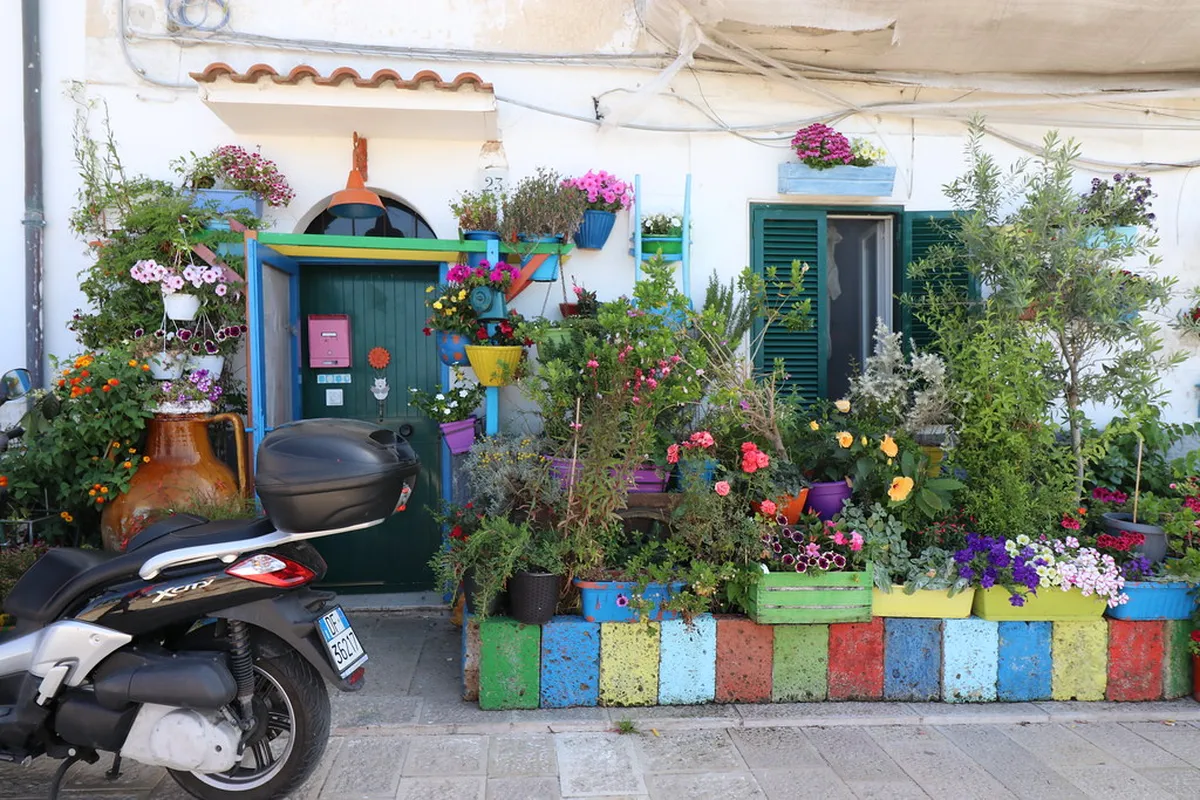
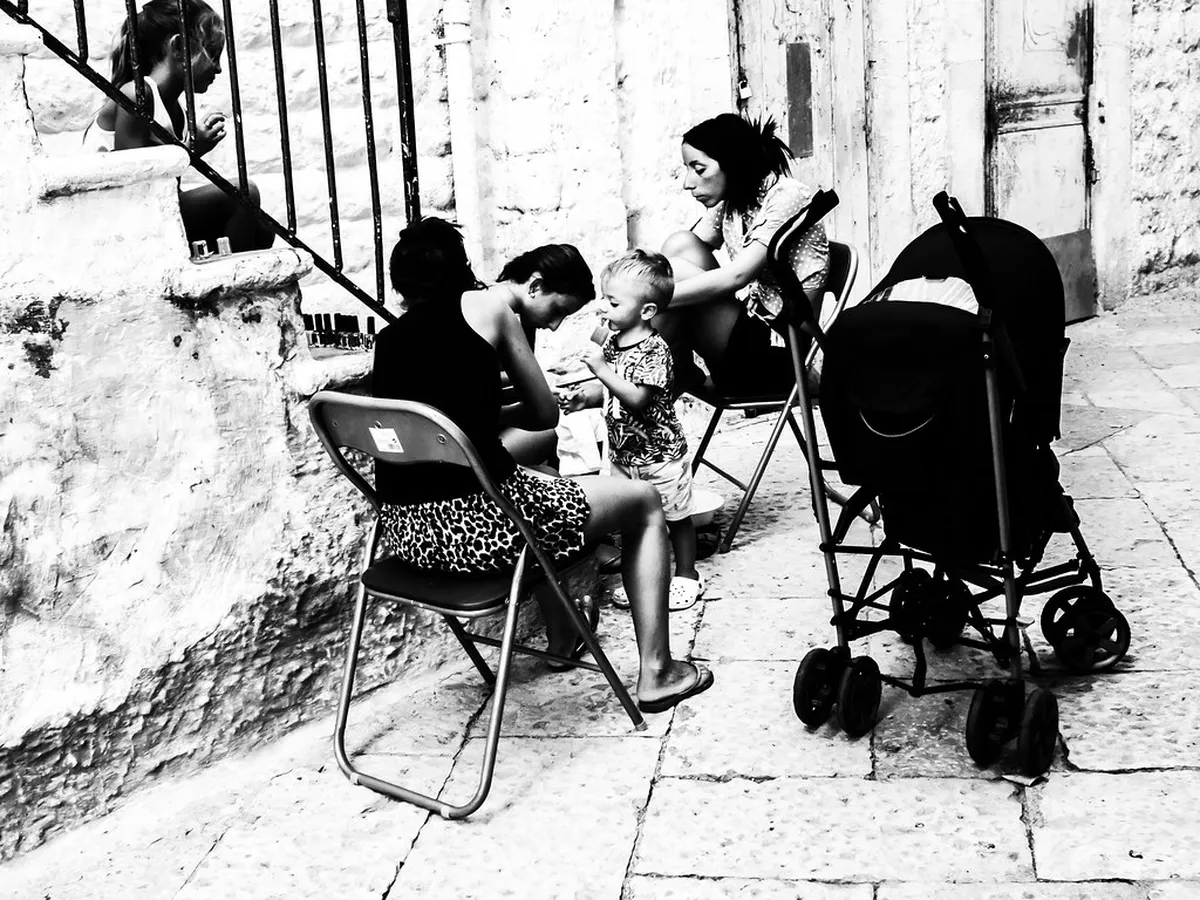
The historic heart of the city, known as Bari Vecchia, sits right on the doorstep of the ferry port. What makes its maze-like layout so distinctive is that it was deliberately designed to disorient invaders — centuries of Arab, Norman, and Byzantine occupations left Bari's residents well-practiced at building streets that turned enemy troops in circles. Today those same labyrinthine alleyways reward curious wanderers with sudden piazzas, elderly women hand-rolling orecchiette on wooden boards, and baroque church facades tucked between washing lines. Simply follow the sea wall from the port gate and let the Old Town pull you in.
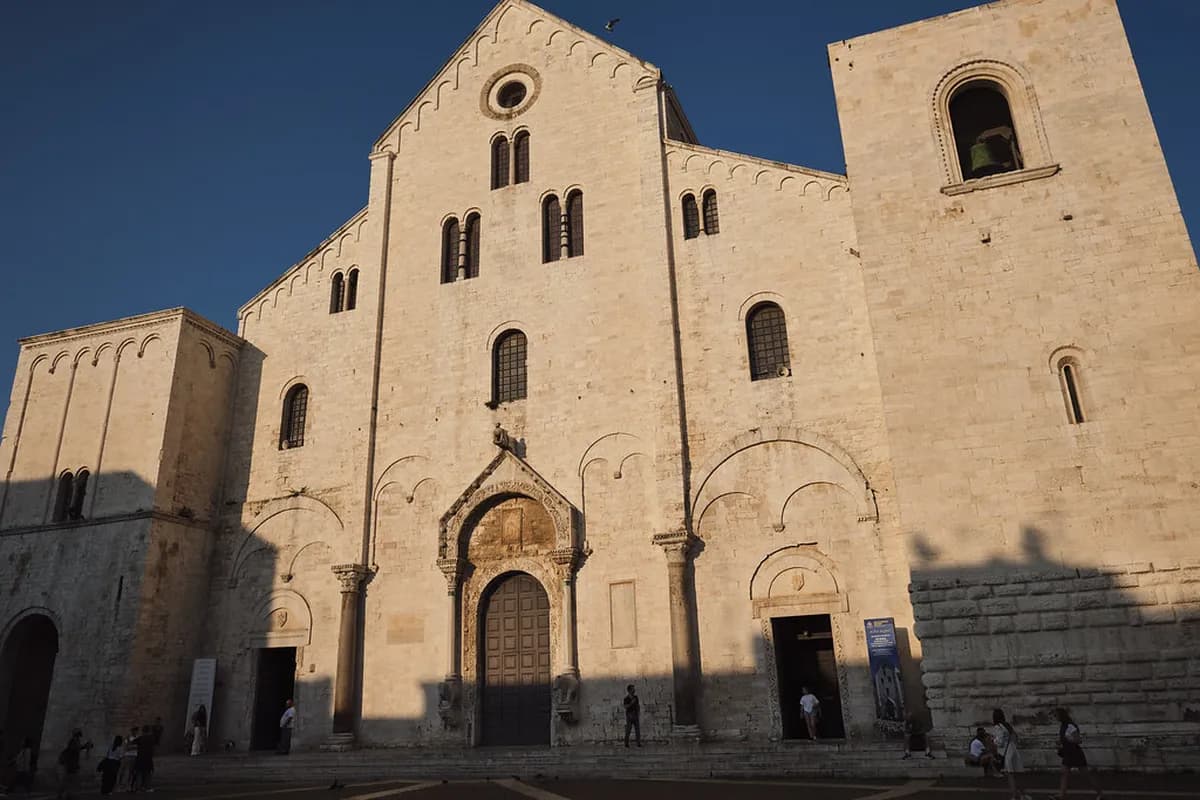
Basilica di San Nicola is the most significant landmark in the city and a must-visit for any traveler. Built in the 11th century to house the relics of Saint Nicholas — the patron saint of children and seafarers — this Romanesque church has attracted Christian pilgrims from as far as Russia for over 900 years. Entry is free and the basilica is open daily from 06:30 to 20:30, though it may close briefly during religious services. The crypt, where the relics rest, is especially atmospheric.
From Piazza Mercantile, walk south-east toward the Cathedral of San Sabino, Bari's 12th-century cathedral built over the ruins of an earlier Byzantine church. It houses the celebrated Icon of the Madonna Odegitria and charges €7 for entry. Nearby, Castello Svevo (Swabian Castle) is worth the €10 admission for the sweeping Adriatic views from its ramparts. The castle is closed on Mondays; otherwise open 09:00–18:00 Tuesday through Sunday. The first Sunday of every month admission is free for all visitors.
After the Old Town, the Lungomare Araldo di Crollalanza is a two-mile seafront promenade that connects the port area to the city beaches. Walking it at golden hour — with the Adriatic shimmering on one side and baroque palazzi on the other — is one of the best free experiences Bari offers. Numerous cafes along the route serve a spritz and fresh seafood if you need to refuel.
- Visit Basilica di San Nicola
- Distance: 15-minute walk
- Cost: Free entry
- Highlight: Saint Nicholas relics
- Time: 45 minutes
- Explore the Invader Maze
- Location: Bari Vecchia
- Best for: Photography
- Tip: Follow the sea wall
- Experience: Authentic Puglia
Local Specialties: What to Eat in Bari
Sampling the local cuisine is a highlight of any visit to this vibrant southern Italian city. Focaccia Barese is the most iconic snack, topped with fresh tomatoes, olives, and plenty of olive oil. You will find small bakeries throughout the Old Town serving this salty, crispy delight straight from the oven.
Orecchiette, or "little ears" pasta, is the traditional dish of the region and often made by hand in the streets. You can watch local women shaping the dough on wooden tables in the Arco Basso area. It is typically served with cime di rapa or a simple tomato sauce for a delicious lunch.
Street food lovers should try sgagliozze, which are squares of deep-fried polenta sold by street vendors. These hot, salty treats are especially popular in the evenings as locals gather in the squares. They are incredibly affordable and offer a true taste of Bari's culinary traditions.
Fresh seafood is abundant due to the city's long-standing relationship with the Adriatic Sea. Many restaurants near the port serve the catch of the day, ranging from grilled octopus to raw sea urchins. Dining near the water provides a beautiful backdrop for a memorable Puglian meal.
Bari Airport and Train Station Transfers
Connecting your flight or train journey to your ferry departure requires a bit of planning. If you are flying in, you should research the Bari airport to city center shuttle or train options. The airport train is the most efficient method, taking you to the central station in just 15 minutes.
Travelers arriving from the capital can easily take a train from Rome to Bari which takes about four hours. This high-speed connection makes it possible to travel from central Italy to the port in a single morning. Always book these tickets in advance to secure the best pricing and seating.
If you have a full day before your ferry, consider taking a train from Bari to Alberobello to see the famous trulli houses. The journey takes about an hour and a half and offers a glimpse into the unique countryside of Puglia. Just ensure you return to the city with plenty of time for your port check-in.
Bari Bus Station is located just behind the main train station and serves many regional and international routes. Long-distance buses from other Italian cities often terminate here, providing another flexible travel option. From the bus station, follow the signs through the tunnel to reach the front of the station for port buses.
Where to Stay Near the Port of Bari
Choosing the right neighborhood can make your transition from the city to the ferry much smoother. Staying in the Murat district offers modern amenities and easy access to both the station and the harbor. This area is filled with shops and restaurants, making it ideal for a one-night stay.
Bari Vecchia provides a more atmospheric experience with its historic guesthouses and narrow alleys. You will be within walking distance of the major sights and the cruise terminal entrance. Many travelers find that staying in the Old Town adds a layer of magic to their Puglian journey.
Look for reputable Chandra - Hotels in Bari that offer luggage storage or early check-in for ferry passengers. Some properties specifically cater to travelers with late-night ferry departures or early-morning arrivals. Checking recent reviews for 2026 will help you find the most reliable service.
Budget travelers can find several hostels and simple bed-and-breakfasts located near the train station. This location is practical for catching the morning bus to the terminal without a long commute. It also places you close to affordable dining options and local supermarkets.
Pane e Pomodoro Beach: Your Half-Day Escape
If your ferry does not depart until late evening, Pane e Pomodoro — Italian for "Bread and Tomato" — gives you a full afternoon of sun without needing to leave the city. This wide, sandy beach is the most popular city-side beach in Bari and sits just south of the Lungomare promenade, roughly 30 to 40 minutes on foot from Piazza Mercantile. Beach amenities include showers, restrooms, and several laid-back beach bars where you can order an Aperol Spritz for around €5.
Coming directly from the cruise terminal, the most efficient route combines Bus 50 with a short change. Take Bus 50 to the "Massari (B)" stop (3 stops from the terminal), then switch to Bus Line B, which drops you at the beach in about 30 minutes total. If you are traveling from the ferry terminals on the other side of the port, take Bus 20/ toward the station and then pick up Bus Line B heading south. Either way the total fare stays under €2 with an advance ticket from a newsstand or the DropTicket app.
The second beach, Torre Quetta, lies further south and is more pebbly overall, making Pane e Pomodoro the better all-around choice for a short layover visit. Arrive by 13:00 to claim a good spot; by mid-afternoon on summer weekends the beach fills quickly with Barese families. Bring your luggage ticket — you can retrieve your bags from the terminal storage office by 21:00 before most overnight sailings.
Online Booking and Boarding Pass Exchange
Most travelers book their Bari ferry tickets through aggregator platforms such as Ferryhopper, DirectFerries, or the operator's own website. These sites let you compare timetables and cabin prices for operators including Anek Superfast, Ventouris Ferries, Grandi Navi Veloci, Adria Ferries, and Jadrolinija in a single search. Book early for summer 2026 sailings — peak-season cabins on the Greece routes routinely sell out by April.
Once you arrive at the port, a digital confirmation alone is not sufficient to board. You must exchange your e-ticket for a physical boarding card at the ferry company's dedicated check-in desk inside Terminal Traghetti. These desks are organized by operator and open two to three hours before departure; bring your passport, vehicle documents if applicable, and your booking reference. The exchange process itself is quick — usually under five minutes — but queues can grow in the hour before departure, so aim to arrive well within the two-hour window recommended throughout this guide.
For ticket comparisons and price alerts across all Adriatic routes, the MyCicero.it platform (available in English) is a useful starting point for local bus timetables, while official operator sites carry the most current cabin availability. If you have reserved a vehicle space, confirm your lane number at the port vehicle gate well before the passenger check-in deadline — cars and motorhomes are typically marshalled onto the car deck up to 90 minutes before sailing.
Frequently Asked Questions
Is there luggage storage at Bari ferry port?
Yes, luggage storage is available at both Terminal Crociere and Terminal Traghetti. While some station staff may suggest otherwise, you can find secure deposit offices within the port buildings. These facilities are ideal for travelers who want to explore the Old Town before their evening ferry departure.
How do I get from Bari train station to the ferry port?
The most efficient way is to take Bus 20/ (with the slash) from the front of Bari Centrale. The ride takes approximately 10-15 minutes and drops you near the terminal entrances. Alternatively, a taxi costs around 10-15 Euros and provides a direct transfer with heavy luggage.
Which bus goes to the Bari cruise terminal?
Bus 50 is the dedicated loop service that connects the cruise terminal to the city center. It is specifically designed for cruise passengers on shore excursions. For ferry travelers, Bus 20/ is the better option as it serves the deeper parts of the port area.
Can you walk from Bari port to the Old Town?
Yes, the walk from the port gates to Bari Vecchia is very short and takes about 10-15 minutes. The path follows the historic sea wall and leads directly to the Basilica di San Nicola. It is a scenic route that is perfect for those arriving on cruise ships.
How early should I arrive at Bari port for a ferry?
You should arrive at least two hours before your scheduled departure time for international ferries. This allows enough time for ticket exchanges, security checks, and passport control. During the peak summer months of 2026, arriving three hours early is safer due to increased passenger volume.
Navigating the Port of Bari is a straightforward process once you understand the layout of the terminals and the local bus system. By following the tips in this guide, you can avoid common mistakes and enjoy a seamless transition to your Adriatic voyage. The combination of historic charm and modern transit makes this city an excellent starting point for any Mediterranean trip.
Take the time to explore the winding streets of the Old Town and taste the local focaccia before you set sail. Whether you are heading to Greece, Albania, or beyond, Bari offers a warm and vibrant welcome to every traveler. Safe travels as you embark on your next adventure from one of Italy's most important maritime hubs.
You might also like


Continue reading
More guides you'll find useful