Basilica di San Nicola Bari Visiting Guide: 7 Essential Tips
Plan your visit to the Basilica di San Nicola in Bari. Discover the history of St. Nicholas, explore Apulian Romanesque architecture, and get practical travel tips.
On this page
Basilica di San Nicola Bari Visiting Guide: 7 Essential Tips
The Basilica di San Nicola stands as a powerful symbol of faith and history in the city of Bari. This massive stone structure houses the relics of the saint who inspired the modern legend of Santa Claus. Visitors from around the world come here to witness its stunning architecture and deep spiritual atmosphere. This basilica di san nicola bari visiting guide will help you navigate the history and logistics of this iconic site.
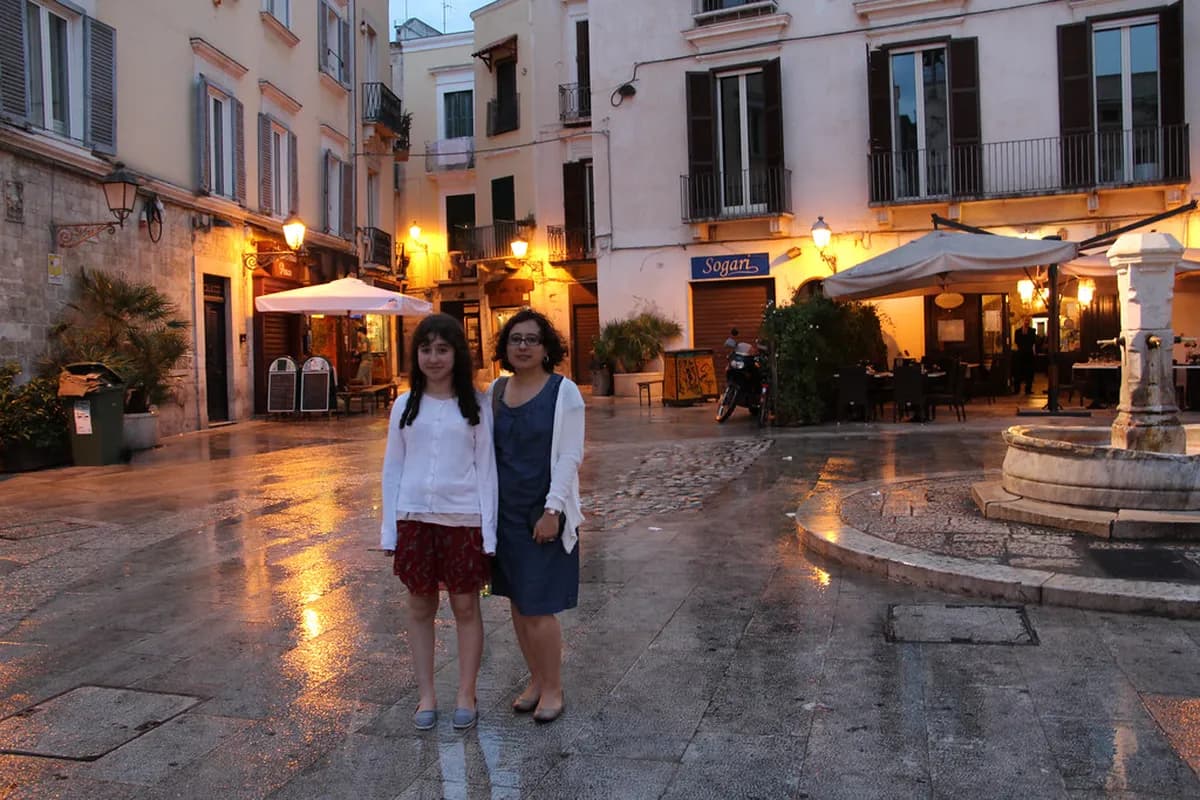
Located in the heart of the old town, the church is a masterpiece of the Apulian Romanesque style. It serves as a bridge between the East and West, welcoming both Catholic and Orthodox pilgrims daily. Exploring the winding streets of Bari Vecchia is the best way to reach this sacred destination. You will find that the building is not just a museum, but a living center of local devotion.
History and Devotion: The Legacy of Saint Nicholas
The story of the basilica began in 1087 when sailors from Bari took the saint's remains from Myra. At that time, Myra was under threat, and the people of Bari wanted to protect the holy relics. They successfully brought the bones across the sea to their home port in Southern Italy. This bold move transformed Bari into one of the most important pilgrimage sites in Europe.
Construction of the current church started immediately under the direction of Abbot Elia. The site chosen was formerly the palace of a Byzantine governor, giving the church a central location. Pope Urban II even visited the site in 1098 to consecrate the crypt during a major council. The building was finally completed in 1197, standing as a fortress of faith near the Adriatic Sea.
Saint Nicholas was known for his secret gift-giving and his protection of children and sailors. His legacy grew over centuries, blending historical facts with beloved legends and cultural traditions. Today, the basilica remains a primary destination for those seeking a connection to the original San Nicola. You can learn more about his life and impact through the various displays inside the Pugliaguys.com resources.
Apulian Romanesque Architecture: What to Look For
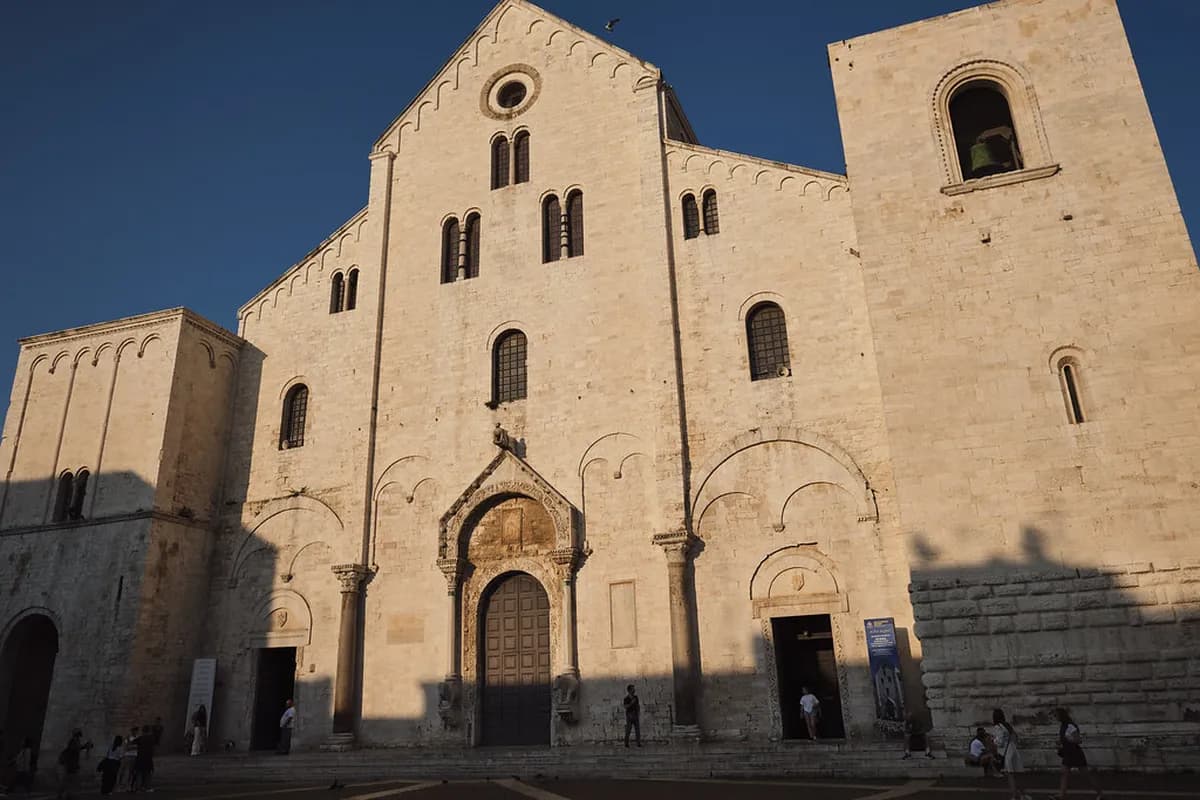
The basilica is the finest example of Apulian Romanesque architecture in the entire Puglia region. Its facade is made of local white limestone that glows under the Mediterranean sun. Two massive towers flank the main entrance, though they appear somewhat unfinished in their design. Look closely at the central portal to see intricate carvings of lions and mythical creatures.
Inside, the nave is wide and tall, featuring impressive granite columns with decorated capitals. The ceiling is covered in gold-framed paintings that date back to the 17th century. Two art objects demand particular attention. The Cathedra di Elia — a marble episcopal throne carved in the late 11th century — is widely considered one of the most important Romanesque sculptures in Southern Italy. Equally significant is the ciborium above the main altar, believed to be the oldest surviving ciborium in all of Puglia, its slender columns and carved canopy predating comparable examples elsewhere in the region by decades.
The layout of the church influenced many other cathedrals built across the region during the Middle Ages. Its simple yet grand design reflects the power and wealth of Bari during the Norman period. Many visitors find that the lack of excessive gold allows the architectural details to shine. This site is frequently listed among the top things to do in Bari for art lovers.
The Crypt and Sacred Relics of San Nicola
The crypt is the most sacred part of the basilica and houses the tomb of Saint Nicholas. It features 26 columns, each with a unique capital design that supports the low ceiling. The atmosphere here is quiet and heavy with the prayers of thousands of pilgrims. You will often see Orthodox Christians kneeling in prayer beside Catholic worshippers in this shared space.
A unique phenomenon known as the Manna di San Nicola occurs within this holy tomb. This is a clear liquid that naturally seeps from the bones of the saint each year. Priests collect the liquid on May 9 and mix it with holy water for the faithful. Many believe this manna has healing properties and keep small bottles as precious religious souvenirs.
The Manna di San Nicola is collected by priests on May 9 each year and distributed to pilgrims. Many visitors believe this clear liquid that seeps from the saint's relics has healing properties and value it as a precious religious memento.
The ecumenical nature of the crypt makes it a rare site in the Christian world. An Orthodox chapel sits within the same space, allowing for diverse liturgical celebrations. This harmony reflects the saint's role as a patron for many different cultures and nations. Be sure to respect the silence and devotion of those around you while exploring this area.
Planning Your Visit: Tickets, Hours, and Tours
Visiting the basilica is free — no entry fee for the main church or the crypt. The address is Largo Abate Elia, 13, in the heart of Bari Vecchia. Opening hours in 2026 are Monday to Saturday 06:30–20:30, and Sunday 06:30–22:00. A brief closure occasionally applies on weekday afternoons outside of mass times, so aim for the morning or early evening window. Check the official schedule on Visititaly.eu for current mass times and feast-day changes.
A strict dress code is enforced throughout — shoulders and knees must be covered in both the upper church and the crypt. Security staff at the entrance will turn away visitors in sleeveless tops or very short skirts, so tuck a light scarf or pashmina into your bag before you set out. Photography is generally permitted, but switch off your flash and maintain respectful silence in the crypt, where active prayer is continuous.
The basilica sits inside the Limited Traffic Zone (ZTL) of the old town. If you are driving, park at SABA Porto on Corso Vittorio Veneto 5 (open 24/7, roughly a 10-minute walk away) and proceed on foot. If you are looking for other free things to do in Bari on the same morning, the Cathedral of San Sabino is only a five-minute walk north of the basilica.
- Walking from Bari Centrale Station
- Time: 15–20 minutes on foot along Corso Vittorio Emanuele II to Piazza del Ferrarese, then follow signs into the old town
- By bus: AMTAB Line 50 towards Corso Antonio De Tullio (Porto di Bari) — alight at the De Tullio (Porto) stop, 2-minute walk from the basilica
- Cost: Free to walk / €1.50 single bus fare
- Walking from Bari Cruise Port
- Time: 10 minutes along Lungomare Imperatore heading west into the old town
- Access: Exit near the port gate; the basilica's towers are visible from the waterfront
- Cost: Free
| Time slot | Crowd level | Why | Best for |
|---|---|---|---|
| 06:30–08:00 | Very low | Before first mass; most tourists not yet moving | Quiet crypt prayer, photography without groups |
| 08:00–10:00 | Low–medium | Morning masses (weekdays 07:30 and 09:30) draw small local congregations | Authentic local atmosphere |
| 10:00–14:00 | High | Cruise-ship excursion peak; large guided groups arrive | Avoid if crowds bother you |
| 14:00–17:00 | Medium | Post-lunch lull; afternoon quiet period in the crypt | Unhurried browse of the upper church and art |
| 17:00–20:30 | Low | Evening mass at 18:30; cruise passengers back on ship by sunset | Golden-hour light through the facade windows |
The Festival of Saint Nicholas: A Bari Tradition
The biggest celebration in Bari takes place every year from May 7 to May 9. This three-day festival commemorates the arrival of the saint's relics in the city in 1087. The opening Saturday sees a historical parade depart from Svevo Castle, with participants dressed in Norman period costumes. They march through the old town to symbolically deliver the saint's bones to the Dominican monks awaiting at the basilica. On Sunday, the mood shifts to the sea: a statue of Saint Nicholas is carried through torchlit streets before being placed on a decorated fishing boat on the Adriatic. Thousands of people line the harbor to watch the nautical procession and join the festive atmosphere that follows.
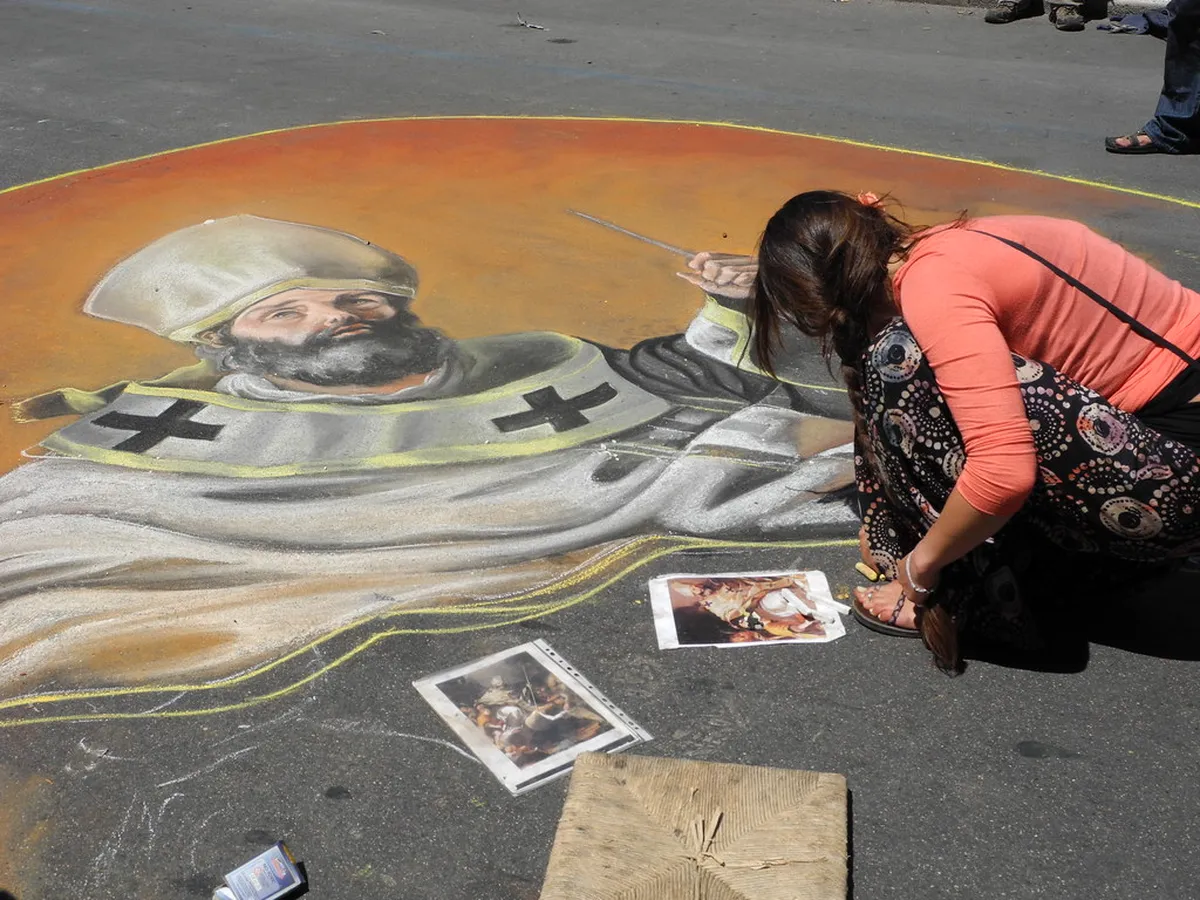
December 6 is another important date, marking the traditional feast day of the saint. The city feels magical during this time with Christmas lights and seasonal markets. Locals gather for early morning masses and share traditional sweets with their families. Visiting during these festivals offers a deep look into the soul of the city's culture.
Keep in mind that the city becomes very crowded during these major religious events. Hotels often book up months in advance, so plan your trip early if you want to attend. You can find detailed reviews and photos of the festivities on Tripadvisor.com. The energy of the crowd is something every traveler should experience at least once.
Practical Tips for Visiting Bari Vecchia
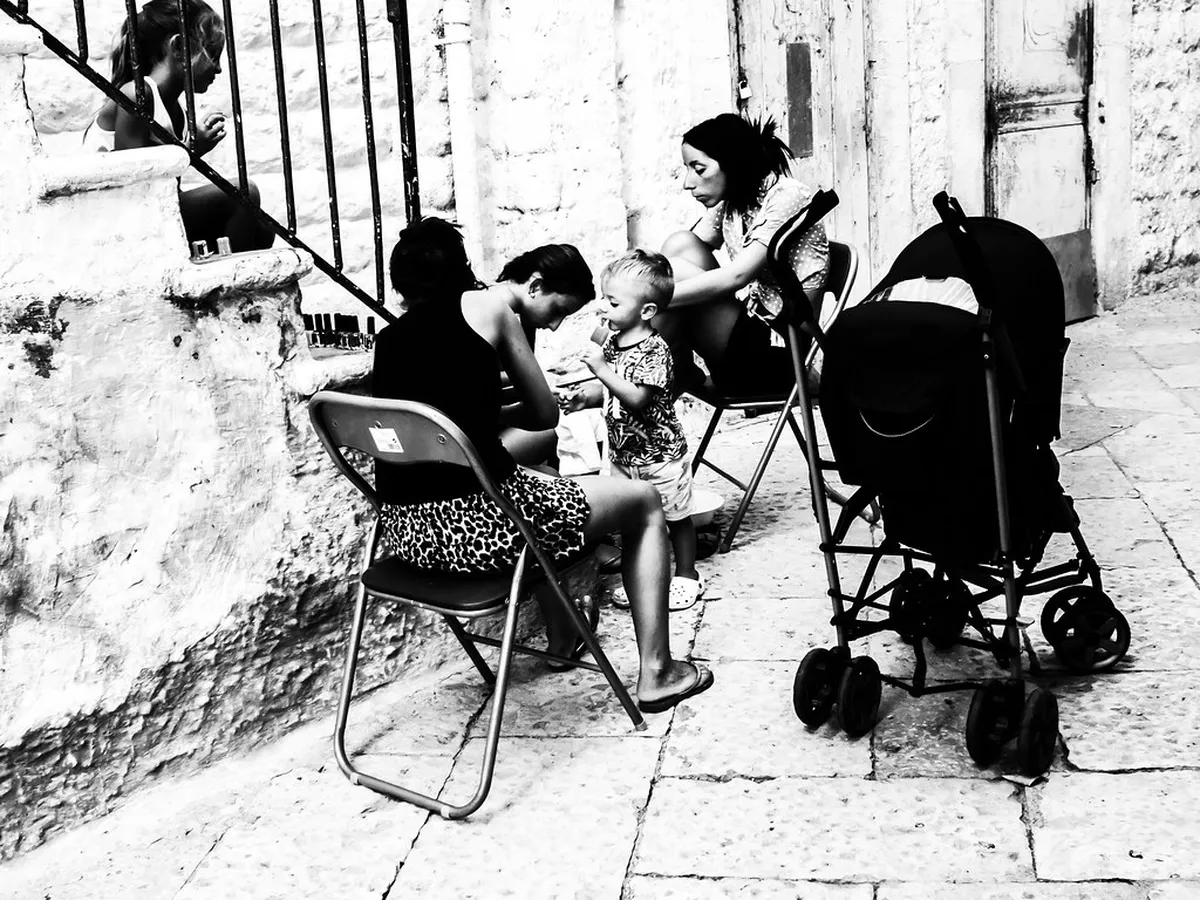
Bari Vecchia is a maze of narrow streets where life happens right on the doorstep. You will see local women making orecchiette pasta by hand outside their homes. The area is generally safe, but it is wise to stay aware of your surroundings. Stick to the main paths if you are visiting late at night for the best experience.
Combine your visit to the basilica with a walk along the historic city walls. The views of the Adriatic Sea from the ramparts are absolutely breathtaking at sunset. You can also find several bari hidden gems tucked away in the side streets. Small chapels and ancient courtyards wait to be discovered by curious travelers.
If you are traveling with family, there are many spots nearby for a quick break. The Piazza Mercantile offers plenty of space for children to run while you enjoy a coffee. Check out our guide on things to do in Bari with kids for more ideas. The mix of history and daily life makes this neighborhood truly unforgettable.
Ecumenical Legacy: Where East Meets West
Few Christian sites in the world welcome both Catholic and Orthodox rites under the same roof, and the Basilica di San Nicola is one of the most celebrated examples. Saint Nicholas was originally a bishop in Myra, in what is now Turkey, and his veneration was deeply rooted in the Eastern church long before the 1087 translation to Bari. When the relics arrived, the basilica was deliberately designed as a shared place of worship — a gesture of reconciliation that has never been reversed. Today, an Orthodox chapel operates within the crypt itself, administered by the Russian Orthodox Church in cooperation with the Dominicans who manage the basilica.
Orthodox pilgrims from Greece, Russia, Serbia, and across the Middle East visit throughout the year, particularly around the feast of the Translation of the Relics on May 9. If you are an Orthodox visitor, note that Orthodox liturgies are celebrated in the crypt on set dates — check the basilica's official calendar before travel, as the schedule varies. For Catholic pilgrims, weekday masses at 07:30, 09:30, and 18:30 provide regular opportunities for prayer beside the saint's tomb. The atmosphere in the crypt during these services is unlike anything else in Southern Italy: candles, incense, and the murmur of prayers in multiple languages fill the low stone space simultaneously. Whether you come for devotion or cultural curiosity, witnessing this living ecumenism firsthand is among the most affecting experiences Puglia has to offer.
Frequently Asked Questions
Is there an entry fee for the Basilica of San Nicola in Bari?
No, there is no entry fee to visit the main basilica or the crypt. The church is open to the public for both prayer and sightseeing. You may wish to leave a small donation to help with the maintenance of this historic building.
Where are the relics of Saint Nicholas kept?
The relics are kept in a tomb located within the crypt, which is beneath the main altar. This area is accessible to all visitors during normal opening hours. It is the most sacred part of the basilica and attracts pilgrims from many different faiths.
What is the best time to visit the Basilica di San Nicola?
The best time to visit is early in the morning, around 8:00 AM, to avoid large tour groups. Weekdays are generally quieter than weekends when local services are held. You should also check for cruise ship schedules to avoid the busiest mid-day periods.
Can you visit the crypt of Saint Nicholas?
Yes, the crypt is open to the public and is a highlight of any visit. You must follow the dress code by covering your shoulders and knees. It is a place of active worship, so please maintain a respectful silence while inside the crypt area.
The Basilica di San Nicola is much more than just a beautiful building in Puglia. It is a living testament to centuries of faith, art, and international connection. Whether you come for the history or the spiritual experience, the site will leave an impression. Plan your visit carefully to fully enjoy everything this incredible landmark has to offer.
Remember to explore the surrounding streets of the old town for a complete Bari experience. For more travel inspiration, visit the Italy Wander blog to plan your next adventure. Bari is a city that rewards those who take the time to look deeper. Safe travels as you discover the home of the world's most famous saint.
For the bigger picture, see our Best Things to Do in Bari guide — or dive into Bari Vecchia Old Town Walking Guide and 10 Hidden Gems in Bari.
You might also like


Continue reading
More guides you'll find useful