Bari Festivals and Events: 10 Highlights of the Calendar
Discover the best Bari festivals and events. From the Feast of San Nicola to Carnevale, plan your Puglia trip with our seasonal guide to food and folklore.
On this page
Bari Festivals and Events: 10 Highlights of the Cultural Calendar
Updated May 2024 from my spring 2024 visit to the Adriatic coast. I visited Bari in late May — here's why it's the sweet spot for travelers. Late spring (May to early June) and early fall (September to October) are the best times for most visitors. These shoulder months offer mild weather and the most vibrant cultural celebrations.
Planning a trip around Bari festivals and events requires careful timing and local knowledge. The city transforms during religious holidays, filling the narrow streets with music and incense. I remember the energy of the San Nicola celebrations where the entire harbor seemed to glow. Our late-May trip hit the San Nicola crowds — bring water and patience for the best experience.
Bari serves as the gateway to the broader Puglia region and its unique traditions. From massive winter bonfires to summer dance marathons, there is always something happening here. You should check the Bari events calendar before booking your flights. Understanding the difference between a religious feast and a food festival is key to your itinerary.
Key Takeaways
- Visit in May or September for the best balance of weather and events.
- Look for roadside 'manifesti' to find the best local food festivals (Sagre).
- Prepare for the 'riposo' afternoon closures by planning activities for mornings and evenings.
Season Comparison
The climate in Bari varies significantly between the hot summer and the damp winter months. Summer temperatures often reach 24–31°C / 75–88°F, making midday sightseeing quite difficult. Winter is much cooler, with averages between 8–13°C / 46–55°F and occasional sharp winds. The 'Tramontana' wind can make the coastal air feel much colder than the thermometer suggests.
Spring and autumn offer the most comfortable temperatures for walking through the historic center. You will find prices are highest in August when Italians take their summer holidays. Crowds are most manageable in the early spring months like March and April. Typical climate data shows that November is often the wettest month of the year.
Festival schedules usually follow the liturgical calendar or the agricultural harvest cycles. Religious events happen year-round, but the largest street parties occur in the warmer months. Expect most shops to close during the afternoon 'riposo' regardless of the season. Planning your arrival around a specific festival can make your trip truly unforgettable.
The 'Tramontana' north wind can make coastal evenings feel much colder than the thermometer suggests, even in late May. Pack a light windbreaker regardless of the season.
- Spring offers mild days
- Perfect for outdoor religious processions
- Summer brings heat
- Ideal for evening music festivals
- Fall is harvest time
- Best for wine and oil lovers
- Winter is traditional
- Great for cozy bonfire rituals
| Season | Weather | Crowds | Prices | Events | Best for |
|---|---|---|---|---|---|
| Late Mar to May | 15–22°C / 59–72°F | Moderate | Mid-range | San Nicola | Sightseeing |
| June to August | 24–31°C / 75–88°F | High | Premium | Music/Beach | Nightlife |
| Sept to Oct | 18–25°C / 64–77°F | Moderate | Mid-range | Harvest | Foodies |
| Nov to early Mar | 8–13°C / 46–55°F | Low | Budget | Carnevale | Culture |
Pick X If
Choosing the right time for your visit depends heavily on your travel style. Food enthusiasts should look for the harvest months to experience the freshest ingredients. Families might prefer the spectacle of Carnevale for its colorful parades and energy. Religious travelers will find the most meaning during the Holy Week or San Nicola.
Music lovers should aim for the peak of summer when outdoor stages appear everywhere. The heat in July can be intense, so evening events are the primary draw. Photographers will find the 'Luminarie' light displays in summer provide incredible night shots. Budget travelers should consider the late winter months for the lowest accommodation rates.
- Pick May if you want
- To see the San Nicola sea procession
- Pick February if you want
- Europe's oldest Carnevale in Putignano
- Pick August if you want
- The massive Notte della Taranta concert
- Pick October if you want
- Olive oil tastings and harvest feasts
January | Winter Festivals and Bonfires: Flames of Faith
January in Puglia is defined by the 'Focara' — massive ritual bonfires that light up the coldest nights of the year. The most spectacular is the Fòcara di Novoli, held around 17 January in honour of Sant'Antonio Abate. The pyre is constructed entirely from vine prunings collected over weeks, reaching over 20 metres in height before it is lit in a solemn procession through the town. When the flames catch, the heat radiates powerfully enough to force spectators back 40 to 50 metres. Crowd management is strict: follow the stewards and never push toward the inner cordon, especially in the first 20 minutes when the fire climbs fastest. The sweet spot for photography is the northeast corner of the piazza, where the light and the crowd thin out simultaneously.
In Castellana Grotte, just south of Bari, the Notte delle Fanóve on 11 January is equally atmospheric, if more intimate. More than 100 smaller bonfires glow across the town in a tradition dating to 1691, when the fires were lit in thanksgiving after the Madonna della Vetrana was said to have ended a plague. Stalls offer taralli, roasted chickpeas, and generous pours of Primitivo wine — and the food is given freely, part of the ritual of hospitality that defines the night. These fires symbolize the transition from darkness to light, from the old agricultural year to the new. The air carries woodsmoke, slow-cooked meats, and the low murmur of a community that has been gathering like this for centuries.
February in Puglia | Carnevale!
The Carnevale di Putignano is not merely old — it is the longest carnival in Italy and one of the oldest in Europe, with a documented history stretching back to 26 December 1394. That date matters: festivities begin on Santo Stefano's Day, when the relics of the saint were transferred from Monopoli to Putignano for safekeeping from coastal raiders. The townspeople who greeted the procession broke into impromptu song and satire — and never stopped. Depending on when Easter falls, the celebrations can run for nearly two months before culminating on Shrove Tuesday with the toll of the Macaroni Bell, which rings 365 times to close the revelry.
The carnival's mascot, Farinella — a jester named after a peasant dish of chickpea and barley flour — leads the four main parades on the Sundays before Lent. The allegorical floats are papier-mâché giants, often satirising politicians and public figures with sharp wit that can run to 10 metres tall. Local artisan groups spend months constructing them in secret workshops, unveiling them only on parade day. You can reach Putignano easily by taking a regional train from Bari Centrale (roughly 45 minutes, €4–€6 each way in 2026). Driving is possible but parking fills by mid-morning on parade Sundays — the train is the smarter call. Wearing a mask or costume is not just encouraged; on Shrove Tuesday it is practically expected.
March: San Marzano di San Giuseppe and the Tavolate
March marks the celebration of Saint Joseph and the famous 'Tavolate' communal tables. Families in many towns set up long tables filled with traditional breads and dishes. This tradition is a beautiful display of community and hospitality toward strangers. You might also catch the Bari International Film Festival during this month.
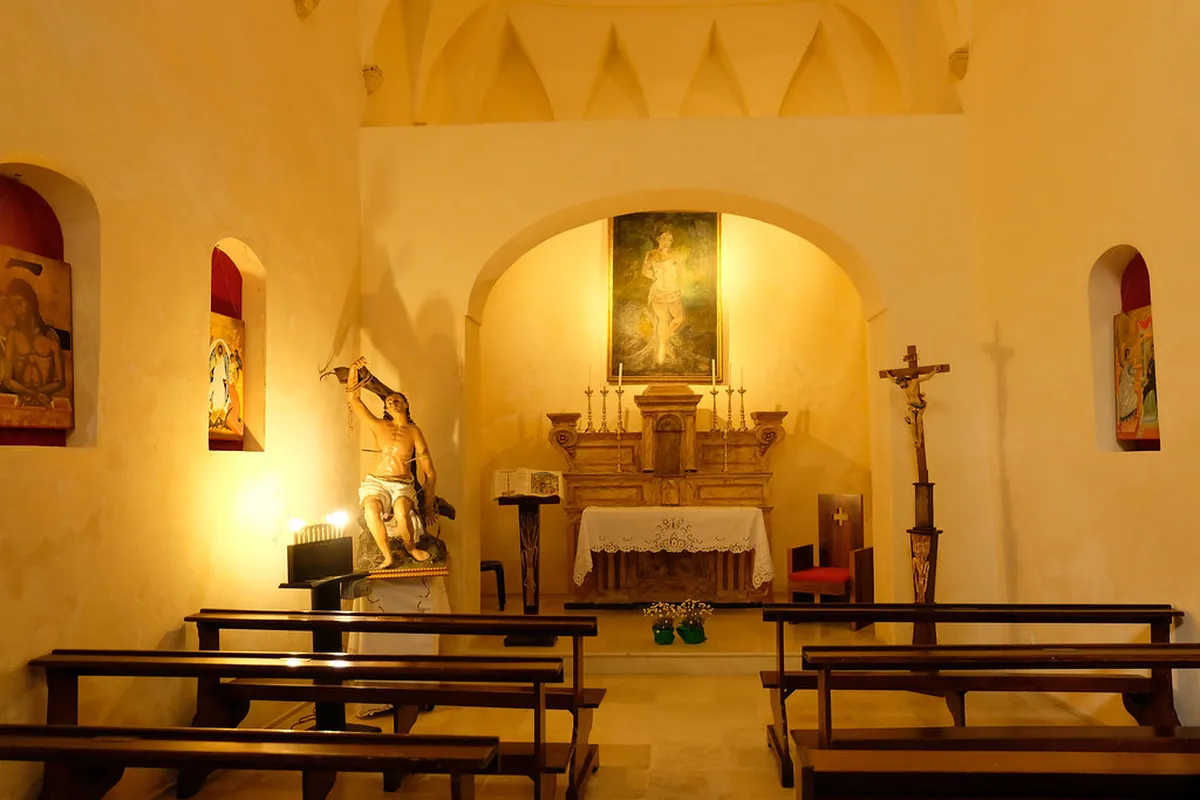
The film festival brings a modern, international energy to the historic Petruzzelli Theatre. It is a great time to see Italian cinema stars walking the red carpet. Spring weather begins to stabilize, though a light jacket is still necessary for evenings. The almond blossoms are often in full bloom across the Puglian countryside now.
Walking With Saints | Devotion and Ritual
The 'Carro Trionfale' in Terlizzi is a sight that defies modern engineering. A 22-meter high wooden tower is pulled through narrow streets by 60 men. Four mules help guide the massive structure as it sways dangerously close to balconies. This event typically takes place in August and draws a very local crowd.
Finding a good viewing spot is essential to avoid being crushed by the masses. I recommend arriving several hours early to secure a place on a side street. The devotion of the men pulling the tower is palpable and quite moving. It is one of the most authentic displays of faith in the Bari province.
The Path of the Madonna: Saintly Processions
The pilgrimage to the Madonna del Pozzo in Capurso is a unique physical challenge. Pilgrims begin a 15km walk from the Basilica in Bari at 3:00 AM. The goal is to arrive at the sanctuary in Capurso just as the sun rises. Walking through the dark countryside with hundreds of others is a surreal experience.
The 15km Madonna del Pozzo pilgrimage starts at 3:00 AM in darkness. Wear sturdy walking shoes, bring 2 liters of water, and join a local group for safety on the countryside paths.
Many participants walk barefoot as a sign of penance or thanks for miracles. The arrival at the Basilica is met with bells and traditional hymns. After the religious service, the town erupts into a lively street market atmosphere. You will need sturdy walking shoes and plenty of water for this journey.
July in Puglia | Music Festivals, A Fry-Up and Snails
July is the peak of the 'Sagra' season where food takes center stage. The EGO Food Festival showcases the best of modern Puglian cuisine. You can also visit the Sagra del Polpo in Mola di Bari for fresh octopus. Music festivals like Locus in Locorotondo offer incredible jazz and soul performances.
Outdoor concerts in the white-washed towns of the Valle d'Itria are magical. The evenings stay warm, allowing for long nights of dancing and dining. Expect to pay a premium for accommodation during this popular summer month. The sea is at its most inviting temperature for a late-night swim.
August in Puglia: La Notte della Taranta and Ferragosto
August is the most intense month on the Puglian calendar — and the most logistically demanding. The La Notte della Taranta is the centrepiece: a weeks-long travelling festival through the towns of Grecia Salentina that culminates in a vast open-air concert in Melpignano, usually on the last Saturday of August. More than 100,000 people attend the final night, gathering on the grounds of the Convento degli Agostiniani to dance the Pizzica — the ancient tarantella of Salento — until dawn. The Pizzica is not a tourist show; it is the region's most visceral folk tradition, rooted in the legend of the tarantula bite and the frenzied dance said to cure it. If you want to experience it beyond the main stage, look for the smaller stage concerts in Corigliano d'Otranto or Martano in the days before the grand finale, where the crowds are a tenth of the size and the dancing is more spontaneous.
On 15 August, the whole of Italy stops for Ferragosto. In Bari, this means the beaches fill to capacity, the motorway south is a car park, and many family-run restaurants and shops close for the week. Plan accordingly: book accommodation at least six to eight weeks in advance, arrive by train rather than car, and schedule outdoor sightseeing for the early morning before 10:00. Temperatures in Bari frequently reach 32–34°C in the afternoons, making the mid-afternoon break a genuine biological necessity rather than a quaint tradition.
Summer Festivals of Light and Flame: The Season of Saints
Puglia's 'Luminarie' are not fairy lights strung between posts — they are engineered spectacles. Local craftsmen erect towering wooden structures up to 36 metres high, clad in thousands of coloured bulbs arranged in the shapes of domes, arches, cathedral façades, and flowering trees. The structures are designed to frame the piazza architecturally, turning a small-town square into a temporary basilica of light. The town of Scorrano, near Otranto, is the acknowledged world capital of this tradition: the Festa di Santa Domenica in the first week of July fills the entire historic centre with interconnected arches and towers of illumination, accompanied by competing fireworks companies on the final night. Tickets to the pyrotechnics are not needed — the viewing is free from anywhere in the surrounding streets.
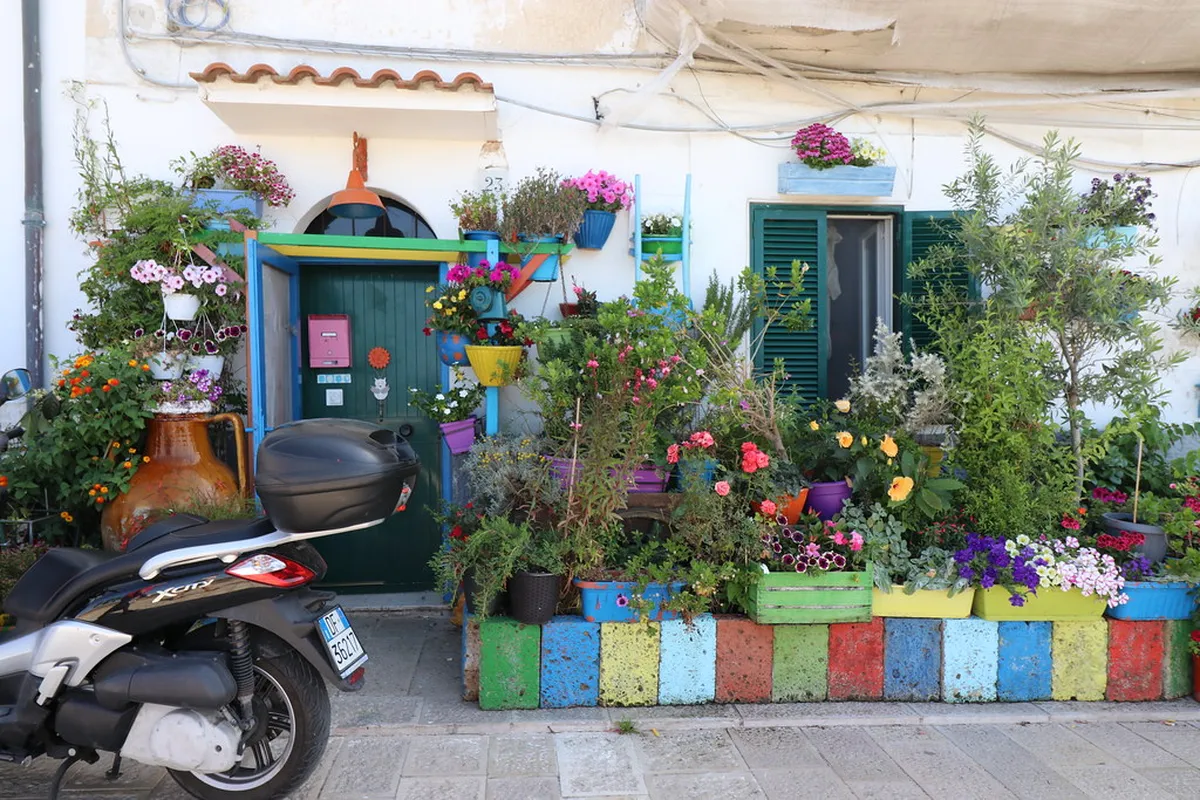
Around Bari, most patron saint festivals from June through August include their own luminarie displays on a smaller scale — the lights typically come on after 21:00, synchronized to recorded hymns or live brass-band performances. The moment the switch is thrown and the piazza floods with colour, the crowd noise is involuntary and genuine. This is best experienced on a weeknight when day-trippers have left and the square belongs to the neighbourhood again. Many of the artisan families who build these structures for towns across Italy live within 30 kilometres of Scorrano, and their craft has UNESCO recognition as an intangible cultural heritage of Italy.
Autumn events in Puglia (September - November)
Autumn brings a quieter rhythm to the Bari region, but it is far from empty of events. September opens with the Vendemmia — the grape harvest — when masserie in the Primitivo di Manduria and Salice Salentino zones open their estates for guided tastings and harvest-participation mornings. Look for agriturismo listings in the Murge hills, where you can join a picking session for around €25 per person including a lunch of antipasti, orecchiette, and new wine. The Festa te lu Mieru (Festival of the Wine) in Carpignano Salentino takes place in September with three days of live folk music, dancing, and stalls serving local wine from barrels set up in the old town's lanes.
October shifts focus to the olive harvest — Puglia produces roughly 40 percent of Italy's olive oil, and October to early November is when the pressing begins. Many farms in the Fasano and Ostuni areas run olive oil tastings at the frantoio (press), where you can taste oil so fresh it is still cloudy and peppery. November brings the feast days of secondary patron saints across the province: quieter, more local affairs without the summer spectacle, but deeply authentic. The saints of the harvest — San Martino on 11 November being the most universal — are toasted with the season's first new wine, poured for neighbours across Puglia in a tradition that predates Christianity. Weather in October averages 18–22°C / 64–72°F, and the Adriatic has enough residual warmth for a final sea swim. Accommodation rates drop sharply from September onwards, making this one of the best-value windows to visit.
Intervallo | The Joy of Puglia’s Sagre Food Festivals
Sagre are local food festivals that celebrate a specific ingredient or dish. A crucial 'Poster Tip' is to look for 'manifesti' or roadside posters. Many of these events are only announced locally about two weeks in advance. They offer the most authentic and affordable way to eat like a local.
Unlike a 'Festa Patronale', a Sagra is primarily focused on the culinary experience. You will find long tables where you can eat for just a few euros. Bring cash, as many of these small-town stalls do not accept credit cards. It is the best way to discover hidden gems in the Puglian countryside.
Sea and Spirit: The San Nicola Sea Procession
On 8 May — the second day of the Festa di San Nicola — a large statue of the saint is carried from the Basilica di San Nicola down to the Bari harbour and loaded onto the lead boat of a colourful flotilla. The procession at sea re-enacts the arrival of the saint's relics from Myra (modern-day Turkey) in 1087, when Bari sailors smuggled the bones home past Byzantine and Arab resistance. The fleet sails south along the Adriatic coast before returning to harbour in the evening, where a crowd on the waterfront and the piers waits to welcome the statue ashore for the final procession back through Bari Vecchia.
To watch from the water, contact the Lega Navale or local fishing cooperatives in March; a handful of community boats take paying passengers for around €15–€20 per head, with no fixed booking platform — inquire directly at the harbour or through your accommodation. The best free pier-side viewing is from the Molo Sant'Antonio on the north side of the port, which offers an unobstructed sightline as the flotilla returns. Arrive by 19:00 to secure a position. The waterfront between the old town and the new harbour fills quickly, but the fishing pier to the south remains less crowded and offers the best angle for the boat return. After the procession, the streets of Bari Vecchia stay lively until well past midnight with food stalls, brass bands, and fireworks.
Festival Survival Kit: Cash, Parking and the Riposo
Three practical realities shape every festival visit in the Bari province. First: bring cash. Sagre and smaller patron saint festivals in rural borghi operate entirely on cash for food and drink stalls. Even events that run over several days rarely have card readers on the food concessions. Budget €15–€30 per person per evening for food and wine at a typical Sagra. ATMs exist in most towns but queue early — machines run dry on busy festival nights.
Second: parking near small-town festivals is nearly impossible by afternoon. The borghi around Bari — Terlizzi, Capurso, Grumo Appula — were not designed for modern car volumes. Festival Sundays see side streets coned off from 14:00 for the procession route, and main piazzas close entirely. Take Ferrovie del Sud Est or FSE regional trains where possible; for towns without rail service, park at the edge of the built-up area (look for unofficial 'parcheggio' signs on verges) and walk the final 15–20 minutes. Third: the riposo is non-negotiable. Between approximately 13:30 and 16:30, most shops, tabacchi, and even some outdoor food stalls shut. This is not laziness — it is a survival strategy in 32°C heat. Use the gap to find shade, eat a long lunch, and plan your evening. Festival main events almost always begin after 19:00 and peak between 21:00 and midnight, so there is no need to rush.
What's Closed in Low Season
Traveling in the low season requires awareness of reduced services and closures. Ferries to Croatia and the outer islands often stop running from October to April. Many beach clubs and seasonal restaurants along the coast close after September. You will find that smaller museums might have significantly shorter opening hours.
Some island tavernas completely shut down during the winter months of November to March. Public transport schedules, especially buses to rural areas, are often less frequent. However, the main attractions in Bari Vecchia remain open throughout the entire year. Always check the official websites for the latest updates on seasonal closures.
What to Pack
Your packing list should reflect the specific activities and seasons of your trip. Religious festivals often require modest clothing that covers shoulders and knees. Sturdy walking shoes are a must if you plan to join any pilgrimages. A light windbreaker is essential for the coastal 'Tramontana' winds in winter.
Summer visitors should bring high-SPF sunscreen and a reusable water bottle. I always pack a portable charger for long days of filming the parades. A small backpack is useful for carrying snacks and water during crowded events. Don't forget a dressier outfit if you plan to attend the opera or film festival.
- Modest attire
- Required for entering historic churches
- Comfortable sneakers
- Essential for cobblestone streets
- Light layers
- Perfect for spring and autumn evenings
- Sun protection
- Critical for summer outdoor festivals
Frequently Asked Questions
When is the best time to see the San Nicola festival?
The main celebration for San Nicola takes place from May 7th to 9th. You will see a spectacular sea procession and historic parades. It is the most important event in the Bari calendar.
Is Bari too hot to visit in August?
August can be very hot with temperatures reaching 31°C / 88°F. Most locals stay indoors during the afternoon. However, the evening festivals and beach proximity make it popular for many.
Are Bari festivals free to attend?
Most religious processions and street festivals are free for everyone. You may need tickets for specific concerts or film screenings. Food at 'Sagre' is usually very affordable and sold by the plate.
Bari festivals and events offer a deep look into the soul of southern Italy. Whether you come for the food or the faith, the experience is always authentic. I highly recommend visiting during the Festa di San Nicola for the ultimate cultural immersion. Puglia is a region that rewards those who travel with an open mind and heart.
Remember to check local posters for the best hidden food festivals during your stay. The warmth of the people is as constant as the Mediterranean sun. Plan your trip carefully, but leave room for the spontaneous joy of a local celebration. Enjoy your journey through one of Italy's most vibrant and traditional regions.
Explore More: Bari Festivals & Events
Keep planning with these related Bari guides.
You might also like


Continue reading
More guides you'll find useful