10 Essential Bari Travel Tips: A Local’s Guide to Puglia’s Capital
Master your trip with these 10 Bari travel tips. Includes a planning cheatsheet, neighborhood guides, local food secrets, and transport hacks for Puglia.
On this page
10 Essential Bari Travel Tips
Bari serves as the sun-drenched gateway to the stunning Puglia region in southern Italy. This vibrant port city blends ancient traditions with a modern Mediterranean pulse that captivates every visitor.
Travelers often overlook the capital in favor of smaller coastal towns, but Bari offers a rich cultural experience. You will find historic churches, lively markets, and some of the best street food in Europe here.
Planning your visit requires a few insider insights to navigate the local transport and dining customs effectively. These **bari travel tips** will help you master the city like a seasoned local.
Key Takeaways
- Stay in the Murat district for shopping and nightlife or Bari Vecchia for historic atmosphere.
- Use the local train lines like FSE to reach Matera and other regional highlights easily.
- Eat Focaccia Barese and Orecchiette from local bakeries for an authentic and budget-friendly taste.
- Visit the Lungomare at sunset to experience the local culture and beautiful sea views.
Bari Planning Cheatsheet: Essential Logistics
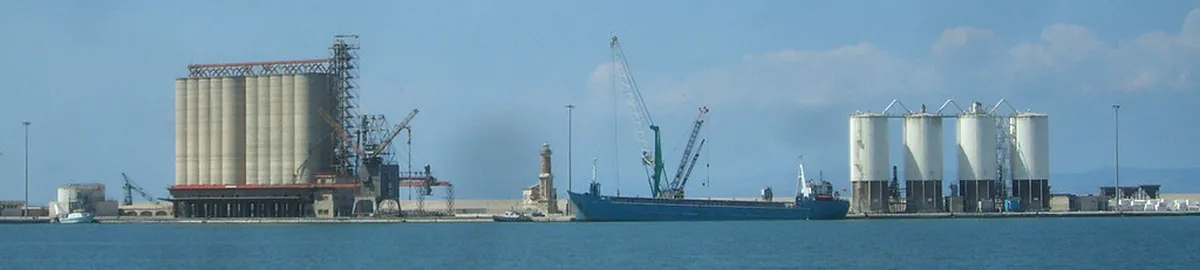
Bari sits on the Adriatic coast as the administrative capital of Puglia, roughly 285 miles south of Rome and 170 miles east of Naples. It is the third largest city in southern Italy, with a lively port, an international airport, and a rail network that connects to most corners of the region. Understanding the city's pace before you arrive will transform your experience from tourist to traveler.
Weather in southern Italy is best in spring and early autumn. May and September deliver warm sunny days, very few cruise-ship crowds, and a city at its most alive. July and August regularly exceed 30°C (86°F), making midday sightseeing genuinely brutal — heat forces you indoors during the prime afternoon hours. December can be unexpectedly pleasant, with Christmas markets and a festive local energy. January to March brings rain and the quietest atmosphere of the year.
May and September offer the ideal balance of warm weather and lower crowds. Summer can reach over 30°C (86°F), making afternoon sightseeing uncomfortable, so plan indoor museums or sea activities for midday hours.
| Stay length | What you can do | Best for |
|---|---|---|
| 1 day | Bari Vecchia, Basilica di San Nicola, Castello Svevo, Lungomare sunset, dinner in Murat | Cruise passengers, transit visitors |
| 2–3 days | Full old-town immersion + Orecchiette Street + cooking class + day trip to Polignano a Mare (20 min by train) | First-time visitors who want the city and coast |
| 4–5 days | Everything above + Matera, Alberobello, and Trani day trips using local rail | Puglia base-camp travelers avoiding constant hotel changes |
For more detailed advice on exploring the wider region, check our latest posts on the Italy Wander blog. Understanding the local pace will significantly improve your overall travel experience in 2026.
Getting to Bari: Transport and Arrival Tips
Arriving at Bari Karol Wojtyła Airport is the most common entry point for international travelers. The Ferrotramviaria commuter train runs directly to Bari Centrale station in around 20 minutes and costs approximately €5. A dedicated airport bus is slightly cheaper, while a taxi runs a fixed €25 fare — useful if you are travelling with heavy luggage and a group.
Navigating Bari Centrale is one of the most common sources of confusion for first-time visitors because three separate train companies share the complex. Each operates from a different part of the station building and sells its own tickets. Here is how to tell them apart:
- Trenitalia — Italy's national rail carrier. Use this for high-speed Frecciarossa trains to Rome (4 h, from €15 booked in advance) and regional connections to Brindisi, Foggia, and Lecce.
- Ferrovie del Sud Est (FSE) — the regional company for southeast Puglia. This is the train to take for Alberobello (1.5 h) and Taranto. Look for the smaller building to the right as you approach from Piazza Aldo Moro.
- Ferrovie Appulo Lucane (FAL) — a separate company linking Puglia to Basilicata. Take FAL for Matera (about 1.5 h to Altamura, then a bus connection). Its departure point is in yet another small building beside FSE.
Travelers often use Moovit - Bari Public Transit Guide to navigate the local bus system efficiently. This tool provides real-time updates on schedules and route changes throughout the metropolitan area. Understanding getting around Bari is vital for a stress-free trip.
If you plan to explore the deeper Puglian countryside, renting a car is highly recommended. You can find competitive rates through DiscoverCars - Car Rental Puglia for your journey. Having your own wheels allows you to reach hidden beaches and rural masserie with ease.
Where to Stay in Bari: Neighborhoods and Hotels
Choosing the right neighborhood shapes your entire Bari experience. Each of the three main areas has a distinct character, and the right choice depends entirely on what you are here to do.
| Neighborhood | Atmosphere | Best for | Trade-offs |
|---|---|---|---|
| Bari Vecchia | Historic alleys, local families, stone buildings, communal piazzas open until midnight | Atmosphere seekers, 1–2 night stays, cultural immersion | Narrow streets (no vehicle access), higher ambient noise at night, limited elevator buildings |
| Murat District | Wide 19th-century boulevards, high-end boutiques, modern bars and restaurants | Longer stays, shoppers, nightlife, easy city navigation | Less character than Bari Vecchia; further walk to the Old Town highlights |
| Near Bari Centrale | Modern, functional, convenient, mix of business hotels and apartments | Day-trip base campers, early/late train departures, budget travelers | Least atmospheric; not ideal if you want to soak up Bari itself |
The area beside the sea, just outside Bari Vecchia's walls, threads all three worlds together — you get walkability to the Old Town, a short stroll to Murat's restaurants, and the Lungomare on your doorstep. If you are undecided, this buffer zone is consistently the best compromise.
For a luxurious stay with stunning sea views, consider the JR Hotels Bari Grande Albergo delle Nazioni. This iconic property combines historic elegance with modern amenities near the famous promenade. It serves as an excellent base for exploring both the old and new parts of the city.
Must-See Bari Attractions
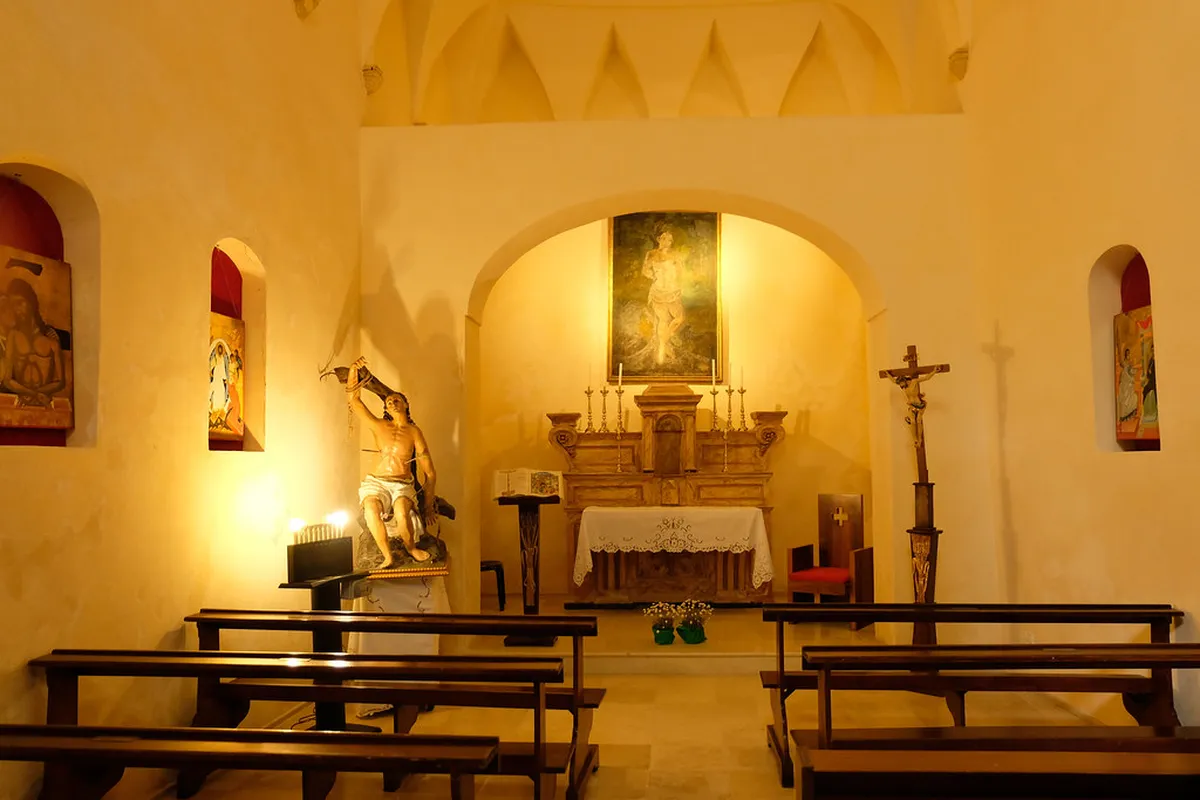
The Basilica di San Nicola stands as the most important religious site in the city. It houses the relics of Saint Nicholas and attracts pilgrims from all over the world. The architecture reflects a unique blend of Romanesque styles that defines the region.
Castello Svevo is an imposing fortress that guards the entrance to the Old Town. Visitors can explore the internal courtyards and learn about the city's defensive history through various exhibitions. The castle offers a great vantage point for understanding the medieval layout of Bari.
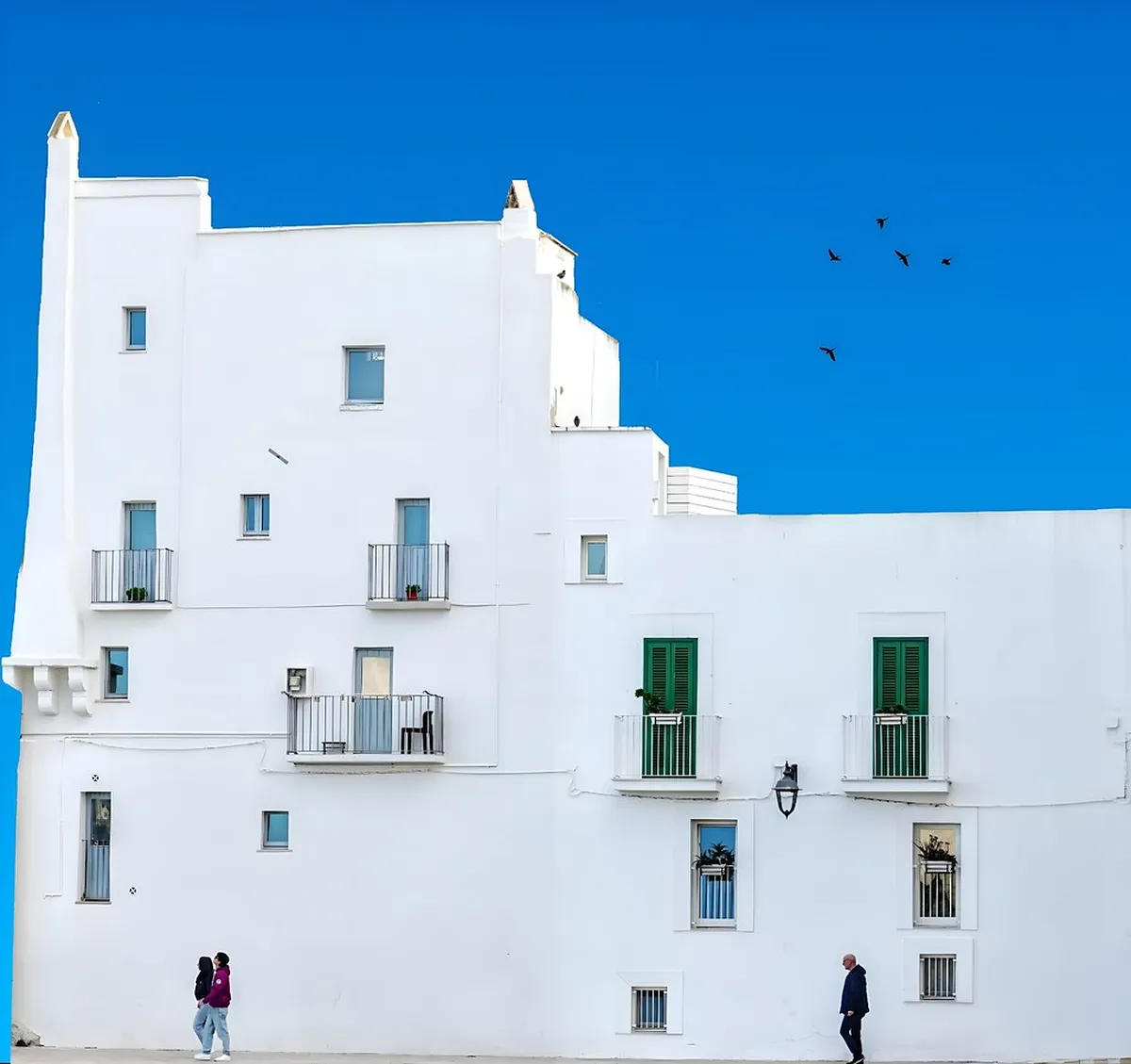
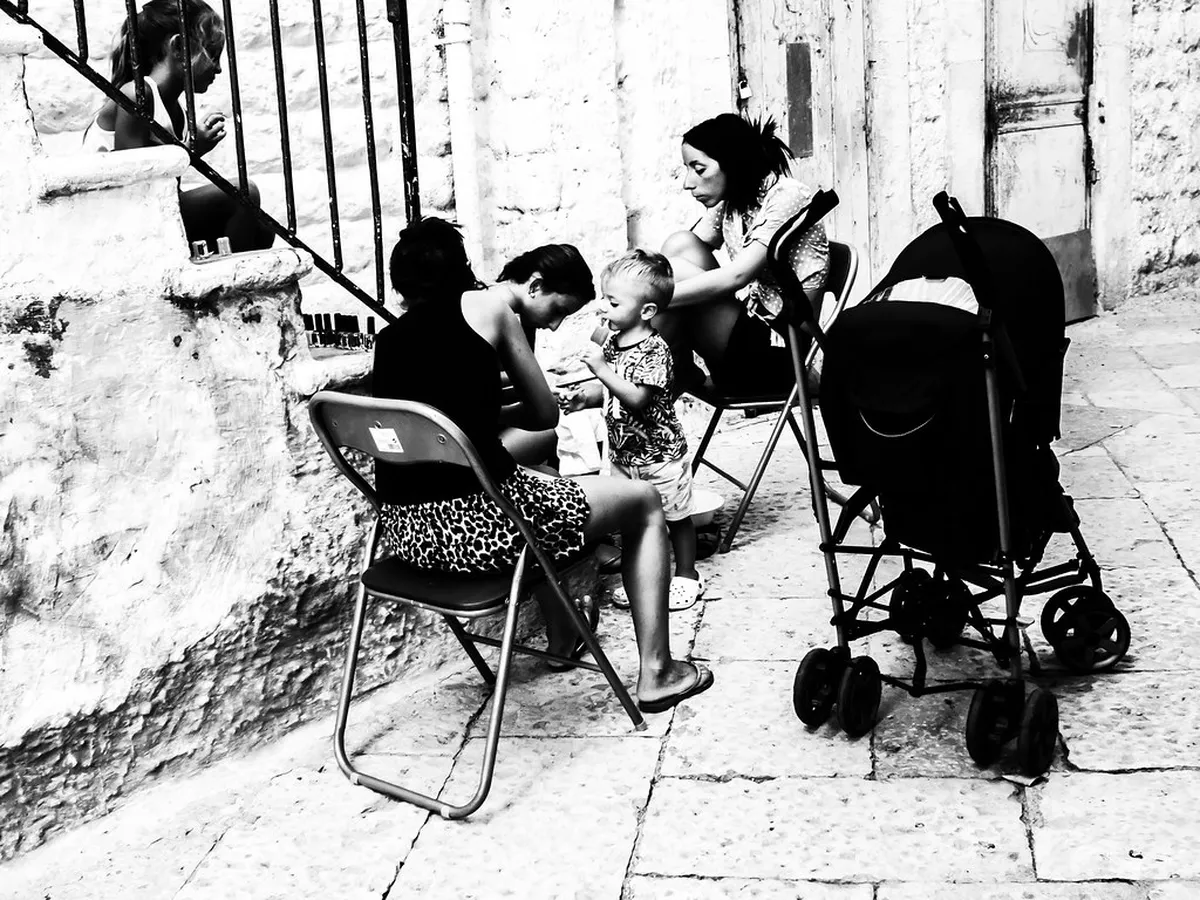
Walking through Bari Vecchia feels like stepping back in time to a different era. You will see local women making pasta on their doorsteps and children playing in the small piazzas. This area has transformed from a neglected district into the proud cultural soul of the city.
The city has undergone a massive transformation since its rougher reputation in the 1990s. Today, Bari stands as a safe and welcoming cultural hub for international visitors. For more safety details, read our guide on is Bari safe for travelers.
Museums, Art, and Culture in Bari
The Pinacoteca Provinciale di Bari houses an impressive collection of southern Italian art. You can admire works ranging from the 11th century to modern masterpieces in a beautiful historic setting. It is a quiet escape from the bustling streets of the Murat district.
Teatro Petruzzelli is one of the most famous opera houses in Italy. Even if you do not attend a performance, the building itself is an architectural marvel worth seeing. Guided tours are often available for those interested in the lavish interior and history.
Local culture is deeply tied to the sea and the city's maritime history. You can find various smaller galleries tucked away in the side streets of the old town. These spaces often showcase contemporary Puglian artists who draw inspiration from the Adriatic landscape.
Parks, Gardens, and Outdoor Spots in Bari
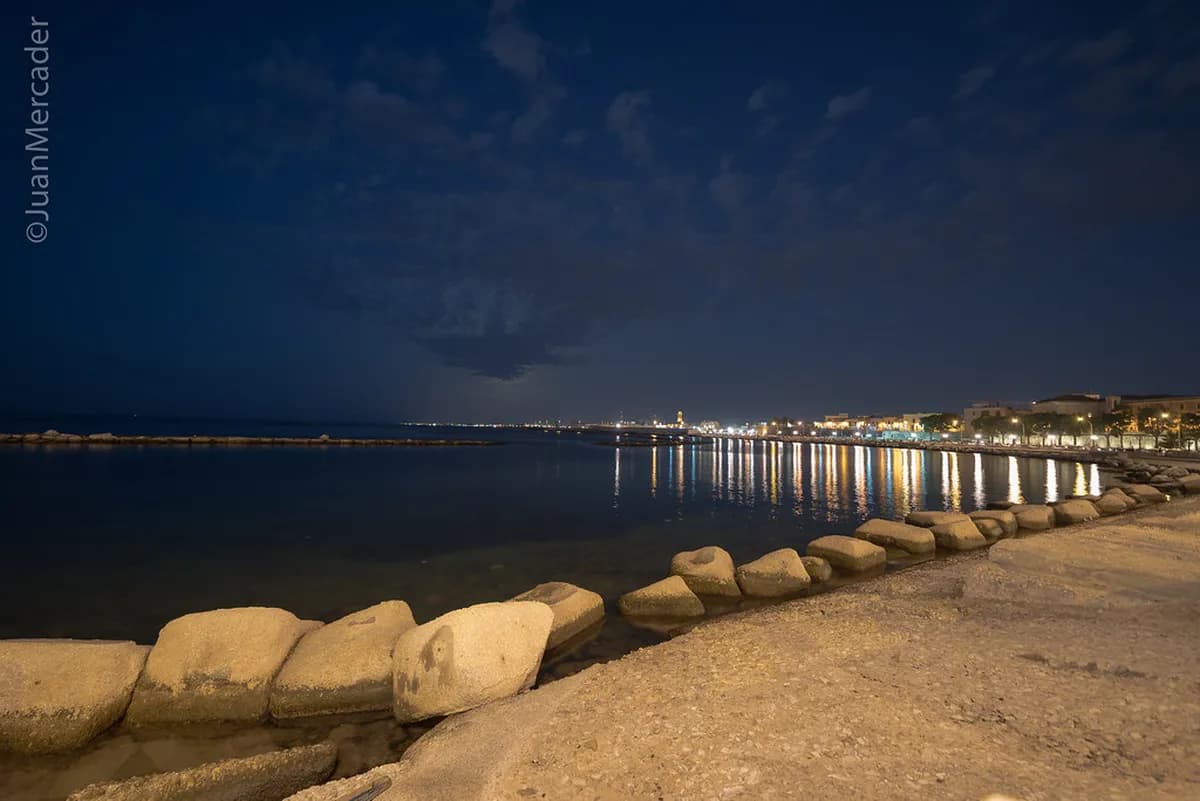
The Lungomare is one of the longest and most beautiful seaside promenades in Italy. Walking here at sunset is a favorite local pastime for families and couples alike. You can enjoy the sea breeze while looking out over the blue Adriatic waters.
Piazza Umberto I serves as a green oasis in the heart of the busy city center. You can see the historic fountain and enjoy the shade of large trees during a hot afternoon. This spot is featured in many local photos, such as the C.R.A.P APOLLO - Piazza Umberto I image.
Pane e Pomodoro is the city's main public beach located just a short walk from the center. It is a popular spot for a quick swim or a relaxing morning on the sand. Locals gather here throughout the summer to enjoy the coastal lifestyle without leaving the city.
Family-Friendly and Budget-Friendly Options in Bari
Bari is an exceptionally walkable city, which makes it great for families with strollers. Most of the major attractions are clustered within a small geographic area. This layout allows you to see the sights without spending money on expensive taxis or tours.
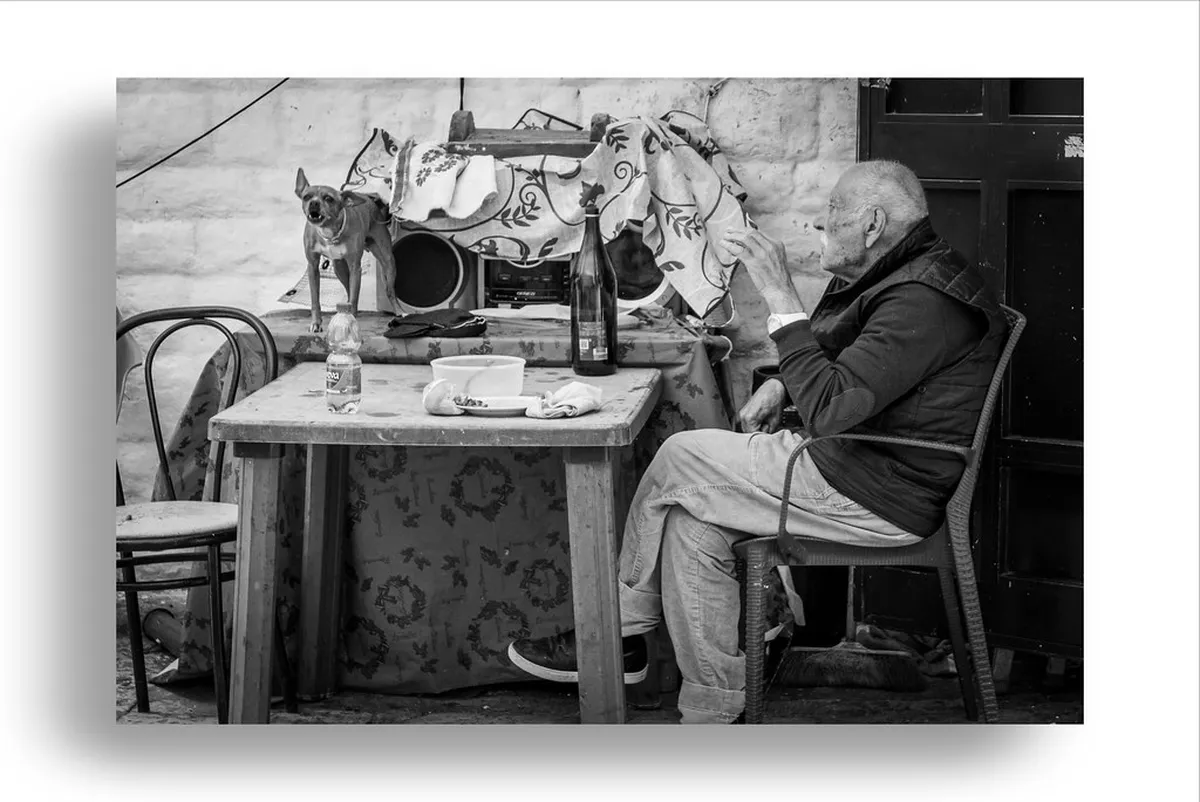
Budget travelers will love the abundance of affordable street food available at every corner. You can grab a massive piece of focaccia or a panzerotto for just a few euros. These filling snacks provide a delicious and authentic taste of Puglia without breaking the bank.
Focaccia Barese costs 2-4 euros for a large slice, and orecchiette pasta from street vendors runs 3-5 euros. Most churches, piazzas, and the Lungomare seafront are completely free to explore.
Many of the city's most beautiful churches and piazzas are free to enter and explore. You can spend hours wandering the alleys of the Old Town without spending any money. This accessibility makes Bari one of the most budget-friendly capitals in southern Italy.
Safety for solo travelers has improved significantly over the last two decades. While you should always stay aware of your surroundings, the city is generally very welcoming. The presence of many families in public spaces creates a secure and communal atmosphere.
What Food Should You Try in Puglia?
Orecchiette is the signature pasta of the region — small ear-shaped pasta most often served with cime di rapa (turnip tops) or broccoli rabe. The best place to see it made is Arco Basso, the vaulted alley beside Castello Svevo also known as Orecchiette Street. Go before 11:00 in the morning to catch the most activity; by mid-afternoon many stalls wind down. Stand to the side and watch before buying — the pasta makers work at their own pace and appreciate a moment of genuine interest over a rushed transaction. Pick up a 250 g bag of fresh orecchiette (typically €3–5) as an edible souvenir. Note: a 2025 scandal exposed some vendors selling factory-made pasta as handmade, so buy from stalls where you can watch the pasta being shaped in front of you. Nunzia Caputo, the street's most celebrated nonna, also offers paid pasta workshops you can book in advance.
Focaccia Barese is distinct from any focaccia you have tried elsewhere. The dough incorporates mashed potato, creating a thick, pillowy crumb with crispy-bottomed edges, topped with cherry tomatoes, black olives, and a generous pour of local olive oil. The result sits somewhere between a flatbread and a pizza slice. It is best eaten warm, straight from the bakery tray, ideally before 10:00 when the morning batch is fresh. Look for bakeries with a queue of locals rather than a picture menu outside — that is your most reliable quality signal.
Raw seafood is a local delicacy that adventurous eaters should not miss at the old harbor. You can watch fishermen bring in their catch and sample fresh octopus or sea urchins. This tradition is a core part of the city's identity and culinary heritage.
Olive oil and local vegetables like cima di rapa define the flavors of the Puglian table. Many dishes are naturally vegetarian and rely on the high quality of seasonal produce. Sampling these simple yet flavorful ingredients is a highlight of any trip to the region.
Where to Eat in Bari: Best Restaurants
Understanding the difference between a panificio and a trattoria is key for your dining plans. A panificio is perfect for a quick, casual lunch of baked goods and street food. Trattorias are better suited for a sit-down dinner featuring multiple courses of pasta and meat.
Lunch in Bari typically happens between 12:30 PM and 2:30 PM. Many shops and smaller eateries close in the afternoon for a few hours. Planning your meals around these local times will ensure you don't find yourself hungry when everything is shut.
Dinner starts later than in many other countries, usually beginning around 8:30 PM. Making a reservation is highly recommended for popular spots on Friday and Saturday nights. This ensures you get a table at the city's best restaurants without a long wait.
Look for eateries that display a small menu of daily specials based on market availability. These spots often provide the most authentic and fresh dining experiences in the city. Avoid places with large picture menus designed primarily for tourists near the main ports.
How to Plan a Smooth Bari Attractions Day
Start your day early in Bari Vecchia to see the city wake up and the pasta ladies begin their work. Follow the narrow paths toward the Basilica di San Nicola before the large tour groups arrive. This morning light provides the best atmosphere for photography and quiet exploration.
In the afternoon, head to the Murat district for some window shopping and a coffee in Piazza della Libertà. This transition from the old world to the new world shows the full character of the city. End your day with a walk along the Lungomare as the sun sets.
Bari serves as an excellent transit hub for exploring the rest of Puglia and Basilicata. You can easily take a day trip to the cave city of Matera using the local private train lines. Polignano a Mare is only a 20-minute train ride away for a quick coastal escape.
Using the city as a base allows you to see more of the region without constantly moving hotels. The efficient rail connections make it possible to visit multiple UNESCO sites within a single week. Plan your logistics in advance to maximize your time in this beautiful corner of Italy.
Using Bari as a Transit Hub: Day Trips Across Puglia
Bari is the single best base for exploring the rest of Puglia without renting a car. The key is knowing which train company runs which route — they do not share the same ticketing system, and buying the wrong ticket is a frustratingly common mistake. Here is the decision-ready breakdown for 2026:
| Destination | Train company | Journey time | Approx. fare | Notes |
|---|---|---|---|---|
| Polignano a Mare | Trenitalia (regional) | ~20 min | €3–4 | Trains run hourly; no advance booking needed |
| Alberobello (trulli villages) | FSE (Ferrovie del Sud Est) | ~1.5 h | €5–6 | Departs from FSE building at Bari Centrale; buy tickets on-site |
| Matera | FAL (Ferrovie Appulo Lucane) + bus | ~1.5–2 h total | €6–8 | Train to Altamura or Ferrandina, then Matera Shuttle bus; confirm current schedule at station |
| Trani | Trenitalia (regional) | ~45 min | €4–5 | Gorgeous port cathedral; easy half-day return trip |
| Lecce | Trenitalia (regional) | ~2 h | €9–12 | Full day needed; book Frecciabianca for the fastest service |
A practical tip: buy FSE and FAL tickets directly at their respective windows inside Bari Centrale — they are not sold through the main Trenitalia machines or the Trenitalia app. For Trenitalia routes, booking online at least a day ahead secures the cheapest fares. All three company windows are within 100 metres of each other in the station complex, but they face different entrances, so allow 20 minutes to locate the right one if this is your first visit.
Polignano a Mare works perfectly as a half-day escape: take a morning train, walk the cliff path above the sea caves, eat grilled fish at one of the harbour restaurants, and return to Bari by late afternoon in time for an aperitivo on the Lungomare. Matera deserves a full day; the cave dwellings (sassi) require several hours to explore properly. Alberobello is at its most photogenic in the early morning before coach tours arrive, so take the first or second FSE departure of the day.
Frequently Asked Questions
Where is Bari located in Italy?
Bari is located on the Adriatic coast in the southeastern part of Italy. It serves as the capital city of the Puglia region and is a major port for ferries. You can easily reach it via its international airport or national train lines.
What food is Bari famous for?
The city is most famous for Orecchiette pasta, which is often served with broccoli rabe. You should also try Focaccia Barese and fresh raw seafood from the harbor. These dishes represent the authentic flavors of the Puglia region.
Is Bari safe for solo travelers?
Bari is generally safe for solo travelers who take standard precautions. The city has improved its safety significantly over the last few decades. For more specific advice, read our detailed guide on is Bari safe for visitors.
How many days do you need in Bari?
Two days are usually enough to see the main sights of the city center. If you plan to use Bari as a base for day trips, stay for four to five days. This allows time for Matera and Polignano a Mare.
What is the best time of year to visit Bari?
The best time to visit is during the spring or early autumn months. May, June, and September offer pleasant weather and fewer crowds than the peak summer season. Winter is mild but some coastal attractions may have limited hours.
Bari is a city that rewards those who take the time to explore its hidden corners. From the ancient stones of the Old Town to the modern energy of the Murat district, it offers a complete Italian experience.
By following these **bari travel tips**, you can navigate the logistics of the city with confidence and ease. You will discover a place where tradition and progress live side by side along the beautiful Adriatic coast.
Whether you are here for the food, the history, or the seaside views, Bari will surely leave a lasting impression. Start planning your Puglian adventure today and experience the magic of this southern capital for yourself.
Explore More: Bari Travel Tips
Keep planning with these related Bari guides.
You might also like


Continue reading
More guides you'll find useful