Is Bari Safe for Tourists in 2026? Areas to Avoid & Night Tips
Is Bari safe in 2026? A district-by-district safety ranking, areas to avoid, night-time tips, solo-travel advice, and Italy's emergency numbers.
On this page
Is Bari Safe for Tourists?
Bari is a stunning coastal city that serves as the gateway to the beautiful Puglia region. Many travelers ask if Bari is safe for tourists because of its old reputation as a gritty port town. Today, the city has transformed into a vibrant cultural hub that welcomes thousands of international visitors each year.
Walking through the historic streets, you will find a blend of ancient traditions and modern Italian life. While any large city has risks, Bari offers a generally secure environment for those who use common sense. This guide explores everything you need to know about staying safe while enjoying the heart of the Adriatic coast.
Current Safety Overview: Is Bari Safe for Tourists?
Bari has seen a significant increase in security measures over the last few years. Local authorities have worked hard to revitalize the historic center and improve lighting in public squares. High-profile international events, such as the CNN - G7 Security in Puglia report, show the region's commitment to safety.
Most tourists will find the main areas of the city to be very friendly and accessible. The atmosphere in the evenings is typically lively with families and students enjoying the sea breeze. You can feel comfortable exploring the main thoroughfares and popular shopping districts during the day.
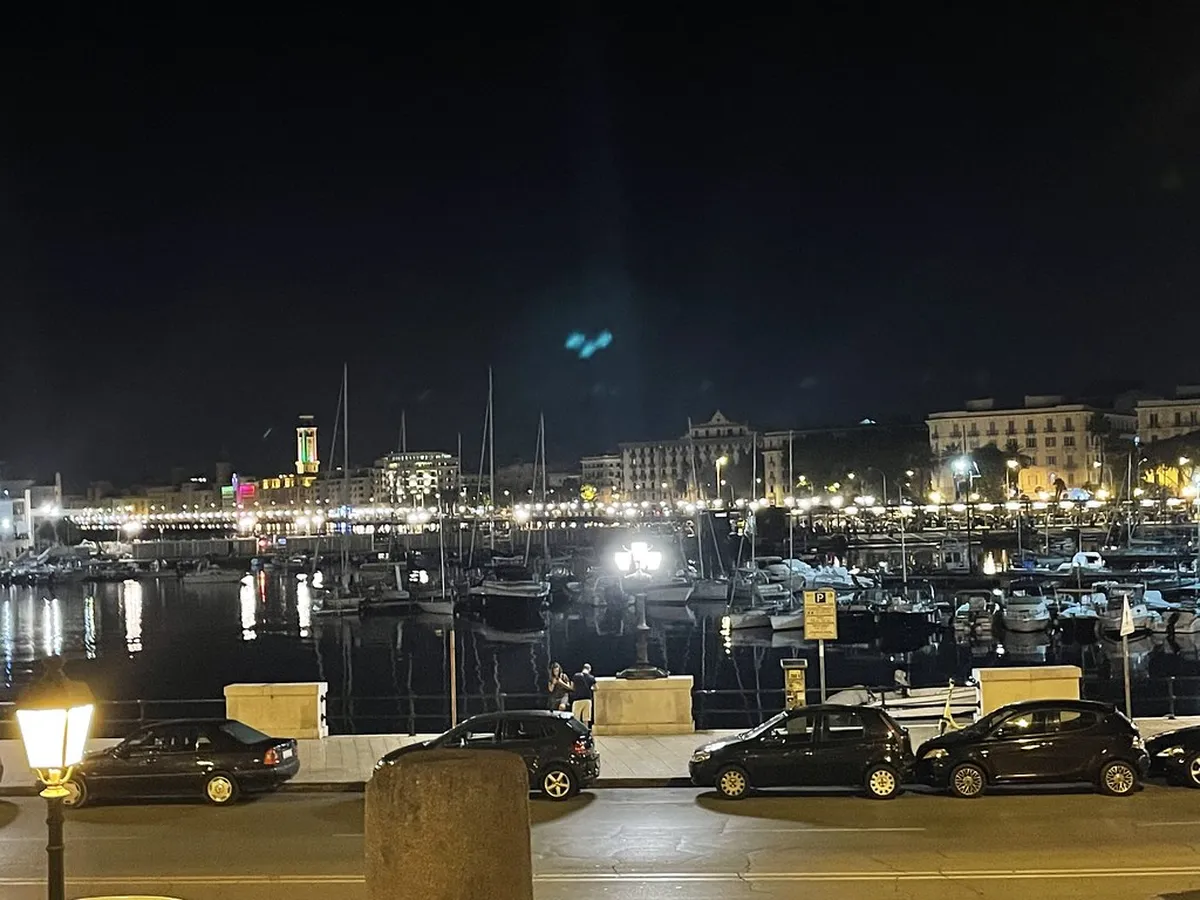
Main historic zones and the Lungomare promenade see heavy foot traffic and good lighting, especially in evenings when locals enjoy the passeggiata (evening stroll). This social atmosphere naturally deters petty crime.
Security presence is visible near major landmarks and transport hubs to deter petty crime. This proactive approach has helped shift the city's image from a rough port to a top-tier destination. Travelers should still remain aware of their surroundings as they would in any European capital.
Recent updates from the Bari Official Municipality Site highlight ongoing urban safety initiatives. These programs focus on keeping the city clean and secure for both residents and visitors. Following these local developments helps you plan a worry-free itinerary for 2026.
Bari Crime Rates: Understanding the Local Context
Petty theft is the most common issue tourists encounter in Bari. Items like phones, wallets, and cameras are targets in crowded markets or near the train station. According to Numbeo, Bari scores around 50 out of 100 on the crime index — firmly in the "moderate" range, on par with many Italian regional capitals. The biggest concerns logged by residents are things stolen from cars, home break-ins (typically when owners are away), and occasional vandalism. Violent crime directed at tourists is extremely rare in the city center.
Organised crime does exist in Puglia. The regional outfit is called the Sacra Corona Unita, established in the late 1970s and based mainly in the Foggia province. It is not comparable in scale to the Sicilian Cosa Nostra or the Neapolitan Camorra, and it has seen a significant decline in influence since its 1990s peak. Its activities focus on inter-clan disputes and large-scale commercial corruption — not tourists. As CNN reported in the context of the 2024 G7 summit in Puglia, security across the region is highly coordinated and internationally monitored. You are vanishingly unlikely to cross paths with organised crime during a normal holiday.
For useful contrast: Foggia (90 minutes north-west by train) ranks much higher on the Numbeo crime index — 84 out of 100 — driven by organised-crime activity that locals themselves take seriously. Bari is in a different category entirely. Popular tourist spots like Bari Vecchia, the lungomare, and the Murat shopping district are safe for daytime and evening visits. Exercise standard Italian-city caution — keep bags worn in front, avoid leaving phones on cafe tables, and don't flash expensive cameras in dense crowds — and you will encounter no serious problems.
Safest Neighborhoods: Why You Should Stay in Bari Vecchia
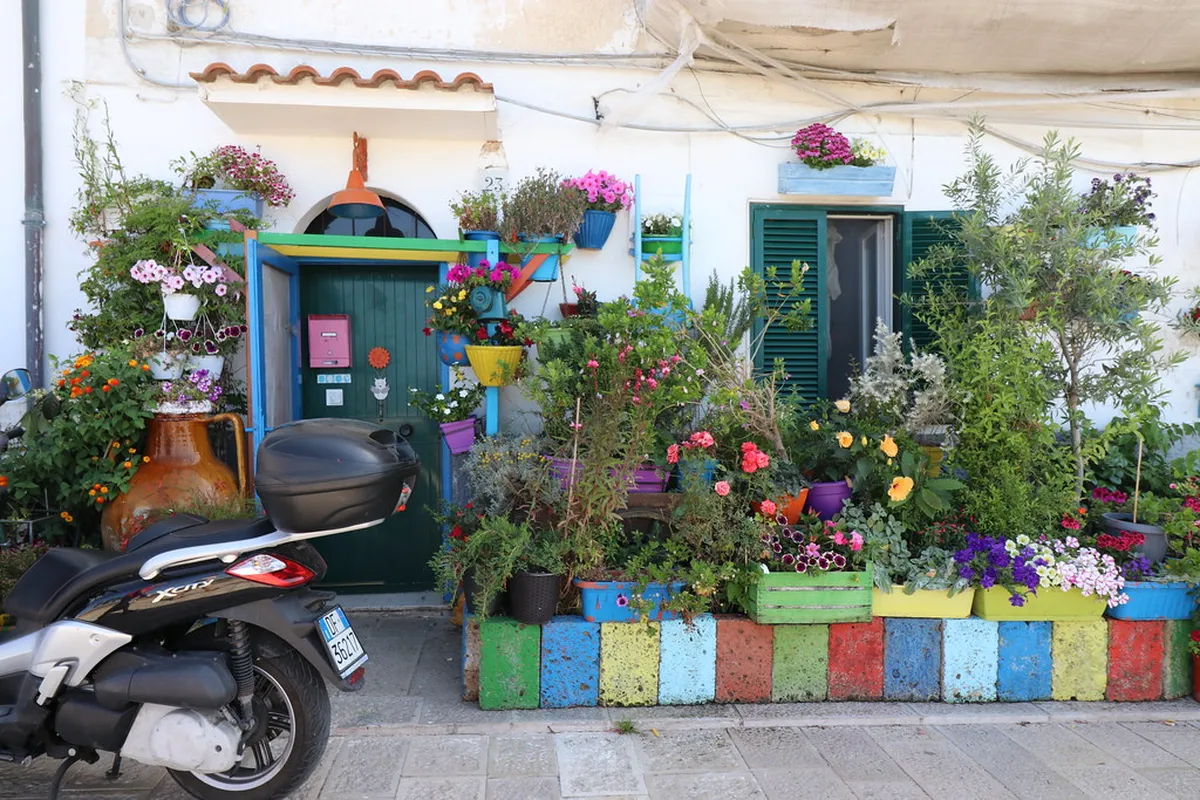
Bari Vecchia, the old town, is often described as the most authentic place to stay. While the narrow, winding alleys might look intimidating at first, they are the heart of the local community. Families often sit outside their homes, creating a natural neighborhood watch that keeps the area safe.
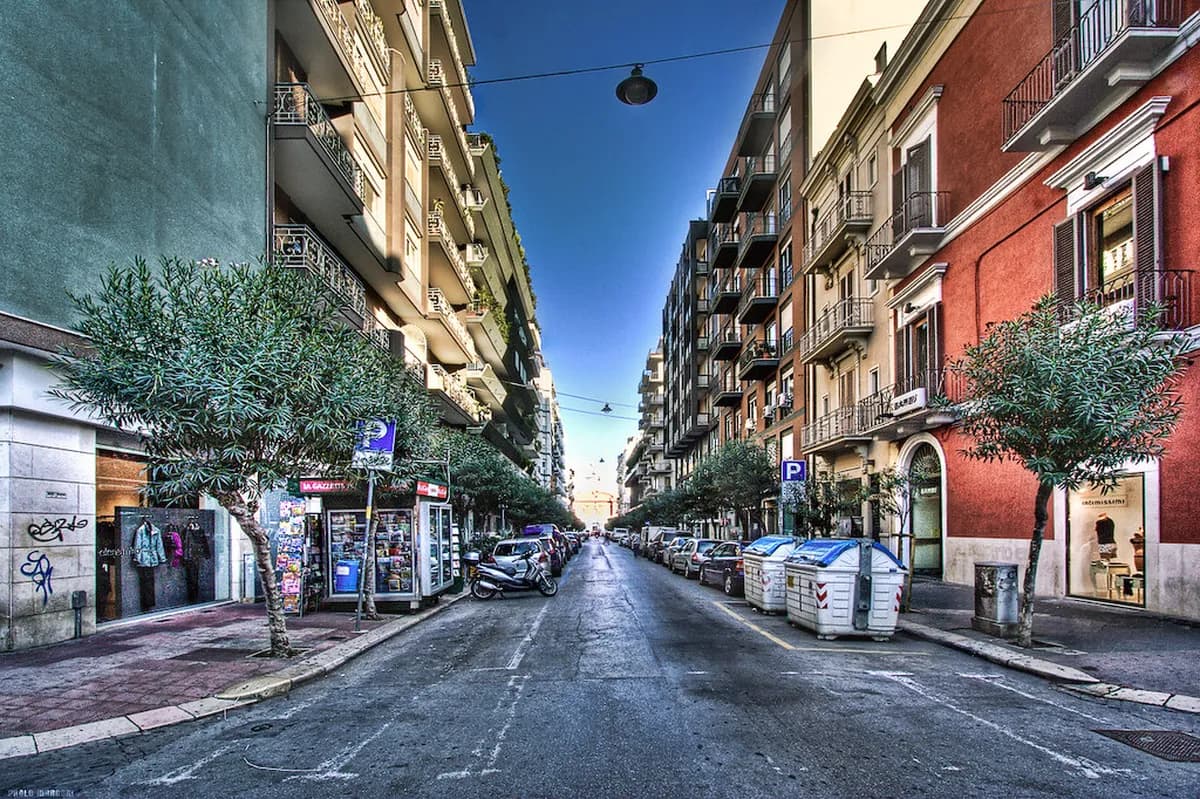
The Murat district is another excellent choice for travelers seeking a more modern feel. This area features wide boulevards, high-end shopping, and plenty of well-lit streets. Staying here puts you close to the best restaurants and the main railway station for easy day trips.
Avoid booking accommodation in the outer industrial suburbs or near the stadium if you value evening walks. These areas can feel isolated and lack the security of the bustling city center. Sticking to the historic core ensures you are always near help and public transport.
Many visitors find that Italy Wander offers great insights into choosing the right neighborhood for your style. Most reputable guesthouses in the old town provide secure entry and local tips. Prioritizing a central location is the best way to ensure a safe and convenient trip.
Essential Safety Information for Solo Travelers
Solo travelers will find Bari to be an engaging and manageable city to explore alone. The local culture is warmly social, and it is easy to meet people in cafes, on food tours, or during the passeggiata along the seafront. The presence of a large student population at the University of Bari means the city stays lively and populated well into the evening, which naturally adds to the sense of safety.
For solo female travelers specifically: the main risk is not aggression but unwanted attention — lingering glances or brief comments from older men, typical of southern Italian city culture. This is more disconcerting than dangerous. In Bari Vecchia's busy alleys, surrounded by families and neighbours who essentially serve as an informal community watch, solo women consistently report feeling very safe. The situation is different on quiet residential streets after midnight, so late-night returns are best handled by registered taxi (Radio Taxi Bari: 080 5543333) rather than on foot.
Using a comprehensive Bari travel tips guide can help you identify the best solo-friendly spots. Many hostels and boutique hotels offer social events that make it easy to find walking partners. Staying connected with a local SIM card also provides an extra layer of security and allows you to use real-time navigation rather than looking lost with an unfolded map.
Confidence is your most effective tool when navigating the city on your own. If you ever feel uncomfortable, step into a busy shop, gelateria, or cafe to reassess your surroundings. Most locals in Bari speak at least some English and will gladly assist if you need directions or a recommendation.
Bari Planning Cheatsheet: Logistics and Transport
Navigating the city requires a basic understanding of the local transport network. Karol Wojtyla Airport (BRI) is 8 km north of the city centre; the Ferrotramviaria train runs to Bari Centrale in about 17 minutes for roughly €1.30, making it the fastest and cheapest airport link. An official taxi from the rank costs a fixed €25. Never accept offers from unlicensed drivers approaching you in the arrivals hall. Using official transport options is the safest way to reach your hotel upon arrival.
Public buses are affordable but can become very crowded during peak commuting hours. Keep a firm grip on your bags when boarding or standing in the aisles. Learning about getting around Bari before you arrive will save you from confusion at the station. The city centre itself is compact and best explored on foot — the walk from Bari Centrale to Bari Vecchia takes under 15 minutes.
Taxis should always be metered; ensure the driver starts the meter when you begin your journey. For reliability, call Radio Taxi Bari (080 5543333) or book via the itTaxi app rather than hailing one on the street. Having your destination address written down prevents communication errors with the driver.
Best time to visit Bari: April–June and September–October offer the most comfortable conditions — warm, sunny days (22–28°C), few crowds, and a full calendar of local events. July and August are very hot (regularly above 35°C) and cruise ship day-trippers flood the old town between 10:00 and 16:00, making the alleys uncomfortably busy. Winter (December–February) is mild by northern-European standards (10–15°C) but rainy; the Christmas market around Piazza del Ferrarese is a genuine highlight if you can handle the chill. How long to stay: Plan a minimum of two full days — one for the old town and waterfront, one for a Puglia day trip (Polignano a Mare is 30 minutes by train at around €3). Three days lets you settle into the passeggiata rhythm that makes Bari special.
- Bari Transport Safety Tips
- Airport Link: Ferrotramviaria train, €1.30, 17 min
- Taxi Rule: Fixed €25 from airport; always metered in city
- Bus Tip: Validate tickets immediately (€1 per journey)
- Night Travel: Radio Taxi Bari 080 5543333 or itTaxi app
- Emergency Contact Numbers
- General Emergency: Dial 112
- State Police: Dial 113
- Medical Help: Dial 118
- Local Police: 080 5491111
Local Food Safety and Etiquette: Orecchiette and Focaccia
Eating your way through Bari is a highlight for every visitor. The famous "pasta ladies" on Strada delle Orecchiette are a must-see cultural attraction. To stay on their good side, remember that this is their livelihood and not just a photo opportunity.
Always ask for permission before taking close-up photos of the women making pasta. It is polite and expected that you buy at least one small bag of orecchiette in exchange. Supporting the local economy ensures a warm welcome for future travelers and keeps the tradition alive.
Street food like Focaccia Barese is generally very safe to eat and delicious. Look for bakeries with a high turnover of local customers to ensure the freshest slices. Most food markets follow strict hygiene standards, making them a great place for a quick lunch.
Drinking tap water in Bari is safe, though many locals prefer the taste of bottled water. You will find public fountains throughout the city where you can refill your bottle for free. This is a great way to stay hydrated during the warm summer months.
Driving and Parking Safety: Avoiding Car Break-ins
Car break-ins are the most commonly reported crime against tourists in Puglia and around Bari. Thieves specifically target rental cars because they expect to find luggage, cameras, and electronics inside. The risk is not unique to dark alleys — incidents are regularly reported in broad daylight at coastal viewpoints and trailhead car parks, where a quick smash-and-grab takes seconds. Never leave anything visible on the seats, even if you are stopping for just a few minutes to photograph a view.
Rental car break-ins are the most frequent tourist-related crime in Bari. Never leave valuables, luggage, or electronics visible inside your vehicle. Always use supervised parking garages, especially overnight.
| Parking Option | Risk Level | Practical Tip |
|---|---|---|
| Supervised city-centre garage (e.g. Parcheggio Murat) | Low | ~€15–20/day; CCTV + staff on-site; best for overnight |
| Blue-zone street parking (marked, metered) | Low–Medium | Stay near well-lit, high-footfall streets; move car before 20:00 |
| Coastal viewpoint pull-offs | High | Never leave bags visible; take 5 minutes to clear the boot |
| Isolated rural or trailhead lots | Very High | Avoid leaving a car for more than 30 minutes; leave boot visibly empty |
| Unsupervised seaside areas (Pane e Pomodoro) | High | Carry valuables to the beach; use a waterproof pouch |
Using a supervised parking garage in Bari is worth the extra €15–20 per day for absolute peace of mind. These facilities have cameras and on-site staff and are the standard choice for business travellers who know the city well. For more detailed regional advice, the Road Reel Puglia Safety Guide documents specific high-risk parking spots across the region based on first-hand reports.
Always take your passport, cash, and all electronics with you when you leave the car. Rental insurance with zero-excess cover is highly recommended and often cheaper to add at booking than to purchase on arrival. Being proactive about vehicle security allows you to explore the Puglia coast without nagging anxiety at every stop.
What NOT to Do: Common Tourist Mistakes in Bari
One major mistake is leaving belongings unattended on public beaches like Pane e Pomodoro. While this beach is popular and free, it is a known spot for opportunistic theft. If you want to swim, consider going to a private lido where your items can be stored securely.
Do not ignore the local custom of the afternoon siesta, known as riposo. Many shops and attractions close between 1:30 PM and 4:30 PM each day. Planning your activities around these times prevents you from being stranded in quiet, empty streets.
Avoid walking through the San Paolo or Enziteto districts unless you have a specific reason to be there. These residential areas are far from the tourist center and can be less welcoming to outsiders. Sticking to the coastal and historic zones provides the best experience.
Finally, do not forget to validate your bus or train tickets before boarding. Inspectors are common and will issue heavy fines to tourists who forget this step. Keeping your paperwork in order is a simple way to avoid unnecessary legal trouble.
Final Verdict: Is Bari Safe to Visit?
Bari is a safe and rewarding destination that offers a true taste of Italian life. The risks here are no greater than in any other popular European port city. By staying in central areas and watching your belongings, you will have a fantastic trip.
The city's unique blend of history, food, and seaside beauty makes it a must-visit in 2026. Most travelers leave with nothing but fond memories of the friendly locals and delicious pasta. Use the tips in this guide to navigate the city with confidence and ease.
Preparation is the key to any successful journey to southern Italy. Keep your wits about you, respect local customs, and embrace the vibrant energy of the streets. Bari is waiting to show you its hidden gems and coastal charm.
Beach Safety: Pane e Pomodoro vs. Private Lidos
Pane e Pomodoro is Bari's main public beach and it is free to use — which makes it enormously popular on summer weekends. That popularity is both its appeal and its main drawback from a security standpoint. When the beach fills up in July and August, opportunistic theft becomes a real risk. Leaving a bag unattended while you swim is an open invitation, and the crowded environment makes it very hard to spot who touched your things.
The practical solution is to travel light to Pane e Pomodoro: leave passports, laptops, and extra cash at your hotel safe, bring only what fits in a waterproof pouch worn around your neck in the water, and keep keys inside your shoe or tucked under a towel you're actively sitting on. Alternatively — and this is worth knowing — several private beach clubs (lidos) operate along the coast just south of the city centre. For a fee of roughly €10–20 per day you get a sunbed, umbrella, and a locker for your valuables. This arrangement is far more relaxed if you plan a full beach day and want to actually swim without anxiety. Private lidos also typically have attendants on site, which provides an additional deterrent to theft.
One more beach etiquette note: Bari's coastline is part of a living residential neighbourhood. Arriving in swimwear to the old town, sitting on church steps, or carrying open drinks near Basilica di San Nicola will draw negative attention from locals. Change at the beach, keep the passeggiata areas for walking, and you will fit in seamlessly with the city's relaxed but proudly traditional social codes.
Bari Neighborhood Safety Rankings (2026): Where's Safe & What to Avoid
Not every part of Bari carries the same risk profile, and knowing the difference before you book a hotel or plan an evening walk makes a real difference. The breakdown below ranks the city's main districts from safest to most cautious for visitors in 2026, so you can match where you stay and where you wander to your own comfort level.
- Murat district (very safe): the grid-planned 19th-century quarter laid out around Via Sparano. Well-lit, heavily policed, and busy at all hours, this is where most hotels and restaurants cluster — the natural home base for first-time visitors.
- Lungomare seafront promenade (very safe): the long waterfront walkway stays popular with families and joggers until late into the evening, and its excellent lighting keeps it comfortable well after dark.
- Bari Vecchia / Old Town (safe by day, be aware after ~11 PM): vibrant and atmospheric throughout the day. After about 11 PM, stick to the main thoroughfares such as Strada Palazzo di Città and Piazza Mercantile, and avoid the deserted, poorly-lit backstreets that branch off them.
- Central Station / Piazza Aldo Moro (moderate): occasional petty theft makes this a place to walk purposefully. Keep bags zipped and worn in front, and don't linger here after dark.
- Libertà / Madonnella (moderate): primarily residential and perfectly fine by day, but quieter and less well-lit at night — take a taxi back to your hotel if you're returning late.
- Japigia / San Paolo (exercise caution): outer suburbs with no real tourist draw. There's simply no reason for a visitor to head out here.
Bari's tourist core — Murat, the Lungomare, and the main Bari Vecchia streets — is as safe as any mid-sized Italian city in 2026. The main risk you'll face is pickpocketing, not violent crime, so ordinary urban awareness is all the precaution most travelers ever need.
Bari Emergency Numbers & What to Do (2026)
Italy uses a small set of dedicated emergency numbers, and the EU-wide 112 line will reach an operator who can route you to whichever service you need. Save these before you set out exploring in 2026:
- 112 — Carabinieri and the general EU emergency number (works from any phone, in English).
- 113 — State Police (Polizia di Stato).
- 115 — Fire brigade (Vigili del Fuoco).
- 118 — Medical emergencies and ambulance.
Save 112 to your phone before you arrive, since it's the fastest single point of contact in any emergency. The nearest major hospital is the Policlinico di Bari, roughly 15 minutes by taxi from Bari Vecchia. Keep both physical and cloud copies of your passport in case the original is lost or stolen, and consider registering with your embassy on arrival. Finally, travel insurance that covers both medical treatment and theft is strongly recommended for any trip to the region in 2026.
Frequently Asked Questions
Is Bari safe for solo female travelers?
Yes, Bari is generally safe for solo female travelers who stay in central areas like Bari Vecchia or Murat. It is wise to avoid poorly lit streets at night and use registered taxis for late-night travel. For more specific advice, check our Bari travel tips for women.
Which areas should I avoid in Bari?
Most tourist areas are safe, but you should avoid the industrial outskirts and residential districts like San Paolo. The area around the main train station can feel sketchy late at night, so stay alert. Stick to the historic center and the lungomare for the safest experience.
Are car break-ins common in Bari?
Car break-ins are the most frequent crime affecting tourists in the Puglia region. Never leave valuables in your vehicle and always use guarded parking garages when possible. This simple precaution will prevent the vast majority of theft issues during your road trip.
Is the tap water in Bari safe to drink?
The tap water in Bari is perfectly safe to drink and meets high European standards. You can save money and reduce plastic waste by refilling your bottle at public fountains. Many locals prefer bottled water for the taste, but it is not a safety requirement.
Bari has successfully shed its old reputation to become a safe and welcoming destination for all. By following basic safety protocols and staying in the historic center, you can enjoy everything the city has to offer. The combination of ancient history and modern Italian culture creates an unforgettable travel experience.
Whether you are visiting the pasta ladies or exploring the Norman castle, your safety is largely in your hands. Use common sense, keep your belongings secure, and respect the local etiquette for the best results. Bari is a bright spot in southern Italy that deserves a place on your travel bucket list.
Take the time to plan your logistics and choose your neighborhood wisely before you arrive. With a little preparation, your trip to this Adriatic gem will be both secure and spectacular. Enjoy the flavors and sights of Puglia with the peace of mind you deserve.
You might also like


Continue reading
More guides you'll find useful