Where To Stay In Matera: 10 Best Areas and Cave Hotels (2024)
Discover where to stay in Matera with our guide to the 10 best areas and cave hotels. Includes luxury resorts, budget picks, and essential parking tips.
On this page
10 Best Areas and Cave Hotels in Matera (2026)
After spending three nights tucked into a limestone grotto, I realized Matera requires a specific strategy. Our editors have vetted both the Caveoso and Barisano districts to ensure you find the perfect stone dwelling. This guide reflects my personal experience navigating these steep alleys and vetting the best cave hotels in Matera. Updated for 2026, this list helps you avoid logistical headaches like the dreaded ZTL zones and find the right neighbourhood for your travel style.
Matera is one of the oldest continuously inhabited cities in the world, with evidence of Palaeolithic settlements stretching back over 9,000 years. The ancient Sassi districts — two parallel ravine settlements carved directly into the tufa rock — earned UNESCO World Heritage status in 1993, decades after the Italian government famously declared them the "shame of Italy" and forcibly evacuated their inhabitants in the 1950s. Today those same cave dwellings house some of southern Italy's most atmospheric hotels. Staying in a cave is a genuine bucket-list experience, but it comes with specific considerations around humidity, natural light, and luggage logistics. We have curated these selections based on accessibility, view quality, authentic historical preservation, and 2026 pricing.
Key Takeaways
- Quick pick: Sextantio for the most authentic luxury cave experience.
- Quick pick: Palazzo Viceconte for those who want to avoid steep stairs.
- Always register your license plate with your hotel to avoid heavy ZTL fines.
- Book at least three months ahead for stays during the spring or autumn shoulder seasons.
- Pack a light overnight bag to avoid dragging heavy luggage over limestone cobblestones.
Top Hotels in Matera at a Glance
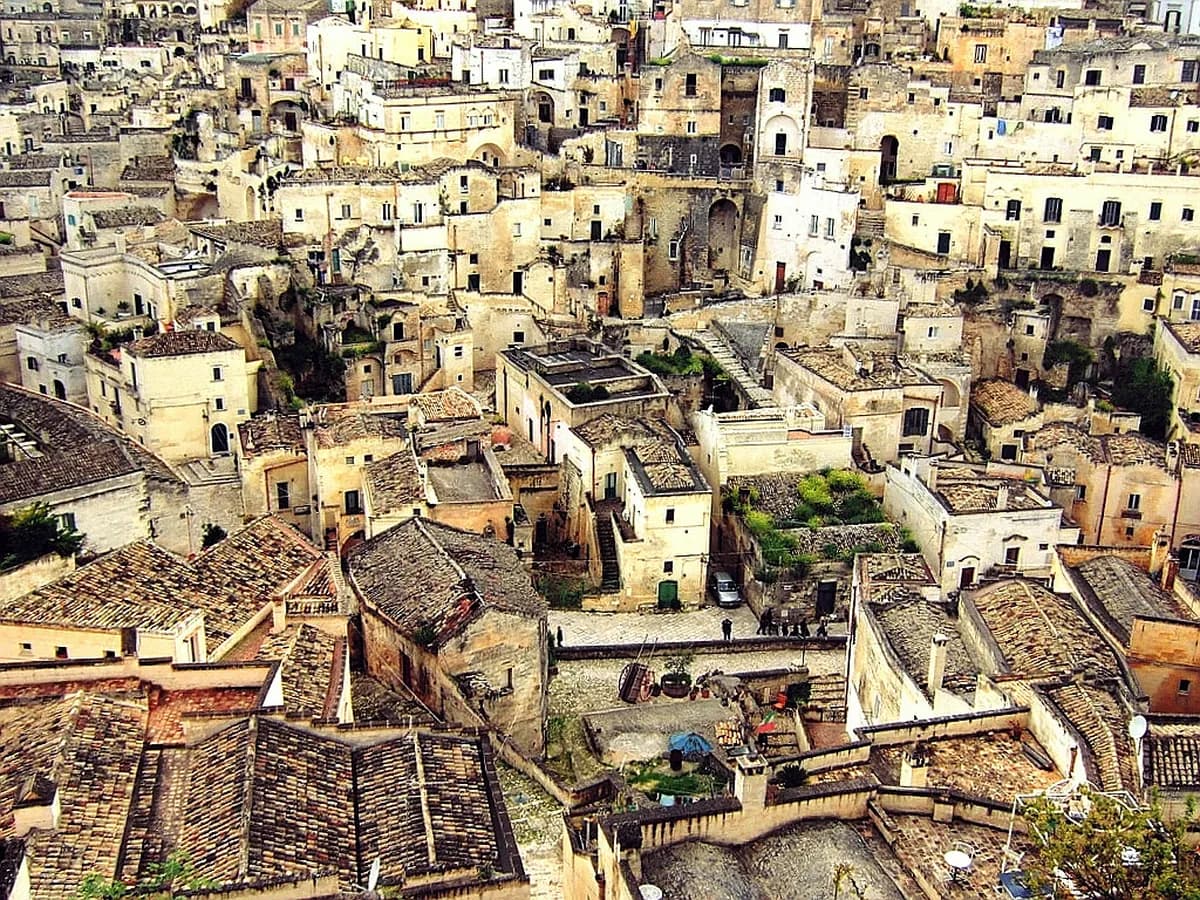
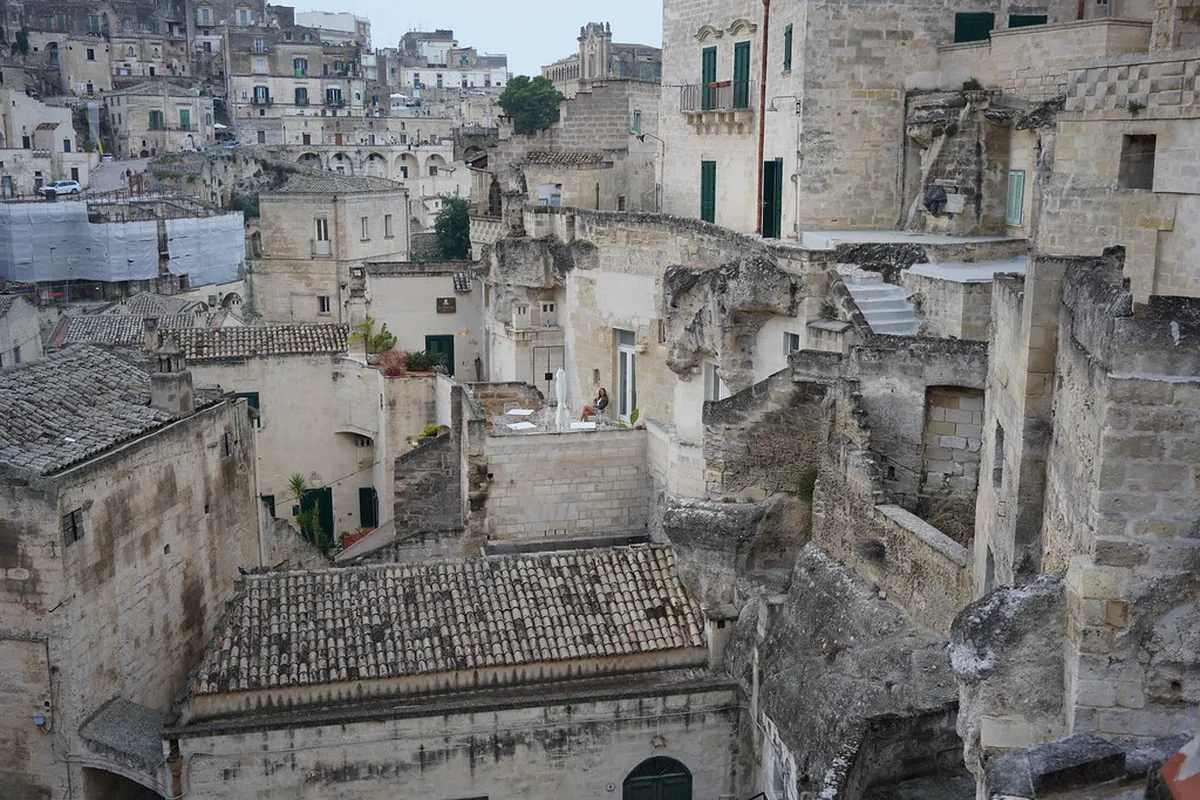
Choosing where to stay in Matera depends heavily on your mobility and your desire for authentic 'cave living'. The Sasso Barisano is generally easier to navigate on foot and offers more polished, commercial amenities. Sasso Caveoso provides a more rugged and ancient atmosphere that feels closer to the city's prehistoric roots. Most luxury travelers gravitate toward the Caveoso for its dramatic canyon views and secluded grotto suites.
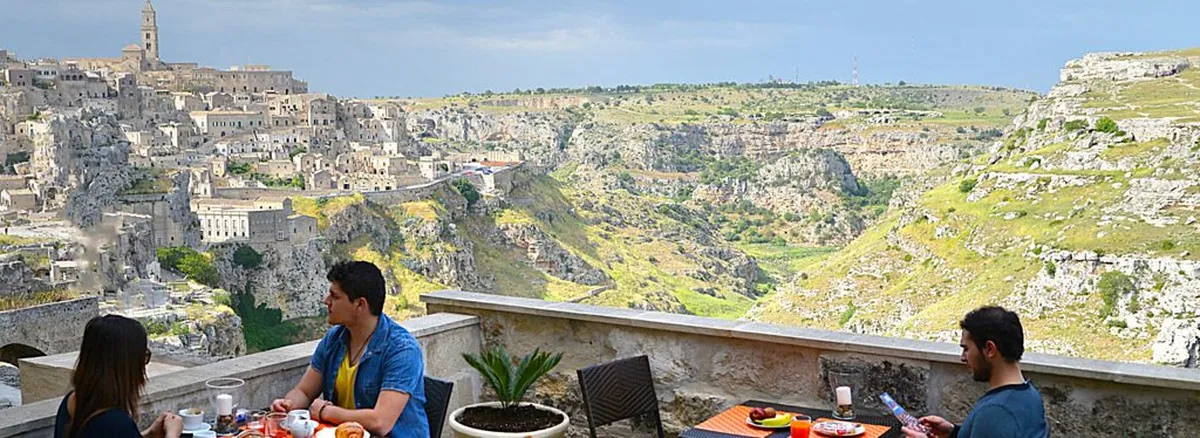
If you prefer to be near the main shopping streets and cafes, the 'Piano' area is the best choice. This upper part of the city sits just above the Sassi and offers traditional hotels in historic palazzos. Staying here allows you to overlook the stone districts without having to climb stairs every time you leave. Families often find this area more practical for strollers and easy access to pharmacies or grocery stores.
We recommend booking your stay at least three months in advance, especially for the popular shoulder seasons. April, May, and October offer the best weather for exploring the limestone paths without the summer heat. Many cave hotels only have a dozen rooms, so the best views disappear quickly during the peak months. Always check if your hotel offers a luggage porter service to help with the steep stone inclines.
10 Best Areas and Cave Hotels in Matera
The following selections represent the diverse range of accommodations available within the UNESCO-protected Sassi districts. If you are specifically looking for luxury grotto experiences, the Sasso Caveoso offers the most dramatic options. Each property has been chosen for its unique character, from primitive-chic designs to modern spa-focused retreats. We have included typical price ranges and check-in patterns to help you plan your travel budget effectively.
For those watching their wallet, budget accommodation in Matera is usually found in the newer parts of town. However, several mid-range options still exist within the Sassi if you are willing to stay in smaller rooms. I remember waking up to the sound of bells echoing through the Gravina canyon during my last stay. That sensory experience is exactly why staying inside the stone districts is worth the extra effort and cost.
Note that prices fluctuate significantly between the quiet winter months and the busy summer festival season. Most hotels in the Sassi operate with 24-hour reception, but smaller guesthouses may have restricted check-in windows. Always verify the exact walking distance from the nearest drop-off point to avoid getting lost in the maze. The limestone can be slippery when wet, so wear sturdy shoes even when just heading to dinner.
- Sextantio Le Grotte della Civita in Sasso Barisano
- This iconic hotel offers a primitive-luxe experience where candles often replace electric lights in common areas.
- Rooms are located in massive caves with minimal modern interference to maintain the original historical atmosphere.
- Expect rates between €400 and €750 per night depending on the season and room size.
- Reception is open 24 hours and the property is accessible via a steep walk from the main road.
- Tip: Book the private candlelit dinner in the 13th-century rock church for an unforgettable evening.
- Aquatio Cave Luxury Hotel & SPA in Caveoso
- Aquatio features a minimalist white design that contrasts beautifully with the ancient brown limestone walls.
- The highlight is the subterranean spa which is built directly into a 9th-century cave system.
- Nightly rates typically range from €320 to €560 and include access to the thermal pool.
- Located in the heart of Sasso Caveoso, it is best reached via the hotel's private shuttle service.
- Tip: Request a room on the upper level for a private terrace overlooking the Gravina canyon.
- Hotel Sassi with Panoramic District Views
- This was one of the first hotels in the Sassi and offers some of the best viewpoints.
- It is a mix of traditional rooms and authentic cave dwellings suitable for various budgets.
- Prices are more moderate here, usually ranging from €160 to €290 per night.
- Check-in begins at 3:00 PM and the hotel is open daily throughout the year.
- Tip: The breakfast terrace offers a perfect angle for photographing the Cathedral at sunrise.
- Palazzotto Residence & Winery Experience
- Palazzotto combines a boutique hotel stay with a deep focus on local Basilicata wine culture.
- The design is moody and sophisticated, featuring dark wood accents against the natural stone.
- Rooms typically cost between €230 and €420 and often include a welcome wine tasting.
- It sits in the Barisano district and is relatively easy to reach from the main parking areas.
- Tip: Visit their lounge for a glass of Aglianico del Vulture before heading out to dinner.
- I Tre Portali Luxury Suites near the Cathedral
- These suites offer a high-tech take on cave living with automated climate control and modern lighting.
- The location is excellent for those who want to be near the 'Piano' and the Sassi simultaneously.
- Expect to pay €280 to €460 per night for these spacious and artfully decorated suites.
- The property is open year-round and offers a very personalized concierge service for guests.
- Tip: Use their digital guide to find the best hidden rupestrian churches nearby.
- Sant'Angelo Luxury Resort in Sasso Caveoso
- This resort is spread across several interconnected cave dwellings, creating a small village feel.
- It is one of the few Sassi hotels that can comfortably accommodate larger families in multi-room suites.
- Prices range from €280 to €510 per night and include a high-quality buffet breakfast.
- Access requires navigating several sets of stairs, so it is not recommended for those with mobility issues.
- Tip: The hotel restaurant, Regiacorte, has one of the most romantic terraces in the entire city.
- Corte San Pietro Boutique Cave Rooms
- Corte San Pietro focuses on 'silent luxury' with reclaimed wood furniture and candlelit courtyards.
- The owner has meticulously restored these caves to highlight the ancient water cistern systems.
- Nightly rates are generally between €260 and €420 per night including breakfast.
- Located in Sasso Caveoso, it offers a peaceful escape from the more touristy streets.
- Tip: Ask the staff for a tour of the underground cisterns located beneath the hotel floor.
- Locanda di San Martino Hotel & Thermae
- This hotel is famous for its extensive thermal baths located in the lower levels of the rock.
- It offers a wide range of room types from standard hotel rooms to deep cave suites.
- Typical costs are €140 to €280 per night, making it a great mid-range choice.
- The hotel is open daily and the spa requires a separate reservation for non-guests.
- Tip: Book a 'Grotto' room for the most authentic experience of living inside the mountain.
- Palazzo Viceconte in the Piano District
- This 16th-century palazzo offers a regal alternative to the rugged cave hotels of the Sassi.
- Rooms are filled with antique furniture and offer soaring views over the stone districts below.
- Rates range from €200 to €370 per night for a very comfortable and spacious stay.
- It is located at the edge of the Sassi, making it much easier for taxi access.
- Tip: The courtyard is one of the quietest spots in the city for an afternoon coffee.
- Caveoso Hotel in the Heart of Sasso Caveoso
- This hotel sits right on the main square of the Caveoso district, perfect for people-watching.
- The rooms are carved directly into the rock and stay naturally cool during the hot summers.
- Check-in is typically at 15:00 and rates range from €165 to €320 per night.
- It is surrounded by several of the most important rupestrian churches in Matera.
- Tip: Walk just two minutes from the entrance to reach the best sunset viewpoint over the canyon.
Sassi di Matera: Choosing Between Barisano and Caveoso
Matera is divided into two main ancient districts, each offering a distinct atmosphere for your stay. Sasso Barisano is the larger of the two and has undergone more extensive restoration over the years. Read our detailed breakdown of Sasso Barisano vs Caveoso to see which vibe suits your itinerary. You will find more restaurants, galleries, and renovated hotels in this northern section of the city.
Sasso Caveoso feels more authentic and rugged compared to its northern neighbor. Many of the caves here were inhabited until the 1950s and still retain a prehistoric energy. The streets are narrower and the inclines are steeper, which keeps the larger tour groups away. I found that the best evening atmosphere is here, where the light hits the stone just right.
Accessibility is a major factor when deciding between these two historic neighborhoods. Barisano is generally closer to the main parking garages and the flat 'Piano' area. Caveoso requires more physical effort to reach but rewards you with unparalleled views of the Gravina river. According to the Matera Tourism Board, most visitors spend about 60% of their time in the Caveoso.
Book at least three months ahead for stays during spring or autumn shoulder seasons (April, May, October). Many cave hotels have only a dozen rooms, so the best views disappear quickly during peak months. Always verify if your hotel offers luggage porter service to help with steep stone inclines.
Regardless of which side you choose, you will be walking several miles of stairs each day. The two districts meet at the spur of the Cathedral, which serves as the central landmark. Staying near the Cathedral allows you to move easily between both districts during your stay. Most hotels will provide a map, but using a GPS on your phone is highly recommended.
Navigating the ZTL and Parking Logistics
The ZTL (Zona Traffico Limitato) is strictly enforced in the Sassi, meaning you cannot drive your rental car to the hotel door. Cameras monitor every entrance and fines for unauthorized entry can exceed 100 Euros per violation. You must park your vehicle in one of the designated garages on the outskirts of the historic center. Parcheggio Sant'Isidoro is a popular choice for its proximity and reasonable daily rates for travelers.
Most high-end hotels offer a shuttle service or can arrange a authorized taxi to pick you up. You must provide your license plate number to the hotel staff so they can register it with the police. This registration allows you a short window to drop off heavy luggage before moving to a garage. I recommend packing a small 'overnight' bag if you are only staying for one or two nights.
Cameras monitor every ZTL entrance. Unauthorized entry fines can exceed 100 Euros per violation. Parcheggio Sant'Isidoro is a popular choice with reasonable daily rates (€20–€25) and shuttle service to hotels. Always call your hotel 20 minutes before arrival to confirm the best access point.
Walking with luggage in Matera is a challenge that many travelers underestimate before they arrive. The cobblestones are uneven and many paths consist entirely of narrow stone staircases. If your hotel does not offer a porter, consider using a luggage storage service near the train station. Always call your hotel 20 minutes before arrival to confirm the best current access point.
How to Get to Matera from Bari
Most visitors arrive via Bari Karol Wojtyła Airport, the closest major international hub just 65 km from Matera. Three transport options cover that distance, and the right choice depends on your budget, arrival time, and how much luggage you are carrying. Here is a direct comparison for 2026:
| Option | Duration | Cost (one-way) | Notes |
|---|---|---|---|
| FAL Train (Bari Centrale → Matera) | ~90 min | ~€5 per person | Does NOT run on Sundays; departs from a separate beige FAL building beside the main station, not the main rail hall. Change at Altamura. |
| Miccolis / FlixBus Coach | ~75 min | €6–€10 per person | Direct service from Bari Airport and Bari Centrale; runs daily including Sunday. Buy online to guarantee a seat during peak season. |
| Private Transfer | ~55–65 min | €95–€130 per car | Door-to-nearest-car-park in Matera. Best value for groups of three or more. Driver can advise on the correct drop-off point near the ZTL boundary. |
A critical note if you plan to use the FAL train: the station is a beige building to the side of the main Bari Centrale piazza, not inside the main terminal building. Many travelers miss it entirely. Verify the timetable in advance because the Sunday suspension is not prominently advertised online and several afternoon departures simply do not exist. On those days, the Miccolis coach is your only public transport option.
If you are driving independently, the SS96 from Bari to Matera is well-maintained and takes roughly one hour in normal traffic. Once you approach the city, follow the blue 'Parcheggio' signs and never attempt to enter the historic center by car. Parcheggio Sant'Isidoro and Parcheggio Mulino sit just outside the ZTL boundary and offer covered overnight parking at around €15–€20 per 24 hours. Most hotels will provide you with the GPS coordinates of the nearest drop-off point when you pre-register your license plate.
What It Is Actually Like to Sleep in a Cave Hotel
The question visitors ask most before booking is whether cave rooms feel damp, dark, or claustrophobic. The honest answer is: it depends on the hotel and the time of year, and knowing the realities in advance lets you pick the right property and pack the right bag.
Humidity: Tufa limestone is porous and absorbs moisture from the surrounding hillside. In October and November, when Matera receives its heaviest rain, even well-maintained cave rooms can feel noticeably damp. Luxury properties such as Aquatio and Sextantio invest heavily in climate control systems and dehumidifiers to keep relative humidity below 60 percent. Budget options may not, and a faint musty smell can be present in poorly ventilated rooms. If you are sensitive to damp air, book a property that explicitly mentions climate control, and ask for an upper-level room where ground moisture is less of a factor.
Natural light: Most grotto rooms have only a single opening — the doorway or a small window cut into the rock face. Architects compensate with white-lime plaster, recessed lighting, and skylights where the cave depth permits. Do not expect to wake up to a sun-flooded room; expect to wake up to absolute silence and a very stable temperature. The caves hold at around 16–18°C year-round, which means they feel pleasantly cool in July heat and surprisingly warm on a January night.
Space and amenities: Original cave dwellings are irregularly shaped with low-curved ceilings and no right angles. Higher-end hotels turn this into a design feature — expect polished concrete floors, freestanding stone baths, and rainfall showers fed by ancient cistern structures. Rooms at the top properties range from 25 to 60 square metres. Pack a small overnight bag for your in-Sassi luggage — wheels do not roll on tufa cobblestones and even porters struggle on the steepest streets.
Claustrophobia considerations: The entrance tunnels of some grotto suites are genuinely narrow. If enclosed spaces bother you, choose a room that opens onto a private terrace overlooking the Gravina rather than one buried deeper into the hillside. Hotels such as Palazzo Viceconte or I Tre Portali Luxury Suites are carved from the rock but still feel airy, with tall vaulted ceilings and generous windows.
What to Skip: Overrated Sassi Experiences
Matera has become very popular, which unfortunately brings some typical tourist traps to the historic center. Avoid the generic 'Sassi House' museums that are mostly gift shops with a small plastic model. Instead of the tourist traps, head to the Museo dello Scavo Matera for a genuine look at cave history. This site offers a much more authentic perspective on how families actually lived in these stone dwellings.
Skip the restaurants with 'Tourist Menu' signs that are located directly on Piazza Vittorio Veneto. These spots often serve frozen pasta and overpriced drinks to unsuspecting day-trippers. Walk just five minutes into the side alleys to find local trattorias serving authentic orecchiette. The quality of food improves significantly once you leave the main thoroughfare of the upper city.
Don't waste your time at the most famous viewpoints during the middle of a Saturday afternoon. The crowds make it nearly impossible to enjoy the silence that makes Matera so special. I recommend visiting the viewpoints at dawn or late at night when the day-trippers have left. The city is much more magical when you have the stone paths almost entirely to yourself.
Best Time to Visit Matera
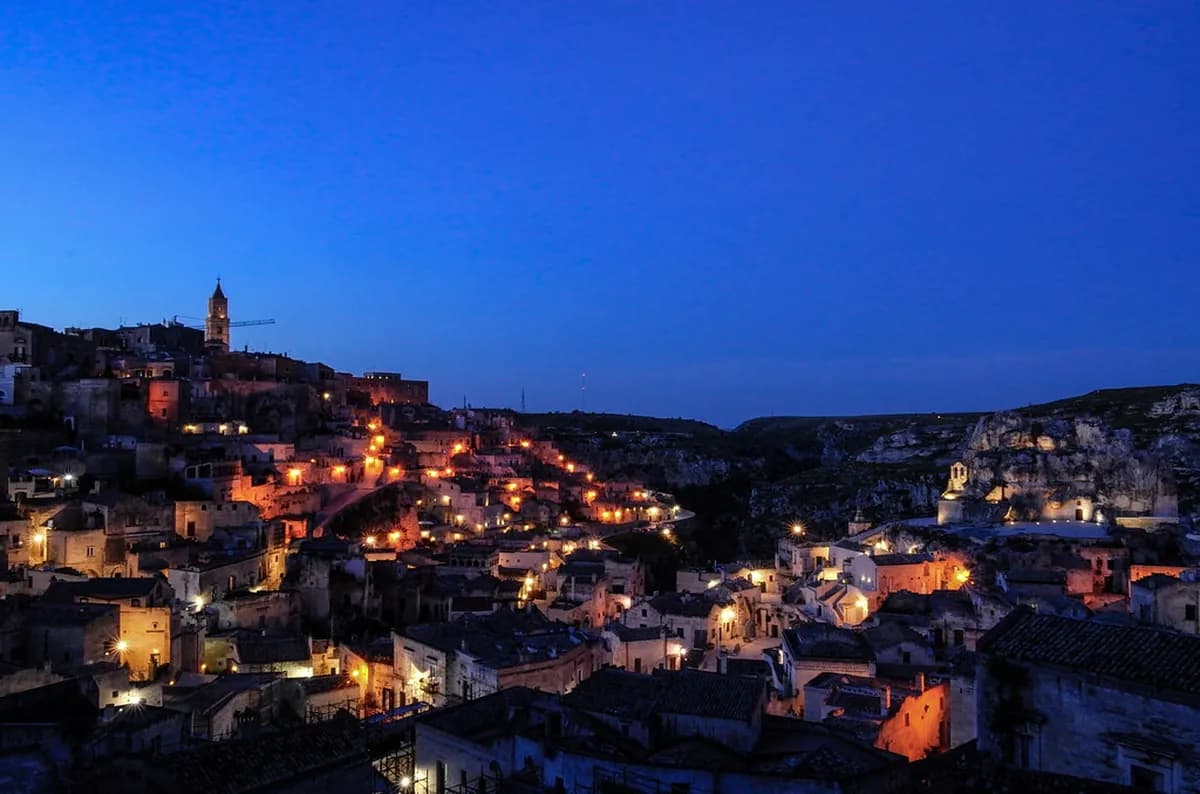
Matera is a year-round destination, but the shoulder seasons deliver the best combination of weather, light, and manageable crowds. Late April through early June and late September through early November are the sweet spots: temperatures hover between 18°C and 26°C, the limestone glows in low golden light, and the evening atmospherics — when the Sassi begin to illuminate at dusk — are not diluted by the August peak rush.
Summer (July and August) is the most crowded and hottest period, with temperatures regularly exceeding 35°C. The steep tufa paths absorb heat and the narrow alleys funnel it. That said, summer does offer the unique Festa della Madonna della Bruna on 2 July — Matera's most important cultural event, featuring elaborate parades, a ceremonial cart procession, and fireworks over the Gravina canyon. If you are visiting specifically for the festival, book accommodation at least four to five months in advance as the entire city sells out.
Winter (December to February) is quiet, affordable, and surprisingly mild by northern European standards, averaging 8–12°C during the day. Many cave hotels reduce rates by 30–40 percent in this period and you will have the stone alleys almost entirely to yourself. The lack of foliage in the Murgia park and the clear dry air make winter one of the best seasons for panoramic photography of the Sassi. The main drawback is that some smaller restaurants and B&Bs close from January through mid-March.
Book at least three months ahead for April, May, and October — the most in-demand months. Many cave hotels have only 10–15 rooms and the best terrace-view suites disappear first. If you can only visit in August, arrive on a weekday and plan your Sassi walks for early morning before 09:00, when the canyon is still yours before the day-trip coaches arrive from Bari.
Where to Eat Near the Sassi
Matera's food scene has matured considerably alongside its hotel stock, and eating well requires only a short walk off the main Piazza Vittorio Veneto circuit. The regional cuisine of Basilicata centres on ancient-grain bread, orecchiette pasta, peperoni cruschi (crispy dried red peppers), and hearty lamb and pork dishes from the Murgia plateau. Skip any restaurant displaying a laminated 'Tourist Menu' on the main piazza — those cater to day-trippers and the quality rarely matches the setting.
For a genuine Sassi dining experience, these four options within walking distance of the main hotel clusters are worth reserving in advance. Ristorante La Gattabuia on Via Madonna delle Virtù sits inside a restored cave and serves elevated takes on regional classics — their orecchiette with local sausage and peperoni cruschi is a benchmark dish. Le Bubbole on Via Bruno Buozzi offers one of the best terrace views in the city alongside a well-executed Michelin-adjacent menu; the wine list focuses entirely on Basilicata and Puglia producers. Trattoria del Caveoso, tucked into the rock near the Church of San Pietro Caveoso, is the local favourite for a simpler lunch of crapiata (a slow-cooked legume stew unique to Matera) and regional cheese. Dimora Ulmo near Piazza Sedile is the choice for a full tasting menu with wine pairing and sweeping rooftop views — reserve two to three weeks ahead in peak season.
For bread, stop at Il Forno di Gennaro for Matera's signature pane di Matera IGP — a golden-crusted sourdough made from ancient Senatore Cappelli wheat that has been a staple of the city for centuries. For gelato after an evening Sassi walk, I Vizi degli Angeli on Via Ridola serves creative flavours including a ricotta-and-fig option that tastes exactly of the region.
Frequently Asked Questions
Is it better to stay in Sasso Barisano or Sasso Caveoso?
Sasso Barisano is better for those seeking easier access to restaurants and more polished hotel amenities. Sasso Caveoso offers a more rugged, authentic atmosphere with dramatic views of the canyon. Choose Barisano for convenience or Caveoso for a traditional cave experience.
Can you drive into the Sassi di Matera?
No, the Sassi is a restricted ZTL zone monitored by cameras. Tourists must park in garages like Parcheggio Sant'Isidoro outside the historic center. Most hotels offer a shuttle or can register your plate for a brief luggage drop-off window.
How many days do you need in Matera?
Two full days and two nights are ideal to see the main rupestrian churches and experience the city after dark. A day trip is possible but misses the magical atmosphere when the stone districts are illuminated at night. Three days allows for a deeper exploration of the Murgia Park.
Matera is a destination that rewards those who take the time to understand its complex geography. Whether you choose a luxury grotto in Caveoso or a palazzo in the Piano, the experience is unforgettable. Remember to wear comfortable shoes and book your cave hotel well in advance to secure the best views.
Check out our Italy travel blog for more southern Italian inspiration and planning tips. Southern Italy offers a pace of life that is best enjoyed slowly and with an open mind. We hope this guide makes your stay in the city of stone as seamless as possible.
Explore More: Where to Stay in Matera
Keep planning with these related guides.
You might also like


Continue reading
More guides you'll find useful