8 Best Areas and Tips for Where to Stay in Lecce (2026)
Plan where to stay in Lecce with our expert guide to the best neighborhoods, boutique hotels, and ZTL parking tips for a perfect Puglia trip.
On this page
8 Best Areas and Tips for Where to Stay in Lecce
After spending several summers exploring the Salento peninsula, I have learned that Lecce is more than just a gateway. The 'Florence of the South' reveals its best secrets to those who choose the right neighborhood for their travel style. This guide helps you navigate the golden-hued streets and find the perfect palazzo or modern suite for your stay.
Updated October 2024 after my most recent autumn visit, this article reflects the latest pricing and ZTL regulations. Lecce's unique identity is carved from Pietra Leccese, a soft local limestone that glows under the Mediterranean sun. Staying in a building made of this stone offers a sensory experience that defines a trip to Puglia.
Choosing where to stay in Lecce involves balancing the charm of the historic center with the logistics of modern travel. Our editors have reviewed every neighborhood to provide honest advice on parking, noise, and accessibility. Read on to discover which district matches your itinerary, whether you are here for Baroque art or Salento beaches.
Key Takeaways
- Best Overall: Stay in the Centro Storico for the full Baroque experience and easy access to top dining.
- Best for Families: Look at the Mazzini district for modern hotels with elevators and easier car access.
- Best for Day Trips: Choose a hotel near the train station to easily reach Gallipoli, Otranto, and Brindisi.
- Pro Tip: Always register your car with your hotel to avoid heavy ZTL fines when entering the old town.
Lecce, Puglia: The Florence of the South
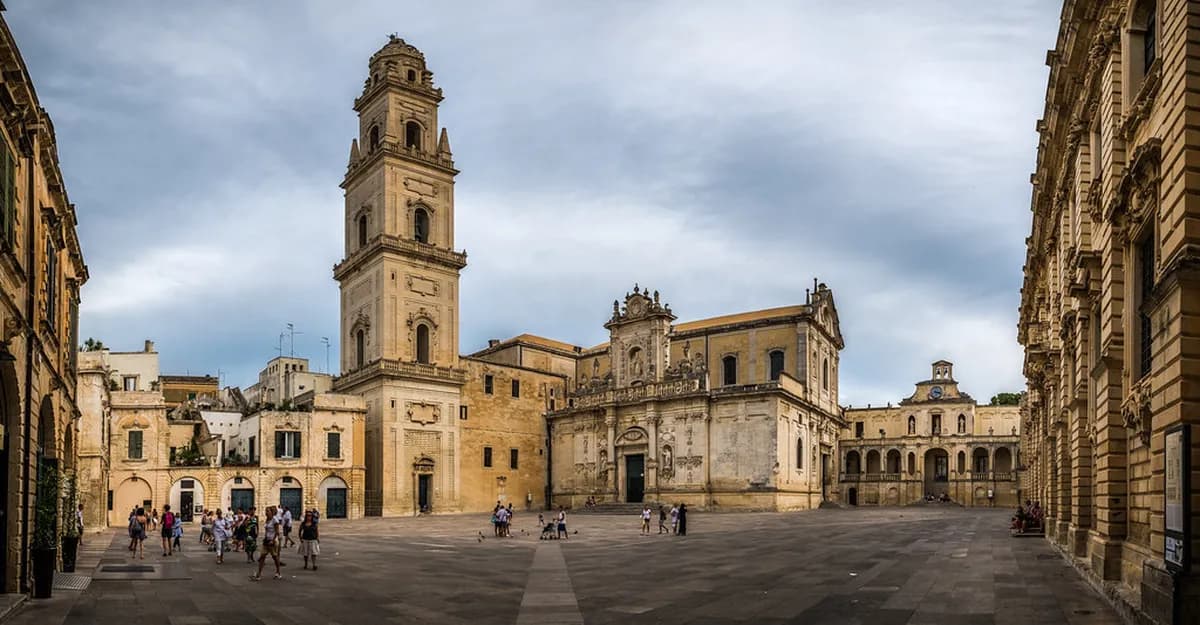
Lecce is a mid-sized city at the heel of Italy's boot, in the Salento peninsula of Puglia. With fewer than 100,000 residents, it punches far above its weight in cultural and architectural prestige. Italians have long nicknamed it the "Florence of the South" for the extraordinary density of Baroque churches, palazzos, and piazzas carved from the city's signature golden limestone.
Unlike the heavily touristed Amalfi Coast or Cinque Terre, Lecce retains a genuinely local rhythm. The evening passeggiata — the slow, sociable walk through the centro storico — still belongs to residents as much as to visitors in 2026. Restaurants fill with families on Sunday afternoons, and many of the best trattorias are unmarked from the street.
The city's Baroque heritage dates primarily from the 17th and 18th centuries, when local architects channeled the soft, workable Pietra Leccese limestone into an explosion of cherubs, garlands, and elaborate façades. The Basilica di Santa Croce is the most famous example, but dozens of lesser-known churches reward anyone willing to wander beyond Piazza Sant'Oronzo. Staying even two full days here feels rushed; three nights is the comfortable minimum to absorb both the monuments and the side-street character.
Lecce Neighborhood Guide: Choosing Your Base
Deciding on the right area depends heavily on whether you plan to rent a car for day trips. The Centro Storico offers unmatched beauty but presents significant challenges for drivers due to strict traffic zones. In contrast, the Mazzini district provides modern comforts and easier parking for those exploring the wider Salento region.
Budget travelers often find better value near the train station, which serves as a hub for regional exploration. While this area lacks the ornate carvings of the old town, it remains highly functional for coastal excursions. Families might prefer the quieter residential pockets just outside the ancient city walls for more space and less evening noise.
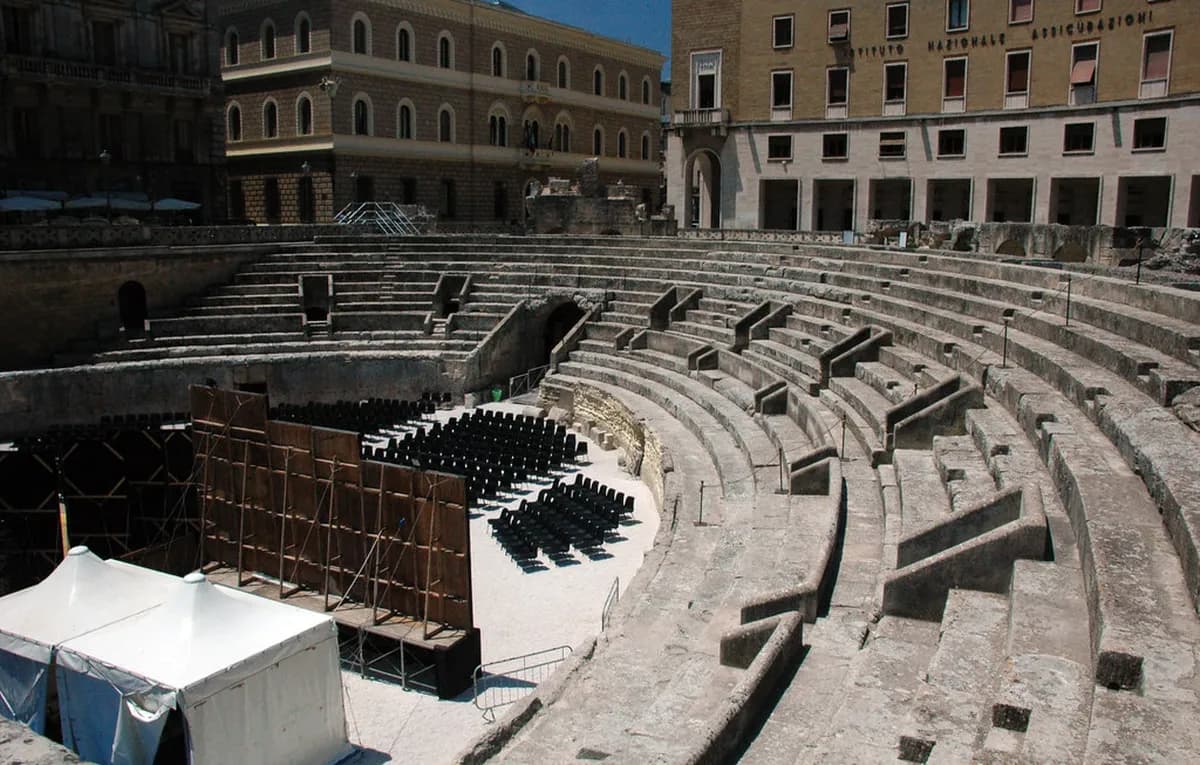
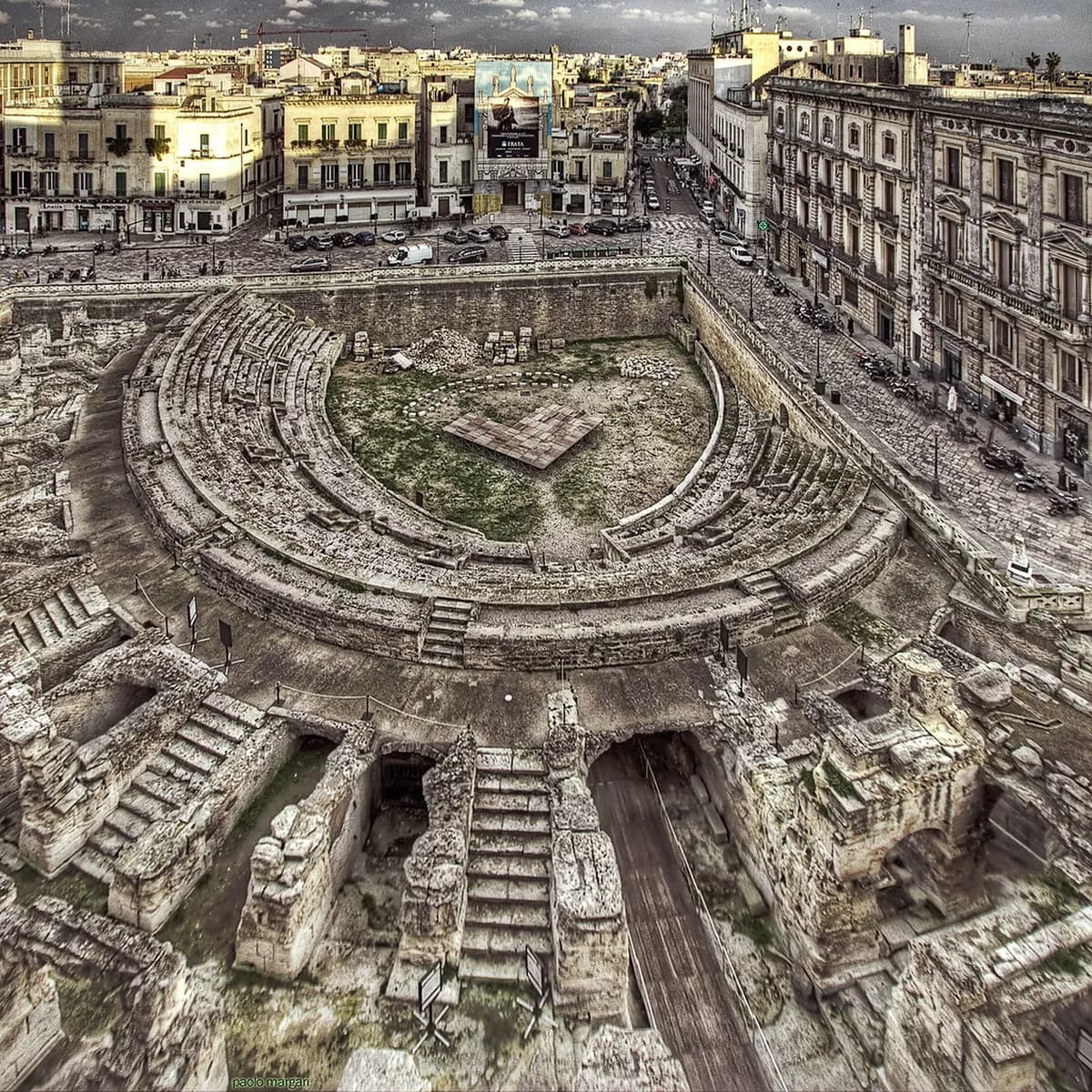
Walkability is a major factor since the primary attractions are concentrated within a relatively small geographic footprint. Most visitors find that staying within a ten-minute walk of the Piazza Sant'Oronzo is ideal for evening strolls. This central point connects the ancient Roman amphitheater with the most vibrant dining and shopping corridors.
Skip staying in the very outskirts of the modern city unless you have a specific business reason. These suburban areas lack the charm of the Pietra Leccese architecture and require long, uninspiring walks to reach the main sights. You will miss the evening 'passeggiata' culture that makes the heart of Lecce so enchanting after sunset.
8 Top Unique Boutique Hotels in Lecce
The following selection highlights the diversity of best hotels in Lecce currently available for travelers. We have chosen these properties based on their architectural significance, service quality, and strategic location. Each option provides a distinct way to experience the city's famous Baroque heritage and local hospitality.
Prices for these boutique stays fluctuate based on the season, with significant spikes during the August holidays. Booking several months in advance is highly recommended for the smaller properties with fewer than ten rooms. Many of these palazzos offer exclusive rooftop terraces that provide a private view over the city's stone skyline.
During my last visit, I noticed that several historic properties have recently upgraded their wellness facilities. You can now find ancient cisterns converted into thermal baths in the basements of several central hotels. These hidden features offer a cool respite from the intense heat of a Puglian summer afternoon.
| Neighborhood | Vibe | Price Range | Best For | Parking |
|---|---|---|---|---|
| Centro Storico | Baroque charm, lively evenings | $150–600+/night | First-timers, architecture lovers | ZTL restricted; use hotel garage |
| Mazzini District | Modern, cosmopolitan shopping | $120–350/night | Families, ease of access | Wider streets, easier parking |
| Near Train Station | Functional, less atmospheric | $60–120/night | Day-trippers, budget travelers | Good surface parking available |
| Porta Napoli Area | Quieter residential, still central | $85–200/night | Those seeking peace within the old town | Limited but available |
- Pollicastro Boutique Hotel
- This restored 16th-century palace features underground archaeological remains and sits in the heart of the old town.
- Guests usually pay between $220 and $450 per night depending on the season and suite choice.
- Check-in typically begins at 3:00 PM while check-out is required by 11:00 AM daily.
- It is a five-minute walk from the Basilica di Santa Croce and offers Pollicastro Boutique Hotel Offers for longer stays.
- Book the 'Disquiet' suite to experience a room with an ancient well visible through the glass floor.
- La Fiermontina Luxury Design Hotel
- This property combines a 17th-century structure with modern art and a private olive grove in the city center.
- Nightly rates often range from $350 to $700, reflecting its status as one of the most exclusive stays in Puglia.
- The front desk operates 24 hours a day to assist with international arrivals and private transfers.
- Located near the San Biagio gate, it offers a peaceful retreat just steps from the bustling pedestrian zones.
- Visit the sculpture garden at sunset for a quiet moment away from the tourist crowds.
- Palazzo Bozzi Corso
- Built in 1775, this aristocratic residence offers large suites decorated with iconic Italian design pieces.
- Expect to spend between $300 and $600 per night for these high-ceilinged rooms near the Santa Croce church.
- Breakfast is served daily from 8:00 AM to 10:30 AM in a refined dining room overlooking a private courtyard.
- The hotel is easily reached on foot from the main square in under four minutes.
- Request a room with a balcony to watch the local life unfold on the street below.
- B&B Le Giravolte
- This charming bed and breakfast provides an authentic local experience within the winding alleys of the old district.
- Standard rates are very accessible, usually falling between $90 and $160 per night including a homemade breakfast.
- The owners typically welcome guests between 2:00 PM and 7:00 PM, though late arrivals can be arranged.
- It is tucked away in a quiet corner of the Centro Storico, far from the noisy bar streets.
- Ask the host for their specific recommendations on where to find the best 'pasticciotto' pastry nearby.
- Patria Palace Lecce
- Positioned directly across from the Basilica di Santa Croce, this hotel offers the most iconic views in the city.
- Prices generally range from $250 to $500 per night for a standard double room with historic features.
- The rooftop bar is open to guests and the public from late afternoon until midnight during the summer.
- Being in the absolute center, it is a primary landmark for any walking tour of the city.
- Book a front-facing room to see the intricate Baroque facade of the Basilica illuminated at night.
- Risorgimento Resort
- This five-star establishment sits on the border of the old town and the modern shopping district.
- Rates typically vary from $180 to $380, offering luxury amenities at a competitive price point for the area.
- The on-site gourmet restaurant serves dinner from 7:30 PM to 10:30 PM, focusing on Salento flavors.
- Its location makes it one of the easiest luxury hotels to access by car without deep ZTL penetration.
- Use the rooftop terrace for a panoramic view of the Roman Amphitheater located just a block away.
- Dimora Storica Torre Del Parco
- Staying in this medieval fortress and tower from 1419 provides a completely different atmosphere than the Baroque palazzos.
- Prices for these historic rooms usually sit between $140 and $280 per night.
- The property is surrounded by a lush park and is open for check-in starting at 2:30 PM.
- It is located about a ten-minute walk from the ancient city gates in a quiet residential zone.
- Walk through the old moat area to appreciate the massive scale of the 15th-century fortifications.
- Suite Hotel Santa Chiara
- This hotel features a stunning roof garden and sits adjacent to the church of Santa Chiara.
- Nightly costs for a stay here generally fall between $160 and $320 depending on the room category.
- The staff is available throughout the day to help book tours of the Lecce Wikipedia listed monuments.
- You are positioned perfectly for exploring the craft shops that specialize in traditional papier-mâché art.
- Head to the roof garden in the morning for a breakfast with views of the surrounding bell towers.
Centro Storico: Best for Baroque Architecture and First-Timers
The historic center is the primary reason most travelers seek Lecce centro storico stay options. Every corner of this district reveals intricate stone carvings and hidden courtyards that date back centuries. Staying here allows you to wake up surrounded by the golden glow of the local limestone buildings, and for anyone visiting Lecce for the first time it is simply the right choice — the sights, the best restaurants, and the energy of the passeggiata all revolve around this compact core.
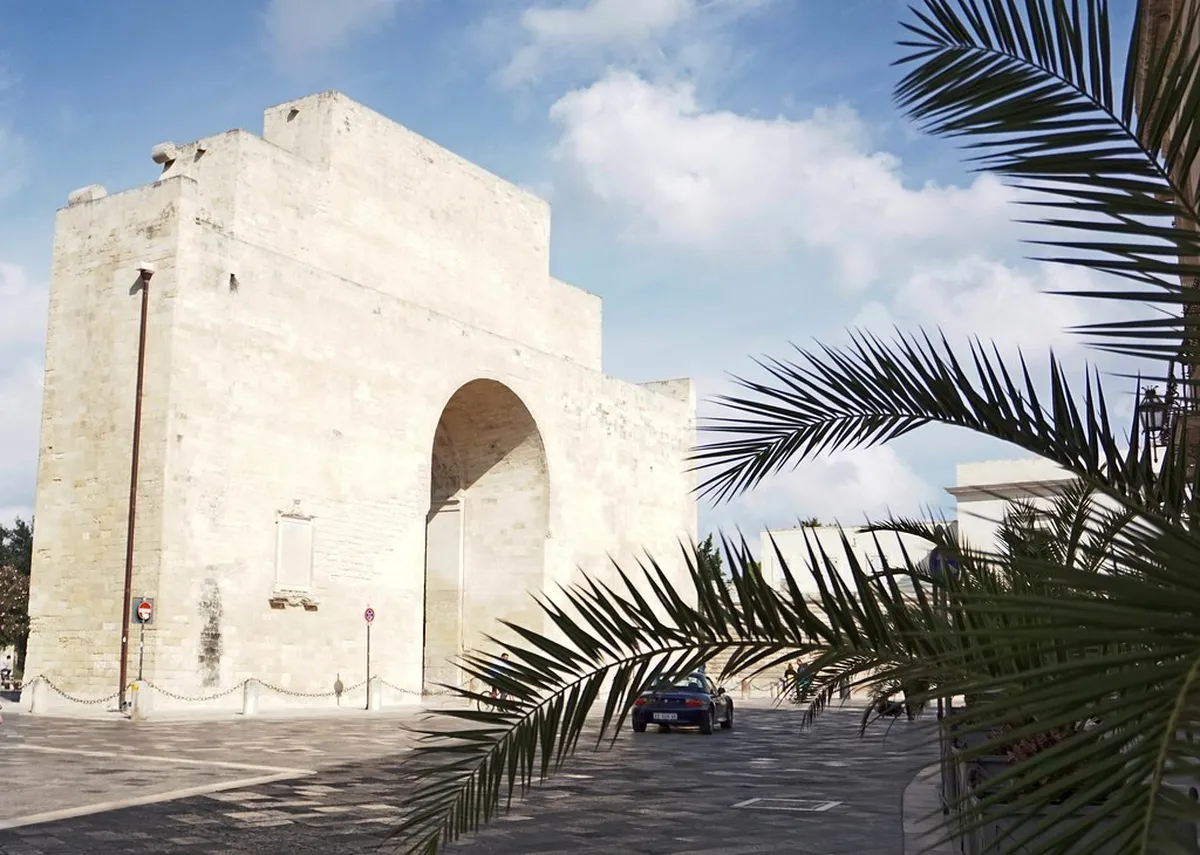
One major trade-off for this beauty is the noise level during the peak summer months. The narrow streets can echo with the sounds of late-night diners and early-morning delivery carts. Light sleepers should look for properties located on side streets rather than those facing the main piazzas — a room on Via Paladini or Via Augusto Imperatore is notably quieter than one on Via Vittorio Emanuele II.
Navigation within the old town is strictly pedestrian-focused, making it a paradise for those who enjoy walking. You will find that most major monuments are within a fifteen-minute radius of each other: the Roman Amphitheatre, the Basilica di Santa Croce, the Duomo, and the Castello Carlo V can all be visited comfortably on foot in a single afternoon. The density of wine bars and traditional trattorias ensures that you are never far from a great meal, a glass of Primitivo, or a fresh-baked pasticciotto pastry.
Be aware that many historic buildings do not have elevators due to strict preservation laws. If you have mobility concerns, always confirm the floor level and accessibility features before finalizing your booking. Some converted palazzos have installed modern lifts, but these are not guaranteed in smaller guesthouses. Budget for Centro Storico accommodation runs from around €75 per night for a small B&B up to €600 or more per night at the city's flagship design hotels.
Mazzini District: Best for Shopping and Modernity
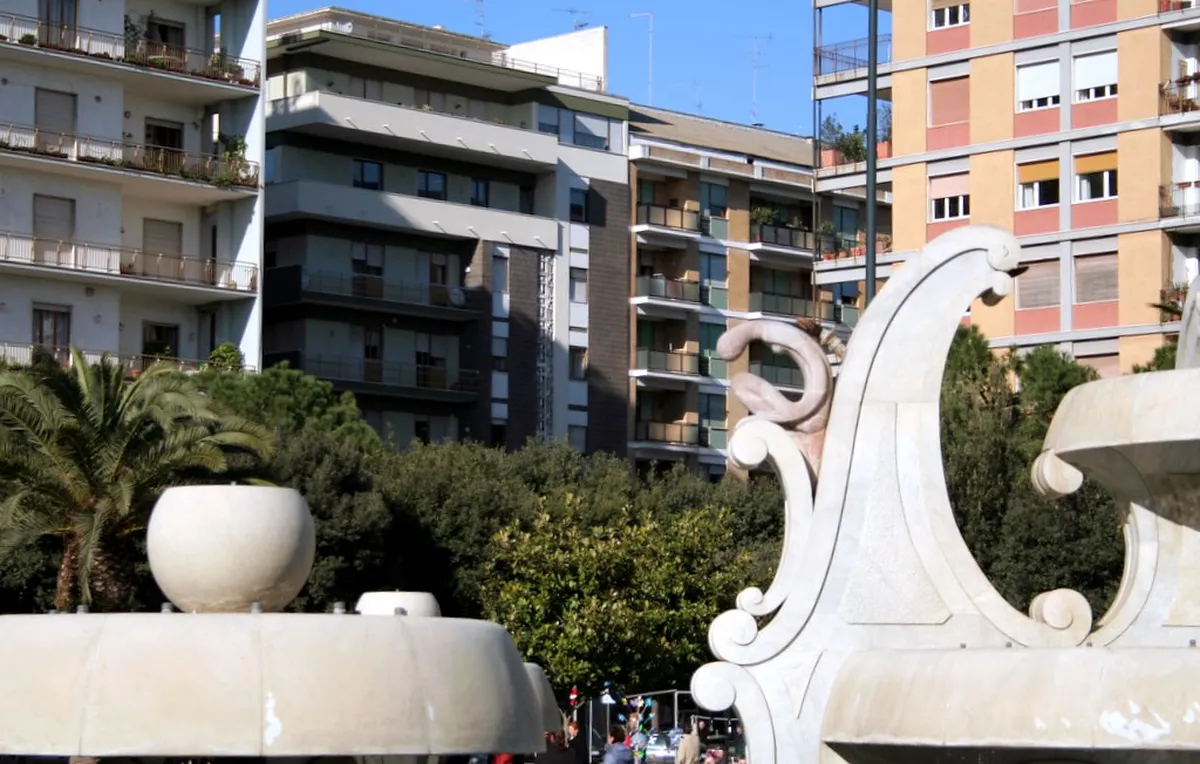
The Mazzini district serves as the commercial heart of the city, characterized by wide boulevards and modern storefronts. It offers a stark contrast to the medieval labyrinth of the old town just a few blocks away. This area is ideal for travelers who prefer international hotel standards and contemporary conveniences.
Shopping enthusiasts will appreciate being near the major fashion brands and local boutiques that line Via Trinchese. The district remains lively throughout the day as locals go about their business and social routines. Dining options here tend to be more varied, including trendy cafes and international cuisine alongside Puglian staples.
Logistically, Mazzini is much easier to navigate if you are arriving with a vehicle. The streets are wider and the parking regulations are more straightforward than the complex ZTL of the center. Many hotels in this area offer private garages or have partnerships with nearby secure parking lots.
While it lacks the ancient charm of the Baroque center, the walk to the historic gates is short and pleasant. You can reach the Piazza Sant'Oronzo in roughly ten minutes of easy walking from the center of Mazzini. This makes it a strategic compromise for those who want easy access to history without the logistical headaches.
The Mazzini district has modern hotels with elevators and offers competitive parking regulated outside the ZTL; many properties here are within a 10-minute walk of the historic center, making it ideal for those prioritizing convenience over atmosphere.
Near the Train Station: Best for Puglia Day Trips
Staying near the Lecce train station is a smart move for those using the city as a base for the Salento region. The station connects you to coastal gems like Gallipoli and the eastern tip of Otranto via regional rail. This area frequently offers the most budget accommodation Lecce has to offer.
The neighborhood has improved significantly in recent years with new cafes and renovated guesthouses appearing. It remains a functional area, so do not expect the same level of architectural beauty found in the old town. However, the convenience of dropping your bags and being at the platform in minutes is a major plus.
Walking from the station to the historic center takes about fifteen minutes along a straight, well-lit path. This walk passes through a transitional zone that features several interesting examples of 19th-century architecture. It is a safe area, though like all transit hubs, it is best to stay aware of your surroundings at night.
Many budget-conscious travelers and backpackers choose this area for its high concentration of hostels and simple B&Bs. You can often find clean, modern rooms here for a fraction of the price of a central palazzo. It is the best choice if your itinerary involves early morning departures for other parts of southern Italy.
Practical Tips for Booking and Parking in Lecce
Lecce's historic center is a strictly enforced Limited Traffic Zone (ZTL) monitored by sophisticated cameras. Entering without a permit results in automatic fines that often arrive months after your trip ends. Always coordinate with your hotel to register your license plate before you arrive at the city gates.
ZTL traffic fines for entering Lecce's historic center without permit registration can exceed €80 and are automatically issued by camera systems; violations often arrive months later on hotel contact information provided, so verify the hotel's ability to register your plate before booking.
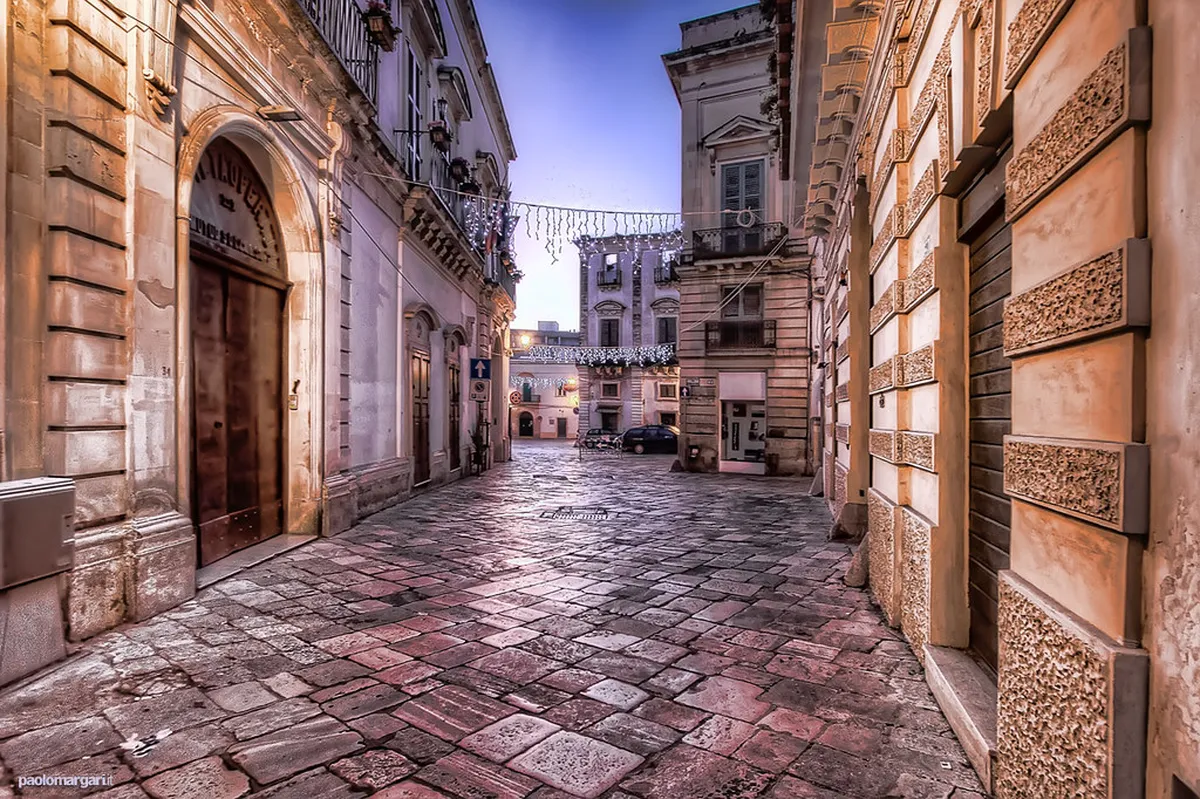
If your accommodation does not offer parking, look for blue-lined spaces on the streets surrounding the old town. These spaces require payment via automated kiosks or mobile apps during specific daytime hours. The parking garage near the cemetery or the one at Via Adua are reliable options for long-term stays.
When booking a historic palazzo, ask specifically about the natural light and window orientation. The thick stone walls that keep the rooms cool in summer can also make some ground-floor rooms feel dark. Upper-floor rooms usually offer better ventilation and the chance for a view of the surrounding rooftops.
Lecce is a very safe city, but it is always wise to secure your valuables when staying in street-level apartments. Most hotels provide in-room safes and have secure entry systems for the main building. The local police are generally helpful and used to assisting international visitors with basic directions or issues.
Best Time to Visit Lecce for Weather and Prices
The ideal months for a stay in Lecce are May, June, and September when the weather is warm but manageable. During these shoulder seasons, hotel prices are more reasonable and the streets are less crowded. You can enjoy the outdoor dining culture without the intense humidity of the peak summer months.
July and August bring the highest temperatures and the largest crowds of the year. Many Italians head to the Salento coast during this time, making Lecce a busy hub for evening entertainment. If you visit in August, ensure your hotel has high-quality air conditioning as nights can remain very warm.
Winter in Lecce is surprisingly mild, though some smaller B&Bs may close for renovations. Prices drop significantly between November and March, making it an excellent time for a budget-friendly cultural trip. The city takes on a quiet, contemplative atmosphere that is perfect for photographers and art lovers.
Check the local calendar for the Feast of Sant'Oronzo in late August, which is the city's biggest celebration. While the festival is spectacular, hotels book up months in advance and prices reach their annual peak. The streets are filled with lights, music, and food stalls, creating a vibrant but very loud environment.
How to Get to Lecce: Transport Guide
Most international visitors arrive via Brindisi Airport (BDS), which is located about 40 kilometers north of the city. A dedicated shuttle bus connects the airport directly to the Lecce bus terminal in roughly 45 minutes; in 2026 tickets cost under €4 and can be purchased at the café or tabaccheria inside the arrivals building. Taxis and private transfers are also available but expect to pay €40–55 one-way for the convenience.
Bari Airport (BRI) is a larger hub with more international connections and is about two hours away by car or a comfortable direct train (roughly 1 h 45 min on a fast Frecciabianca service from Bari Centrale to Lecce). Expansion works at Brindisi have added more routes since 2023, so it is worth checking Ryanair and easyJet schedules for BDS before automatically defaulting to Bari. Driving from Bari is straightforward along the SS16 highway, which follows the coastline for much of the route.
The regional train network, Ferrovie del Sud Est, is the primary way to reach smaller towns in the Salento. While these trains are slower than the national Frecciarossa lines, they offer a nostalgic way to see the countryside. The main train station in Lecce is within walking distance of most central accommodation options.
Renting a car is highly recommended if you plan to explore the hidden beaches and rural masserias of Puglia. Several major rental agencies have offices near the train station and the city center. Be sure to request a smaller vehicle to make navigating the narrow Puglian roads and parking spaces easier.
Pietra Leccese: Why the Local Stone Defines Your Stay
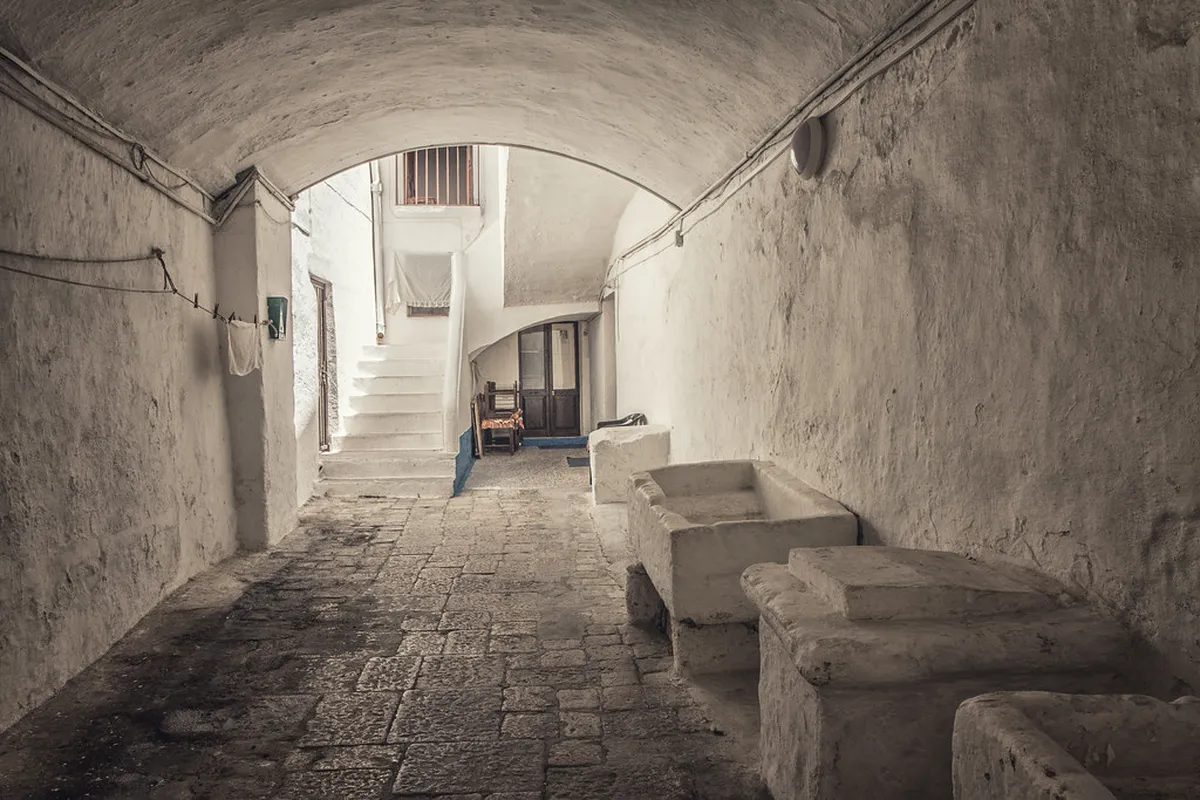
When you book a room in a Lecce palazzo, you are not just booking a bed — you are booking a sensory relationship with Pietra Leccese, the soft calcarenite limestone that gives the city its entire identity. Freshly quarried, the stone is pale cream and almost easy enough to carve with a hand tool. As it ages and weathers it turns the warm amber-gold that glows under the Puglian afternoon sun, which is why photographs of Lecce's streets always look slightly sun-drenched even on overcast days.
Architecturally, this workability allowed local Baroque craftsmen to achieve a level of ornamental detail that harder stones simply do not permit. The cascading garlands, cherubs, and floral cartouches on the Basilica di Santa Croce represent hundreds of hours of close-hand carving that would be impossible in marble or granite. The same material lines the courtyards, staircases, and vaulted ceilings of every converted palazzo hotel in the city.
From a practical guest perspective, Pietra Leccese walls are naturally cool and have excellent thermal mass. Ground-floor and piano nobile rooms in historic hotels maintain a comfortable 20–22 °C through most of the summer without air conditioning — a genuine advantage in July when exterior temperatures can reach 38 °C. The trade-off is that these same thick walls can feel slightly dim without artificial light; always request a room on an upper floor or with a courtyard-facing window if natural light matters to you. Boutique hotels such as Pollicastro and Palazzo De Noha have deliberately incorporated the stone into visible interior surfaces so you can appreciate the geology while lying in bed — a detail that no chain hotel in Lecce can replicate.
Frequently Asked Questions
Is the historic center of Lecce walkable?
Yes, the Centro Storico is entirely walkable and mostly pedestrianized. You can cross the entire historic district on foot in about 20 minutes. Most major landmarks are clustered within a small, easily accessible area.
Where should I stay in Lecce without a car?
Stay in the Centro Storico or near the Piazza Sant'Oronzo for the best experience without a vehicle. These areas put you within walking distance of all major sights, restaurants, and the main bus and train hubs for regional travel.
How do I avoid ZTL fines when staying in Lecce?
Contact your hotel before arrival to provide your license plate number for the white list. Only enter the ZTL through authorized gates once your hotel confirms registration. Alternatively, park in a garage outside the cameras and walk into the center.
Lecce is a city that rewards those who take the time to choose the right base for their adventure. Whether you choose the Baroque elegance of a central palazzo or the modern convenience of the Mazzini district, you are in for a treat. The golden stone and warm hospitality of the Salento region make every stay here feel special.
Remember to handle your parking logistics early and book your preferred boutique stay well in advance. With its incredible food, stunning architecture, and strategic location, Lecce remains one of Italy's most rewarding destinations. Enjoy your time in the 'Florence of the South' and take every chance to explore the sun-drenched streets of Puglia.
Explore More: Where to Stay in Lecce
Keep planning with these related guides.
You might also like
Continue reading
More guides you'll find useful