Best Time To Visit Matera Travel Guide
Plan the best time to visit Matera with top picks, neighborhood context, timing tips, and practical booking advice for a smoother trip.
On this page
Best Time To Visit Matera
I visited Matera in late May 2024 and found the weather absolutely perfect for walking. The best time to visit Matera is from mid-May to mid-June or throughout the month of September. These windows offer mild temperatures and manageable crowds before the summer heat becomes overwhelming. Updated October 2024 from my spring 2024 visit to provide the freshest seasonal insights.
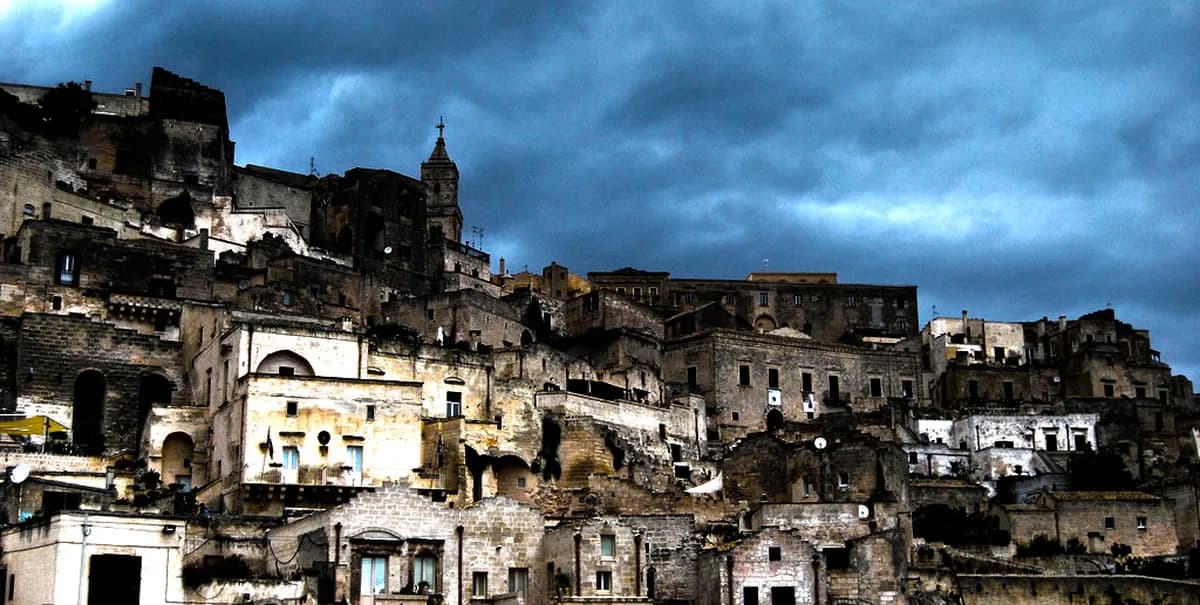
Matera is a city of ancient stones that reacts strongly to the changing seasons. Spring brings blooming wildflowers to the surrounding Murgia plateau and soft light to the Sassi. Autumn offers a golden glow that makes the limestone architecture look like a living painting. Winter is quiet and mysterious, though some services may be limited during the coldest months.
Choosing your dates carefully will change how you experience this UNESCO World Heritage site. The stone basins can trap heat in summer, making midday exploration quite difficult for some. Our late-May trip hit the Etesian wind on three days, so we definitely needed light jackets. This guide covers everything from weather patterns to seasonal packing lists for your Italian adventure.
Key Takeaways
- Aim for mid-May to mid-June for the best balance of weather and crowd levels.
- Wear shoes with high-grip rubber soles to navigate the slippery limestone paths safely.
- Be aware that many smaller restaurants and shops close during the late winter low season.
Season Comparison for Matera
Matera experiences a Mediterranean climate with distinct seasonal shifts that impact your daily itinerary. Spring temperatures usually range from 15–22°C / 59–72°F, making it ideal for the Sassi di Matera Guided Tour. Summer heat often climbs above 30°C / 86°F, creating an 'oven effect' within the stone dwellings. You should check the detailed matera weather by season data before booking your flights.
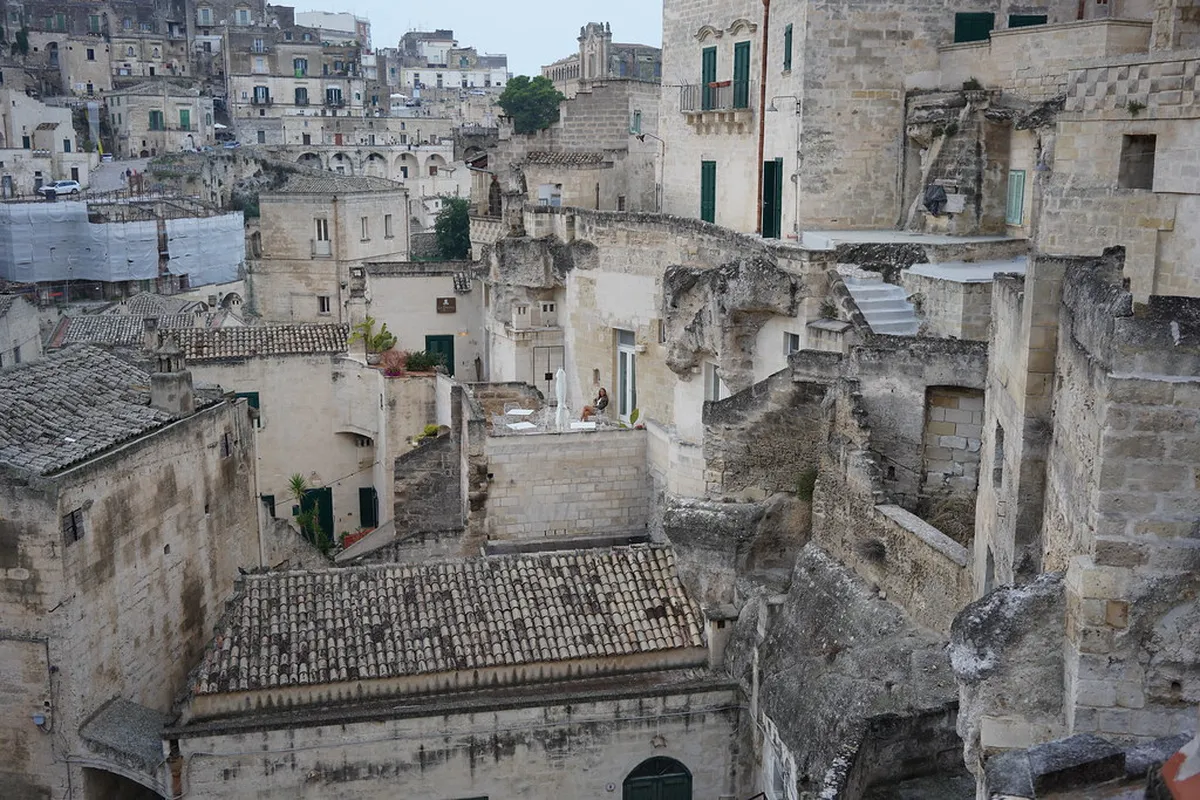
Autumn sees a return to pleasant walking weather with temperatures around 18–25°C / 64–77°F. September is particularly popular because the evenings remain warm enough for outdoor dining. Winter is the wettest season, with temperatures dropping to 3–12°C / 37–54°F in January. Snow is rare but beautiful when it coats the ancient cave roofs in white.
Crowd levels peak in July and August despite the intense southern Italian sun. Prices for cave hotels are highest during these summer months and around major holidays. Traveling in the shoulder months provides a better balance of price and comfort. Most visitors find that late spring offers the best overall value for their money.
Shoes with non-slip rubber soles are essential for the polished limestone paths, especially when wet. The Sassi streets become particularly slippery during autumn rains (October-November) and occasional winter moisture.
| Season | Weather | Crowds | Prices | Events | Best for |
|---|---|---|---|---|---|
| Spring (Mid-April to early June) | 15–22°C / 59–72°F | Moderate | Mid-range | Easter Processions | Hiking and walking |
| Summer (Late June to August) | 25–35°C / 77–95°F | High | Premium | Festa della Bruna | Nightlife and festivals |
| Fall (September to October) | 18–25°C / 64–77°F | Moderate | Mid-range | Harvest festivals | Photography and food |
| Winter (November to March) | 3–12°C / 37–54°F | Low | Budget | Living Nativity | Solitude and value |
Which Season Fits Your Travel Style?
Different travelers have different priorities when visiting the historic Sassi districts, and Matera genuinely rewards everyone differently depending on the time of year. Budget-conscious explorers should target November or February for the lowest cave hotel rates — you can often find 4-star properties at 40–50% off peak prices. Photographers are rewarded by the crisp air and long lateral shadows of late October, when the golden limestone glows at magic hour. Families with young children might love the festive atmosphere of the matera christmas presepe vivente Living Nativity in December, when the Sassi transforms into an open-air stage for the presepe vivente, one of southern Italy's most atmospheric Christmas traditions.
Hikers should lock in the spring months before the vegetation on the Murgia plateau dries out. April and early May see wildflowers covering the canyon walls, and the suspension bridge (Ponte Tibetano) crossing to the rupestrian cave churches is far more enjoyable when temperatures sit below 20°C. If crowds are your dealbreaker, avoid the week surrounding the Festa della Bruna on July 2nd. This centuries-old festival honouring the city's patron saint is spectacular — a papier-mâché float is ritually torn apart by the crowd — but it draws thousands of visitors to streets that are already narrow by design.
- Pick spring if you want
- Comfortable hiking, blooming canyon landscapes, and Easter processions
- Pick summer if you want
- Vibrant festivals, long daylight hours, and lively evening piazzas
- Pick autumn if you want
- Golden hour photography, harvest festivals, and cooler walking weather
- Pick winter if you want
- Low prices, solitary cave explorations, and the Living Nativity spectacle
What to Pack for Matera
Packing for Matera requires a focus on practical footwear and versatile layers. The Sassi streets are made of polished limestone that becomes very slippery when wet. Shoes with excellent grip are essential regardless of the season you choose to visit. I recommend sturdy sneakers or light hiking boots for navigating the steep staircases.
Cave hotels maintain a constant temperature but can feel damp in the winter months. Lightweight wool or moisture-wicking fabrics help you stay comfortable inside the stone rooms. Summer visitors must bring a hat and high-SPF sunscreen for the exposed canyon views. There is very little shade when walking between the Sasso Barisano and Sasso Caveoso.
- Year-round essentials to bring
- Shoes with non-slip rubber soles
- Spring and autumn layers
- Light windbreaker and comfortable scarves
- Summer sun protection gear
- Wide-brimmed hat and reusable water bottle
- Winter warmth and rain
- Waterproof coat and warm thermal layers
What's Closed in Low Season?
Low season in Matera runs from roughly mid-January through the end of February. During this time, several smaller family-run tavernas close for their annual holidays. Some boutique cave hotels also perform maintenance and renovations during these quiet weeks. You should check the official italia.it site for attraction updates.
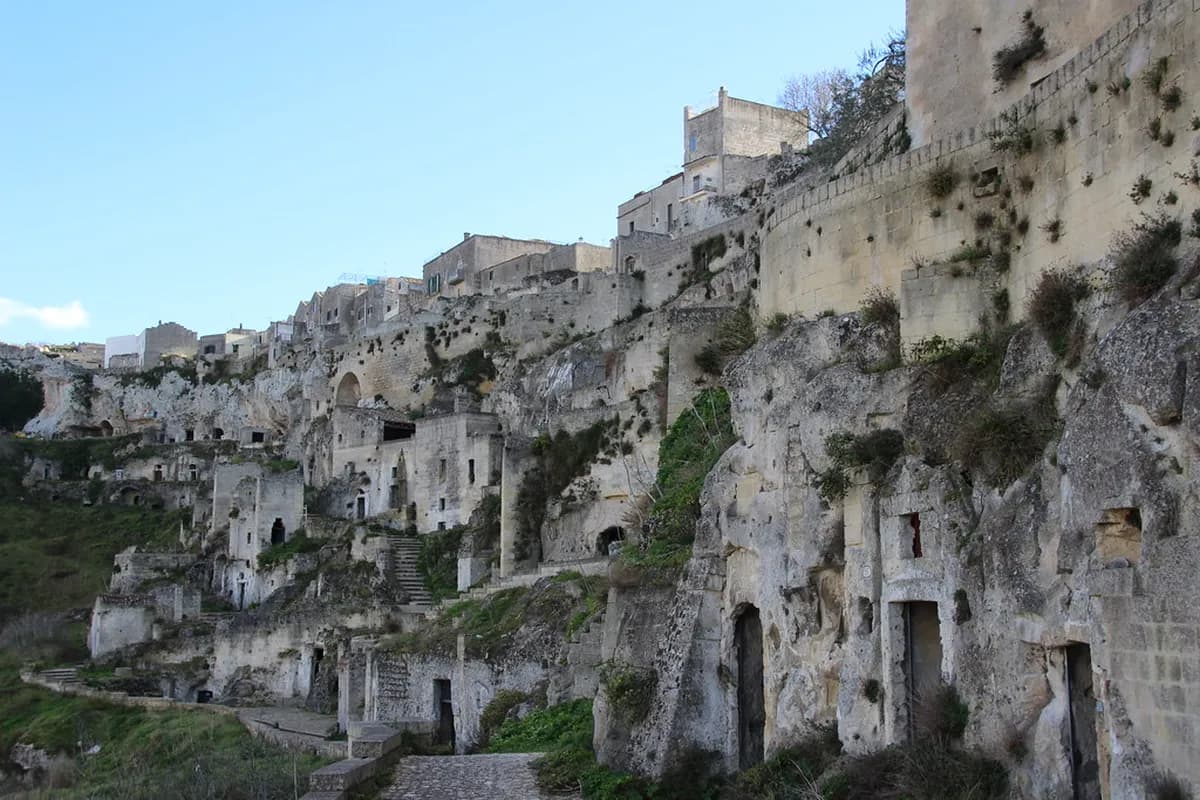
The shuttle buses to the Murgia Materana Park often run on a reduced schedule. Certain rock churches, like those photographed by Diego Baglieri, may have shorter hours. Guided tours are still available but usually require advance booking during the winter. Always call ahead if you have a specific restaurant in mind for dinner.
- Expect limited winter access for
- Small canyon shuttle buses and kiosks
- Seasonal restaurant closures occur in
- Late January and early February weeks
- Tour availability changes for
- Specialized hiking and sunset photography tours
Is Matera Worth Visiting?
Matera is absolutely worth visiting — but it rewards the right kind of traveler. If you want long museum queues, world-class dining, and a packed bucket-list checklist, you might leave a little under-stimulated. But if you want to walk into a city that looks and feels unlike anywhere else in Europe — a 9,000-year-old cave civilization carved into a canyon rim — Matera will genuinely stop you in your tracks. The entire historic center is the attraction. There is no single must-see monument: the Sassi themselves, seen from a belvedere at dusk when the lampposts cast an amber glow across the limestone, is the experience you came for.
Summer is the most divisive time to visit. The limestone buildings absorb solar energy all day and radiate it back at night, creating a microclimate where temperatures inside the stone alleys regularly exceed the forecast by several degrees. Many locals retreat indoors between 13:00 and 17:00 in July and August. However, summer is also when the city feels most alive. The Festa della Bruna on 2 July is a centuries-old celebration culminating in the ritual destruction of a papier-mâché cart; evening walks through the illuminated Sassi are genuinely magical. Find more southern Italy planning tips on the italywander.com blog before you book.
- Why Matera is worth it
- Unique UNESCO cave city with 9,000 years of continuous habitation
- Atmospheric dusk and night-time Sassi walks unlike anywhere in Italy
- Far less crowded than Rome, Florence, or Venice even at peak
- Honest caveats
- Limited must-see indoor sights — the atmosphere is the main draw
- July–August heat makes daytime walking genuinely difficult
- Logistics to reach Matera require planning (no direct trains from Rome)
How to Spend 3 Days in Matera
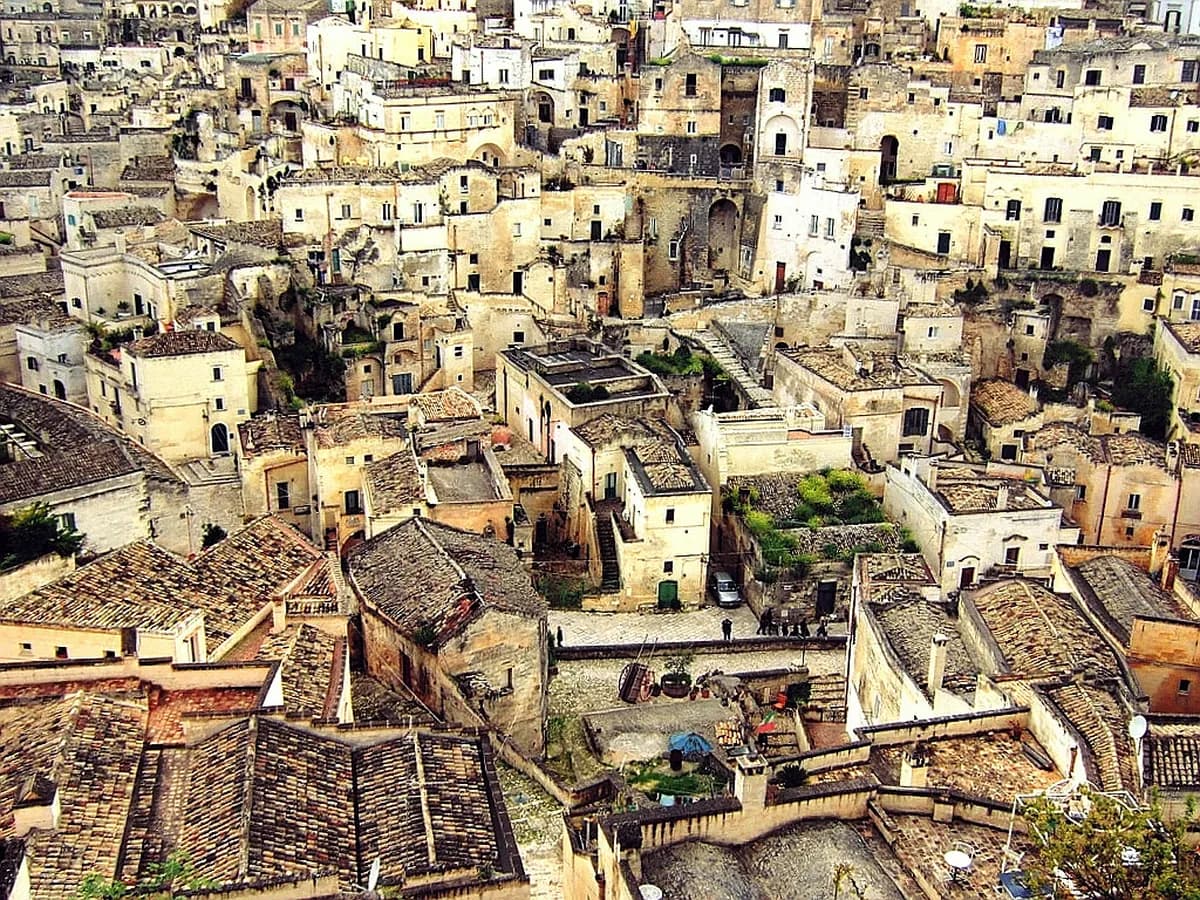
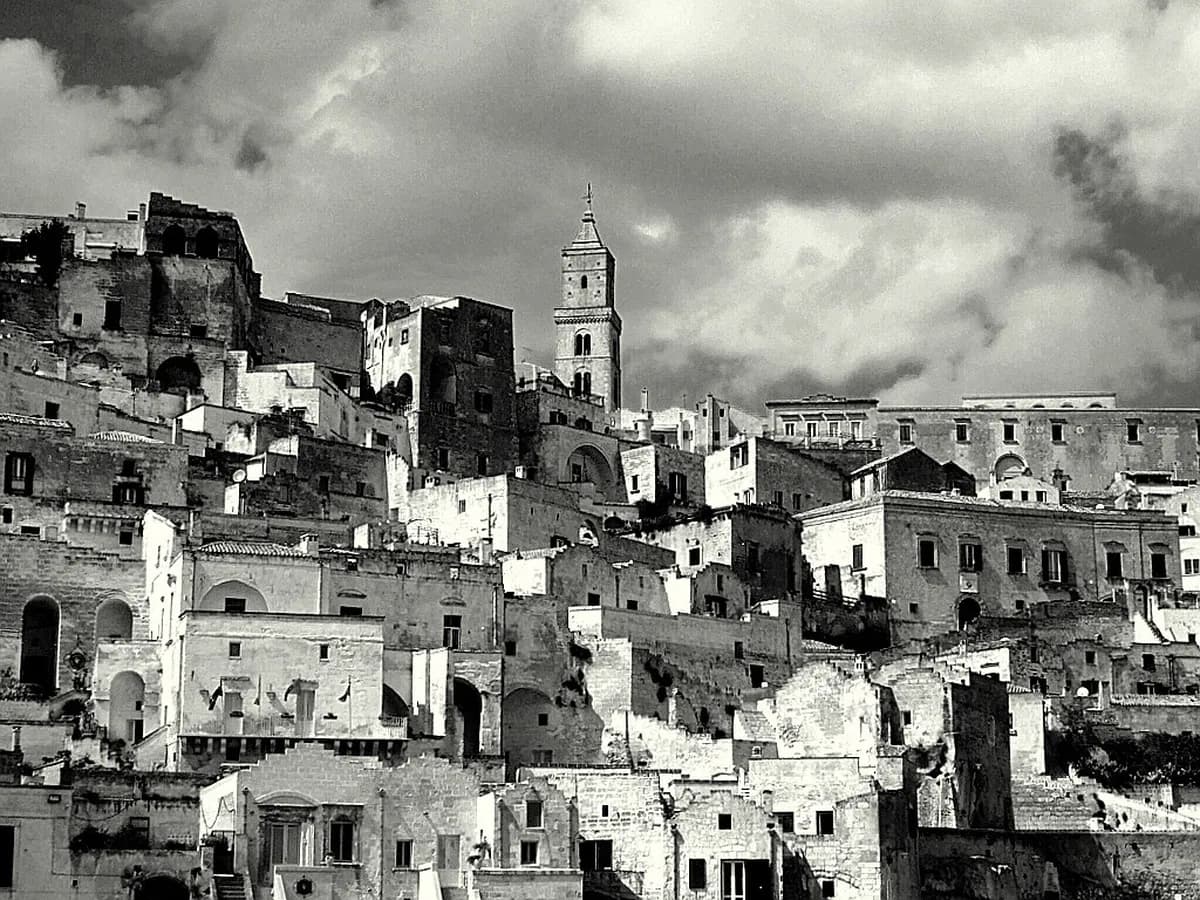
Two days is the minimum most visitors need to feel they've properly absorbed Matera; three days is the sweet spot. On your first afternoon, check into your hotel and resist the urge to rush the sights. Instead, simply walk down into the Sasso Caveoso at dusk when the lampposts come on — that first view across the canyon is the one that will stay with you. The scale of the city is visible in photographs like those by Mboesch, but nothing prepares you for standing on the belvedere as the stone turns amber. Start the next morning early (before 09:00) at the Palombaro Lungo, the city's vast underground cistern that once held 5 million litres of rainwater. Admission is around €5. It's cooler underground, which makes it a smart first stop in warm months. From there, use a discounted combined ticket (circa €8) to visit three rock-cut churches: Santa Maria de Idris, Santa Lucia alle Malve, and San Pietro Barisano. Each takes 20–30 minutes and each tells a different chapter of cave-church history.
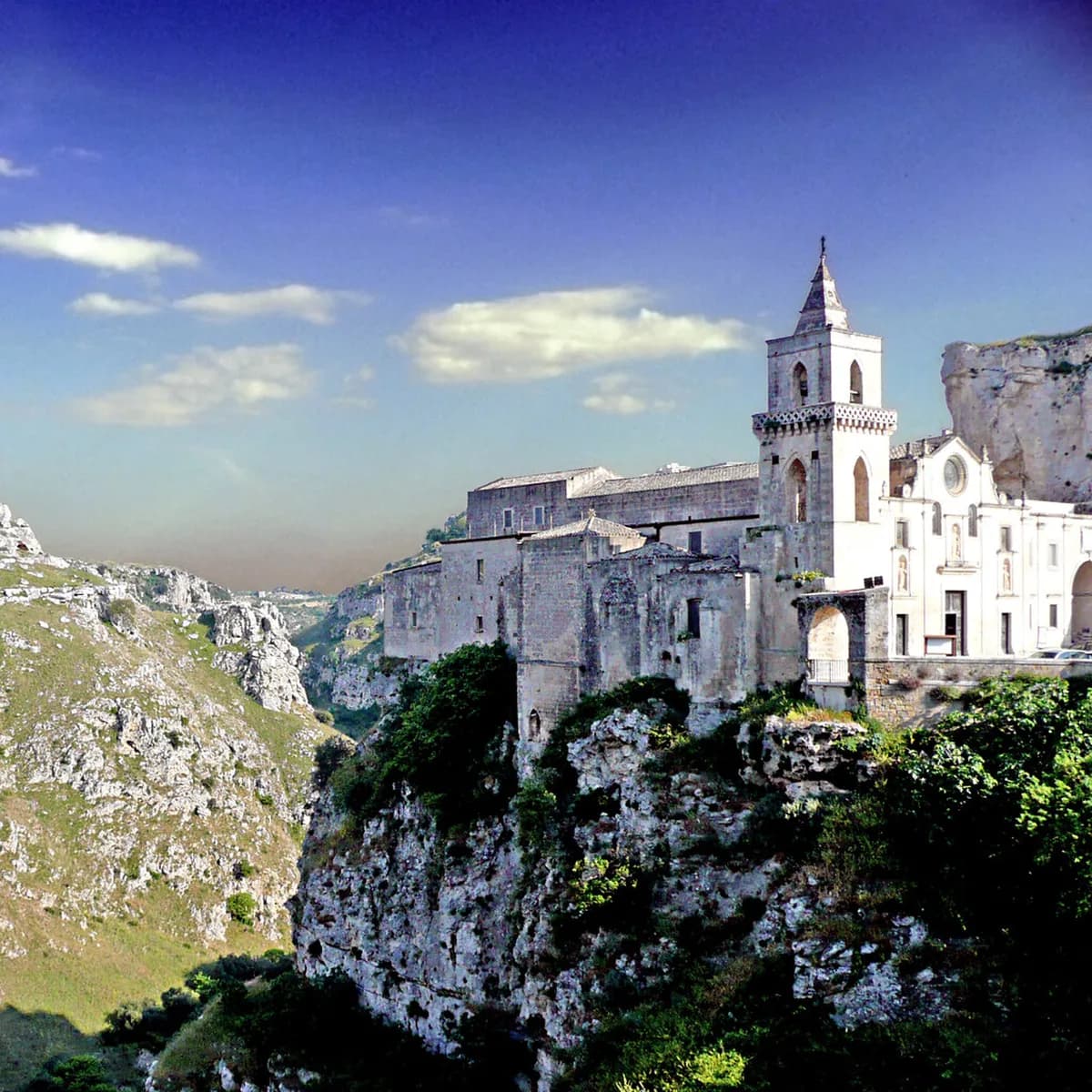
On your second full day, cross the suspension bridge over the Gravina gorge to hike the Murgia plateau. Look for the trailhead near Via Madonna delle Virtù, above the Ponte Tibetano. The views looking back toward the city — as documented by Berthold Werner — are the best you will find anywhere. Carry at least 1.5 litres of water as there are no shops on the trail. A guided Matera canyon hike with a local expert adds significant historical depth to the rupestrian cave churches scattered across the plateau. That evening, try the local bread — pane di Matera IGP, photographed by Kars Alfrink — and a plate of fave e cicorie (fava beans and chicory), the staple Lucano dish that appears on almost every traditional menu.
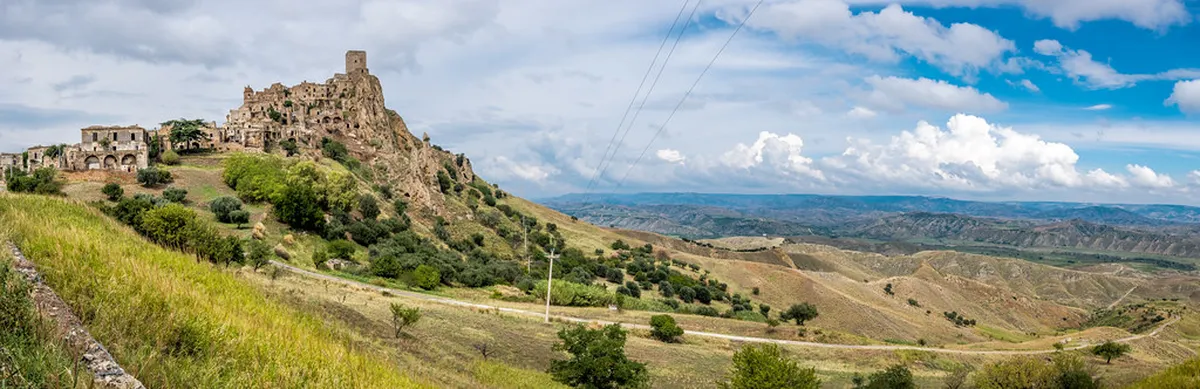
Use your final day to explore nearby villages. Pisticci and Craco (a ghost town abandoned after a landslide) are both within a 45-minute drive and are almost entirely tourist-free. If you prefer to stay in town, the Casa Noha cultural museum gives an excellent video introduction to the history of the cave dwellings in a beautifully restored palazzo. End your trip with a sunset aperitivo from one of the panoramic terraces — Terrazza Cavaliere and Crialoss both have dramatic views over the Sassi — before your departure the following morning.
- Day 1 itinerary focus
- Sasso Caveoso evening walk, dusk belvedere views, cave hotel check-in
- Day 2 itinerary focus
- Palombaro Lungo + three rock churches (morning), Murgia plateau hike (afternoon)
- Day 3 itinerary focus
- Day trip to Pisticci or Craco, or Casa Noha + sunset aperitivo
How to Get to Matera
Getting to Matera takes deliberate planning because the city has no airport and only slow, infrequent train service. The most practical approach for most visitors is to fly into Bari Karol Wojtyla Airport (BRI) in neighboring Puglia, which sits about 65 km east of Matera — roughly 50 minutes by car. Direct shuttle buses from Bari airport to Matera run daily; tickets cost around €5–15 and the journey takes approximately 1 hour 20 minutes. Bus companies including FlixBus, Busmiccolis, and Itabus also serve the Bari Centrale train station-to-Matera route, with most departures concentrated in the afternoon and evening. Booking tickets in advance during peak season avoids last-minute sellouts.
Renting a car at Bari airport is the most flexible option and genuinely recommended. The drive itself is scenic, winding through golden wheat fields and the occasional hilltop town like Altamura before you reach Matera's canyon. Important caveat: Matera's historic center is a ZTL (Zona a Traffico Limitato), meaning private vehicles are prohibited. You must park in a paid lot in the new town and walk or take a tuk-tuk down into the Sassi. Some cave hotels can arrange access permits or send a vehicle to transport you and your luggage — confirm this when booking. Private transfers from Bari run approximately €100–130 for the one-way journey and are a comfortable option if arriving on a late flight with heavy bags. From Rome, the journey by bus or car takes around 4–5 hours; from Naples roughly 3 hours.
Where to Stay in Matera: Cave Hotels
Staying in a cave hotel is the single most memorable part of a Matera visit for many travellers, and the city has a range of options from budget-friendly B&Bs to design-led luxury. The Sassi area — the ancient historic core carved into the canyon rim — is where almost all the cave accommodation is concentrated. Rooms inside original cave dwellings maintain a naturally cool temperature (around 16–18°C year-round), which feels wonderful in summer but can seem damp and airless in winter. If you are sensitive to humidity or staying more than two nights, consider a semi-cave property where the cave forms the back wall but the room has proper windows and ventilation.
At the luxury end, Sextantio Le Grotte della Civita is the benchmark: a 9th-century cave monastery converted into a boutique hotel with minimal, atmospheric interiors and a panoramic terrace. Rates run €200–400 per night in 2026. Sant'Angelo Resort (€400–600) is another five-star option with a spa and an exceptional Sassi location. Mid-range travellers do well at Palazzo Viceconte (€200–300), a restored palazzo in the old town with elegant, non-cave rooms. For budget stays, small B&Bs in the Sassi can be found from around €80–120; look for those in the upper historic center rather than the deepest Sassi if you want some street-level atmosphere at night. Note that the Sassi area tends to go quiet after dark — most locals socialize in the new town — so if an energetic evening scene matters to you, choose a hotel on the boundary between old and new town.
Matera as a Day Trip from Bari
Matera is one of the most popular day trips from Bari, and it is absolutely feasible in a single day — though locals and repeat visitors will tell you that staying overnight changes the experience significantly. If you arrive by 10:00, you have a realistic six-to-seven hours in the historic center before needing to catch a return bus. That is enough time to walk both Sassi districts, visit one or two rock-cut churches with a combined ticket, have lunch at a terrace restaurant overlooking the canyon, and sit at a belvedere for the late-afternoon golden light.
The main downside of a day trip is the crowd timing: the popular belvederes and church entrances are busiest between 11:00 and 15:00, when large tour groups from Bari, Naples, and the Amalfi Coast all arrive simultaneously. You can get ahead of the crush by walking down into the Sassi immediately on arrival and saving the belvedere viewpoints for 16:00 or later, when many day-trippers have already left. An ape (tuk-tuk) tour is an efficient way to cover the overview in 60–90 minutes if you are short on time. Book the Bari-to-Matera bus return leg before you leave — afternoon departures sell out on summer weekends — and carry cash for entrance fees, as not all small churches and cisterns accept cards.
Frequently Asked Questions
When is the cheapest time to go to Matera?
The cheapest time to visit is during the winter months of January and February. You will find significantly lower rates for cave hotels and fewer crowds. However, some restaurants may be closed for the season.
Is Matera too hot in August?
August is extremely hot in Matera with temperatures often exceeding 35°C / 95°F. The stone buildings trap heat, making the Sassi feel like an oven. It is best to explore only in the early morning.
How many days should I spend in Matera?
Two to three days is the ideal amount of time for most visitors. This allows you to explore both Sassi districts, visit a few rock churches, and hike the canyon. A day trip is possible but feels rushed.
Matera is a destination that rewards those who time their visit with the seasons. While the shoulder months of May and September offer the best weather, every season has charm. Whether you want festive winter lights or summer energy, plan your trip around your personal comfort. Check out more southern Italy tips on the italywander.com blog before you go.
Remember to book your cave hotel well in advance if you visit during peak times. The unique architecture and deep history make Matera a highlight of any Italian itinerary. Pack your most comfortable shoes and prepare to step back in time among the stones. Safe travels as you explore one of the oldest continuously inhabited cities in the world.
Explore More: When to Visit Matera
Keep planning with these related guides.
You might also like


Continue reading
More guides you'll find useful