Monopoli and Ostuni from Bari: 1-Day Itinerary Guide
Planning a trip to Monopoli and Ostuni from Bari? Discover the best train routes, driving tips, and a perfect 1-day itinerary for Puglia's coast.
On this page
Monopoli and Ostuni from Bari: The Ultimate 1-Day Itinerary
Exploring the Adriatic coast is a dream for many travelers visiting Southern Italy. This guide focuses on visiting Monopoli and Ostuni from Bari in a single day. I designed this plan specifically for first-timers who want to see the best of Puglia.
I spent weeks wandering these limestone streets to find the most efficient routes. My goal is to help you avoid common mistakes like missing the Ostuni shuttle bus. This article was last refreshed after my recent spring visit to ensure accuracy.
You will find detailed transport tips and local food recommendations for both historic towns. Combining these two gems is easy if you follow a structured schedule. Let's dive into the logistics of this beautiful coastal adventure.
At a Glance: 1-Day Monopoli and Ostuni Itinerary
This quick overview helps you visualize the flow of your coastal day trip. We start early in Monopoli to enjoy the morning light on the harbor. The afternoon is reserved for the dazzling white walls of hilltop Ostuni.
Travelers often worry about fitting both cities into a single day comfortably. I found that six hours in each location is plenty for the main highlights. This plan assumes you are using Bari as your primary home base.
You can find more inspiration in my guide to day trips from Bari. Most visitors prefer the train for this route to avoid parking headaches. The following list breaks down the timing for your perfect Puglia escape.
- Day 1: Coastal charm and white walls
- Morning: Explore Monopoli old town and harbor
- Afternoon: Wander the hilltop streets of Ostuni
- Evening: Dinner in Bari's vibrant Murat district
1-Day Itinerary: Monopoli and Ostuni from Bari
Start your morning at Bari Centrale to catch a regional Trenitalia train toward Monopoli. A one-way ticket costs around €3–4 and the journey takes roughly 30 minutes on the direct service. I recommend arriving in Monopoli by 09:00 to see the fishermen unloading their catch at the old port before the crowds settle in.
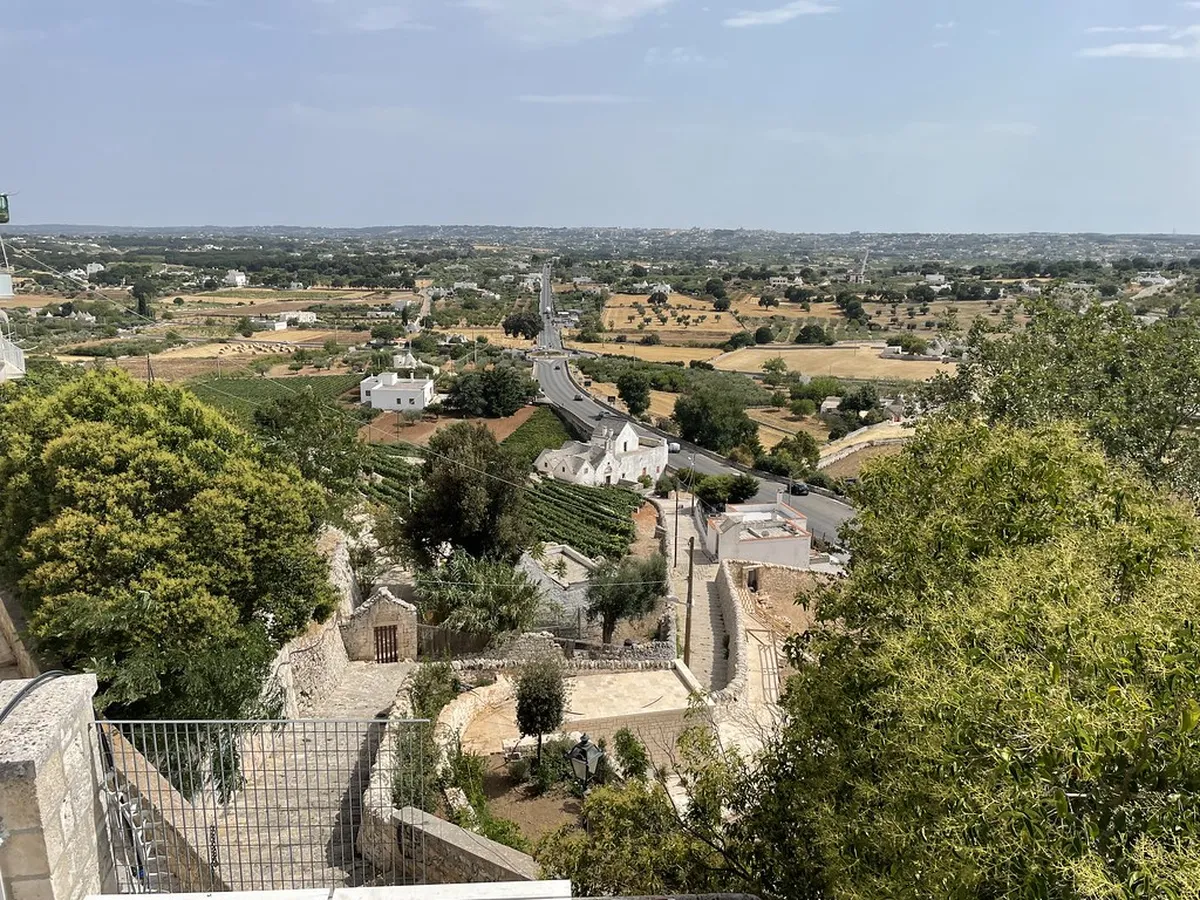
We hit the Monopoli harbor early and avoided the heavy midday crowds. The Castello di Carlo V at the water's edge is worth a quick walk around — entry is usually around €3–5 and the ramparts give you unobstructed sea views. Most shops in the old town open daily from 10:00 to 13:00, so time a stroll through the baroque alleyways before lunch.
After lunch, take the train further south on the same Bari–Lecce line to reach Ostuni station. The journey takes just 16–21 minutes and costs €3.10 from Monopoli. The station sits 2 km below the hilltop old town, so watch for the white local shuttle bus (Linea Città) at the station exit. This bus costs about €1.50 and runs roughly every 20–30 minutes; alternatively, a taxi from the station to the centro storico costs around €8–10.
Ostuni has a strict ZTL restricted zone for non-residents. Entering the old town by car incurs heavy fines that arrive months later. If driving, use paid parking lots on the outskirts and take the shuttle bus or walk from Via G.Pinto entrance. Expect to pay €2–3 per hour for parking near the Porta Nuova entrance.
Ostuni earns its "White City" title from the lime-washed limestone buildings that have been painted bright white for centuries to reflect the fierce southern sun. Once you climb past the main tourist drag on Via Cattedrale, the side alleys open into quiet piazzas where locals still hang laundry from wrought-iron balconies. The 15th-century Gothic cathedral at the summit is the highlight — free to enter and commanding a panorama from the Adriatic coast to the Itria Valley olive groves below.
- Day 1: Monopoli and Ostuni coastal loop
- Morning: 09:00–13:00, Monopoli old town and harbor
- Afternoon: 14:30–18:30, Ostuni White City
- Evening: 20:00, Seafood dinner in Bari
- Total time: 10–12 hours
- Logistics: Regional trains + Ostuni shuttle bus or taxi
- Optional: 1-hour swim at Monopoli's Cala Porta Vecchia beach before the train south
Book in Advance: Essential Puglia Reservations
Puglia has surged in popularity since 2023, so advance planning pays dividends. For guided walking tours of Monopoli's historic center or the Ostuni hilltop, book at least two weeks ahead — well-reviewed local guides through Apulia Smart Tour fill their summer slots fast. Private day-tour operators combining all three Adriatic towns (Polignano, Monopoli, Ostuni) are typically sold out by late May for July and August.
Restaurant reservations in Monopoli are essential if you want a harbour-facing table for lunch. The best-value seafood trattorias take bookings two to three days ahead; call rather than email for faster confirmation. Trenitalia regional tickets for this route are cheap (€3–4 per leg) and almost never sell out, but purchasing online via the Trenitalia app or the Trainline Monopoli to Ostuni booking page saves you the kiosk queue at Bari Centrale. Check the BariExperience Transport Guide for seasonal bus schedule updates.
If you plan to rent a car, reserve at least four weeks before arrival — automatic gearbox cars are scarce in southern Italy. Budget €55–85 per day for a compact manual, and factor in toll costs on the A14 motorway if you deviate from the SS16. Always verify opening hours on the official attraction websites before you leave; several smaller Monopoli churches operate on posted schedules that shift in July–August 2026.
Transport Logistics: Navigating the Adriatic Coast
The Bari–Lecce regional line (operated by Trenitalia) is the backbone of this itinerary. Trains on the Bari Centrale–Monopoli leg run every 30–60 minutes throughout the day and take 28–35 minutes; first service departs around 05:20, last around 23:30. The second leg, Monopoli to Ostuni, is shorter still — 16–21 minutes with 26 trains per day, starting at 05:37 and ending at 23:39. Tickets for each leg cost €3.10–3.50. Buy them at station kiosks, the Trenitalia app, or through Trainline — no advance booking required for regional services.
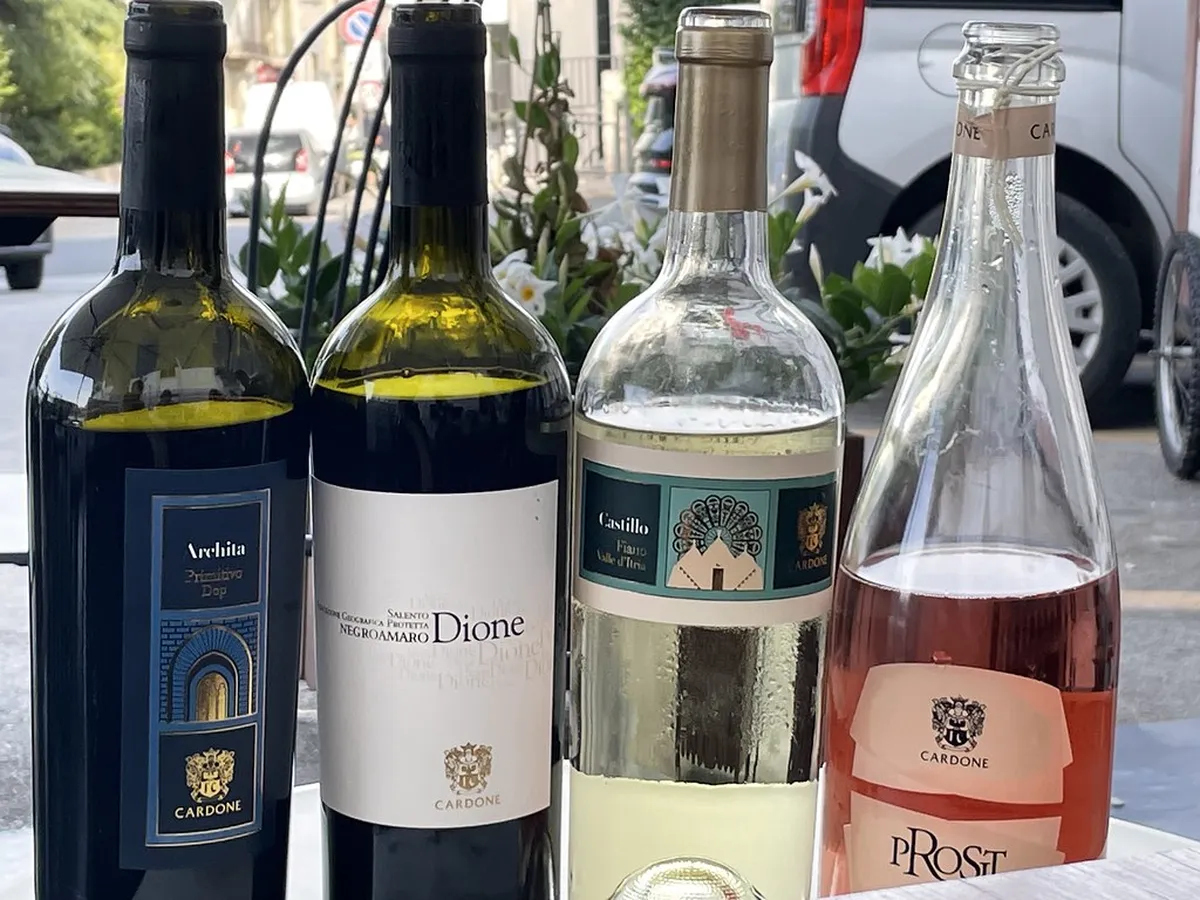
Driving via the SS16 coastal highway is the fastest option if you want flexibility for beach stops. Bari to Monopoli is around 45 minutes; Monopoli to Ostuni is another 30 minutes heading slightly inland. The catch is Ostuni's ZTL: the hilltop centro storico is a restricted traffic zone, and non-resident plates photographed inside face fines of €80–300 delivered months later. Park at the large paid lots below the walls (Via G.Pinto or the Porta Nuova car park) and cover the final 400 m on foot or by the local shuttle.
| Mode | Bari → Monopoli | Monopoli → Ostuni | Cost (one-way) | Best for |
|---|---|---|---|---|
| Train | 28–35 min | 16–21 min | €3–4 per leg | Most travelers — no parking stress |
| Car (SS16) | 40–50 min | 25–35 min | Fuel + €2–3/hr parking | Families with luggage; avoid Ostuni ZTL |
| Bus (Sita Sud) | 60–90 min | Not direct | €2–5 | Budget travelers; limited schedule |
Most regional trains run from 05:00 until approximately 23:40 daily. The Sita Sud bus from Bari serves Ostuni via inland towns — useful if you are connecting from Bari's Piazza Aldo Moro bus hub, but significantly slower than the train for this particular coastal route.
Add an Extra Day: Extending Your Bari Stay
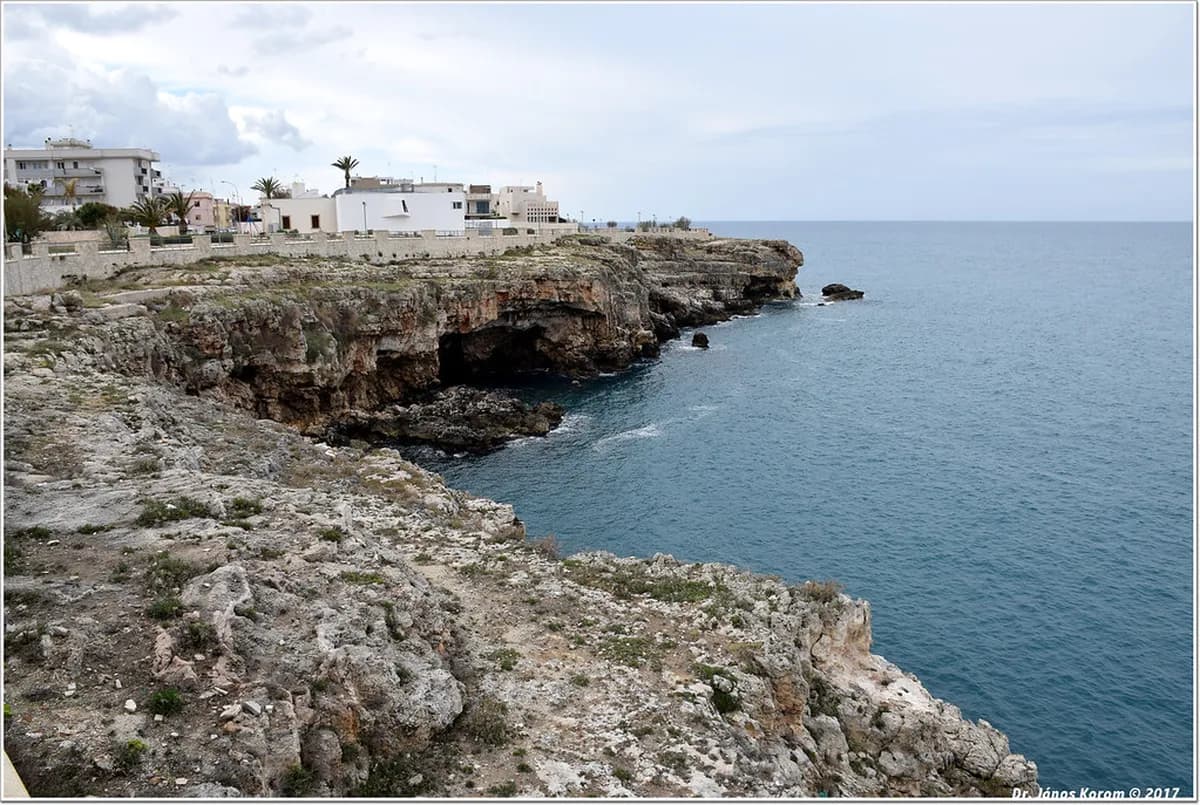
If you have more time, consider visiting Polignano a Mare from Bari. This town is famous for its dramatic cliffs and pebbled beach cove. It is only 15 minutes away from Monopoli by regional train. Many travelers combine Polignano with Monopoli for a shorter day trip.
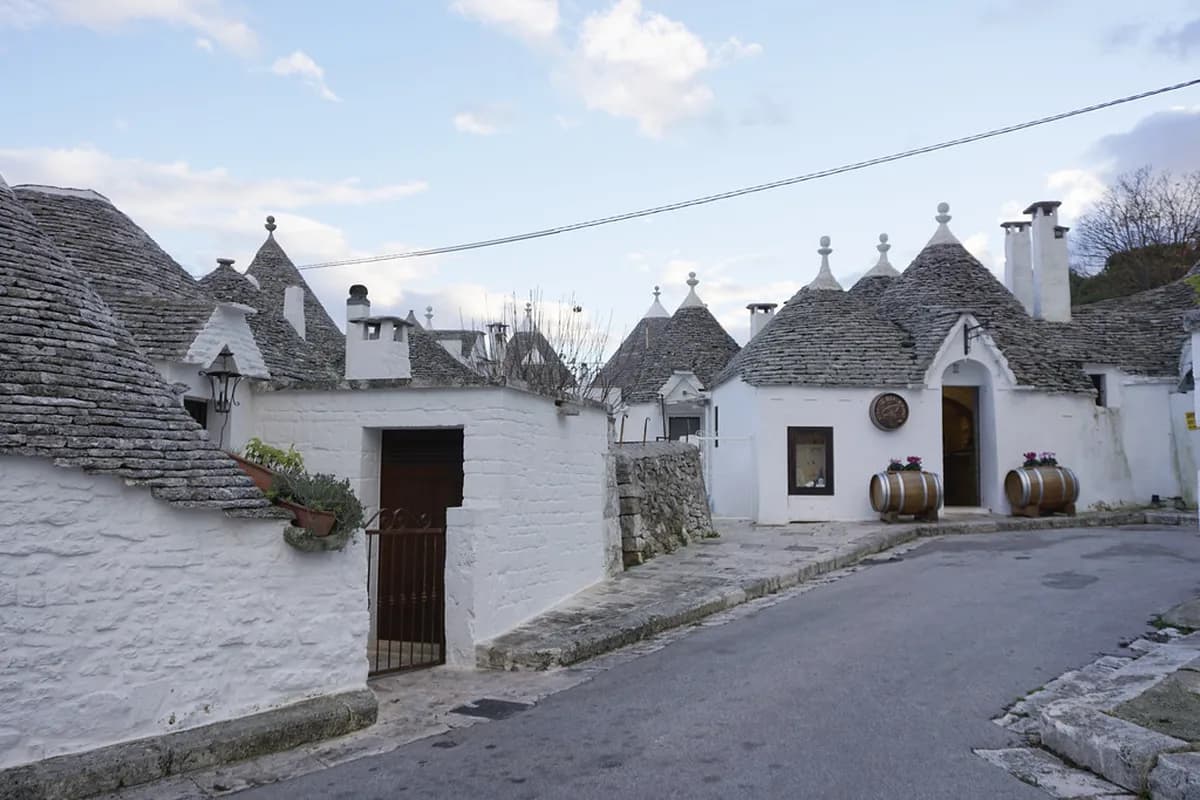
Another fantastic option is a trip to Alberobello from Bari. This UNESCO site features the iconic cone-roofed houses known as trulli. It takes about 90 minutes to reach by train or bus. The unique architecture makes it a highlight of the Itria Valley.
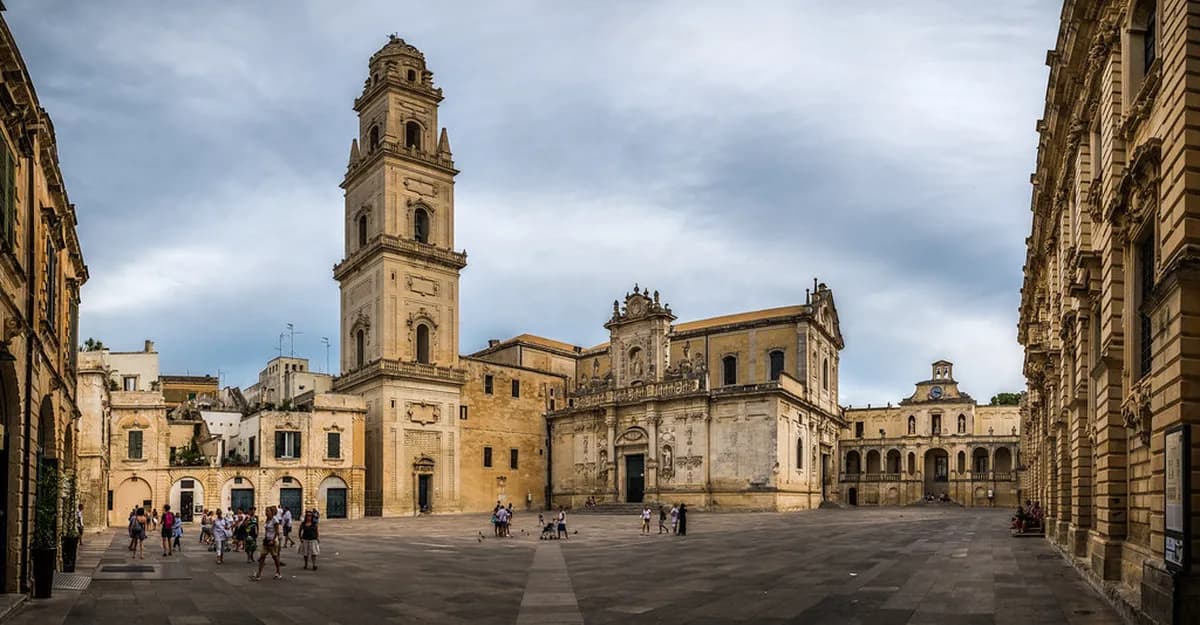
You might also enjoy the baroque beauty of Lecce from Bari. Lecce is further south but reachable in under two hours by fast train. It offers a completely different vibe compared to the coastal fishing towns. I recommend staying at least three nights in Bari to see everything.
Getting from Bari to Ostuni by Bus: Routes and Departure Points
Buses are worth knowing about even if you ultimately choose the train, because they serve different departure points and can suit travelers who are not starting from Bari Centrale. Sita Sud operates the main intercity coach services from Bari to Ostuni. Coaches depart from Via Giuseppe Capruzzi (the street running alongside the south side of Bari Centrale station), roughly 100 metres from the main rail entrance. The full journey to Ostuni takes between 70 and 100 minutes depending on intermediate stops, and a one-way ticket costs around €4–5 — comparable to the train in price but noticeably slower.
A key difference from the train is that the bus drops passengers at Piazza della Libertà in Ostuni's lower town, which is significantly closer to the old town walls than the railway station. If you are arriving in Ostuni without luggage and want the most direct approach on foot, the bus edge is real. The flipside is that schedules are thinner — typically 4–6 departures per day compared to the train's 26 — and the timetable contracts further on Sundays and public holidays in 2026. Always check current Sita Sud schedules directly, as timetables can shift between seasons. For the Monopoli leg specifically, there is no convenient direct bus: you would need to return to Bari or take a local FSE bus on an indirect route, which is why most day-trippers use the train for the Monopoli–Ostuni connection.
What to Eat in Monopoli and Ostuni: Local Food Recommendations
The culinary gap between these two towns is wider than their 33 km distance suggests, and eating your way through both is half the point of this day trip. Monopoli is a working fishing port, and the food reflects it. At lunch, look for a raw seafood counter (crudo di mare) near the harbor where local boats unload their catch in the morning — sea urchin (ricci di mare) on bruschetta and grilled cuttlefish are the things to order. A plate of mixed crudi typically runs €12–18. The harbor-side trattorias also do orecchiette with local clams (orecchiette alle vongole) for around €10–12, a dish that is better here than almost anywhere inland.
Ostuni's pantry is driven by olive oil, not the sea. The Valle d'Itria surrounding the White City contains some of Puglia's oldest olive groves, and the DOP Terre di Bari extra-virgin oil produced here is grassy, peppery, and exceptional. Look for an enoteca or specialty deli on Via Cattedrale where you can taste oils alongside local cheeses: aged canestrato pugliese and fresh burrata both pair well. For an afternoon snack, pick up a piece of pasticciotto — a flaky pastry shell filled with custard cream — from any of the small pastry shops along the main drag. If time allows, the masseria-style restaurants just below the walls serve a full set menu of Puglian antipasti (fava bean purée with chicory, baked lampascioni onions, and grilled vegetables) for €18–25 per person, which is a memorable way to end the day before catching your return train.
Frequently Asked Questions
Is it possible to visit Monopoli and Ostuni in one day?
Yes, it is very easy to visit both by train. Start your morning in Monopoli for coastal views. Spend your afternoon in Ostuni's historic center before returning to Bari.
How long is the train from Monopoli to Ostuni?
The train journey takes about 15 to 20 minutes. Trains run frequently throughout the day. Remember that the Ostuni station is 2km from the actual town center.
Where do buses depart from in Bari for Ostuni?
Buses usually depart from the streets surrounding Bari Centrale station. Check the BariExperience guide for specific stop locations. Trains are generally more reliable for this route.
Visiting Monopoli and Ostuni from Bari is a rewarding way to see Puglia. The contrast between the blue Adriatic and the white hilltop walls is stunning. I hope this itinerary helps you plan a seamless and memorable trip.
Don't forget to try the local olive oil and fresh octopus while exploring. For more tips, check out the ItalyWander blog for regional advice. Safe travels as you discover the magic of the Itria Valley.
You might also like


Continue reading
More guides you'll find useful