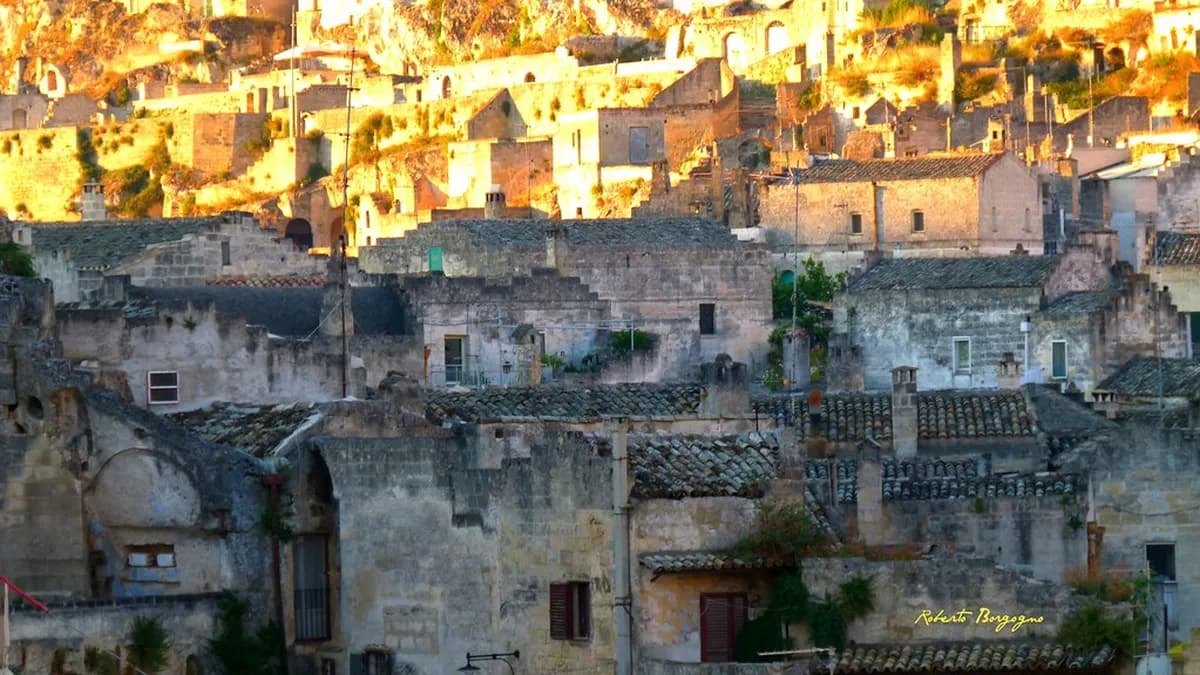
Matera Weather by Season: 5 Essential Planning Tips
Discover the best time to visit Matera with our seasonal weather guide. Includes monthly temperatures, rainfall data, and expert packing tips for the Sassi.
On this page
Matera Weather by Season: 5 Essential Planning Tips
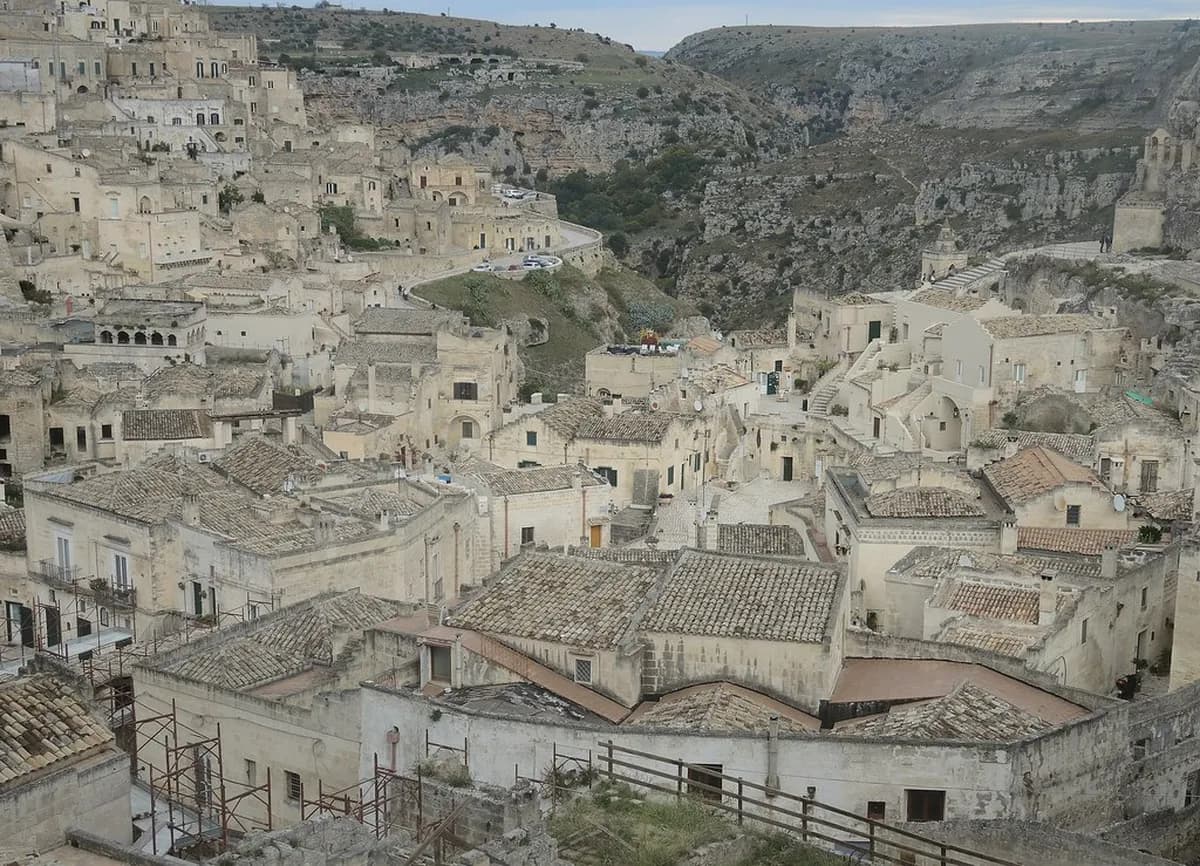
Matera is a city of stone that reacts deeply to the changing Mediterranean sky above the Sassi caves. I visited Matera in late May and found the limestone cool while the sun warmed the narrow alleys. The best time to visit Matera is late spring from May to mid-June or September. Updated October 2024 from my spring 2024 visit.
Planning around the matera weather by season ensures you avoid the most intense heat and crowded months. The city experiences a Mediterranean climate with hot summers and relatively mild, damp winters. Each season transforms the rugged landscape of the Basilicata region in distinct and beautiful ways. Travelers should consider both the temperature and the unique humidity of the cave dwellings.
Our guide breaks down what to expect from the weather during every month of the year. We focus on the practical details like slippery stones, cave insulation, and seasonal event schedules. Use this data to decide when to book your stay in the ancient Sassi districts. Preparation is key to enjoying the steep stairs and stunning views of this UNESCO site.
Spring in Matera: Mild Temperatures and Blooming Landscapes
Spring brings a refreshing change to the Sassi as the surrounding Murgia plateau turns vibrant green. Temperatures from late March to mid-May range between 13–21°C / 55–70°F during the day. I noticed the air remains crisp in the mornings, making it perfect for long walking tours. Based on typical climate data, April is often the month when wildflowers peak in the valley.
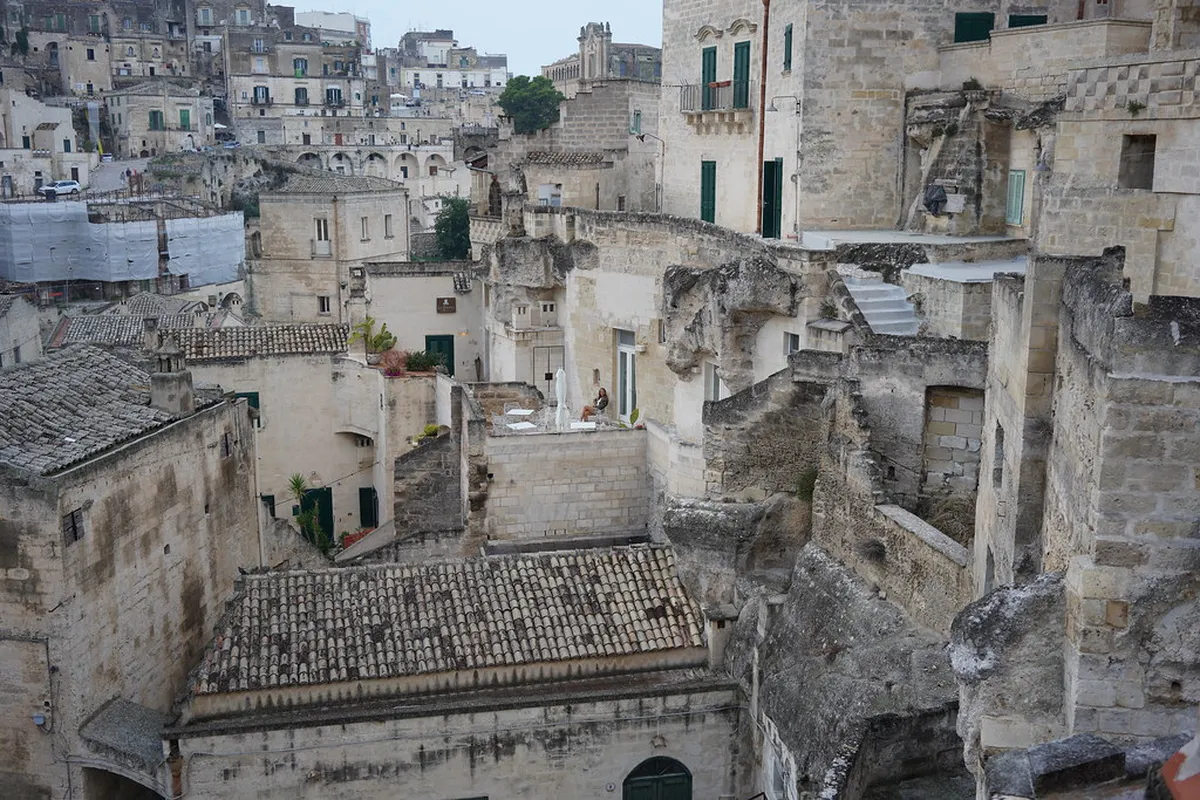
The WeatherSpark Matera Climate Data shows that rainfall decreases significantly as May approaches. Walking through the limestone paths is most comfortable during these mild, sun-drenched weeks. Crowds are manageable before the summer rush begins in late June. You will find the light ideal for photography during the long, golden afternoons.
Be aware that the stone caves can still feel quite chilly during early spring nights. The limestone walls retain the winter cold until the sun consistently warms the exterior surfaces. We recommend booking a room with modern heating if you visit in March. The contrast between the warm sun and cool cave interiors is a unique Matera experience.
- Lightweight cotton layers
- Comfortable walking sneakers
- A medium-weight jacket
- A compact umbrella
Is Summer in Matera Too Hot?
Summer in Matera is characterized by intense sun and temperatures reaching 21–32°C / 70–90°F. The deep ravine creates a heat trap effect that can make the Sassi feel even hotter. During my July visit, the midday sun reflected off the white limestone with blinding intensity. Most locals retreat indoors between 2:00 PM and 5:00 PM to avoid the peak heat.
July-August sees temperatures often exceeding 35°C (95°F) in the stone ravines, with limestone trapping heat inside cave rooms. Limit strenuous exploration to before 10:00 AM or after sunset, and always carry a refillable water bottle.
Humidity remains low, but the lack of shade in the ancient districts is a major factor. Exploring the lower Sassi requires stamina and frequent hydration breaks during July and August. The limestone caves provide natural insulation, staying a constant 15°C / 59°F inside. This natural cooling makes cave hotels a popular choice for summer travelers seeking relief.
Evenings are much more pleasant as the stone releases its heat into the night air. The city comes alive after sunset with outdoor dining and vibrant terrace bars. Plan your most strenuous hikes for the early morning hours before 10:00 AM. Summer is the peak tourist season, so expect higher prices and busier streets.
- High-SPF sunscreen
- Wide-brimmed sun hat
- Refillable water bottle
- Linen or silk clothing
Autumn in Matera: Golden Hues and Harvest Weather
Autumn is a fantastic time to explore the matera weather by season as the heat fades. September and October see comfortable averages of 12–23°C / 54–73°F across the region. The landscape shifts to golden tones, matching the color of the ancient calcarenite stone. I found the atmosphere in October to be much more relaxed than the summer months.
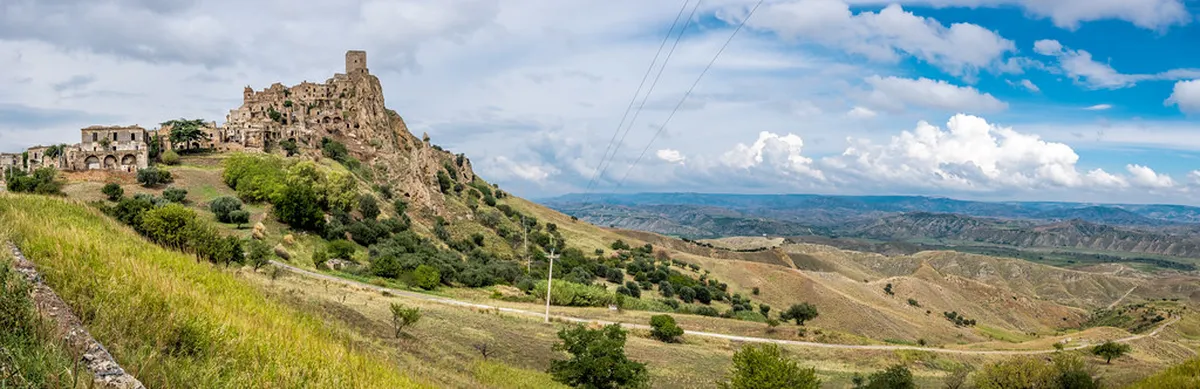
Rainfall increases in November, which presents a specific challenge for navigating the Sassi. The limestone streets become very slippery when wet, requiring careful steps and sturdy shoes. Check our Italy travel blog for more tips on navigating historic stone cities. Sudden autumn storms can occur, often followed by clear, bright skies.
This is the season of the olive harvest and new wine in Basilicata. Many local restaurants feature seasonal mushrooms and truffles on their autumn menus. Prices for accommodation begin to drop as the peak summer crowd departs. It is a perfect window for travelers who prefer a quieter, more authentic experience.
- Shoes with rubber grips
- A waterproof trench coat
- Light wool sweaters
- A sturdy travel umbrella
Winter in Matera: Crisp Air and Quiet Charm
Winter transforms Matera into a serene, almost mystical landscape under a gray sky. Temperatures typically hover between 3–12°C / 37–54°F from December through February. Snow is rare but creates a stunning scene when it dusts the cave dwellings. The crisp air makes the view from the Belvedere lookout point exceptionally clear.
One highlight of the season is the Christmas Presepe Vivente in the Sassi. This live nativity scene uses the ancient caves as a dramatic, historical backdrop. Crowds are at their lowest during the winter, except for the busy holiday weeks. You can often have the narrow alleys entirely to yourself during a January visit.
Cave rooms remain surprisingly comfortable because the thick stone provides natural thermal mass. Most modern hotels in the Sassi also include underfloor heating for extra warmth. The humidity can make the air feel colder than the thermometer suggests. We recommend a heavy coat and a scarf for exploring the windy ravine edges.
- Insulated winter coat
- Woolen scarf and gloves
- Warm wool socks
- Thermal base layers
Best Time to Visit Matera: A Season Comparison
Choosing the right time depends on your tolerance for heat and crowd levels. Spring and autumn offer the best balance of weather and accessibility for most. Summer is ideal for those who enjoy a lively, festival-filled atmosphere. Winter provides the most solitude and the lowest prices for budget-conscious travelers.
The following table summarizes the key climate and travel factors for each season. Data is based on long-term averages from regional meteorological stations in Basilicata. Use these ranges to plan your packing and daily activity schedule. Remember that weather can vary, so always check a short-term forecast before departing.
| Season | Weather | Crowds | Prices | Events | Best for |
|---|---|---|---|---|---|
| Late March to May | 13–21°C / 55–70°F | Moderate | Mid-range | Easter | Hiking |
| June to August | 21–32°C / 70–90°F | High | Peak | Festa della Bruna | Nightlife |
| Sept to mid-Nov | 12–23°C / 54–73°F | Moderate | Mid-range | Wine Harvest | Foodies |
| Late Nov to Feb | 3–12°C / 37–54°F | Low | Budget | Living Nativity | Solitude |
Which Season Suits Your Travel Style?
Every traveler weighs weather, crowds, and budget differently. In Matera the topography amplifies those trade-offs: the ravine funnels heat in July, holds damp chill in January, and channels strong tramontane winds in March. Knowing how the climate affects your specific priorities — photography, food, family mobility, or solitude — is the most useful planning filter.
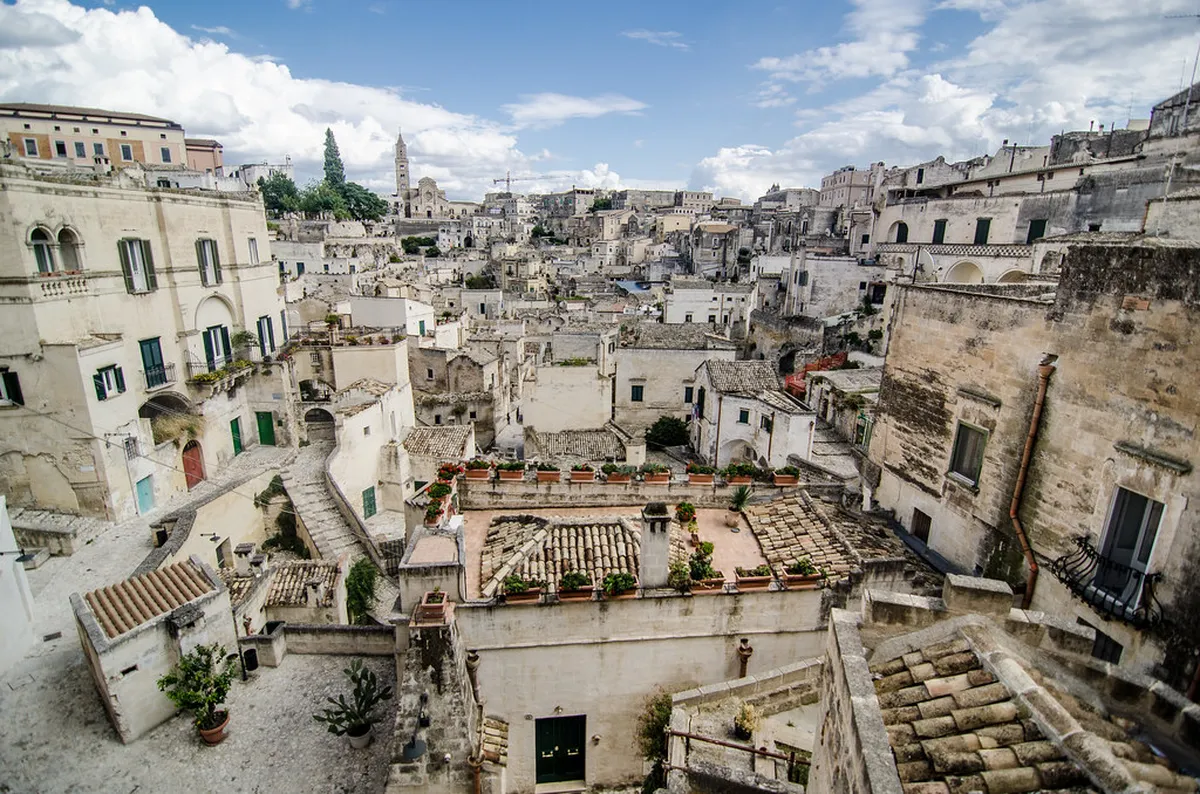
Families with young children benefit most from late April and early May, when temperatures stay below 22°C and the limestone paths dry quickly after overnight showers. Photographers chase the low golden light of October, when morning mist sometimes fills the Gravina canyon before burning off by 09:00, creating dramatic backdrops that summer midday haze destroys. Budget travelers get the lowest nightly rates — often 30–50% below peak — from January through mid-March, when even cave hotels discount heavily to fill rooms. Culture seekers should time arrivals for early July to catch the Festa della Madonna della Bruna on 2 July, the city's most important festival, before the worst of the August heat arrives.
- Pick spring (Apr–May) if you want wildflowers, soft light, and family-friendly walking temperatures
- Pick early summer (June–early July) if you want festivals and warm evenings without peak August heat
- Pick autumn (Sept–Oct) if you love harvest food, golden photography light, and affordable accommodation
- Pick winter (Jan–Feb) if you seek silence, budget rates, and the chance of a rare snow dusting on the Sassi
What to Pack: Footwear First, Layers Second
Footwear is the single most important packing decision for Matera, regardless of season. The Sassi are built on polished calcarenite limestone, a rock type that becomes dangerously slick the moment moisture touches its surface. Autumn and winter rain transforms the stepped paths of Sasso Caveoso and Sasso Barisano into a near-ice surface, and even a heavy summer dew can make the steeper descents treacherous before 09:00. Bring shoes with deep, chunky rubber lug soles — trail runners or proper hiking shoes, not fashion sneakers with flat rubber soles. I ruined a pair of canvas shoes on a drizzly October morning within two hours of arriving.
Layers matter because Matera's cave environment creates a persistent 10–15°C indoor-outdoor temperature gap in summer. You will be sweating on a sunlit terrace at 32°C and then stepping into a cave church at 16°C within the same ten minutes. A compact linen shirt over a breathable base layer, easily removed and stuffed into a daypack, solves this far better than a single heavier option. A hands-free waterproof shell jacket is preferable to an umbrella, since you will need both hands free to hold guide rails on the steeper staircases. During winter, layering is even more critical because the ravine channels wind that makes 8°C feel close to 2°C at exposed viewpoints like Belvedere Piazza Pascoli.
- Rubber lug-sole hiking shoes or trail runners (non-negotiable in autumn and winter)
- Compact waterproof shell jacket (better than an umbrella on stairs)
- Light packable layers — linen outer + breathable base for summer; wool mid-layer for winter
- Polarized sunglasses (limestone glare is intense from May to September)
- Portable power bank (navigation apps drain batteries faster in the Sassi's winding alleys)
What's Closed in Low Season
Matera is a year-round destination, but some services scale back in winter. Many rooftop terrace bars close their doors from November until early March. Outdoor dining in the Gravina ravine is mostly limited to the warmer months. I found that some smaller boutiques also have shorter winter opening hours.
Guided trekking tours in the Murgia Park often pause during heavy rain periods. Specific outdoor theater performances at Cava del Sole only run during the summer. Most major museums and cave churches remain open throughout the entire year. It is always wise to check the schedule for specific restaurants before you arrive.
Average Monthly Temperatures, Rainfall, and Daylight Hours
Matera sits at roughly 400 m elevation on the Murgia plateau in Basilicata, giving it a slightly cooler and drier baseline than coastal southern Italy. Long-term climate data for the area shows a clear annual rhythm. January is the coldest month with average highs near 9°C / 48°F and lows around 2°C / 36°F. July and August are the hottest, regularly hitting 32–35°C / 90–95°F during the day, though nights cool to around 19°C / 66°F. May and September are the shoulder sweet spots: both average highs between 22–25°C / 72–77°F with lows staying above 12°C.
Rainfall in Matera is concentrated in the cooler months. November and December are the wettest, each accumulating roughly 75–90 mm of rain and averaging 9–11 rainy days per month. By contrast, July brings fewer than 20 mm across just 2–3 rainy days. Spring rainfall tapers steadily: March averages around 55 mm, April around 45 mm, and May drops to 35 mm. This drying trend is a key reason late May is so appealing for visits — the Murgia is still green from spring rains but the days are mostly sunny.
Sunshine and daylight hours matter enormously in a city built for outdoor exploration. In June, Matera enjoys around 14 hours of daylight and up to 10 hours of direct sunshine per day. December offers only 9 hours of daylight and closer to 4–5 hours of sunshine. The transition months — April, May, September, and October — land in a comfortable middle range of 12–13 daylight hours, with 6–8 sunshine hours. This extended afternoon light in September is one reason photographers rank it as Matera's best month: the sun is still high enough for even illumination across the ravine but the angle is softer than the harsh overhead glare of July.
Sassi Microclimate: Humidity, Wind, and Wet-Weather Walking
The Sassi are not just historic districts — they are a distinct microclimate shaped by the Gravina canyon's geometry. In summer, the south-facing limestone walls absorb solar radiation all day and radiate stored heat after sunset, pushing the canyon floor 3–5°C warmer than a weather station reading suggests. Relative humidity stays relatively low at 40–55% during June and July, which keeps the heat from feeling unbearable early in the morning. However, by mid-afternoon, the reflected heat from pale stone surfaces makes the perceived temperature in Sasso Caveoso feel closer to 38–40°C even when the thermometer reads 33°C.
Winter and early spring bring a different challenge: the Murgia plateau channels cold tramontane and northeasterly winds directly into the ravine. Wind gusts of 30–40 km/h are common in February and March, and at the exposed rim viewpoints the chill factor can push a 7°C morning to feel like 1°C. The cave interiors buffer this completely — the thick tuff walls maintain a near-constant 14–16°C year-round, which is why the sassi were inhabited for millennia and why cave hotels today need little more than supplemental electric heating. Stepping inside any rupestrian church provides instant shelter regardless of outdoor conditions.
Walking in wet weather requires a deliberate change of pace. The calcarenite stone that gives Matera its honey-gold colour is highly porous and becomes glass-smooth when saturated. The stepped paths in Sasso Barisano include sections without handrails where a slip could mean a 2–3 m fall. In autumn and winter, descend facing the steps rather than turning your back on them, test each surface before committing your weight, and avoid the polished centre of each tread where centuries of foot traffic have removed any natural texture. The outer edges of steps retain more grip. Rubber-soled shoes with 4+ mm of lug depth are the minimum; smooth leather soles should be left in the hotel for any day that rain is forecast.
Frequently Asked Questions
When is the best time to visit Matera?
The best time is mid-May to mid-June or September. These months offer mild weather and fewer crowds. You can enjoy long walks without the intense summer heat.
Does it snow in Matera during the winter?
Snow is rare but does happen occasionally in January or February. It creates a beautiful scene over the stone caves. Most snow melts quickly due to the Mediterranean climate.
Is Matera too hot to visit in July and August?
It can be very hot, with temps over 32°C / 90°F. The stone ravines trap heat during the day. Plan to explore early in the morning or late at night.
What is the rainiest month in Matera?
November is typically the rainiest month in Matera. The limestone becomes very slippery when wet. Always wear shoes with good grip during autumn visits.
Understanding the matera weather by season helps you experience the Sassi at their best. Whether you choose the blooming spring or the quiet winter, Matera remains unforgettable. The city's ancient stone walls tell a different story in every type of light. Prepare for the stairs and the sun to make the most of your visit.
Matera is a destination that rewards those who plan for its unique climate. Respect the heat of the summer and the slippery stones of the autumn. We hope this guide helps you find your perfect window for this Italian gem. Safe travels as you explore one of the world's oldest inhabited cities.
You might also like


Continue reading
More guides you'll find useful