Bari Vecchia Old Town Walking Guide: 10 Essential Tips & Stops
Explore Bari Vecchia with our expert walking guide. Discover 10 essential stops including the Basilica of St. Nicholas, the Orecchiette street, and local dining tips.
On this page
1-Day Bari Vecchia Old Town Walking Guide: 10 Essential Tips
I built this bari vecchia old town walking guide after exploring the maze-like streets during my third Puglia visit. This guide is perfect for first-time visitors who want to see the authentic side of Southern Italy. Updated for 2026, this itinerary ensures you hit every major landmark efficiently without wasting a step. You will find that Bari Vecchia offers a unique blend of religious history and vibrant local street life that no other Puglian city can replicate.
Navigating the historic center can feel overwhelming without a clear plan because the alleys look very similar. Most travelers arrive via the central train station or the nearby cruise port and head straight for the churches. I recommend starting your walk early — ideally by 09:00 — to catch the local pasta makers before they finish their morning work. Following a structured route helps you avoid backtracking and saves time for a long, relaxed Italian lunch.
At a Glance: 1-Day Bari Vecchia Itinerary
This quick summary provides a snapshot of how to spend your time in the historic center. We have grouped these stops to minimize walking distance and maximize your exposure to local culture. Most of these locations are within a 15-minute walk of each other in the compact old town. You should keep this list handy as you navigate the narrow limestone paths throughout the day.
Bari is a city that rewards those who look beyond the main tourist squares. I found that the best moments happen in the quiet corners where residents still hang laundry across alleys. This itinerary balances the famous religious sites with the everyday charm of the residential neighborhoods. Be sure to wear comfortable walking shoes to handle the uneven historic paving stones safely.
- Day 1: Old Town Classics & Pasta Alley
- Morning: 9:00 AM – 12:30 PM, Basilica and Orecchiette Street
- Afternoon: 1:30 PM – 4:30 PM, Castle and Cathedral tour
- Evening: 6:00 PM – 9:00 PM, Piazza Mercantile and Harbor walk
Must-See Bari Vecchia Attractions
Your journey begins at the iconic Basilica di San Nicola, a major pilgrimage site. The church is open daily from 7:30 AM to 8:30 PM and entry to the main floor is free. We hit the Basilica at 9:00 AM to avoid the large cruise ship crowds that arrive later. Make sure to visit the crypt to see the tomb of Saint Nicholas, the inspiration for Santa Claus.
Orecchiette Street (Via Arco Basso) is most active between 9:00 AM and 12:00 PM when local pasta makers are at their tables. Most ladies pack up by 2:00 PM for the afternoon siesta.
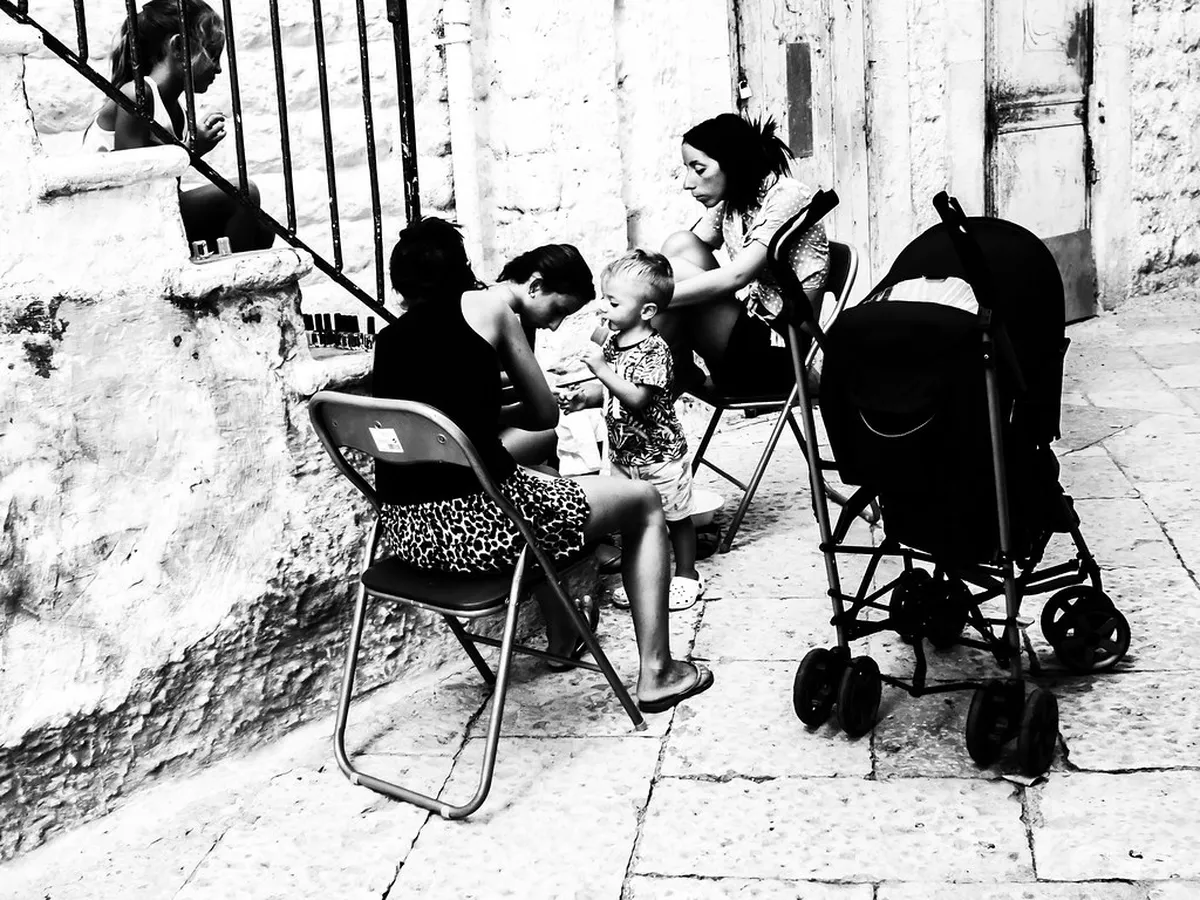
Just a short walk away lies the famous Via Arco Basso, better known as Orecchiette Street. Here, local women — the so-called nonnas — sit outside their ground-floor homes and hand-roll fresh pasta on wooden boards for sale to passersby. I remember walking through this alley and smelling the fresh semolina dough in the humid morning air. The best time to arrive is between 09:00 and 11:30; most of the pasta makers pack up by 13:00 for the afternoon siesta, and by late afternoon the alley is usually empty.
A few etiquette notes that make a real difference: always ask before taking close-up photos of the pasta makers — a simple "posso fare una foto?" gets a warm smile far more often than a camera suddenly in someone's face. Do not pick up the pasta without asking, and do not block the narrow alley with a large group. Buying a bag of dried orecchiette (€3–€5 per 500 g) directly from the nonna you photographed is both good manners and genuinely the best pasta you will find in the city. The fresh pasta, sold by the 250 g portion for around €3, is best if you plan to cook it the same day.
Continue your walk toward the View on Google Maps: Piazza Mercantile for a dose of civic history. This square served as the administrative heart of the city during the medieval period. Look for the Column of Justice where debtors were once tied and publicly shamed for their financial crimes. The area is now filled with cafes and is a great spot for a quick espresso break.
- Day 1: Exploring the Historic Heart of Bari Vecchia
- Morning: Visit Basilica di San Nicola and walk through the Orecchiette Street
- Afternoon: Explore San Sabino Cathedral and the Norman-Swabian Castle
- Evening: Relax at Piazza Mercantile and walk along the Lungomare
- Time: Approximately 6 to 8 hours of active walking and sightseeing
- Logistics: Start at Piazza del Ferrarese for easy access from the port
- Optional: Swap the castle for a longer walk through the Murat district
Museums, Art, and Culture in Old Town
The Norman-Swabian Castle is a massive fortress that guards the western entrance to the old town. You can find Norman-Swabian Castle Details regarding its historical significance and current exhibitions online. Admission typically costs around $9 for adults and the site is open from 9:00 AM to 7:00 PM. I suggest visiting the interior to see the impressive collection of plaster casts and archaeological finds.
The Cathedral of San Sabino offers another layer of history with its underground archaeological site. For a small fee of about $4, you can explore Roman ruins and early Christian mosaics beneath the floor. Churches in Bari usually close for a siesta between 12:30 PM and 4:30 PM, so plan accordingly. This hidden gem provides a quieter alternative to the more famous Basilica di San Nicola nearby.
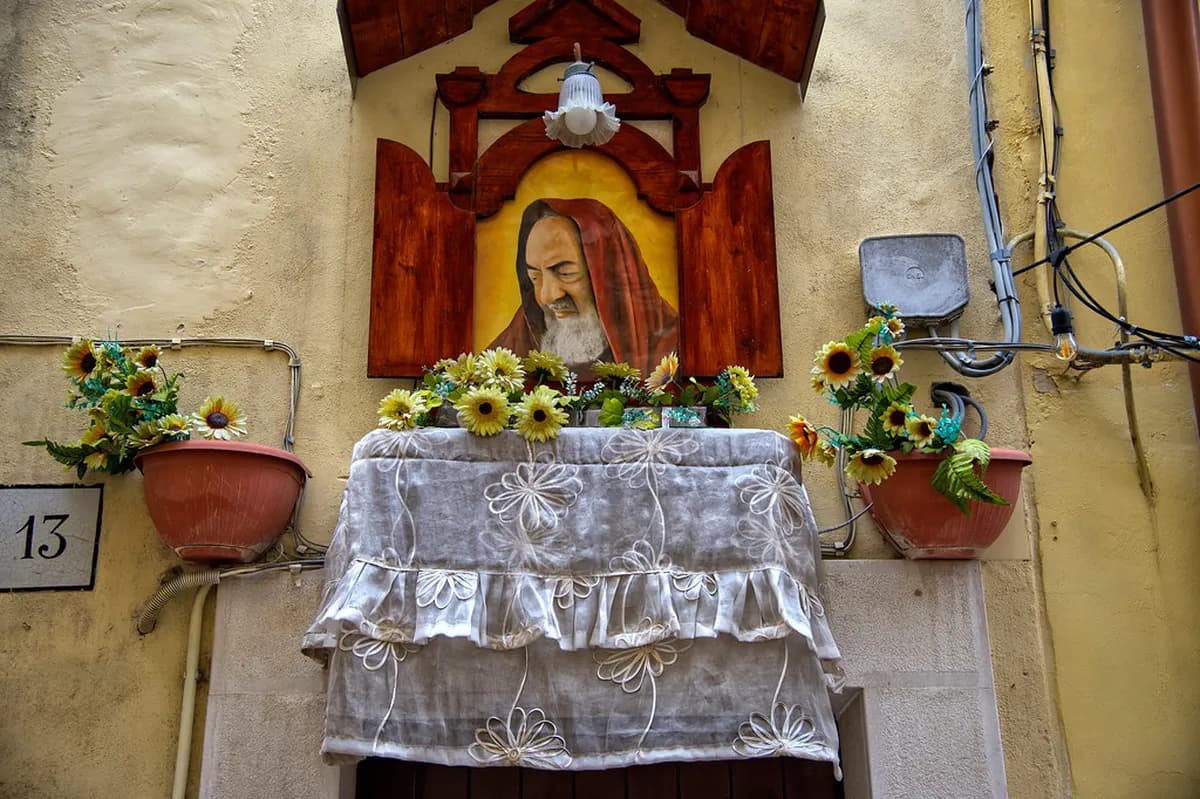
For those interested in Bari hidden gems, seek out the smaller chapels tucked into residential alleys. Many of these local shrines are maintained by neighborhood families and offer a glimpse into local devotion. The Santa Maria del Buon Consiglio ruins are particularly striking for their open-air ancient columns. These spots are often free to view and provide excellent photo opportunities away from the main crowds.
How to Plan a Smooth Bari Walking Tour
Timing your visit correctly makes a significant difference in Bari Vecchia. The best months are April to June and September to October, when the Mediterranean climate delivers long sunny days with temperatures between 18 °C and 26 °C. July and August are brutally hot — afternoon temperatures regularly exceed 33 °C — and cruise ships flood the old town with thousands of day-trippers. If you visit in summer, start your walk no later than 09:00 and take a long indoor lunch break from 13:00 to 16:00 when the heat peaks.
Footwear is non-negotiable: Bari Vecchia's streets are paved with worn limestone slabs and uneven basalt cobblestones. Flat-soled walking shoes or robust trainers with grip are essential. Sandals and flip-flops will slow you down and can be genuinely dangerous on wet stone. Carry a small daypack with a 500 ml water bottle — public drinking fountains are spaced throughout the old town, but they can be hard to spot without a local pointing the way.
The Castello Svevo sells out its timed-entry slots on summer weekends by late morning, so book tickets at least 24 hours ahead at the official museum portal (around €6 in 2026). For the Basilica di San Nicola, no reservation is needed, but arrive before 10:00 on weekdays to have the crypt almost entirely to yourself. Guided walking tours run by local licensed guides typically cost €15–€20 per person and add enormous value for understanding the layered Byzantine, Norman, and Baroque heritage woven into every corner. You can also find several free things to do in Bari that require zero advance planning — most of the old town itself is completely free to explore.
Best Restaurants and Dining in Bari Vecchia
No bari vecchia old town walking guide is complete without mentioning the incredible street food options. You must try the focaccia barese, which is topped with fresh cherry tomatoes and local olives. Panificio Fiore is a legendary spot where a large slice costs approximately $2 and is perfect for lunch. I recommend eating your focaccia while sitting on the stone walls overlooking the small fishing harbor.
When looking for a sit-down meal, search for 'basso' style eateries located in converted ground-floor homes. These family-run spots often serve the most authentic orecchiette with turnip tops for about $10 to $15. Avoid the restaurants that have large picture menus displayed outside on the main tourist squares. Authentic places usually have smaller, handwritten menus that change based on what is fresh at the market.
If you are traveling with family, there are many things to do in Bari with kids related to food. Gelato shops are plentiful, and a small cone usually costs around $3 at most local artisanal parlors. The Piazza del Ferrarese is a safe, open area where children can run while parents enjoy a drink. Ordering 'sgagliozze' or fried polenta squares is a cheap and tasty snack that most kids will enjoy.
Add an Extra Day: Puglia Extensions
If you have more than 24 hours in the area, consider taking a short train ride south. Polignano a Mare is only 20 minutes away by regional train and offers stunning limestone cliff views. The train ticket costs roughly $3 each way and runs frequently throughout the day and evening. This town is famous for its pebble beach and the scenic bridge that overlooks the Adriatic Sea.
Another excellent option is Monopoli, which features a beautiful historic harbor and several sandy beach coves. It takes about 30 minutes to reach Monopoli from the Bari Centrale station via the local rail line. I found that Monopoli feels slightly more relaxed and less crowded than the more famous Polignano a Mare. You can easily see the main sights of both towns in a single well-planned day trip extension.
For more comprehensive things to do in Bari and the surrounding region, check our other guides. The Puglia region is vast and each town has its own unique architectural style and culinary traditions. Using Bari as a base allows you to explore the coast without the need for a rental car. Public transit is reliable enough for these short hops if you check the schedules in advance.
Parks, Gardens, and Outdoor Spots in Bari
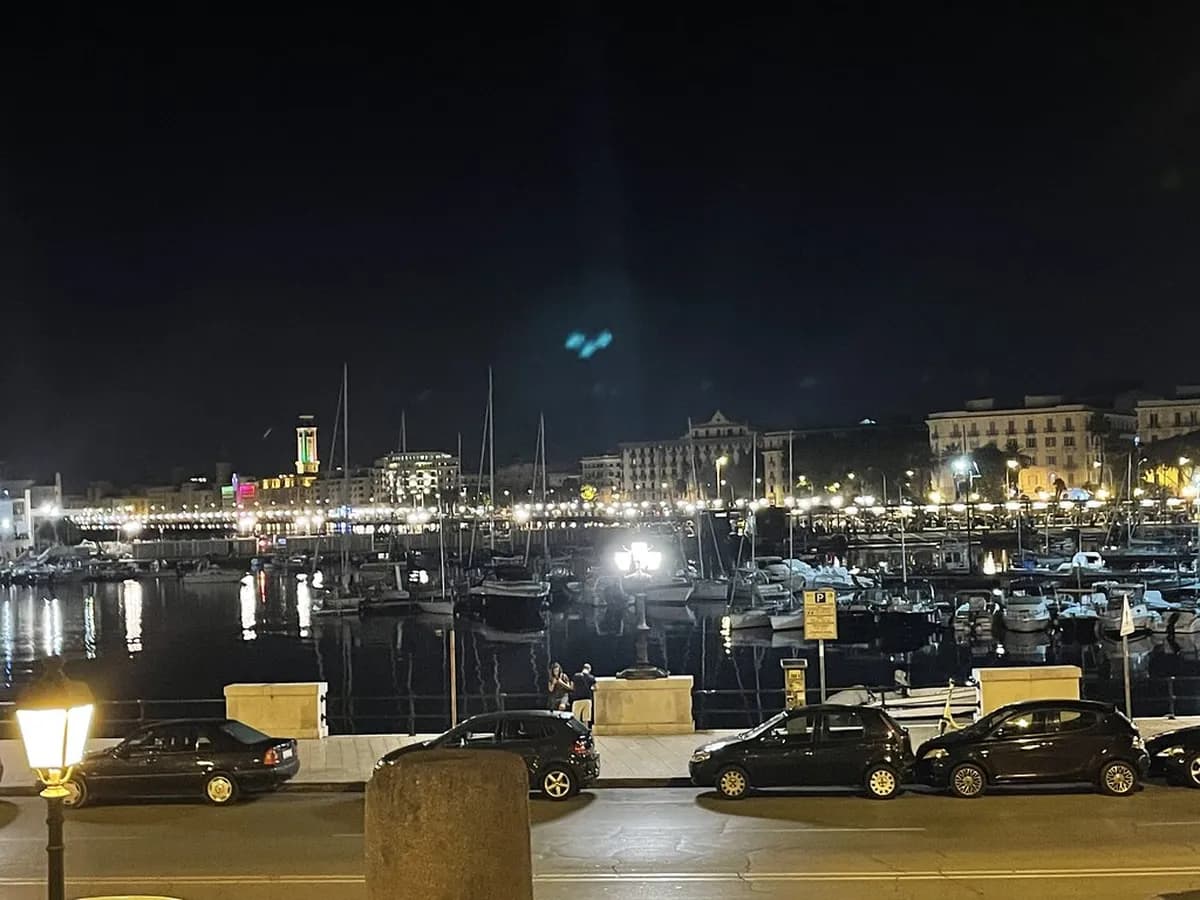
The Lungomare Nazario Sauro is Bari's seafront promenade and one of the most beautiful in southern Italy. The flat, wide walkway stretches for roughly 2 km from the old port past the Castello Svevo and down toward the modern Murat district. An early evening stroll here — locally called the passeggiata — is a time-honored ritual: families, elderly couples, and students all converge on the seafront from around 18:30 as the day cools. The view across the Adriatic toward Albania on a clear evening is genuinely striking.
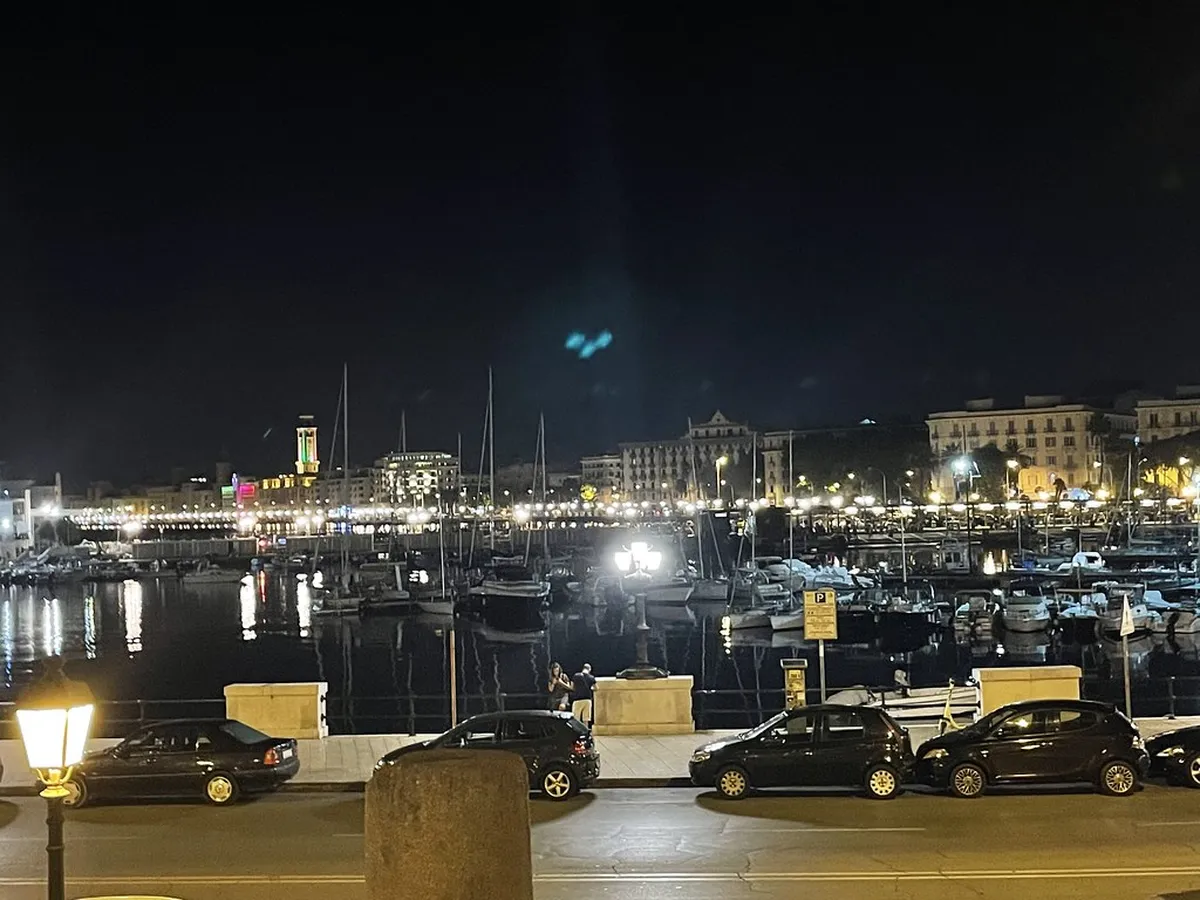
Inside the old town, the small park tucked behind the Castello Svevo offers a shaded bench or two — ideal for a mid-morning rest after the Basilica. The harbor side of Bari Vecchia has a series of low stone walls and bollards where locals perch to eat focaccia and watch the fishing boats. This informal waterfront promenade connects Piazza del Ferrarese with the old port and gives you sweeping views of the white stone rooftops. Arriving at the harbor viewpoint around 09:30, before the cruise crowds, rewards you with the old town almost entirely to yourself against the morning light.
For those who want a longer outdoor experience, the Murat District extension is an easy 20-minute walk from Piazza del Ferrarese along the seafront and up Via Sparano. The 19th-century grid of elegant Art Nouveau buildings contrasts sharply with the medieval tangle of the old town, making it feel like stepping across two centuries in a single block. A full loop — Bari Vecchia by morning, Lungomare at midday, Murat in the afternoon — covers the city's character completely without requiring transport.
Family-Friendly and Budget-Friendly Options
Bari Vecchia is arguably the best free walking destination in Puglia. The old town itself costs nothing to enter, and most of the experience — wandering the alleys, watching the pasta makers, sitting in the squares, exploring the harbor — is completely free. A family of four can have a thoroughly memorable morning for under €20 by combining a coffee stop (€1.20 per espresso at a bar), a round of fresh focaccia from Panificio Fiore (€2 per generous slab), and gelato from a local artisanal parlor (€2.50 per cone).
Children generally love the Orecchiette Street because watching the pasta making is interactive and tactile — many of the nonnas are happy to show a curious child how the pasta is shaped. Buying a bag of dried orecchiette directly from a pasta maker (around €3–€5 per 500 g) makes a meaningful and affordable souvenir that is genuinely unique to Bari. The Piazza del Ferrarese is spacious, partly pedestrianized, and safe for young children to move around freely while adults enjoy an aperitivo at one of the surrounding bars.
For families with older children, the Castello Svevo is an engaging visit at around €6 per adult (children under 18 enter free at state-run museums). The castle's crenellated towers and inner courtyard make a strong impression, and the museum displays inside are well labeled in both Italian and English. Free walking tour operators run regular departures from Piazza del Ferrarese — tips-based, so budget-friendly — and their routes cover the same landmarks in this guide with added storytelling and local anecdote that children respond well to.
Meeting Points and Getting Around
Where you start your walk depends on how you arrive. Arriving by train at Bari Centrale puts you roughly 15 minutes on foot from the edge of the old town. Walk north on Via Sparano, cross Piazza Umberto I, and follow the Corso Vittorio Emanuele II until you reach Piazza del Ferrarese — the most natural gateway into Bari Vecchia from the station side. This piazza is where free walking tours typically begin and where the compact grid of the old town opens up in front of you.
Arriving by cruise ship at the Porto di Bari puts you in an even better position: the passenger terminal is adjacent to the old town and a 5-minute walk brings you directly to the harbor entrance near the Castello Svevo. Cruise passengers should start at the castle, loop through the Basilica di San Nicola, walk Via Arco Basso (Orecchiette Street), and exit via Piazza Mercantile — a circuit that covers the highlights in 2.5 to 3 hours before the ship departs. Avoid starting from the train station if you arrive by sea, as the walk from the port bypasses the most interesting harbor-facing facades of the old town.
Within the old town, all movement is on foot — vehicles are restricted throughout most of Bari Vecchia. For getting around the wider city, Moovit covers Bari's bus and tram network and works well for reaching the train station or the airport. The No. 16 bus links the station to the seafront in around 10 minutes. Taxis are readily available from Piazza Aldo Moro (in front of the station) and there is no surge pricing for the short hop into the old town.
Frequently Asked Questions
Is Bari Vecchia safe for tourists to walk through?
Bari Vecchia is generally safe for tourists during the day and evening. You should stay in well-lit areas and watch for pickpockets in crowded squares. I recommend keeping your valuables secure and avoiding deserted alleys late at night.
What is the best time of day to visit the Orecchiette street?
The best time to visit is between 9:00 AM and 12:00 PM. This is when the local women are most active making pasta outside. Most ladies pack up their tables by 2:00 PM for the afternoon break.
How long does it take to walk through Bari Old Town?
A thorough walk through the old town takes about 3 to 4 hours. This includes stops at the major churches and the castle. If you stop for lunch and shopping, plan for a full 6-hour experience.
Bari Vecchia is a captivating destination that offers a true taste of traditional Pugliese life. By following this walking guide, you can experience the best of the city in just one day. I hope you enjoy the unique atmosphere of the limestone streets and the delicious local flavors. Remember to take your time and let the city reveal its secrets at its own pace.
You might also like

Continue reading
More guides you'll find useful