10 Best Things to Eat in Matera: A Local Food Guide (2026)
Discover what to eat in Matera, from traditional Pane di Matera and Pignata to the best cave restaurants in the Sassi. Plan your culinary trip today.
On this page
10 Best Things to Eat in Matera
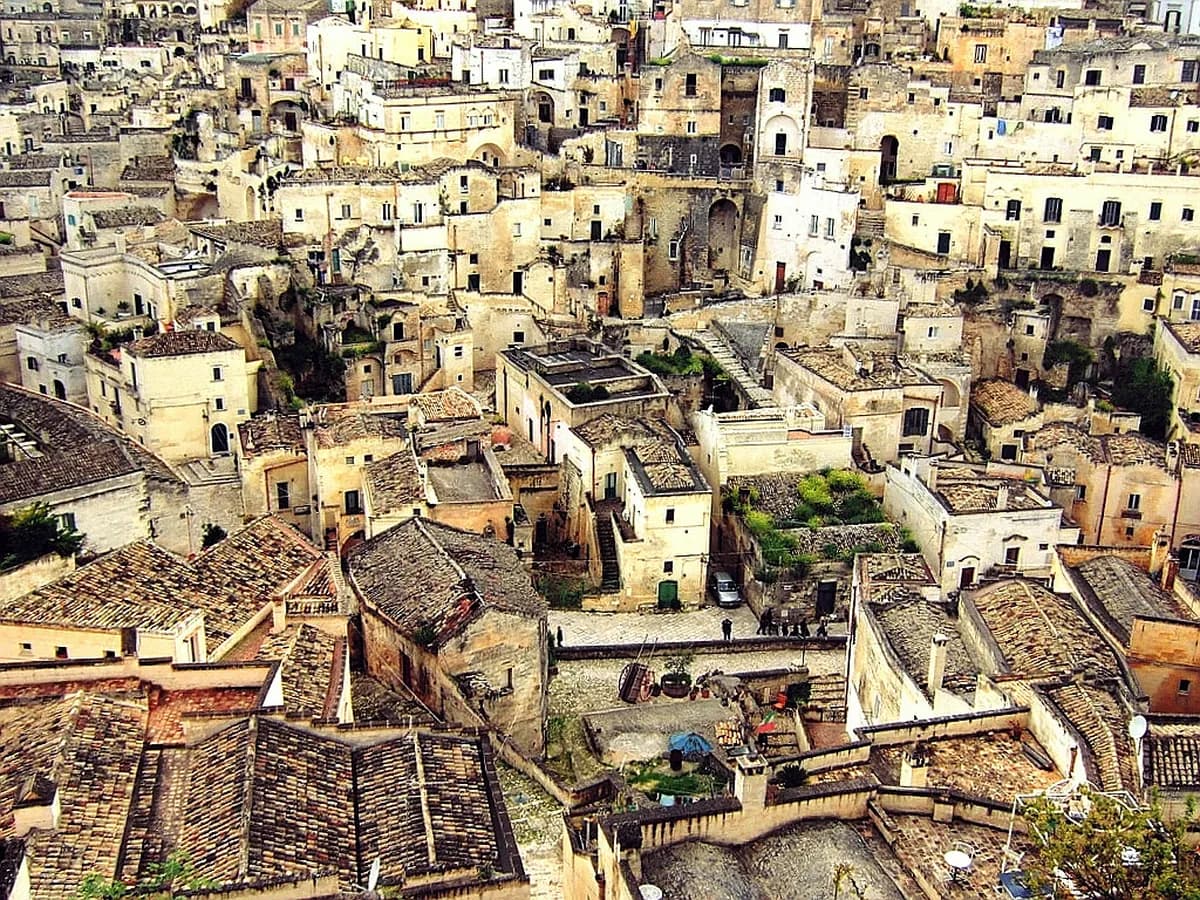
After exploring the ancient Sassi over several visits, I have discovered that Matera's soul resides in its kitchens. The city has transformed from a place of historical hardship into one of Italy's most compelling culinary destinations. Local chefs today elevate humble peasant ingredients into sophisticated dishes that honor the rugged Basilicata landscape. This guide reflects my latest findings from a return trip in late 2025 to ensure the most current advice.
Updated October 2025, this list focuses on authentic Lucanian flavors that define the identity of the Sassi. Matera's food is deeply seasonal, relying on the harvest of the nearby Murgia plateau and ancient preservation techniques. From the iconic bread to slow-cooked lamb, every bite tells a story of community and survival. I have vetted these recommendations to help you navigate the maze of cave-dwelling eateries and street food stalls.
While many visitors come for the views, the real magic happens when you sit down for a traditional meal. Expect to find hearty legumes, handmade pasta, and the famous crunchy peppers that locals call 'red gold.' Our editors have reviewed dozens of spots to find the perfect balance between tradition and modern flair. Prepare your palate for a journey through one of the oldest continuously inhabited cities in the world.
Key Takeaways
- Best Overall: Pane di Matera (IGP) is the must-try staple found at every meal.
- Best for Atmosphere: Book a table at La Lopa to dine in a cave with a hidden cinema.
- Best for Budget: Look for Crapiata soup or Cialledda for a filling, low-cost traditional meal.
- Quick Tip: Always check for the 'coperto' charge on your bill to understand the total cost.
The Heritage of Lucanian Cuisine in Matera
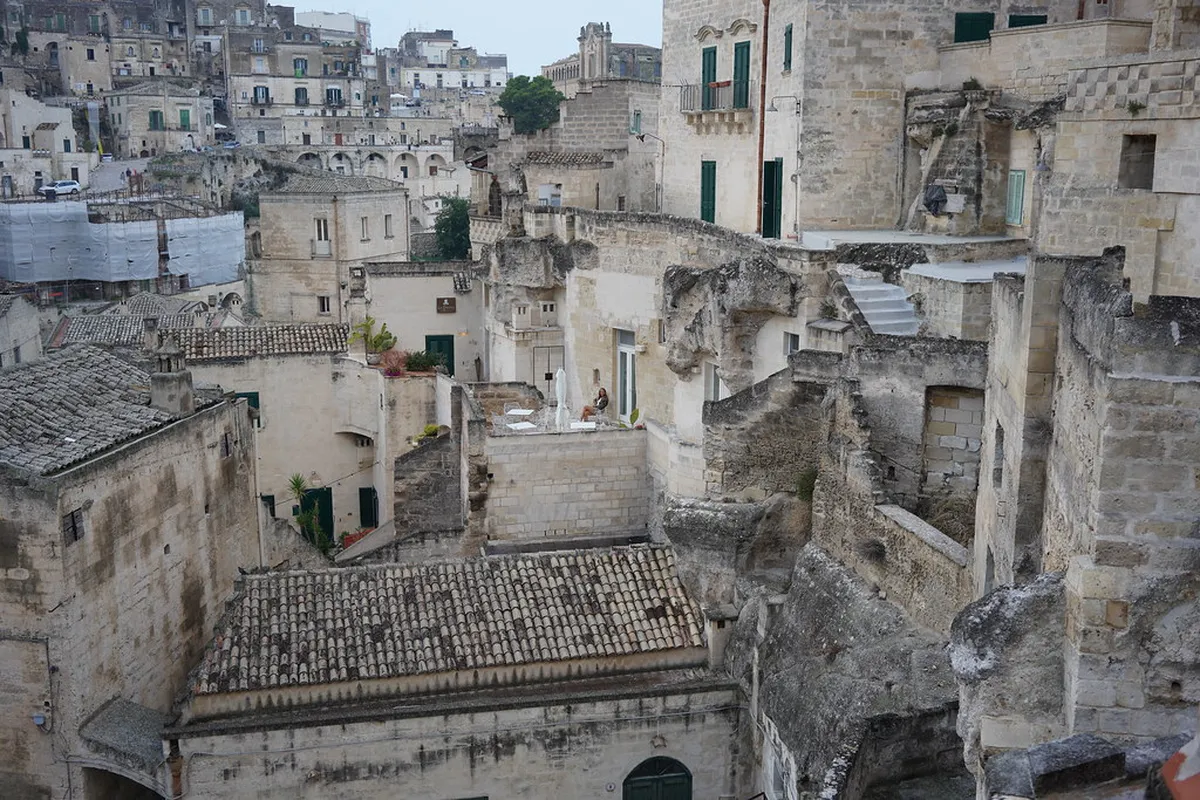
The food of Matera is inseparable from its history as a city carved into limestone cliffs. For centuries, families lived in caves and relied on communal ovens to bake their daily sustenance. This history created a culture centered on sharing and making the most of very limited resources. Today, these traditions are celebrated through the Italy Wander blog as essential cultural heritage.
Book a table at La Lopa to dine in a cave with a hidden cinema room inside—this venue combines local flavors with cinematic history, making it a favorite for culture enthusiasts.
Ancient grains and legumes form the backbone of the local diet due to the region's agricultural roots. Durum wheat grown in the surrounding fields produces some of the most resilient and flavorful bread in Europe. The 'Holy Trinity' ritual in bread making is still practiced by local bakers to bless the dough. You will see three distinct cuts on the loaves, representing a historical religious devotion in communal spaces.
Modern Materan dining often takes place inside these very same historical caves, providing a unique atmosphere. Chefs are now reclaiming 'cucina povera'—the cuisine of the poor—as a badge of regional pride. You can learn more about these unique environments in our matera cave restaurants guide. This evolution ensures that ancient recipes survive while meeting the expectations of contemporary food lovers.
10 Best Things to Eat in Matera
The following list represents the essential flavors that every visitor should experience while wandering the Sassi. I have selected these items based on their historical significance and their presence in the best local kitchens. Each dish offers a sensory connection to the limestone caves and the sun-drenched fields of Basilicata. Check out our best restaurants in Matera list for specific venue recommendations.
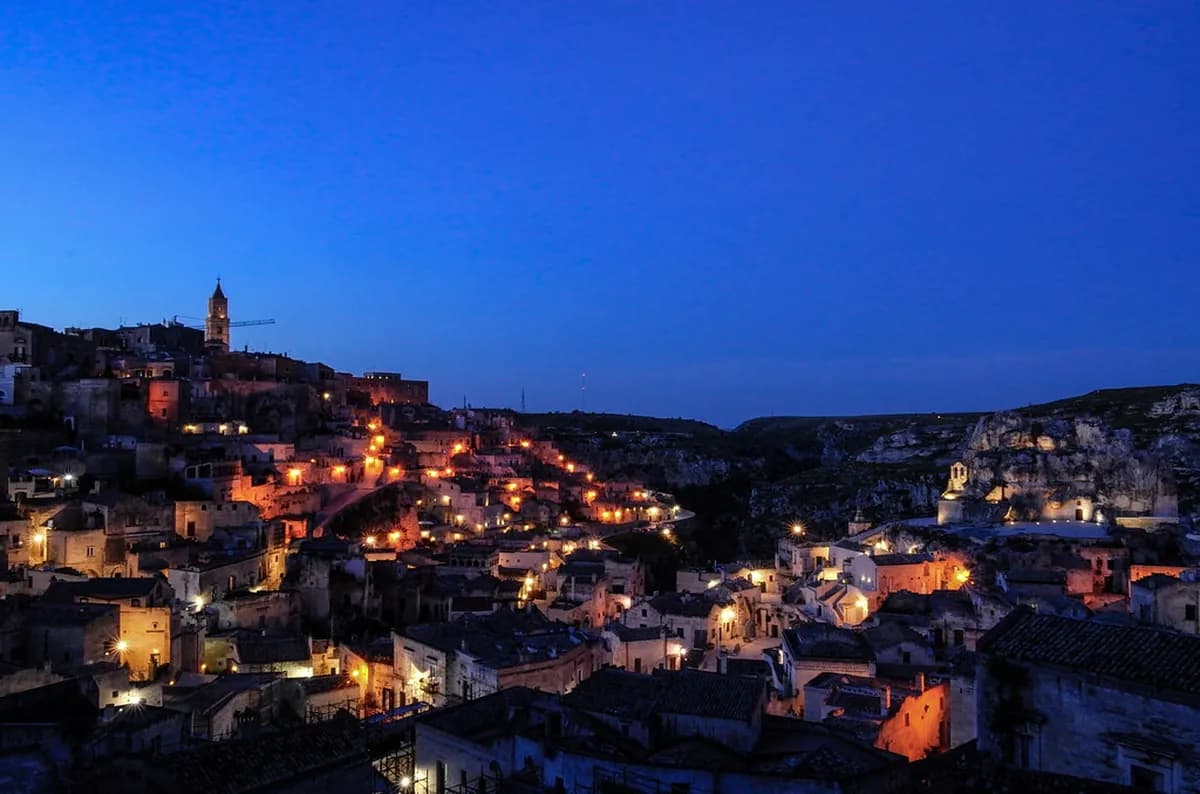
Dining in Matera is a slow affair that encourages conversation and appreciation for local craftsmanship. Most traditional meals begin with a variety of antipasti that highlight seasonal vegetables and cured meats. I recommend starting your culinary journey with a walk through the Sassi to build an appetite. Many of these dishes are best enjoyed in the evening when the cave lights begin to flicker.
Prices for these traditional items remain relatively accessible compared to major Italian hubs like Rome or Florence. Expect to pay between $12 and $25 for a hearty main course in a mid-range osteria. Always look for the 'IGP' or 'DOC' labels to ensure you are tasting authentic regional products. These designations protect the quality and origin of Matera's most famous exports.
| Dish | Type | Price per Serving | Why Try It |
|---|---|---|---|
| Pane di Matera | Bread (IGP) | $5–$6 | Iconic sourdough with 3 cuts symbolizing Holy Trinity |
| Cialledda | Salad | $9–$14 | Refreshing bread salad perfect for summer lunch |
| Pignata | Slow-cooked lamb | $18–$26 | Tender meat layered in sealed earthenware pot |
| Crapiata | Legume soup | $10–$15 | Harvest celebration soup with beans, chickpeas, lentils |
| Peperoni Cruschi | Fried peppers | $6 (stall) | Dried Senise peppers, crunchy 'red gold' of Basilicata |
- Pane di Matera (IGP) Sourdough Bread
- This iconic conical sourdough bread features a thick, dark crust and a porous, straw-colored interior.
- Bakers traditionally apply three distinct cuts to the dough to symbolize the Holy Trinity during baking.
- You can purchase a fresh loaf for roughly $5 per kilogram at local bakeries like Panificio Paoluccio.
- Most shops are open from 8am to 1pm and again in the late afternoon for the evening rush.
- Cialledda Cold Bread Salad
- This refreshing dish utilizes stale Matera bread soaked in water and tossed with tomatoes and cucumbers.
- Locals often add carosello cucumbers and wild herbs to create a light but filling summer meal.
- A generous bowl usually costs between $9 and $14 at most casual lunch spots in the Sassi.
- Ask for a drizzle of extra virgin olive oil to enhance the flavors of the sun-ripened vegetables.
- Pignata Slow-Cooked Lamb
- Chunks of lamb are layered with potatoes, celery, and onions inside a sealed earthenware clay pot.
- The dish slow-cooks for hours in a wood-fired oven until the meat becomes incredibly tender and succulent.
- Expect to pay $18 to $26 for this hearty specialty at traditional restaurants like Ristorante del Caveoso.
- It is best ordered during the cooler months when the warmth of the clay pot is most welcome.
- Crapiata Traditional Legume Soup
- This ancient harvest soup combines various beans, chickpeas, lentils, and wheat berries in a simple broth.
- It was historically prepared at the end of the harvest to celebrate community and shared agricultural success.
- Most osterias serve a bowl for $10 to $15, often accompanied by toasted slices of local bread.
- Look for this on the menu at Osteria Pico for a truly authentic and rustic preparation.
- Peperoni Cruschi Fried Peppers
- These sweet Senise peppers are dried in the sun and then flash-fried in olive oil for crunch.
- They serve as the 'red gold' of Basilicata, used as a snack or a savory pasta topping.
- Small bags are available at street food stalls for $6, while restaurant portions vary by dish.
- Try them at La Cola Cola Official Site for a perfectly crisp and salty experience.
- Orecchiette alla Materana Pasta
- Handmade ear-shaped pasta is tossed with a rich tomato sauce, local sausage, and creamy mozzarella cheese.
- The dish is typically finished in the oven to create a delicious crust over the melted cheese.
- A standard plate costs about $14 to $19 and is a staple of Sunday family lunches.
- Search for smaller, family-run trattorias away from the main tourist squares for the best handmade dough.
- Fave e Cicoria Bean Puree
- Creamy dried broad bean puree is served alongside bitter sautéed wild chicory and plenty of olive oil.
- This dish perfectly represents the balance of sweet and bitter flavors found in southern Italian peasant cooking.
- It is a vegetarian-friendly option that usually ranges from $11 to $16 at most local eateries.
- I recommend pairing it with a glass of crisp white wine to cut through the richness.
- Strazzate Almond and Chocolate Cookies
- These crumbly, irregularly shaped cookies are made with toasted almonds, cocoa, and a hint of strega liqueur.
- The name comes from the local dialect for 'torn,' referring to the rough way the dough is shaped.
- A small tray from a local pasticceria will cost you around $8 to $12 depending on weight.
- They are the perfect accompaniment to a strong Italian espresso after a long day of sightseeing.
- Matera DOC Aglianico Wine
- The volcanic soil of the region produces bold, tannic red wines with notes of dark fruit and spice.
- Aglianico is the star grape here, often aged in cave cellars to maintain a constant, cool temperature.
- A bottle at a restaurant typically starts at $22, while glasses are available for $6 to $9.
- Visit a local enoteca for a tasting session to discover the nuances of different Matera sub-zones.
- Scorzette Chocolate Covered Orange Peel
- These delicate treats consist of candied orange or lemon peels dipped in high-quality dark chocolate.
- They offer a bright, citrusy finish to a meal and are a favorite local gift for visitors.
- Expect to pay $10 for a decorative box at specialty confectioners like Pasticceria Schiuma.
- The shops are usually open daily from 9am to 8pm, though some close for a midday siesta.
Best Cave Restaurants for an Authentic Sassi Experience
Dining inside a limestone cavern is the quintessential Matera experience that you simply cannot miss. Each cave restaurant carves out its own identity: some lean into cavernous elegance with vaulted stone ceilings and candlelit alcoves, while others trade on panoramic terraces above the Gravina gorge. Choosing between them depends entirely on the mood you want. A useful rule: go to Osteria Pico for multi-level cavern atmosphere and refined Lucanian cooking, and head to San Biagio Ristorante when you want wide views of the ancient city glowing at dusk.
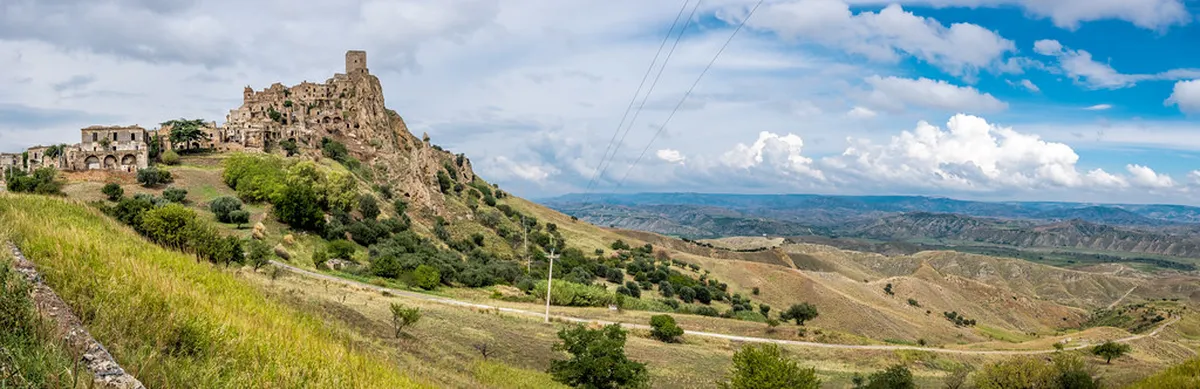
Osteria Pico sits deep in the Sasso Caveoso and rewards visitors who make the effort to find it. The cave interior unfolds across several interconnected chambers, each lit with warm amber light that picks out the rough-hewn tufa walls. The menu leans traditional: expect Pignata ordered well in advance, housemade orecchiette with Peperoni Cruschi, and a wine list anchored by Aglianico del Vulture. Mains run €18–€26; book via TheFork or call at least two days ahead in high season.
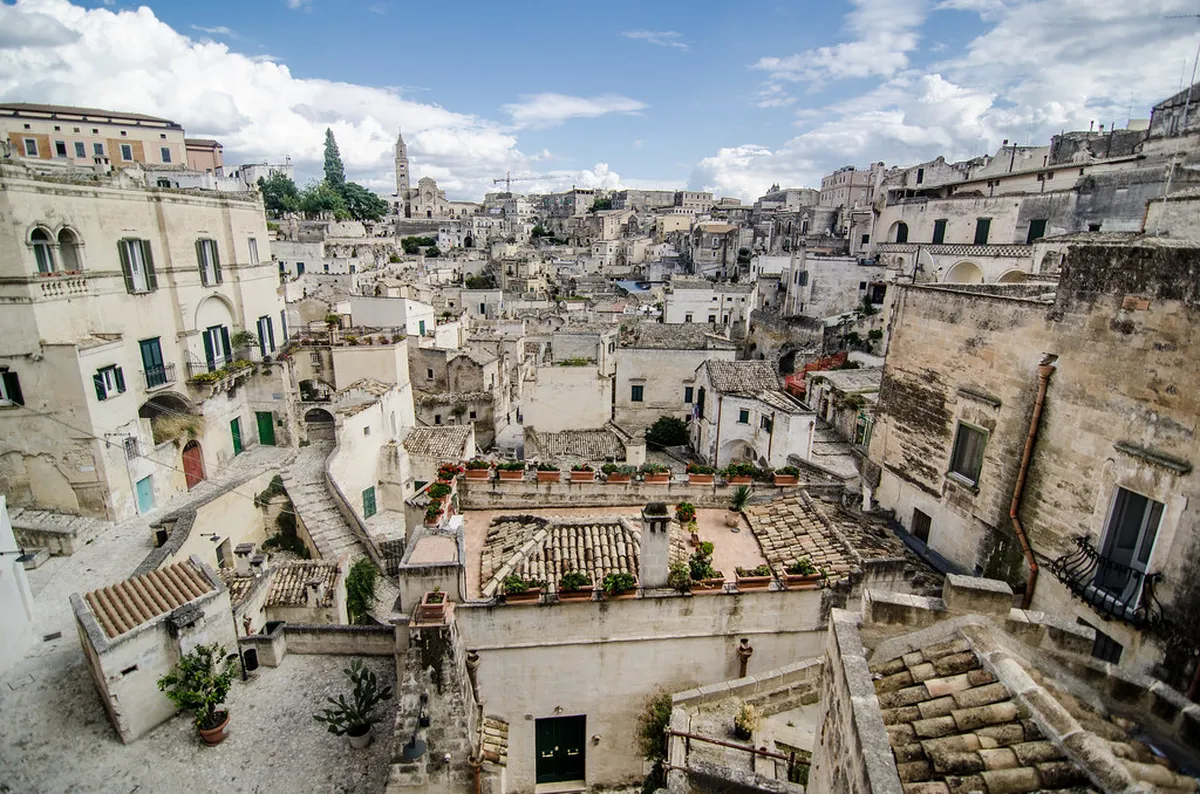
San Biagio takes a different approach, placing you on a terrace that hovers above the gorge. It is the choice when the visual spectacle of Matera—the white-stone churches, the cascade of Sassi dwellings, the blue Lucanian sky—is as important as the food. The kitchen does solid regional classics, and the house Primitivo is reliably good at around €6 a glass. Terrace seating fills fast; reserve through TheFork and confirm the day before to ensure your outdoor spot.
La Lopa is the most singular experience of the three. It occupies a converted cellar in the Sasso Barisano and is locally famous for two things: its ever-changing Sunday pasta (past editions have included orecchiette with tomato sauce layered over ricotta ravioli with fennel sausage hidden between them) and a hidden cinema room at the back of the cave. After dessert—try the tiramisu—ask to be shown the movie room. Seats and beanbags face a small screen that plays short clips of films shot in Matera since the 1950s: The Passion of the Christ, The Omen, King David, and Wonder Woman all used the city as a backdrop. The owner, Antonella, also crafts hand-poured candles shaped like the Matera skyline, called Meteoron (meaning "star-studded sky"), which make for a far better souvenir than anything in the tourist shops. Reservations are essential on Sundays; mid-week is easier to walk in.
| Restaurant | Best For | Signature Dish | Avg. Spend (per person) | Book Via |
|---|---|---|---|---|
| Osteria Pico | Cavern elegance, romantic dinners | Pignata (clay-pot lamb) | €35–€50 | TheFork or phone |
| San Biagio | Canyon views, sunset aperitivo | Orecchiette alla Materana | €30–€45 | TheFork |
| La Lopa | Unique atmosphere, Sunday pasta | Pasta della Domenica + cinema room | €25–€40 | Phone or walk-in (weekdays) |
Is Dining in Matera Expensive?
Compared to the high prices of Venice or Milan, Matera remains a relatively affordable destination for foodies in 2026. A casual lunch of street food, focaccia, or a tramezzino from a local bar can cost as little as €7 to €11. Mid-range dinners with a glass of local wine typically land between €30 and €50 per person. You can find more pricing details in our pane di matera guide for bakery items.
Most restaurants add a coperto (cover charge) of €2 to €4 per person, which usually covers freshly baked bread and basic table service. This is standard practice across Basilicata, so factor it in when budgeting. Tipping is not expected but leaving €2–€3 for good service is always appreciated. I tend to round up the bill rather than calculate a percentage—locals do the same.
Fine dining does exist in the Sassi for those celebrating a special occasion. Tasting menus at Michelin-recognized restaurants run €75 to €130 excluding wine pairings. That said, some of the most memorable meals I have had were in simple osterias with checked tablecloths and no printed menu—just whatever came in that morning. In Matera, simplicity and quality often go hand in hand.
What to Skip: Common Tourist Traps in the Sassi
While Matera is generally authentic, some spots near the main piazzas cater specifically to day-trippers. Avoid restaurants that display large photos of food on boards outside their entrance. These 'tourist menus' often feature generic Italian dishes rather than true Lucanian specialties. You will likely pay more for lower quality ingredients in these high-traffic locations.
Be cautious of pre-packaged 'traditional' gift baskets sold in souvenir shops along the main roads. Often, these items are mass-produced elsewhere and lack the flavor of fresh local products. I recommend buying your peppers and pasta from local markets where the residents shop. A quick visit to the central market will yield much better results for your kitchen back home.
Skip the restaurants that do not have a clear wine list featuring local Matera DOC labels. A lack of regional wine often indicates a lack of commitment to the local culinary ecosystem. Authentic spots take pride in their Aglianico and Primitivo selections from nearby vineyards. You can find better value and taste by sticking to the local house wine in most cases.
Essential Tips for Booking and Dining in Matera
Booking a table in advance is highly recommended, particularly during the spring and autumn festivals. Many of the best cave restaurants have limited seating due to the physical constraints of the caverns. I suggest using online platforms or asking your hotel to call a day or two ahead. Consider a guided tour from Tripadvisor - Matera Private Tours to find hidden local favorites.
Wear comfortable shoes when heading out for dinner as the Sassi paths are notoriously uneven. The walk to your restaurant might involve several flights of steep stone stairs and slick cobblestones. Navigating the maze at night is beautiful but requires a bit of focus and steady footing. I always allow an extra fifteen minutes to find my way through the winding alleys.
Most restaurants in Matera follow traditional Italian dining hours with lunch from 12:30pm to 2:30pm. Dinner service typically starts at 7:30pm or 8:00pm and continues until late in the evening. If you arrive at 6:00pm hoping for a full meal, you will likely find the kitchens closed. Enjoy a local aperitivo with some olives and taralli while you wait for the doors to open.
Pane di Matera and the Holy Trinity Ritual
No food in Matera carries more cultural weight than its IGP-protected sourdough bread. The loaves are large, conical, and unmistakable: the crust is dark and crackly, almost charred at the ridge lines, while the interior is straw-yellow and riddled with the large, irregular air pockets that come from a long, slow fermentation. The grain responsible is Senatore Cappelli, an ancient Lucanian durum wheat variety whose low gluten content and high protein density produce a bread that tastes faintly of hazelnuts and keeps fresh for up to a week.
Before the loaves enter the oven, a baker scores the dough with three deliberate cuts using a sharp blade. This act is not decorative—it is a benediction. The three cuts represent the Holy Trinity, a ritual performed by every generation of Materan bakers going back to the Middle Ages, when bread was the difference between eating and going hungry. The practice survived even as everything else changed around it.
Until the 1950s, most families lacked private ovens. Instead, they brought their risen dough to the town's communal wood-fired ovens early each morning. An oven assistant—a role passed down through families—would walk the Sassi streets blowing a whistle at six, eight, and ten o'clock to announce each baking slot. Neighbors knew each other's loaves by the shape they rolled them into, a kind of edible signature. Those communal ovens are gone now, replaced by industrial bakeries that follow the same method, but the whistle tradition and the three-cut ritual live on as a protected cultural memory. When you pick up a loaf at Panificio Paoluccio on Via del Corso and see those three scored lines, you are holding that memory in your hands. Expect to pay roughly €4–€6 per kilogram; bakeries typically open from 07:30 to 13:00 and again from 16:30 to 19:30.
Local Wines, the Matera DOC, and Aperitivo in the Sassi
Basilicata's volcanic soils and extreme summer heat produce wines with more personality than their modest price tags suggest. The anchor grape is Aglianico del Vulture, grown on the slopes of Monte Vulture about 60 km northwest of Matera, but the city's own Matera DOC designation—granted in 2005—covers wines made from Primitivo, Greco, and Malvasia vines grown closer to the Sassi. In practice, most cave restaurants stock both. Primitivo (the same grape as California's Zinfandel) pours as a jammy, medium-bodied red that pairs naturally with Pignata and grilled lamb. Aglianico is the more serious option: dense, tannic, and improved by a few years in the bottle. A glass at a restaurant runs €5–€8; bottles start at €18–€22. Look for labels from Cantina di Venosa and Grifalco for reliable entry-level quality.
White wine is less celebrated but worth exploring. The local Greco Bianco—floral, slightly mineral, with a bitter almond finish—is an underrated match for Cialledda and raw shellfish from the Ionian coast, an hour's drive south. If you are not a wine drinker, ask for a spumante locale: a semi-dry sparkling wine made from local grapes, lighter than Prosecco and native to the region.
Aperitivo in Matera typically starts between 18:30 and 20:00, right as the evening light turns the Sassi amber. Most bars in the Civita district serve a glass of Primitivo or local spumante alongside a spread of Pecorino di Filiano cheese cubes, sliced soppressata salumi, taralli crackers, and a small bowl of Peperoni Cruschi. The total cost is usually €6–€9 per person and acts as a starter before the later dinner service. The rooftop terrace at San Biagio and the courtyard bars along Via Ridola are the best spots to experience this ritual while watching the city lights slowly illuminate the ancient stone. This informal pre-dinner window is also when locals are most visible—use it to ask for restaurant tips or to confirm your reservation for the evening.
Frequently Asked Questions
What is the most famous dish in Matera?
The most famous dish is Pane di Matera, an IGP-protected sourdough bread known for its unique conical shape and thick crust. It is often served with Cialledda, a traditional bread salad, or used to scoop up hearty legume soups like Crapiata.
Are there vegetarian options in Matera?
Matera is excellent for vegetarians because Lucanian cuisine relies heavily on legumes and vegetables. Dishes like Crapiata soup, Fave e Cicoria, and Orecchiette with tomato and fried peppers are naturally meat-free and widely available.
Do I need to tip at restaurants in Matera?
Tipping is not mandatory in Matera as a cover charge called 'coperto' is usually added to your bill. However, leaving a small amount of change or rounding up the bill is a kind gesture for exceptional service.
Eating your way through Matera is more than just a culinary exercise; it is a way to connect with the city's resilient history. By choosing traditional dishes like Pignata and Peperoni Cruschi, you support the local farmers and artisans who keep these traditions alive. I hope this guide helps you find the most authentic flavors hidden within the limestone walls of the Sassi.
Whether you are dining in a cinema cave or enjoying street food on a panoramic terrace, Matera will leave a lasting impression. Remember to book ahead and step away from the main squares to find the true heart of Lucanian cooking. Enjoy your journey through one of Italy's most unique and delicious landscapes.
Explore More: Eating in Matera
Keep planning with these related guides.
You might also like


Continue reading
More guides you'll find useful