Pane Di Matera Guide Travel Guide
Plan your pane di matera guide with top picks, neighborhood context, timing tips, and practical booking advice for a smoother trip.
On this page
Pane Di Matera Guide
I have explored the winding streets of Matera many times to find the perfect crust. Last updated October 2024, this guide shares my favorite local secrets for bread lovers. I once waited an hour at Panificio Cifarelli just to get the last warm loaf.
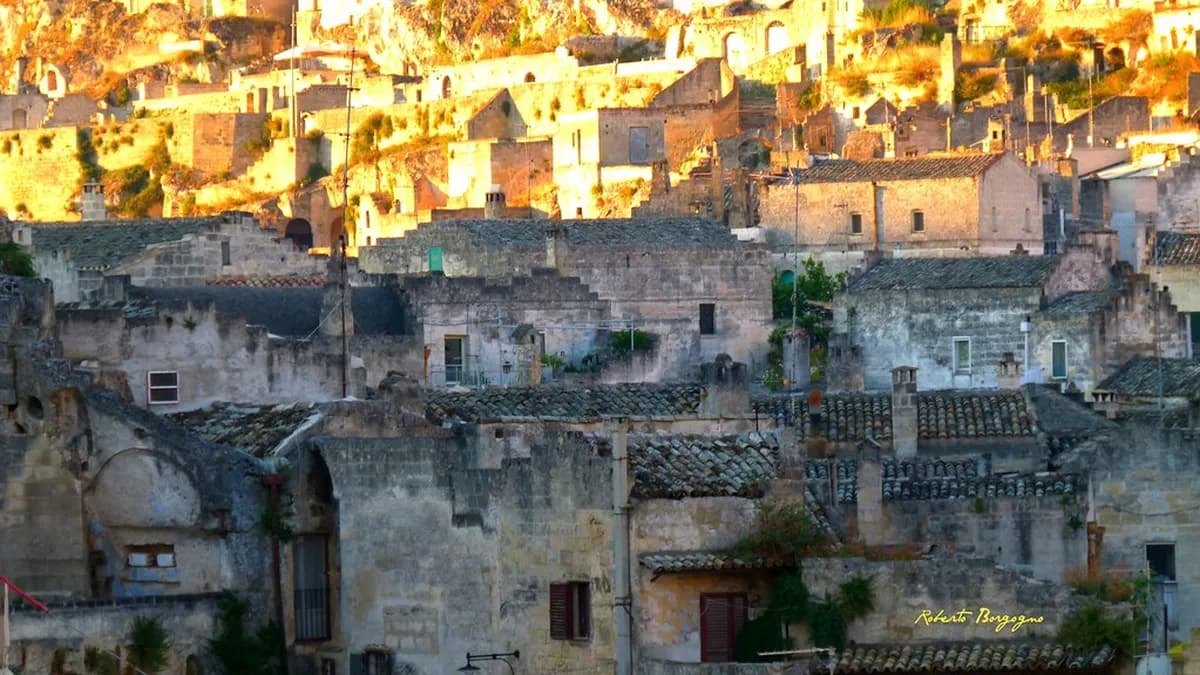
Matera is famous for its ancient stone dwellings and incredible culinary traditions. The local bread is more than just food; it is a symbol of the city. You will find that every bakery has a unique story and a dedicated following.
Quick Answer: The best option is visiting Panificio Paoluccio before 9am, costing €5 / ~$5.50 for a ten-minute purchase. This bread stays fresh for ten days and pairs well with local olive oil. For a seated meal, try a cave restaurant in the Sassi district.
Must-See Pane Attractions
Finding the best bread requires knowing where the locals shop each morning. Most traditional bakeries are tucked away in the historic Sassi districts. You should look for the official IGP seal to ensure authentic quality and taste.
Store your Pane di Matera in a brown paper bag for at least one week—plastic bags trap moisture and make the crust soggy. The thick, dark crust (at least 3 millimeters) protects the straw-yellow interior from drying out.
The bread of Matera has a history that stretches back hundreds of years. Families used to bake their loaves in large communal ovens shared by the neighborhood. This tradition created a strong sense of community that still exists today.
Many visitors enjoy taking a walking tour of Matera to see these ancient ovens. These tours provide context on how the bread shaped the city's unique cave culture. You can see the original stone structures where thousands of loaves were once baked.
- Step 1: Locate a certified IGP bakery in the Sassi district
- Costs about €5 / ~$5.50 per kilo and takes ten minutes to purchase.
- Look for the yellow and blue circular logo on the shop window.
- Local bakeries often close for a long break in the afternoon.
- Step 2: Look for the unique three-pointed conical shape
- Takes only a few seconds to verify the shape at the counter.
- This specific form represents the Holy Trinity and the local mountains.
- Avoid loaves that look like standard round boules or long baguettes.
- Step 3: Examine the dark and thick outer crust
- Usually takes one minute to inspect the quality before buying the loaf.
- The crust should be at least three millimeters thick for authenticity.
- A thick crust keeps the inside soft for over one week.
- Step 4: Verify the internal crumb is straw-yellow
- Expect to spend five minutes discussing the flour types with staff.
- The color comes from the local durum wheat grown in Basilicata.
- White bread is not traditional and lacks the deep nutty flavor.
- Step 5: Ask for a traditional wooden bread stamp
- Stamps cost roughly €15 / ~$16.50 and take five minutes to choose.
- These items were historically used to identify family loaves in ovens.
- They make excellent gifts and are still carved by local artisans.
- Step 6: Store your bread in a brown paper bag
- Takes two minutes to wrap and protects the bread for a week.
- Never use plastic bags as they make the crust very soggy.
- Keep the loaf in a cool and dry place in your kitchen.
The History and Culture Behind Pane di Matera
Pane di Matera earned its IGP (Protected Geographical Indication) status in 2008, making it one of only a handful of Italian breads with formal EU protection. The designation covers the entire production cycle: the durum wheat must be grown in Basilicata, the flour milled locally, and the loaf shaped and baked within the province of Matera. This tight geographic chain is not bureaucratic paperwork — it is what gives the bread its straw-yellow crumb and deep, slightly tangy flavor.
The bread's shape tells a story in itself. The traditional three-pointed conical form is said to represent the Holy Trinity, though many Materans point out that the points also mirror the jagged peaks of the Murgia plateau visible from the Sassi. Before municipal ovens existed, every family imprinted their raw dough with a carved wooden stamp — a punzone — so that the village baker could return the right loaf after baking. You can still find these stamps carved by hand in craft shops throughout the Sassi Caveoso. They make far more meaningful souvenirs than generic ceramics.
For deeper cultural context, the MUSMA sculpture museum in Palazzo Pomarici houses works carved from the same yellow tuff stone that lines the ancient communal bread ovens. Walking through its cave galleries alongside modern art makes the continuity of this stone-obsessed culture viscerally clear. A visit pairs well with a morning bakery run — budget about two hours for both.
- Compare your options for experiencing Matera bread
- Local Bakeries: €5 / ~$5.50 per loaf, best for fresh morning snacks.
- Cave Restaurants: €15 / ~$16.50 per meal, ideal for a comfortable seated experience.
- Guided Food Tours: €40 / ~$44.00 per person, perfect for learning deep history.
- Cooking Classes: €70 / ~$77.00 per session, best for those wanting hands-on skills.
Parks, Gardens, and Outdoor Spots in Pane
Eating fresh bread outdoors is the best way to enjoy the local scenery. I recommend taking your loaf to the Murgia Materana Park for a picnic. The views of the Sassi from across the canyon are absolutely breathtaking.
You can join a Matera tour with Murgia Materana Canyon Hike to find the best spots. These trails lead to ancient cave churches with stunning panoramic vistas. It is the perfect place to break bread with friends while watching the sunset.
The park is usually open all day and offers many quiet corners for hikers. You should bring plenty of water and a sharp knife for your bread. The rugged landscape provides a dramatic backdrop for a simple and delicious Italian meal.
- Essential checklist for your Matera bread picnic
- Bring a reusable cloth bag for the large loaf.
- Carry small euro bills for faster transactions at bakeries.
- Wear comfortable walking shoes for the hilly Sassi streets.
- Download an offline map to find hidden back-alley ovens.
- Check the local holiday schedule for bakery closures.
Family-Friendly and Budget-Friendly Options in Pane
Matera is an excellent destination for families traveling on a modest budget. A single large loaf of bread can feed a whole family for several days. It is a cost-effective way to enjoy high-quality local ingredients without overspending.
Many shops offer small samples of focaccia or local biscuits for children to try. These snacks are often very affordable and provide a quick energy boost for sightseeing. You can find more tips in our matera food guide for budget travelers.
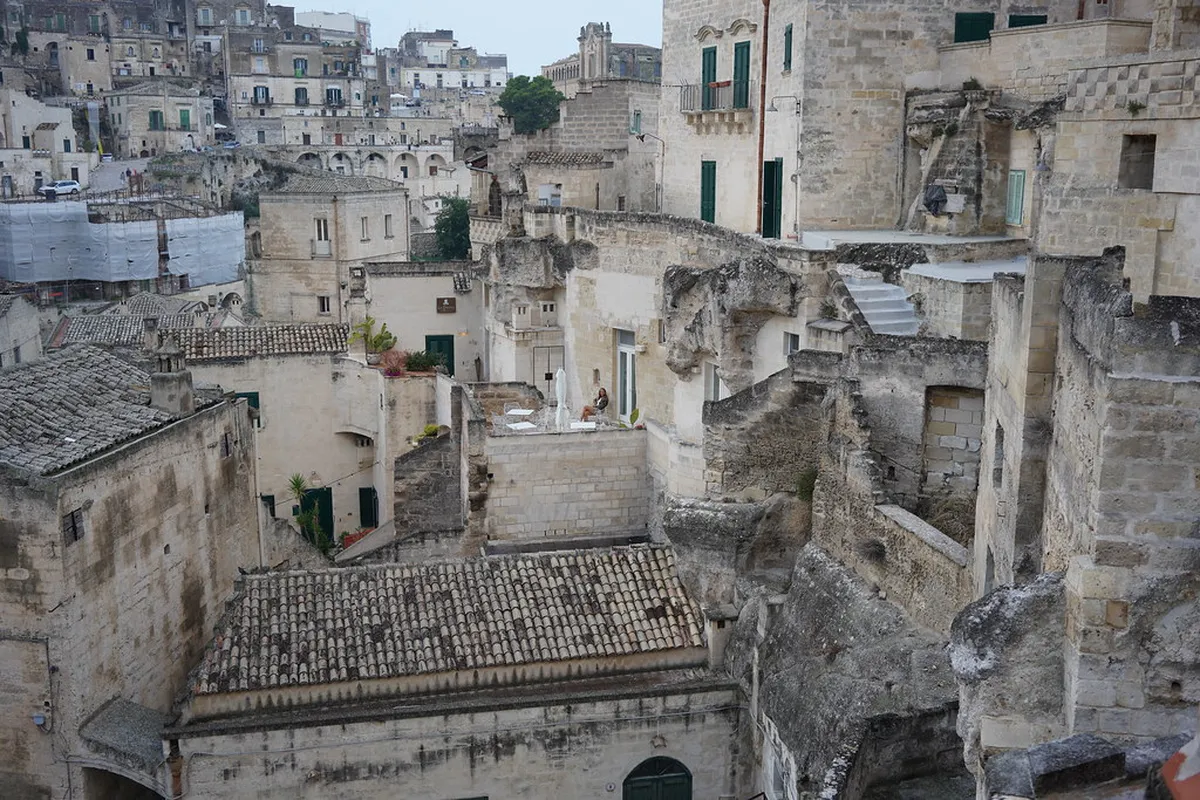
The city's cave dwellings are also fascinating for kids to explore during the day. Most of these sites have low entry fees or are free to view. It is easy to spend a full day walking without spending much money.
- Troubleshooting common problems for Matera visitors
- The bakery is closed for a midday siesta.
- The bread feels too hard to the touch.
- You cannot find the IGP certification logo.
- The shop only accepts cash for small bread orders.
- The specific conical shape is sold out today.
- You have no way to carry the large loaf.
How to Plan a Smooth Pane Attractions Day
Timing is everything when you want to experience the best of Matera's bakeries. You should aim to arrive at the shops before the mid-morning rush begins. Most local residents buy their bread very early to ensure the best selection.
Consider booking a guided tour of Matera to navigate the complex streets easily. A local guide can show you the most authentic ovens away from the crowds. This saves time and helps you avoid the common tourist traps.
Plan to spend at least three hours exploring the different neighborhoods of the Sassi. The hills can be tiring, so take frequent breaks at small cafes. This pace allows you to fully appreciate the history and the food.
How Pane di Matera Is Made: The Baking Process
Understanding the baking process transforms what looks like a simple loaf into a genuine technical achievement. The DOP guidelines specify re-milled durum wheat semolina (semola rimacinata di grano duro), a hydration of 65–80%, a natural sourdough starter, and a descending oven temperature profile that mimics the original wood-fired ovens of the Sassi. That last detail matters: baking starts at around 250°C for ten minutes, then drops to 220°C for fifteen minutes, 200°C for fifteen minutes, and finishes at 180°C for a final twenty minutes. The gradual drop drives moisture from the thick crust while keeping the crumb moist — the reason the bread can stay fresh for up to ten days.
The shaping technique is the most unusual step. Unlike almost every other sourdough, Pane di Matera is shaped at the end of the final proof, not before it. The dough bulk-ferments until doubled (roughly five hours at 20°C), goes through a gentle pre-shape into a round, proofs to about 85–90 percent of its final volume, and only then receives the decisive three-pointed shaping cuts before going straight into the oven. This late shaping preserves the gas structure built during fermentation and produces the characteristic open, straw-yellow crumb. If you over-proof even slightly, the structure collapses — which is why professional bakers in Matera watch their dough like a second clock.
The key ingredient note for home bakers: use semola rimacinata specifically, not coarse semolina or standard durum flour. The re-milling process produces a fine, creamy powder with more surface area for hydration. Using the wrong grind produces a dense, pale loaf that bears no resemblance to the real thing. Authentic Basilicata semola rimacinata can occasionally be found at specialty Italian importers in 2026, or bought directly from Matera's mills if you visit in person.
Where to Buy Pane di Matera: Best Bakeries in 2026
The most authentic loaves come from certified bakeries in or near the Sassi districts. Not every shop in Matera bakes to IGP standards — look for the blue-and-yellow circular logo in the window before walking in. Panificio Paoluccio on Via Fiorentini is widely recommended by locals for its consistent dark crust and generous crumb; arrive before 09:00 to guarantee you get the iconic three-pointed shape before it sells out. Panificio Cifarelli, slightly further into the Sasso Caveoso, tends to stay open a little later and occasionally lets visitors watch the shaping through a glass partition — worth the five-minute detour.
Prices in 2026 run €4.50–€6.00 per kilogram at street-level bakeries. A standard loaf weighs between 1 kg and 2 kg; the smallest size is 0.5 kg. Bring cash — most IGP-certified bakeries in the Sassi still only accept euro notes for small purchases. The bread keeps well for seven to ten days at room temperature in a linen cloth or paper bag, which makes it a practical edible souvenir if you are flying home within that window. Vacuum-sealed options are available at a few shops near the Piazza Vittorio Veneto for international travelers.
The international food community has taken note: images of the loaf's dramatic shape, captured by photographers like Berthold Werner and others, have circulated widely online, drawing bread tourists from across Europe and North America. That growing interest has pushed up morning demand at the best bakeries, so treat an early arrival as non-negotiable if you want a full-size loaf.
Good sites on Bread and other treats
There are several excellent websites dedicated to the art of traditional Italian baking. You can learn about the specific fermentation processes used for Matera's unique sourdough. These resources are perfect for home bakers who want to replicate the taste.
For a list of top-rated bakeries, check out our guide to the best restaurants in Matera today. We include spots that serve traditional Lucanian dishes alongside the famous local bread. These locations are vetted for quality and authentic regional flavors.
You might also enjoy reading about other regional specialties from the nearby Puglia area. The diversity of Italian bread is truly impressive and worth exploring in depth. Each town has its own secret recipe and specific baking technique.
Where to Stay in Matera: Cave Hotels and Practical Advice
Matera is a small city — roughly 60,000 residents — so staying centrally puts you within walking distance of every bakery, sight, and restaurant you will want. The critical decision is whether to sleep in the historic Sassi area or in the modern upper town. Each choice has real trade-offs that matter more than the usual "atmosphere vs. convenience" framing.
The Sassi area is where you find cave hotels carved directly into the tuff rock. Sleeping in a cave is genuinely atmospheric, but be aware of structural downsides: limited natural light, higher humidity, and occasional dampness if the room has not been occupied recently. For a one-night stay the novelty easily outweighs these issues; for two or more nights, factor in whether darkness and damp air will wear on you. Sextantio Le Grotte della Civita is the most celebrated cave hotel (€200–€400 per night in 2026) and justifies its price with dramatic interiors and an outstanding location. Palazzo Gattini offers luxury without cave constraints at €350–€500 per night. Budget travelers should look at Hotel Belvedere on the Sassi edge (€100–€150 per night), which mixes regular and cave rooms and provides sweeping canyon views.
One logistical detail most guides skip: the Sassi historic center is a ZTL (zona a traffico limitato) — a restricted traffic zone. If you are driving a rental car, you cannot pull up to a cave hotel entrance directly. Most hotels in the ZTL will arrange a tuk-tuk or small vehicle to transfer you and your bags from the nearest parking area. Confirm this when you book. If you prefer to drive to your door, choose a hotel in the upper modern town where street parking exists, then walk the ten to fifteen minutes down into the Sassi each day.
How Long to Spend in Matera
One day is enough to see the Sassi and buy your bread, but two days lets you experience Matera the way locals want you to: unhurried. The city is most beautiful at dawn and after dark, when the wrought-iron lamps cast an orange glow over the stone facades. If you only come for a day and leave before sunset, you miss the version of Matera that stays in people's memories.
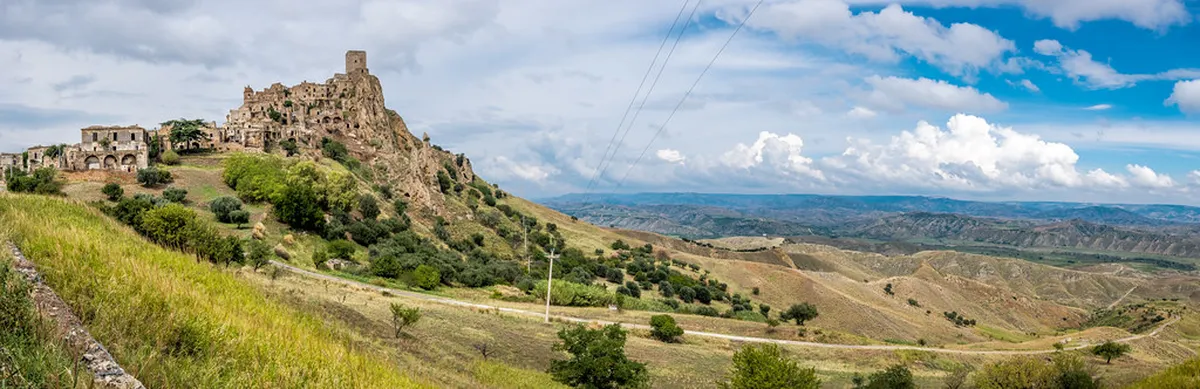
A practical two-day outline: arrive by early afternoon on day one, walk the Sassi Caveoso, visit one cave house museum, and buy your bread at Panificio Paoluccio the following morning before the crowds arrive. On day two, take the trail into the Murgia Materana canyon — a two-hour loop crosses a hanging bridge, passes rupestrian cave churches frescoed in Byzantine style, and ends with one of the best views of the Sassi available from ground level. Afternoons can be spent at the Palombaro Lungo cistern (an extraordinary underground water cistern beneath Piazza Vittorio Veneto, €3 entry in 2026) or driving out to the ghost town of Craco, thirty minutes south.
Getting to Matera takes planning. There is no airport; the nearest is Bari Karol Wojtyla, about 65 km away. Direct shuttle buses run from Bari airport to Matera daily (tickets €5–€15, journey around 1h 30m). Renting a car in Bari gives you the flexibility to explore the wider Basilicata region — the countryside between the two cities is quiet, empty, and worth lingering in. If you take the bus, book ahead during summer months when services fill quickly.
What to Eat With Pane di Matera: Local Pairings
The bread's nutty, slightly sour flavor and dense crumb make it a natural partner for strong, oily, or fatty accompaniments — the very foods that Basilicata has produced for centuries. The simplest and most local pairing is a pour of Lucanian extra-virgin olive oil and a sprinkle of dried peperoni cruschi, the crunchy sweet-and-smoky dried peppers that define the region's cooking. This combination costs under €3 at a market stall and is how most families in Matera still eat the bread at breakfast.
For a more substantial meal, cave restaurants in the Sassi Barisano pair the bread with caciocavallo silano — a firm, pear-shaped stretched-curd cheese — and local cured meats like soppressata and capocollo. Budget around €15–€20 for a sharing platter in a mid-range cave trattoria. The bread also absorbs the thick lamb ragù (ragù di agnello) that appears on most dinner menus; order a small antipasto of the bread with olive oil first, then use the rest of the loaf to mop the sauce.
For a cave restaurant experience in the Sassi district, book a table by 19:00 in summer — the better spots fill by 20:00. Outdoor terraces overlooking the canyon are in highest demand; reserve at least two days ahead if you want a canyon-facing table during peak season (June through September).
Matera Planning Cheatsheet
Everything you need to decide before you go, condensed into one section. Matera rewards visitors who plan the first two hours of their day carefully and then let the rest unfold spontaneously.
- Best time to visit: Spring (March–June) or autumn (mid-September–November). Avoid July–August if you are sensitive to heat and crowds.
- How to get there: Fly to Bari, then shuttle bus (€5–€15, 1h 30m) or rental car (65 km, under 1 hour). No direct train service from major Italian cities.
- How long to stay: Minimum two nights to see the Sassi at dawn and dusk and hike the Murgia canyon.
- Where to sleep: Cave hotel in the Sassi for atmosphere; upper modern town if you are driving and want easy parking. ZTL zone applies to all Sassi hotels — confirm transfer arrangements at booking.
- Bread shopping: Buy IGP-certified bread before 09:00. Bring cash. Standard loaf: €5 / kg. Look for the blue-and-yellow IGP seal.
- Day-trip options: Craco ghost town (30 min), Pisticci hill town (35 min), Aliano (Levi country, 50 min).
- Key sites with entry fees (2026): Palombaro Lungo cistern €3; Casa Grotta di Vico Solitario cave house €3; MUSMA sculpture museum €5.
- Guided tour option: A walking tour of Matera covers the main Sassi sights in about two hours (€25–€35 per person).
Frequently Asked Questions
Which pane di matera guide options fit first-time visitors?
First-time visitors should focus on bakeries in the Sassi Caveoso district. Panificio Paoluccio is a great starting point for authentic IGP bread. These shops offer the most traditional experience and helpful staff for new travelers.
How much time should you plan for pane di matera guide?
You should plan at least half a day to explore the bakeries. This allows time for walking between shops and enjoying a scenic picnic. Arriving early ensures you see the full production process in action.
Exploring the bread culture of Matera is a highlight for any food lover. I hope this guide helps you find the most delicious and authentic loaves. Enjoy every crunchy bite as you wander through the ancient streets of the Sassi.
You might also like

Continue reading
More guides you'll find useful