12 Best Hidden Gems in Matera (2026 Travel Guide)
Discover 12 hidden gems in Matera with our 2026 guide. Explore secret rock churches, underground cisterns, and local spots in the Sassi with expert tips.
On this page
12 Hidden Gems in Matera You Must Visit (2026)
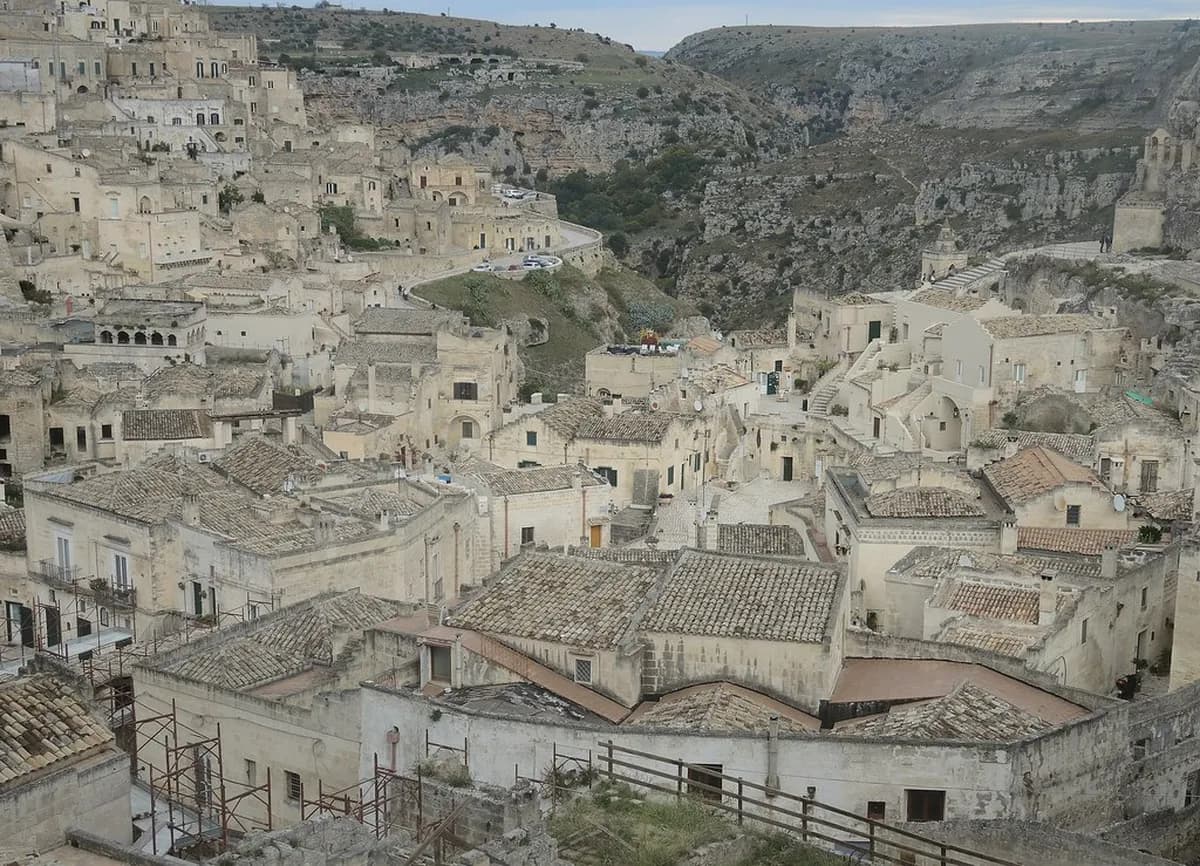
After my third visit to Basilicata, I finally realized that Matera reveals its best secrets only to those who wander off the main limestone paths. The Sassi district is famous for its ancient cave dwellings, but most tourists stick to the same three viewpoints and crowded main streets. This guide highlights the lesser-known corners that make this UNESCO World Heritage site truly haunting and unforgettable.
Last refreshed in October 2024 after my most recent autumn stay, this list reflects current 2026 pricing and entry rules. I have personally navigated these steep alleys to ensure each recommendation offers a unique glimpse into the city's complex 9,000-year history. Whether you are a history buff or a photographer, these spots provide the quiet magic that the main plazas often lack.
12 Must-See Hidden Gems in Matera (2026)
The following items are grouped into three clusters: Underground Wonders, Secret Sacred Spaces, and Local Cultural Traditions. Exploring these sites requires sturdy walking shoes as the terrain is uneven and often involves hundreds of stone steps. I recommend tackling the underground sites in the morning to escape the midday sun or the occasional winter chill.
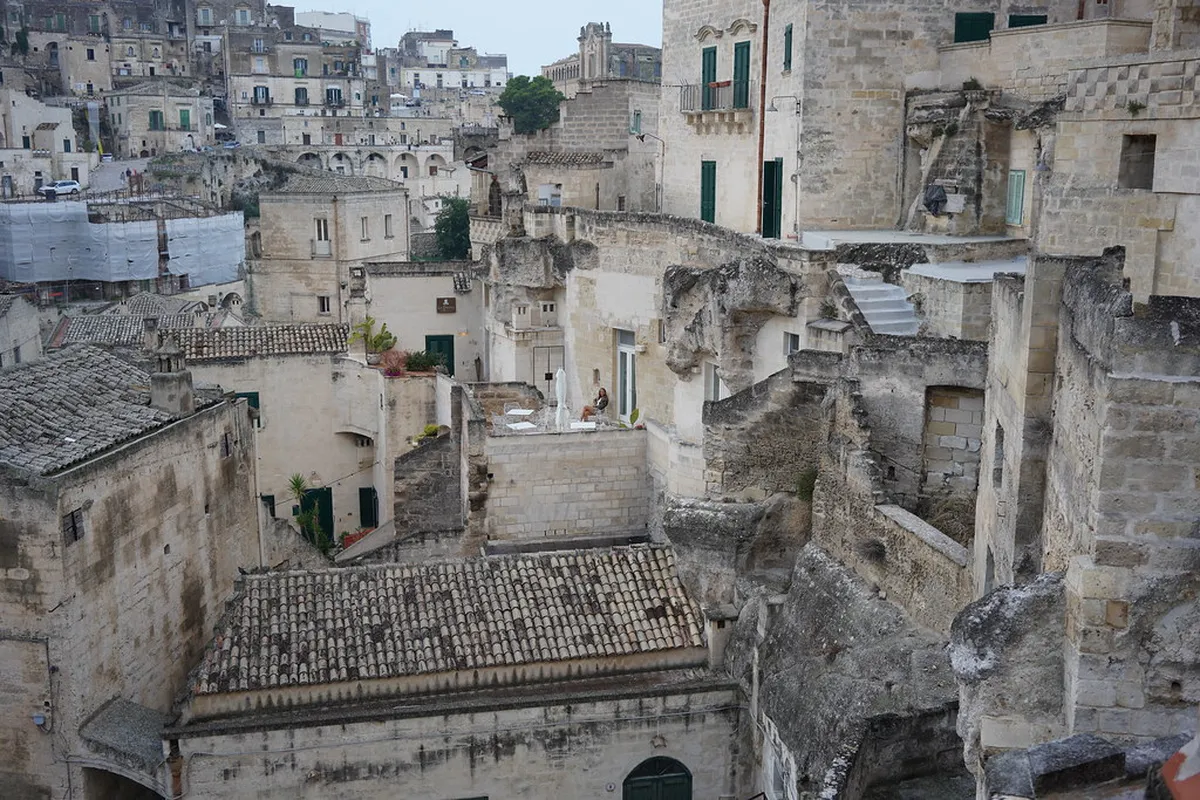
During my last trip, I found that visiting the Murgia viewpoints at dawn saved me from the heavy tour bus crowds. The light hitting the calcinitic rock at 6:00 AM creates a golden glow that photos simply cannot replicate. Always carry a reusable water bottle, as the public fountains offer fresh, cold water perfect for long hiking days.
- Palombaro Lungo (The Cathedral of Water)
- This massive 19th-century cistern sits hidden beneath the main square and once served as the city's primary water reservoir.
- Entry costs roughly €3 per person and it is open daily from 9:00 AM to 1:00 PM and 3:00 PM to 7:00 PM.
- A metal walkway lets you hover over the dark waters, as captured in photos by Holger Uwe Schmitt.
- Chiesa di San Giovanni in Monterrone
- This rock-cut church is famous for its well-preserved frescoes that span several centuries of Byzantine and Latin art.
- You can find it tucked away in the Sasso Caveoso district with tickets typically priced around €4.
- Look for the 12th-century depiction of Saint James, a detail noted by photographer Diego Baglieri.
- MUSMA (Museum of Contemporary Sculpture)
- Located inside the 17th-century Palazzo Pomarici, this is the only 'cave museum' in the world dedicated entirely to sculpture.
- The collection is housed in both noble rooms and deep hypogea, costing €7 for adult entry between 10:00 AM and 8:00 PM.
- The contrast between modern bronze art and ancient limestone walls creates a surreal atmosphere for art lovers.
- Cripta del Peccato Originale
- Often called the 'Sistine Chapel of Rock Art,' this cave features stunning 8th-century frescoes located outside the city center.
- Tickets are €10 and must be booked in advance online as entry is strictly timed for preservation reasons.
- You will need a car or a dedicated shuttle to reach this remote site located in the nearby Gravina canyon.
- Casa Noha Immersive History
- This FAI-protected site uses video projections on cave walls to tell the tragic story of Matera's mid-century evacuation.
- It is located near the Cathedral and costs €6, typically open from 10:00 AM to 6:00 PM daily.
- This is the best place to start your trip to understand why Matera was once called the 'shame of Italy.'
- Belvedere di Murgia Timone
- This viewpoint across the canyon offers the most iconic panoramic view of the Sassi without the city noise.
- Access is free if you hike across the suspension bridge, though a shuttle bus from the center costs about €2.
- Photographer Berthold Werner has captured the vast scale of this landscape from this specific vantage point.
- MOOM Matera Olive Oil Museum
- This underground olive press dates back centuries and demonstrates how locals produced 'liquid gold' in total darkness.
- Tours usually cost €5 and include a small tasting of local Vulture area oils in the Sasso Barisano.
- The temperature remains a constant 15 degrees Celsius here, making it a perfect escape during a hot July afternoon.
- Vicinato a Pozzo (Traditional Courtyard)
- This shared courtyard system shows how multiple families lived around a single well for centuries in the Sassi.
- It is free to view from the street level, though some guided tours offer access to the private interiors.
- Check out our casa grotta Matera guide for more details on these unique communal living spaces.
- Panificio Paoluccio (Ancient Bread Bakery)
- Matera is famous for its IGP bread, and this historic bakery still uses traditional shapes and wood-fired ovens.
- A large loaf costs about €4, and the bakery is usually open from 8:00 AM until the bread sells out.
- Observe the unique 'three peaks' shape of the loaf, which represents the Holy Trinity as seen in work by Kars Alfrink.
- Ipogeo Materasum Underground Complex
- This 1,500-square-meter underground city features homes, workshops, and cisterns carved directly into the rock.
- Entry is €5 and it is located near the bustling Via Fiorentini, open daily from 10:00 AM to 7:00 PM.
- The acoustics in the larger chambers are incredible, so listen for the natural echoes as you walk through.
- San Pietro Barisano Church
- This is the largest rock church in Matera and features a unique 'putridarium' where monks were once mummified.
- Entry is included in a combined rock churches ticket which costs around €8 for three sites.
- The underground levels are much larger than the facade suggests, so allow at least 30 minutes for a full visit.
- Parco della Murgia Materana
- This regional park contains over 150 rock churches and prehistoric settlements scattered across the rugged canyon landscape.
- Hiking is free, but I highly recommend a Matera tour with Murgia Materana Canyon Hike for safety.
- The park is home to rare Egyptian vultures, so bring binoculars if you enjoy birdwatching during your trek.
Museums, Art, and Culture in the Sassi
Matera is more than just a stone labyrinth; it is a living museum of human resilience and artistic evolution. The MUSMA museum remains my favorite cultural stop because it integrates contemporary art into the raw, ancient cave environment. The collection spans 1950s Italian modernism through contemporary bronze and marble work, with pieces installed in the palazzo's noble rooms, then continuing down into the hypogea where daylight disappears entirely and the walls close in around you. That transition from sunlit gallery to deep cave is deliberate and disorienting in the best possible way.
For those interested in the social history, Casa Noha provides a stark look at the poverty that once plagued the city. The immersive film shown there — narrated across several cave rooms with projected archival footage — explains the 1950s laws that forced roughly 15,000 people out of their ancestral homes. In 1948 Carlo Levi published 'Christ Stopped at Eboli,' which brought national shame to Matera's conditions, and Alcide De Gasperi called the Sassi a 'national disgrace.' Understanding this context makes your walk through the now-gentrified Sassi much more meaningful and layered.
Artistic traditions continue today in small workshops along Via Ridola and the side alleys of Sasso Barisano. Artisans here still craft 'cucù,' traditional terracotta whistles shaped like roosters, which were once exchanged as symbols of affection. Unlike the mass-produced versions sold at tourist stalls near the main piazza, these hand-painted pieces are fired in small kilns and each one differs slightly in glaze color. Expect to pay €8–€20 for a quality piece. Most independent galleries and artisan studios are open from 10:00 to 13:00 and 16:00 to 19:30, with a strict afternoon 'riposo' that even the most eager shopkeeper will not skip.
Cripta del Peccato Originale (€10, advance booking required) is accessed only via guided groups. MUSMA (€7, daily 10 AM–8 PM) has no steps to reach cave galleries—best for limited mobility. Panificio Paoluccio bread (€4/loaf) sells out by 10 AM; arrive early.
Matera Planning Cheatsheet
Planning a trip to Matera requires more logistics than a standard Italian city because of its unique vertical layout. Most of the historic center is a ZTL (Restricted Traffic Zone), meaning you cannot drive your car into the Sassi. If you arrive by car, park at one of the paid multi-story garages near Piazza Matteotti (roughly €10–€15 per day) and walk or take the 'Linea Sassi' minibus down into the historic area. Some hotels in the Sassi can arrange a temporary ZTL permit or a tuk-tuk pickup from your parking spot — confirm this before you book.
The ideal months are April–June and mid-September to early November. Spring brings wildflowers to the Murgia canyon and manageable afternoon temperatures around 18–22°C. Autumn light on the calcinitic stone is extraordinary and particularly good for photography. July and August are very busy and very hot — the canyon amplifies heat and stone walls radiate it long after sunset, with daytime highs frequently reaching 36°C. Winter (December to February) is quiet, sometimes cold and grey, but if you get a clear day the empty Sassi feel genuinely otherworldly. For a deeper dive into logistics, check out our things to do in Matera guide for transport tips.
Booking a walking tour of Matera is the most efficient way to see the major sites in one afternoon. Local guides know the shortcuts that avoid the steepest climbs, which is vital if you have limited mobility. Always carry cash for small purchases, as some tiny cave shops still have trouble with mobile signal for card machines. A combined churches-and-cistern ticket costs €25 and covers three rupestrian churches, the Palombaro Caveoso water system, Casa Grotta, MATA museum, and the bread museum — good value if you plan to visit six or more paid sites in a single day.
What to Skip: Overrated Matera Spots
While Matera is generally authentic, some 'Casa Grotta' museums have become overly commercialized and crowded. The ones located right on the main tourist thoroughfares often charge high prices for a very brief, scripted experience. I recommend skipping the most heavily advertised cave houses in favor of the quieter Vicinato a Pozzo courtyards.
Avoid eating at the restaurants directly overlooking the main plazas if you are looking for traditional Lucanian flavors. These spots often trade quality for the view, serving generic Italian pasta rather than local specialties like 'cruschi' peppers. Walk just two blocks into the side alleys to find family-run trattorias where the locals actually dine.
Day Trips from Matera
If you have more than two days, the surrounding Basilicata region offers several quiet and rewarding day trip options that are almost entirely free of tourist crowds. The town of Altamura is only 20 minutes away by the FAL narrow-gauge train (tickets from €2.50) and is world-famous for its Altamura Man — a 260,000-year-old Homo heidelbergensis skeleton still embedded in the rock of a cave near the cathedral. The town's oversized, dimpled bread is also a DOP product worth seeking out fresh from a local forno. This is a particularly easy day trip if you do not have a car, as the FAL line runs hourly in both directions.
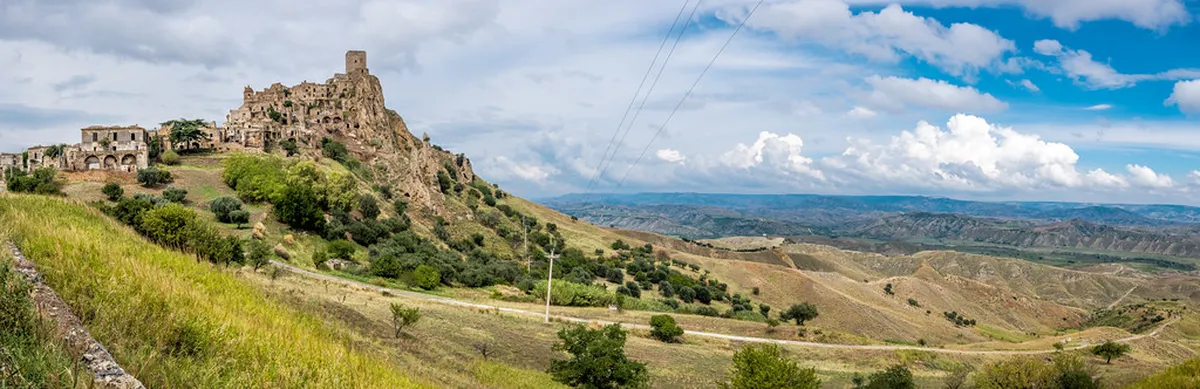
Craco, a ghost town abandoned after a 1963 landslide, sits about 45 minutes south by car and featured in several international films. You can join a guided walking tour of the ruins (€8–€12, check ahead as access is restricted) for a genuinely eerie experience. For adventure seekers, the villages of Castelmezzano and Pietrapertosa in the Lucanian Dolomites are about an hour's drive. The 'Angel's Flight' zip line between the two peaks reaches 120 km/h and costs roughly €35 per person. The drive through the switchbacks is demanding but the views over the forested gorge justify every nerve-wracking bend. If you prefer an easier excursion, the town of Pisticci — with its white-washed hilltop neighborhoods — takes only 30 minutes by car and sees very few foreign visitors.
How Long to Spend in Matera
One day is enough to tick the main viewpoints and one rock church, but it leaves you with almost no time to absorb the city's atmosphere — and Matera's magic is almost entirely in the atmosphere. If one day is all you have, arrive by 09:00, walk directly to Casa Noha for context, then cross to the Belvedere Murgia Timone side at sunset before leaving. You will leave with a good impression but also a strong urge to return.
Two days is the local guide's minimum recommendation and I agree. Day one covers the Sassi on foot — Santa Maria di Idris, Palombaro Lungo, and the Sasso Barisano backstreets. Day two is reserved for the Murgia canyon hike and the Cripta del Peccato Originale (which requires a car or taxi and a timed booking). Spending at least one night in a cave hotel is non-negotiable if you want to experience the Sassi at dawn, when the streets are empty and the limestone glows amber.
Three days is the sweet spot if you want to combine hidden gems with a day trip and proper meals. This is the timeframe the at-a-glance box at the top of this article recommends, and it allows you to go deeper into the Murgia Park, spend a morning in Altamura, and still have an evening to sit at a terrace with a glass of Aglianico. If your time is tight and you must choose, prioritize depth over breadth — one slow afternoon wandering Rione Casalnuovo beats cramming five museums in a day.
Where to Stay in Matera
The central question is whether to sleep inside the Sassi or in the modern town above. Staying in the Sassi — particularly in a cave hotel — is the more memorable experience and places you within walking distance of everything in this guide. The trade-off is that caves have no natural light, humidity can be noticeable in smaller properties, and the staircases between streets mean a rolling suitcase will be a burden. Most cave hotels can arrange a tuk-tuk or luggage porter to meet you where you park.
For a luxury cave experience, Sextantio Le Grotte della Civita is the benchmark: rooms are carved directly into the 9,000-year-old tufo and decorated with minimal, monastic furnishings. Expect to pay €200–€400 per night in 2026. Palazzo Viceconte is a restored 17th-century palazzo in the Sassi with elegant decor and a quieter atmosphere than the larger hotels. Mid-range travelers should look at Hotel Belvedere, which sits right on the edge of the Sassi with canyon views and a mix of regular and cave-style rooms from around €100–€150 per night.
If you are driving and want to avoid ZTL stress entirely, a guesthouse in the new town (Via Lucana and above) gives you easy parking and a flat, ten-minute walk down to the historic center. The new town is where locals actually live, so you will find neighborhood bars, a supermarket, and the relaxed evening passeggiata that the tourist-dense Sassi cannot offer. Whichever area you choose, book ahead for spring and autumn weekends — Matera's small accommodation stock fills quickly.
Local Food and Dining in Matera
Lucanian cuisine is one of the most underrated in Italy, and Matera is your best access point to it. The region's signature product is Pane di Matera IGP — a large sourdough loaf with a dense, golden crumb and a hard crust dusted with semolina. It keeps for up to a week, which was essential in a poor agricultural economy. Buy a half-loaf at Panificio Paoluccio (listed in the hidden gems section above) for about €4 and eat it with local pecorino and 'cruschi,' the crispy dried Senise peppers that function as both snack and garnish.
For a full meal, avoid the restaurants with outdoor seating facing the main piazza and walk two or three alleys inward. Family-run trattorias in this area serve 'lagane e ceci' (wide pasta ribbons with chickpeas), braised lamb with wild herbs, and handmade orecchiette with a Lucanian pork ragù. Prices in these spots run €12–€18 for a pasta course and €14–€22 for a secondi. The local red wine to order is Aglianico del Vulture DOC, produced from a volcanic-soil grape variety about 80 km north of Matera — it pairs well with the heavy meat dishes and is typically available by the glass for €4–€6.
For something lighter, the bars near Piazza Vittorio Veneto serve 'caffè alla nocciola' — espresso with hazelnut cream — which has become a Matera specialty in recent years. Try one at around 10:00 alongside a 'tarallo lucano,' a small savoury ring cracker flavoured with fennel seeds and white wine. Budget around €1.50 for coffee and €0.80 for the tarallo. If you want a structured food experience, a guided tour with a local can include a tasting of these local products alongside the walking itinerary.
Tips for Visiting Matera in 2026
Wear proper walking shoes with ankle support — not sandals, not fashion trainers. The Sassi streets are uneven limestone cobbles, often wet from morning dew or rain, and the gradients are steep enough to make you genuinely breathless. I have watched more than one visitor in flat-soled shoes slip near the Santa Maria di Idris steps. If you have knee problems, be aware that the descent into the canyon is significantly harder on joints than the ascent.
Book the Cripta del Peccato Originale well in advance. This site operates only timed group entries of around 15 people, and weekend slots in spring and autumn sell out weeks ahead. Similarly, the combined churches ticket (€25) is best bought online to avoid queuing at each individual site. Most ticket offices accept card, but the smaller cave museums and bakeries are still cash-preferred — carry €20–€30 in small notes.
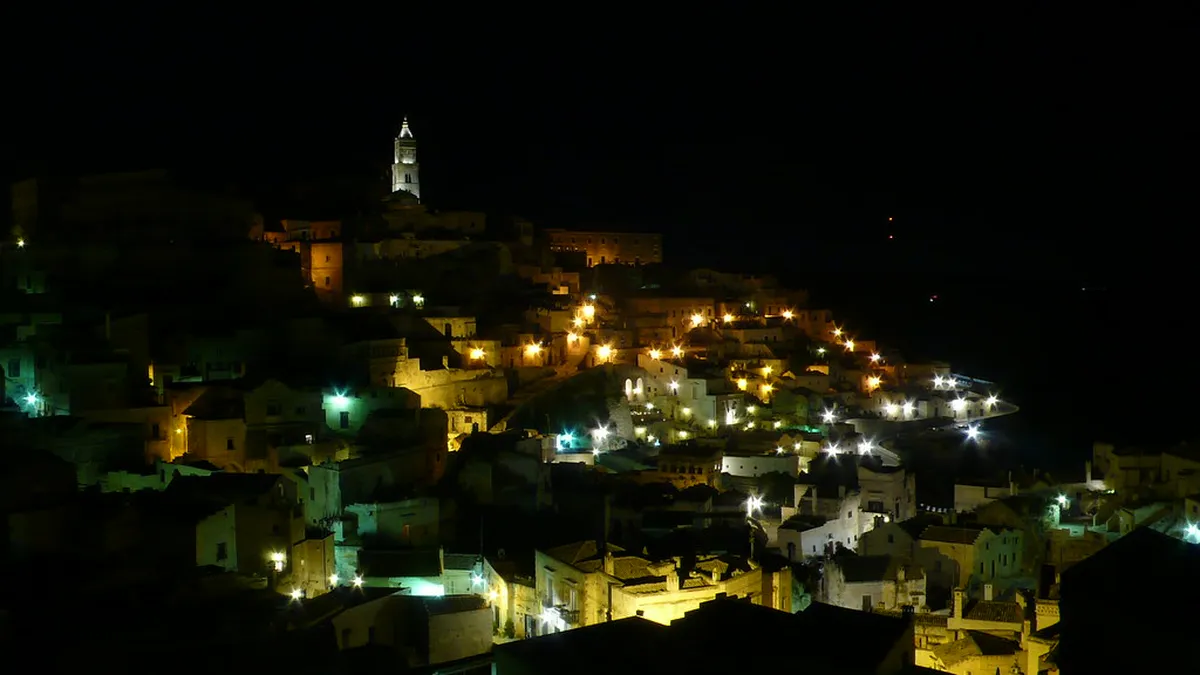
Matera is compact but extremely vertical: the straight-line distance between two points can be 200 metres, yet the walking route might be 800 metres of steps and switchbacks. Use Google Maps but do not trust its walking time estimates — they consistently underestimate by 30–50% inside the Sassi. Download an offline map before you arrive, as mobile signal is patchy in the deep canyon sections. Finally, the city is entirely safe at night, and the evening light on the stone is genuinely one of the most beautiful things in southern Italy — do not retreat to your hotel after dinner.
Frequently Asked Questions
Is Matera worth visiting for just one day?
Yes, Matera is worth a day trip, but you will only see the surface. One day allows for a walking tour and one rock church visit. I recommend staying at least two nights to experience the city's magical atmosphere after dark.
How much time should you plan for hidden gems in Matera?
Plan for at least three full days to see the hidden gems properly. This timeframe allows for the hike across the canyon and visits to remote sites like the Cripta del Peccato Originale. It also accounts for the slower pace of walking the Sassi.
What should travelers avoid when planning a visit?
Avoid bringing large rolling suitcases, as the cobblestones and stairs make them impossible to manage. Do not attempt to drive into the Sassi without a permit. Also, avoid visiting during the peak heat of August afternoons if possible.
Matera is a destination that rewards the patient traveler who is willing to look beyond the famous viewpoints. By visiting these 12 hidden gems, you will gain a much deeper appreciation for the 'City of Stone' and its people. The mix of ancient history and modern art ensures that every turn in the Sassi offers something unexpected.
Remember to book your rock church tickets in advance and wear your most comfortable walking shoes. Whether you are exploring a deep cistern or tasting fresh bread, Matera's secrets will stay with you long after you leave. Safe travels as you uncover the silent magic of this hauntingly beautiful Italian treasure.
You might also like


Continue reading
More guides you'll find useful