Is Matera Safe for Tourists in 2026? Sassi Tips & Night Safety
Is Matera safe in 2026? A district-by-district safety guide, the real risk in the Sassi at night, solo-travel advice, and Italy's emergency numbers.
On this page
Is Matera Safe for Tourists?
Yes, Matera is exceptionally safe for tourists and solo travelers. If you prefer a flatter city with fewer stairs, visit Alberobello instead. Updated October 2024 after my late summer visit to the ancient Sassi.
I found the local atmosphere welcoming and the crime rate remarkably low. Violent incidents involving visitors are almost unheard of in this historic cave city. My experience suggests that physical terrain poses a bigger risk than any person. You will likely feel more secure here than in Rome or Naples.
Is Matera Safe for Tourists? (The Quick Answer)
Matera is one of the safest cities in Italy for travelers today. The local crime rate remains significantly lower than in larger Italian hubs. Most visitors encounter zero issues while exploring the historic cave districts. You should follow basic matera travel tips to ensure a smooth trip.
Verdict: Yes, it is very safe for all types of travelers. Best for: History buffs and adventurous walkers. Skip if: You have severe mobility issues or hate steep stairs. Alternative: Pienza or Alberobello for easier walking paths.
Typical admission to the Sassi districts is completely free for everyone. Individual cave museums and rupestrian churches cost between €3 and €10. Most sites are open daily from 10:00 am until 7:00 pm. Check the official visitor center for seasonal schedule changes.
- Pros: What visitors usually love
- Very low violent crime
- Friendly and helpful locals
- Well-lit main public squares
- Safe for solo women
- No aggressive street vendors
- Visible local police presence
- Cons: What may disappoint
- Extremely slippery limestone paths
- Confusing traffic camera zones
- Intense summer heat risks
- Many steep uneven stairs
- Remote from major hospitals
- Limited lighting in alleys
Crime and Scams: What to Watch Out For in Basilicata
Crime is a minor concern throughout the entire Basilicata region. Pickpocketing occurs rarely compared to the crowded streets of Florence or Venice. I felt comfortable leaving my bag on a chair while dining outdoors. Local residents take great pride in their city's reputation for safety.
Tourist scams are also less common here than in northern Italy. Some restaurants near the main viewpoints may overcharge for basic water. Always check the menu for a 'coperto' or service charge before sitting. Official tour guides should always display their regional certification badges.
Car break-ins can happen if you leave valuables in plain sight. Keep your luggage in the hotel rather than a parked car. Most parking lots have cameras but are not always actively monitored. Lock your doors even if you only step away for photos.
What to Expect: Navigating the Steep Sassi Streets
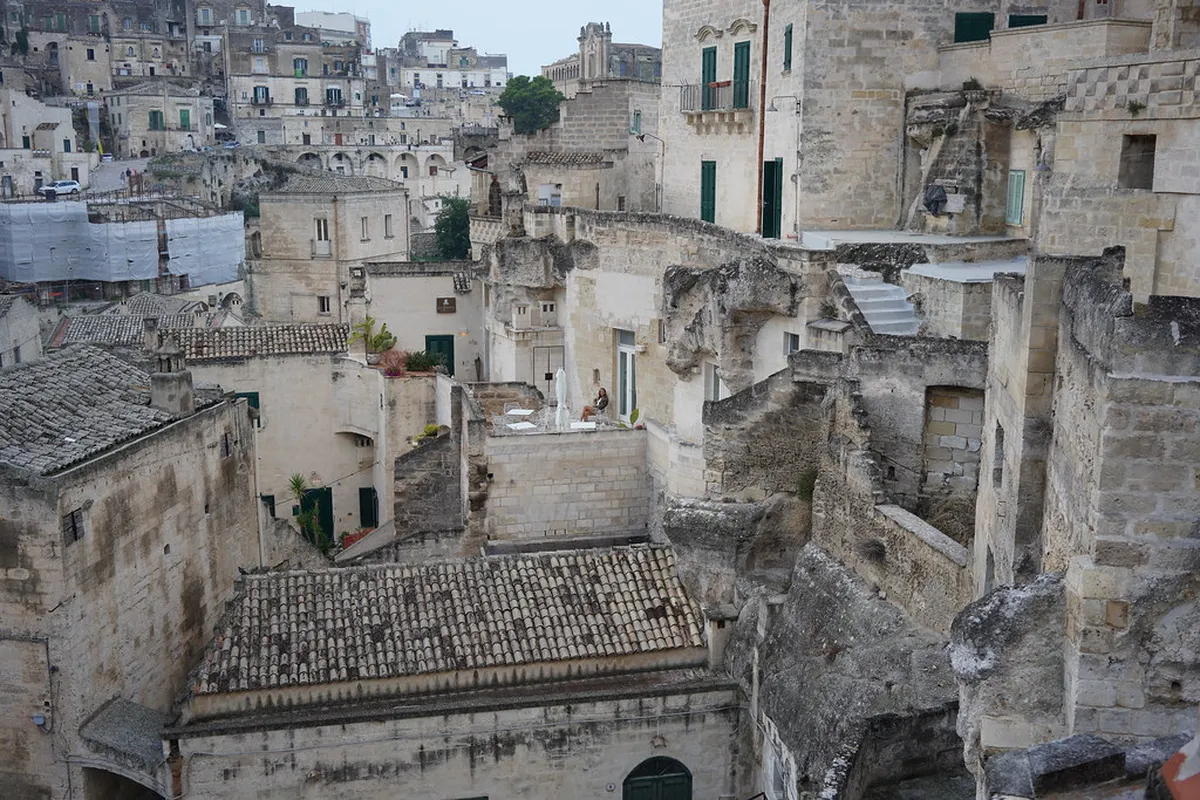
Physical safety is the primary concern for most visitors in Matera. The ancient limestone has been polished smooth by centuries of foot traffic. I slipped twice while wearing leather-soled sandals on a dry day. Rain makes these stones as slick as a sheet of ice.
The polished limestone Sassi stairs and paths are dangerously slippery even when dry. Leather soles, flip-flops, and high heels provide no traction. Always wear sturdy sneakers or hiking boots with excellent rubber grip to avoid painful slips and falls, especially during rain or after morning dew.
Proper footwear is non-negotiable for a safe and happy visit. Rubber-soled sneakers or hiking shoes provide the best grip on limestone. Avoid wearing high heels or flip-flops while exploring the lower districts. You will appreciate the extra traction on the getting around matera sassi paths.
Steep drops often lack guardrails in the more remote cave areas. Keep children close when walking near the edge of the Gravina canyon. The stairs are often uneven and vary in height significantly. Take frequent breaks to avoid exhaustion in the hilly terrain.
Safe Areas and Accommodation Recommendations
Sasso Barisano is the most developed and tourist-friendly district for lodging. It offers many renovated cave hotels and well-lit pedestrian walkways. I recommend staying here if you want easy access to restaurants and the main piazza. The area feels lively and secure even late into the evening, with a consistent foot traffic that makes solo travelers feel at ease.
Sasso Caveoso provides a more rugged and authentic historical atmosphere. It is generally safe but can feel isolated in certain sections, particularly toward the uninhabited cave fringe near Rione Casalnuovo. Some alleys are quite dark and may feel disorienting to solo travelers arriving after sunset. That said, the atmosphere is extraordinary — I suggest staying overnight specifically to experience the silent, otherworldly calm after day-trippers leave.
| Factor | Sasso Barisano | Sasso Caveoso |
|---|---|---|
| Evening foot traffic | High — lively bars and restaurants stay open late | Low — quieter after 21:00, some dark alleys |
| Street lighting | Good on main paths; dimmer in side lanes | Moderate on key routes; sparse near abandoned caves |
| Terrain difficulty | Moderate — wide lanes with occasional steep steps | Higher — narrow paths, uneven drops, loose gravel |
| Solo female safety | Very comfortable | Comfortable with a torch; avoid the outer fringe at night |
| Typical hotel price range | €80–€250 per night (boutique cave hotels) | €60–€180 per night (more atmospheric, fewer services) |
| Best suited for | First-timers, families, light mobility needs | History lovers, photographers, seasoned independent travelers |
Choosing between a day trip and an overnight stay is straightforward when safety is the priority. Overnight guests enjoy the Sassi when they are quietest and coolest. Day trips from Bari are safe but often feel rushed and uncomfortably hot in July and August. Staying at least two nights allows for a much more relaxed and physically manageable pace.
Is it Safe to Walk in Matera at Night?
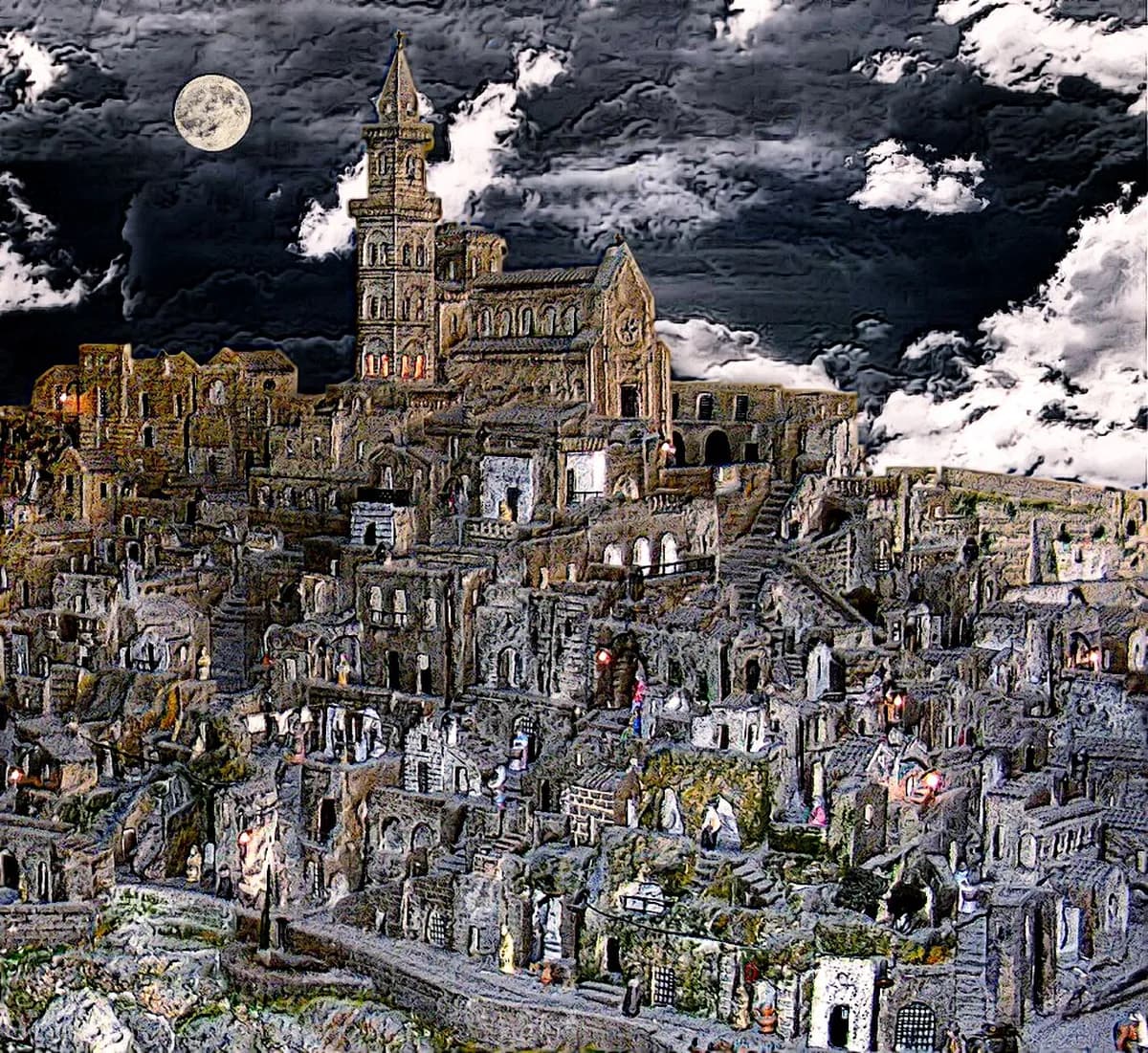
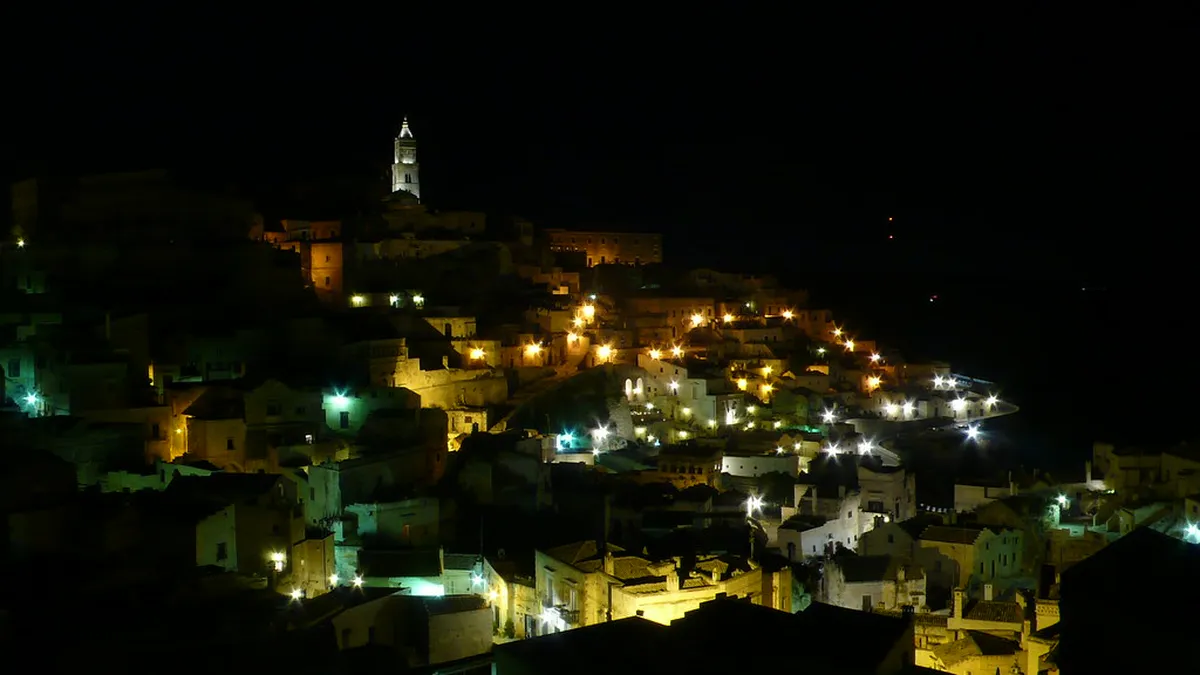
Walking through the Sassi at night is a highlight for many. The city transforms into a glowing nativity scene under the streetlights. I walked alone at 2 AM and felt completely at peace. The silence is eerie but does not signal any hidden danger.
Solo female travelers will find Matera very accommodating and respectful. Harassment is virtually non-existent in the historic center and modern city. Stick to the main thoroughfares if you feel nervous in the dark. Most locals are happy to point you toward your hotel entrance.
Lighting is sufficient on main paths but dim in residential alleys. Carry a small flashlight or use your phone for the dark stairs. Uneven ground is harder to see once the sun goes down. Watch your step carefully to avoid a painful ankle sprain.
Transport Safety: Driving, Parking, and ZTL Zones
Driving into the Sassi is the biggest risk to your travel budget. Strict Limited Traffic Zones (ZTL) protect the fragile historic cave areas. Cameras record every license plate that enters without a local permit. Fines often exceed €80 and arrive months after your vacation ends.
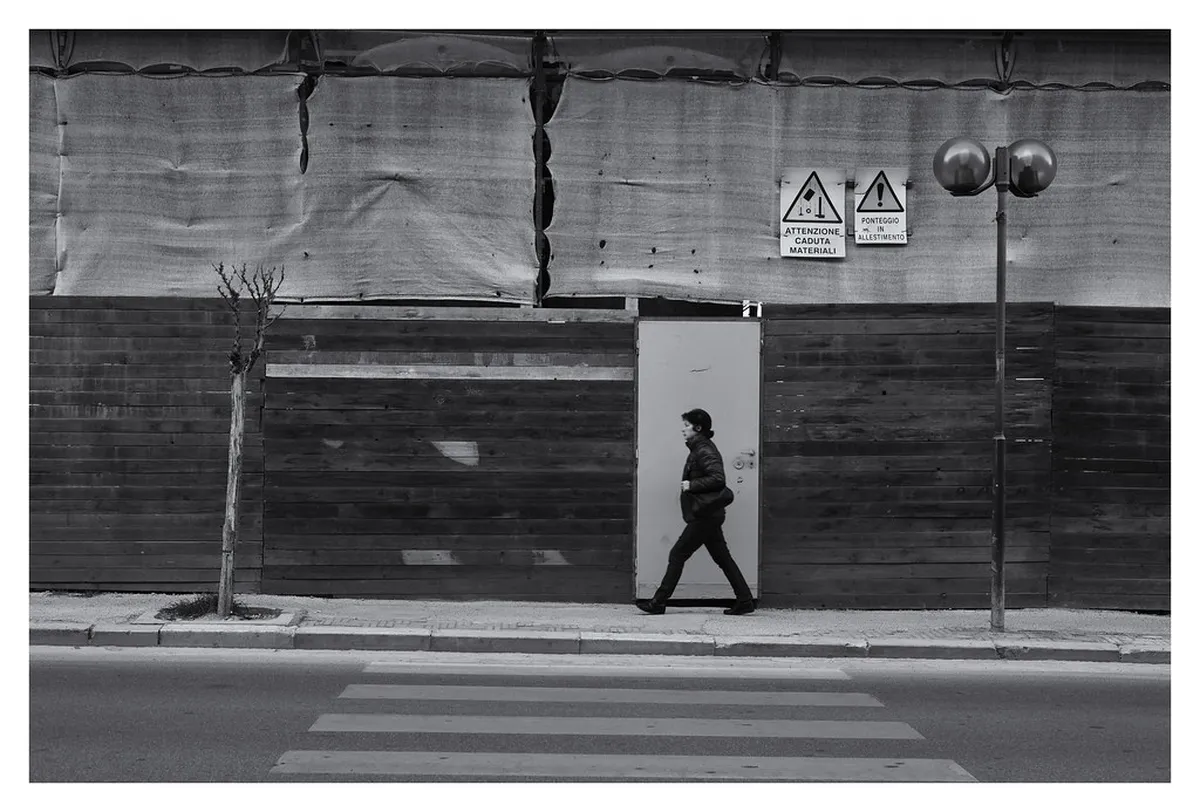
I saw many confused drivers accidentally cross the ZTL boundary lines. The signs are small and often written only in Italian text. Park your vehicle at Parcheggio Via Saragat for a stress-free experience. This secure lot costs about €15 per day and offers shuttles.
Public buses from Bari Airport are safe, reliable, and very affordable. The Miccolis and Pugliairbus lines are the most popular choices for tourists. Keep an eye on your bags in the luggage hold area. Taxis are safe but agree on the price before starting your journey.
Best and Worst Times to Visit Matera Safely
Timing your visit is a genuine safety consideration in Matera, not just a comfort preference. The physical demands of the Sassi — steep stairs, polished limestone, long sun exposure — scale with temperature and crowd levels in ways that can turn a dream trip into an uncomfortable ordeal.
July and August are the most physically demanding months. Temperatures regularly exceed 35°C in Basilicata, and the stone ravine traps heat with little shade on the main paths. Heat exhaustion is common among visitors who underestimate the exertion involved in climbing between levels. Schedule your Sassi exploration before 10:00 and after 17:00 in peak summer; the middle of the day is best spent in air-conditioned museums (Casa Noha, MUSMA, Palombaro Lungo) or a cave restaurant where the rock walls keep temperatures cool. Carry at least one litre of water — public drinking fountains exist near Piazza Vittorio Veneto and around the Duomo, but are sparse in the lower Sassi.
June through August also see the narrowest paths become dangerously congested, increasing the risk of trips and falls on uneven steps. April, May, September, and October are the sweet spots: mild temperatures between 18°C and 26°C, manageable foot traffic, and the golden light that makes Matera's limestone glow at sunset. Spring also brings wildflowers to the Parco della Murgia Materana ravine trail.
Winter carries a different risk. Rare but real snowfall in January and February turns the already polished limestone paths into ice rinks. If you travel in winter, check the forecast 48 hours ahead and pack trekking poles if you plan to explore the lower Sasso Caveoso. Most boutique cave hotels remain open year-round and are genuinely cozy, with thick stone walls that insulate against the cold.
Is Matera Italy Worth Visiting Despite the Challenges?
Matera is absolutely worth visiting for its unique and ancient beauty. The safety risks are manageable with a little bit of preparation. You can find more inspiration on the italywander.com blog for your trip. The visual reward of the Sassi far outweighs the physical effort.
Local authorities are working hard to manage the growing tourism numbers. According to the New York Times - Matera Tourism report, sustainability is key. The Mayor's stance focuses on protecting the city from becoming a museum. Visitors who respect the local culture are always warmly welcomed.
Plan your visit carefully to avoid the peak midday heat. Bring sturdy shoes and leave your heavy luggage at the hotel. Matera offers a safe glimpse into a world that feels prehistoric. It remains one of the most memorable destinations in Southern Italy.
Getting to Matera Safely from Bari Airport
Bari Karol Wojtyla Airport is the main gateway for most international visitors, sitting roughly 65 km (40 miles) from Matera. The journey takes around one hour by car or just over 90 minutes by public transport. There is no direct train connection between Bari and Matera, which surprises many first-timers and can create confusion that leads to unsafe rushing. Plan ahead and you will arrive stress-free.
The most affordable and reliable public option is the Pugliairbus coach, which runs several daily departures from Bari Airport directly to Matera's bus terminal on Via Nazionale. In 2026, tickets cost approximately €5–€7 one way and should be purchased in advance at the airport information desk or online. Luggage is stored in an underfloor hold — keep valuables in your carry-on bag during the journey. The Miccolis line also covers the Bari–Matera corridor if Pugliairbus is sold out on your travel day.
If you are renting a car, the SS99 motorway between Bari and Matera is well-maintained and straightforward to drive. The complication begins the moment you approach the city center. Set your GPS destination to "Parcheggio Via Saragat" before you leave Bari — this keeps your navigation out of the ZTL camera zones entirely. A private airport transfer from Bari to Matera costs roughly €60–€90 and removes every logistical worry, making it excellent value for groups of three or more. Agree the fixed price with the driver before departing to avoid any dispute on arrival.
Matera Italy Map: Districts and Key Landmarks
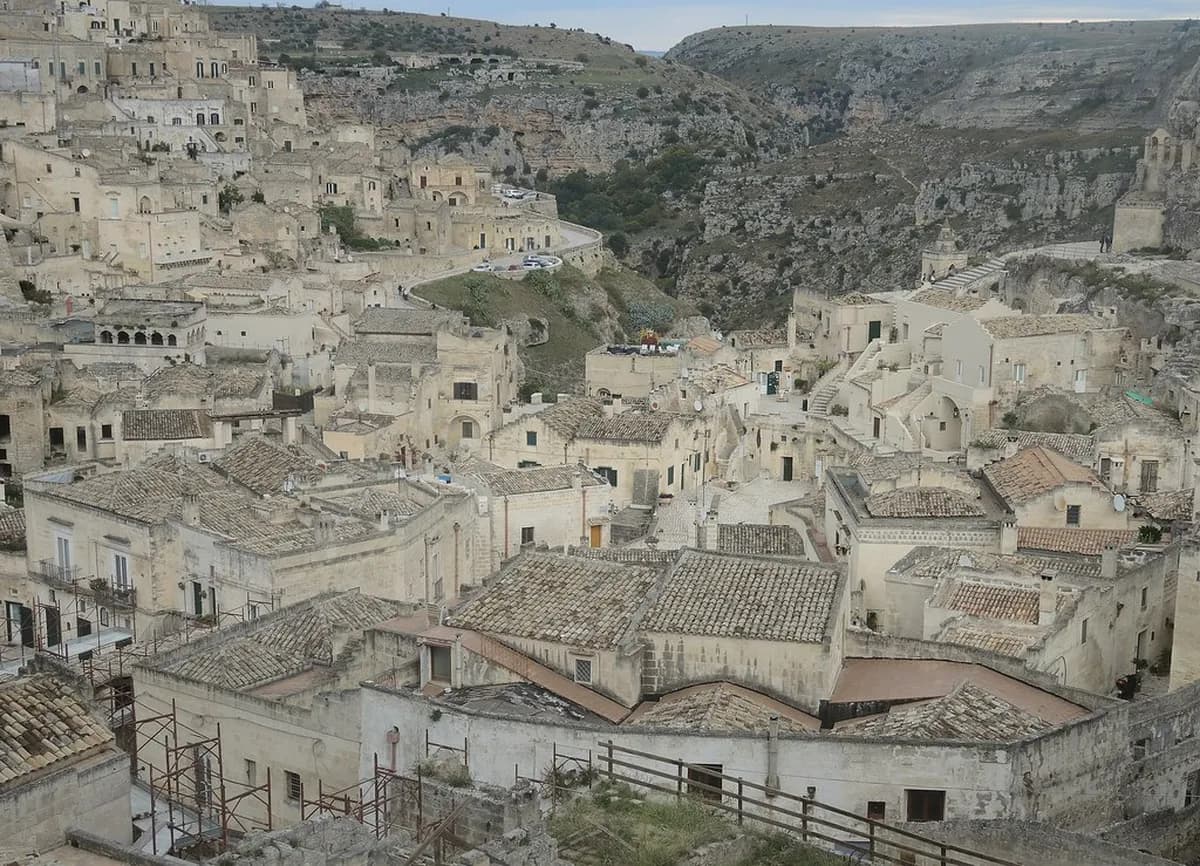
Understanding Matera's layout before you arrive dramatically reduces the chance of accidental ZTL entry, unnecessary exhaustion, and getting stranded in a dead-end alley after dark. The city divides into two distinct layers: the modern Città Nuova (new town) sitting on the plateau, and the ancient Sassi carved into the ravine below it.
The two Sassi districts — Sasso Barisano to the north and Sasso Caveoso to the south — are separated by the ridge where Matera Cathedral stands at the highest point. The main pedestrian artery, Via Bruno Buozzi, is one of the very few streets where limited vehicular traffic is permitted inside the Sassi. Piazza Vittorio Veneto in the new town is the logical starting point: a wide, well-lit square with cafés, the underground cistern Palombaro Lungo, and a discrete staircase that drops you directly into the heart of the Sassi. Use this as your anchor point and you will always know how to find your way back to flat ground.
Google Maps works reasonably well on the main routes but loses reliability in the deeper cave alleys. Download an offline map of Matera before your trip. Mark your hotel entrance, the nearest ZTL boundary sign, and the Parcheggio Via Saragat parking lot. These three pins will solve 90 percent of the navigation challenges visitors encounter. The ravine hiking trail, Parco della Murgia Materana Sentiero 406, begins at Porta Pistola — mark this too if you plan a morning hike across to the Belvedere Murgia Timone viewpoint.
Matera's Tourism Sentiment: Is the City Welcoming to Visitors?
Several travel forums warn that Matera has an "anti-tourist" atmosphere, citing a New York Times article in which the Mayor discussed the risks of over-tourism. It is worth unpacking what this actually means before it shapes your expectations unfairly. The Mayor's concern is specifically about sustainability — the fear that unrestricted mass tourism will turn a living city into an open-air theme park, as has happened in parts of Venice and Dubrovnik. Over a quarter of the housing stock in the Sassi is listed on short-term rental platforms, the highest share in Italy, and local residents have expressed frustration at losing their neighborhood to holiday apartments.
None of this means you will be unwelcome or treated rudely. In practice, the vast majority of visitors in 2026 report warm, helpful interactions with shopkeepers, restaurant staff, and locals. The tension is structural and political, not personal. What it does mean is that traveling respectfully matters more here than in heavily touristed Italian cities that have already surrendered to the crowds. Observe the rules: don't wander into private cave staircases mistaking them for public paths, keep noise low in residential lanes after 22:00, eat at local trattorias rather than tourist traps near the main viewpoints, and stay at least two nights so your visit contributes to the local economy rather than just passing through. Visitors who engage thoughtfully with Matera's history and culture are invariably welcomed with genuine warmth.
Matera Neighborhood Safety: Where's Safe & What to Watch For (2026)
Matera has very low crime, and that shapes how you should think about its districts. Violent crime against tourists is statistically negligible, and there are genuinely no "no-go" areas in the city. The honest framing is that risk in Matera is about terrain, not people — where you need to take care, you're taking care of your footing, not your wallet. Here is how the main areas break down in 2026.
- Sasso Barisano & Sasso Caveoso (the Sassi — tourist core, safe): This is where almost every visitor spends their time, and it is safe at all hours. The real risk here is the steep, uneven, dimly-lit stone steps and alleys after dark — a trip-and-fall hazard far more than a crime risk. Wear grippy shoes and use a phone torch to light the stairs at night.
- Piano / upper town (very safe): The modern centre around Via del Corso and Piazza Vittorio Veneto is well-lit and lively in the evening passeggiata, and feels safe at all hours. Flat, busy, and easy underfoot — a reassuring contrast to the lower Sassi.
- Outer residential districts (safe, quiet): The everyday neighbourhoods beyond the historic core are calm and low-crime, with no tourist reason to visit. There is nothing to fear here — just nothing to draw you in either.
- Murgia Materana park / caves across the gorge (caution by terrain): Only the natural terrain warrants care on the ravine side. Go with a guide, stick to marked trails, and don't hike the ravine alone after dark — exposure, loose ground, and unguarded drops are the concern, not crime.
Petty theft in summer crowds is the only common crime worth a mention, and even that is rare by Italian standards — keep your bag zipped near the busy viewpoints in July and August and you've covered it. Beyond that, Matera is otherwise as safe as anywhere in Italy in 2026.
Matera Emergency Numbers & What to Do (2026)
Italy's emergency numbers are simple to memorise and work nationwide. Save these before you arrive:
- 112 — Carabinieri / general EU emergency number (the single number for any emergency)
- 113 — State Police (Polizia di Stato)
- 115 — Fire brigade (Vigili del Fuoco)
- 118 — Medical emergency / ambulance
Save 112 in your phone before arriving — it connects you to a single operator who routes any emergency. The main hospital is the Ospedale Madonna delle Grazie, located in the upper town away from the stairs of the Sassi. Keep both physical and cloud copies of your passport in case the original is lost, and travel insurance covering medical care and theft is recommended for any trip. Given the terrain, if you're staying deep in the Sassi it's worth noting the nearest pharmacy or clinic in advance, since a twisted ankle on the stone steps is the most likely reason you'll need one.
Frequently Asked Questions
Is Matera safe for solo female travelers?
Yes, Matera is very safe for solo women. Violent crime is rare and street harassment is uncommon. Stick to well-lit paths at night for comfort.
What are the most common scams in Matera?
The most common issues are overcharged restaurant bills or unauthorized tour guides. Always check for a service charge on menus. Only hire guides with official badges.
Do I need special shoes for Matera?
Yes, you need shoes with excellent rubber grip. The limestone streets are very slippery even when dry. Avoid heels, flip-flops, or smooth leather soles.
Matera stands out as a remarkably safe and rewarding Italian destination. While the terrain is challenging, the low crime rate provides great peace of mind. Proper footwear and ZTL awareness are your two most important safety tools. You will find that the ancient Sassi offer a truly magical experience.
I highly recommend spending at least one night in a cave hotel. This allows you to see the city without the midday heat and crowds. Respect the local rules and enjoy the incredible history of Basilicata. Matera is a safe, stunning, and unforgettable place to explore.
You might also like


Continue reading
More guides you'll find useful