Is Matera Worth Visiting? 10 Things to Know Before You Go
Discover if Matera is worth visiting with our honest review. Includes cave hotel tips, the best things to do, and a practical 1-day itinerary for the Sassi.
On this page
Is Matera Worth Visiting? 10 Things to Know Before You Go
Yes, Matera is absolutely worth visiting for its haunting beauty and unique ancient history. If you prefer modern cities with easy walking, consider visiting Bari instead. I visited Matera in late May and the golden hour light on the stone was unforgettable.
Updated October 2024 after my spring visit to ensure all pricing is current. Matera offers a glimpse into a world that feels frozen in time. The city has transformed from a national tragedy into a stunning UNESCO World Heritage site.
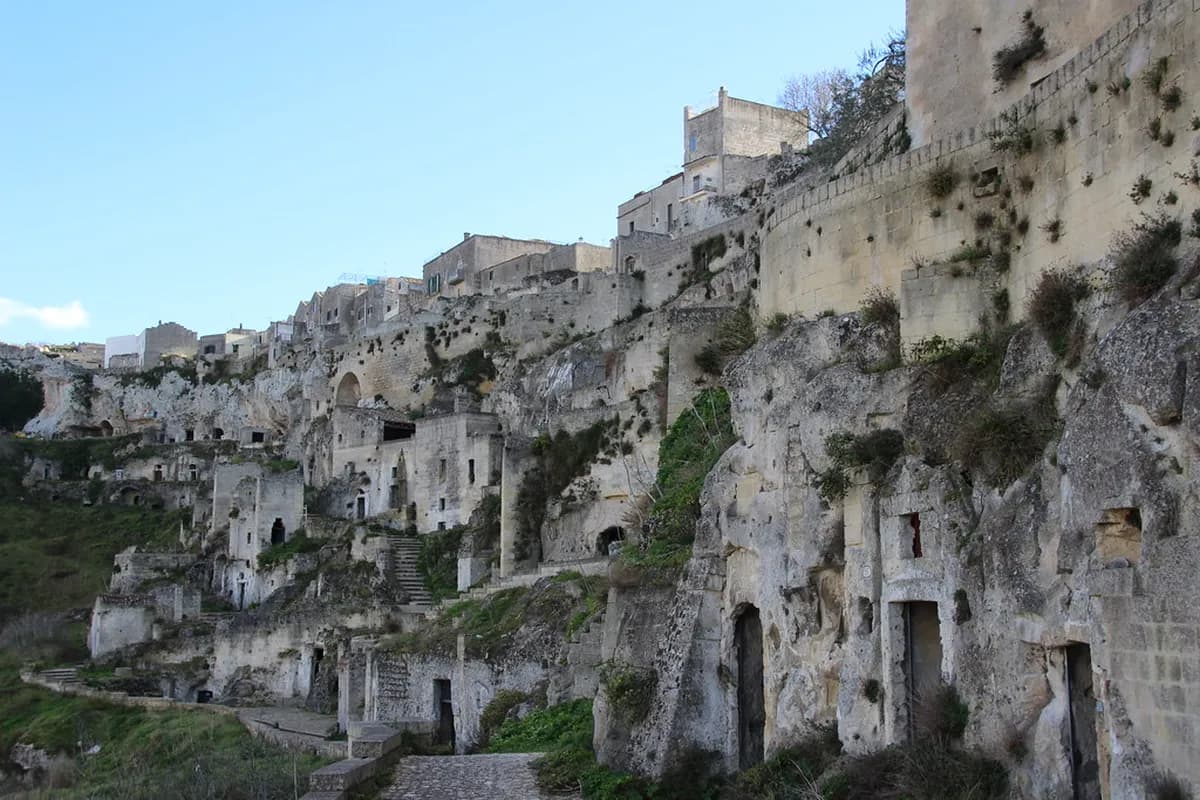
Walking through the Sassi feels like stepping onto a biblical film set. We found the local hospitality to be as warm as the sun-baked limestone. This guide provides the honest reality of exploring this vertical stone labyrinth.
Is Matera worth visiting? (The Verdict)
Verdict: Yes, Matera is a bucket-list destination that rewards those who appreciate history and atmosphere. The sheer scale of the cave dwellings is something photos cannot fully capture. It remains one of the most visually striking places in all of Southern Italy.
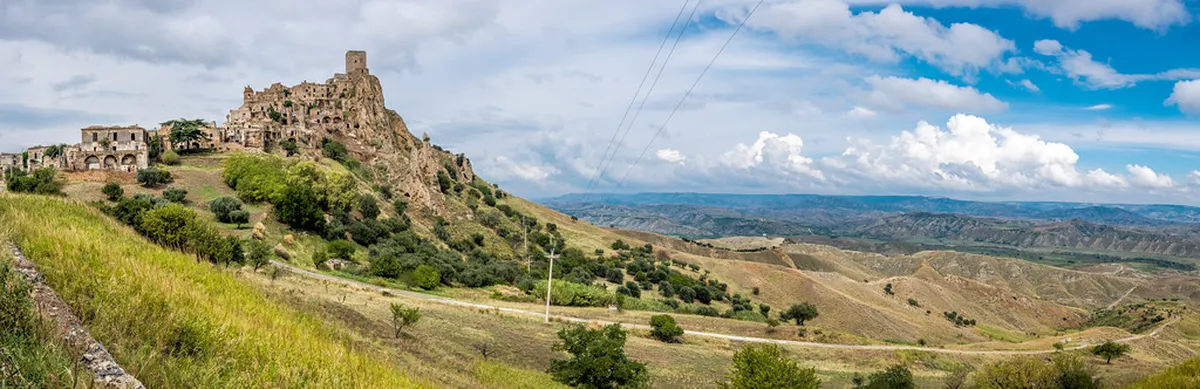
Best for: History buffs, photography enthusiasts, and travelers seeking a slower, more atmospheric pace. Skip if: You have significant mobility issues or a strong dislike for steep, uneven stairs. Alternative: Consider visiting Gravina in Puglia for a similar but smaller canyon-side experience.
The cost of visiting is quite reasonable compared to northern Italian cities. Walking the Sassi streets is free, though individual cave museums usually charge small fees. Budget around €50 per person for a full day of food and entry tickets.
- Pros: Why you should go
- Unique cave hotel accommodation experiences
- Incredible ancient history and architecture
- World-class photography opportunities at sunset
- Delicious and affordable Basilicata cuisine
- Less commercialized than Rome or Venice
- Cons: What to consider
- Physically demanding walking with many stairs
- Difficult driving and strict ZTL zones
- Intense heat during the summer months
- Limited direct train access from major hubs
- Crowded viewpoints during peak cruise hours
Why You Truly Want to Visit Matera: 10 Unique Reasons
The story behind Matera's nickname is central to understanding what you are actually looking at when you walk the Sassi. In the 1950s, the Italian Prime Minister Alcide De Gasperi declared the cave dwellings a "national disgrace," a source of shame for a modernizing country. Up to 16,000 residents — entire families — lived in single-room caves shared with their mules and pigs, with no running water, no electricity, and infant mortality rates among the highest in Europe. Carlo Levi's memoir Christ Stopped at Eboli exposed these conditions to the world in 1945. Between 1953 and 1968, the government forcibly relocated residents to new apartment blocks on the plateau. The caves stood empty for decades.
What happened next is the reason visiting Matera in 2026 feels so remarkable. Those same caves — once symbols of poverty — were gradually recognized as extraordinary archaeological heritage. UNESCO designated the Sassi a World Heritage Site in 1993. In 2019, Matera became a European Capital of Culture, attracting more than one million visitors that year alone. The transformation means you are walking through a place that experienced total abandonment within living memory, then a full rebirth. That layered history charges every narrow alleyway and stone threshold with a weight that no polished northern Italian city can match.
Film buffs will also recognize the dramatic ravine roads and the old bridge from the 2021 James Bond film No Time to Die. The Gravina bridge and the switchback descent into the canyon featured prominently in the opening chase sequence. The production chose Matera deliberately for its otherworldly appearance — the same quality that makes it so striking for any visitor.
One important geography note: Matera is in Basilicata, not Puglia. The confusion is common because most travelers approach via Bari airport in Puglia. The two regions share a border but have distinct cuisines, dialects, and character. Basilicata is wilder, less touristed, and offers crusty sourdough loaves (Pane di Matera IGP), intensely flavored red wines like Aglianico del Vulture, and a sense that mass tourism has not yet smoothed away all the rough edges. You can read more about southern Italian regional differences on the Italy Wander blog.
- Unique Cultural Highlights
- Ancient rock churches with 12th-century frescoes inside soft tuff
- The James Bond ravine bridge from No Time to Die
- Traditional Pane di Matera IGP sourdough from stone-floor ovens
- The vast Palombaro Lungo underground cistern system
- MUSMA: contemporary sculpture displayed inside a 17th-century cave palace
- Neolithic cave dwellings visible across the ravine — 7,000 years of continuous habitation
How Many Days to Spend in Matera?
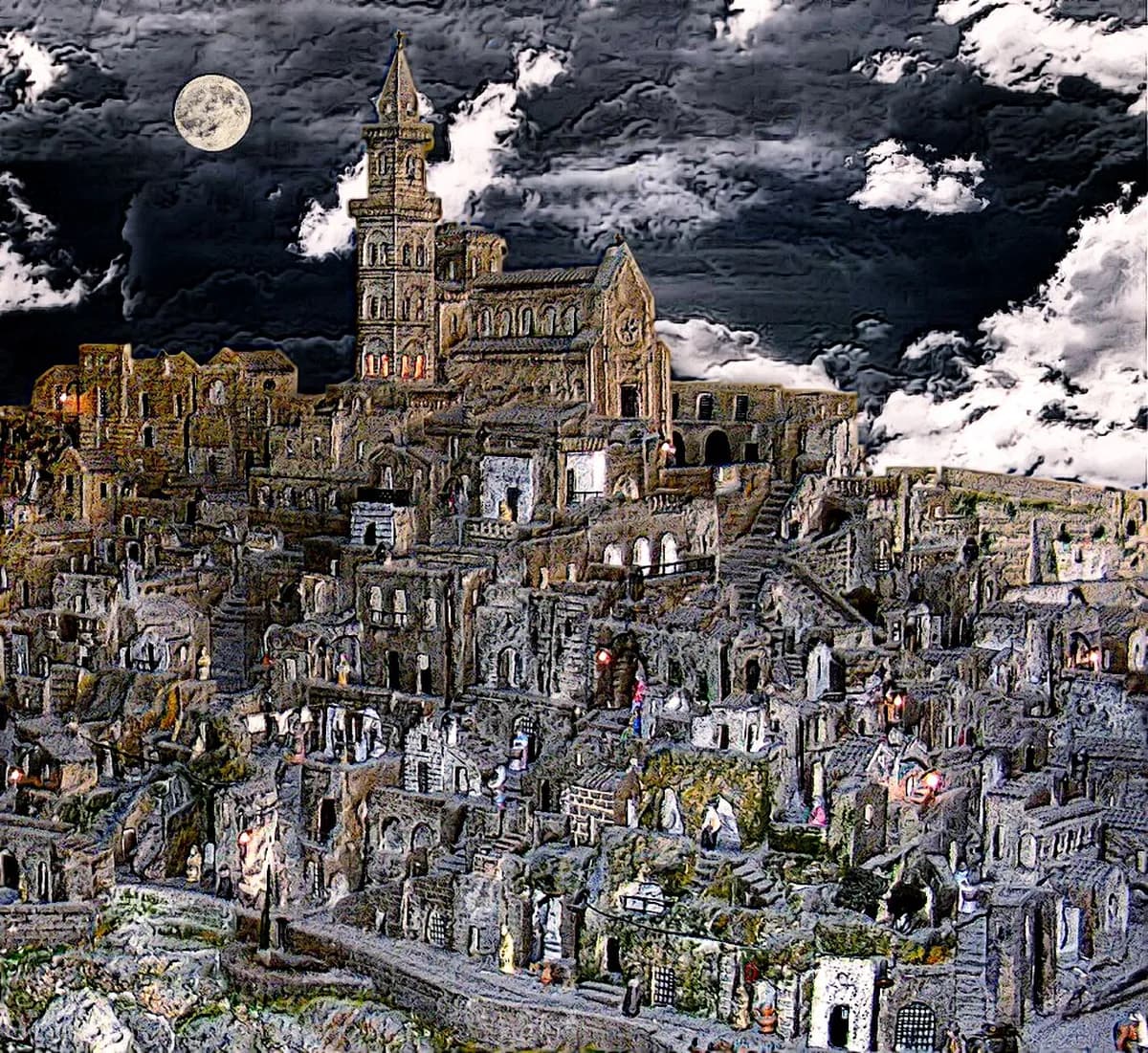
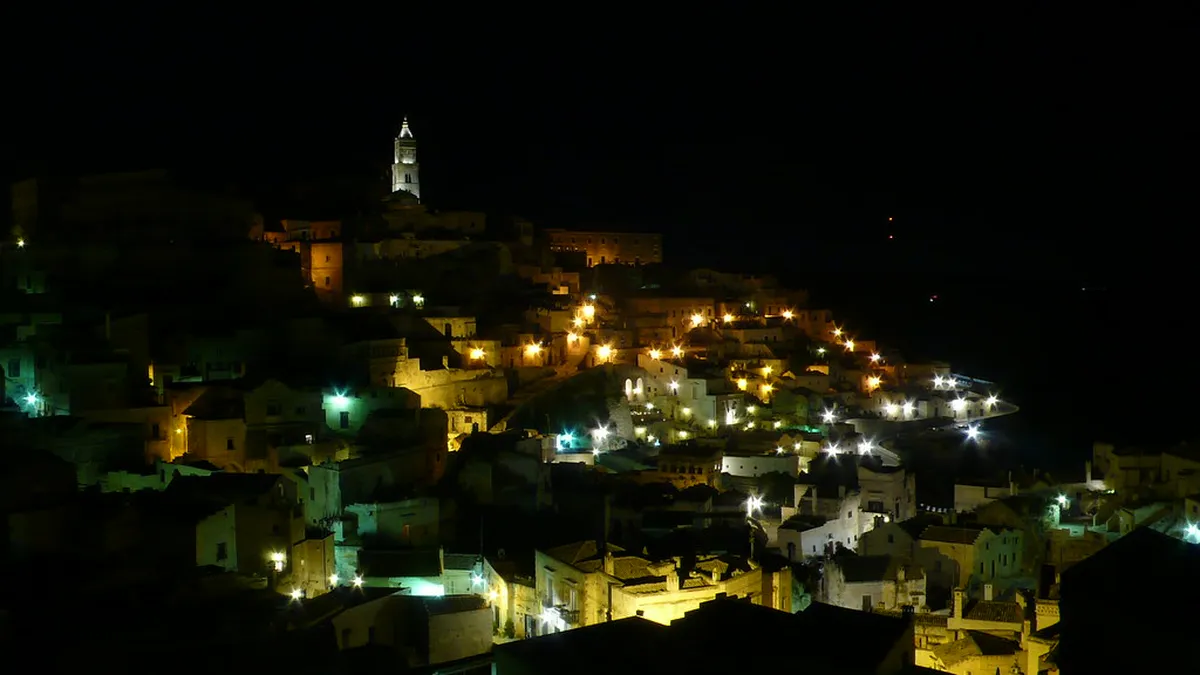
While many visit as a day trip, staying overnight is the superior choice. The Sassi glows orange at night, creating a magical and quiet atmosphere. Day trippers often miss the best lighting and the peaceful morning hours.
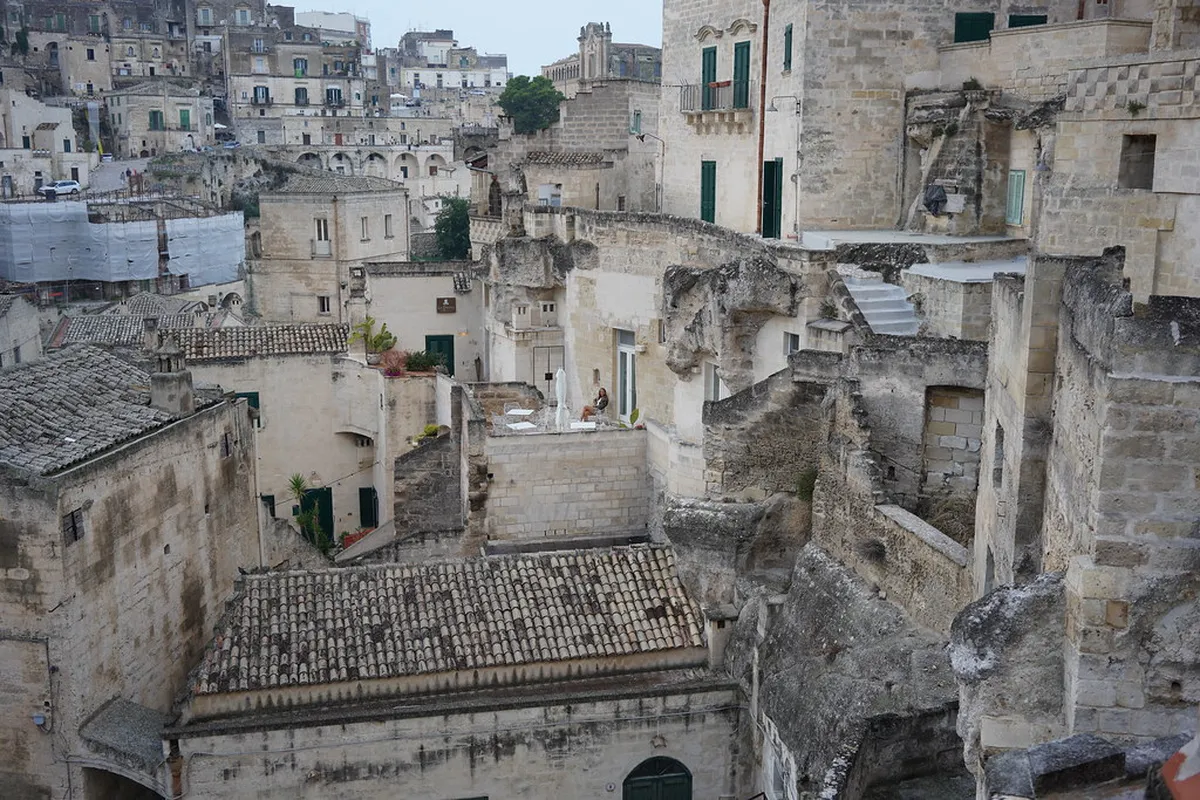
We recommend staying at least two nights to fully absorb the surroundings. This allows you to explore both the Sassi Barisano and Sassi Caveoso. You can find a detailed breakdown of how many days in Matera are needed here.
One full day is enough to see the main highlights and museums. If you only have limited time, follow a one day in Matera itinerary to stay efficient. Arriving early helps you beat the tour buses from nearby Bari.
- Stay Duration Recommendation
- Day Trip: Best for quick highlights
- One Night: Ideal for evening atmosphere
- Two Nights: Perfect for deep exploration
- Three Nights: Includes nearby Murgia park
- Overnight stays escape day-trip crowds
Best Things to Do in Matera
The main attraction is simply wandering through the Sassi di Matera districts without a fixed plan. The two neighborhoods — Sasso Barisano to the north and Sasso Caveoso to the south — connect via the ridge at the Duomo cathedral. Leave the main thoroughfares (Via Fiorentina, Via d'Addozio) whenever possible and drift into unmarked alleys where even Google Maps loses track of the vertical layers. Cave doorways appear at knee height. Streets that look like dead ends open onto staircases dropping several stories. Budget at least two hours just for wandering.
Start at Casa Noha (Via San Biagio 14) if it's your first visit. The multimedia presentation — moving between several rooms, each with projected scenes from Matera's history — gives you the context to understand everything else you see. Open daily except Wednesday, 10:00–18:00; admission €6.50 adults / €3 children. After this, the cave house museums (Casa Grotta) transform from curiosities into genuinely moving spaces.
For rock churches, prioritize Santa Maria di Idris, perched dramatically on the Monterrone outcrop above Sasso Caveoso. Its 12th-century frescoes are still vivid in the cold interior. The €10 three-church combo ticket also covers Santa Lucia alle Malve (8th century, the oldest church in Matera, with a remarkable image of the nursing Virgin) and San Pietro Barisano (the largest rupestrian church, with a creepy crypt where priests were left to decompose in seated niches). All three open daily 10:00–19:00.
The Palombaro Lungo cistern beneath Piazza Vittorio Veneto is easy to underestimate from the surface. Once inside, the scale is staggering — a cathedral of water carved from living rock, used to collect rainwater from the 1400s until the early 20th century. You can still see rust marks on the ceiling from buckets that fell in. Entry €3; open daily 10:00–13:00 and 15:00–18:00.
For the best photograph of the entire city, hike down into the Gravina ravine via trail #406 (start at Ponte Tibetano della Gravina on Google Maps). The path crosses a suspension bridge over the river and climbs to Belvedere Murgia Timone on the opposite hill. From 250 metres above sea level you can see both Sassi districts spread across the ravine walls simultaneously. The out-and-back walk is 3.5 km with about 210 metres of elevation gain and takes around 75 minutes. Go early morning to avoid heat and have the viewpoint to yourself.
- Must-See Attractions and Costs (2026)
- Sassi Districts: Free to walk; join a guided walking tour for context (from €15)
- Casa Noha: €6.50 adults / €3 children — start here first
- Palombaro Lungo: €3 — the underground cistern cathedral
- Three rock churches combo: €10 (Santa Maria di Idris + Santa Lucia alle Malve + San Pietro Barisano)
- Casa Grotta di Vico Solitario: €5 — cave house museum near Santa Maria di Idris
- MUSMA (contemporary sculpture in a cave palace): €10 adults / €5 children
- Ravine hike to Belvedere Murgia Timone: Free — trail #406 from Porta Pistola
- Duomo (Matera Cathedral): €1 — 13th-century Romanesque, highest point in the Sassi
Driving and Parking in Matera (The ZTL Challenge)
Driving inside the Sassi is strictly prohibited for non-residents. The ZTL (Limited Traffic Zone) cameras will issue heavy fines automatically. Navigating the narrow, steep streets is a nightmare for most modern cars.
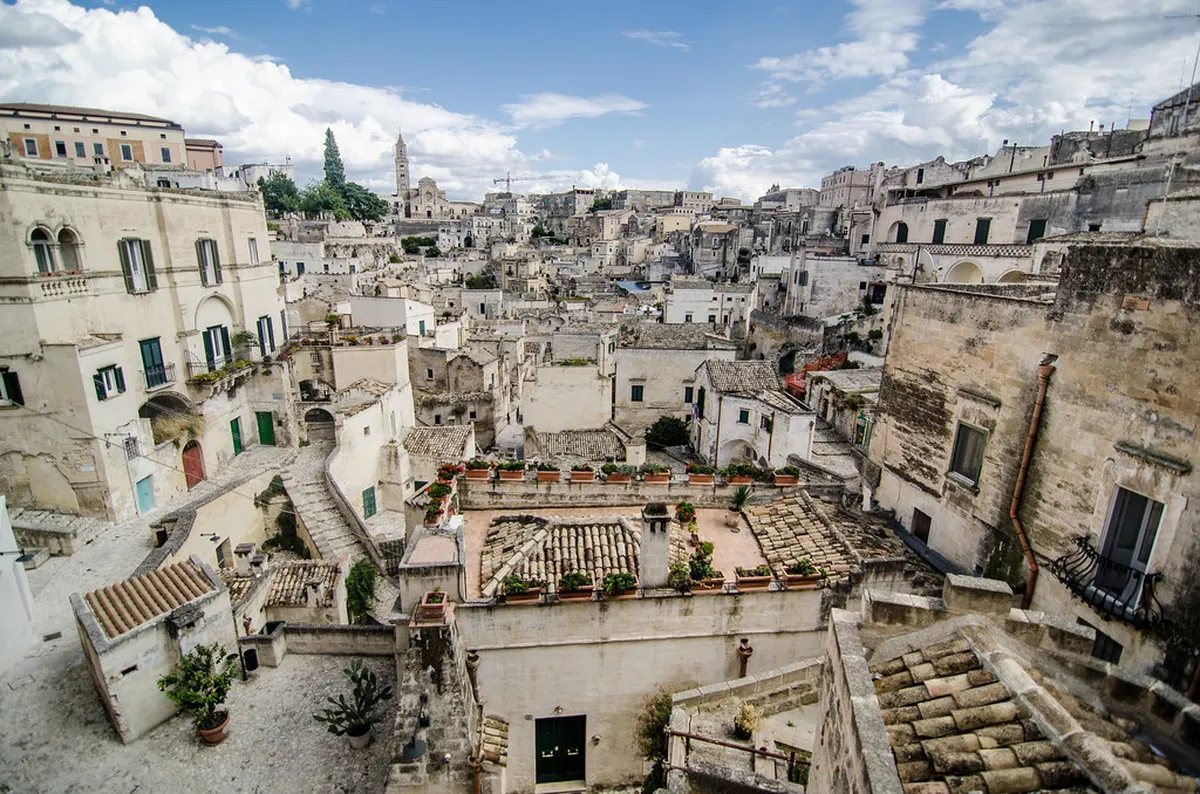
We suggest parking in a secure garage outside the historic center. Parcheggio Sant'Isidoro is a popular choice for its proximity and safety. Daily rates typically range from €15 to €25 depending on the season.
Always call your hotel ahead of time if they offer a shuttle. Some cave hotels provide specific instructions to avoid the ZTL zones. Using a GPS can be unreliable due to the vertical street layers.
- Parking Strategy Tips
- Avoid entering the Sassi by car
- Use 'Parcheggio Via Lucana' for central access
- Budget €20 per day for parking
- Watch for the ZTL 'Attiva' signs
- Book parking in advance during summer
Matera Travel Tips and Practical Facts
Accessibility is the biggest challenge for many visitors in Matera. The city is essentially a giant staircase made of slippery limestone. My legs burned after 15,000 steps on my first day of exploring.
The limestone streets are slippery even when dry—caused by thousands of years of foot traffic polishing the stone. Always wear sturdy shoes with excellent rubber grip. Avoid smooth leather soles, sandals, or high heels at all costs.
Wear shoes with excellent grip to avoid slipping on polished stones. Even on dry days, the worn limestone can be surprisingly treacherous. Avoid heavy suitcases and use a backpack for your overnight gear.
The best time to visit is during the shoulder season months. April, May, and October offer mild temperatures and manageable crowd levels. June through August can be oppressively hot and very saturated with tourists.
- Crowd Calendar and Timing
- April–May: Recommended shoulder season
- June–August: Peak heat and crowds
- September–October: Ideal pleasant weather
- November–March: Quiet but often rainy
- Visit viewpoints at sunrise for solitude
Where to Stay in Matera: Cave Hotel Guide
Staying inside the Sassi rather than in the modern upper town is the single biggest upgrade you can make to your Matera trip. Cave hotels occupy the same grottoes that housed families and livestock until the 1960s — but now come with limestone-vaulted ceilings, freestanding baths, and terraces overlooking the ravine. Book at least two to three months ahead for peak season (June–September) and the Christmas period; the best rooms sell out quickly.
The spectrum runs from genuine luxury to affordable B&Bs. At the top end, Sextantio Le Grotte della Civita occupies a stretch of Sasso Caveoso where original 9th-century cave rooms have been restored with dark stone floors and period antiques — no televisions, no clocks, deliberately stripped back. Rates from around €350 per night. In the mid-range, Hotel Il Belvedere offers cave rooms with a shared terrace producing one of the best panoramic views in the city; rates typically €120–€180 per night. For budget travelers, several B&Bs inside the Sassi offer atmospheric rooms from €70–€90 per night without sacrificing the cave experience.
Practical note: if you are driving, confirm with your hotel whether they can provide a shuttle or valet service from the nearest permitted parking area. Cave hotels deep inside the Sassi cannot be reached by car, and some have steep staircase approaches. Travel with a backpack rather than a rolling suitcase if at all possible.
- Cave Hotel Budget Guide (2026 rates, per night)
- Luxury (€250–€400+): Sextantio Le Grotte della Civita, Palazzo Degli Abati
- Mid-range (€100–€200): Hotel Il Belvedere, Corte San Pietro
- Budget-friendly (€60–€100): B&B La Corte dei Pastori, Locanda di San Martino
- All options above are inside the Sassi — book well in advance for summer dates
How to Get to Matera
Matera has no direct train connection to Italy's high-speed rail network, which is part of what has preserved its character. The most practical entry point for international travelers is Bari Karol Wojtyła Airport (BRI), roughly 65 km and one hour's drive away. From the airport, a private transfer to Matera costs approximately €60–€80 for up to four passengers and removes any parking stress. Alternatively, the FAL (Ferrovie Appulo Lucane) regional railway runs from Bari Centrale station to Matera Centrale; the journey takes around 90 minutes and costs €5. Services run roughly every two hours — check the current timetable before departure as schedules change seasonally.
From Naples, Matera is about 250 km south-east (three to four hours by car via the A3 motorway). FlixBus operates direct coaches from Naples to Matera; the journey takes around 4.5 hours and fares start from €10 booked in advance. From Rome, FlixBus connections exist but typically involve a change; the journey is around 5–6 hours. Driving from Rome is around 4 hours via the A1 and A3 motorways.
If you are combining Matera with a Puglia itinerary — which most visitors do — Bari is the logical base. The train from Bari lets you leave luggage at your Bari hotel, day-trip to Matera, and return the same evening if necessary (though overnight is strongly recommended). Alternatively, driving gives you flexibility to stop at Altamura (Matera's closest town, known for its own extraordinary cathedral and bread tradition) en route.
- Transport Options at a Glance
- Nearest airport: Bari BRI (~65 km, 1 hour drive)
- Train: Bari Centrale → Matera Centrale, ~90 min, €5 (FAL railway)
- FlixBus from Naples: ~4.5 hours, from €10
- FlixBus from Rome: ~5–6 hours with change, from €15
- Self-drive from Bari: fastest and most flexible option (park outside ZTL)
Sample One-Day Matera Itinerary
If you only have a single day, front-load the morning with Casa Noha and the rock churches before tour buses arrive from Bari (typically 10:30–11:00). Afternoons belong to viewpoints and the ravine hike. The outline below assumes arrival by 08:30 and departure after dark.
08:30 — Arrive and check into your cave hotel or drop luggage. Walk directly to Piazza Belvedere Pascoli for your first view of the Sassi in the morning light. The ravine and the two stone neighborhoods spread below you in a palette of honey and ash. Take your time here — the orientation pays off later when navigating the maze.
09:00 — Descend into Sasso Caveoso and walk to Casa Noha. Spend 45 minutes watching the audiovisual history presentation. This single step transforms the rest of the day from sightseeing into something closer to understanding.
10:00 — Visit Santa Maria di Idris and the adjacent Crypt of San Giovanni in Monterrone (combo entry). The terrace beside the church offers one of the most photographed views in Matera.
11:00 — Wander through the back alleys of Sasso Caveoso toward Casa Grotta di Vico Solitario for 30 minutes. The one-room cave furnished exactly as it was when families shared it with animals is quietly devastating after the Casa Noha context.
12:00 — Lunch in the Sassi. Try crapiata (a bean and grain stew unique to Matera) or buy a loaf of Pane di Matera IGP sourdough at a local bakery to eat on a bench with views.
13:30 — Visit Palombaro Lungo cistern beneath Piazza Vittorio Veneto. Cool, quiet, and unlike anything else underground in Italy.
14:30 — Cross to Sasso Barisano and walk above San Pietro Barisano church for the afternoon viewpoint. Stop for a drink at Crialoss Café on the terrace of the cave church — the light is excellent here as the opposite Sasso Caveoso walls catch the afternoon sun.
16:00 — Hike into the Gravina ravine via trail #406 if you have the energy and suitable footwear. Aim to reach the Tibetan suspension bridge before turning back if time is tight. Those who make the full ascent to Belvedere Murgia Timone will have earned the best photograph of the day.
19:00 — Return to Piazza Belvedere Pascoli at golden hour. The Sassi glow amber-orange for roughly 30–45 minutes before sunset. This is the light that makes Matera photographs look unreal. It is even better in person.
20:30 — Dinner and stay overnight. The city empties of day-trippers by 21:00. Walking the Sassi after dark, with the stone lit by warm lamps and almost no one else around, is the experience most day-trippers entirely miss.
- Day-Trip vs Overnight: Key Differences
- Day-trip: Feasible from Bari (1.5h train), covers main highlights, misses golden hour and night atmosphere
- Overnight: Adds evening Sassi walk, sunrise on the stone, quieter morning exploration
- Two nights: Allows Murgia Timone hike, MUSMA, day trip to Aliano or Altamura
Frequently Asked Questions
Is Matera worth visiting as a day trip?
Matera is worth a day trip, but staying overnight is much better. You will miss the magical evening lights if you leave early. One day allows for the main highlights but feels rushed.
How difficult is the walking in Matera?
The walking is quite difficult due to thousands of steep, uneven stone stairs. It is not recommended for those with limited mobility or heart conditions. Always wear sturdy shoes with good grip.
What is the closest airport to Matera?
Bari Karol Wojtyła Airport (BRI) is the closest major airport to Matera. It is about a 60-minute drive or a 90-minute shuttle bus ride away. Direct trains are limited and slow.
Matera remains one of the most rewarding destinations in Southern Italy. The combination of deep history and stunning views is truly world-class. Despite the physical demands, the experience of staying in a cave is unforgettable.
Plan your trip during the shoulder season to avoid the worst crowds. Be sure to book a cave hotel early to secure the best views. Your visit will support the preservation of this incredible ancient treasure.
You might also like


Continue reading
More guides you'll find useful