9 Best Neighborhoods Where to Stay in Bari (2026)
Discover where to stay in Bari with our 2026 guide. From historic Bari Vecchia to trendy Murat, find the best hotels and local tips for your Puglia trip.
On this page
9 Best Neighborhoods and Local Areas to Stay in Bari
I first arrived in Bari on a sticky July afternoon, expecting just a transit hub for my Puglia road trip. Instead, I found a city of hidden limestone courtyards and salty sea air that demanded a much longer stay. Bari successfully balances its grit with a refined coastal elegance that many travelers accidentally overlook. Our editors have reviewed every neighborhood to help you find the perfect home base for your Italian adventure.
This guide was last refreshed in January 2026 after my latest autumn visit to the Adriatic coast. Choosing where to base yourself depends heavily on whether you crave historic silence or modern nightlife energy. Bari is surprisingly diverse, offering everything from 19th-century grand boulevards to quiet residential pockets near the beach. We have mapped out the best zones to ensure you avoid the industrial outskirts and stay near the action.
If you are looking for a specific hotel recommendation, you might want to check our list of best hotels in bari for more details. We also recommend visiting Italy Wander for broader regional planning tips across the Salento peninsula. Whether you are here for the orecchiette or the transit links to Matera, Bari serves as an excellent gateway. Let's dive into the nine neighborhoods that make this city a top-tier Mediterranean destination.
Key Takeaways
- Best overall: Murat for its mix of shopping, safety, and transit access.
- Best for families: Madonnella for the seafront promenade and spacious apartments.
- Best for history: Bari Vecchia to be in the heart of the ancient city.
- Best for budget: Japigia or Carrassi for the most competitive nightly rates.
- Quick tip: Use the train for day trips to Polignano to avoid difficult parking in small towns.
9 Best Neighborhoods and Areas to Stay in Bari
Bari is divided into several distinct districts, each offering a unique atmosphere and different price points for visitors. Most first-time travelers gravitate toward the historic center, but the surrounding modern areas offer better transit access and luxury. Deciding between Bari Vecchia vs Murat is the most common dilemma for newcomers. We have categorized these nine areas to help you match your budget and travel style with the right location.
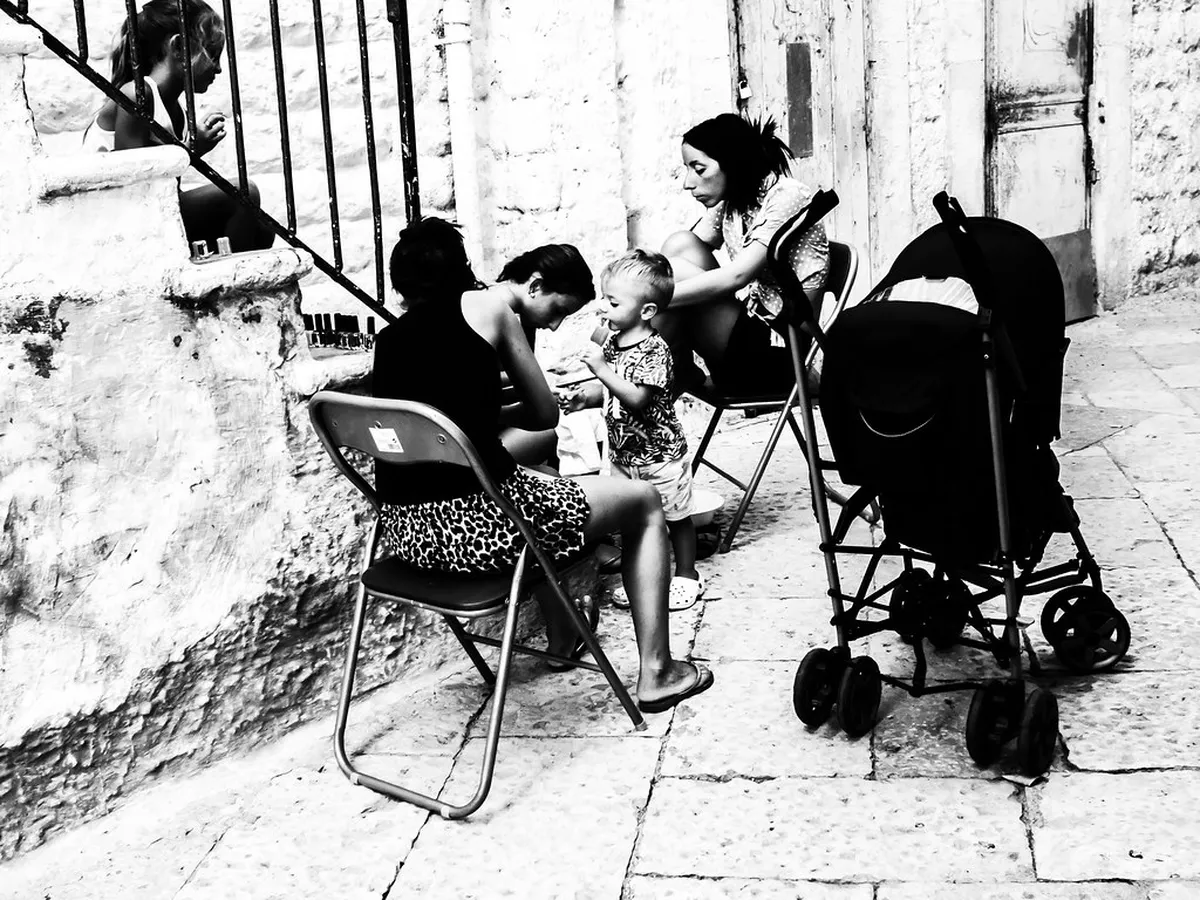
For those seeking a high-end experience, the Dilman Luxury Stay is a standout choice in the modern center. It offers a sophisticated retreat within walking distance of the city's best designer boutiques and fine dining establishments. If you prefer a seaside view, the Jr Hotels Grande Albergo delle Nazioni Bari provides a monumental setting on the promenade. Always check the proximity to the central station if you plan on taking day trips to the Valle d’Itria.
Budget travelers will find plenty of value in the residential zones just south of the main shopping district. You can find more affordable options by browsing our guide to budget accommodation bari for the upcoming season. The following list details the specific characteristics of each neighborhood to simplify your decision-making process. From the ancient alleys to the business hubs, here is where to stay in the Bari area.
1. Bari Vecchia: Best for First-Time Visitors
Bari Vecchia is the reason most first-timers fall in love with this city. The ancient quarter occupies a small peninsula jutting into the Adriatic and packs more atmosphere per square metre than anywhere else in Puglia. Narrow limestone alleys open unexpectedly onto sun-drenched piazzas where elderly women sit at wooden tables rolling orecchiette by hand on Via Arco Basso — a scene unchanged for generations. The Basilica di San Nicola, one of the finest Norman churches in southern Italy, anchors the neighbourhood's spiritual heart, and Castello Svevo guards its northern edge. Expect to pay €90–€180 per night for a renovated stone apartment or a ground-floor B&B. Most streets are pedestrian-only, so arrange to have your luggage collected or arrive before 20:00 when drop-off traffic is lighter. Local secret: visit Al Pescatore beside the castle on a Tuesday for the freshest fritto misto — the fish market boats deliver that morning.
2. Murat: Best for Nightlife and Modern Shopping
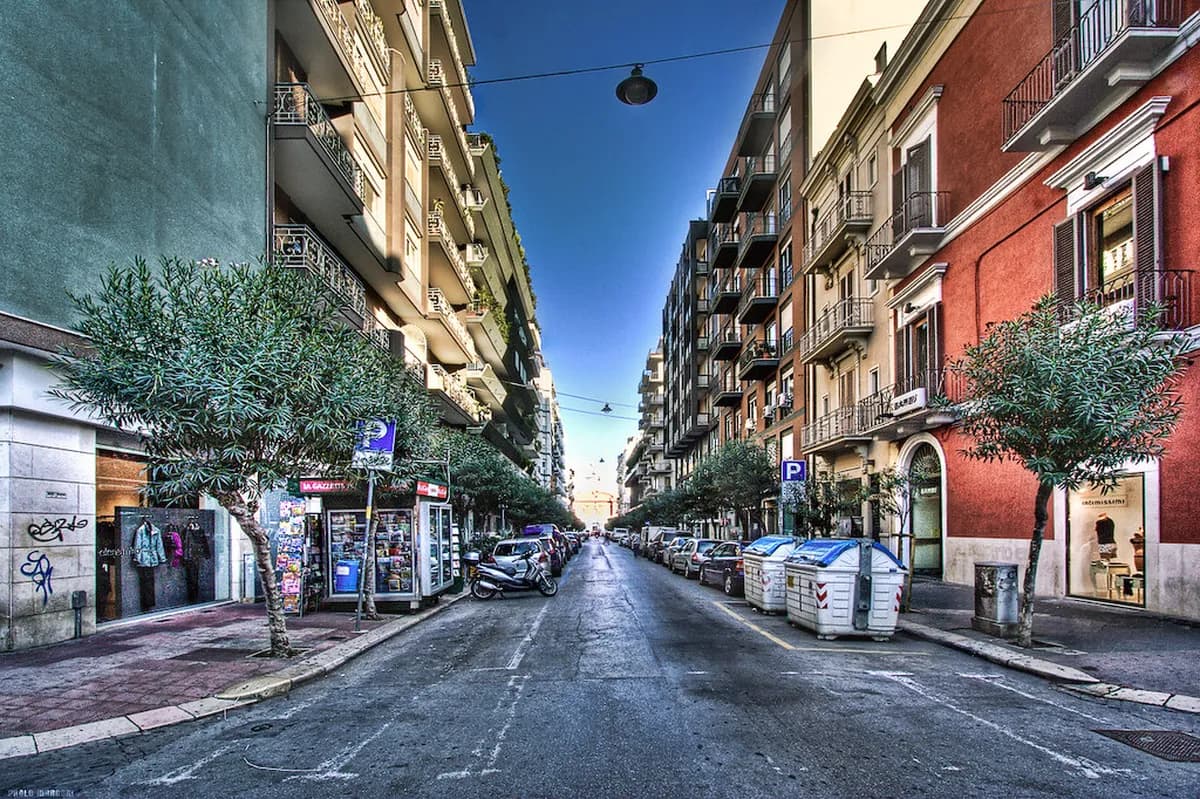
Murat is the rational, grid-plan district laid out in the 19th century south of Bari Vecchia, and it functions as the city's commercial and social engine. Wide boulevards lined with Liberty-style palaces converge on Via Sparano da Bari, the pedestrianised shopping strip where local boutiques sit alongside international brands. At night, the bars and restaurants along Corso Vittorio Emanuele II stay lively until 02:00, making this the undisputed nightlife capital of the neighbourhood map. Mid-range hotels typically run €110–€250 per night, and the constant foot traffic means Murat is also the safest area for solo travelers. Because it sits directly between Bari Centrale station and the Old Town, it is the most logistically convenient base regardless of your travel style. Local secret: the workers' lunch spot Magda on Corso Cavour serves focaccia Barese straight from the oven at 12:30 — get there early or it sells out.
3. Quartiere Umbertino: Best for Foodies and Local Culture
Wedged between Murat and the seafront Lungomare promenade, Quartiere Umbertino is Bari's coolest neighbourhood — weathered Liberty facades, vinyl record shops, and a concentration of excellent wine bars that attract a young professional crowd rather than tourists. The Teatro Petruzzelli, one of the largest opera houses in Italy, dominates its northern edge and is worth a look inside even if you have no tickets. Accommodation in elegant period apartments runs €130–€300 per night for luxury units; mid-range self-catering options start around €80. The neighbourhood is entirely flat and compact, placing you within a 10-minute walk of both the historic centre and Pane e Pomodoro beach. Local secret: Speakeasy Bari on Via Gian Giuseppe Carulli is a prohibition-themed cocktail bar where the bartenders craft personalised drinks based on your mood — no menu, just conversation.
4. Madonnella: Best for Families and Seafront Walks
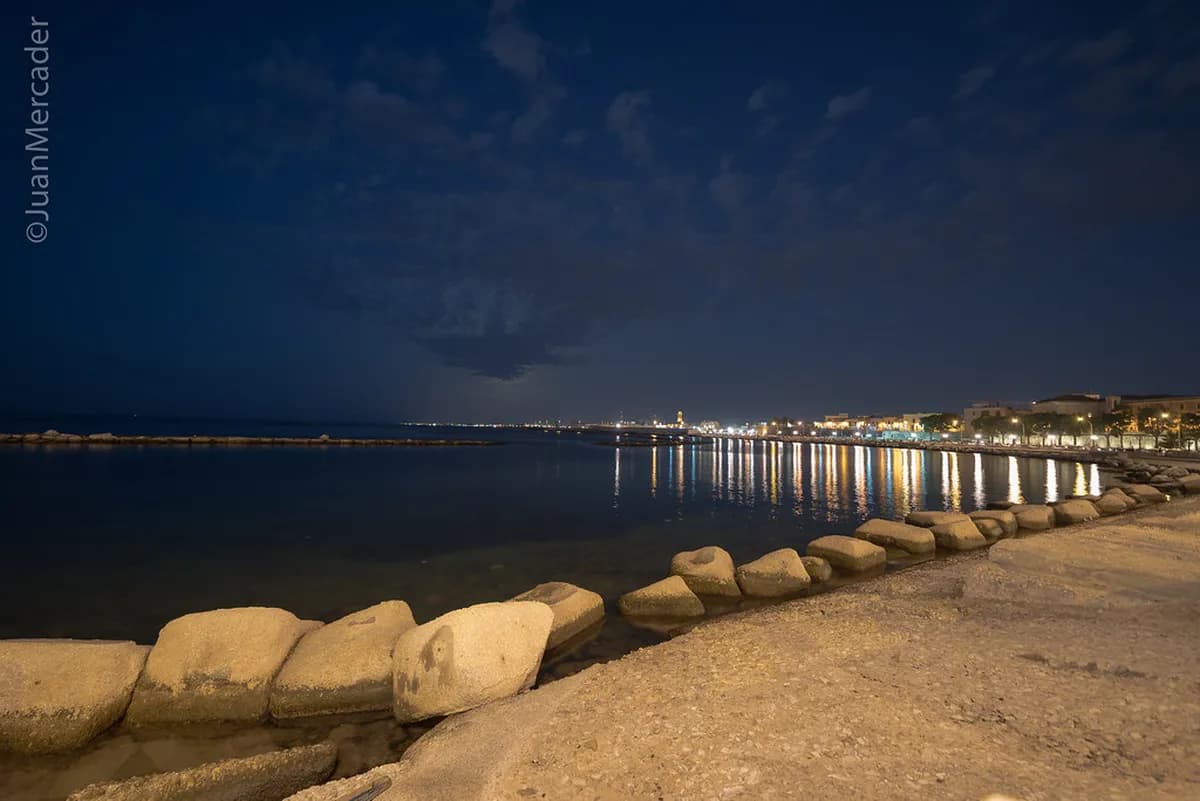
Madonnella stretches east along the coast from Quartiere Umbertino toward Pane e Pomodoro beach, offering a residential calm that families find refreshing after busier city-centre noise. The neighbourhood's defining feature is the Lungomare Nazario Sauro, a wide pedestrian promenade where locals jog, cycle, and watch the Adriatic turn gold at sunset. Spacious two-bedroom apartments with partial sea views cost €80–€160 per night, making this the best value option for groups with children. Pane e Pomodoro beach — a short walk east — has calm, sheltered water and a small bar. The Pinacoteca Metropolitana di Bari on the seafront houses a strong regional art collection worth a morning visit. Walking the Lungomare all the way west connects you to Bari Vecchia in around 20 minutes — use this route at sunset to avoid all traffic. Local secret: Pizzeria Angelo Botta near the garden of Baden Powell is a neighbourhood institution; the marinara pizza at €5 draws a line of regulars every evening.
5. Japigia: Best for Budget-Conscious Travelers
Japigia is Bari's most affordable residential district, located roughly 3 km south of the city centre along the coast. Budget apartments and guesthouses regularly price at €50–€90 per night, and the area is dotted with local trattorie, fishmongers, and morning street markets that show a side of the city untouched by tourism. The Bari Sud-Est commuter train connects the neighbourhood to the centre in about 15 minutes, and several bus lines serve the same route. Parking is readily available in contrast to the ZTL-restricted centre, making Japigia a logical base if you have a rental car for day-tripping through Puglia. The neighbourhood does require a longer daily commute to the main sights, so weigh that against the savings. Local secret: the Russian Orthodox Church of San Nicola near the coast — an unusual 900-year-old structure with onion domes — is one of the least-visited monuments in Bari and almost always empty.
6. Poggiofranco: Best for Business and Modern Stays
Poggiofranco is Bari's contemporary business district, situated inland away from the tourist circuit. Contemporary hotels here often include pools, conference facilities, and large parking lots — features rare in the historic centre. Nightly rates run €100–€200 and tend to include amenities like fitness rooms. The tradeoff is distance: a taxi or bus ride of 15–20 minutes separates you from the Old Town, and the neighbourhood itself lacks the street-life energy of Murat or Quartiere Umbertino. It is the right choice for business trips, fly-and-drive itineraries starting or ending at Bari airport, or travelers who simply want a quiet, modern room without ZTL headaches.
7. Carrassi: Best for Student Energy and Local Bars
Carrassi sits immediately behind Bari Centrale station and runs south through a grid of university buildings, neighbourhood bars, and independent pizzerias. The proximity to the train station — under 10 minutes on foot — makes it ideal for rail-based day-trippers heading to Polignano a Mare or Matera. Guesthouses price at €70–€110 per night, and the lively craft-beer scene ensures evenings feel social rather than dead. Visit the morning market near Via Trevisani for a snapshot of un-touristed local daily life.
8. San Pasquale: Best for a Quiet Night
Bordering Carrassi to the south, San Pasquale is a green, residential neighbourhood centred on the University of Bari campus. It attracts travellers who want genuine neighbourhood calm — leafy streets, local grocery shops, minimal foot traffic after 22:00 — without paying rural-retreat prices. Accommodation runs €75–€130 per night in well-maintained residential buildings. A 20-minute walk or a short bus ride connects you to the centre.
9. Libertà: Best for Authentic Street Life
Libertà is a large, multicultural district immediately west of Murat. Once overlooked, it now draws younger budget travellers drawn by its raw energy, independent cafes, and rates of €65–€100 per night. The walk to Via Sparano shopping takes 10–15 minutes along well-lit straight avenues. Stick to the main streets after dark and you will have no issues — this neighbourhood feels more like local Bari than any other area on this list.
Budget travelers can find the best rates in Japigia or Carrassi (€50–€90/night), though these areas require a longer commute to the city center by bus (20–30 minutes). Book at least three months in advance if visiting during the May feast of San Nicola, when prices can double.
Bari vs. The Rest of Puglia: Choosing Your Base
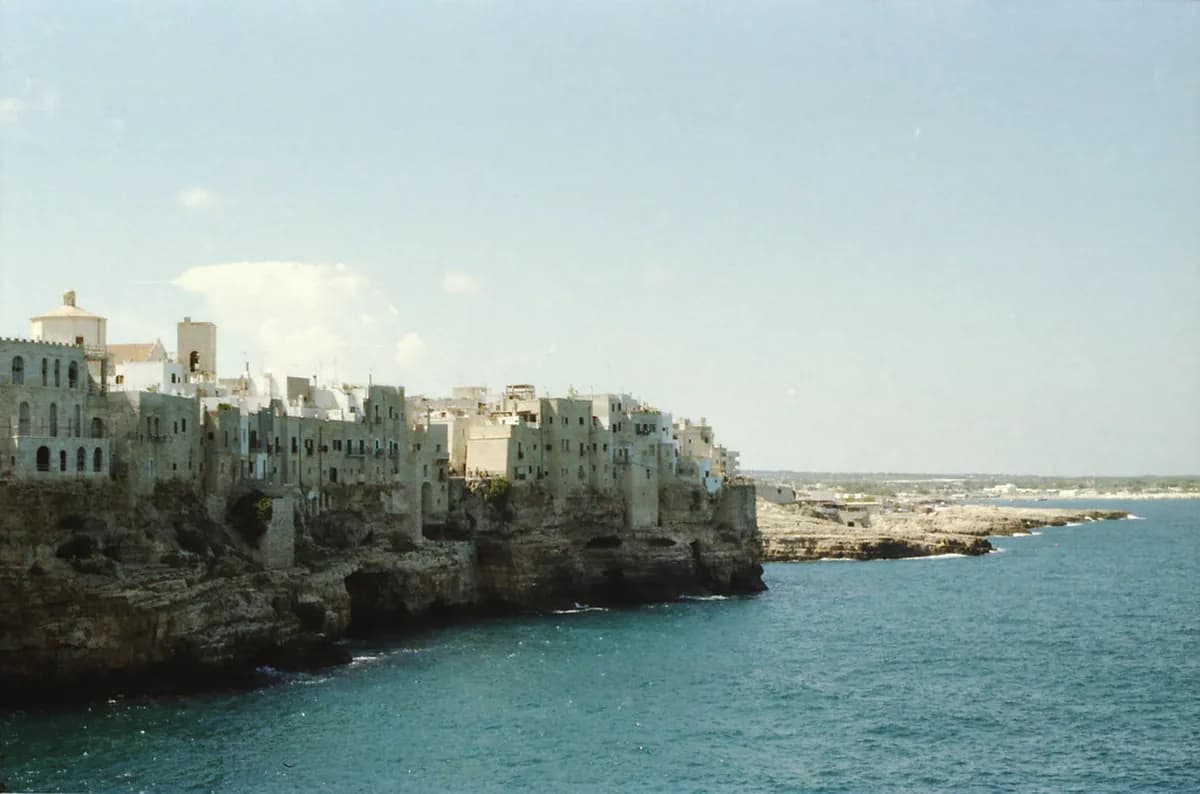
Many travelers wonder if they should stay in Bari for their entire Puglia trip or move between towns. Bari is the undisputed transit king of the region, offering direct trains to Matera and the Gargano Peninsula. The Italian national tourism board profiles Bari as the capital of Apulia and a natural springboard for exploring the wider region. If you do not plan on renting a car, Bari Centrale is the most logical hub for your journey. However, those seeking a romantic seaside village might prefer the smaller scales of Polignano a Mare or Monopoli.
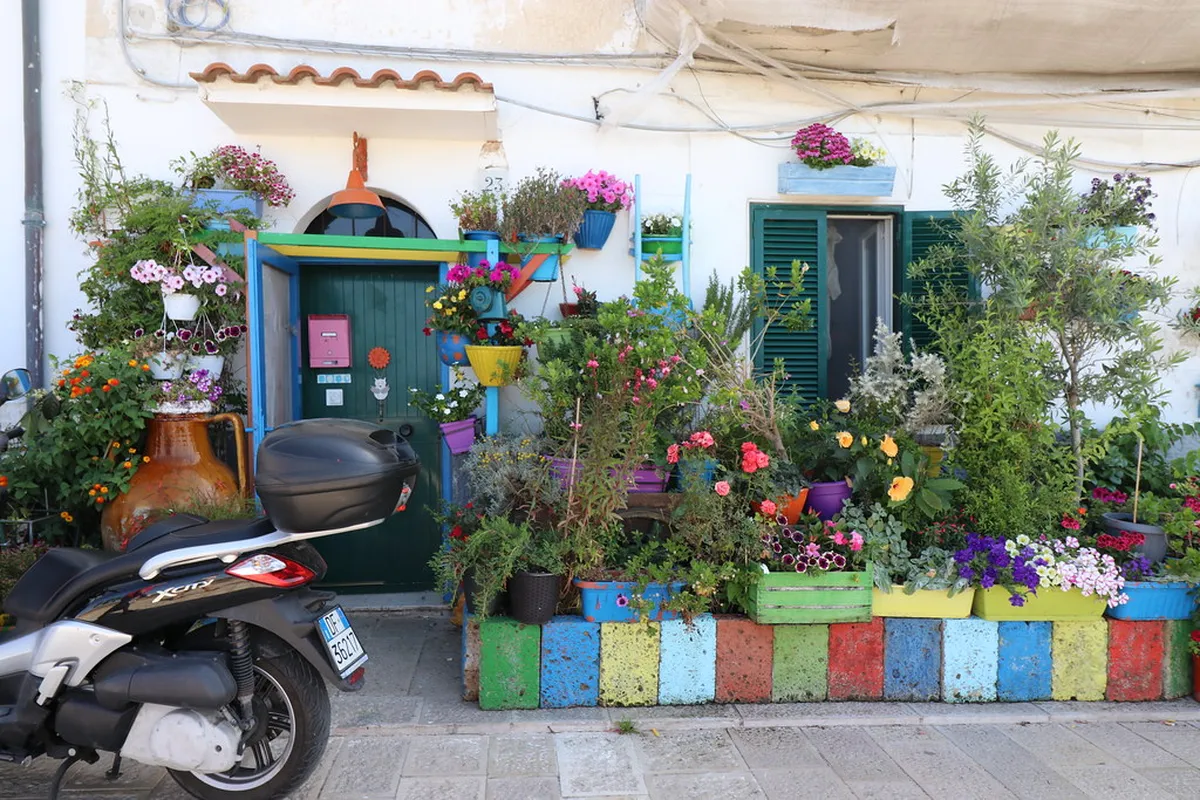
Staying in Bari lets you experience a real Italian city — with proper urban energy, better restaurants, and superior shopping — rather than a tourist-only village. The city’s food scene rivals Lecce and outpunches Polignano a Mare for variety and price. I recommend at least three nights in Bari first, then heading south to the Salento peninsula for beach time. This gives you a balanced read on both urban and rural Puglia before you commit to a single base.
| Base | Best for | Without car? | Avg. price/night | Day-trip range |
|---|---|---|---|---|
| Bari | Urban culture, transit hub | Yes — best option | €90–€200 | Matera, Polignano, Monopoli, Gargano |
| Polignano a Mare | Romantic cliffside setting | Limited (FSE train) | €120–€280 | Monopoli, Ostuni, Alberobello |
| Monopoli | Beach + old town balance | Limited | €90–€220 | Valle d’Itria towns, Polignano |
| Alberobello (Valle d’Itria) | Trulli countryside, agritourism | Very limited | €100–€300 | Locorotondo, Cisternino, Martina Franca |
| Lecce (Salento) | Baroque architecture, beaches | Yes — good trains | €80–€200 | Otranto, Gallipoli, Brindisi |
For a week-long itinerary, use Bari as your airport bookend: arrive, spend two to three nights in the city, then drive south through the Valle d’Itria to a masseria before finishing in Lecce. The airport is only 20 minutes from Bari Centrale by train, making arrivals and departures painless. If your entire trip is just three or four days and you have no car, Bari is the only logical single base — everywhere else becomes too hard to reach reliably by public transport.
Is Bari Safe? Essential Booking Tips for Travelers
Bari has shed its old reputation for being unsafe, but standard urban precautions still apply to every visitor. Bari Vecchia is perfectly safe during the day, though some quiet alleys can feel isolated late at night. I recommend staying on the main paths if you are walking back to your hotel after midnight. The Murat district is generally the safest area due to the constant presence of shoppers and diners.
When booking, pay close attention to the ZTL (Limited Traffic Zone) if you are arriving with a car. Many hotels in the center cannot be reached directly by vehicle, requiring you to park in expensive garages. Look for accommodations that offer 'Parcheggio' or are located just outside the Murat grid to save money. Always verify if your apartment has an elevator, as many historic buildings only offer steep staircases.
Booking at least three months in advance is critical if you plan to visit during the feast of San Nicola in May. Prices can double during major festivals, and the best boutique spots fill up very quickly. If you are traveling in the off-season, you can often find last-minute deals in the Madonnella area. Check the official tourism site for any upcoming city-wide events that might impact traffic and availability.
What to Skip: Overrated Stays in Bari
While Bari is full of charm, some areas listed on booking sites can be quite underwhelming for tourists. I would suggest skipping any accommodation located directly adjacent to the industrial port gates. While these spots are cheap, the constant truck traffic and noise make for a very poor sleep experience. The area lacks the architectural beauty found just a few blocks away in the historic center.
You should also be cautious of 'budget' stays that are located too far inland near the ring road. While the prices are tempting, you will spend your entire vacation budget on taxis or long bus rides. Unless you have a specific reason to be in the suburbs, the lack of atmosphere is rarely worth the savings. Stick to the neighborhoods within a 20-minute walk of the sea for the best experience.
Avoid staying in Bari Vecchia if you have limited mobility and the property does not have ground-floor access. The stone stairs in these old houses are notoriously narrow and can be difficult with large suitcases. Many travelers regret booking 'authentic' lofts only to find they cannot easily carry their gear upstairs. Read the recent reviews carefully to ensure the property matches your physical needs and expectations.
Bari Neighborhood Comparison: Safety, Price, and Transit
Before you book, use this table to match your priorities with the right district. Safety ratings reflect daytime and evening conditions for typical tourists; price bands reflect 2026 nightly averages for standard double rooms.
| Neighborhood | Safety | Price/night | Nightlife | Transit access | Best for |
|---|---|---|---|---|---|
| Bari Vecchia | Good (daytime); use main paths at night | €90–€180 | Low | Walk to centre; no car access | First-timers, couples, history |
| Murat | Excellent 24/7 | €110–€250 | High | 5 min walk to Bari Centrale | Solo travellers, nightlife, shopping |
| Quartiere Umbertino | Very good | €80–€300 | Medium–High | 10 min walk to station | Foodies, couples, culture |
| Madonnella | Very good | €80–€160 | Low | 15 min walk or bus | Families, beach, long stays |
| Japigia | Good | €50–€90 | Low | Bus (20–30 min) or FSE train | Budget, car travellers |
| Poggiofranco | Excellent | €100–€200 | Low | Bus or taxi (15–20 min) | Business, fly-and-drive |
| Carrassi | Good | €70–€110 | Medium | 8 min walk to Bari Centrale | Budget, rail-based travellers |
Train vs. Car: Which Neighborhoods Make Most Sense?
Whether you are relying on Bari Centrale or have a rental car changes the calculus of where to stay significantly. Bari's ZTL (Limited Traffic Zone) covers the entire historic core, meaning drivers arriving in the centre face cameras, fines, and expensive parking garages charging €20–€30 per day. If you are car-free, the following areas work best.
Best neighborhoods without a car: Murat is the clear winner — it is a five-minute walk from Bari Centrale and the FSE regional trains that serve Polignano a Mare, Monopoli, and Alberobello. Carrassi is an equally strong second, with the station literally at the edge of the neighbourhood. Quartiere Umbertino is walkable from the station in 15 minutes and gives you the Lungomare promenade as a bonus. Bari Vecchia is fine for sightseers who are not day-tripping heavily, but the pedestrian-only streets mean arriving with luggage by taxi requires a short walk.
Best neighborhoods with a car: Poggiofranco and Japigia are designed for drivers. Both sit outside the ZTL, offer free or cheap street parking, and have easy access to the A14 motorway for reaching the Valle d'Itria and Salento. Budget travelers with a car should book Japigia first — you will save €30–€60 per night compared to central districts and drive into the centre in under 10 minutes outside peak hours. Park outside the ZTL boundary near Piazza Umberto I to walk in freely.
Frequently Asked Questions
Is Bari a good base for exploring Puglia?
Bari is the best base for travelers using public transport because of its central train hub. It offers easy day trips to Matera, Polignano a Mare, and Monopoli. However, a car is still better for reaching rural masserie.
Which Bari neighborhood is safest for solo travelers?
The Murat district is the safest area for solo travelers due to its well-lit streets and constant activity. It stays vibrant late into the evening with shoppers and diners. Avoid the quietest parts of the port area at night.
How many days should I stay in Bari?
Two to three days is the ideal amount of time to see Bari's main sights and enjoy the food. If you use it as a base for day trips, you could easily stay for five to seven days. It serves as a perfect gateway to Puglia.
Bari is a city that rewards those who take the time to look past its busy exterior. By choosing the right neighborhood, you can transform your trip from a simple stopover into a highlight of your Italian journey. Whether you choose the stone walls of the Old Town or the chic boulevards of Murat, the Adriatic charm is never far away. Pack your walking shoes and prepare to fall in love with the capital of Puglia.
Explore More: Where to Stay in Bari
Keep planning with these related Bari guides.
You might also like


Continue reading
More guides you'll find useful