Is Bari Worth Visiting? 10 Essential Planning Tips
Is Bari worth visiting? Discover if Puglia's capital belongs on your itinerary with our guide to the best things to do, local food, and practical travel tips.
On this page
Is Bari Worth Visiting? 10 Essential Planning Tips
Yes, Bari is absolutely worth visiting for its authentic Pugliese culture and incredible street food scene. If you prefer a polished, tourist-centric resort town, head to Monopoli or Polignano a Mare instead. I visited Bari last May and found it much more charming than the 'gritty port' reputation suggests. Updated June 2024 after my spring visit to ensure all pricing and logistics are current.
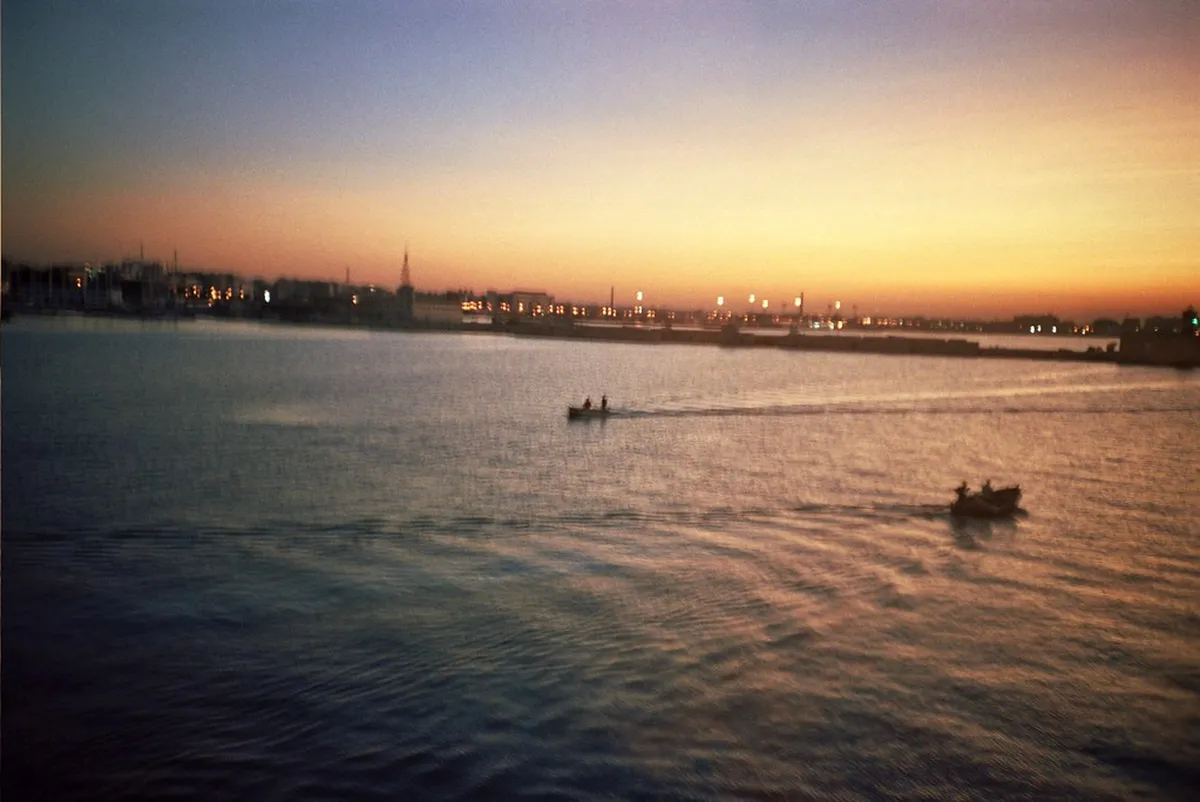
The city serves as the gateway to the stunning Puglia region and offers a raw, unfiltered Italian experience. Many travelers rush through the port, but they miss the soul of the Adriatic coast by doing so. Bari Vecchia feels like a living theater where traditions have remained unchanged for many decades. You will find grand opera houses just a short walk away from narrow, laundry-filled alleys.
The Verdict: Is Bari Worth Visiting?
My honest opinion is that Bari offers the best value for money in all of Southern Italy. The city provides a perfect balance between historic charm and modern amenities without the high prices of Rome. I was surprised by how safe and welcoming the old town felt despite its maze-like streets. The local community takes immense pride in their heritage and shares it generously with visitors.
Verdict: Yes, especially for food lovers and those seeking an authentic local atmosphere. Best for: Budget travelers, street food enthusiasts, and those using public transport to explore Puglia. Skip if: You only want sandy beaches or a quiet, sterile tourist environment. Alternative: Lecce offers a more refined, Baroque aesthetic if Bari feels too chaotic for your taste.
The 'Day Trip vs. Stay Overnight' debate is easy to settle for this specific coastal city. I strongly recommend staying at least one night to experience the evening 'passeggiata' along the sea. Day-trippers often miss the magical transition when the sun sets and the street food stalls ignite. Staying overnight allows you to explore the alleys before the large ferry crowds arrive at noon.
- Pros: What visitors usually love
- Incredible and affordable street food
- Authentic local life in Bari Vecchia
- Excellent train connections to Puglia
- Beautiful coastal promenade for walking
- Lower prices than northern Italy
- Cons: What may disappoint
- Congested traffic in the Murat district
- Confusing maze of old town streets
- Limited sandy beaches in city center
- Gritty atmosphere near the central station
- Cruise ship crowds during midday peaks
What is Bari Known For?
Bari is most famous for its Pasta Ladies — the women of Via Arco Basso who hand-roll orecchiette and cavatelli on wooden boards directly outside their front doors every morning. To see the tradition at its best, arrive between 09:00 and 12:00; most vendors pack up after the lunch rush or once their stock sells out. The etiquette is simple: photograph respectfully (ask first, and a smile goes a long way), then buy a bag. A 500g packet of dried orecchiette costs around €2.50–€3 in 2026 and lasts up to fifteen days without refrigeration — a perfect edible souvenir. The street takes its name from the low archway, Arco Basso, that connects Piazza Federico II di Svevia to the heart of Bari Vecchia. Don't just grab and go — the women are happy to explain their technique if you show genuine interest, which makes the encounter far more memorable than any museum visit.
The city also holds deep religious significance as the final resting place of Saint Nicholas — yes, the historical figure behind Santa Claus. Pilgrims from Greek Orthodox countries, Russia, and Eastern Europe arrive year-round to venerate the relics held in the Basilica crypt. Bari is one of very few Italian cities with a Russian Orthodox church, and you will often hear Russian, Greek, and Albanian spoken near the waterfront. This spiritual magnetism gives the city an international energy that sets it apart from every other town in Puglia.
Its strategic position as a major Adriatic port shapes the seafood-heavy local cuisine and the daily rhythm of life. The 'Nderr la Lanz' fish market near the harbor sells raw sea urchins, octopus, and mussels by the kilo starting at dawn — locals eat them standing at the dock with nothing but a wedge of lemon. This maritime heritage runs through everything: the architecture, the braciole wraps sold from street grills, and the easy confidence with which Barese people move through their city. Bari is also the undisputed cultural capital of Puglia, hosting more theaters, festivals, and university life than anywhere else in the region.
Must-See Bari Attractions
The Basilica di San Nicola is the crown jewel of the city and is completely free to enter. It is open daily from 7:30 AM to 8:00 PM, though you should avoid visiting during mass. The crypt downstairs houses the relics of the saint and stays cool even in the summer heat. I found the Romanesque architecture to be incredibly powerful and much more humble than Roman churches.
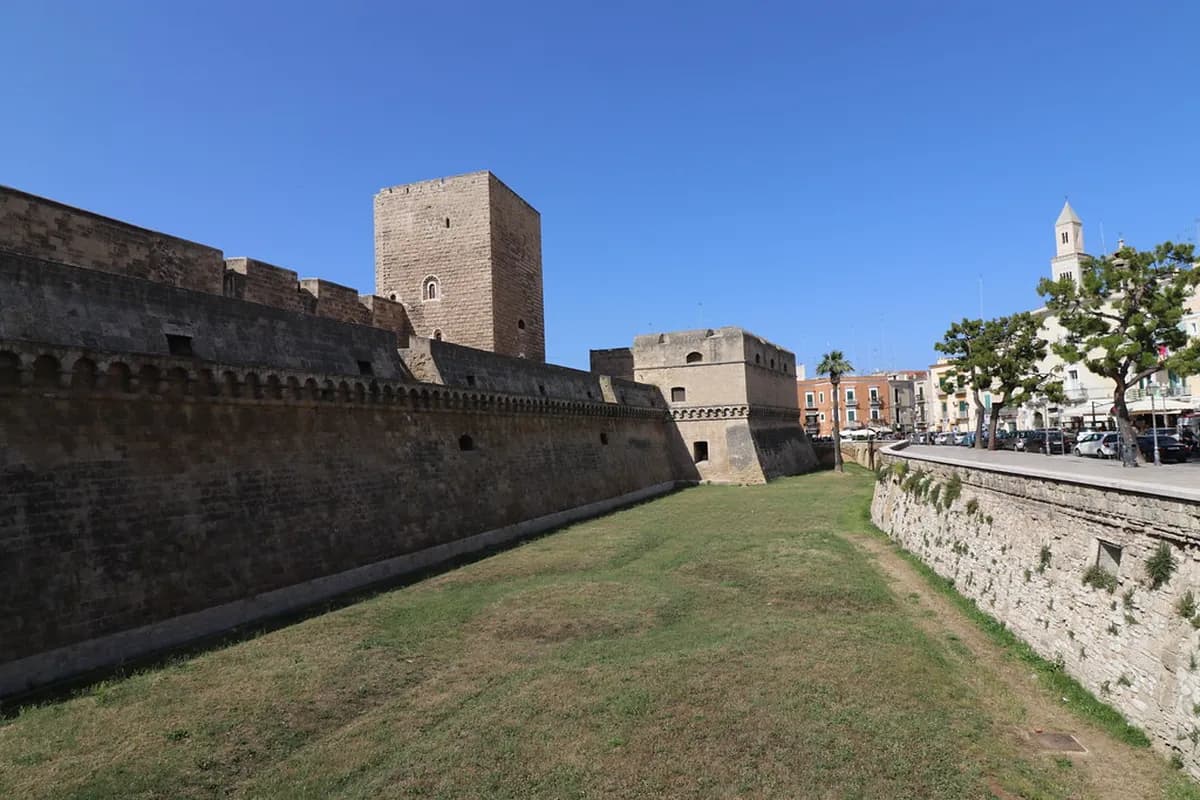
Castello Normanno-Svevo is a massive fortress that guards the entrance to the historic old town center. Tickets cost approximately €9, and the castle is open from 9:00 AM to 7:00 PM daily. The interior features a fascinating collection of plaster casts and medieval artifacts from the surrounding region. Walking along the ramparts provides excellent views of the harbor and the rooftops of Bari Vecchia.
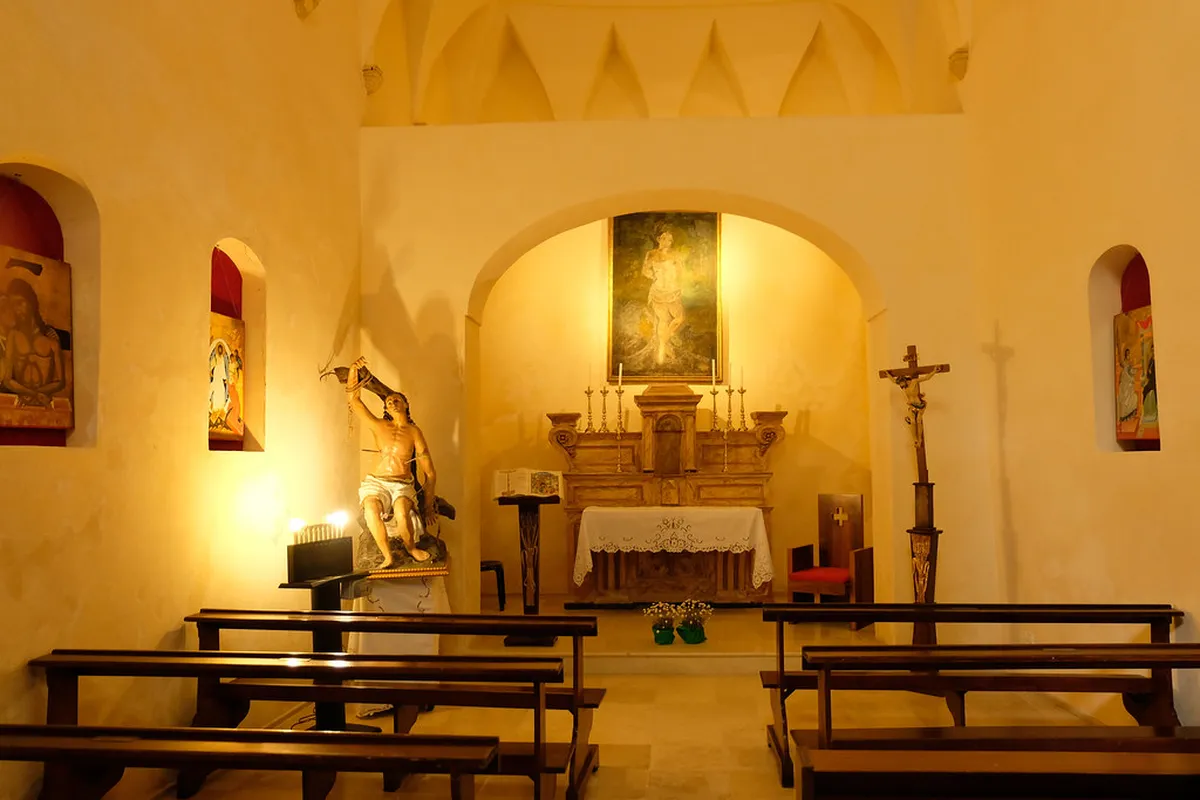
Bari Vecchia itself is the main attraction, consisting of forty small squares and twenty distinct churches. I suggest putting your phone away and simply wandering until you find a hidden courtyard or chapel. Look for the small shrines dedicated to the Virgin Mary tucked into the corners of the buildings. The best time to visit is before 11:00 AM when the morning light hits the white limestone.
Museums, Art, and Culture in Bari
Teatro Petruzzelli is one of the most important opera houses in Italy and a symbol of resilience. After a devastating fire in the nineties, the community rebuilt it to its former red-and-gold glory. Guided tours are available for around €5, but booking a performance is the best way to see it. The acoustics are world-class and the interior decoration is truly breathtaking for any first-time visitor.
For art lovers, the Pinacoteca Provinciale Corrado Giaquinto houses a massive collection of Southern Italian masterpieces. It is located on the top floor of the Palazzo della Provincia along the scenic coastal road. Admission is typically €3, making it one of the most affordable high-quality museums in the country. The medieval paintings and ceramics offer deep insight into the complex history of the Apulia region.
The Museo Archeologico di Santa Scolastica provides a look at the ancient Greek and Roman roots of Bari. It is built into a former monastery and features glass floors over ancient structural ruins. I appreciated how the museum balances modern display techniques with the raw beauty of the old stone. Plan to spend at least ninety minutes here to fully appreciate the vast collection of artifacts.
Parks, Gardens, and Outdoor Spots in Bari
The Lungomare Nazario Sauro is a long, majestic promenade that stretches along the turquoise Adriatic Sea, and its backstory is more layered than most visitors realize. It was built during the Fascist era of the 1930s as part of Mussolini's grand urban renewal project, intended to project power and modernity through wide, seafront boulevards and monumental public architecture. The imposing white palazzi that line the promenade — built in a severe rationalist style — were designed to intimidate as much as impress. Today the same buildings provide gallery space, government offices, and upscale apartments, their authoritarian geometry softened by 197 cast-iron period lamps that light the coastline at dusk. The best time to walk here is between 19:00 and 21:00 during the evening passeggiata, when virtually the entire city strolls the 15km seafront in what feels like one enormous open-air living room. It is the longest coastal promenade in Europe and the social heart of Bari — more important to daily life than any piazza.
Piazza Umberto I offers a green escape in the heart of the modern Murat shopping district. The C.R.A.P APOLLO fountain is a popular meeting point for students from the nearby university. Tall palm trees provide much-needed shade during the intense heat of the Pugliese summer afternoons. It is a great spot to sit with a gelato and watch the city rush past.
Parco 2 Giugno is the largest park in the city and is located slightly outside the center. It features a small pond, several playgrounds, and wide paths for jogging or cycling through the trees. Most tourists never make it this far south, so it feels like a very local sanctuary. The park is open from 7:00 AM until midnight and is completely free for all visitors.
Family-Friendly and Budget-Friendly Options in Bari
Bari is genuinely one of the cheapest city breaks in Italy, and the best things here are either free or cost less than €3. Start with sgagliozze — squares of fried polenta sold by street vendors in Bari Vecchia for just €1 a bag. Panificio Fiore on Via Chirulli bakes the definitive focaccia Barese: thick, olive-oil-drenched dough topped with halved cherry tomatoes and Gaeta olives, at around €2 per slab. For something more substantial, the octopus sandwich (polpo su pane) sold near the fish market costs about €4–€5 and is one of the best street food experiences in southern Italy. Panzerotti — fried dough pockets stuffed with mozzarella and tomato — are another essential stop, found all over the old town for €2–€3 each. A full street food crawl through Bari Vecchia covering four or five stops rarely exceeds €15 per person.
Pane e Pomodoro beach is the city's free public sand beach, a 30-minute walk south along the Lungomare. Bring your own towel and water because there are no paid sun loungers here — which is exactly the point. Weekday mornings before 10:00 are peaceful; Saturday afternoons fill up fast with local families. The water is clear and shallow close to shore, making it a practical option for a cooling dip without driving to Monopoli. Families with young children will find Bari unusually easy to navigate: the Murat district grid is entirely flat, most of the old town is pedestrianized, and Italian culture puts children at the center of any restaurant table rather than at the edge of it. Budget €50–€70 per day for a mid-range trip including meals, minor entry fees, and one day-trip ticket.
How to Plan a Smooth Bari Trip
Getting from the airport to the city center is simple using the dedicated airport train line. The journey takes only fifteen minutes and costs €5.20, which is much cheaper than a taxi. For navigating the city, use Moovit Bari Transit for bus schedules. I found the central train station to be the perfect hub for exploring the rest of Puglia.
If you plan to explore the countryside, DiscoverCars is the best way to find a rental. Driving in the city center is difficult, so I suggest picking up your car only for day trips. Parking near the old town is almost impossible, so look for a hotel with a private garage. We stayed at the JR Hotels Bari Grande Albergo delle Nazioni for its convenient location.
Budget roughly €50 to €70 per day for a mid-range experience including food and some attractions. Most shops close for a 'siesta' between 1:30 PM and 4:30 PM, so plan your shopping accordingly. Credit cards are widely accepted in the Murat district, but keep cash for street food in Vecchia. Learning a few basic Italian phrases will go a long way with the friendly local shop owners.
Best Day Trips from Bari
Polignano a Mare is only twenty minutes away by train and features a world-famous cliffside beach. The white buildings perched over the blue water make it one of the most photographed spots. I suggest going early in the morning to see the Cala Porto beach before it gets packed. The train ticket costs less than €3, making it an incredibly affordable escape from the city.
Matera is a must-see destination that you can reach in about ninety minutes via the private Ferrovie Appulo Lucane. This ancient city of caves is a UNESCO World Heritage site and feels like another planet entirely. Walking through the 'Sassi' districts requires good shoes and a decent level of physical fitness. I think Matera is the most impressive day trip you can take from any city in Italy.
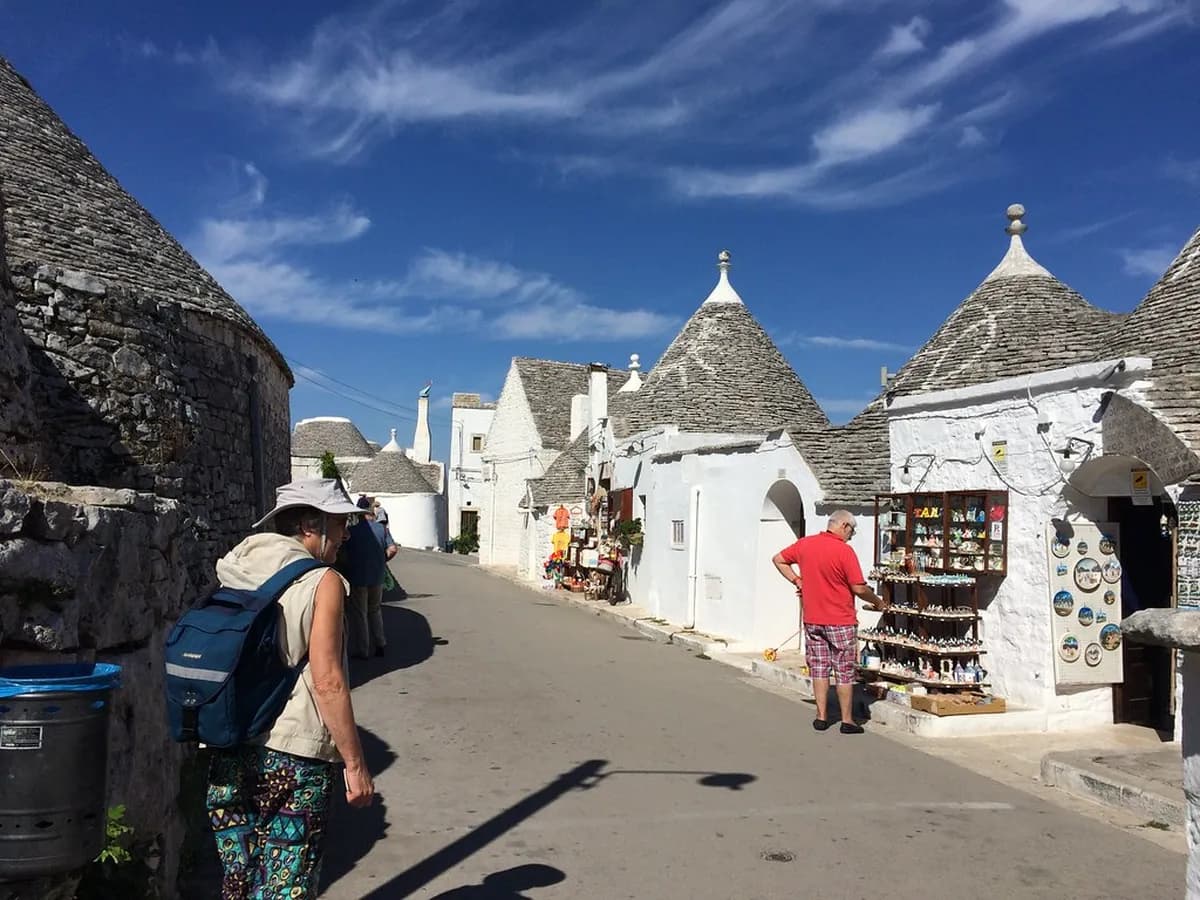
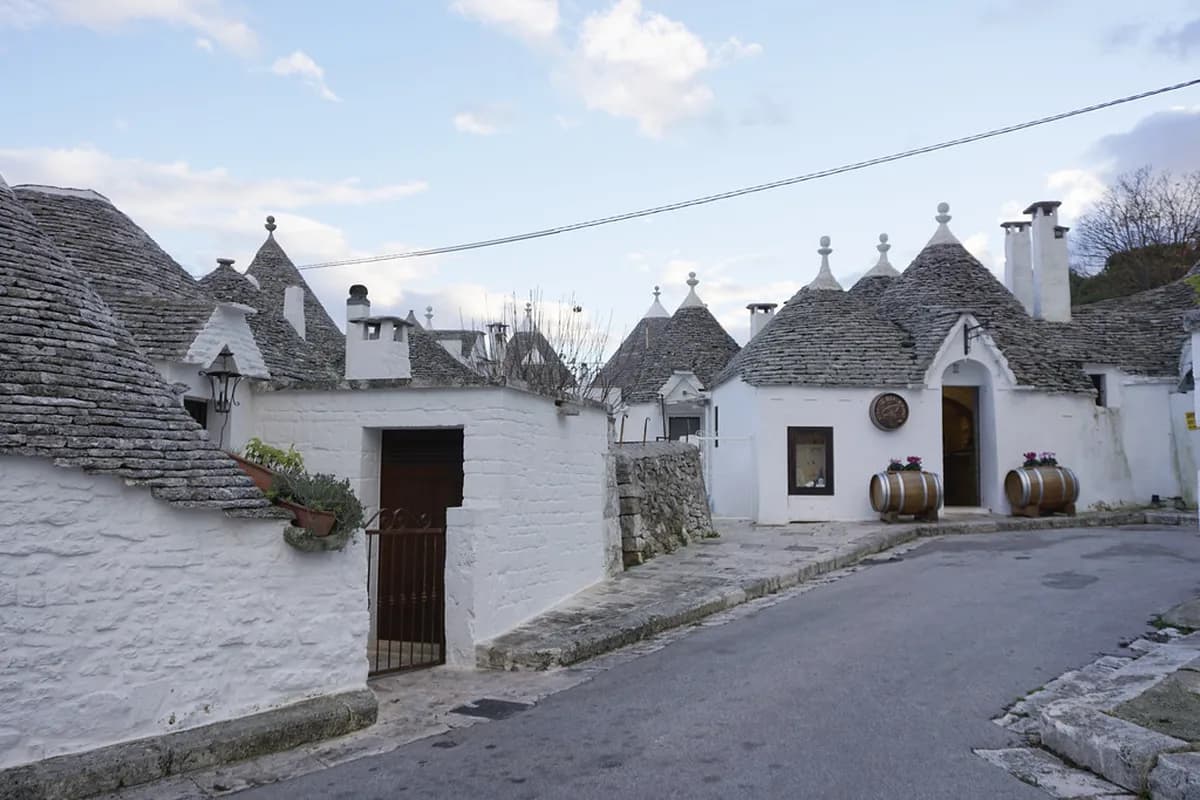
Alberobello and its iconic trulli houses are easily accessible by the Sud-Est train line or by car. While it is very touristy, seeing the cone-shaped stone roofs is a unique experience you won't forget. Try to visit the Rione Aia Piccola area to see trulli that are still used as private homes. The journey takes about an hour and a half, so start your day early to beat crowds.
All three day trips depart from Bari Centrale. Buy regional train tickets at the station ticket machines or at Trenitalia's online booking system (€3–€6 per trip). Use Bari as a base to explore Puglia without moving hotels each night.
How Long to Spend in Bari
Deciding how many days in Bari depends on your interest in local history and food. If you only have one day in Bari, focus entirely on the old town and the harbor. A Bari weekend itinerary allows enough time to explore the city and nearby coastal towns. I believe two full days is the perfect amount of time to see the main city highlights.
Those using the city as a base for all of Puglia should stay for five to seven nights. The central location allows you to reach almost every major attraction in the region within two hours. Returning to Bari each evening means you can enjoy the city's vibrant nightlife and dining scene. You will find more variety in restaurants here than in the smaller, quieter coastal villages.
If you are catching a ferry to Greece, arrive at least six hours before your scheduled departure time. This gives you enough time to drop your bags and have one last meal in Bari Vecchia. The walk from the port to the old town is only ten minutes but feels worlds apart. Check the ItalyWander blog for more tips on southern Italian travel logistics.
Bari Planning Cheatsheet & Map
The best time to visit Bari is during the shoulder seasons of May, June, or September. July and August are the most crowded months due to ferry traffic and local summer holidays. I recommend avoiding the peak heat of August when many smaller shops might close for vacation. The 'Crowd Calendar' peaks around the Feast of Saint Nicholas on May 7th through May 9th.
Bari is generally a safe city, but you should stay alert in the crowded narrow alleys. Keep your belongings close when walking through the market areas or near the main train station. The Murat district is very safe for walking at night and is always full of people. I found the locals to be very helpful if you ever find yourself lost in the old town.
July and August are peak season with heavy cruise ship crowds and intense heat. Most shops close mid-day (1:30–4:30 PM siesta). Driving in the city requires caution — avoid ZTL (Limited Traffic Zone) signs without a permit or face heavy automated fines.
For the best experience, stay in the Murat district just on the edge of the old town. This area offers modern hotels and better soundproofing than the historic buildings in Bari Vecchia. You will be within walking distance of both the historic sights and the best shopping streets. Bari is a city that rewards those who take the time to look beneath the surface.
Bari vs. Lecce: Which Puglia City Should You Visit?
The single most common planning question from first-time Puglia visitors is whether to base themselves in Bari or Lecce, and the honest answer is that they serve very different travelers. Bari is bigger, grittier, louder, and better connected — a working port city where life happens in the street regardless of whether tourists are watching. Lecce is compact, baroque, and polished, with a university-town energy that feels more self-consciously beautiful. Neither is wrong; they are just solving different holiday problems. If you only have time for one, use the table below to decide.
| Factor | Bari | Lecce |
|---|---|---|
| Atmosphere | Authentic, chaotic, local | Refined, baroque, tourist-friendly |
| Architecture | Romanesque + Fascist-era seafront | Elaborate baroque sandstone churches |
| Street food | Outstanding — best in Puglia | Good — panzerotti and pasticciotto |
| Transport hub | Yes — airport, port, main rail hub | No — requires a change at Bari or car |
| Day trips | Matera, Polignano, Alberobello, Trani | Otranto, Gallipoli, Brindisi |
| Ferry connections | Greece, Albania, Croatia, Montenegro | None |
| Budget | €50–€70/day mid-range | €60–€90/day mid-range |
| Best for | Food, culture, logistics base | Romance, architecture, slow travel |
| Time needed | 2–3 nights minimum | 2–3 nights minimum |
The ideal itinerary for a first Puglia trip in 2026 includes at least one night in each city — fly into Bari, use it as your base for northern Puglia day trips, then travel south to Lecce for the final stretch before flying out of Brindisi. If you genuinely only have time for one, choose Bari for the superior food and transport connections, and Lecce if baroque architecture is your primary motivation.
Using Bari as a Ferry Gateway to Greece and Albania
Bari port is one of southern Italy's busiest international departure points, with regular overnight and daytime crossings to Patras and Igoumenitsa in Greece, Durrës in Albania, and Split in Croatia. If you are combining an Italy trip with a Balkans or Greek island itinerary, Bari is the most practical point of departure in the country. Ferries run year-round with the heaviest schedule from June to September; book at least four to six weeks ahead in peak summer. The main operators in 2026 are Grimaldi Lines (Greece, Albania) and Jadrolinija (Croatia). Cabin-class tickets to Greece start from around €50 one-way in low season and €90 in July and August.
The port (Porto di Bari) is roughly 1.5km north of Bari Centrale station — a €10 taxi or a 20-minute walk along the waterfront. Check in opens three hours before departure for foot passengers with a vehicle; plan for two hours if arriving on foot. Leave your bags at the port's left-luggage facility (around €5 per bag) and walk back to Bari Vecchia for a final meal — the old town is only ten minutes away and you will not find seafood this fresh anywhere else along the route. The overnight crossing to Patras takes approximately 16 hours, so bring snacks, an eye mask, and a light layer even in summer. Arrive at port no later than 90 minutes before departure or risk missing embarkation even with a confirmed ticket.
Frequently Asked Questions
Is Bari worth visiting for a day?
Yes, Bari is perfect for a day trip to explore the historic Bari Vecchia and the Basilica. You can see the main sights and enjoy incredible street food in about six hours. It is a great stop before heading deeper into Puglia.
Is Bari safe for tourists?
Bari is generally safe for tourists who use common sense in crowded areas. The old town has been revitalized and is now a popular, well-lit destination for visitors. Avoid showing expensive jewelry and stay in populated areas at night.
Is Bari better than Lecce?
It depends on your travel style as both cities offer very different experiences. Bari is grittier and more authentic with a focus on seafood and street life. Lecce is more refined, featuring stunning Baroque architecture and a quieter atmosphere.
Bari is a city that often surprises travelers who give it a chance beyond the ferry port. The combination of ancient traditions and a modern coastal vibe creates a unique Italian atmosphere. I left the city feeling like I had experienced the true heart of the Puglia region. Whether you come for the pasta or the history, Bari is a destination you won't regret.
You might also like


Continue reading
More guides you'll find useful