How Many Days In Bari Travel Guide
Discover how many days in bari you need with our expert 3-day itinerary. Includes top attractions, local food tips, and practical booking advice for Puglia.
On this page
How Many Days In Bari: A Perfect 3-Day Itinerary
Bari is a stunning coastal city in southern Italy that serves as the perfect gateway to the Puglia region. I first visited Bari during a warm spring week and immediately fell in love with its dual personality. This guide is designed for first-timers who want to balance historic exploration with modern Italian culture. We found that many travelers rush through, but staying longer reveals the city's true soul and culinary depth.
Determining is Bari worth visiting depends on your interest in authentic, less-crowded Italian experiences. I built this 3-day Bari itinerary after my fourth visit to this sun-drenched Adriatic gem. The city offers a unique blend of medieval alleys, grand 19th-century boulevards, and a vibrant seaside atmosphere. Last refreshed after my spring visit, this guide ensures you see the best of the city without feeling rushed.
Many visitors ask Tripadvisor.com how to split their time between Bari and nearby towns. I recommend spending at least three days here to fully appreciate the local lifestyle and food scene. This duration allows you to explore the historic core and enjoy the modern shopping districts at a relaxed pace. You will also have enough time to sample the famous street food that makes Bari a culinary capital.
Key Takeaways
- Book the Teatro Petruzzelli tour at least 48 hours in advance to secure a spot.
- Visit the 'Pasta Street' in the morning to see local women hand-rolling orecchiette.
- Stay in the Murat district for the best balance of historic access and modern convenience.
At a Glance: 3 Days in Bari
This quick overview helps you visualize your trip before diving into the specific details of each day. Our plan focuses on minimizing travel time by grouping attractions within walkable neighborhoods. Most first-time visitors find that three days provides the ideal balance of sightseeing and relaxation. You can easily adjust this schedule if you decide to add a Bari weekend itinerary extension.
The first day focuses on the ancient heart of the city, known locally as Bari Vecchia. On the second day, you will transition into the grand Murat district with its wide avenues and theaters. The final day is reserved for coastal views, local markets, and perhaps a short excursion nearby. Each day is designed to be executable on foot or with minimal use of public transit.
Bari is very walkable, but you can also use the efficient local bus system for longer distances. Metro tickets typically cost €1.50 per ride and are useful for reaching the airport or outskirts. I recommend wearing comfortable shoes as the old town's limestone streets can be quite slippery. This itinerary ensures you hit the major landmarks while leaving room for spontaneous discoveries.
Bari Vecchia's narrow streets are pedestrian-only but can be confusing to navigate. Avoid the area after dark if unfamiliar with the maze-like layout, and stay alert for pickpockets in crowded markets near the train station.
- Day 1: Old Bari classics and pasta vibe
- Morning: Explore Basilica di San Nicola.
- Afternoon: Walk the famous pasta street.
- Evening: Dinner in Piazza Mercantile.
- Day 2: Grand architecture and modern shopping vibe
- Morning: Tour the Teatro Petruzzelli.
- Afternoon: Shop along Via Sparano.
- Evening: Watch the sunset at Lungomare.
- Day 3: Coastal views and local seafood vibe
- Morning: Visit the local fish market.
- Afternoon: Explore the Pinacoteca Provinciale.
- Evening: Enjoy craft beers in Murat.
The Ultimate 3-Day Bari Itinerary
Your first day begins in Bari Vecchia, the historic district that feels like a living museum. We hit the Basilica di San Nicola at 9:00 AM to beat the large cruise ship tour groups. Admission to the Basilica is free, though the crypt area may have restricted hours during religious services. I found that the morning light makes the white limestone buildings glow beautifully for photography.
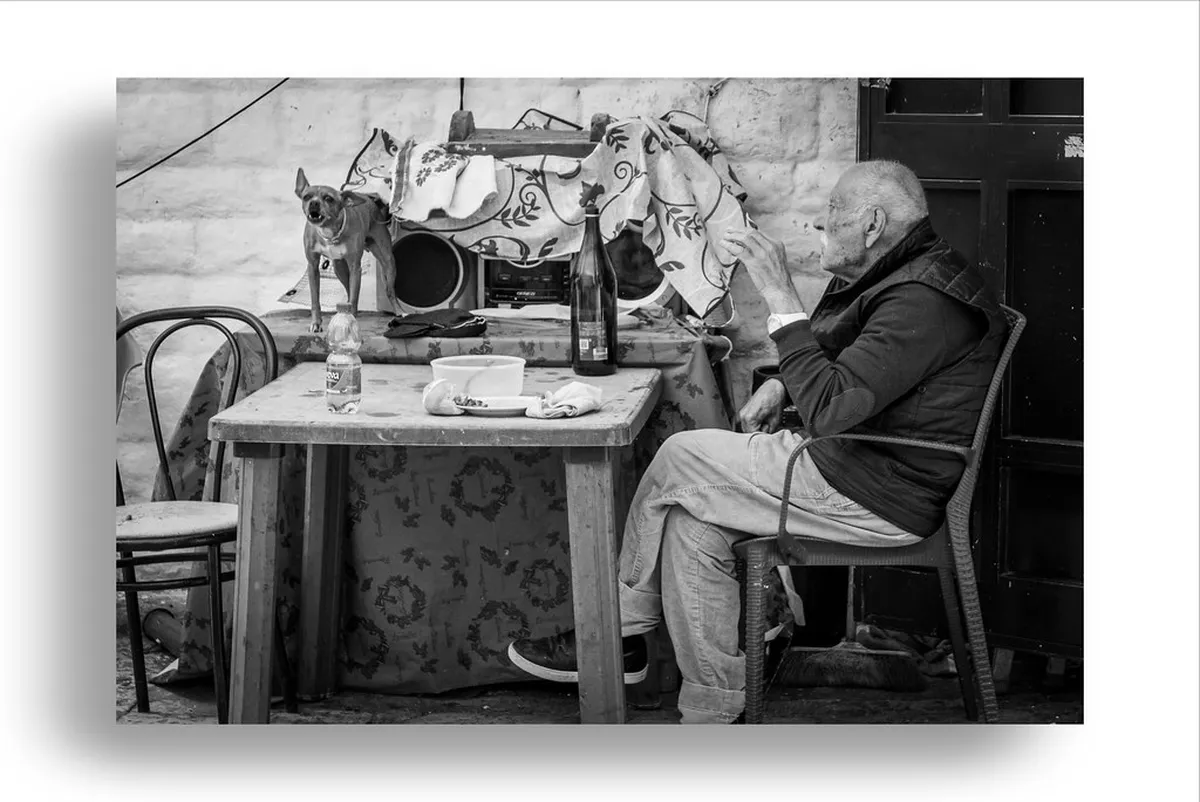
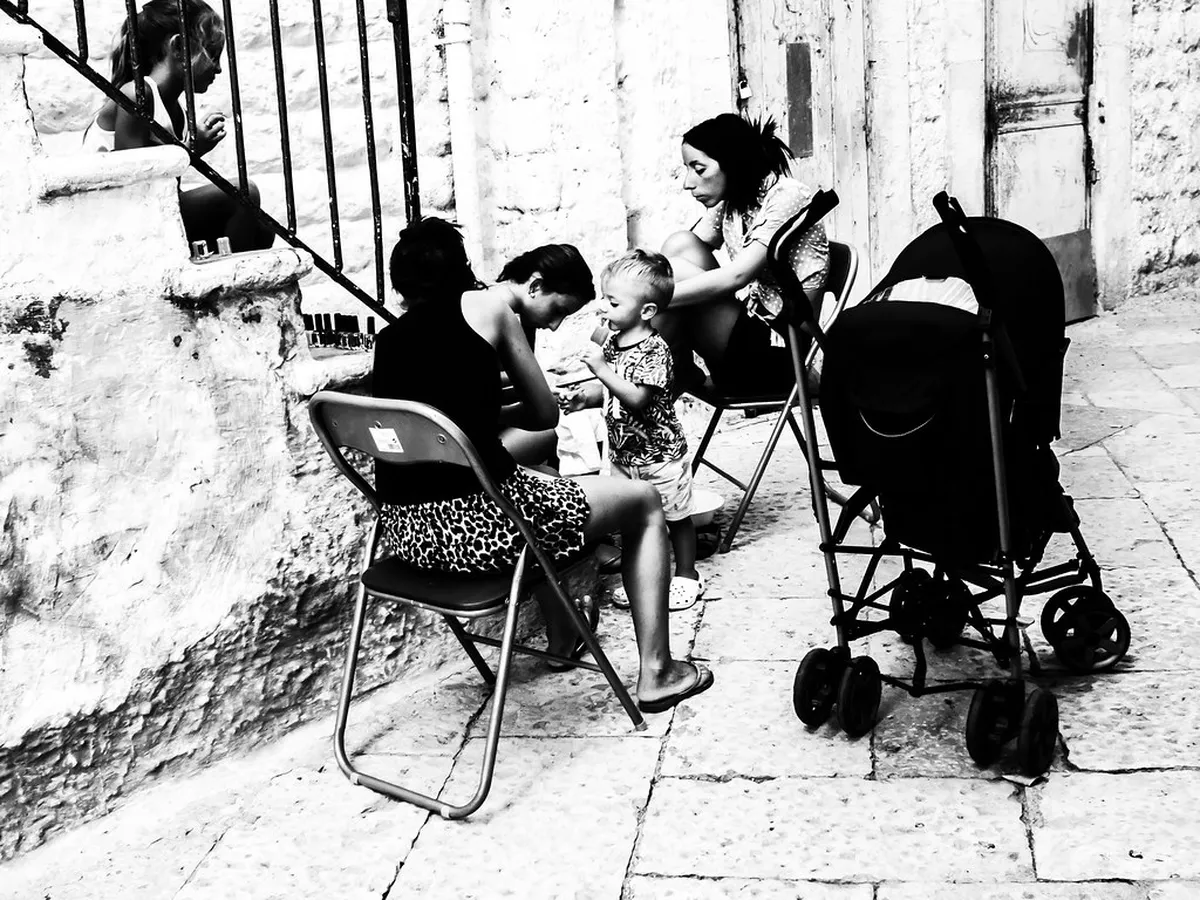
After the Basilica, head to the Arco Basso to see the famous pasta ladies making orecchiette. They usually start drying their handmade pasta on wooden screens by 10:00 AM every single day. You can buy a bag of fresh pasta for about €5 to take home as a souvenir. This area is the heart of local culture and offers a glimpse into centuries-old traditions.
In the afternoon, visit the Castello Svevo, a massive fortress guarding the entrance to the old town. The castle is open daily from 9:00 AM to 7:00 PM with an admission fee of €6. I suggest spending about 90 minutes here to explore the Gipsoteca and the archaeological remains. The castle provides excellent shade and cool interiors during the hot afternoon sun.
Transition to the Murat district on day two to experience the city's 19th-century expansion. The Teatro Petruzzelli is a must-see, but you must book tours at least 48 hours in advance. Tours usually cost €5 and provide a fascinating look at the theater's tragic fire and restoration. I was amazed by the gold-leaf details and the incredible acoustics of the main hall.
Spend your final day enjoying the Adriatic breeze along the Lungomare Nazario Sauro promenade. The fish market at N'derre a la Lanze is most active before 11:00 AM for raw seafood. Local fishermen sell 'crudo' which is a traditional Bari delicacy you should try if you are brave. Finish your trip with a visit to the Pinacoteca Provinciale for stunning Italian art and coastal views.
- Day 1: Discovering the ancient alleys of Bari Vecchia
- Morning: 9:00 AM – 12:00 PM, Basilica and Cathedral.
- Afternoon: 1:30 PM – 4:00 PM, Castello Svevo visit.
- Evening: 7:00 PM – 10:00 PM, Piazza Mercantile dinner.
- Time: 8 hours total.
- Logistics: Entirely walkable within the old town.
- Optional: Visit the underground Bari Sotterranea.
- Day 2: Exploring grand architecture in the Murat district
- Morning: 10:00 AM – 12:00 PM, Teatro Petruzzelli tour.
- Afternoon: 2:00 PM – 5:00 PM, Shopping on Via Sparano.
- Evening: 6:30 PM – 9:00 PM, Lungomare sunset walk.
- Time: 7 hours total.
- Logistics: Use wide sidewalks; very stroller friendly.
- Optional: Visit the Palazzo dell'Acquedotto Pugliese.
- Day 3: Enjoying the refreshing breeze along the Adriatic
- Morning: 8:30 AM – 11:00 AM, Harbor fish market.
- Afternoon: 1:00 PM – 4:00 PM, Pinacoteca art museum.
- Evening: 7:30 PM – 10:30 PM, Farewell seafood feast.
- Time: 6 hours total.
- Logistics: ~20 min walk from Murat center.
- Optional: Relax at Pane e Pomodoro beach.
Book in Advance: Essential Bari Reservations
Bari has become increasingly popular, so booking certain attractions ahead of time is now essential. The Teatro Petruzzelli only offers guided tours on specific days and they fill up very quickly. I recommend checking their official website at least 30 days before your planned arrival date. A tour usually takes 45 minutes and costs roughly €5 per person.
If you want to see the ruins beneath the city, book Bari Sotterranea well in advance. These underground tours are limited to small groups and often sell out a week early. The tour covers the archaeological area of the Cathedral and the Norman-Swabian Castle. It is a unique way to see the layers of history that built the modern city.
For those interested in high-end dining, reservations at popular spots like Perbacco are mandatory. We tried to walk in on a Tuesday night and were told the wait was two hours. Most restaurants in Bari open for dinner at 7:30 PM or 8:00 PM. Using an app or calling a day ahead will save you a lot of frustration.
Where to Stay in Bari: Neighborhood Guide
Choosing the right neighborhood is key to answering how many days in bari you need, because your base shapes everything from morning commute time to evening noise levels. Here is how the three main options compare so you can match the best fit to your travel style.
Bari Vecchia is the most atmospheric choice. Staying inside the old town means you wake up to the smell of fresh bread and can reach the Basilica di San Nicola or Via Arco Basso in under five minutes. The trade-off is real: the narrow limestone alleys amplify sound at night, cars cannot enter, and luggage wheels become a genuine chore on the cobblestones. Best for: slow travellers who prioritise immersion over convenience, couples on a short stay of two nights or fewer.
Murat district is the practical sweet spot for most visitors. It sits halfway between the old town and Bari Centrale station, so reaching both is a 10-minute walk. Grand 19th-century buildings house both branded hotels and well-equipped apartments with high ceilings and balconies. Day-trippers benefit most here: you can roll your suitcase directly from the train and reach the FSE platform for Alberobello without a taxi. Expect to pay €80 to €150 per night for a comfortable double room in 2026. Best for: first-timers, anyone planning multiple day trips, families.
Madonnella is the quieter local alternative. Located just south of Murat along the coast, this residential neighbourhood has beautiful Art Nouveau facades, lower prices (€60 to €100 per night), and direct access to the Pane e Pomodoro beach. The trade-off is a 20-minute walk to the heart of Bari Vecchia. Best for: budget travellers, those visiting in summer who want beach-morning access, return visitors who have already done the old town.
What Food Should You Try in Puglia?
Pugliese cuisine is built on what Italians call la cucina povera — peasant cooking that extracts maximum flavour from humble, seasonal ingredients. In Bari this philosophy produces some of the most satisfying food in all of southern Italy, and you will find it everywhere from street corners to no-frills trattorias. Start with Focaccia Barese, which is fundamentally different from the northern version: the dough is enriched with mashed potatoes, giving it a soft, almost pizza-like interior. Panificio Fiore on Strada Palazzo di Città is a legendary spot in the old town where a thick slab costs about €2. Get there by 11:00 AM when the first trays come out of the oven before they sell out.
Orecchiette con le Cime di Rapa is the defining pasta dish of the region. These small ear-shaped noodles are served with bitter turnip tops sautéed in garlic and chili, finished with a drizzle of local olive oil. Most trattorias in Bari Vecchia price this dish at €10 to €14 for a generous portion. For a faster version, the pasta ladies on Via Arco Basso sell their freshly made orecchiette for about €5 a bag — a far better souvenir than any souvenir shop can offer.
Visit the pasta street (Via Arco Basso) before 11:00 AM to see local women hand-rolling orecchiette. A large bag of fresh pasta costs about €5 and makes an authentic souvenir from Bari.
Beyond the headliners, Bari rewards adventurous snackers. Sgagliozze are squares of deep-fried polenta sold straight from the street — a small bag costs €1 and provides the perfect salty hit between sights. Panzerotti are deep-fried dough pockets stuffed with molten mozzarella and tomato, essentially a handheld calzone. Taralli are ring-shaped wheat crackers with fennel seeds that make an addictive walking snack. If you want something sweet, try a Pasticciotto — a short-crust pastry shell filled with warm vanilla custard — at any good bar in the morning alongside your espresso. For fresh seafood, head to the fish market at N'derre a la Lanze before 11:00 AM and try a small plate of raw oysters or gamberi rossi for €5 to €8.
Is 3 Days in Bari Enough for First-Timers?
Many travelers wonder if three days is sufficient to see everything Bari has to offer. I believe 3 days is the perfect duration to experience the city without feeling rushed. This timeframe allows for deep exploration of the old town and the modern shopping districts. According to Intothebloom.com, 48 to 72 hours is ideal for most visitors.
If you only have 24 hours, you will likely miss the relaxed evening atmosphere of the Lungomare. A three-day stay ensures you can sample multiple restaurants and hidden wine bars. You will also have the flexibility to adjust your plans based on the local weather. Bari is much more than just a transit hub for the rest of Puglia.
For those with five days or more, Bari serves as an excellent base for regional exploration. You can spend your mornings in the city and your afternoons visiting nearby coastal towns. The train connections from Bari Centrale are frequent and very affordable for travelers. I suggest staying in Bari and taking the train rather than moving hotels every night.
Add an Extra Day: Day-Trip Add-Ons
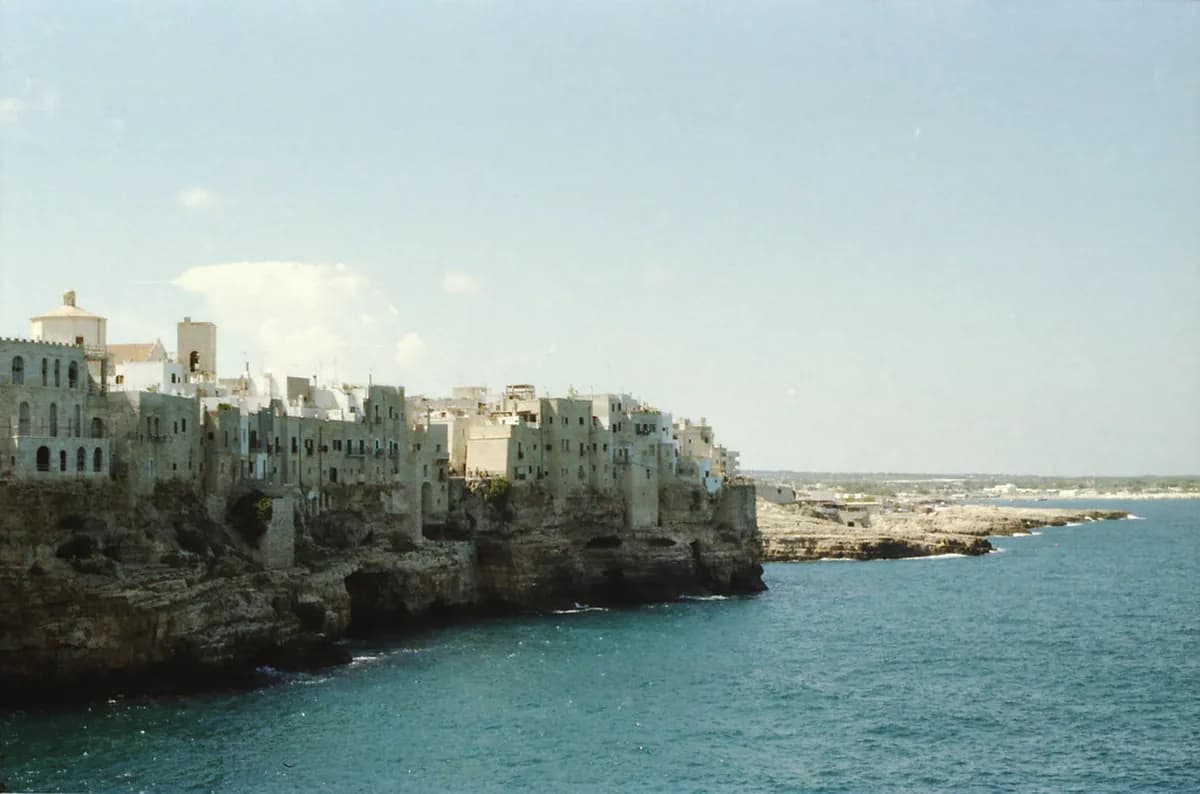
If you have an extra day, Polignano a Mare is a breathtaking coastal town nearby. It is famous for its pebble beach nestled between high limestone cliffs and crystal water. The train from Bari Centrale takes only 30 minutes and costs about €3 each way. I suggest visiting on a weekday to avoid the massive weekend crowds from the city.
Alberobello is another iconic destination easily reached from Bari by bus or train. This UNESCO World Heritage site is known for its unique conical-roofed houses called trulli. The journey takes about 90 minutes, making it a very feasible full-day excursion. Walking through the Rione Monti district feels like stepping into a fairy tale village.
Matera is a bit further away but absolutely worth the effort for its ancient cave dwellings. You can take the Ferrovie Appulo Lucane train, which takes about 1 hour and 45 minutes. Matera was the European Capital of Culture in 2019 and is truly unlike anywhere else. I recommend hiring a local guide to fully understand the complex history of the Sassi.
If you have five or more days, consider adding Vieste on the Gargano peninsula to your Puglia circuit. The drive from Bari takes about two and a half hours, or you can take a combination of trains and buses via Foggia. Vieste sits on a dramatic rocky promontory jutting into the Adriatic and offers some of the most striking coastal scenery in southern Italy. The town's white-washed centro storico is far less visited than the coastal highlights further south, which makes it a genuine differentiator for anyone who wants more than the standard Puglia loop of Bari, Alberobello, and Polignano a Mare.
How to Get to Bari
Bari Karol Wojtyła Airport (BRI) is one of the most connected airports in southern Italy, with direct flights from over 100 European cities plus seasonal routes from New York JFK. From the terminal, the Ferrotramviaria train runs to Bari Centrale station in roughly 18 minutes and costs €5 in 2026. Taxis operate on fixed tariffs — approximately €25 to €30 to the city centre, depending on your drop-off point. Do not accept unlicensed cab offers inside the terminal.
If you are travelling from within Italy, the rail connections are excellent. The journey from Naples takes about 3 hours 30 minutes on Trenitalia Intercity; from Rome expect 4 hours on a fast Frecciarossa service. From Brindisi the express takes just over an hour and costs around €10 to €15. Bari Centrale itself has three main areas that confuse many arrivals: the main Trenitalia and FSE hall handles regional and national trains, the smaller Ferrotramviaria building to the right handles airport and northern Puglia routes, and the Ferrovie Appulo Lucane desk covers Matera and Basilicata services. Identify which platform cluster you need before rushing through — a five-minute check saves genuine confusion.
By car, Bari sits on the A14 Adriatic motorway, making it accessible from both Bologna in the north and Taranto in the south. Parking inside the historic centre is limited and expensive; a park-and-walk strategy using the Parcheggio Fronte Fiera garage (about €12 per day) near the seafront is the most practical option for drivers.
Where to Eat in Bari
Bari's restaurant scene divides neatly into two categories: street food grazed while walking the alleys of Bari Vecchia, and sit-down trattorias where a full meal with wine runs €25 to €40 per person. The street food is the real draw and should account for at least one meal per day. Pick up Focaccia Barese at Panificio Fiore in the morning, grab Sgagliozze from the women frying polenta squares near Piazza Mercantile at midday, and finish with a cone of gelato at Gelateria Gentile, the oldest ice cream shop in the city, which sits directly across from Castello Svevo.
For a sit-down lunch, Trattoria Nicola Romanelli near Piazza del Ferrarese is an honest local choice: orecchiette con cime di rapa costs €12 and the fried mixed seafood platter is €16. The staff speak limited English but the menu has photos. For dinner, make a reservation at Perbacco at least a day ahead — it is one of the more polished spots in Murat, with a wine list focused on Primitivo and Negroamaro, and a fixed tasting menu at €40 per person that works through the breadth of Pugliese cuisine. If you prefer a more casual evening, El Chiringuito on the Lungomare is a no-frills bar beloved by locals for cold Peroni and panzerotti; the line moves fast and the panzerotti cost €2 each. Budget around €15 to €20 total for a full street-food dinner circuit through the old town.
Frequently Asked Questions
How many days in Bari is enough for a first visit?
Three days is the ideal duration for a first visit. This allows you to explore the historic old town, enjoy the modern Murat district, and sample the famous local street food without feeling rushed.
Is Bari a safe city for tourists to walk around?
Yes, Bari is generally very safe for tourists, especially in the central and historic areas. You should use standard travel common sense and keep an eye on your belongings in crowded markets or the train station.
What is the best month to visit Bari, Italy?
May and September are the best months to visit Bari. The weather is warm and sunny, but you will avoid the intense heat and heavy crowds of the peak July and August summer season.
Bari is a city that rewards those who take the time to wander its narrow alleys. Whether you are here for the history, the food, or the sea, three days provides a complete experience. I hope this itinerary helps you plan a memorable trip to this vibrant Pugliese capital. Check out more tips on Italywander.com for your upcoming southern Italian adventure.
Remember to book your theater tours early and bring an appetite for fresh pasta. Bari is the perfect starting point for any journey through the beautiful region of Puglia. Safe travels and enjoy every moment of your sun-soaked Italian getaway!
Explore More: Planning Your Bari Trip
Keep planning with these related Bari guides.
You might also like


Continue reading
More guides you'll find useful