9 Essential Tips for Deciding How Many Days in Matera
Discover how many days in Matera you need. Compare 1, 2, and 3-day itineraries with expert tips on cave hotels, parking logistics, and must-see Sassi sights.
On this page
2-Day Matera Itinerary: How Many Days in Matera Are Enough?
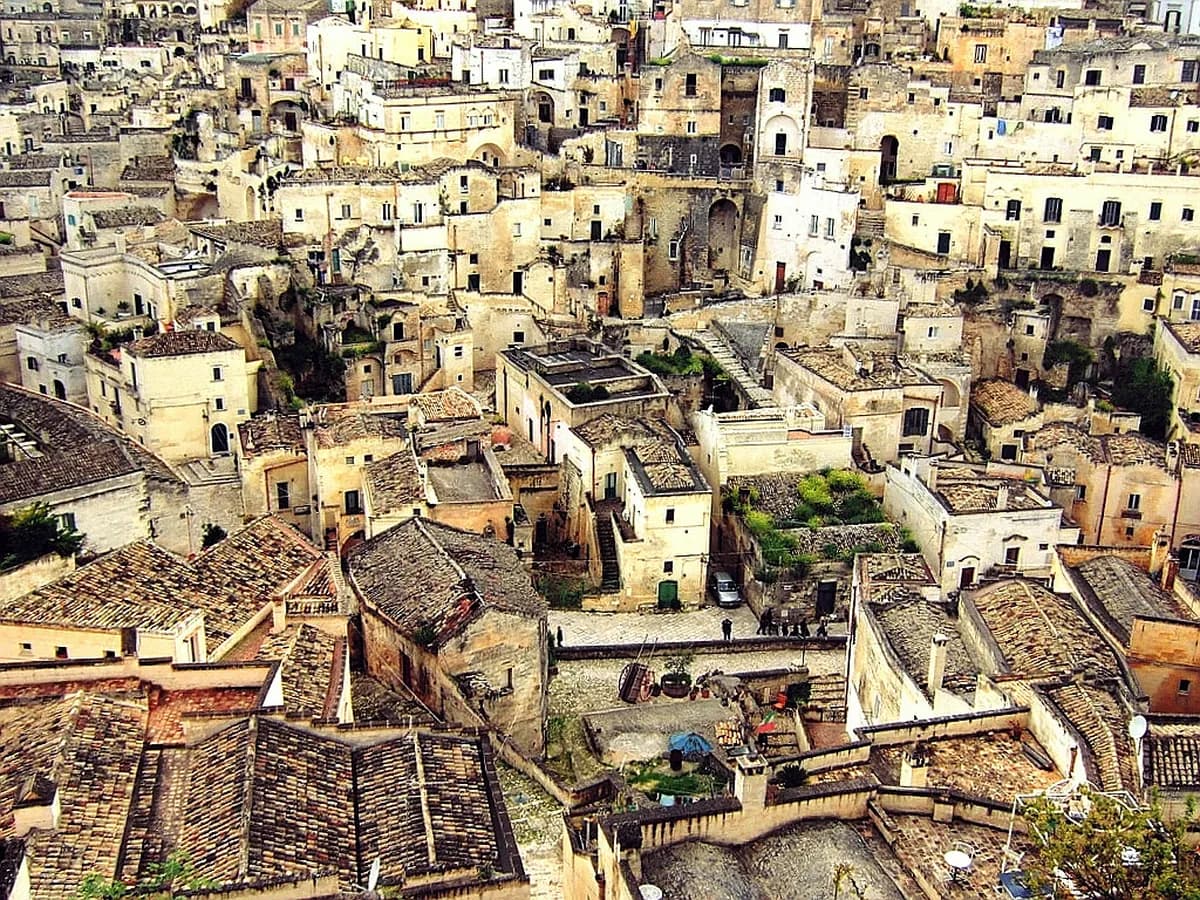
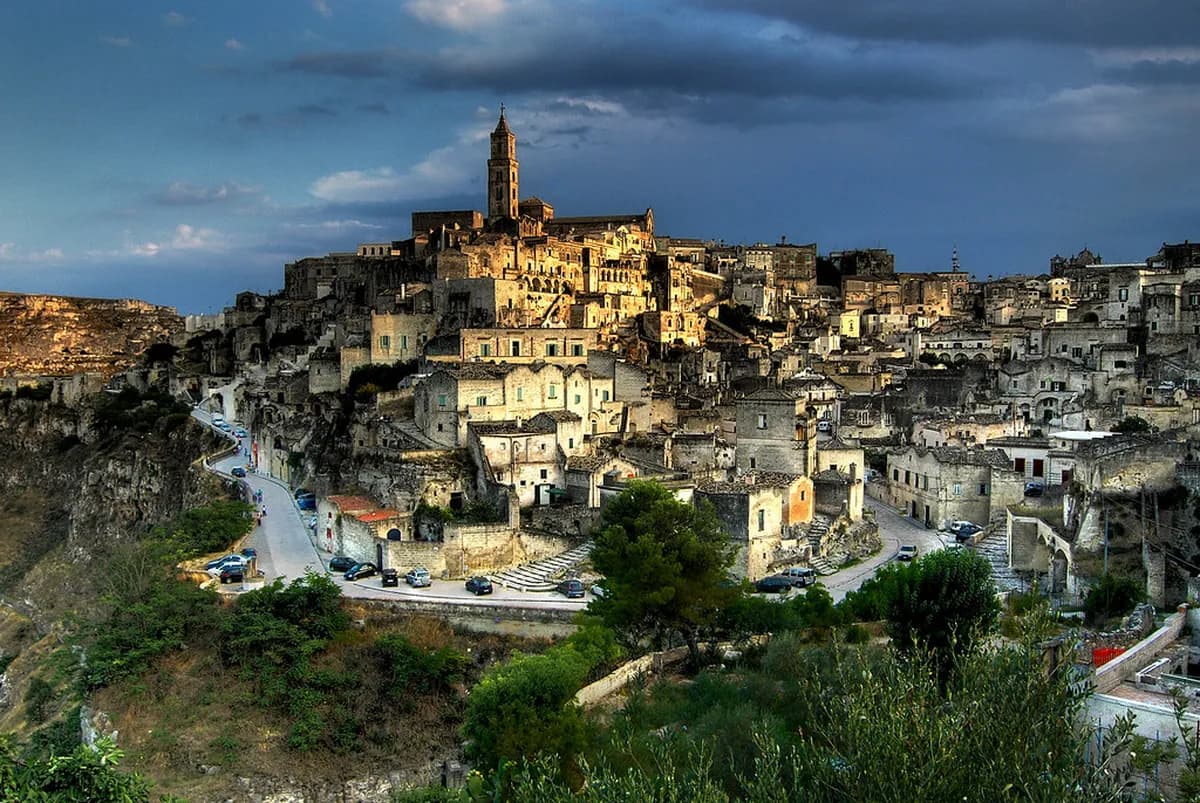
Matera is one of the oldest continuously inhabited cities on Earth, a UNESCO World Heritage Site carved from the golden limestone of the Basilicata region in Southern Italy. Walking its ancient lanes feels less like tourism and more like time travel — the Sassi cave districts date back at least 9,000 years, and families lived inside these rocks until the Italian government forcibly relocated them in the 1950s. This guide is designed for first-time visitors who want to spend their time wisely, updated for 2026 with current prices and logistics.
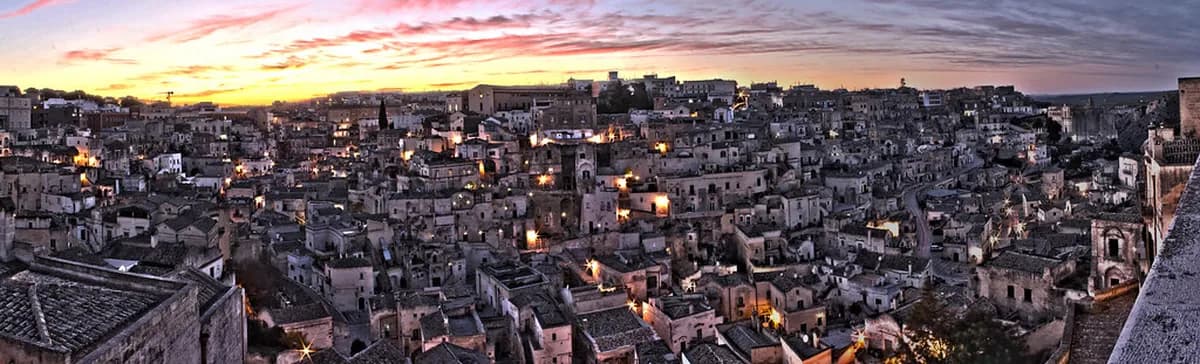
Deciding how many days in Matera you need is the first planning decision you face. Most travelers arriving from Bari or Naples treat it as an afternoon day trip and leave feeling rushed. Those who stay overnight — even just one night in a cave hotel — consistently report it as a highlight of their entire Italy trip. A longer stay allows you to experience the extraordinary evening light as lanterns glow against ancient stone, well after the tour groups have departed.
I built this guide based on three personal visits, the most recent in spring 2026. You will find practical information on the ZTL parking zone, cave humidity, when to book what, and how to reach the best viewpoints that most day-trippers miss entirely.
Key Takeaways
- Book a cave hotel at least 3 months in advance for the best selection.
- Wear shoes with excellent grip as the polished limestone is very slippery.
- Park at Parcheggio Via Vena to avoid expensive ZTL traffic fines.
2-Day Matera Itinerary At a Glance
This quick overview helps you visualize a standard two-day trip. It covers the most important landmarks in both Sasso districts. You will explore ancient churches and modern sculpture galleries. The schedule leaves room for long, leisurely Italian dinners.
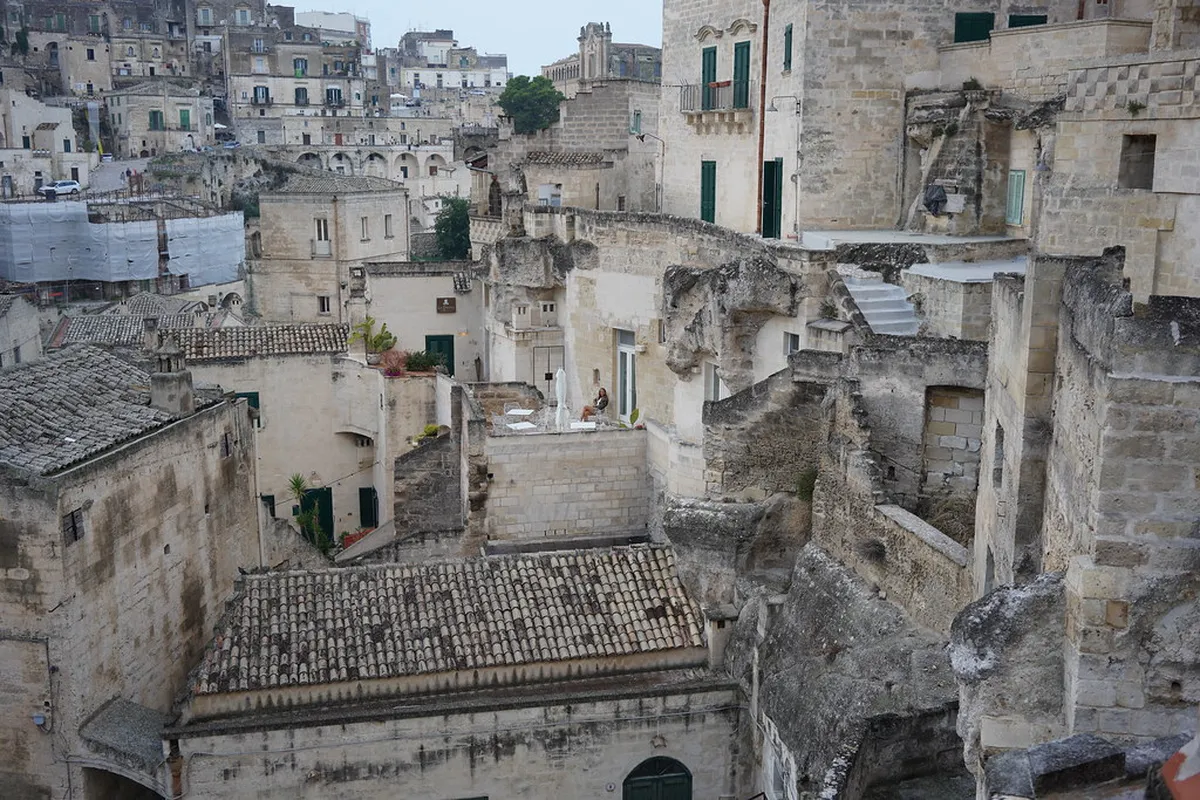
Matera is divided into two main ancient areas: Barisano and Caveoso. Each district has a unique vibe and different historical sites. I recommend staying in a cave hotel for the full experience. Check out Italy Wander for more southern Italy tips.
Two days is the sweet spot for most international visitors. It allows you to see the main sights without feeling exhausted. You can also enjoy the city's incredible food scene at night. The limestone streets are best enjoyed at a slower pace.
- Day 1: Old Matera classics
- Morning: Explore Sasso Barisano views.
- Afternoon: Visit the Matera Cathedral.
- Evening: Watch sunset at Belvedere.
- Day 2: Art & Rupestrian wonders
- Morning: Tour ancient rock churches.
- Afternoon: Visit MUSMA sculpture museum.
- Evening: Dine in a cave.
How many days in Matera do you need?
The honest answer depends on what kind of traveler you are. Here is a plain breakdown so you can make the right call for your trip.
One day is enough to see the Sassi highlights — the cathedral, one or two rock churches, the Palombaro Lungo cistern, and the main belvedere viewpoints. If you are already basing yourself in Bari or Naples and cannot add a night, a day trip is far better than skipping Matera entirely. Be realistic: you will share the streets with large tour groups during the peak 10:00–16:00 window, and you will miss the remarkable evening atmosphere when the city glows amber.
Two days (one overnight) is the sweet spot for most first-time international visitors. The extra evening and morning completely change the experience. You can visit Casa Noha for historical context, cross the Gravina ravine to the Murgia Timone plateau for the iconic panoramic view, linger over dinner in a cave restaurant, and wake up to morning light filtering through ancient stone. Two days covers everything without exhaustion.
Three days is the right choice if you love slow travel, plan to stay in a cave hotel and want time to simply absorb the atmosphere, or intend to use Matera as a base for day trips to Altamura (famous for its enormous ancient bread loaves, a 20-minute drive) or the trulli houses of Alberobello. The third day also works well for the Murgia Materana Park hiking trails if you want more than a quick belvedere photo.
One practical note: Matera involves significant stair climbing on polished limestone. Allocating an extra half-day buffer is sensible if you have mobility considerations or are travelling with young children.
The Perfect 2-Day Matera Itinerary
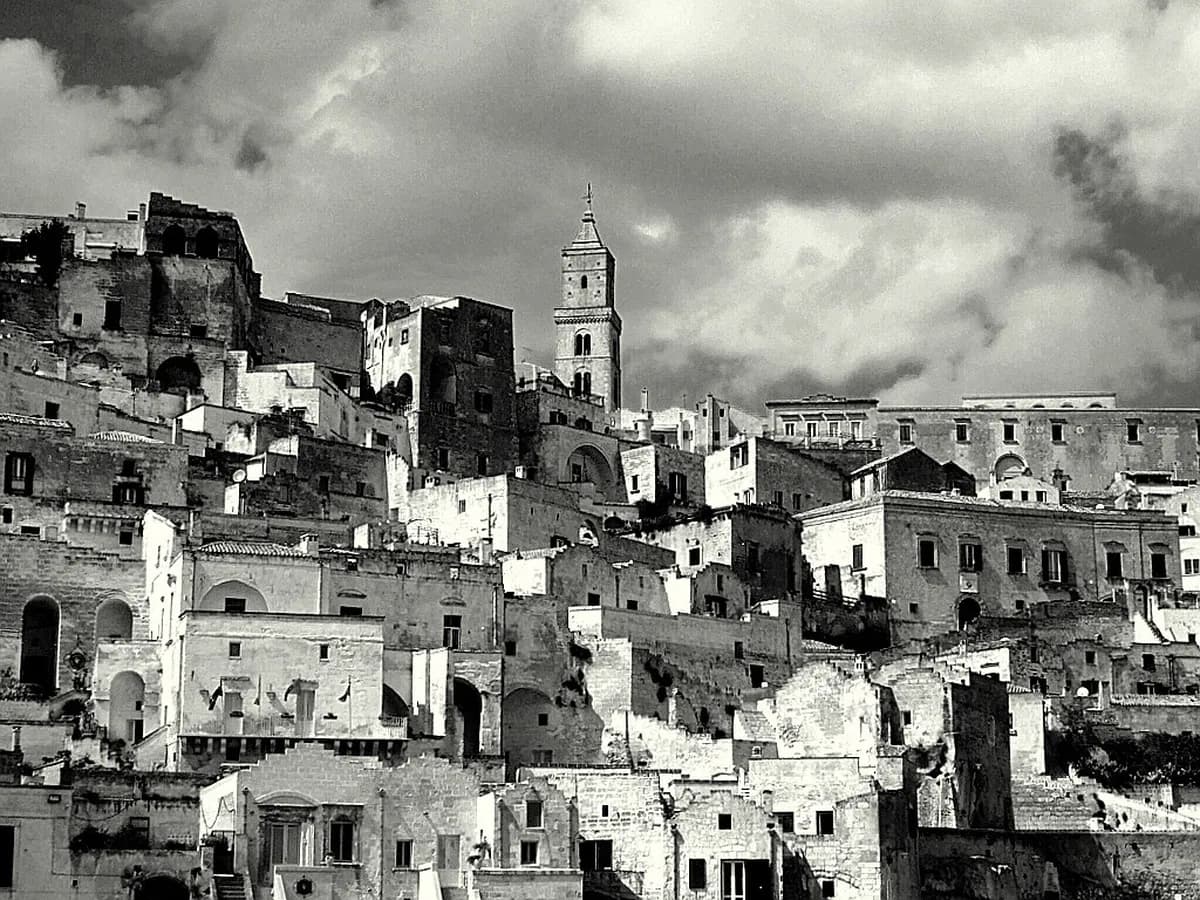
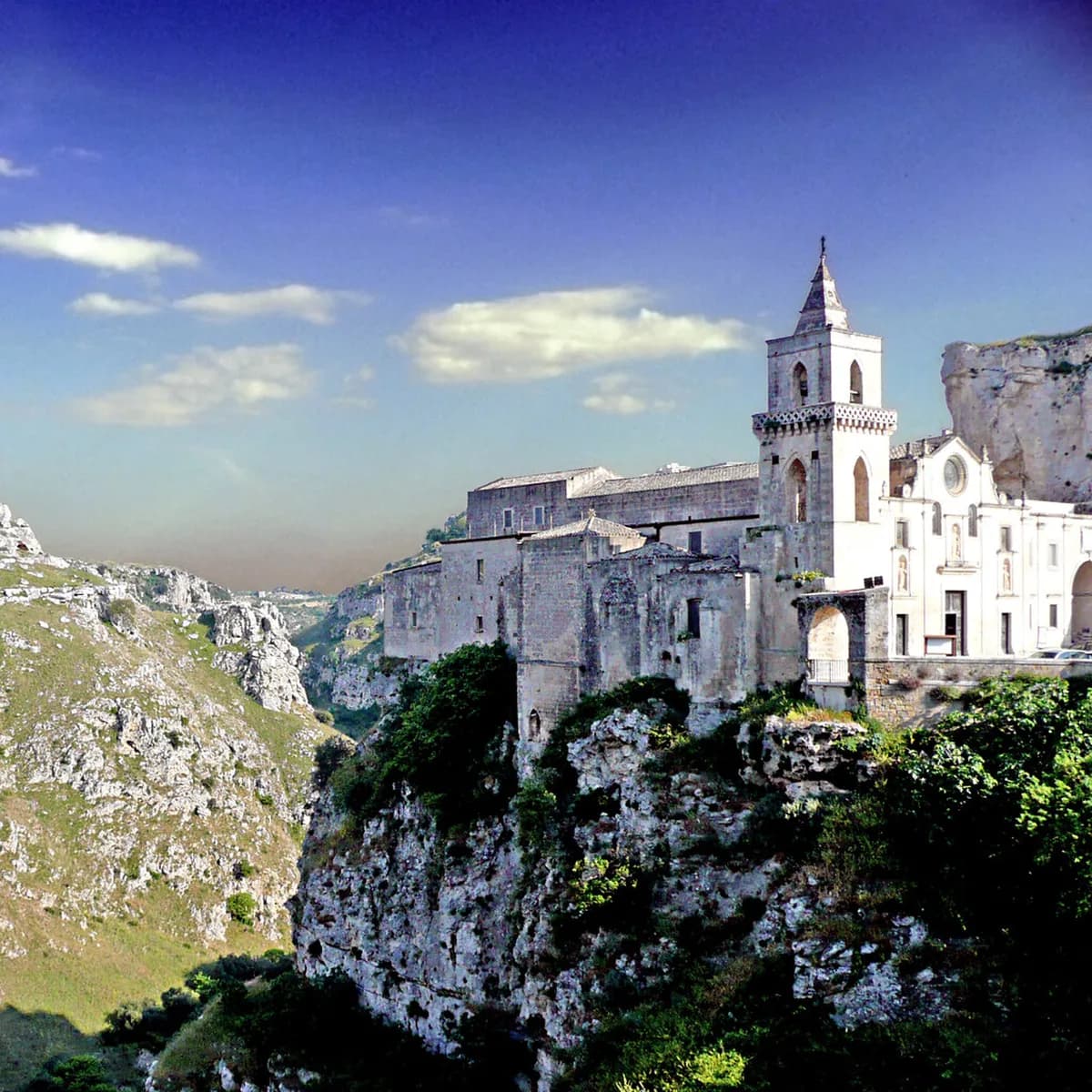
Day one focuses on the historical core and iconic viewpoints. We started our morning at the Matera Cathedral for stunning vistas. The white limestone glows brilliantly under the morning sun. It is the perfect spot for your first photos of the city.
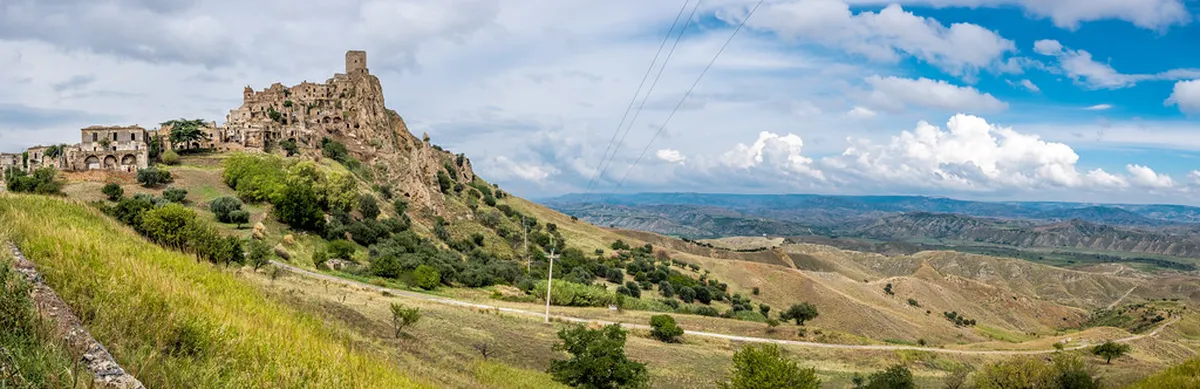
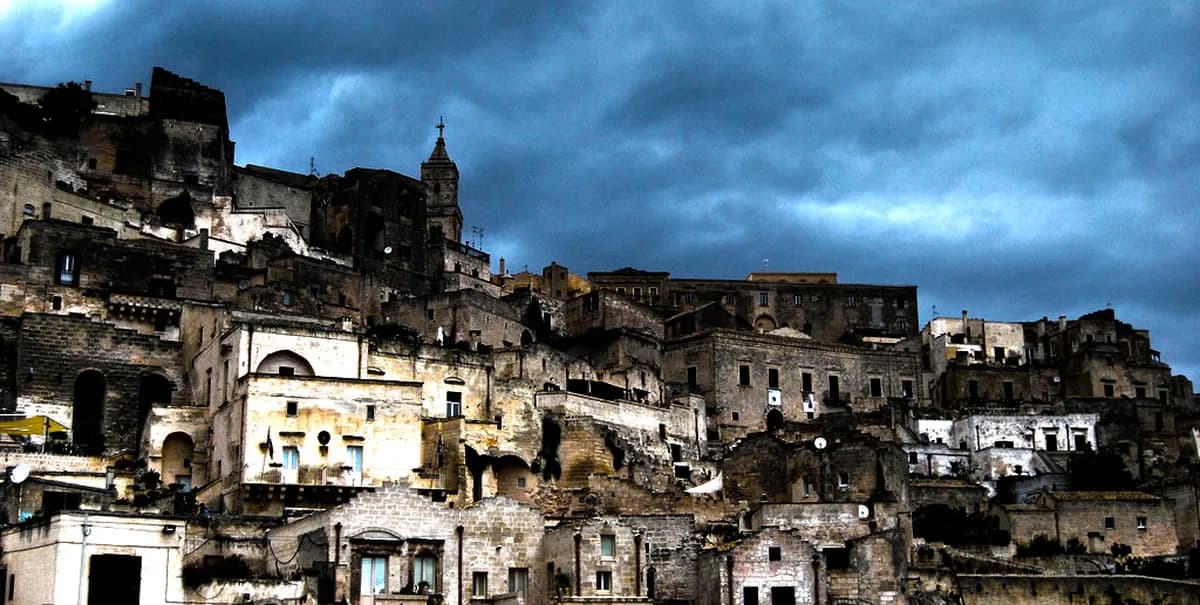
In the afternoon, head down into the heart of Sasso Caveoso. This area feels more rugged and ancient than Sasso Barisano. You can see how families lived in caves until the 1950s. The history here is both heartbreaking and deeply inspiring.
Day two is all about art and the surrounding nature. Visit the rock churches to see medieval frescoes carved into stone. The Oltre l'Arte - Rupestrian Churches are a must-see highlight. They offer a unique look at Byzantine influences in Italy.
Finish your trip by exploring the modern side of Matera. The MUSMA museum houses incredible sculptures inside ancient cave rooms. It shows how the city bridges the past and present. Matera truly earned its title as a Capital of Culture.
- Day 1: Exploring the Ancient Sassi Districts
- Morning: 9:00 AM – 1:00 PM, Casa Noha.
- Afternoon: 2:00 PM – 5:30 PM, Sasso Caveoso.
- Evening: 7:00 PM – 9:00 PM, sunset view.
- Time: ~8 hours total walking.
- Logistics: Wear shoes with good grip.
- Optional: Visit the Palombaro Lungo cistern.
- Day 2: Discovering Art and Deep Caves
- Morning: 9:30 AM – 12:30 PM, Rock Churches.
- Afternoon: 2:00 PM – 4:30 PM, MUSMA Museum.
- Evening: 7:30 PM – 10:00 PM, Cave Dinner.
- Time: ~6 hours total walking.
- Logistics: Carry water for the stairs.
- Optional: Hike the Tibetan Bridge.
Reserve Tickets Early for These Sites
Matera has become very popular since 2019. Some attractions have small capacities and sell out quickly. I recommend booking a Sassi di Matera Guided Tour in advance. A guide helps navigate the maze-like streets without getting lost.
Casa Noha is an essential stop for historical context. It features a multimedia exhibit that explains Matera's history. You should book your entry time at least 48 hours early. It typically costs about $6 per adult ticket.
The Palombaro Lungo is a massive underground water cistern. Tours are often limited to small groups for safety reasons. I suggest checking availability one week before your arrival. The cool air inside is refreshing during hot summer days.
Rock churches like Santa Maria de Idris have strict limits. They are usually open daily from 10:00 AM to 7:00 PM. Buying a combined ticket for multiple churches saves money. Expect to pay $8 to $12 for a multi-site pass.
Where to Stay: Cave Hotels vs. New Town
Where you sleep in Matera shapes the entire experience. The city's cave hotels are unlike anything else in Italy — and they require some clear-eyed expectations before you book.
The standout property is Sextantio Le Grotte Della Civita, an "Albergo Diffuso" — a concept unique to Italy in which rooms are spread across multiple ancient buildings within a historic village rather than concentrated under one roof. At Sextantio, this means sleeping inside a genuine 9th-century cave, furnished with rough-hewn stone surfaces and lit entirely by candlelight to preserve the original atmosphere. It is extraordinarily atmospheric. It is also genuinely dark, the ambient humidity can be noticeable even with modern dehumidifiers running, and Wi-Fi is intentionally minimal. If you need a well-lit desk for evening work or value a bright modern bathroom, choose another property. If you want the most immersive Matera experience available, this is worth the premium rate of around €280–€450 per night in 2026.
A more accessible cave option is Il Palazzotto Residence & Winery, which blends cave architecture with proper modern amenities, a welcome drink, and rooms that balance authenticity with comfort. For cave character at a mid-range price (roughly €120–€180), it is the most consistently praised option among recent travellers.
If cave hotels are outside your budget, the New Town — the modern district just above the Sassi — offers standard hotels and apartments at half the price. Walking into the Sassi takes five to ten minutes. You sacrifice the atmospheric overnight feeling but gain a better night's sleep and more practical facilities.
On which Sasso to choose: Sasso Barisano is more developed, better lit at night, and has more restaurants and shops. Sasso Caveoso feels more ancient and raw, with narrower lanes and more solitude after 21:00. First-time visitors staying one night do well in Barisano for convenience; those spending two or more nights often prefer Caveoso for the atmosphere. Book at minimum three months ahead for summer stays — the best cave rooms sell out quickly.
Driving and Parking: The ZTL Challenge
Driving in Matera is notoriously difficult for visitors. The ancient Sassi is a Limited Traffic Zone (ZTL). Cameras will fine you for entering without a permit. Only hotel guests with pre-registered plates can enter briefly for drop-off — your hotel must register your licence plate number with the municipality before you arrive, so confirm this step when you book.
Park at Parcheggio Via Vena (about €15–20 per day) and wear shoes with excellent grip — the polished limestone is extremely slippery, especially on the historic steep streets.
Parcheggio Via Vena is the most reliable option for self-drive visitors. It is a covered multi-storey garage close to the Sassi entrance, operating 24 hours. The daily rate runs €15–20 in 2026. From the exit, Sasso Barisano is a five-minute flat walk. Avoid the on-street parking areas within the ZTL boundary — cameras are enforced and fines start at €80.
If you are travelling without a car, Matera is reachable but requires some planning. From Rome, Flixbus Rome to Matera runs several daily departures at a low price; journey time is approximately 5.5–6 hours. From Bari Centrale station, the Ferrovie Appulo Lucane (FAL) regional railway runs to Matera Sud in around 1 hour 30 minutes with a change at Altamura — it is slow but scenic. The faster option from Bari Airport is the Bus Miccolis direct shuttle (approximately 45–60 minutes, book online). From Naples, bus services take roughly 3.5–4 hours.
Add an Extra Day: Murgia Timone and Beyond
If you have an extra day, head across the ravine. The Belvedere di Murgia Timone offers the best city views. This is where many famous movies were filmed. You can see the entire Sassi layout from across the canyon.
You can reach the viewpoint by car or by hiking. The hike involves a steep descent and a suspension bridge. I recommend doing this early in the morning. The sun hits the city perfectly for morning photography.
For more history, visit the nearby town of Altamura. It is famous for its massive, ancient loaves of bread. The cathedral there is also a masterpiece of Pugliese Romanesque. It is only a twenty-minute drive from Matera.
You can learn more about the region at italia.it - Matera the Sassi. Basilicata is a rugged and beautiful part of Italy. It offers a quieter alternative to the crowded Amalfi Coast. Exploring the surrounding villages is a rewarding experience.
Is Matera Worth Visiting?
Yes — but it is worth being precise about why, so you arrive with calibrated expectations rather than disappointment. Matera is not a museum city in the conventional sense. There is no single landmark to queue for and photograph before moving on. What makes it extraordinary is the entirety of the place: the fact that you are walking through a living settlement older than ancient Rome, that the stone underfoot has been worn smooth by millions of footsteps across thousands of years, and that the same caves that housed neolithic families were still home to Italian families with children and animals as recently as 1953.
If you are primarily drawn to world-class dining, nightlife, or a long list of indoor attractions, Matera is a shorter stop. If you respond to atmosphere, ancient human history, and landscapes that look unlike anywhere else you have ever been, it is genuinely one of the most remarkable places in Europe. Matera was named the European Capital of Culture in 2019, a recognition that accelerated tourism infrastructure — there are now excellent restaurants, well-maintained cave hotels, and good guided tour options — without yet producing the overcrowding that plagues Amalfi or Cinque Terre. Visit in 2026 and you still get a city that feels discovered but not overwhelmed.
The UNESCO designation covers the Sassi di Matera, the two cave districts of Sasso Barisano and Sasso Caveoso, and the surrounding Murgia plateau. The site is described as "the most outstanding, intact example of a troglodyte settlement in the Mediterranean." That description holds up completely when you are standing at the Belvedere di Murgia Timone at sunrise, looking across the Gravina ravine at a city that has been continuously inhabited since the Palaeolithic period.
Matera is in Basilicata, Not Puglia
This distinction comes up repeatedly and matters practically. Matera is located in the Basilicata region, not Puglia — even though it sits right on the regional border and most visitors arrive via Bari, which is firmly in Puglia. This is not a minor administrative detail: it affects what you eat, what bus services you use, and how locals identify culturally.
Basilicata's cuisine is proudly distinct from its more famous neighbour. The signature item is Pane di Matera, a large, hard-crusted semolina loaf with IGP protected status, identifiable by its distinctive crescent shape. The local bread is not just a side item — it appears in traditional dishes like cialledda (a refreshing salad of stale bread, tomatoes, and olive oil) and forms the base of the Matera meatball made from bread rather than meat. You will also encounter peperoni cruschi (deep-fried sweet peppers, a Basilicata staple) and the rich pasta strascinati. These are Lucano dishes — Lucano being the adjective derived from Basilicata's Latin name, Lucania — not Apulian.
On transport: the bus and rail connections from Bari cross into Basilicata for the final stretch, and the regional FAL railway operates differently from Trenitalia's national network. If you are planning a broader Southern Italy itinerary that combines Matera with Puglia highlights like Alberobello or Lecce, factor in that Matera sits at the western end of that circuit, not the centre. Most travellers find it works best as a dedicated 2-night stop, either before or after their Puglia section, rather than as a same-day cross-regional detour.
Frequently Asked Questions
Is one day enough for Matera?
One day is enough to see the main Sassi highlights. However, you will miss the magical evening atmosphere. I recommend staying at least one night to see the city lights. This allows for a much more relaxed pace.
Can you do Matera as a day trip from Bari?
Yes, Matera is a popular day trip from Bari. The train or bus takes about 1.5 hours each way. You should start early to maximize your time. It is a great way to see the city if time is short.
What is the best time of year to visit Matera?
Spring and autumn are the best times to visit Matera. May and September offer mild weather and fewer crowds. Summer can be extremely hot due to the stone buildings. Winter is quiet but can be quite chilly.
Matera is truly one of the most unique places on Earth. While you can see the basics in a day, two days is better. This allows you to soak in the history and the views. I hope this guide helps you plan an unforgettable trip.
Don't forget to wear sturdy shoes for the slippery stones. Book your cave hotel early to get the best experience. Enjoy the incredible flavors of the Basilicata region. Safe travels on your journey through ancient Italian history!
Explore More: Planning Your Matera Trip
Keep planning with these related guides.
You might also like
Continue reading
More guides you'll find useful