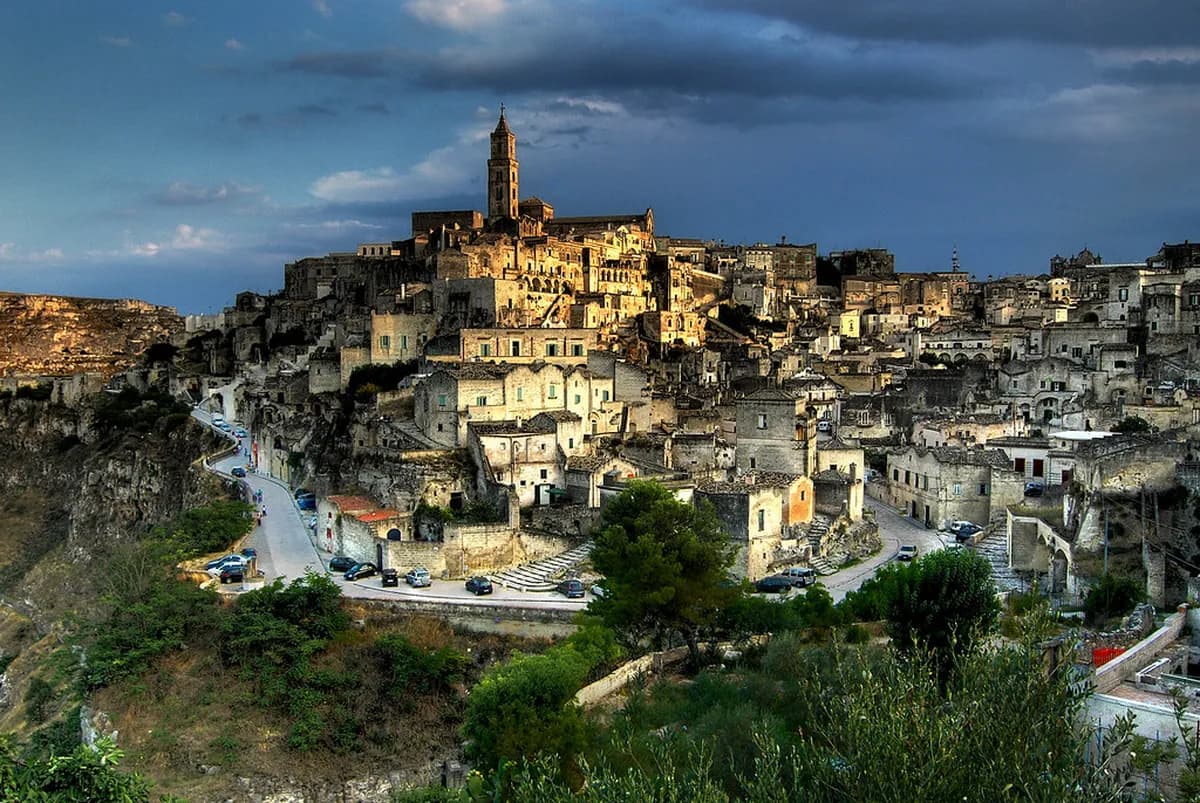
Tips for Matera at Christmas and the Presepe Vivente
Plan your visit to Matera at Christmas with our guide to the Presepe Vivente. Discover ticket info, the 1.5km Sassi route, weather tips, and the best Christmas markets.
On this page
10 Essential Tips for Matera at Christmas and the Presepe Vivente
I visited Matera last December to see the incredible Presepe Vivente for myself. Updated October 2024 from my winter 2023 visit to this ancient stone city. The best time for this event is the second half of December through early January. This window offers the most authentic holiday atmosphere in the Basilicata region.
Late spring (May to early June) and early fall (September to October) are the sweet spots for Matera. However, the Christmas season transforms the Sassi into a living Bethlehem. Our late-December trip hit some damp weather but the misty air added to the magic. You will find the limestone caves glowing with soft lights and festive cheer.
The city is famous for its history as an ancient civilization turned hidden gem. Planning a winter visit requires specific knowledge about the local climate and event schedules. This guide covers everything from ticket strategies to the best non-slip shoes for the streets. Get ready to experience one of Italy's most unique holiday traditions.
The Living Nativity (Presepe Vivente) in the Sassi
The Presepe Vivente is Italy's largest living nativity, drawing over one thousand local volunteers who dress in period costumes to recreate daily life in first-century Judea. The 1.5-kilometre route begins near the modern centre, winds through the atmospheric Sasso Caveoso, and concludes inside one of the city's ancient rock churches — making the final revelation of the Nativity scene genuinely moving. You can find detailed Christmas in Matera event logistics and current dates at Dolcevia before you book.
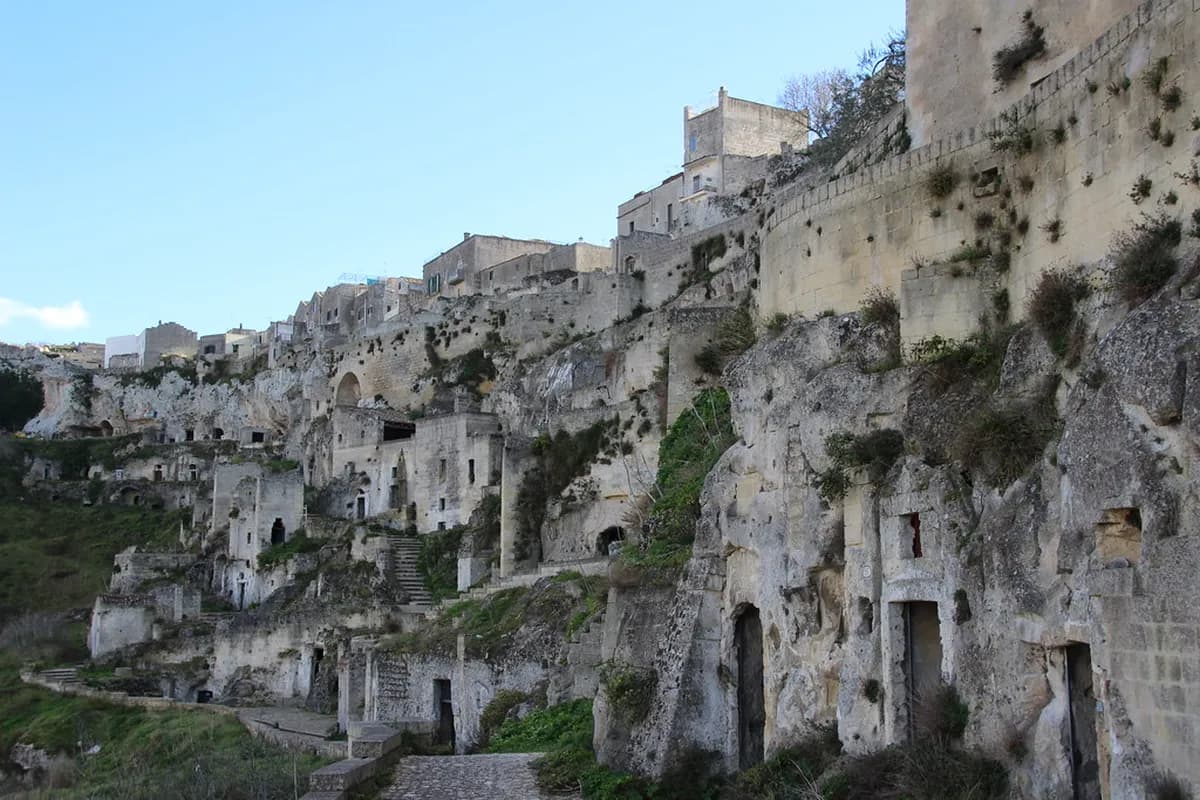
Each corner of the route holds a different tableau, meticulously staged to evoke the rhythms of ancient life: carpenters shaping timber by torchlight, women carrying clay water jars, Roman soldiers standing sentinel at cave doorways, shepherds tending flocks in small stone pens. The cave dwellings, rough stone stairways, and narrow alleys lend an authenticity no painted backdrop could replicate — the Sassi di Matera is itself a character in the production. As you descend deeper into Sasso Caveoso, the crowds thin and the silence between the tableaux becomes part of the experience.
The event runs every weekend in December plus one additional weekend in early January 2026-2027, typically from around 17:30 until 22:00. Organizers focus on historical accuracy down to the breeds of sheep used, honouring the city's deep Renaissance nativity traditions. Allow a minimum of 90 minutes to complete the full route at a relaxed pace; two hours is more comfortable if you stop to watch the performers.
Matera Christmas Village and Markets
Piazza Vittorio Veneto hosts the main Christmas village and its charming wooden cottages. Local artisans sell handmade ceramics and traditional Basilicata crafts from these stalls. The aroma of roasted chestnuts and mulled wine fills the crisp winter air. It is the perfect place to find unique gifts and holiday souvenirs.
Food lovers should look for regional specialties like Pettole and local cheeses. The market stays open from late morning until late into the festive evening. Children often gather here to see the elaborate light displays and decorations. The central location makes it an easy stop between Sassi explorations.
Musical performances often take place on the small stage near the market center. You might hear traditional bagpipes or local choirs singing classic Italian carols. The atmosphere is lively but maintains a respectful and community-focused feel. Most stalls accept cards but carrying some cash for small snacks is wise.
Essential Dates and Ticket Information
Tickets are sold exclusively through the official site presepematera.it, typically launching in mid-November for the full December–January programme. In 2026 the standard adult ticket is expected to cost around €10–€13, with reduced rates for children aged 6–12 (approximately €5–€7) and free entry for children under six. Slots are timed every 30 minutes, so your ticket specifies both the date and the entry window — missing your window by more than 15 minutes usually means forfeiting your place, especially during peak weeks (26 December – 6 January).
The strategy that works best: book online as soon as tickets go on sale in November, choose a weekday evening over the weekend if possible, and select the 18:00 slot rather than the 19:00+ ones. The 18:00 entry catches the last of the sunset over the Sassi, which is genuinely beautiful, and the crowd is slightly smaller than the prime 19:30 slot. Families with young children should lock in the earliest available slot — usually 17:30 or 18:00 — both for the warmer temperature and because kids grow restless on the longer queues that form by 20:00.
Last-minute booth sales do exist at Piazza Duomo on the night, but stocks are severely limited during Christmas week. If you arrive without a ticket on 25–26 December or on Epiphany (6 January), expect a wait of 45–90 minutes at the booth before a slot opens — or be turned away entirely. For groups of four or more, online booking is non-negotiable.
December temperatures are 5-12°C (41-54°F) with high humidity in the Sassi caves making it feel even colder. Arriving 30 minutes early for your assigned time slot is essential; late arrivals may forfeit entry, especially during peak weeks (Dec 25-Jan 6).
Season Comparison
Winter in Matera is cold and damp compared to the hot, dry summers. You should review the Matera weather by season before finalizing your travel dates. Typical winter temperatures range from 5-12°C / 41-54°F during the day. Humidity in the caves makes the cold feel sharper than the thermometer suggests.
Spring and fall offer milder weather that is ideal for long hiking trips. However, these seasons lack the unique festive energy of the Christmas period. Summer brings extreme heat and very large crowds to the narrow Sassi streets. Winter provides a quieter experience outside of the specific nativity event dates.
Prices for accommodation usually peak during the summer and the Christmas holidays. Mid-January and February are the cheapest times to visit for budget-conscious travelers. The city feels very different when the holiday lights finally come down. Each season offers a distinct perspective on this UNESCO World Heritage site.
| Season | Weather | Crowds | Prices | Events | Best for |
|---|---|---|---|---|---|
| Winter (Dec-Jan) | 5-12°C / 41-54°F | High | Mid | Nativity | Atmosphere |
| Spring (Apr-May) | 12-20°C / 54-68°F | Med | High | Easter | Hiking |
| Summer (Jul-Aug) | 22-32°C / 72-90°F | High | High | Festivals | Long days |
| Fall (Sep-Oct) | 15-24°C / 59-75°F | Med | Mid | Harvest | Photos |
Pick X If
Choosing the right time depends on your personal priorities and travel style. You can find more advice on the best time to visit Matera for various interests. Families often prefer the early December window before the largest crowds arrive. Photographers might choose weekdays to capture the Sassi without too many people.
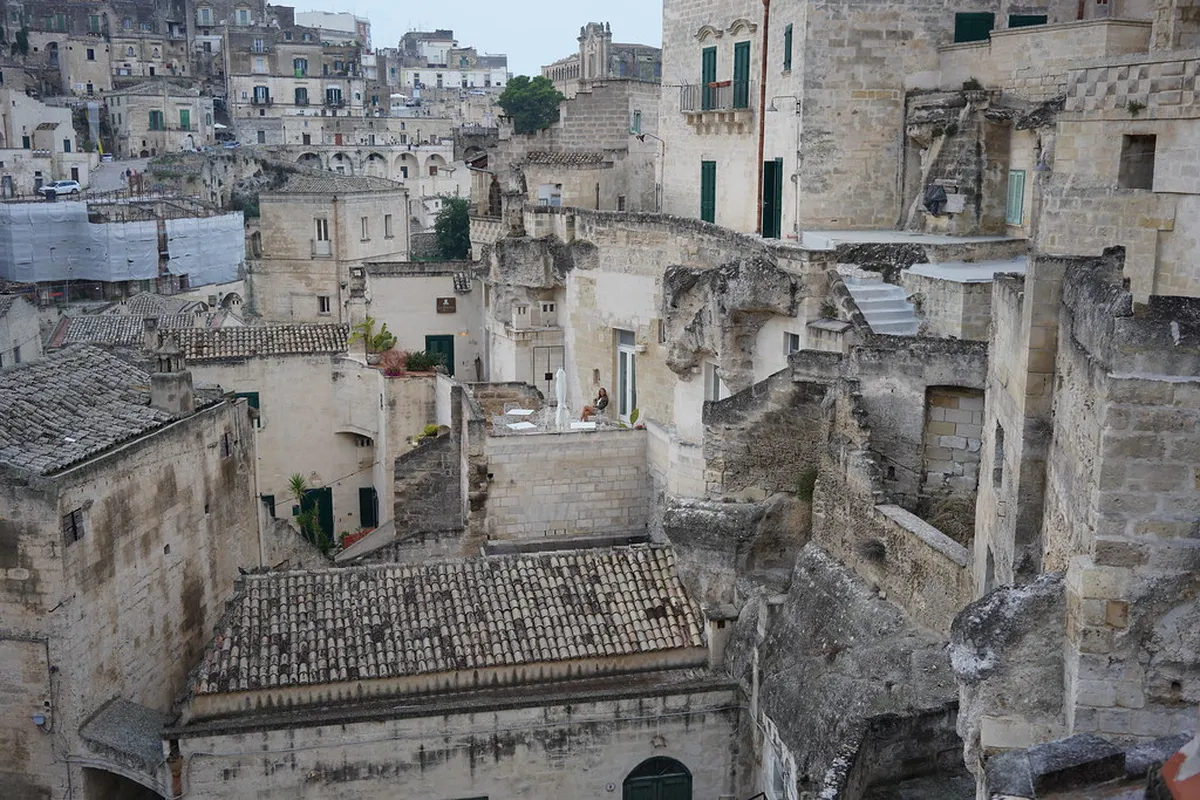
If you hate the cold, avoid the weeks between Christmas and Epiphany. Those seeking a romantic getaway should book a cave hotel during the holidays. The flickering lights and stone architecture create an unforgettable setting for couples. Budget travelers should look for dates in the first week of December.
The Presepe Vivente is the main draw for those who love religious history. Matera offers a profound spiritual experience that is hard to find elsewhere. The scale of the production is impressive for even the most seasoned travelers. Decide based on how much you value the specific festive events.
- Pick the Presepe Vivente if
- You want the full nativity experience
- Pick early December if
- You prefer smaller market crowds
- Pick a cave hotel if
- You seek an atmospheric stay
- Pick the modern center if
- You need easy parking access
What to Pack
Winter weather in Basilicata requires smart layering to stay comfortable and dry. Temperatures can fluctuate significantly between the sunny hills and the shaded Sassi. A waterproof outer shell is essential for the frequent winter rain showers. Thermal base layers will help you endure the damp cold inside the caves.
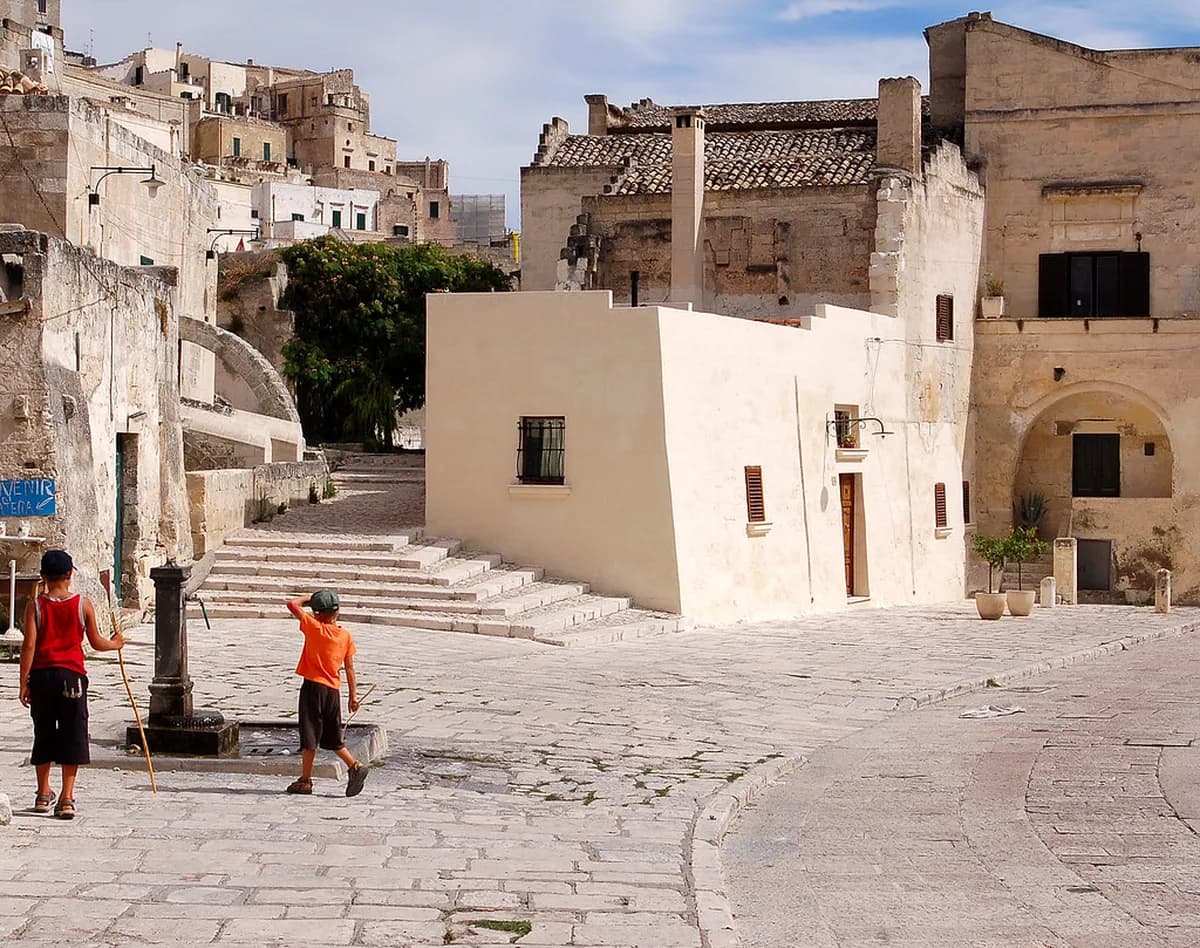
Footwear is the most important item in your suitcase for this trip. The local chiancarelle stones become very slippery when they are wet or icy. Choose boots with excellent grip and support for the uneven stone stairs. I learned this the hard way after a small slip last year.
Don't forget a warm hat and gloves for the evening nativity walk. A sturdy umbrella is better than a flimsy one against the valley winds. Bring a portable power bank because the cold drains phone batteries quickly. Pack a small bag for carrying souvenirs from the Christmas markets.
- Thermal base layers
- Keep core body temperature steady
- Wool socks
- Protect feet from damp stone
- Waterproof boots
- Grip for slippery chiancarelle paths
- Warm scarf
- Block the biting winter wind
What's Closed in Low Season
Many Sassi restaurants close for renovation in late January after the holiday rush. Some smaller rock churches like Santa Lucia alle Malve operate on shorter hours. Outdoor terraces often close their seating areas due to the high winter humidity. Specific guided tours of the Murgia Timone might be canceled during heavy rain.
Museums generally remain open but may have limited staff during the holidays. Check the opening times for the Casa Grotta before you plan your day. Some boutique shops in the Sasso Barisano close for the winter break. Public transport schedules can be more limited on Christmas and New Year.
Ferries and coastal services in nearby regions often stop entirely during this time. While Matera is inland, regional bus connections to the coast are less frequent. Always verify your return transport if you are visiting on a day trip. Most major attractions in the modern center maintain regular winter hours.
Must-See Landmarks in December
The Matera Cathedral stands as a beacon over the festive stone city. Its interior is beautifully decorated for the season with traditional Italian nativity scenes. You can learn about the Matera history from slum to hidden gem through local exhibits. The views from the Cathedral square are especially stunning under winter moonlight.
Santa Lucia alle Malve is a rock church that hosts special holiday events. The ancient frescoes take on a different light during the short winter days. Visiting the Belvedere of Murgia Timone offers a panoramic view of the nativity. The lights of the Sassi look like a sea of stars from across the ravine.
Palazzo Lanfranchi houses important art that reflects the region's deep religious roots. The museum is a warm refuge on particularly cold or rainy December afternoons. Take time to explore the Musma museum for a more modern artistic perspective. Each landmark contributes to the rich tapestry of the city's holiday spirit.
Cultural Events and Holiday Concerts
The Cathedral of Matera — officially the Cattedrale della Madonna della Bruna e di Sant'Eustachio — is the cultural centrepiece of the Christmas season, and not just because of its commanding hilltop silhouette. Inside the left transept stands a breathtaking Renaissance nativity scene carved in stone in 1534 by Altobello Persio, the master sculptor from nearby Montescaglioso. The two-tiered tableau is alive with detail: a serene Mary, a robust infant, Joseph in quiet concentration, and — on the upper register — shepherd musicians playing instruments that read like a dictionary of 16th-century Basilicata, including a zampogna (bagpipe), a psaltery, a small guitar, and even a hurdy-gurdy. Local breeds of sheep and cattle (complete with real bovine horn tips on the ox) complete the scene. Entry to the Cathedral now requires a small ticket; the Persio presepe is usually the first thing you see on entering from the rear. It is open year-round but resonates most powerfully in December, visited just before or after your Presepe Vivente slot.
Beyond the Cathedral, keep an ear out for the Zampognari — itinerant bagpipe players — wandering the Sassi alleys in the evenings. Their droning music is a quintessential sound of the southern Italian Christmas and traces the same musical tradition Persio immortalised in stone five centuries ago. Church concerts in the rock chapels, especially Santa Lucia alle Malve, happen on weekends throughout December; these are typically free or ask for a €2–€5 voluntary donation and rarely advertised far in advance — ask at your accommodation the night before.
Community bonfires occasionally light up the larger piazzas around the winter solstice, and art galleries in the modern Piano district run short-term exhibitions on the nativity theme through January. The interplay of the sacred stone presepe in the Cathedral, the living spectacle in the Sassi, and the folk music of the streets creates a layered Christmas experience that is genuinely unlike anywhere else in Italy.
Where to Stay: Cave Hotels vs. Modern Matera
Staying in a cave hotel offers an atmospheric experience like no other. The thick limestone walls provide natural insulation against the biting winter wind. However, the high humidity in these dwellings can make rooms feel damp. Ensure your chosen hotel has a modern and effective heating system.
The modern center, or 'Piano', offers more practical ease for many travelers. You will find easier access to pharmacies, supermarkets, and the main bus station. Parking is generally much simpler to navigate outside the restricted Sassi zones. Modern hotels often provide more consistent Wi-Fi and contemporary amenities.
Cave hotels are often located down many flights of steep stone stairs. This can be a challenge when the steps are icy or wet. Consider your mobility and luggage weight before booking a deep Sassi stay. Both options have their own unique charms and practical trade-offs.
Logistics: Getting to Matera and Parking
The ZTL or Limited Traffic Zone is strictly enforced in the Sassi. Check the Italy Wander blog for the latest transport and parking tips. Fines for entering the restricted areas without a permit are quite expensive. Most visitors should use the designated park-and-ride lots on the city outskirts.
The shuttle buses run frequently between the parking lots and the center. Walking is the only real way to explore the heart of the Sassi. Public elevators can help you navigate the different levels of the city. Expect some delays during the peak hours of the Presepe Vivente event.
Trains from Bari are a reliable way to reach Matera without a car. The Ferrovie Appulo Lucane station is located conveniently in the modern center. Always check the holiday schedule as train frequency can decrease on feast days. Taxis are available but can be hard to find during the busiest nights.
Family-Friendly Activities and Santa’s House
Santa's House in Piazza Vittorio Veneto is a major highlight for young children. Kids can meet Santa and participate in various holiday-themed craft workshops. The decorations are colorful and designed to spark the imagination of little ones. It provides a fun break from the historical focus of the nativity.
The evening light displays transform the city into a magical winter wonderland. Many restaurants offer kid-friendly menus with traditional pasta and simple desserts. The main squares are safe for children to run around under supervision. Matera is a very welcoming place for families during the Christmas season.
Plan for frequent breaks to keep younger travelers warm and happy. The climb back up from the Sassi can be tiring for small legs. Hot chocolate stands are easy to find near the main market area. A visit to the puppet theater is another great option for families.
Strategic Planning: Day vs. Night Visits
Daytime visits are best for capturing the intricate architectural details of the Sassi. The natural light highlights the texture of the ancient limestone cave dwellings. Crowds are generally thinner during the morning and early afternoon hours. You can navigate the steep stairs more safely when visibility is high.
Night visits offer a much more evocative and spiritual holiday atmosphere. The soft glow of the lanterns makes the nativity scenes feel truly magical. Photography is more challenging at night without specialized low-light camera equipment. Flash photography is often discouraged to maintain the mood of the event.
A combination of both day and night exploration is the best strategy. Explore the landmarks during the day and return for the nativity at dusk. The transition from sunset to twilight is the most beautiful time in Matera. Wear your warmest layers if you plan to stay out late at night.
Photography Guide: Capturing the Sassi at Its Best
Flash photography is firmly discouraged throughout the Presepe Vivente route, and for good reason: it breaks the candlelit illusion that the organisers work so hard to create, and it blinds the volunteer actors mid-performance. Stewards will politely but firmly ask you to stop. Instead, switch your camera or phone to night mode and lean into the warm, amber tones of the torches and oil lamps. The resulting images will look far more atmospheric than any flash shot anyway.
The single best window for photography is the 30 minutes straddling civil twilight — roughly 17:00–17:45 in late December in Matera. At this point the sky retains a deep blue tone while the cave lanterns and street lights are already lit, creating a natural HDR balance that neither washes out the stone nor loses detail in the shadows. If you have an 18:00 entry slot, spend the first 20 minutes outside the starting point photographing the lit Sassi skyline before joining the queue. The Belvedere of Murgia Timone across the ravine, if you can visit it in the late afternoon before your slot, offers the iconic panorama of the glowing Sasso Caveoso that you will recognise from travel magazines.
For smartphones: use portrait or slow-shutter mode and brace against a stone wall between tableaux — there are plenty of flat surfaces along the route. Mirrorless or DSLR users should bring a 35mm or 50mm f/1.8 prime; anything slower than f/2.8 will produce blurry actors in low light. A small gorilla-pod or pocket tripod weighs almost nothing and pays dividends at the darker stretches of the route near Piazza San Pietro Caveoso.
Frequently Asked Questions
How much are tickets for the Matera Presepe Vivente?
Tickets usually cost between 10 and 15 Euros per person. Prices can vary based on the specific dates and included museum access. It is best to check the official site for current rates.
When is the best time of day to arrive at the nativity?
Arriving around 4:30 PM is ideal for seeing the sunset. This allows you to experience the city transition from day to night. You will also avoid the largest late-evening crowds.
Matera at Christmas is a profound experience that stays with you forever. The combination of ancient history and festive tradition creates a unique magic. By planning ahead, you can navigate the crowds and the cold with ease. The Sassi provide the perfect stage for a truly authentic holiday celebration.
I hope this guide helps you enjoy every moment of your winter trip. Remember to wear sturdy shoes and book your event tickets in advance. The limestone city is waiting to share its holiday secrets with you. Safe travels to one of Italy's most beautiful and historic destinations.
You might also like

Continue reading
More guides you'll find useful