Matera to Gravina in Puglia: 7 Essential Travel Tips
Discover the best ways to get from Matera to Gravina in Puglia. Compare bus, train, and car options with local tips on schedules, tickets, and top attractions.
On this page
Matera to Gravina in Puglia: 7 Essential Travel Tips
Traveling from the ancient stones of Matera to the dramatic ravines of Gravina in Puglia is a local classic. I have made this journey several times and always find the landscape transitions absolutely breathtaking. Last updated June 2024. This guide covers every logistical detail to ensure your trip across the regional border is seamless.
My first attempt to reach Gravina on a Sunday was a total disaster because the trains were not running. I ended up waiting at a locked station before realizing the private railway has very specific weekend rules. Knowing these quirks will save you hours of frustration and unnecessary waiting in the sun. You will find that the short distance hides a few surprising transport hurdles for the unprepared visitor.
Quick Answer: The bus is the fastest and cheapest option, costing about €2 / ~$2.20 and taking 30 minutes. Driving is slightly quicker but requires finding parking near the historic ravine. Avoid the train on Sundays as the private FAL line does not operate then.
Matera to Gravina in Puglia: Route Overview
Choosing the right transport depends entirely on your schedule and the day of the week. Most visitors find the bus to be the most reliable balance of cost and speed for a day trip. If you prefer total freedom, renting a car allows for stops in nearby towns like Altamura from Matera. Check out our latest tips on the Italy Wander blog for more Puglia advice.
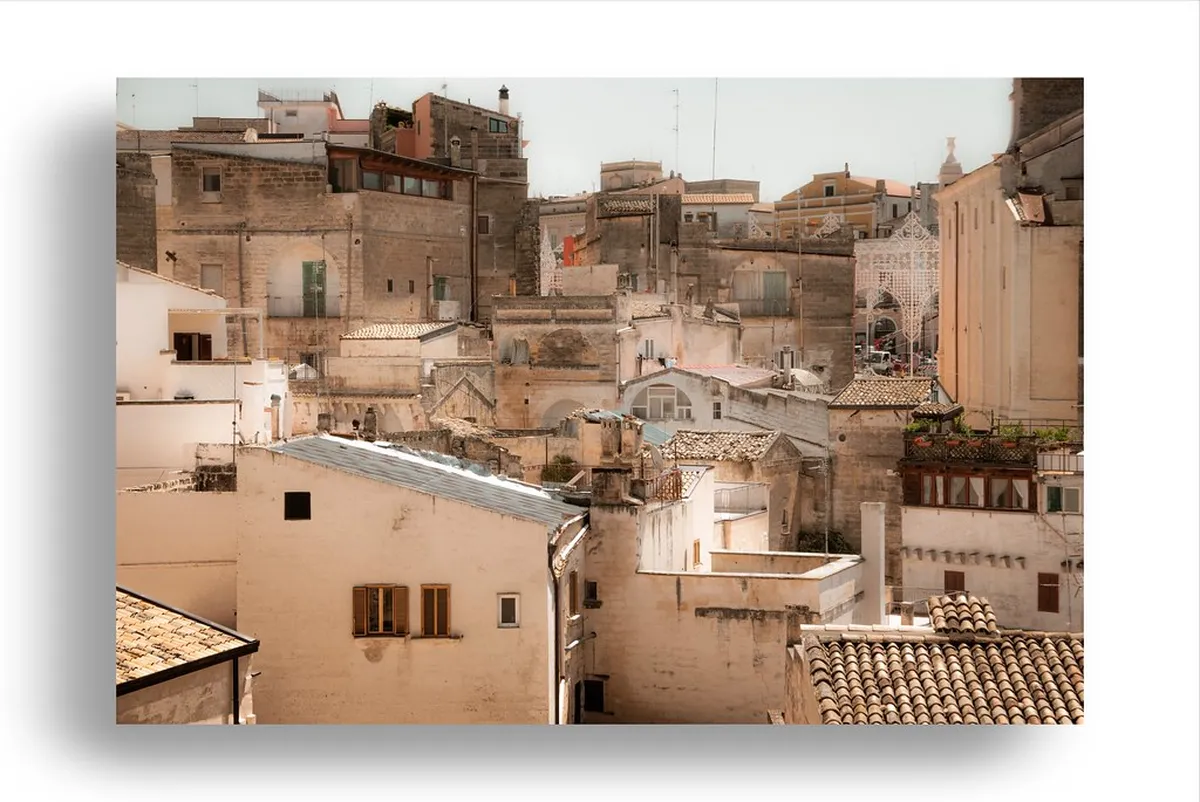
The distance between these two rocky cities is only about 30 kilometers or 18 miles. Despite the proximity, public transport can be infrequent during the middle of the day. If you are traveling on a weekday, the train offers a scenic but slower alternative to the bus. Budget travelers should stick to the regional buses which run multiple times every morning.
| Mode | Duration | Cost (2026) | Frequency | Best For |
|---|---|---|---|---|
| Bus (FlixBus / Sita Sud) | 44–50 min | €3–€12 | ~5 departures/day | Speed + price balance |
| Train (FAL line) | 42–50 min | €3 | ~3 trains/day (weekdays only) | Scenic narrow-gauge ride |
| Car / Rental | 25–30 min | €15–€30/day rental | On demand | Flexibility + side trips |
If you have a tight schedule, the bus wins on reliability because it runs daily — including weekends — whereas the private FAL train cancels all Sunday services without exception. Those with more time should consider the train on a weekday for its unique narrow-gauge views of rolling wheat fields and Apulian limestone plateau. Always verify the current departure times at the station or on the FlixBus app before you commit to a specific plan, as seasonal adjustments are common.
Bus Travel: Companies, Stops, and Tickets
The bus is the most accessible and consistent way to travel this route in 2026. The main operators are FlixBus, Sita Sud, Marino Autolinee, and BlaBlaCar Bus, each departing from the same Matera terminal. Around five buses run daily and all of them are direct with no changes required. Prices start at €3 one-way and can rise to €12 for last-minute peak bookings.
Both departure and arrival stations have fixed official addresses you should save before you travel. The Matera terminal is at Via Don Luigi Sturzo (Chiesa S.Paolo), 75100 Matera — not to be confused with the nearby underground FAL train entrance or the Villa Longo stop further north, which serves a different line. The Gravina drop-off is at Corso Giuseppe di Vittorio 230, 70024 Gravina in Puglia, right on the edge of the historic center. Knowing both addresses eliminates the most common navigation confusion tourists face.
Booking via the Omio app or directly on the FlixBus website takes under three minutes. Search the route, select your date and time, pay by card or PayPal, and a QR-code ticket arrives instantly in your email and in the app wallet. No printing needed — show the QR code to the driver at the door. Omio also lets you track the bus in real time on the day of travel, which is useful when schedules run slightly late in summer.
- Step 1: Check the daily schedule online
- Visit FlixBus or Omio for live times and the cheapest available fare.
- This takes five minutes and ensures you avoid the Sunday service gaps.
- Schedules often change seasonally so verify the latest times before leaving.
- Step 2: Purchase your ticket in advance
- Buy on FlixBus.com, the FlixBus app, or Omio for digital QR delivery.
- Expect to pay around €3–€5 for a one-way journey booked in advance.
- Digital tickets do not require physical validation at any machine.
- Step 3: Head to the Matera terminal on Via Don Luigi Sturzo
- The terminal is in the new town near the Chiesa S.Paolo church.
- Arrive at least ten minutes early to find the correct bay.
- Do not enter the underground FAL station nearby — bus bays are street-level.
- Step 4: Board and show your QR code
- Hold your phone screen toward the driver for a quick scan.
- The ride takes 44–50 minutes depending on the specific operator and stops.
- Keep your ticket visible as inspectors sometimes board mid-route.
- Step 5: Disembark at Corso Giuseppe di Vittorio
- This is the main stop for the historic center of Gravina.
- It is a short five-minute walk from here to the famous bridge.
- Use a map app to navigate the narrow streets toward the ravine.
Train Travel: Navigating the FAL Line
The Ferrovie Appulo Lucane or FAL is a private, narrow-gauge railway that is completely separate from the national Trenitalia network. This distinction trips up many first-time visitors: Italian rail passes, Trenitalia Railcards, and tickets purchased at standard FS ticket machines are all invalid on this line. You must buy FAL tickets at the FAL-specific ticket office inside the underground Matera station (Piazza Matteotti) or at their own vending machines — there is no integration with Trenitalia's website or app. Budget around €3 each way, which is the cheapest single-mode option on this route.
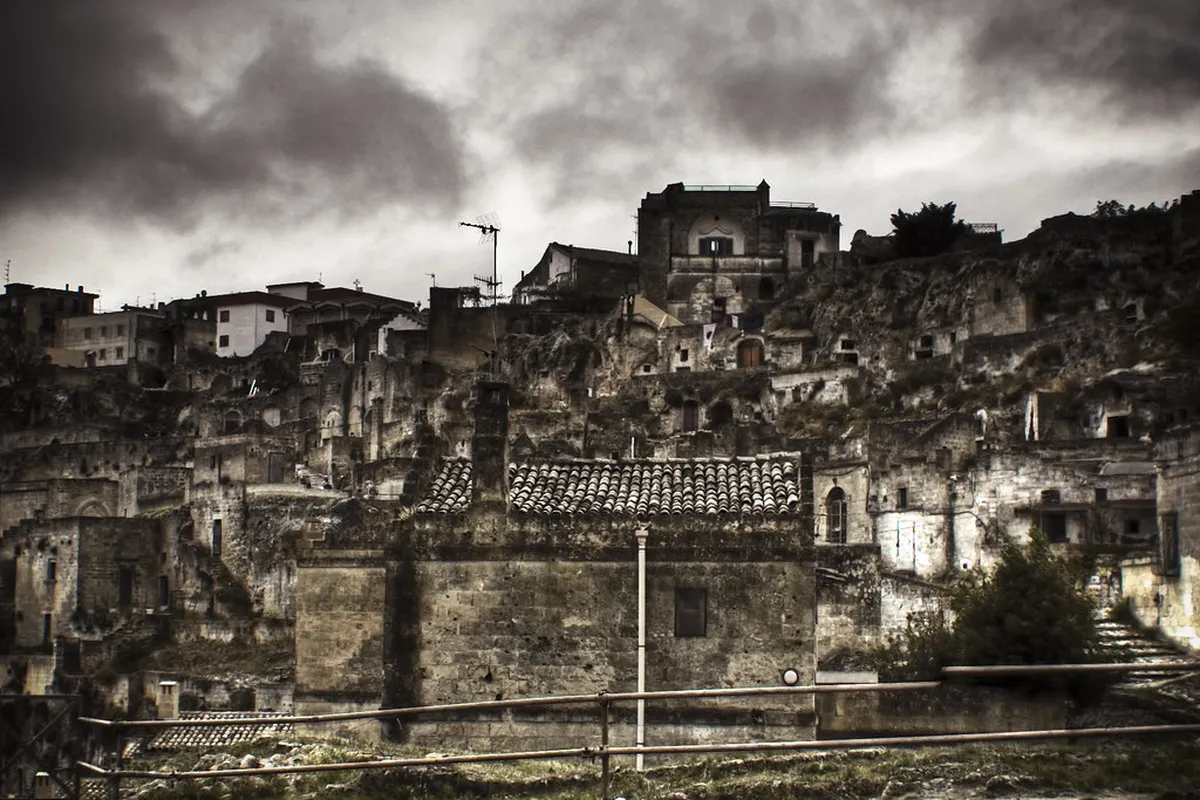
Riding this train is a slow and charming experience through the rolling hills of Puglia. The narrow-gauge tracks allow the train to navigate the rugged terrain between Basilicata and Puglia with ease. You will see vast wheat fields and ancient limestone outcroppings through the large passenger windows. Around three trains run on weekdays, with the journey clocking in at approximately 42–50 minutes from Matera Villa Longo to Gravina in Puglia station.
The single biggest pitfall on this line is the complete absence of Sunday train service. If you arrive at the underground FAL station on a Sunday morning, you will find the gates locked and no staff present. Replacement buses labeled "Autolinee" do operate, but they depart from a different street-level stop and follow a reduced timetable — check the FAL website for the current Sunday bus schedule before you commit. Crucially, if you are visiting Gravina specifically to walk the Ponte Acquedotto at golden hour and catch the last return, Sunday's limited buses make the car or a private taxi the far safer option.
Driving and Parking: The Quickest Route
Driving is the most flexible way to explore the area between Matera and Gravina. The SS7 highway connects the two cities directly with very little traffic outside of rush hour. You can reach the outskirts of Gravina in less than 30 minutes from Matera center. This route is perfect if you plan to visit other day trips from Matera later.
Parking in Gravina can be challenging near the edge of the historic ravine. Look for blue-lined spaces which indicate paid parking areas throughout the city. Vending machines for parking tickets usually accept both coins and contactless cards. Avoid the ZTL or restricted traffic zones to prevent getting a heavy automated fine.
The drive offers a great chance to see the Murgia Materana Park from a distance. Stop at one of the roadside viewpoints for a photo of the dramatic canyon landscape. If you have extra time, follow the signs for Altamura to buy famous local bread. The roads are generally well-maintained but can be quite narrow inside the town limits.
Top Attractions to See in Gravina
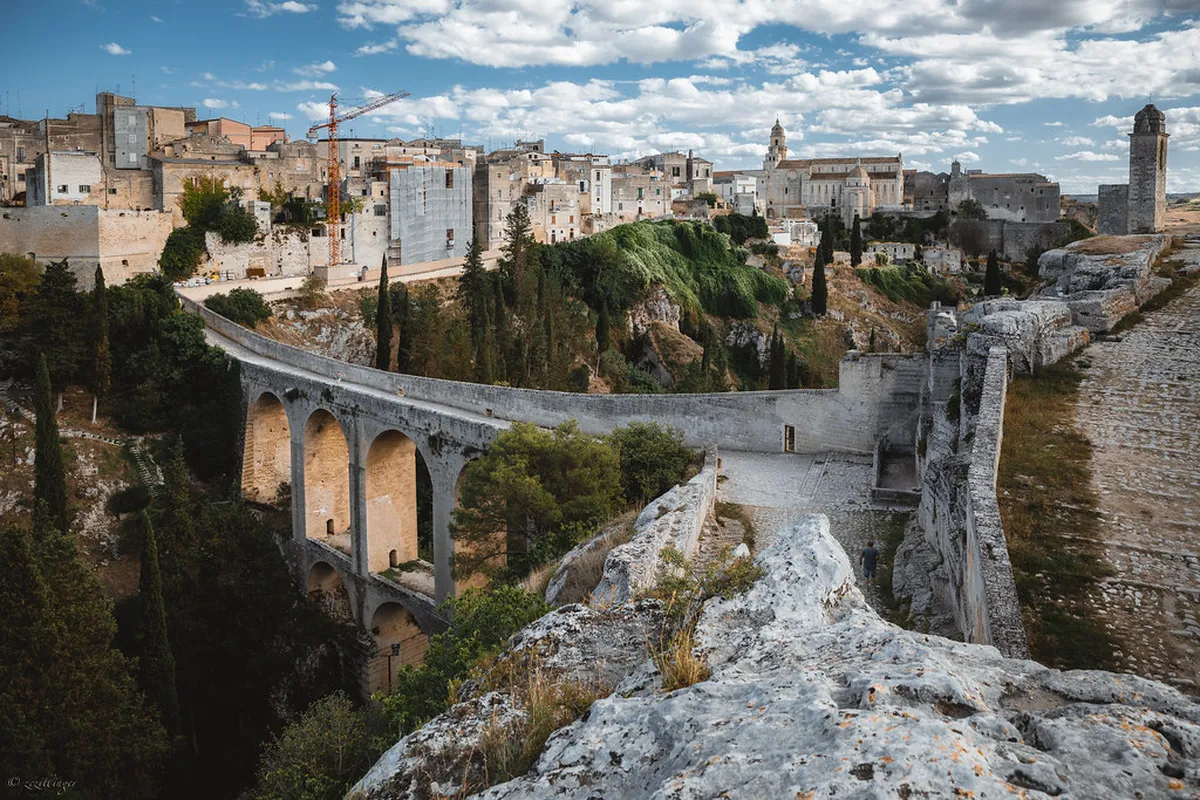
The most famous sight in Gravina is the Ponte Acquedotto which spans the deep ravine. This stunning stone bridge served as a filming location for the James Bond movie 'No Time to Die'. Walking across the bridge provides the best views of the ancient cave dwellings built into the cliffs. It is free to access and is just a short walk from the town center.
The Ponte Acquedotto is free and open 24/7. Gravina Sotterranea (underground cave tours) costs €10 and requires advance booking (€3 to save a spot). Sunday trains don't run—you must use replacement buses. The ravine can be windy and 10–15°C cooler than Matera; bring a light jacket even in summer. Visit the bridge at sunset for dramatic light; morning is best for cave tours (cooler, less crowded).
Do not miss the chance to explore the Gravina Sotterranea or the underground city. Guided tours take you through a labyrinth of caves, cellars, and ancient churches beneath the streets. The temperature underground remains cool even during the hottest Italian summer afternoons. Consult the Puglia Cycle Tours - Gravina Guide for more hidden gems.
The Cathedral of Santa Maria Assunta is another architectural masterpiece worth your time. It sits on the edge of the ravine and features a beautiful Romanesque facade. Inside, you will find intricate woodwork and a peaceful atmosphere away from the tourist crowds. The square in front of the cathedral is a perfect spot for a quick espresso.
Planning Your Day Trip: Timing and Logistics
A successful day trip requires a bit of timing to avoid the midday siesta. Many shops and smaller churches close between 1:30 PM and 4:30 PM every day. Plan to visit the bridge and the ravine during these hours when outdoor sights remain open. Save your museum visits and shopping for the early morning or the late evening.
Wear sturdy walking shoes because the stone paths can be very slippery and uneven. The walk from the bus stop to the bridge involves several steep inclines and declines. I found that carrying a refillable water bottle was essential during the warm summer months. Public fountains are available in the main squares and offer clean, cold drinking water.
If you are interested in history, consider visiting the nearby Craco from Matera ghost town. While it is in a different direction, it pairs well with a multi-day exploration of the region. You might also enjoy the fairy-tale houses of Alberobello from Matera on another day. Always check the weather forecast as the ravine can be windy and surprisingly chilly.
- What to prepare before you go
- Carry some small change for public toilets or a quick espresso.
- Wear comfortable walking shoes for the steep stone steps of the ravine.
- Download an offline map of the Gravina historic center for easy navigation.
- Charge your phone fully to take photos of the iconic aqueduct bridge.
- Bring a reusable water bottle to use at the local public fountains.
- Pack a light jacket for the cooler underground cave and cellar tours.
- Common travel problems and quick fixes
- The train station is closed on Sundays so take the replacement bus.
- You missed the last bus so check for a nearby local taxi.
- Your digital ticket will not scan so ask the driver for manual help.
- The underground tour is full so visit the cathedral museum instead.
- Most shops are closed for siesta so find a quiet public park.
- You are lost so head toward the visible edge of the ravine.
Sunday Service Warning and FAL vs. Trenitalia
If there is one piece of information that saves a day trip from turning into a nightmare, it is this: FAL trains do not run on Sundays or Italian public holidays, full stop. The private Ferrovie Appulo Lucane railway operates independently of Trenitalia's national timetable, and its weekend schedule is genuinely skeletal. Tourists who plan a Sunday excursion based on weekday train times often arrive at the underground Piazza Matteotti station to find it shuttered, with no announcements in English.
The practical fix is straightforward but requires planning ahead. On Sundays, take the FlixBus or Sita Sud bus instead — departures from Via Don Luigi Sturzo still run, though with fewer slots than weekdays. If your trip falls on a public holiday (Ferragosto on 15 August is the most disruptive), assume no FAL service at all and book your bus seat in advance via the FlixBus app the night before. Replacement FAL "Autolinee" buses do occasionally substitute for cancelled trains, but they use different street-level stops and appear only on the Italian-language section of the FAL timetable — do not rely on them unless you have confirmed the current schedule directly with the station.
The second trap stems from the FAL/Trenitalia confusion. If you search "Matera to Gravina" on Trenitalia.com or in the Trenitalia app, the route may not appear, or it may show a circuitous national connection via Bari that takes over two hours. The direct 42-minute journey exists only on the FAL narrow-gauge line and must be booked through FAL ticketing channels. Think of it as a separate regional metro with its own rules, not a branch of the Italian state railway.
The Bridge Walk: Arriving in Gravina the Right Way
Whether you arrive by bus or train, the single best thing you can do in Gravina is walk the Ponte Acquedotto — the Roman aqueduct bridge that spans the deep ravine — but the direction matters enormously. If you arrive at the FAL train station or walk up from the Corso Giuseppe di Vittorio bus stop, head west toward the ravine edge and cross the bridge from the Gravina side into the cliff-side historic quarter. This direction gives you the full panoramic view of the cave dwellings cut into the ravine walls as you walk, rather than looking back at them only after you have already crossed.
The bridge itself is free to access at any hour and takes less than five minutes to cross. What makes the approach so special is the drop on either side: the ravine plunges around 30 meters beneath your feet, with ancient cave churches and cisterns visible in the rock face below. Early morning crossings are quiet and cool; the golden hour just before sunset turns the tufa stone a burnt ochre that explains immediately why this location was chosen for the James Bond film No Time to Die in 2020. After crossing, follow the stepped alleys upward into the old town toward the cathedral, which sits directly on the ravine lip and is the logical next stop.
On your way back, pause at the midpoint of the bridge and look north toward the Gravina Sotterranea entrance — the underground cave network cuts into the same cliff face and is visually obvious once you know where to look. Allow at least 90 minutes total for the bridge walk, a look inside the cathedral, and a coffee in the main piazza before catching your return bus or train.
Frequently Asked Questions
How long does it take to get from Matera to Gravina?
The journey takes about 30 to 45 minutes by bus or car. Trains are slightly slower and usually take around 50 minutes. Traffic is rarely an issue on this rural route.
Can I travel to Gravina on a Sunday?
Yes, but you must use the bus service as trains do not run. The FAL railway operates replacement buses that depart from near the station. Always check the weekend schedule beforehand.
Is there a direct train from Matera to Gravina?
There is a direct narrow-gauge train operated by the FAL company. It runs frequently on weekdays and offers a very scenic route. Tickets cost approximately €2 / ~$2.20 per person.
Visiting Gravina in Puglia from Matera is a rewarding experience for any history lover. The combination of the dramatic bridge and the underground city makes for an unforgettable day. By following these transport tips, you can avoid common pitfalls and focus on the views. Enjoy your journey through one of Italy's most unique and rugged landscapes.
You might also like
Continue reading
More guides you'll find useful