7 Essential Things to Know: Pasticciotto Leccese Guide
Discover the history of Pasticciotto Leccese, from its 1745 origins in Galatina to the best bakeries in Lecce today. Includes an authentic recipe.
On this page
7 Essential Things to Know: Pasticciotto Leccese Guide
Lecce wakes up to the sweet aroma of baking pastry and rich espresso every single morning. This scent comes from the pasticciotto leccese, the most iconic breakfast treat in southern Italy. Visitors often fall in love with the warm custard and the crumbly shortcrust shell. Our comprehensive pasticciotto leccese guide helps you discover the history and best spots for this delicacy.
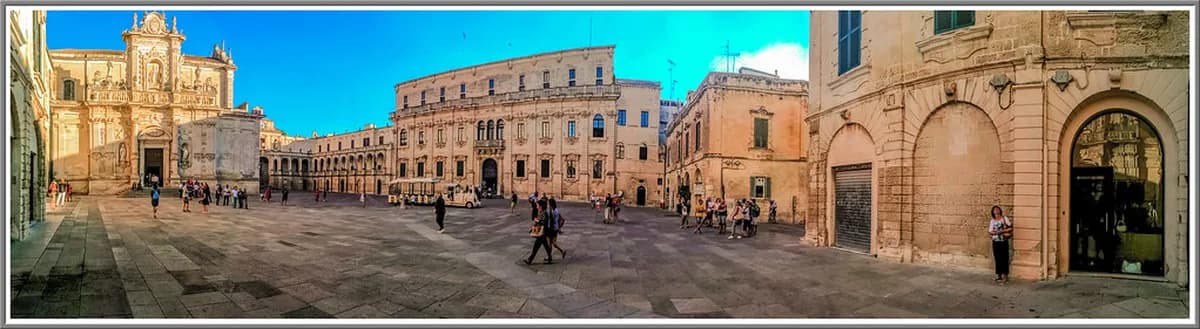
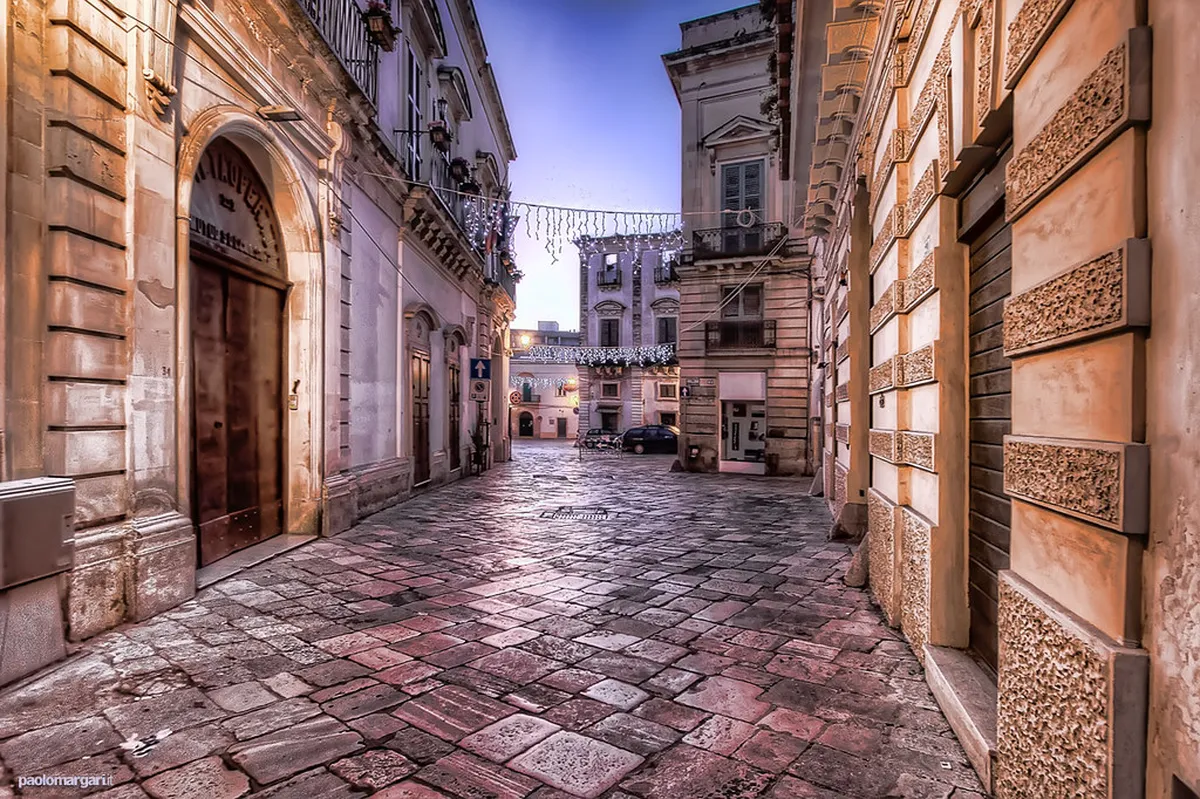
Walking through the limestone streets of the city center reveals dozens of local bakeries. The pastry serves as more than just a snack; it represents the culinary heart of the Salento region. Many travelers prioritize finding the perfect golden-brown oval during their stay in Puglia. Learning about the local food scene enhances your appreciation for these deep-rooted traditions.
Finding the right balance between a crunchy exterior and a creamy center is a true art form. Local bakers guard their secret recipes closely to maintain their unique reputation. We will explore everything from the legendary origins in Galatina to modern flavor innovations. Prepare your palate for a journey through the most beloved pastry in the heel of Italy.
The History of Pasticciotto: From Galatina to Lecce
The story begins on the feast day of Saints Peter and Paul — June 29, 1745 — in the small town of Galatina, deep in the heart of Salento. Pastry chef Nicola (also recorded as Andrea) Ascalone was facing a financial crisis when an unexpected crowd of pilgrims arrived for the celebrations. Using nothing but leftover scraps of shortcrust pastry and custard cream, he shaped small oval tarts in copper molds. Seeing the rough-and-ready patchwork appearance, he dismissed them as a "pasticcio" — a mess — and gave them away. He offered the little cakes to a local nobleman, Don Silvestro Mezio, who tasted one and immediately ordered more for his household. That single commission saved the bakery from bankruptcy and launched one of southern Italy's most enduring culinary traditions.
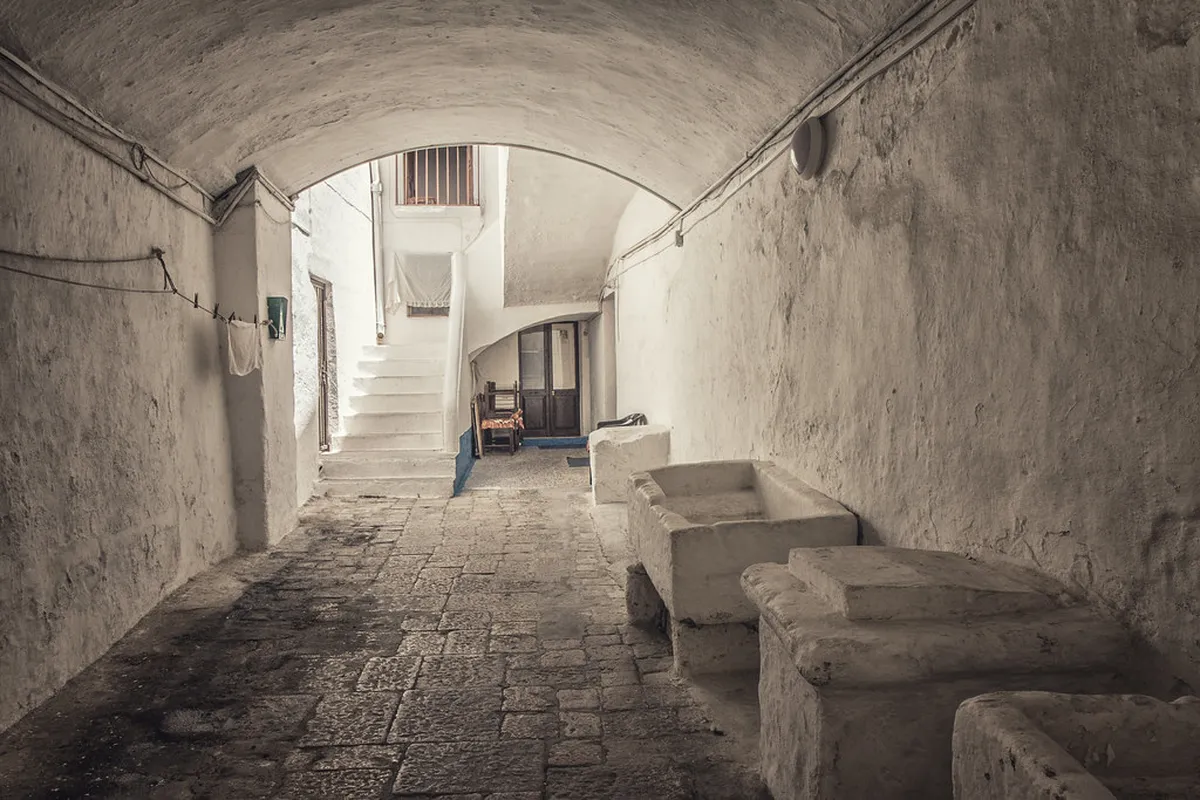
The timing mattered enormously. Galatina in the 18th century was a pilgrimage destination for the "tarantate" — women believed to have been bitten by the tarantula spider — who made long, exhausting journeys to perform the tarantella dance as a healing ritual. These pilgrims arrived hungry and depleted; the energy-dense combination of lard-rich pastry and thick custard was exactly the restorative they needed. Word spread quickly beyond the town, and the "pasticciotto" — the affectionate diminutive of "pasticcio" — became a regional obsession. The Salento Wine Tour notes that the Ascalone family still guards the original 1745 recipe at their shop at via Vittorio Emanuele II, 17, now managed by Davide and Sabrina Ascalone, direct descendants of the inventor.
Over the following centuries the recipe migrated from Galatina into Lecce and across the entire peninsula. In 2004 the Puglia Region formally recognised the pasticciotto leccese as an official agri-food product, and the Ministry of Agricultural Policies added it to the national list of traditional products — a rare honor for a single pastry. Today every bar in the region keeps them warm in heated cases from dawn, and the historical connection remains a point of immense pride for every local baker.
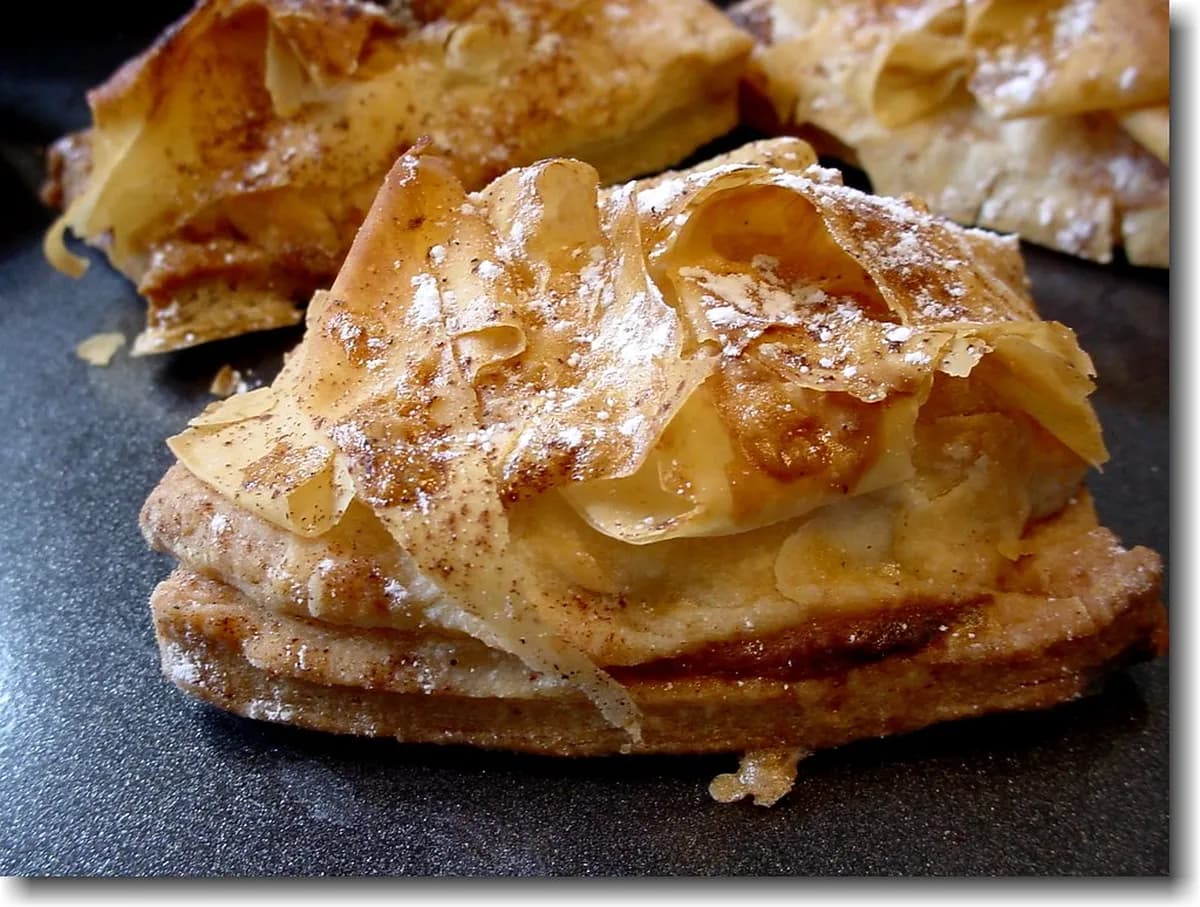
Traditional versions always feature the signature narrow oval shape — compact enough to hold in one hand, dense enough that the custard stays molten while the outer crust remains crisp. This seemingly simple geometry took generations to refine and is still respected by master bakers today. You can taste nearly three centuries of accumulated craft in every bite you take.
Never eat a pasticciotto cold or hours after baking. The texture contrast between the crumbly crust and molten custard is the entire point. Most bars keep them warm in heated glass cases; always ask for one fresh from the oven.
The Authentic Pasticciotto Leccese Recipe
Making an authentic pasticciotto at home rewards patience and demands good ingredients — start there and the technique will follow. The recipe breaks into two components made separately and assembled cold before baking.
For the pasta frolla (shortcrust pastry) — makes approximately 10 pieces: In a stand mixer, combine 500 g (4 cups) type-00 flour and 250 g (1¼ cups) granulated sugar. Add 250 g (8.8 oz) of lard — softened, not melted — along with the grated zest of one lemon and a pinch of baking ammonia (ammoniaca per dolci). Work in 2 medium whole eggs one at a time until a cohesive dough forms. Shape into a log, wrap tightly in cling film, and refrigerate for at least 4 hours, or overnight for best results. Cold dough is manageable dough.
For the crema pasticcera (pastry cream): Heat 500 ml (2 cups) of whole milk in a saucepan over medium heat until it steams — do not boil. In a bowl, whisk together 4 egg yolks, 100 g (½ cup) sugar, 32 g (¼ cup) cornstarch, and 32 g (¼ cup) rice starch, plus a pinch of vanilla. Pour in the hot milk gradually while whisking constantly, then return the mixture to the saucepan. Stir over medium heat until it thickens and the first bubbles break the surface — then immediately remove from heat. The cream must never boil or the starches will break. Transfer to a bowl, press cling film directly onto the surface to prevent a skin forming, and refrigerate to cool completely. Expert chefs at Cesarine recommend the dual-starch formula for a velvety, stable filling that won't leak.
Assembly and baking: Slice the chilled dough into discs (you need two discs per mold — one base, one lid). Press one disc into each oval metal mold without greasing it. Fill with a generous dome of cold pastry cream; the dome is essential because it fills the lid cavity as the cream expands. Cover with the second disc, pressing and crimping the edges firmly to seal. Brush with lightly beaten egg white for the characteristic golden glaze. Bake in a static oven at 180°C (355°F) for approximately 30 minutes, until the tops are deep mahogany. Rest for 10 minutes before unmoulding — they release more cleanly when slightly cooled.
Avoid pre-packaged pasticciotti from souvenir shops or large convenience stores. These lack the buttery texture of authentic fresh bakery versions and are often dry and disappointing. Visit a dedicated pasticceria in the early morning for the best experience.
- Troubleshooting Your Home Baking Results
- Issue: Soggy bottom crust
- Fix: Pre-heat the baking tray
- Issue: Custard leaking out
- Fix: Seal edges with water
- Issue: Tough pastry shell
- Fix: Do not overwork dough
Key Ingredients: The Lard vs. Butter Debate
Traditionalists in Salento insist that the only way to make pasta frolla is with strutto (lard). Lard provides a specific short, crumbly texture that butter simply cannot replicate in this recipe. It also has a higher melting point, which helps the pastry maintain its shape in the oven. Many older bakeries still source their lard from local farms to ensure quality.
Modern home bakers often prefer using butter for its familiar flavor and easier availability. Butter adds a rich, milky note to the crust that some people find more appealing than lard. However, using butter results in a softer, more cookie-like shell that lacks the traditional crunch. Some recipes suggest a 50/50 split to balance texture and modern taste preferences.
The choice of fat significantly impacts the final nutritional profile and the shelf life of the pastry. Lard-based pastries tend to stay crisp for a longer period in the humid Mediterranean air. Butter versions may become soft more quickly if not eaten immediately after cooling. Deciding between the two often depends on how much you value historical accuracy.
Regardless of the fat used, the sugar must be fine to ensure a smooth dough consistency. Local eggs with deep orange yolks provide the custard with its characteristic vibrant yellow color. High-quality ingredients are the secret to the best Lecce street food and pastries alike. Always choose the freshest components to honor the Salento tradition.
Torta Pasticciotto Leccese: The Family-Style Variant
While the individual oval pastry is most common, the Torta Pasticciotto serves larger groups during celebrations. This family-style variant uses the same shortcrust and custard but is baked in a large round pan. It is a staple at Sunday lunches and holiday gatherings across the Puglia region. Slicing into a large cake reveals a thick, decadent layer of warm cream.
The ratio of crust to cream changes slightly in the cake version compared to the small pastries. You get more of the silky custard in every bite, making it a favorite for true cream lovers. Some families add a layer of black cherry jam (amarena) at the bottom for extra flavor. This variation adds a pleasant tartness that cuts through the richness of the custard.
Preparing the large cake requires more careful temperature control to ensure the center cooks through. It often takes 40 to 50 minutes in the oven at a slightly lower temperature than the small ones. Bakers must wait for the cake to set before attempting to slice it into wedges. Serving it slightly warm is the traditional way to enjoy the textures at their best.
You can find these large cakes in most professional bakeries throughout Lecce and the surrounding towns. They are often cheaper per serving than buying multiple individual pastries for a big family. Many locals consider the torta to be the ultimate comfort food for a rainy afternoon. It represents the generous spirit of Salento hospitality in every sweet slice.
Modern Variations and the 'Obama Pasticciotto'
On the morning of November 5, 2008 — as the world celebrated Barack Obama's election as the 44th US President — master pastry chef Angelo Bisconti of the Cherì pastry shop in Campi Salentina created a tribute that would change his business permanently. His "Obama Pasticciotto" used chocolate-infused shortcrust pastry and a dark chocolate custard filling, symbolizing the historic moment in both flavor and appearance. The impact was staggering: the shop grew from 3 employees to 30 within months, attracted international media coverage including major US news outlets, and even became the subject of a documentary film. Travelers still make the detour to Campi Salentina specifically to taste it. Worth it? The rich bittersweet chocolate version is a genuine rival to the classic — though most locals still declare the original custard version superior for breakfast.
Beyond the chocolate version, gourmet bakeries in Lecce now experiment with many creative fillings. You might find pasticciotti filled with pistachio cream, lemon curd, or even savory ingredients. Some chefs use local figs or almonds to highlight other famous agricultural products of the region. These variations keep the tradition exciting for younger generations and curious tourists.
Despite these new trends, the classic custard version remains the undisputed king of the breakfast table. Purists argue that the simple combination of vanilla and lemon is impossible to improve upon. Most bars will offer at least three or four different flavors to cater to all tastes. Trying a different one each morning is a great way to explore the local bakery scene.
Vegan and gluten-free options are also becoming more common in the larger cities like Lecce. These versions use alternative flours and plant-based fats to recreate the iconic experience for everyone. While the texture differs slightly, the commitment to flavor remains very high. Always ask your barista for 'senza glutine' or 'vegano' options when ordering your morning treat.
Where to Find the Best Pasticciotti in Salento
Finding the perfect pastry requires knowing where the locals go for their daily fix. Lecce is home to several legendary establishments that have perfected the craft over many decades. Choosing a spot near the main piazzas allows you to enjoy your treat with a view. Many of the best restaurants in Lecce also serve these as dessert options.
Prices in 2026 generally range from €1.50 to €2.50 per pastry depending on the location. Bakeries in smaller towns like Galatina often offer the best value and most traditional flavors. Expect to pay a small premium if you choose to sit at a table in a busy tourist area. Standing at the bar like a local is the most authentic and cheapest way to eat.
The 'Pasticciotto Trail' is a popular DIY food crawl through the Salento peninsula for food lovers. Start in Galatina at the original source before heading into the heart of Lecce. Finish your journey in a coastal town like Otranto for a pastry with a sea view. This route provides a comprehensive look at how different bakers interpret the same classic recipe.
Always check the opening hours as many traditional bakeries close for a few hours in the afternoon. Early morning is the best time to visit when the pastries are still warm from the oven. If a shop is sold out by noon, it is usually a sign of high quality and local popularity. Plan your morning walk around these sweet milestones for the best experience.
| Bakery | Location | Signature Twist | Price (2026) |
|---|---|---|---|
| Pasticceria Ascalone | Via Vittorio Emanuele II, 17, Galatina | Original 1745 recipe; also the Obama Pasticciotto variant | €1.50–€1.80 |
| Caffè Alvino | Piazza Sant'Oronzo, Lecce | Classic custard + cereals-and-figs seasonal version | €2.00–€2.30 |
| Aldemorisco | Lecce city centre | Torta pasticciotto with amarena cherries | €2.00–€2.50 |
Gambero Rosso's authoritative ranking also highlights Dulce in Casarano (run by 2017 world pastry champion Enrico Casarano), Arte Bianca in Parabita (first to offer sweet-and-savory variants), and Caffè Italia Protopapa in Taurisano (since 1932, known for a cream-ricotta-berry-pistachio combination). If your itinerary allows a short drive south of Lecce, the quality at these smaller-town shops consistently outranks the more tourist-facing city bars.
Tips for Enjoying Pasticciotto Like a Local
The most important rule for eating a pasticciotto is to enjoy it while it is still warm. A cold pastry loses the contrast between the crisp shell and the meltingly soft center. Most bars keep them in heated glass cases to maintain the perfect serving temperature. If you buy a box to take home, a quick 30 seconds in the oven helps revive them.
Pairing your pastry with a Caffè Leccese is the ultimate local ritual during the warmer months. This drink consists of iced espresso mixed with sweet almond syrup (sciroppo di mandorla). The sweetness of the syrup complements the creamy custard of the pastry perfectly. You can find more cheap eats in Lecce that pair well with local coffee styles.
Locals typically eat these for breakfast or as a mid-morning snack before lunch. It is rarely eaten as a late-night dessert, though some tourist spots offer them all day. Ordering your coffee 'al banco' (at the bar) is the best way to soak in the morning atmosphere. Watch the city come to life as you enjoy your first sweet bite of the day.
If you want to take some home as a souvenir, look for shops that offer travel-safe packaging. Many bakeries sell 'da viaggio' boxes that protect the delicate crust during a flight or train ride. They will stay fresh for about two days if kept in a cool, dry place. Sharing a taste of Salento with friends is the best way to end your trip.
The Caffè Leccese Pairing: A Salento Ritual
Eating a pasticciotto alone is good. Eating one with a Caffè Leccese is the complete Salento breakfast experience — and the contrast in temperatures and textures is the entire point. The Caffè Leccese is an espresso served over ice in a tall glass, sweetened with sciroppo di mandorla (almond milk syrup). The result is cold, nutty, and bitter in exactly the way that balances the warm, creamy, sweet custard of the pastry.
The ritual is highly specific to this corner of Italy. While the rest of Italy drinks its espresso hot and fast, Lecce adopted the iced version as a practical response to the brutal summer heat of the Salento interior. The almond syrup — produced from the white almonds of Puglia, which are among the sweetest in the world — gives the drink a distinctly local identity. You will not find this combination anywhere else in Italy in quite the same form.
To experience it properly, order standing up at the bar — "al banco" — at one of the historic cafès on Piazza Sant'Oronzo, Lecce's main square. Watch the barista pour the double espresso directly over the glass of ice, then add the syrup. Drink it immediately alongside your warm pasticciotto; this is not a drink to nurse while the ice melts. The pairing peaks in the morning between 07:00 and 10:00, when the pastries come fresh from the oven and the city square is still cool and unhurried. In 2026, expect to pay €2.50–€3.50 for the coffee; the full breakfast pair seldom exceeds €5.50 at a bar standing.
Historical Evolution: A Timeline of Salento's Iconic Pastry
Understanding the pasticciotto means tracing nearly three centuries of culinary history. The story did not end with Nicola Ascalone in 1745 — it accelerated with politics, regional pride, and a generation of innovators who expanded the original blueprint without abandoning it.
- 1745: Nicola Ascalone invents the pasticciotto in Galatina on the feast of Saints Peter and Paul. First recorded sale: Don Silvestro Mezio places the inaugural order.
- 18th–19th century: The recipe spreads across Salento; oval copper molds become the standard form. The pastry establishes itself as the typical product of the Galatina area before migrating to Lecce.
- 2004: The Puglia Regional Government formally classifies the pasticciotto leccese as an official agri-food product. The Italian Ministry of Agricultural Policies adds it to the national PAT (Traditional Agri-food Products) list.
- 2008: Angelo Bisconti of Cherì (Campi Salentina) creates the Obama Pasticciotto to mark the US election. The chocolate-and-dark-custard version goes viral internationally and becomes the template for "event pasticciotti".
- 2010–2020: A wave of flavor innovation across Salento: pistachio, amarena, ricotta, gianduja, and the first savory variants (capocollo). Regional competitions and Gambero Rosso coverage legitimize the artisan tier.
- 2022–2026: Premium artisan versions proliferate. Organic-flour Tipicciotto (Eros Bar, Galatina), world-champion-level techniques at Dulce (Casarano), and giant festival pasticciotti (Caffè dei Napoli, Alliste) push the craft into new territory while the 1745 original recipe remains untouched at Ascalone.
The through-line across all 280 years is consistency: the shape, the dual-component structure, and the fundamental ratio of crust to cream have never changed. What has evolved is what you put inside — and how seriously Salento takes its most famous export.
Frequently Asked Questions
Is the pasticciotto better with lard or butter?
Traditionalists prefer lard for its superior crumbly texture and historical accuracy. Butter offers a more familiar milky flavor but results in a softer crust. Most authentic bakeries in Salento still use lard to maintain the classic 1745 standard. Try both versions to see which profile you prefer.
Where was the first pasticciotto leccese made?
The first pasticciotto was created in 1745 in the town of Galatina by Nicola Ascalone. He used leftover pastry dough and custard to create the small, oval treat. You can still visit the original Ascalone bakery today to taste the history of this iconic snack. It is a must-visit for any food lover.
What is the 'Obama Pasticciotto' and where can I find it?
The 'Obama Pasticciotto' is a chocolate-flavored variant created in 2008 to honor the US President. It features cocoa-infused pastry and chocolate custard with a black cherry center. You can find this specific version at Pasticceria Ascalone in Galatina. It remains a very popular modern choice for visitors.
How do you pair pasticciotto with Caffè Leccese?
Locals pair the warm pastry with an iced espresso mixed with sweet almond syrup. The cold, nutty coffee balances the hot, creamy custard of the pasticciotto perfectly. This combination is the quintessential Salento breakfast experience. You can find more details in our Lecce food guide.
Can you take pasticciotti home as a souvenir?
Yes, many bakeries offer sturdy travel boxes designed to protect the pastries during transit. They generally stay fresh for about 48 hours if kept in a cool environment. To enjoy them at home, reheat them briefly in an oven to restore the crispness of the crust. They make a wonderful gift for foodies.
The pasticciotto leccese is more than just a sweet treat; it is a symbol of Salento history. From its humble 1745 beginnings to its modern global fame, it remains a culinary masterpiece. Whether you prefer the classic custard or the bold 'Obama' version, every bite tells a story. Plan your next trip to Lecce to experience this golden treasure for yourself.
Remember to eat your pastry warm and pair it with a local coffee for the best results. Exploring the historic bakeries of Galatina and Lecce provides a true taste of southern Italy. We hope this guide helps you navigate the delicious world of Puglia's favorite breakfast. Enjoy your sweet journey through the beautiful streets of the Salento peninsula.
For the bigger picture, see our 12 Best Things to Eat in Lecce guide — or dive into 12 Best Restaurants in Lecce and 9 Best Lecce Street Foods to Try (Including the Iconic Rustico) (2025).
You might also like


Continue reading
More guides you'll find useful