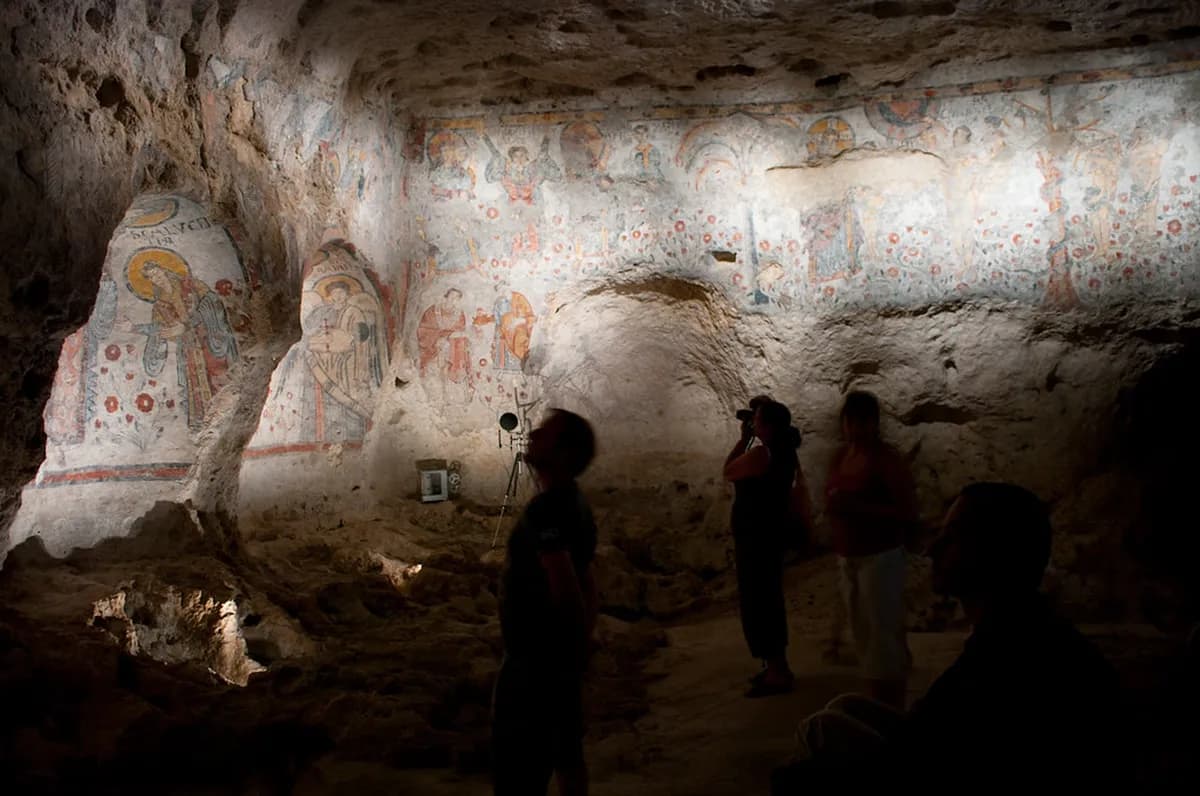
Casa Grotta Matera Visiting Guide: 10 Essential Tips & Insights
Discover how to visit Casa Grotta di Vico Solitario and the Sassi di Matera. Includes ticket info, history, cave hotel recommendations, and a 10-point visiting guide.
On this page
Casa Grotta Matera Visiting Guide: 10 Essential Tips & Insights
Matera is a city of stone that tells a story of survival and rebirth in the heart of Basilicata. Visiting the Casa Grotta provides a rare look into the humble lives of those who once lived here. These ancient cave dwellings were once considered a national embarrassment before becoming a famous world heritage site. Today, travelers come from all over the world to explore the winding alleys and deep history of the Sassi.
You will find that the caves offer a fascinating glimpse into a lifestyle that remained unchanged for many centuries. This casa grotta matera visiting guide will help you navigate the logistics of visiting the most famous museums. We will cover ticket prices, historical context, and the best ways to explore this unique Italian destination. Prepare to discover why this location is one of the most captivating places in southern Europe.
The History of Casa Grotta and the Sassi di Matera
The history of the Sassi is one of the most extraordinary stories of human endurance in the Mediterranean world. People first carved shelters into the soft calcarenite rock here during the Palaeolithic era, and settlements have been continuously inhabited for over 7,000 years. By the early 20th century, the cave districts held roughly 15,000 residents living without running water, electricity, or sanitation — entire families sharing a single room with their mules, chickens, and pigs. Infant mortality was catastrophic, and malaria was a persistent companion.
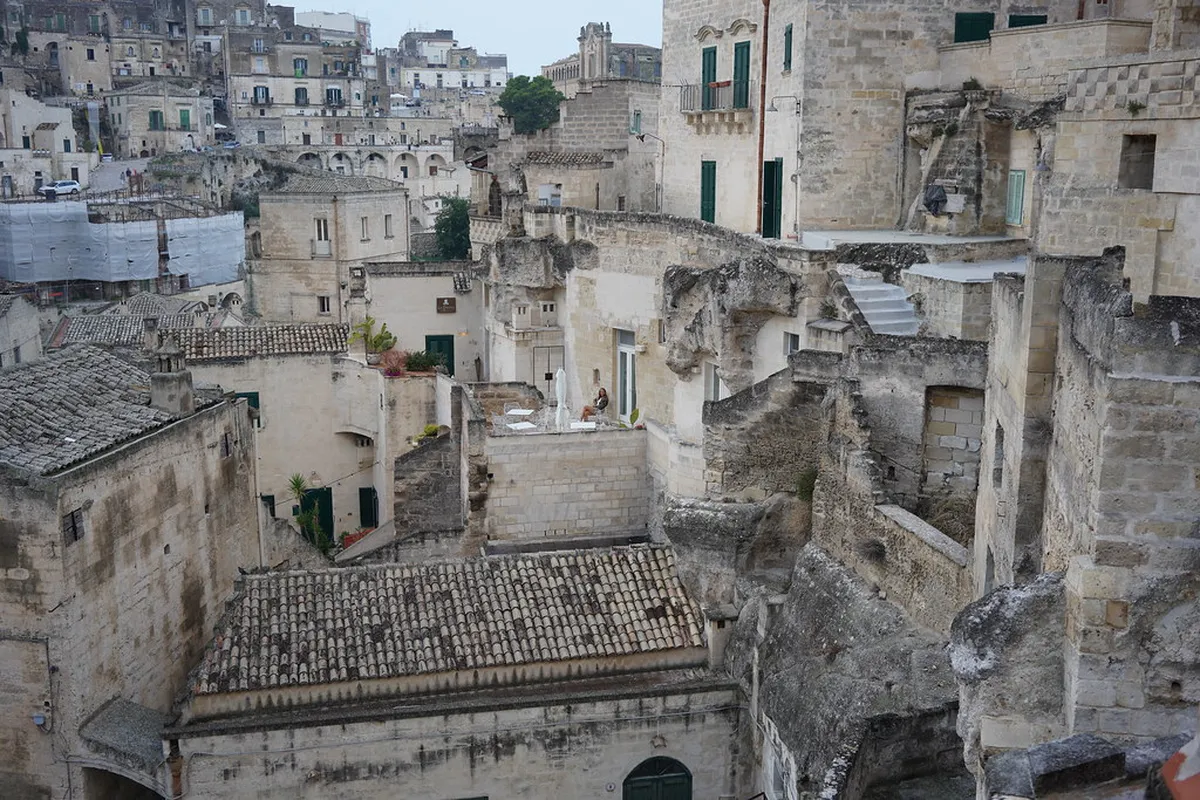
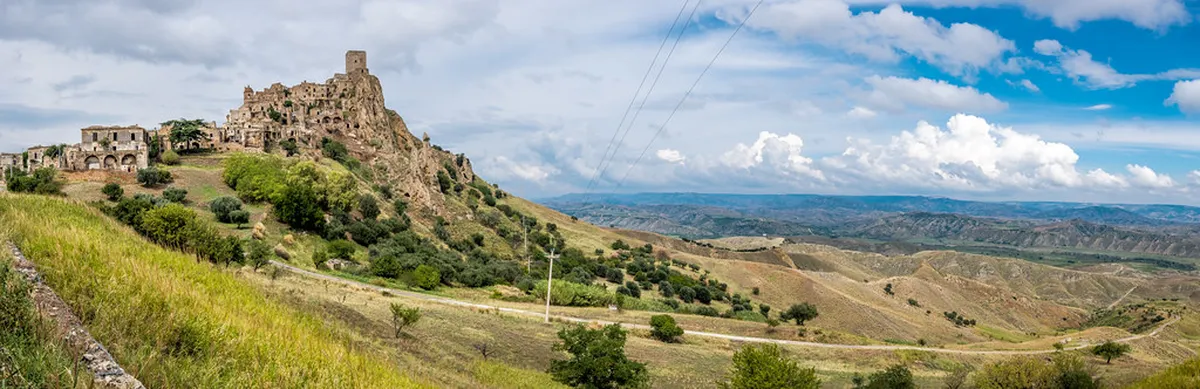
The turning point came not from a government survey but from a book. Carlo Levi's Christ Stopped at Eboli, published in 1945, brought international attention to the desperate conditions of Basilicata's poor. When Prime Minister Alcide De Gasperi visited Matera in 1950 and called it a national disgrace, his phrase "the shame of Italy" lodged itself in the global imagination. Between 1953 and 1968, the Italian state relocated roughly half the population of 30,000 to new housing blocks on the plateau above, leaving the ancient cave city ghostlike and empty for several decades.
The rehabilitation that followed is just as remarkable. In 1993, UNESCO granted World Heritage status to the Sassi di Matera and the Rupestrian Churches of Matera, recognising them as the best-preserved example of rock-cut settlement in the Mediterranean region. International organisations like the World Monuments Fund - Rupestrian Churches funded restoration work on the ancient churches. In 2019 Matera served as a European Capital of Culture, drawing visitors from across the world and cementing its reputation as one of Italy's most compelling destinations. Walking these lanes today, you are walking through a site that moved from deep human suffering to UNESCO glory within a single lifetime.
How to Visit Casa Grotta di Vico Solitario: Tickets and Hours
The Casa Grotta di Vico Solitario is the most popular museum for understanding traditional life in the Sassi district. Located in the Sasso Caveoso area, this museum shows exactly how a family lived before the forced evacuations. You will see original furniture, farming tools, and even the stable area where animals once slept with the family. The museum uses an informative audio guide to explain the function of every object in the room.
Tickets for the museum are very affordable and can usually be purchased directly at the entrance during your visit. You should expect to pay around five euros for an adult ticket, which includes the multi-language audio presentation. The museum is generally open every day from morning until early evening, though hours can vary during the winter. Checking the official schedule before you arrive will help you avoid any unexpected closures or holiday changes.
Travelers should be aware that the Sassi district features many steep stairs and very uneven limestone paths. This terrain can be quite challenging for anyone with mobility issues or those using strollers for young children. You should plan your route carefully and allow extra time to move between the different levels of the city. Many of the most interesting spots require a significant amount of climbing on slippery stone surfaces.
The ancient limestone paths are extremely slippery even when dry. Wear footwear with strong rubber soles and excellent grip. The museum is located down a steep staircase—no wheelchair access to the main exhibits.
- Ticket Prices for Vico Solitario
- Cost: 5 Euros
- Includes: Audio guide
- Discounts: Children and seniors
- Standard Museum Opening Hours
- Morning: 9:30 AM start
- Evening: 7:30 PM close
- Days: Open daily
Comparing the Different Cave House Museums in Matera
While Vico Solitario is the most famous, there are several other cave museums that offer unique historical perspectives. The Casa Grotta del Casalnuovo is another excellent choice that often feels less crowded than the main tourist spots. This site features multiple rooms and provides a deeper look into the agricultural heritage of the local peasants. Visiting both locations will give you a more complete picture of how different families managed their daily lives.
Choosing the right museum depends on your interests and how much time you have available in your itinerary. Vico Solitario is perfect for a quick but thorough introduction to the Sassi's history and domestic arrangements. If you prefer a quieter experience with more detailed exhibits, the Casalnuovo location might be a better fit for you. Both sites are within walking distance of each other, making it easy to see both in one afternoon.
| Cave House Museum | Ticket Price | Audio Guide | Vibe | Best For |
|---|---|---|---|---|
| Casa Grotta di Vico Solitario | €5 | Included (multi-language) | Crowded, popular | First-timers, quick intro |
| Casa Grotta del Casalnuovo | €5–€6 | Optional (+€2) | Quieter, detailed | History buffs, deep dive |
| Vicinato a Pozzo Courtyard | Free (street view) | N/A | Intimate, authentic | Photography, local experience |
Families traveling with children may find the smaller museums more engaging because they are easier to navigate and explore quickly. Many of these sites also include short videos or interactive displays that help bring the ancient history to life. You can find more detailed information on things to do in Matera to help plan your family adventure. Taking the time to compare these options ensures you get the most value from your cultural visit.
Essential Matera Travel Tips for First-Time Visitors
The most important tip for any visitor is to wear sturdy walking shoes with excellent grip on stone surfaces. The ancient limestone paths are often polished smooth and can become very slippery, especially after a light rain shower. You will likely walk several miles each day as you climb up and down the various levels of the Sassi. Refer to our Matera Sassi walking guide for the best routes to take through the city.
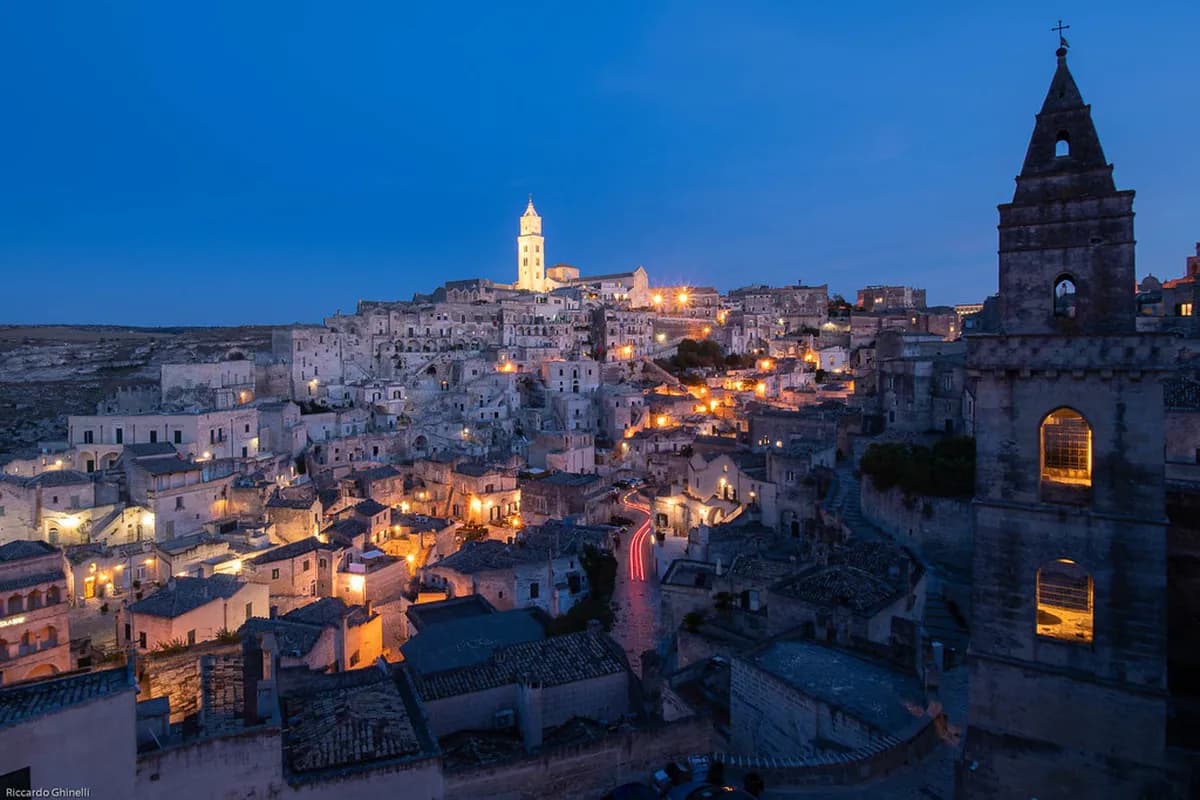
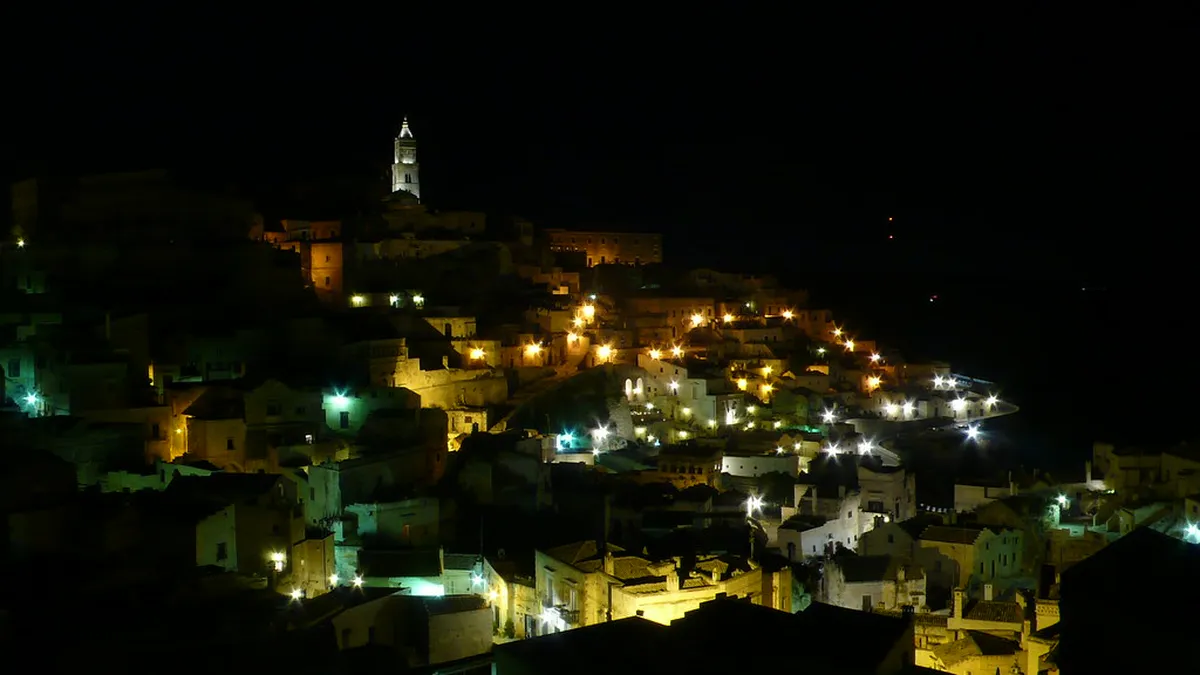
Photography enthusiasts face a specific challenge inside the cave houses: the interiors are deliberately dim to reflect historical conditions, and natural light barely reaches the back wall. A camera or phone with a reliable night or pro mode will outperform any flash-heavy setup, which tends to flatten the textures of rough stone. Tripods are generally not permitted inside the small museums, so raise your ISO, brace against a doorway, and take several frames. For outdoor shots, the best light arrives between 07:30 and 09:00 in the morning — the low sun cuts across the stone facades of Sasso Caveoso at a sharp angle that no midday shot can replicate. In the evening, head to Belvedere Piazzetta Pascoli or the terrace above the Church of San Pietro Barisano from about 19:00 in summer for a warm golden wash over the entire ravine. After dark, Matera's stone streets glow with warm spotlights — a very different and equally rewarding subject for a night walk.
To avoid the largest crowds, visit the most popular cave houses either at 09:30 when they open or after 16:00 when tour buses begin to depart. Tour groups dominate Vico Solitario between roughly 10:30 and 13:30, making the small museum feel packed. Arriving at opening ensures a quiet, unhurried visit where the audio guide can be heard clearly. You can then spend the midday hours in a cool cave trattoria before returning for afternoon sightseeing.
- Footwear for Sassi Exploration
- Type: Rubber soles
- Style: Sneakers or boots
- Avoid: Flip-flops or heels
- Best Photography Times
- Morning: Soft blue light
- Evening: Golden hour glow
- Night: Sparkling city lights
Where to Stay in Matera: Best Cave Hotels and Neighborhoods
Staying in a cave hotel is a highlight for many travelers visiting this historic part of southern Italy. These unique accommodations offer a blend of ancient atmosphere and modern luxury that you cannot find anywhere else. Many hotels have restored the original cave structures to include high-end amenities like heated floors and spa-style bathrooms. You can explore some Matera hidden gems to find boutique stays tucked away in quiet corners.
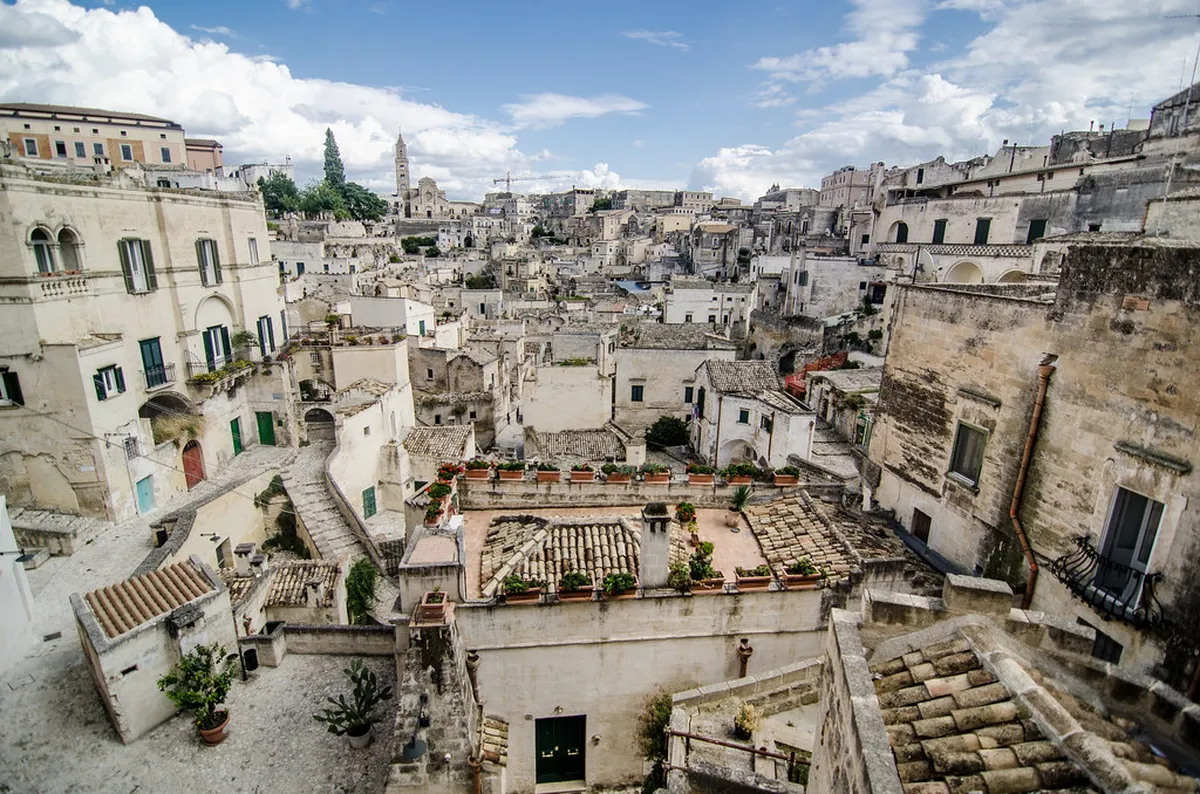
The Sasso Caveoso neighborhood is known for being more rugged and authentic, with many caves carved directly into the rock. This area offers stunning views of the ravine and is very close to the main cave house museums. If you prefer a slightly more polished atmosphere, the Sasso Barisano district features many beautifully renovated buildings and fine dining. Both neighborhoods provide an unforgettable experience that connects you deeply to the history of the city.
One highly recommended option for travelers seeking a spectacular view is the Hotel Il Belvedere, which overlooks the heart of the Sassi. This hotel provides easy access to the main walking paths and offers a terrace that is perfect for watching the sunset. Make sure to book your accommodation several months in advance if you plan to visit during the peak summer season. Early booking ensures you get the best choice of rooms with the most impressive views.
How to Get to Matera: Transport from Bari and Beyond
Getting to Matera is relatively straightforward, although the city is not served by the main national railway line. Most visitors fly into Bari Karol Wojtyła Airport and then take a shuttle or train to reach the city. The Ferrovie Appulo Lucane (FAL) operates a private train line that connects Bari Central to the heart of Matera. This journey takes about ninety minutes and offers scenic views of the surrounding Puglia and Basilicata countryside.
If you prefer to drive, there are several large parking areas located just outside the restricted traffic zone of the Sassi. You should avoid driving directly into the old city because the streets are extremely narrow and mostly reserved for residents. Many hotels offer a shuttle service from the parking garages to help you with your luggage upon arrival. Using a GPS is highly recommended, as the mountain roads in this region can be quite winding and complex.
Bus travel is another affordable option for those coming from other major Italian cities like Naples or Rome. Several private companies offer daily direct services that arrive at the main bus terminal in the newer part of town. From there, you can take a local bus or a short taxi ride to reach your accommodation in the Sassi. Always check the latest schedules online to ensure you have the most up-to-date information for your travel dates.
- Bari to Matera Train Details
- Line: FAL private railway
- Duration: 1.5 hours
- Cost: Approx 5 Euros
- Driving and Parking Advice
- Parking: Parcheggio Via Lanera
- Access: Outside ZTL zone
- Tip: Use hotel shuttles
Top Things to Do in Matera Beyond the Cave Houses
The cave house museums are the headline act, but Matera rewards visitors who explore further. The rupestrian churches scattered through Sasso Caveoso are among the finest in the Mediterranean. Santa Maria di Idris, perched on a rocky outcrop above Piazza San Pietro Caveoso, is the most striking — its carved facade appears to grow from the cliff face, and inside you will find 12th-century Byzantine frescoes in a remarkable state of preservation. A combined ticket for three rock churches (Santa Maria di Idris, Santa Lucia alle Malve, and San Pietro Barisano) costs €10 in 2026 and is excellent value. Opening times run from 10:00 to 19:00 daily.
For a broader perspective on the city's history, Casa Noha runs a 30-minute multi-room film about the Sassi's rise, shame, and reinvention. It is an ideal first stop for context before you visit the cave museums. The Palombaro Lungo cistern beneath Piazza Vittorio Veneto is another highlight — a vast underground cathedral of water carved from the rock that once supplied the entire city. Entry is €3 and the visit takes around 20 minutes. If the weather allows, the hike down into the Gravina ravine and up the opposite slope to Belvedere Murgia Timone offers the single most dramatic view of the Sassi, looking back across the canyon at the full cascade of stone buildings. The trail is 3.5 km round-trip and takes about 90 minutes at a relaxed pace. Wear proper shoes, carry water, and avoid the midday heat in July and August.
Where to Eat in Matera: Authentic Basilicata Cuisine
Eating in Matera is one of the unexpected pleasures of a visit to Basilicata. The local kitchen shares DNA with neighbouring Puglia — you will find generous antipasti boards, hand-rolled orecchiette pasta, and the iconic dish of fave e cicoria, a thick purée of fava beans served with bitter wilted chicory and a generous drizzle of local olive oil. Lamb, pork, and wild mushrooms from the surrounding hills appear on most dinner menus from September onward. The local bread, pane di Matera, is a large round sourdough with a dense golden crumb baked from durum wheat — look for the IGP-certified version and buy a loaf to take home if you are driving.
Several of the best restaurants operate inside restored cave rooms, which keeps the temperature pleasantly cool in summer. For a sit-down lunch or dinner in a cave setting, Trattoria del Caveoso near Piazza San Pietro Caveoso serves classic Basilicata dishes at honest prices. La Lopa in the same neighbourhood is a local favourite for fave e cicoria and homemade pasta. For a quick and affordable meal, the pizza-by-the-slice counter at 5 Lire near Belvedere Piazzetta Pascoli does a brisk trade with locals and travellers alike. If you want an aperitivo with one of the best views in the city, Terrazza Cavaliere on Via Ridola serves Aperol Spritz and snacks on a terrace overlooking the Sassi — arrive before 19:00 on weekends to secure a table. Budget roughly €20–€30 per person for a full meal with local wine at a mid-range trattoria.
Navigating the Sassi: Matera Map and Walking Routes
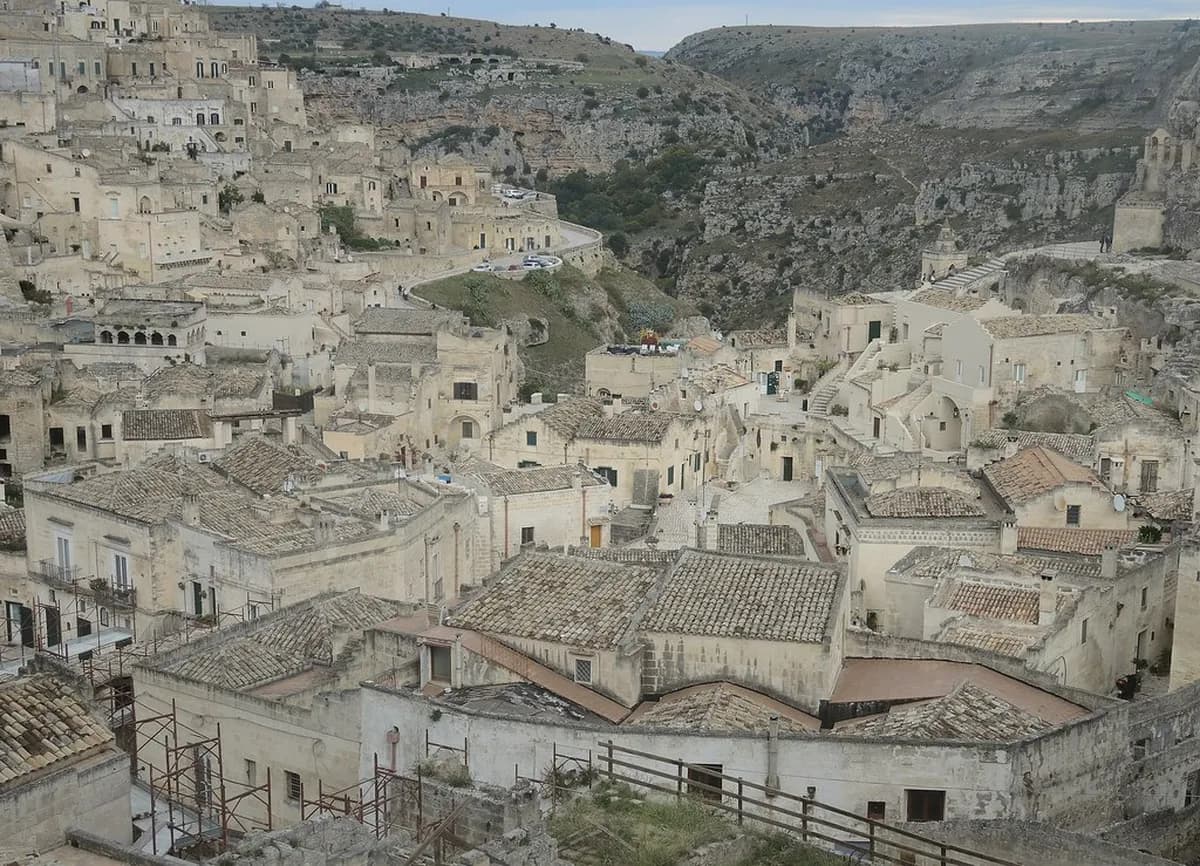
Matera's old city is divided into three interlocking districts. Civita, the original hilltop settlement, is anchored by the Duomo and Piazza Vittorio Veneto — this is the best entry point for first-time visitors. Sasso Barisano descends to the northwest from the Civita ridge; it is the more renovated of the two Sassi, with a higher concentration of cave hotels, boutique shops, and restaurants. Sasso Caveoso drops to the south and east toward the Gravina ravine; it is rawer and quieter, and it is where you will find the Casa Grotta museums and most of the rupestrian churches. The two Sassi are connected by Via D'Addozio and Via Madonna delle Virtù, which run along the rim of the canyon — walking this road from north to south gives you a continuous panorama of the entire cave city.
The most useful starting point is Belvedere Piazzetta Pascoli at the top of the Civita, where you can survey the full layout before descending. A standard loop takes two to three hours at a relaxed pace: descend into Sasso Barisano, cross to the Civita to visit the Duomo, then continue into Sasso Caveoso for the cave churches and cave house museums before climbing back up Via Fiorentini to the top. Download an offline map before you arrive, because mobile data can be unreliable inside the deeper lanes. Signage in the Sassi is improving but still sparse — if you lose your bearings, simply head uphill and you will reach the Civita ridge where orientation is easier. Allow at least four hours on foot to cover all the main sights without feeling rushed, and a full day if you plan to include the ravine hike and a long lunch.
Frequently Asked Questions
Is Matera Italy worth visiting?
Yes, Matera is absolutely worth visiting for its unique history and stunning stone architecture. It offers a rare look at ancient cave life that you cannot find anywhere else in Europe. You can explore more sites in our matera rock churches guide to see the full beauty of the area.
How much does it cost to visit Casa Grotta?
A standard adult ticket for the Casa Grotta di Vico Solitario costs approximately five euros. This price usually includes a helpful audio guide available in several different languages. Children and seniors may qualify for discounted rates depending on the specific museum you choose to visit in the city.
Can you stay inside the Sassi di Matera?
You can definitely stay inside the Sassi di Matera by booking one of the many restored cave hotels. These accommodations provide a unique atmosphere that combines ancient stone walls with modern comforts like Wi-Fi and air conditioning. Staying in the old city allows you to experience the magical atmosphere after the day-trippers leave.
How many days do you need in Matera?
Most travelers find that two to three days is the perfect amount of time to explore the city. This allows you to visit the main museums, several rock churches, and enjoy the local cuisine without feeling rushed. You will also have time to discover some of the best matera belvedere viewpoints for sunset.
Visiting the Casa Grotta in Matera is an essential experience for anyone who wants to understand the soul of this city. By following this casa grotta matera visiting guide, you can navigate the history and logistics with ease. The transition from the shame of Italy to a world-class destination is truly inspiring for every traveler. Take your time to wander the stone streets and soak in the incredible atmosphere of this ancient place.
Whether you are interested in history, photography, or unique architecture, Matera has something special to offer you. Plan your trip carefully to avoid the crowds and enjoy the best views of the Sassi at sunset. We hope this guide helps you create unforgettable memories in one of Italy's most remarkable destinations. Enjoy your journey through the stone city and the fascinating history of the Basilicata region.
For the bigger picture, see our 14 Best Things to Do in Matera guide — or dive into Matera Sassi Walking Guide and Rock Churches of Matera Guide.
You might also like
Continue reading
More guides you'll find useful