10 Essential Matera Travel Tips: A Local’s Guide (2024)
Plan your trip with 10 essential Matera travel tips. Discover the best cave hotels, hidden viewpoints, and practical logistics for the ancient Sassi.
On this page
10 Essential Matera Travel Tips for Your Sassi Visit
I first walked into the Sassi di Matera during a quiet spring morning three years ago. The limestone city looked like a prehistoric dream rising from the rugged Basilicata canyon. Since then, I have returned twice to document the changing face of this ancient stone settlement. Matera has transformed from a forgotten corner of Italy into a world-class cultural destination.
This guide was last refreshed in spring 2026 after my most recent visit to the city. I have vetted every viewpoint and restaurant to ensure these tips remain accurate for your journey. Many travelers mistake Matera for being part of neighboring Puglia, but it sits firmly in Basilicata. Understanding this distinction is the first step to planning the correct transport routes from Bari or Naples.
Planning a trip here requires more than just booking a hotel and showing up. The thousands of stone stairs and complex ZTL driving zones can frustrate the unprepared visitor. Following these specific matera travel tips will save you time and physical effort. Let us dive into the essential experiences that make this UNESCO site truly unforgettable.
Key Takeaways
- Quick Pick: Best overall experience is staying overnight in a cave hotel to see the city at night.
- Best for Families: The Palombaro Lungo cistern is an exciting and cool underground adventure for kids.
- Best Free Activity: Walking the Sasso Caveoso at sunrise offers the best views without any crowds.
- Practical Tip: Always wear shoes with good grip, as the polished limestone stairs are very slippery.
Is Matera Italy Worth Visiting?
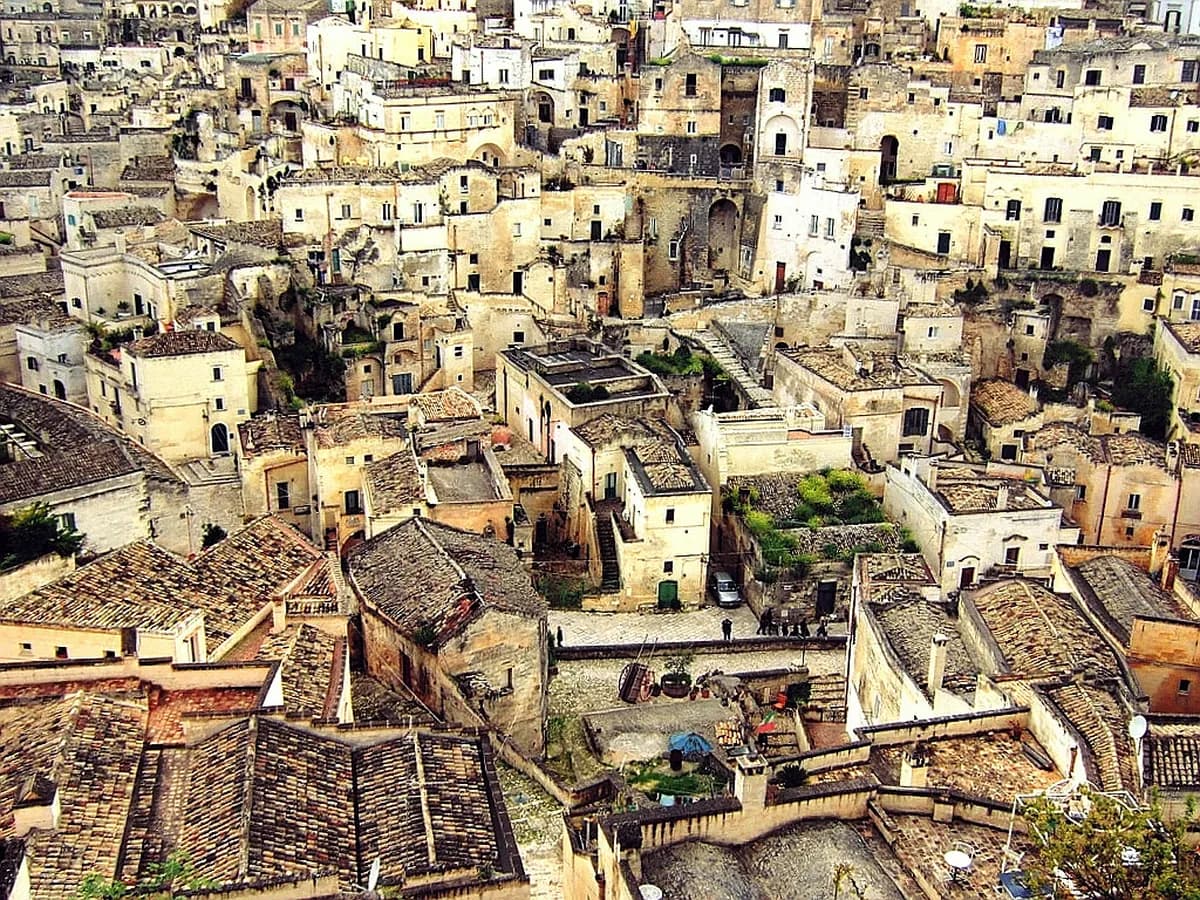
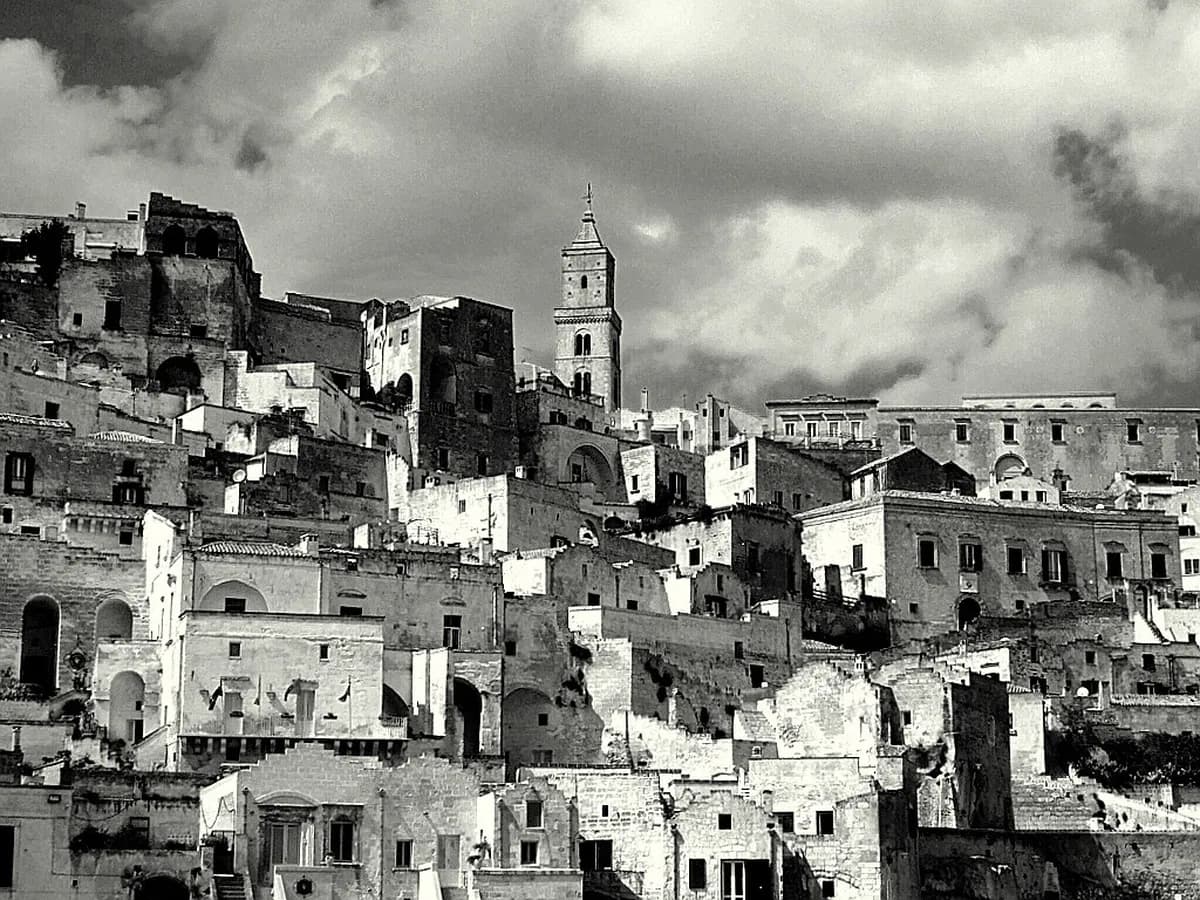
Matera is often described as one of the oldest continuously inhabited cities in the entire world. The Sassi districts represent a complex network of caves carved directly into the calcarenite rock. Walking through these alleys feels like stepping back two thousand years into the past. It is a visual spectacle that no other Italian city can quite replicate.
The city gained international fame as a filming location for the James Bond film No Time to Die. Despite the Hollywood attention, the city maintains a deep sense of local tradition and history. You will find artisanal workshops tucked next to high-end boutiques and modern art galleries. The contrast between the primitive stone and modern luxury is a defining Matera experience.
Safety is rarely a concern here, as the city center is mostly pedestrian and very welcoming. Before you pack your bags, you might wonder is Matera safe for solo travelers or families. The answer is a resounding yes, provided you are prepared for the steep and uneven terrain. Most visitors find the local community to be incredibly proud of their heritage and helpful.
10 Essential Matera Travel Tips
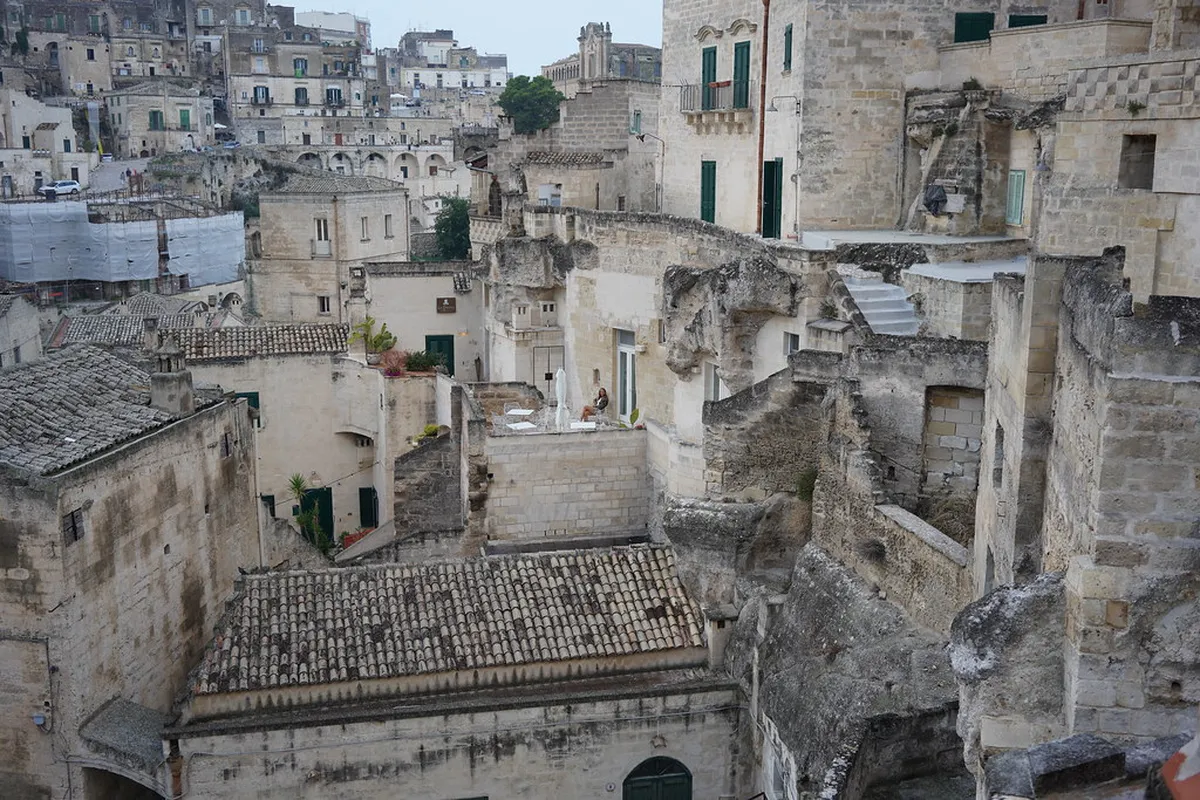
Matera requires a different approach than visiting Rome or Florence because of its vertical layout. I recommend focusing on one Sassi district at a time to avoid unnecessary climbing. The Sasso Barisano is generally more developed, while the Sasso Caveoso feels more rugged and ancient. Mixing iconic landmarks with quiet, hidden alleys provides the most balanced perspective of the city.
Timing your visits to major sites is crucial for avoiding the largest tour groups. Most day-trippers arrive from Puglia around 11:00 AM and leave by late afternoon. Staying overnight allows you to see the city when it is most atmospheric and peaceful. The following ten items are the absolute must-do experiences for any first-time visitor.
Be prepared to pay small entry fees at most rupestrian churches and cave museums. Most sites accept credit cards, but carrying small Euro notes is helpful for tiny workshops. Always check the official tourism board site for seasonal changes to opening hours. The city is a living museum, so please respect the private residences still found in the Sassi.
Staying overnight in a cave hotel (€180–€450 per night) allows you to experience the Sassi when it is most atmospheric and peaceful. Day-trippers typically arrive around 11:00 and leave by late afternoon, so an overnight stay gives you exclusive access to the city's quieter magic. Book cave hotels at least six to eight weeks ahead in peak season — availability disappears fast.
- Stay in an Authentic Cave Dwelling in the Sassi
- Sleeping in a restored cave hotel like Sextantio provides an immersive historical experience.
- Expect to pay between €180 and €450 per night depending on the luxury level.
- Check-in is usually after 3:00 PM, and most hotels offer porter services for luggage.
- The stone walls naturally regulate temperature, but ensure your room has a dehumidifier.
- Visit the Most Iconic Sassi Viewpoints at Sunset
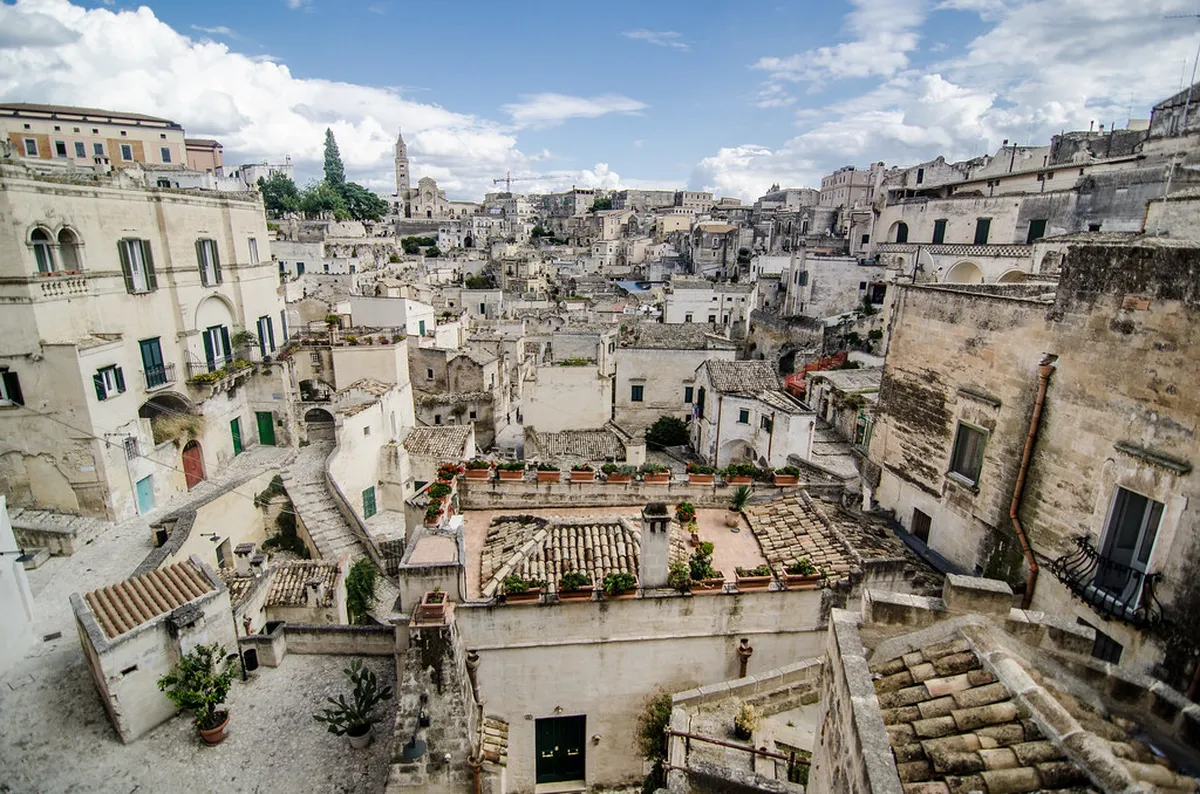
- The Berthold Werner - Matera Panorama shows the classic view from the Belvedere.
- Access to the main viewpoints is free and they are open twenty-four hours daily.
- Head to the Piazza Duomo for a sweeping look over the Sasso Barisano roofs.
- Arrive thirty minutes before sunset to claim a spot away from the photography tripods.
- Experience Fine Dining at Vitantonio Lombardo Restaurant
- This Michelin-starred venue is built inside a massive cave with incredible natural acoustics.
- Tasting menus typically range from €110 to €170 per person without wine pairings.
- Dinner service starts at 7:30 PM and reservations are mandatory weeks in advance.
- Try the 'Pizza Transustanziale' for a modern twist on traditional Lucanian flavors.
- Explore the Rock City in the Early Morning
- Walking the Sassi before 8:00 AM allows you to hear the city's unique silence.
- This experience is entirely free and offers the best light for soft photography.
- The stone alleys are empty of crowds, letting you notice small architectural details.
- Listen for the sound of the Gravina river echoing up from the canyon floor.
- Hike the Trails of Murgia Materana Park
- Cross the Tibetan suspension bridge to reach the ancient caves on the opposite ridge.
- The park is free to enter, though some guided treks cost about €20–€25.
- Wear sturdy hiking boots as the limestone paths are incredibly slippery when dry.
- Avoid this trail during the midday sun as there is zero shade available.
- See Contemporary Sculpture at the MUSMA Museum
- This museum is housed within a seventeenth-century palace and its underlying caves.
- Tickets cost approximately €10 per adult (€5 for children) and it is open Tuesday through Sunday.
- The contrast of modern bronze sculptures against raw rock walls is visually stunning.
- Give yourself at least ninety minutes to explore the lower cavern exhibition rooms.
- Go Underground at the Palombaro Lungo Cistern
- Explore the Holger Uwe Schmitt - Palombaro Lungo, a massive cathedral-like water reservoir.
- Entry is €3 per adult and includes a short guided tour in English.
- It is open daily from 10:00 AM until late afternoon with timed slots.
- The temperature drops significantly underground, so bring a light sweater even in July.
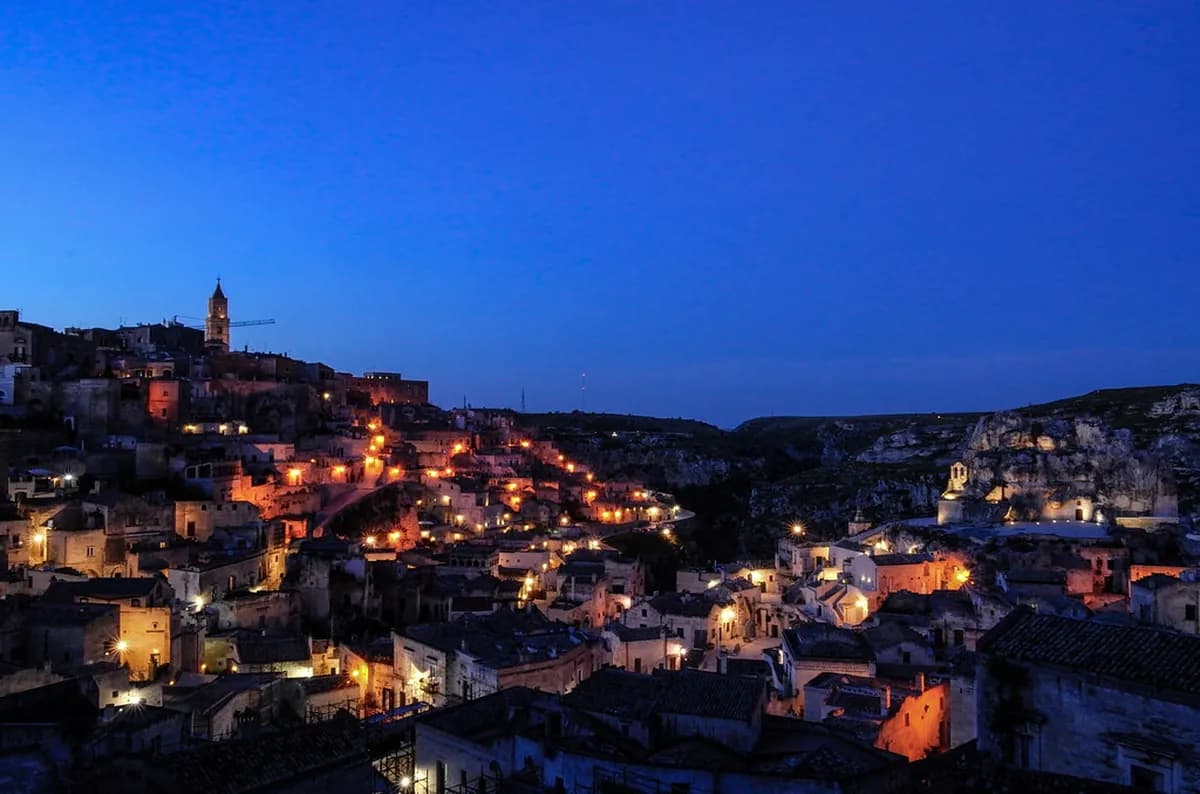
- Enjoy Cocktails During the Blue Hour
- Watch the city lights flicker on from the terrace of Area 8 bar.
- Cocktails usually cost €8 to €12 and the bar opens at 18:00.
- The 'Blue Hour' occurs about twenty minutes after sunset in the Sasso Caveoso.
- This is the best time to capture the golden glow of the cave entrances.
- Take a Guided Walking Tour of the Sassi
- A local guide can explain the complex history of the city's 1950s evacuation.
- Group tours cost about €18–€22 per person and usually last two hours.
- Most tours depart from Piazza Vittorio Veneto throughout the morning and afternoon.
- Ask your guide to show you the 'vicinato' or communal courtyards.
- Visit the Rupestrian Church of San Giovanni
- The Diego Baglieri - San Giovanni in Monterrone features stunning medieval frescoes.
- Entry to the combined rock church circuit is approximately €10 for three sites.
- Most churches are open from 10:00 AM to 7:00 PM during the summer.
- Photography is often restricted inside to protect the delicate eleventh-century pigments.
What to Skip: Common Tourist Mistakes in the Sassi
Many visitors fall for generic 'cave house' tours that are essentially glorified souvenir shops. These spots often lack historical context and feel repetitive after the first visit. Instead, prioritize the Casa Noha film presentation for a factual look at Matera's past. It provides a much deeper emotional connection to the city's difficult twentieth-century history.
Attempting to hike the Murgia canyon in the middle of August is another common error. The limestone acts like a giant oven, reflecting heat from every possible angle. Temperatures on the trail can feel ten degrees hotter than the actual forecast. Save your outdoor adventures for the early morning or the very late afternoon.
Do not bother bringing a stroller or heavy wheeled luggage into the Sassi districts. The uneven cobbles and endless stairs make wheels almost entirely useless here. Most travelers regret not using a backpack or hiring a porter for their bags. Practical footwear is far more important than fashionable shoes in this vertical city.
Essential Logistics: Getting to and Around Matera
The closest major airport is Bari Karol Wojtyła, located about 65 kilometres away in the neighbouring Puglia region. Direct shuttle buses (Miccolis and Pugliairbus) depart from the arrivals hall throughout the day and cost around €5–€6 per person for the roughly one-hour journey. If you prefer comfort or are arriving late at night, private transfers cost approximately €80–€120 depending on the vehicle size. Renting a car is worth considering if you plan to explore the surrounding Basilicata countryside, but read the ZTL rules below before driving into the city center.
Driving into the Sassi is strictly prohibited for non-residents due to ZTL (Zona a Traffico Limitato) cameras that monitor every entry point. Fines land within days and can easily exceed €150. The practical solution is to park at 'Parcheggio Via Lucana' or 'Autoservizi Damasco' in the new town, then walk or take a hotel porter service down into the historic quarter. Many cave hotels can arrange a temporary ZTL pass so a vehicle can drop luggage at the door — always confirm this when booking. Understanding the full rules for getting around Matera Sassi will prevent the most common and costly visitor mistake.
Once inside the Sassi, walking is the only realistic option. Small electric vehicles run a limited route along Via del Corso and can spare you the steepest climb to the Duomo, but for everything else you are on foot. Budget between 10,000 and 15,000 steps per day. The terrain is almost entirely uneven polished limestone, so grip-soled shoes are non-negotiable — sandals with back straps work well in summer, but stilettos or wheeled luggage are equally useless here.
On the question of when to visit: spring (March to early June) and autumn (mid-September to November) offer the most comfortable conditions. July and August are feasible, but the limestone canyon creates a pronounced heat-trap effect — the rock absorbs daytime temperatures and radiates them back into the alleys well into the evening, making the Sassi feel 8–10°C hotter than official forecasts suggest. If you must visit in summer, schedule all outdoor activities before 09:00 or after 18:00 and carry at least one litre of water per person. Winter visits are quiet and atmospheric, but some smaller restaurants and rural attractions operate reduced hours from November through February.
How Many Days Do You Need in Matera?
A day trip from Bari is possible but usually feels rushed and physically exhausting. You will miss the magical transformation of the city as the sun goes down. The evening atmosphere is when Matera truly reveals its most romantic and quiet side. I highly recommend staying at least two nights to see both Sassi districts.
Two days allow you to visit the major museums and hike the canyon trail. You can spend one morning in Sasso Barisano and the next in Sasso Caveoso. This pace prevents 'stair fatigue' and gives you time for long, leisurely meals. Matera is a place that rewards those who slow down and observe the details.
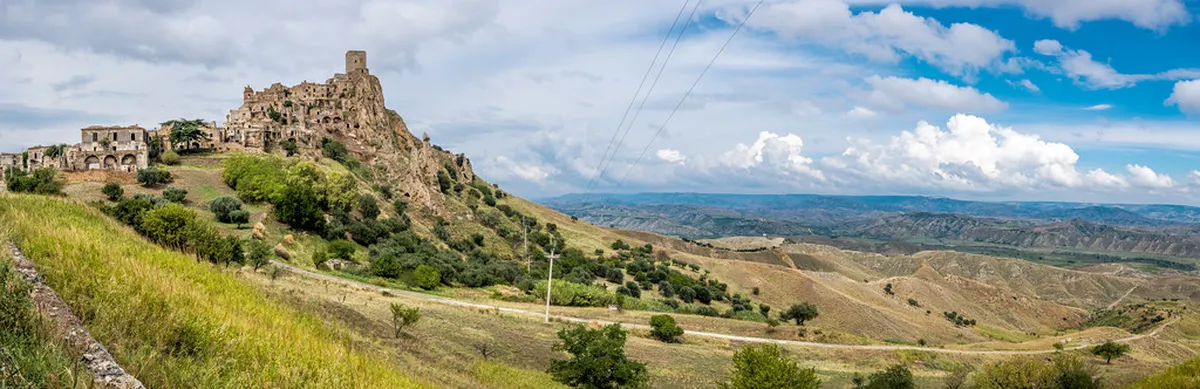
If you have three days, consider a day trip to the nearby ghost town of Craco. It offers a haunting contrast to the successfully revitalized streets of Matera. The surrounding Basilicata countryside is filled with hidden hilltop villages and vineyards. Most visitors find that three days is the perfect amount of time for this region.
Brief History of the Sassi: From Italy's Shame to UNESCO Pride
For most of its long existence, Matera was regarded not with wonder but with embarrassment. Carlo Levi's 1945 memoir Christ Stopped at Eboli exposed the desperate poverty of southern Basilicata to a national audience, and Matera's cave dwellings became a symbol of everything the postwar Italian state wanted to leave behind. In the 1950s and 1960s, Prime Minister Alcide De Gasperi described the Sassi as "a national disgrace" and the government forcibly relocated around 15,000 residents to modern social housing in the new town above the ravine. The ancient quarter was left largely abandoned, its alleys emptied and its cave facades shuttered for decades.
The rehabilitation began slowly. In 1993 UNESCO added the Sassi di Matera to its World Heritage List, recognising the extraordinary continuity of human settlement — evidence of habitation here dates back roughly 9,000 years to the Palaeolithic period, making this one of the oldest continuously inhabited urban settlements on earth. The designation attracted investment and gradually the same caves that had housed mules and entire families in a single room were transformed into boutique hotels, galleries, and restaurants. The transformation accelerated dramatically when Matera was named a European Capital of Culture for 2019, drawing the eyes of the continent to what had once been a forgotten footnote in the Italian south.
Today the contrast between the city's poverty narrative and its glossy present is part of the experience. Walking through the Sasso Caveoso past uninhabited, open-fronted grottos, you can still sense the rawness of what life was like here less than eighty years ago. Visit Casa Noha, a short film experience that moves you through rooms narrating the evacuation, before exploring the polished cave restaurants nearby — that juxtaposition is uniquely Matera.
Where to Stay in Matera: Cave Hotels vs. New Town
The most memorable Matera accommodation is a cave hotel in the historic Sassi, and for a first visit the experience is worth every euro. Sextantio Le Grotte della Civita is the benchmark property: rooms are carved directly into the calcarenite, lit by candles and a handful of small lamps, with almost no modern intrusion. Rates run roughly €250–€500 per night depending on season, and the candle-lit aesthetic is genuinely transportive. The trade-offs are real, however. Natural light is non-existent, ventilation is limited, and rooms can feel damp if occupancy has been low — the same stone walls that keep the space naturally cool also trap moisture. If you are spending two or more nights, or if you are a light sleeper sensitive to humidity, a palazzo-style hotel in the upper historic quarter gives you the atmosphere of the old town with better air circulation.
Budget-conscious travellers will find solid options in the new town, roughly €80–€150 per night, within easy walking distance of the Sassi entrance on Via Lucana. The practical advantage here is parking: if you have a rental car, staying in the new town means you avoid the ZTL headache entirely and can leave your bags in your room rather than negotiating the stairs with a suitcase. Wherever you choose, book at least six to eight weeks in advance for visits between May and September. The city is small — total accommodation stock is modest — and the most atmospheric rooms sell out well before peak season.
A useful rule of thumb: if you are spending one night, go for the cave. If you are spending two or more nights, consider the upper Sassi or new town for at least one of them, so that fatigue from the stairs does not overshadow the experience. Most hotels in the historic center can arrange a porter to carry luggage down from the nearest accessible road.
Accessibility Reality Check: What the Sassi Actually Demands
Matera is one of the most physically demanding major destinations in Italy, and most travel guides underplay this. The Sassi are built on two steep ravine slopes connected by hundreds of stone staircases, many with uneven treads and no handrails. A single morning of sightseeing from the Belvedere di Piazza Giovanni Pascoli down through Sasso Caveoso and back up to the Duomo involves roughly 300 to 400 steps of ascent and descent, often on polished limestone that becomes slick even when dry. The combination of gradient and surface makes the city genuinely inaccessible for wheelchair users and very challenging for anyone with significant knee or hip problems.
Families with young children will find the Sassi manageable but tiring — a baby carrier is far more practical than a pushchair. If you have a child who still uses a stroller, plan to leave it secured near the Piazza Vittorio Veneto and carry the child for most of the historic route. The small electric vehicles that run along Via del Corso provide limited relief, but they cover only the main ridge road and do not penetrate the deeper alleys. Plan your days around energy levels: start with the steepest descents in the morning when legs are fresh, save the flatter upper historic quarter for the afternoon, and build in a long midday break, especially in warm weather. Sensible footwear is not optional — grip-soled trainers or hiking sandals with a back strap are ideal, and flat sandals without grip have caused many embarrassing slips on the stone steps.
Frequently Asked Questions
Can you drive inside the Sassi di Matera?
No, the Sassi districts are strictly protected by ZTL (Limited Traffic Zones) cameras. Unauthorized drivers face heavy fines, so you must park in designated garages in the new town. Most hotels provide shuttle services or parking advice for guests.
Is Matera worth including on a short Southern Italy itinerary?
Matera is absolutely worth the detour, even for a single night. It offers a unique prehistoric atmosphere that contrasts sharply with the coastal towns of Puglia. The city is easily accessible from Bari in about an hour.
What should travelers avoid when planning a trip to Matera?
Avoid visiting during the peak heat of July and August if you plan on hiking. You should also skip bringing heavy wheeled suitcases, as the stairs make them impossible to use. Do not forget to book cave hotels well in advance.
Matera is a destination that stays with you long after you have climbed the last stair. The city has successfully moved from a place of poverty to a beacon of cultural pride. By following these travel tips, you can navigate the Sassi with confidence and ease. The stone city is waiting to share its thousands of years of secrets with you.
Remember to pack light and bring your most comfortable walking shoes for the journey. Whether you are dining in a Michelin cave or hiking the canyon, Matera delivers magic. Check back for more updates as I continue to explore the hidden corners of Basilicata. Safe travels as you discover one of Italy's most remarkable and ancient treasures.
Explore More: Matera Travel Tips
Keep planning with these related guides.
You might also like


Continue reading
More guides you'll find useful