How to Get to Matera: The Complete Transport Guide (2024)
Discover the best ways to get to Matera from Bari, Rome, and Naples. Includes train schedules, bus options, airport transfers, and essential parking tips for the Sassi.
On this page
How to Get to Matera: The Complete Transport Guide
Matera is a stunning UNESCO World Heritage site located in the rugged Basilicata region of Southern Italy. Reaching this ancient city of stone requires careful planning because it sits far from the high-speed rail lines. Learning how to get to matera is the first step in experiencing its magical cave dwellings. This guide provides every detail you need to navigate the journey from major Italian hubs successfully.
Key Takeaways
- Always check the FAL train schedule for the Altamura split to ensure you arrive in Matera.
- Book the direct Pugliairbus shuttle from Bari Airport for the fastest public transport connection.
- Park your rental car in the modern city garages to avoid heavy ZTL fines in the historic Sassi.
Matera Location and Travel Overview
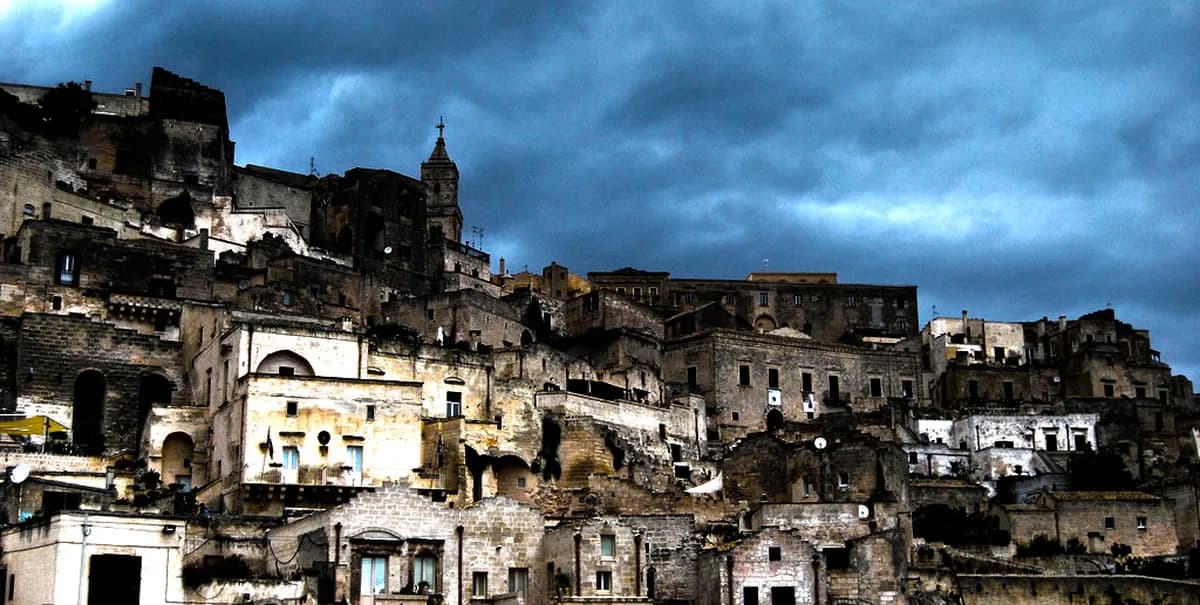
Matera sits perched on a rocky outcrop in the southern province of Basilicata, bordering the popular Puglia region. The city is world-famous for the Sassi, which are ancient cave dwellings carved directly into the limestone cliffs. While it looks close to the coast on a map, the hilly terrain makes travel times longer than expected. Understanding the local geography helps you choose the most efficient mode of transport for your specific itinerary.
A major challenge for visitors is that Matera is not connected to the national Trenitalia railway network. This means you cannot take a direct high-speed train from cities like Milan or Florence to the city center. Instead, travelers must rely on regional trains, dedicated bus lines, or private car rentals to reach the Sassi. Planning ahead ensures you avoid common mistakes like waiting at the wrong train platform in nearby Bari.
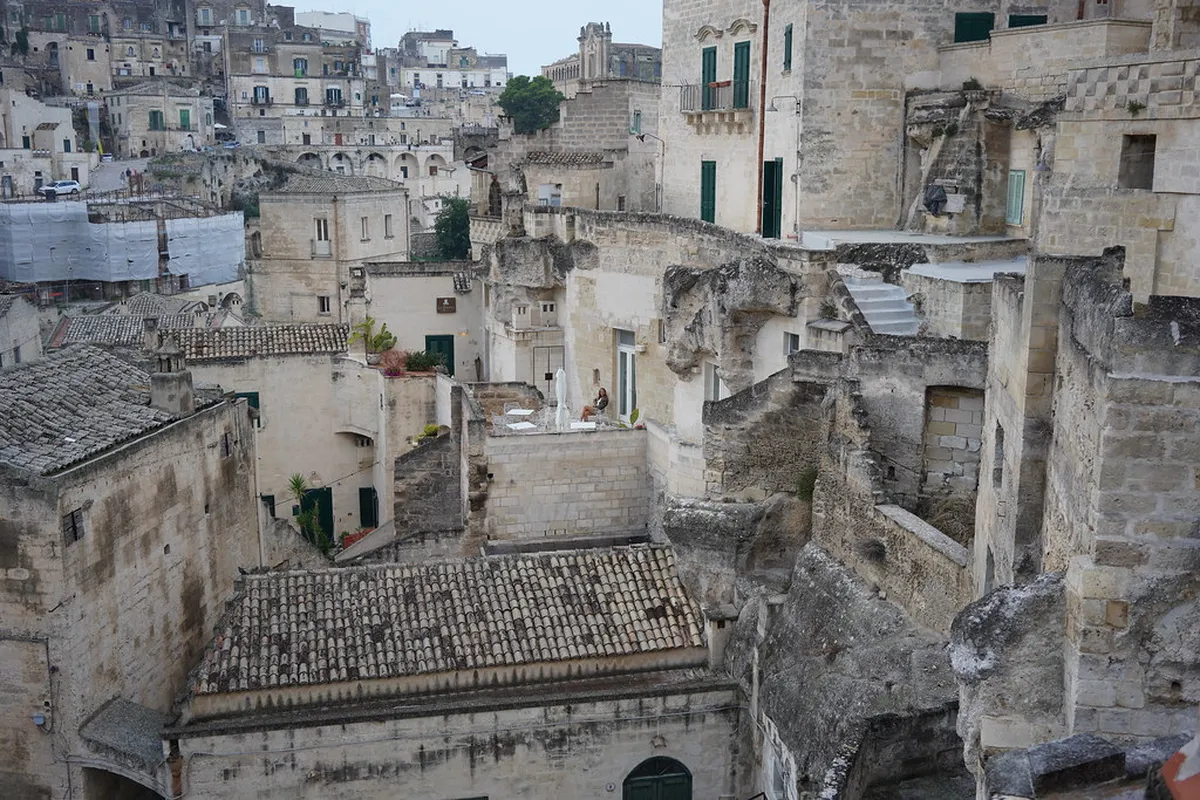
The city is divided into two main historic districts known as Sasso Barisano and Sasso Caveoso. Most transport hubs are located in the modern part of the city, which sits just above these ancient areas. You should prepare for a short walk or a local bus ride once you arrive at the main station. Heavy luggage can be difficult to manage on the steep, cobblestone streets of the historic center.
Matera is not connected to the national Trenitalia railway. You cannot take a direct high-speed train from Milan or Florence. Instead, rely on the FAL train (from Bari), dedicated bus lines, or car rentals to reach the Sassi.
Flying to Matera: Which Airport to Choose?
Bari Karol Wojtyła Airport is the primary gateway for almost everyone traveling to Matera by air. It is located approximately 65 kilometers away and offers the most frequent connection options for international arrivals. Many budget airlines fly into Bari from across Europe, making it an affordable starting point for your trip. You can find several car rental agencies and shuttle services directly inside the arrivals terminal.
Brindisi Airport is another viable alternative, especially if you are already exploring the southern parts of Puglia. While it is further away than Bari, it sometimes offers cheaper flights or better schedules from certain cities. Expect a driving time of roughly 90 minutes if you choose to rent a car from Brindisi. Public transport from Brindisi to Matera is less frequent and usually requires a change in the city of Taranto.
Naples International Airport serves as a third option for those coming from long-distance or transatlantic flights. The drive from Naples takes about three hours through the scenic mountains of the Campania and Basilicata regions. Direct bus services like Flixbus connect Naples Airport to Matera several times throughout the day. This route is ideal if you plan to combine your visit with a trip to the Amalfi Coast.
How to Get from Bari to Matera: The Main Hub
Bari serves as the most important transit point for travelers heading to the ancient city of stone. You have three main choices for this leg of the journey: the regional train, a bus, or a private transfer. Each method offers different benefits depending on your budget and your preferred level of comfort. Check the Bari to Matera transport options to see which schedule fits your arrival time best.
| Transport Option | Duration | Cost (EUR) | Frequency | Best For |
|---|---|---|---|---|
| FAL Regional Train | 90 min | 5-7 | 45-60 min intervals (weekdays) | Budget travelers seeking local experience |
| Direct Bus (Miccolis) | 60-75 min | 6-10 | 5+ daily | Speed and direct connection |
| Pugliairbus Shuttle | 75 min | 3.40-6.00 | 5 daily from airport | Airport arrivals without city center |
| Private Transfer | 65 min | 100-130 | On-demand | Families and luggage comfort |
The Miccolis bus line is often the fastest public option, taking just over an hour from Bari city center. Buses depart from outside the main train station and offer a direct route without any mid-trip stops. Tickets are affordable and can be purchased online or directly from the driver if seats are available. This is a great choice for travelers who want to avoid the complexities of the regional train system.
Private transfers provide the highest level of convenience for families or those carrying heavy suitcases. A driver can meet you at the airport and drop you off directly at the edge of the Sassi districts. While this is the most expensive option, it saves significant time and eliminates the need for local navigation. Many hotels in Matera can arrange these transfers for you if you book them in advance.
- Direct Shuttle Bus from Bari Airport
- Type: Airport shuttle
- Best for: Quick transfers
- Where: Bari Airport
- Cost: 3.40 to 6.00 EUR
- Regional FAL Train Service
- Type: Narrow-gauge rail
- Best for: Budget travelers
- Where: Bari Centrale
- Cost: 5.00 to 7.00 EUR
- Private Chauffeur or Taxi
- Type: Private car
- Best for: Maximum comfort
- Where: Door-to-door
- Cost: 100 to 130 EUR
Taking the Train: The Ferrovie Appulo Lucane (FAL) Guide
The Ferrovie Appulo Lucane is a private railway that operates separately from the national Trenitalia system. You will not find these train schedules on the standard Italian rail apps or at Trenitalia kiosks. The FAL station in Bari is located upstairs and slightly outside the main entrance of Bari Centrale. Look for the distinct yellow and blue signage that marks the entrance to this specific regional line.
Buying a FAL ticket is straightforward once you know where to look. Walk upstairs from the main Bari Centrale hall (follow the yellow and blue FAL signs), purchase your ticket at the dedicated FAL windows or the self-service machines — these are entirely separate from the Trenitalia kiosks below. A single journey costs around EUR 5–7 in 2026. Validate your ticket at the orange stamping machines on the platform before boarding, as an unvalidated ticket counts as no ticket.
One critical detail to remember is the mandatory train split that occurs at Altamura, roughly halfway into the journey. The FAL train often consists of two coupled sections that decouple at Altamura station and head toward different final destinations: one section continues to Matera, the other diverts toward Gravina in Puglia. If you board the wrong carriage, you will arrive in Gravina instead of Matera — a mistake that costs you over an hour to correct. Always confirm your carriage with the conductor before the train pulls out of Altamura, or check the digital display on the door panel of your car.
Trains run frequently throughout the day from Monday to Saturday, with departures roughly every 45–60 minutes during daytime hours. On Sundays and public holidays the rail service is typically replaced by a substitute bus schedule; check the FAL website for the current timetable before you travel. The journey takes about 90 minutes and passes through golden wheat fields and the limestone highlands of the Basilicata interior.
Reaching Matera from Rome, Naples, and Other Cities
Traveling from Rome to Matera is one of the most common long-distance routes in southern Italy. The most direct and budget-friendly option is a long-distance bus with Itabus or Miccolis, both departing from Roma Tiburtina station. Expect a journey of six to seven hours and fares ranging from EUR 15 to 35 in 2026 depending on how far in advance you book. These buses drop you directly at Matera Villa Longo or Matera Centrale in the modern city, so no transfer is needed on arrival. Refer to our guide on Rome to Matera for specific departure times and booking tips.
If speed matters more than price, take a high-speed Frecciarossa from Roma Termini to Bari Centrale (3 hours, EUR 30–60) and then connect to the FAL regional train or a Miccolis bus to Matera. The total journey time is roughly five to six hours door-to-door. Trenitalia also sells a combined "Freccialink" ticket where a timed coach departs Salerno or Taranto to meet the incoming high-speed train — ask at the Trenitalia desk specifically for this option as it does not always appear in the standard online search.
Visitors coming from Naples have a particularly convenient option via Naples to Matera direct FlixBus services, which take approximately 3.5 hours and typically cost EUR 15–30. Buses depart from Napoli Piazza Garibaldi (next to the central station) several times daily and arrive at Matera Villa Longo. This is the most cost-effective way to cross from Campania to Basilicata and works especially well if you are combining a Matera visit with the Amalfi Coast. Booking two to three days ahead is recommended during June through September.
Driving to Matera: Parking and ZTL Restrictions
Driving to Matera offers the most flexibility for exploring the surrounding villages of the Basilicata region. The SS7 from Taranto or the SS99 from Bari are both straightforward routes, and the final descent into the canyon from the modern city is impressive. However, you must be extremely careful regarding the Limited Traffic Zones, known locally as the ZTL. The historic Sassi districts are strictly off-limits to unauthorized vehicles at almost all times of the day. Entering these zones without a permit will result in fines starting from EUR 80 that are tracked by automated cameras at the ZTL entry points.
You should plan to park your vehicle in one of the secure lots located in the modern city before walking down into the historic center. Parcheggio Via Vena (coordinates: 40.6637°N, 16.6054°E) is a popular multi-story garage that is a 10-minute walk from the Sasso Caveoso viewpoints, charging around EUR 1.50 per hour or EUR 10 for a full day. The Parking Piazza degli Olmi near the Matera Centrale FAL station on Via Aldo Moro is a convenient outdoor lot if you arrive by car from Bari; expect to pay around EUR 1.00–1.20 per hour. A third solid option is Parcheggio Via Lucana near the upper edge of the old town, which puts you right at the top of the Sasso Barisano. Consult the Matera parking guide for the latest rates and real-time availability.
Many hotels located within the Sassi have special agreements with local garages and will meet you at the parking lot with a porter or a small tuk-tuk to help carry your luggage down the steep stone steps. Always contact your accommodation in advance to confirm this service, as it is not guaranteed at every property. Walking is the only way to truly experience the historic center, so prepare for plenty of stairs and uneven cobblestones — light packing pays off here.
A Brief History of Matera
Matera is considered one of the oldest continuously inhabited cities in the entire world. The Sassi districts began as prehistoric cave dwellings and evolved into complex urban structures over millennia. In the mid-20th century, the city was infamously labeled the 'Shame of Italy' due to extreme poverty. The government eventually relocated the residents to modern housing to improve their living conditions.
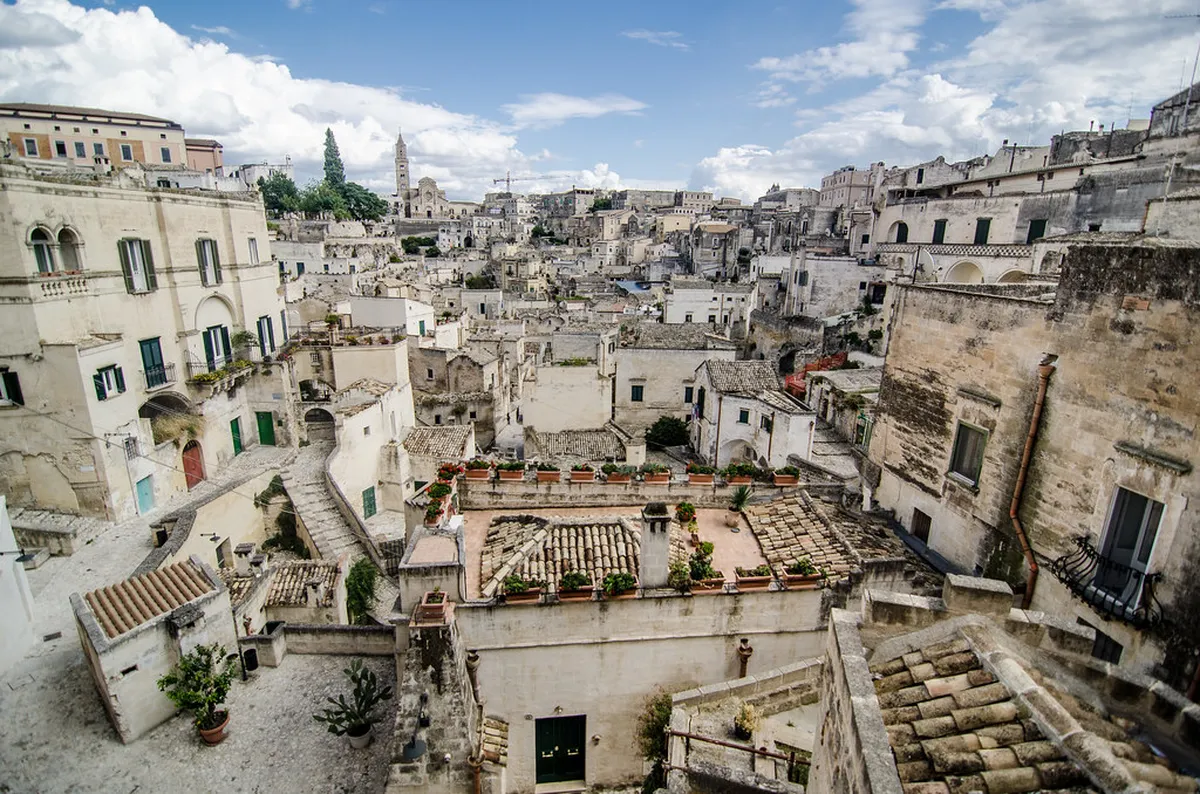
The city underwent a massive transformation starting in the 1980s as the caves were slowly restored. UNESCO recognized the Sassi and the Park of the Rupestrian Churches as a World Heritage site in 1993. This status helped turn Matera into a global cultural destination and a popular filming location for movies. Walking through the streets today feels like stepping back in time to an ancient biblical landscape.
You can see evidence of this history in the many rock-cut churches and underground water cisterns. The Palombaro Lungo is a massive cave cistern that once supplied the entire city with fresh water. These engineering marvels show how the local people adapted to the harsh environment of the canyon. A walking tour of Matera is the best way to understand these historical layers.
Is Matera Worth Visiting?
Matera is absolutely worth visiting for its unique atmosphere and breathtaking views that you won't find anywhere else. The sight of thousands of cave houses illuminated at night is a truly unforgettable travel experience. It offers a stark contrast to the coastal towns of Puglia or the busy streets of Rome and Naples. Photography enthusiasts will find endless inspiration in the textures and shadows of the limestone architecture.
The local food scene is another compelling reason to make the journey to this remote corner of Italy. Be sure to try the famous Pane di Matera, which is a traditional sourdough bread with a distinctive shape. Many restaurants are located inside former caves, providing a cozy and historic setting for your meals. The regional cuisine focuses on simple, high-quality ingredients like sun-dried peppers and local olive oil.
For active travelers, the surrounding Murgia Materana Park offers incredible hiking trails across the ravine. You can cross a Tibetan-style suspension bridge to reach ancient caves on the opposite side of the canyon. This area provides the iconic panoramic view of the city that is often seen in travel magazines. Consider a Matera tour with Murgia Materana Canyon Hike for a complete experience.
How Many Days to Stay in Matera
While some visitors come for a day trip, staying for at least two nights is highly recommended. This allows you to see the city during the quiet morning hours and the magical sunset period. A single day is often enough to walk through the main Sassi districts and visit a cave museum. However, you will miss the chance to explore the deeper parts of the canyon or the rock churches.
A three-day stay provides the perfect balance for a relaxed and thorough exploration of the area. You can spend your first day getting lost in the winding alleys of the Sasso Barisano and Sasso Caveoso. The second day can be dedicated to the Murgia Park or a guided tour of the underground cisterns. On your final day, you might visit the nearby town of Altamura to taste its world-renowned local bread.
Staying overnight also gives you the chance to sleep in a refurbished cave hotel for a unique experience. These accommodations often feature modern luxuries while preserving the original stone walls and ceilings. Waking up to the view of the canyon from your terrace is a highlight for many travelers. Check the latest availability early, as the best cave hotels tend to book up months in advance.
Last Mile: From Matera Centrale to the Sassi
Arriving at Matera Centrale FAL station is not the end of your journey — the Sassi districts lie roughly 1.5 kilometers and a significant elevation change away from the platform exit. Most travelers underestimate this final stretch, especially after several hours of travel with luggage.
The simplest option is to walk. Exit the station on Via Aldo Moro, follow the signs toward "Centro Storico," and the climb up through the modern city takes about 20–25 minutes on foot. The path is clearly signposted and the gradient is manageable, but the cobblestones can be uneven. This works well for travelers with a daypack or small carry-on.
If you have heavier luggage, the local Sitasud city bus line connects the station area with the upper edge of the Sassi (look for bus number 1 or 4 toward Piazza Vittorio Veneto; tickets cost EUR 1.30 and can be bought from tabacchi shops). Alternatively, tuk-tuks — the small three-wheeled vehicles popular with local tour operators — wait outside the station and will transport you and your bags directly to your hotel entrance for around EUR 5–10, saving you the cobblestone struggle entirely. Your accommodation can usually pre-arrange this pickup if you contact them with your arrival time.
Best Time to Visit Matera
Spring (late March to June) and autumn (mid-September to November) are the two ideal windows for visiting Matera in 2026. Daytime temperatures sit comfortably between 18°C and 26°C, the light is spectacular on the limestone, and crowds are far more manageable than in the peak summer season. These are also the best conditions for walking the canyon trails in the Murgia Materana Park.
July and August bring intense heat — the limestone rocks radiate warmth well into the evening — and Italian domestic tourism peaks, filling the narrow alleys of the Sassi. If you must visit in summer, arrive early in the morning before 09:00 and retreat to a shaded cave restaurant during the afternoon. Book cave hotels at least three months ahead for July and August, as the best properties sell out quickly.
Winter (December to February) offers a surprisingly atmospheric alternative, particularly around Christmas when the city runs the "Presepe Vivente" living nativity scene inside the caves. Temperatures can drop to 5°C and rain is possible, but crowds are minimal and prices drop considerably. The Sassi look particularly dramatic under overcast skies. One caution: the wet limestone can be very slippery, so non-slip footwear is essential. Spring and autumn remain the strongest overall recommendation for first-time visitors combining transport logistics with the full experience of the city.
Frequently Asked Questions
Which Airport to Choose for Matera?
Bari Karol Wojtyła Airport (BRI) is the best choice for visiting Matera. It is the closest major hub and offers the most frequent bus and shuttle connections. You can reach the city center in about 65 minutes by car or shuttle bus from this airport.
How do I get from Bari Airport to Matera?
The easiest way is the Pugliairbus shuttle, which runs directly from the airport arrivals area. You can also take a train from the airport to Bari Centrale and then transfer to the regional FAL train line. Private transfers are also available for a more direct and comfortable journey.
Is there a direct train from Rome to Matera?
No, there is no direct train from Rome to Matera because Matera is not on the national rail line. You must take a high-speed train to Bari or Salerno and then transfer to a bus or regional train. Alternatively, several direct bus companies operate the full route from Rome.
Where can I park my car in Matera?
You should park in designated lots outside the ZTL zones, such as Parcheggio Via Vena or the garage at Matera Centrale. Avoid driving into the Sassi districts to prevent receiving expensive traffic fines. Many travelers find it helpful to use a Matera parking guide to locate secure spots.
Is the train from Bari to Matera part of Trenitalia?
The train service between Bari and Matera is operated by Ferrovie Appulo Lucane (FAL), not Trenitalia. You must buy separate tickets at the FAL station in Bari, which is located on the upper floor. These tickets cannot be purchased on the main Trenitalia website or at their machines.
Planning how to get to matera is a vital part of ensuring your southern Italian adventure goes smoothly. Whether you choose the regional train from Bari or a direct bus from Rome, the effort is well rewarded. The ancient beauty of the Sassi districts offers a travel experience that is truly unlike any other in Europe. Prepare your logistics early so you can focus entirely on the history and atmosphere of this incredible city.
Explore More: Getting to Matera
Keep planning with these related guides.
You might also like

Continue reading
More guides you'll find useful