Is Lecce Worth Visiting? 10 Reasons to Visit the Florence of the South
Discover if Lecce is worth your time with our expert guide. Includes 10 reasons to visit, where to stay, how many days you need, and local tips for Puglia's Baroque gem.
On this page
Is Lecce Worth Visiting? 10 Reasons to Visit the Florence of the South
Yes, Lecce is absolutely worth visiting for its golden Baroque architecture and incredible Salento cuisine. If you prefer coastal views over historic stone streets, consider staying in Otranto instead. I updated this guide in October 2024 after my most recent summer trip to the Puglia region. My experience suggests that Lecce offers a more authentic Italian atmosphere than the busier northern towns.
Many travelers call this city the "Florence of the South" because of its artistic wealth. The comparison is slightly misleading since Lecce features dramatic Baroque rather than Renaissance styles. Walking through the historic center feels like stepping into a theatrical set carved from soft limestone. You will find intricate carvings of gargoyles and flowers on nearly every street corner.
The Verdict: Is Lecce Worth Visiting?
Lecce stands out as the cultural capital of the Salento peninsula in southern Italy. The city provides a perfect mix of ancient history, refined dining, and a relaxed pace of life. I found the prices here significantly lower than in popular spots like Polignano a Mare. A glass of local Negroamaro wine rarely costs more than five or six euros.
Verdict: Yes, Lecce is a mandatory stop for history buffs and food lovers visiting Puglia. Best for: Couples seeking romantic walks, architecture enthusiasts, and slow-travel fans. Skip if: You only want beaches or have limited time to travel south from Bari. Alternative: Ostuni offers a similar historic feel but with a white-washed, hilltop aesthetic.
The "Controra" siesta runs from 2 PM to 5 PM daily—most shops, museums, and cafés close during these hours. Plan museum visits during late morning and late afternoon, or use this time for a long lunch and rest.
The city serves as an ideal base for exploring the southern tip of the Italian heel. Staying here allows you to reach both the Adriatic and Ionian coasts within forty minutes. My favorite part of visiting was seeing the buildings turn a deep orange during the sunset. This natural glow makes the entire old town feel warm and welcoming.
- Pros: What visitors usually love
- Stunning and unique Baroque architecture
- Affordable and high-quality local dining
- Very walkable and safe historic center
- Rich history spanning Roman to Medieval eras
- Excellent base for exploring Salento beaches
- Cons: What may disappoint
- Extreme afternoon heat during summer months
- Everything closes for the three-hour siesta
- Strict ZTL driving zones with heavy fines
- Distance from major airports like Bari
- Limited nightlife compared to larger Italian cities
Wander the Labyrinth of Streets in the Old Town
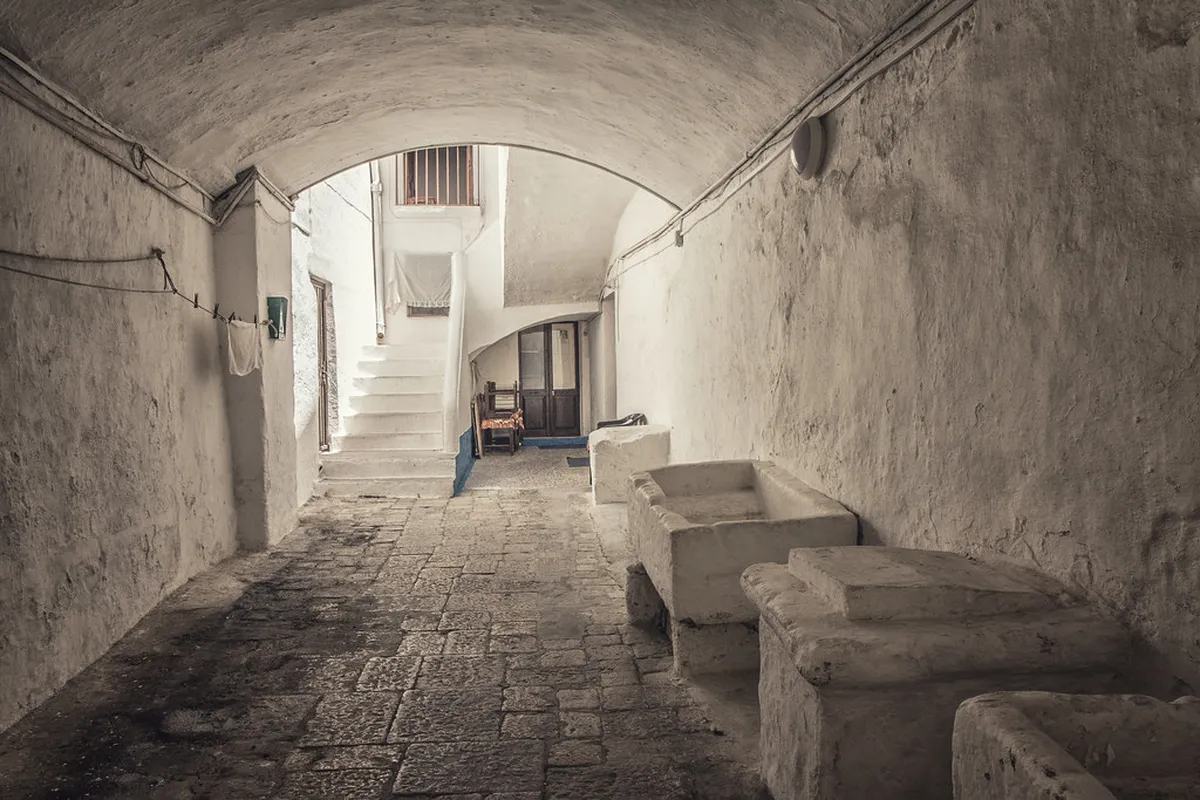
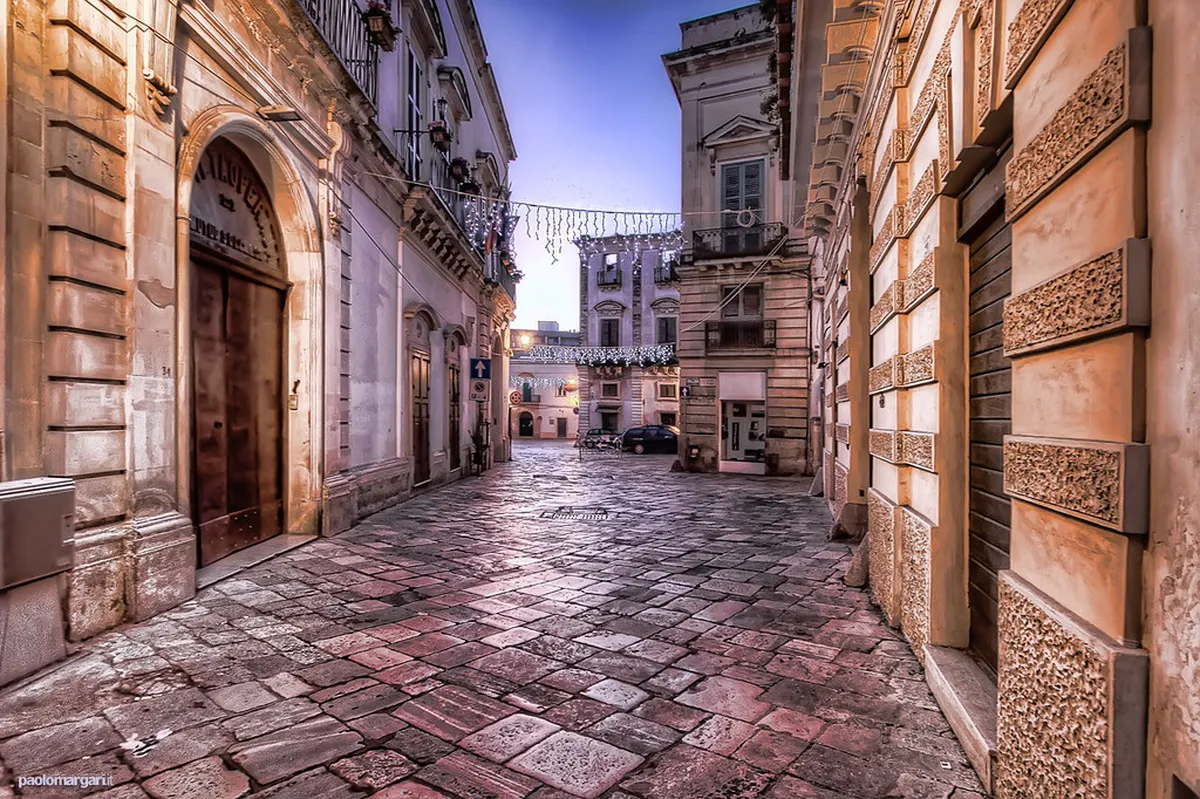
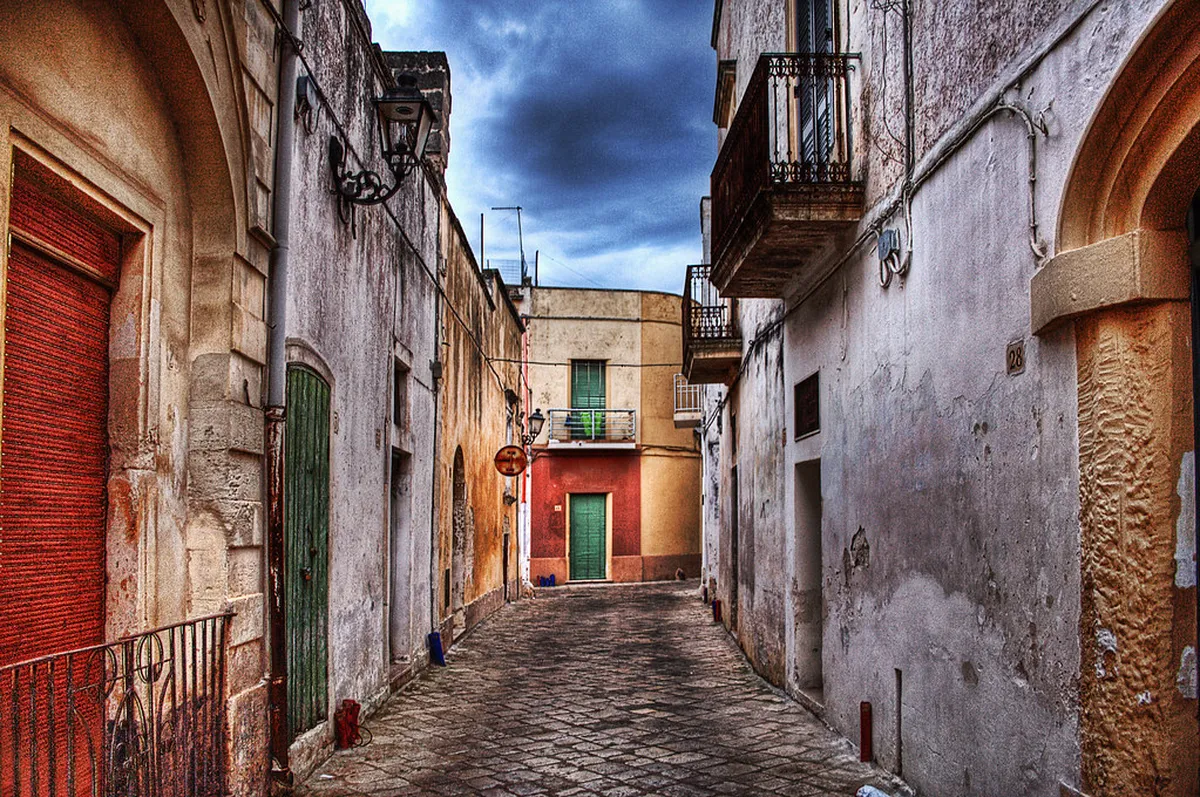
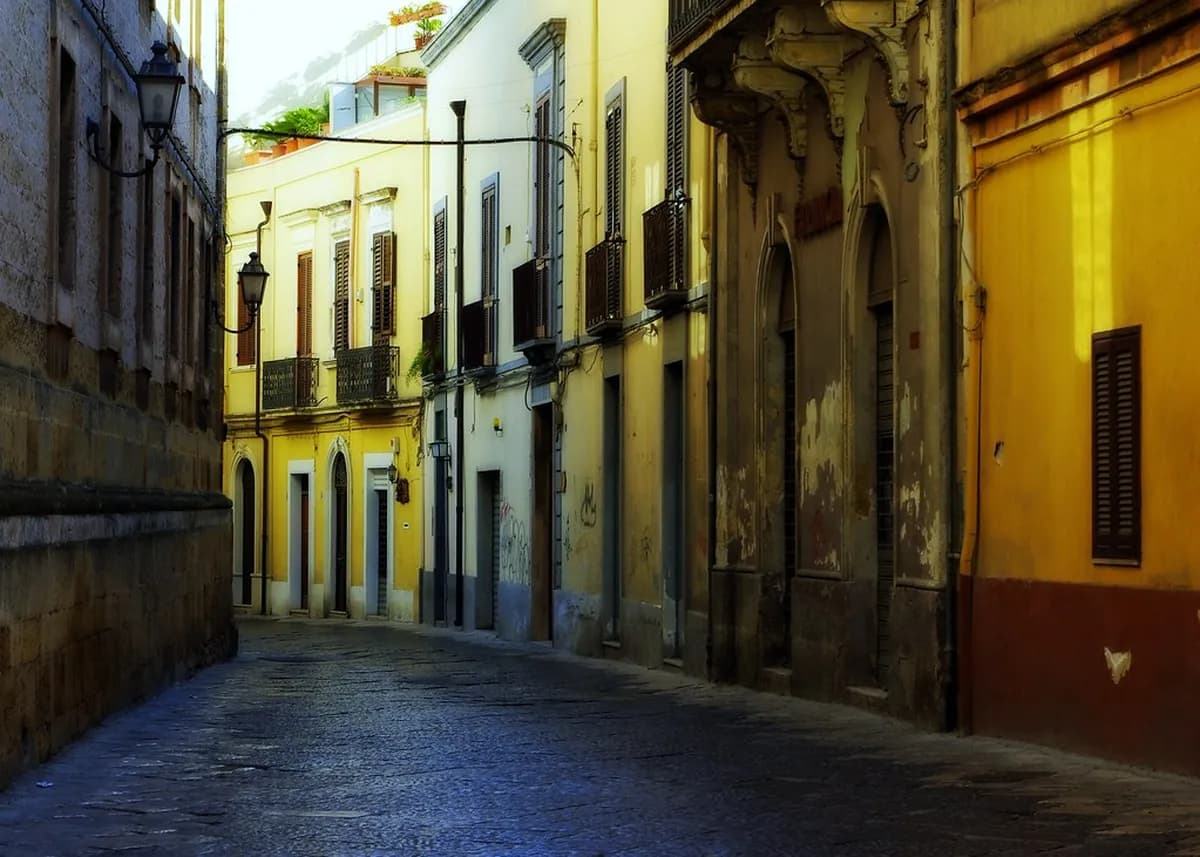
The historic center is a maze of narrow alleys where getting lost is part of the charm. I recommend starting your walk at the Porta Napoli, the grandest of the three ancient gates. Using a one day in Lecce itinerary helps you find the hidden courtyards. Many of these private spaces are open to the public during the day.
Be aware of the "Controra," which is the traditional southern Italian afternoon rest period. From 2 PM until 5 PM, the streets become silent and most shops close their doors. I once spent an hour looking for an open cafe during this time without any luck. Plan your sightseeing for the early morning or the vibrant evening hours instead.
Driving into the old town is a mistake that many first-time visitors make. The Limited Traffic Zone (ZTL) is strictly enforced by cameras at every entrance point. Park your car outside the city walls near the public gardens to avoid expensive fines. Walking remains the best way to appreciate the detailed carvings on the balconies.
Admire the Extravagant Basilica di Santa Croce
The Basilica di Santa Croce represents the pinnacle of the local architectural style. Artisans used Lecce Stone (Visit Lecce) — known locally as Pietra Leccese — to create the impossibly detailed facade. This calcarenite limestone is extraordinarily soft when freshly quarried, so a skilled mason can carve it almost like hardened butter. That is how craftsmen managed to produce the dense tapestry of cherubs, leaves, monsters, and grotesque faces you see stretching across the entire front of the church. Over decades the stone oxidises and hardens, locking those forms in place for centuries. The material also has a particular optical property: its warm cream-gold colour deepens at dawn and again in the last hour before sunset, when the low-angle light turns the entire facade a shade of liquid honey. I have seen it both at midday and at golden hour, and the difference is remarkable. Plan your visit to the Basilica exterior for around 18:30 in summer, when the light is at its most spectacular.
Entry to the cathedral and several other churches requires a combined ticket called LeccEcclesia. This pass costs approximately €11 and provides access to the most significant religious sites. Individual church tickets are usually not sold, so the pass is essential for interior views. The churches are typically open from 9:00 AM to 9:00 PM during the peak season.
I was stunned by the ceiling inside the basilica, which features ornate gilded wood. The interior feels much more solemn and quiet than the busy, explosive exterior facade. Make sure to look for the hidden symbols carved into the columns near the altar. Visiting right when they open at 9:00 AM helps you avoid the large tour groups.
Be Amazed by the Grandeur of Piazza Del Duomo
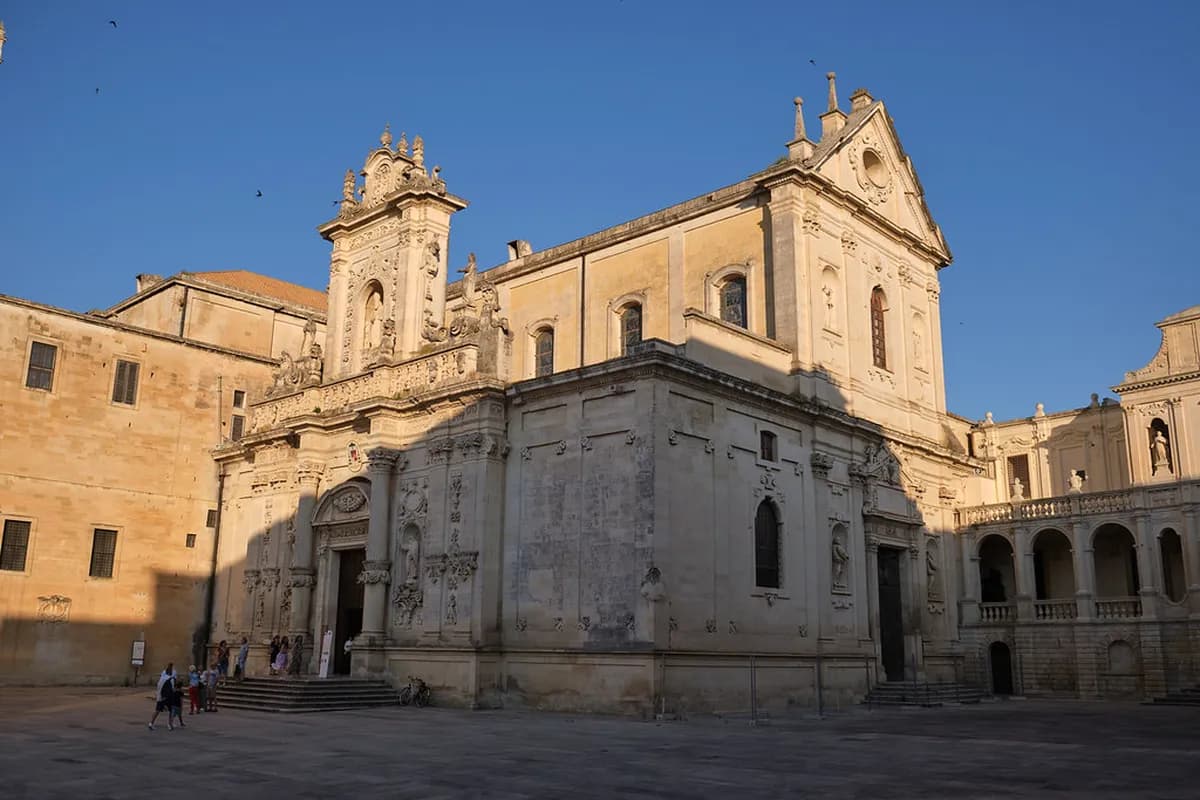
Piazza del Duomo is one of the few "closed" cathedral squares in all of Europe. It only has one main entrance, which was historically used to protect the bishop's palace. The square feels like an outdoor ballroom when you step through the narrow opening. Lecce's bell tower stands tall here and is visible from most parts of the city.
The square is particularly magical at night when the golden floodlights turn on. I suggest visiting twice: once at noon and once after your evening dinner. The shadows create a different atmosphere on the statues depending on the light. Locals often gather here for a quiet stroll before heading to the nearby bars.
You can climb the bell tower for a panoramic view of the surrounding Puglia plains. The lift makes the ascent easy for those who want to avoid the stairs. Tickets for the tower are often included in the premium version of the church pass. Seeing the Adriatic Sea on a clear day from the top is a highlight.
Marvel at the Ancient Roman Amphitheatre and Theatre
In the heart of Piazza Sant'Oronzo lies a massive Roman amphitheatre from the second century. Workers discovered the ruins by accident while building a bank in the early 1900s. Only half of the structure is visible today, as the rest remains buried under buildings. It once held over 25,000 spectators for gladiatorial games and public events.
A smaller and more intimate Roman Theatre is hidden just a few streets away. Many tourists miss this site because it is tucked behind a row of modern apartments. I found it much quieter and more evocative than the main amphitheatre in the square. Booking a Lecce walking tour with Paolo ensures you find these hidden archaeological gems.
Piazza Sant'Oronzo also features a tall column topped with a statue of the patron saint. The statue originally stood in Brindisi to mark the end of the Appian Way. This area serves as the central meeting point for both locals and travelers today. Sit at one of the cafes here to watch the daily life of the city.
Indulge in Pasticciotto and Salento Street Food
No visit to Lecce is complete without eating a warm Pasticciotto for breakfast. This shortcrust pastry is filled with thick lemon-scented custard and served straight from the oven. I recommend trying the "Fruttone" version, which adds a layer of almond paste and jam. Most local bakeries sell these for less than two euros each.
The city is also famous for its rustic snacks like the Lecce-style rustico. This puff pastry disc is filled with mozzarella, tomato sauce, and creamy béchamel. It is the perfect mid-afternoon snack when you are walking between museum visits. Locals usually eat these standing up at small corner bakeries or bars.
The LeccEcclesia combined church pass costs €11 and provides access to the Basilica di Santa Croce, Cathedral, and four other major churches. Without it, individual tickets and entrance queuing will consume valuable sightseeing hours.
Dinner in Lecce often centers around fresh pasta like Orecchiette with turnip tops. I had an incredible meal at Alle due Corti, which focuses on traditional peasant recipes. The service was slow but the flavors were the most authentic I found in Puglia. Always ask for the house wine, as the local Salento vineyards produce excellent vintages.
Take a Scenic Side Trip to Torre Sant’Andrea
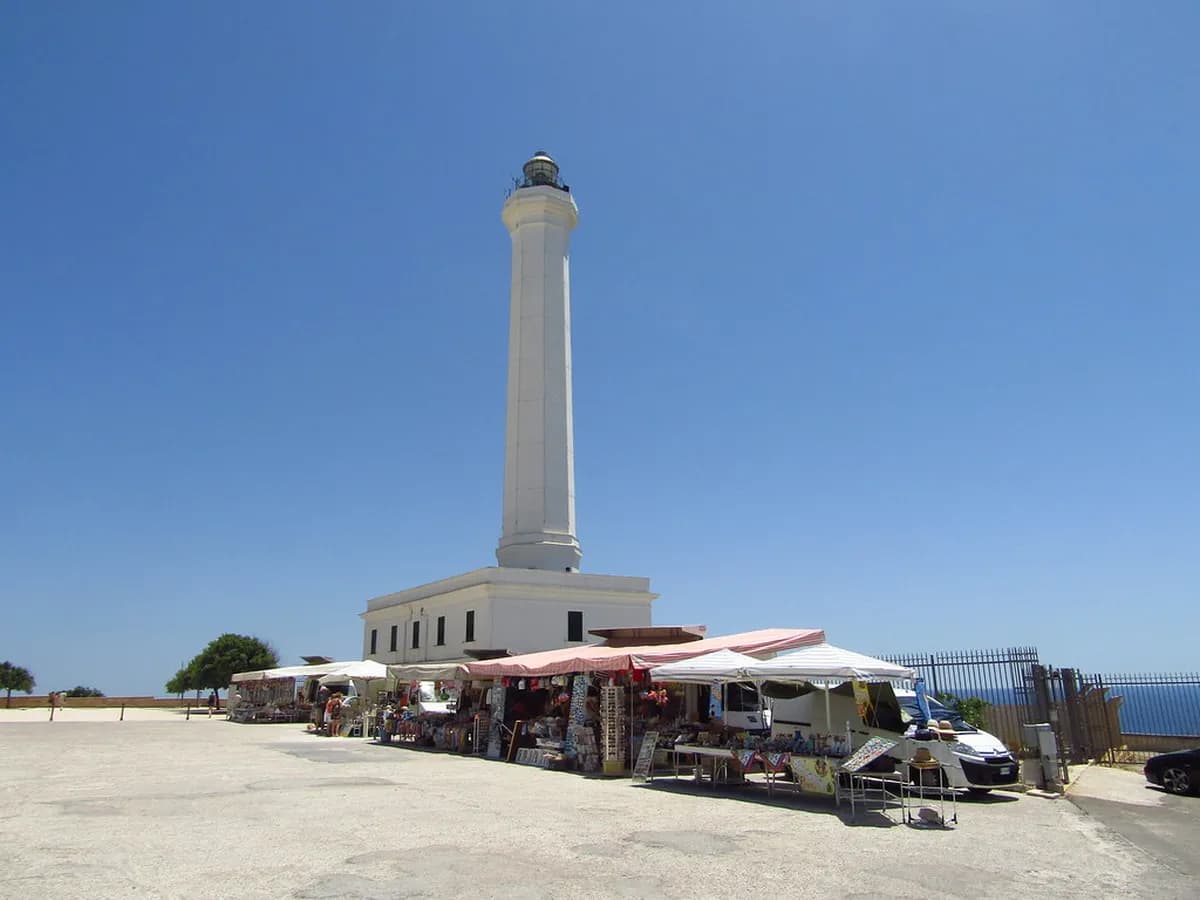
Torre Sant’Andrea offers some of the most dramatic coastal scenery in all of southern Italy. The white limestone sea stacks rise out of turquoise water just thirty minutes from Lecce. I recommend arriving before 9:00 AM to beat the crowds of local swimmers. The best viewpoint is located near the small lighthouse on the northern cliff edge.
Parking can be difficult during the peak months of July and August. Use the coordinates for the main dirt lot near the cove to find a spot. There are no sandy beaches here, so be prepared to sunbathe on the flat rocks. The water is crystal clear and perfect for snorkeling around the natural arches.
Combine this trip with a visit to the nearby Grotta della Poesia for a full day. This natural swimming hole is world-famous but requires a small entry fee now. I found Torre Sant’Andrea to be more peaceful and visually impressive for photography. The contrast between the white stone and blue sea is truly breathtaking.
Logistics: Where to Stay and How Long to Visit
Deciding how many days in Lecce depends on your overall Puglia travel goals. Two full days are enough to see the main historic sites and enjoy the food. If you use the city as a Lecce base for Salento, plan for at least five nights. This allows you to take day trips to Gallipoli, Otranto, and the southern beaches. Three days is a good middle ground if you want to explore the city properly while also visiting one or two coastal towns.
Where to stay in Lecce: The historic centre (centro storico) is the obvious choice for first-time visitors. Within that area, the zone around Basilica di Santa Croce and Piazza Sant'Oronzo is the most animated at night, with restaurants, wine bars, and aperitivo spots within walking distance. The streets behind the Duomo are quieter and better suited to couples or anyone who wants to sleep past 07:00. The area near Porta Napoli sits in between, popular with students and locals. If you prefer being slightly outside the tourist core, the streets just beyond Porta Napoli offer a more residential atmosphere at the same price or less. Budget B&Bs in the old town typically run €80–€130 per night; design hotels and restored palazzi start from around €200 and climb to €400 or more in August. Book well ahead for any July or August stay — availability drops sharply after June.
How to get to Lecce: The most practical route from northern Italy is the high-speed Frecciarossa train from Rome Termini, which reaches Lecce in roughly 5.5 hours with stops at Bari and Brindisi. Italo also runs high-speed services on the same corridor. If you are flying into Puglia, Brindisi Airport is 40 minutes by car from the city centre and has a direct bus connection; Bari Airport is about two hours away. Check the Moovit Bari to Lecce Schedule for real-time regional bus and train timetables. Driving into the centro storico is strongly discouraged — the ZTL cameras are active around the clock and a single violation can cost €80 or more. Rent a car only if you plan day trips; park in the free lot near the public gardens and walk in.
The best time to visit is during the shoulder seasons of May or September. July and August are extremely hot, with temperatures often exceeding 35 degrees Celsius. January and February can feel like a ghost town as many restaurants and accommodation close for winter. April offers beautiful wildflowers in the surrounding countryside and very manageable crowds. December is an underrated option: weather is mild, Christmas light displays brighten every alley, and hotel rates drop significantly.
Experience Authentic Italian Summer Nights with Wine
One of the most underrated reasons to visit Lecce is what happens after dark. Once the siesta lifts around 18:00, the entire centro storico comes alive for the ritual of the aperitivo. Locals — students, couples, elderly couples with small dogs — occupy every available chair in Piazza Sant'Oronzo and the surrounding side streets. The typical order is a glass of local Negroamaro or a crisp Verdeca white alongside a spread of olives, bruschetta, and taralli crackers, all included in the cover charge of roughly €6 to €9.
The Salento region is one of the most prolific wine zones in Italy, producing nearly half the country's total volume yet historically sending much of it north to beef up blends. That changed over the last two decades as local producers started bottling under their own labels. Negroamaro — the name translates loosely as "black-bitter" — is the workhorse red: deep garnet, earthy, with a dry finish that pairs perfectly with orecchiette. Primitivo is richer and more fruit-forward. The local rosato (rosé), made from both grapes and often bone-dry, is what the locals order in summer and it is well worth seeking out. Ask any bar or restaurant for a Salento rosato IGP and you will rarely spend more than €5 a glass.
After dinner, the late-night passeggiata continues until midnight or beyond in July and August. Lecce has a younger university crowd that keeps the bars around Via Umberto I and Piazza dei Perugini busy until well after 01:00. This is not Ibiza-style nightlife, but it is a genuinely warm and sociable atmosphere that you will not find in smaller Salento towns. If you want the full experience, book a table at a restaurant no earlier than 20:30 and plan on still being there at 22:30.
Why the "Florence of the South" Label Is Misleading
Every guidebook, every travel article, and almost every Italian you meet will call Lecce the "Florence of the South." It is a catchy label, but it creates the wrong expectations for anyone who arrives expecting Uffizi-style Renaissance grandeur. Florence is a city of humanist perspective, mathematical proportion, and classical restraint — think Brunelleschi's dome, Michelangelo's David, clean stone and measured geometry. Lecce is the precise opposite of that.
What fills the streets here is Baroque, and specifically the extreme southern Italian strain of it. Where Renaissance architecture steps back and invites quiet admiration, Lecce's Baroque launches itself at you. The facades are intentionally asymmetrical in their visual weight, calculated to catch the eye from specific angles. Figures emerge from stone without warning: a sheep tucked into a column base, a grotesque face half-hidden in foliage, a dragon clutching the coat of arms above a doorway. The effect is theatrical, sometimes overwhelming, and categorically unlike anything in Florence.
The comparison was probably coined because both cities have an unusual concentration of artistic heritage relative to their size, and both owe that heritage to the patronage of powerful religious and noble families. Beyond that, the parallel breaks down. Managing that expectation before you arrive actually makes the experience better: you come prepared for exuberant chaos rather than serene order, and Lecce rewards you exactly as it promises. It is not a pale echo of Florence. It is something entirely its own.
Frequently Asked Questions
Is Lecce worth a day trip from Bari?
Yes, Lecce is worth a day trip if you take the fast train from Bari. The journey takes about 90 minutes each way. You can see the main Baroque highlights in about six hours.
How many days do you need in Lecce?
I recommend spending two days to see the city at a relaxed pace. This gives you time for the afternoon siesta and evening walks. Stay longer if you plan to visit nearby beaches.
Is Lecce or Ostuni better to stay in?
Lecce is better for those who want a larger city with more dining options. Ostuni is better for a romantic, small-town atmosphere. Lecce offers better public transport connections for exploring Salento.
Is Lecce expensive to visit?
Lecce is generally very affordable compared to northern Italian cities. You can find excellent pasta dishes for €10 to €15. Hotels in the historic center offer great value outside of August.
Lecce remains one of my favorite destinations in Italy because of its unique golden glow. The combination of Roman ruins and Baroque masterpieces creates a visual experience like no other. While the afternoon siesta requires some planning, the evening energy makes up for the quiet hours. I highly recommend adding this city to any southern Italian itinerary.
Visit the Italy Wander blog for more tips on exploring the Puglia region. Whether you come for the pasticciotto or the architecture, Lecce will likely exceed your expectations. Pack comfortable walking shoes and prepare to fall in love with the Salento lifestyle.
You might also like

Continue reading
More guides you'll find useful