10 Best Beaches Near Lecce for a Salento Summer (2026)
Discover the 10 best beaches near Lecce for your Salento summer. Includes local tips on wind direction, hidden rocky coves, and the best sandy lagoons.
On this page
10 Best Beaches Near Lecce for a Salento Summer
After spending several summers based in the 'Florence of the South,' I have learned that Lecce is the ultimate strategic hub. While the city sits inland, its central position allows you to pivot between two distinct coastlines depending on the morning breeze. This guide was last refreshed in October 2025 to ensure all parking and lido details remain accurate for your 2026 trip. Our editors have reviewed these spots to help you navigate the crowded peak season with ease and local insight.
Choosing the right coast is the most important decision you will make each morning during a Salento summer. The local weather patterns dictate whether the water will be glass-calm or filled with choppy waves and seaweed. Understanding the Lecce weather by season is helpful, but the daily wind direction is the true key. I recommend checking a weather app every morning before you leave your accommodation in the city center.
Navigating the Salento Coast: The Wind Direction Strategy
The most critical rule for any visitor is understanding the difference between the Tramontana and the Scirocco winds. When the Tramontana blows from the north, you should head west to the Ionian coast for perfectly calm, turquoise water. Conversely, when the Scirocco arrives from the south, the Adriatic side on the east becomes the preferred choice for swimming. Following this simple strategy ensures you always find the clear, postcard-perfect conditions that Salento is famous for.
| Wind Direction | Wind Name | Go to | Why |
|---|---|---|---|
| North / Northeast | Tramontana | Ionian Coast (West) | Shields the western shore; water glassy and turquoise |
| South / Southeast | Scirocco | Adriatic Coast (East) | Eastern cliffs block southern swell; calmer and cleaner |
| Calm / No wind | Bonaccia | Either coast | Peak-season perfection — choose based on beach type preference |
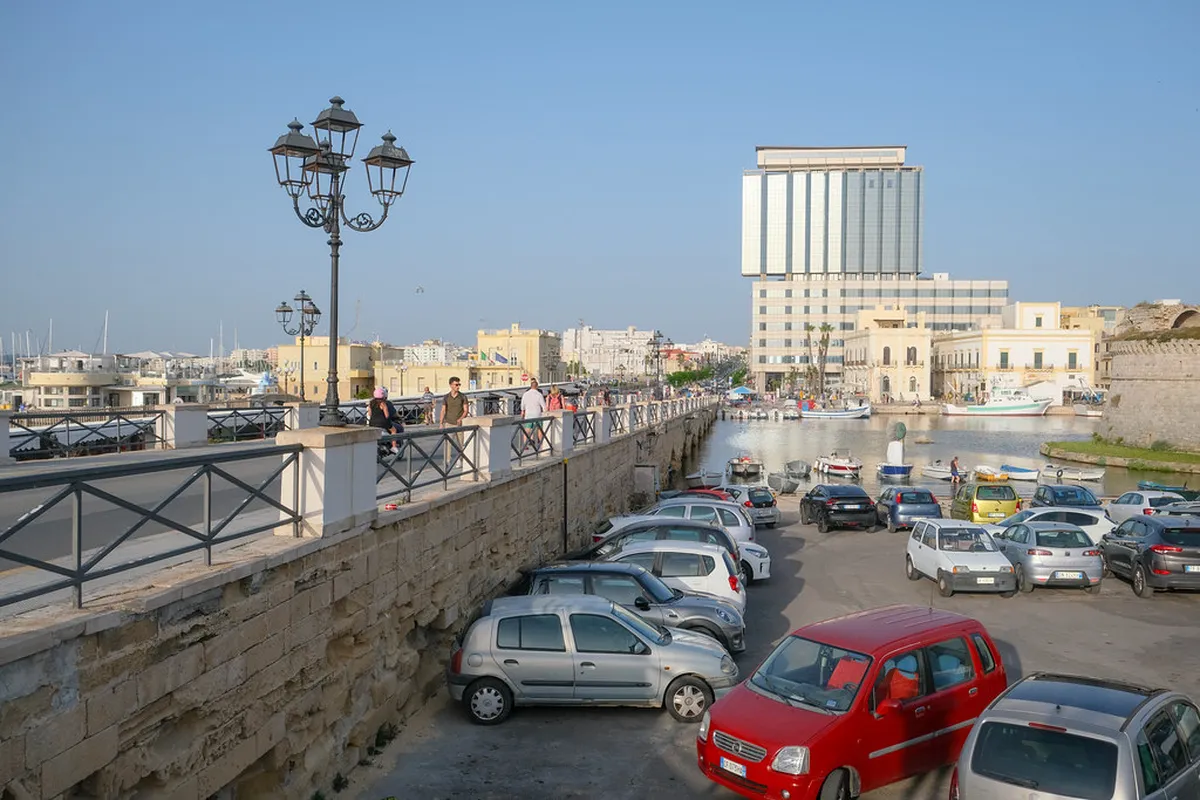
Lecce serves as the perfect base because it sits roughly equidistant from both the Adriatic and Ionian seas. You can reach the nearest Adriatic beaches in about 20 minutes, while the Ionian sands are a 40-minute drive away. Most locals prefer this flexibility over staying in a single coastal town that might be windy for days. Consulting the Puglia Official Tourism Portal can provide additional real-time updates on coastal conditions.
The summer heat in Puglia can be intense, making the choice of beach entry type very important for your comfort. Sandy beaches (spiaggia) are great for families but tend to get extremely crowded and hot by midday. Rocky entries (scoglio) offer deeper, cooler water and are often less packed than the famous sandy lagoons. I suggest packing a pair of sturdy water shoes to make navigating the limestone ledges much easier and safer.
Spiaggia (sandy beach) — shallow, warm, family-friendly. Best for Torre Lapillo, Punta Prosciutto. Pack a large beach towel and sunscreen; crowds peak 10:00–17:00.
Scoglio (rocky entry) — deeper, cooler, often cleaner water during August when sandy seabeds stir up. Best for Cala dell'Acquaviva, Porto Miggiano, Sant'Andrea. Non-negotiable kit: neoprene water shoes, a thin wetsuit top if you run cold, and a mesh bag to carry gear across the rocks.
Arrive before 8:30 am to secure parking and lido chairs. August requires booking 2–4 weeks ahead. Private lidos cost €25–€60 for two chairs and umbrella; public sections are free but crowded by 10 am.
10 Best Beaches Near Lecce for a Salento Summer
Our curated list focuses on a mix of iconic landmarks, hidden rocky inlets, and expansive sandy dunes. Each of these locations offers a different vibe, ranging from upscale beach clubs to wild, protected natural parks. We have selected these spots based on water quality, accessibility from Lecce, and overall scenic beauty. Be prepared for a mix of free public areas and private lidos that require advanced booking in August.
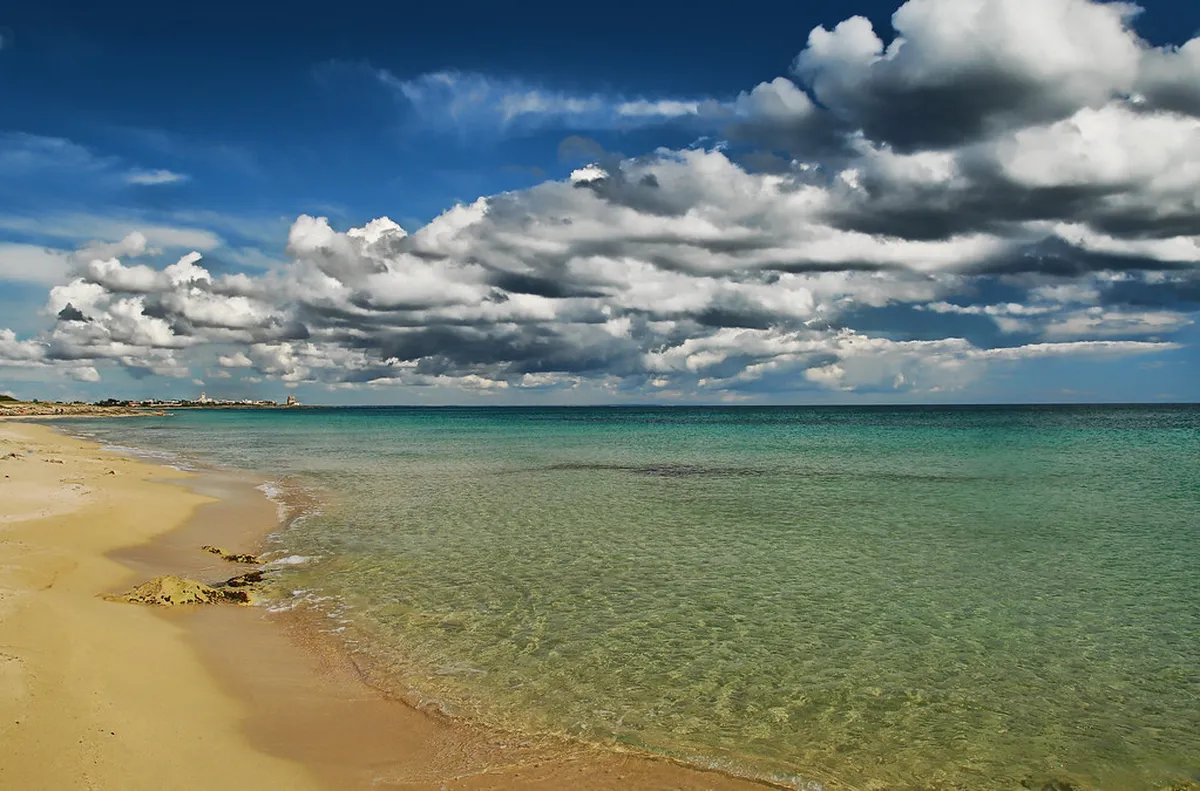
The Adriatic side is known for its dramatic limestone cliffs and deep blue waters that attract adventurous swimmers. On the Ionian side, you will find shallower waters and white sands that resemble the Caribbean. Mixing both types of experiences will give you a complete picture of why Salento is so beloved. Check out the latest tips on our Italy travel blog for more regional inspiration.
Travel times from Lecce vary, but most spots are reachable within an hour if you leave early enough. Parking becomes a major hurdle after 10 am, so I always advise starting your day by 8 am. Many of these locations have limited facilities, so bringing your own water and snacks is a smart move. Always carry some cash, as smaller parking meters and beach kiosks occasionally have issues with card readers.
- Santa Cesarea Terme and the Moorish Seafront
- This elegant spa town features sulfurous springs and stunning 19th-century villas perched directly above the Adriatic Sea.
- It is worth visiting for the unique thermal swimming experience and the dramatic views from the rocky cliffs.
- Located 48 kilometers southeast of Lecce, you can reach this area in about 50 minutes by rental car.
- Expect to spend €12 to €25 for a day pass at a private thermal pool, typically open from 09:00 to 18:00.
- Arrive early to find parking near the main thermal complex and bring water shoes for the rocky entries.
- Castro Marina and the Zinzulusa Sea Caves
- Castro Marina offers some of the deepest and clearest blue waters in Salento, perfect for boat tours and diving.
- The town is a highlight for its medieval fortress and the famous Zinzulusa cave accessible by boat.
- You will need roughly four hours to explore the caves and enjoy a swim in the deep harbor area.
- Swimming is free in the public areas, but boat tours to Zinzulusa cave typically cost between €18 and €35 per person.
- Tours run from 10:00 to 18:00; book a spot at least a day in advance during July and August.
- Porto Badisco and the Legend of Aeneas
- This narrow, fjord-like inlet is legendary as the first landing place of Aeneas after his flight from Troy.
- It is a fantastic spot for snorkeling due to the calm, sheltered waters and the abundance of marine life.
- The drive from Lecce takes about 45 minutes, and the small pebble beach fills up very quickly by noon.
- Access to the water is free, and local cafes nearby serve excellent sea urchin pasta during the summer months.
- Parking is extremely limited in the village, so try to arrive before 9am to secure a spot nearby.
- Porto Selvaggio Natural Park and Pine Forest
- Porto Selvaggio is a protected coastal oasis featuring a dense pine forest that leads down to a rocky bay.
- The trek through the woods is worth it for the cold freshwater springs that bubble up into the sea.
- According to the Porto Selvaggio Natural Park Info, this area is a strictly protected biological zone.
- Entry to the park is free, but you must pay about €4 to €6 for parking in the designated lots near the forest entrance.
- Wear sneakers for the 20-minute downhill hike and bring plenty of water as there are no shops in the bay.
- Sant’Andrea and the Iconic Limestone Faraglioni
- The Faraglioni di Sant’Andrea are massive limestone sea stacks that rise dramatically out of the turquoise Adriatic water.
- This spot is perfect for photography and offers several flat rock ledges that are ideal for sunbathing and jumping.
- It is located just 30 minutes from Lecce, making it one of the most accessible scenic spots on the coast.
- There is no cost to visit the rocks, and the area is open 24 hours a day for visitors.
- The best swimming is found by walking south along the cliff path toward the smaller, less crowded hidden coves.
- Baia di Torre Lapillo and Shallow Lagoons
- Torre Lapillo is famous for its long stretch of white sand and shallow, crystal-clear water that resembles a lagoon.
- This is the best choice for families with children because the water stays knee-deep for many meters out.
- The bay is on the Ionian coast, roughly a 40-minute drive from the center of Lecce via local roads.
- Private lidos charge between €25 and €55 for two chairs and an umbrella, usually open from 08:00 to 19:00.
- Book your umbrella at least two weeks in advance if you plan to visit during the busy month of August.
- Cala dell'Acquaviva and the Refreshing Cold Inlet
- This tiny, hidden inlet is named for the cold spring water that flows into the sea from the surrounding cliffs.
- It is a refreshing escape from the summer heat, though the water can be surprisingly chilly even in July.
- The cove is located near Marittima and takes about 55 minutes to reach from Lecce by car.
- Access is free, but the space on the rocks is very limited, so it often feels crowded by midday.
- Park along the coastal road and walk down the stairs, making sure to bring a thick towel for the rocks.
- Baia di Porto Miggiano and the Hundred Steps
- Porto Miggiano is a stunning horseshoe-shaped bay surrounded by high limestone walls and accessible via a steep staircase.
- The water here is a vibrant emerald green and provides a spectacular backdrop for swimmers and cliff jumpers.
- It is located near Santa Cesarea Terme and requires a 50-minute drive from the city of Lecce.
- Swimming in the bay is free, though the nearby resort offers paid parking and pool facilities for day guests.
- Check the wind before going, as this bay is best enjoyed when the Tramontana wind is blowing from the north.
- Torre dell’Orso and the Two Sisters Stacks
- Torre dell’Orso features a wide sandy beach framed by a pine forest and the famous 'Le Due Sorelle' rocks.
- It is a popular resort area with plenty of amenities, making it a convenient full-day destination for travelers.
- The drive from Lecce is a straightforward 30-minute trip, and there is a large paid parking lot nearby.
- Lido prices range from €20 to €45 depending on the row, with most clubs operating from 08:00 to 19:00.
- Walk to the far right of the beach to get the best view and easier access to the sea stacks.
- Punta Prosciutto and the Wild Sand Dunes
- Punta Prosciutto is known for its towering sand dunes and some of the clearest water on the entire Ionian coast.
- It feels wilder and more expansive than other nearby beaches, offering a sense of space even in the summer.
- Expect a 45-minute drive from Lecce, and be prepared for some bumpy dirt roads near the beach access points.
- Large sections of the beach are free to the public, while a few lidos offer amenities for around €35.
- Bring your own shade if you use the free beach, as the sun is relentless with very little natural cover.
Essential Logistics for Your Salento Beach Trip
A rental car is absolutely essential for exploring the beaches near Lecce, as public transport is limited and slow. I recommend using a service like Discover Cars to find a vehicle with good insurance coverage. Be aware of the ZTL (Limited Traffic Zones) in Lecce and coastal towns like Otranto and Gallipoli to avoid fines. Most ZTL zones are clearly marked with signs and cameras, so always park outside the historic centers.
Parking at popular spots like Cala dell'Acquaviva or Porto Miggiano is notoriously difficult during the peak summer months. Many coastal roads have blue lines indicating paid parking, which usually costs about €1.50 to €2.00 per hour. I have found that arriving before 8:30 am is the only way to guarantee a spot near the water. Keep some small change in your car for the older parking meters that do not accept mobile payments.
If you prefer the comfort of a beach club, known locally as a 'Lido,' you must plan your bookings early. During August, the best spots are often reserved months in advance by Italian families on their annual holidays. A typical day at a lido includes two sun loungers and one umbrella for a flat daily rate. Expect to pay a premium for front-row spots, which offer the best breeze and easiest access to the shoreline.
What to Skip and Local Secrets for Avoiding Crowds
While many guides suggest visiting the Grotta della Poesia, I recommend skipping it during the busy month of August. The 'natural pool' has become so famous that the crowds are often shoulder-to-shoulder, ruining the serene atmosphere. Instead, seek out the quieter rocky ledges near Sant'Andrea for a similar limestone experience without the extreme congestion. You will find the water just as clear and the photography opportunities much more relaxed and enjoyable.
Another common mistake is trying to visit both the Adriatic and Ionian coasts in a single afternoon. The traffic on the narrow coastal roads can be heavy, turning a short drive into a long and stressful journey. I suggest picking one side based on the wind and staying there for the entire day to maximize your relaxation. Focusing on one area allows you to discover smaller, unnamed coves that the larger crowds usually overlook.
For those who want to avoid the heat and the masses, consider a late afternoon swim after 5 pm. The sun remains high enough for swimming until 8 pm, and many families begin to head home for dinner around 6 pm. The light during the 'golden hour' is also far better for capturing the vibrant colors of the Salento coastline. You might even find that some lidos offer discounted rates for these late-afternoon 'sundowner' sessions.
From Lecce to the Coast: Drive Times and Logistics
Many visitors are surprised to discover that Lecce sits roughly 20 to 25 kilometres from the nearest Adriatic shore and about 35 to 40 kilometres from the Ionian coast. This inland position is actually the city's greatest strength as a base, letting you pivot between two completely different sea experiences in under an hour. The key variable every summer morning is wind direction — check it before you leave the hotel, then pick your coast accordingly rather than committing to a single side at the start of the week.
The closest Adriatic beach from central Lecce is Torre dell'Orso, reachable in about 25 to 30 minutes via the SP366. Sant'Andrea and the famous Faraglioni add barely five minutes to that drive. If you are heading south along the Adriatic for Castro Marina, Cala dell'Acquaviva, or Porto Miggiano, budget 45 to 60 minutes and factor in that the SP358 coastal road narrows considerably south of Otranto. On the Ionian side, Torre Lapillo is around 40 minutes and Punta Prosciutto roughly 45 minutes via the SS101. Porto Selvaggio Natural Park near Nardò is the outlier: 45 to 50 minutes west on the SS101, then a further 10-minute signed detour toward the coast. Parking at the park entrance closes when the lot fills — in August, that happens before 09:00 on weekends.
One planning trick I have used for years: stay two nights on the Adriatic side (at a masseria near Otranto) mid-trip to cut 40 minutes off each morning drive when the Tramontana is forecast for several days in a row. This is far more efficient than commuting from Lecce every day during a multi-day northern wind spell. If you are staying exclusively in the city, keep your car topped up with fuel — coastal roads are long and petrol stations are sparse between Castro and Santa Maria di Leuca.
What to Pack for a Salento Beach Day
The Salento coastline covers everything from soft sand lagoons to razor-edged limestone scoglio, so what you carry really depends on which type of beach you are targeting that day. A sandy Ionian morning at Torre Lapillo requires almost nothing beyond a towel and sunscreen. A full rocky-cove day at Cala dell'Acquaviva or Porto Miggiano, however, demands specific kit that will make the difference between a magical and a miserable afternoon. Pack light enough to walk 20 minutes from the car; at the most remote coves there are no lockers, no trolleys, and barely a flat surface to put things down.
- Neoprene water shoes — non-negotiable for any scoglio beach; also useful on the limestone ledges at Sant'Andrea and Porto Miggiano.
- Snorkel and mask — the rocky Adriatic coves (Castro, Cala dell'Acquaviva, Porto Badisco) have exceptional visibility and abundant sea life worth exploring.
- Wind-direction app — Windy.com or a local Italian weather app (Meteo Aeronautica); check both the current conditions and the 09:00–18:00 forecast window.
- Cash (coins) — many rural parking meters and smaller beach kiosks are cash-only; keep €10 in small coins in the car at all times.
- Reusable water bottle (2 L minimum) — temperatures routinely exceed 35°C inland from the cliffs by midday; most remote coves have no fresh water supply.
- Reef-safe sunscreen SPF 50+ — Salento waters are a protected marine environment and the park authorities at Porto Selvaggio actively discourage chemical sunscreens.
- Compact dry bag — handy for phones and wallets at rocky-entry beaches where there is nowhere clean to set things down before entering the water.
- Light linen over-shirt or UV top — the walk back from the coast to the car can take 15 to 20 minutes in full sun; a breathable cover-up beats reapplying sunscreen mid-hike.
Frequently Asked Questions
Which beaches near Lecce are best for families with children?
Baia di Torre Lapillo and Punta Prosciutto are the best options for families. These Ionian beaches feature shallow, calm waters and soft sand, making them safe for young children to play. You will also find plenty of lidos with full facilities like toilets and cafes.
Is there a train from Lecce to the Salento beaches?
There is a seasonal train service called Salento in Bus, but it can be slow and crowded. While some towns like Gallipoli are reachable by rail, a car is much better for reaching the best coves. Most hidden gems are not served by public transport at all.
Do I need to book a Lido in advance during August?
Yes, booking a lido is essential during the peak weeks of August. Many popular clubs sell out weeks in advance for weekends and holidays. If you do not book, you may be forced to use the crowded free public sections of the beach.
Lecce is the perfect gateway to the stunning variety of the Salento peninsula, offering both sandy paradises and rugged rocky inlets. By following the wind strategy and arriving early, you can navigate the busy summer season like a local expert. Whether you prefer the deep blue Adriatic or the turquoise Ionian, the beaches near Lecce will certainly provide an unforgettable Italian summer.
Remember to pack your water shoes, respect the natural parks, and always check the wind direction before you set out. For more information on the best time to visit Lecce, explore our other seasonal guides. Enjoy your time in Puglia and make the most of the incredible coastal beauty this region has to offer.
You might also like


Continue reading
More guides you'll find useful