9 Best Lecce Street Foods to Try (Including the Iconic Rustico) (2025)
Explore the best Lecce street food from the savory Rustico Leccese to sweet Pasticciotto. Find top bakeries, local rituals, and the best eating spots in Salento.
On this page
9 Best Lecce Street Foods to Try (Including the Iconic Rustico)
After spending several weeks exploring the golden-hued streets of Salento, I discovered that eating here is a rhythmic performance. The city of Lecce does not just offer snacks; it provides a series of culinary checkpoints that define the local day. From the first crumb of a warm morning pastry to the savory bite of a mid-day sandwich, the flavors are deeply rooted in tradition.
This guide explores the essential bites that make this city a Mediterranean food capital, focusing on the legendary lecce street food rustico. I have updated this list for June 2025 to reflect current prices and the best-performing bakeries in the historic center. You will find that the best experiences often happen standing up at a crowded marble counter alongside local residents.
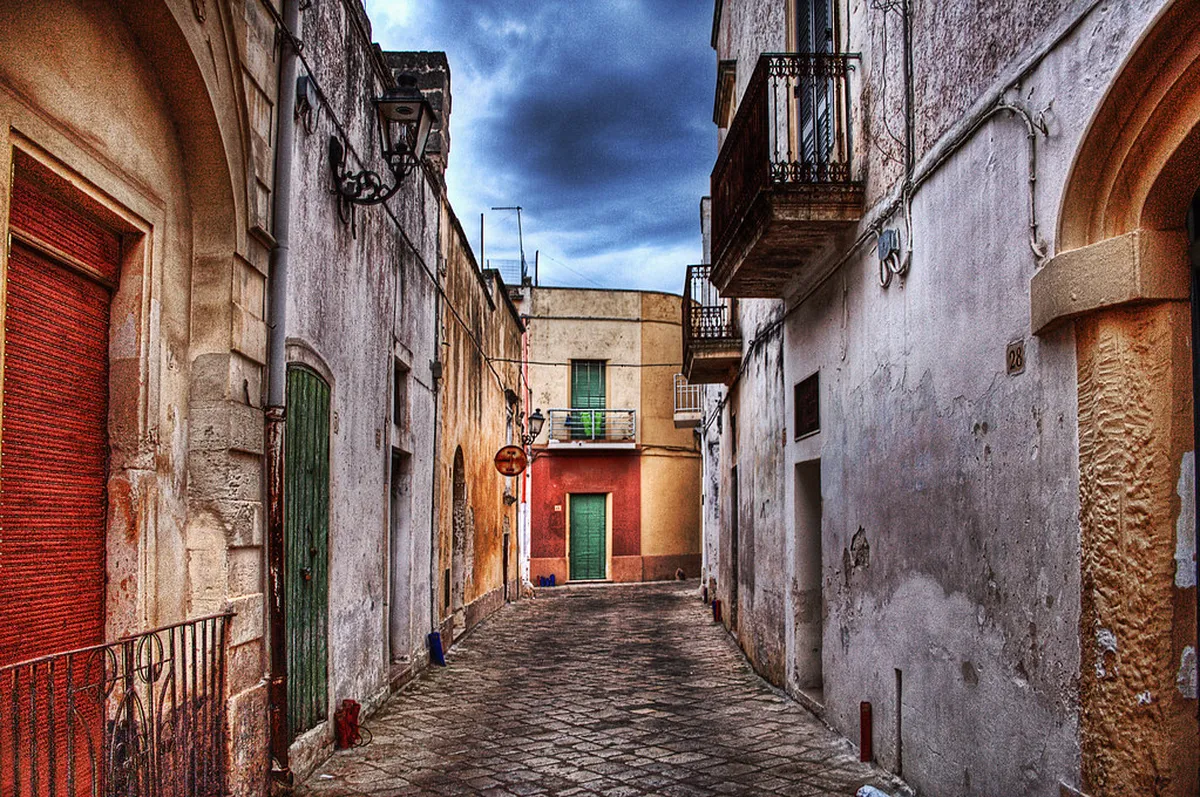
Lecce is frequently called the 'Florence of the South' due to its intricate limestone carvings and grand plazas. However, the true heart of the city beats in its wood-fired ovens and small, family-run pasticcerias. Understanding the timing of these treats is just as important as knowing where to buy them for the freshest experience.
The 11 AM Ritual: Understanding Lecce Street Food Culture
Walking through the city, you will notice a distinct shift in the air around eleven in the morning. This is the hour of the rustico, a savory puff pastry that serves as the ultimate bridge between breakfast and lunch. While the Baroque architecture of Lecce provides a stunning backdrop, the smell of baking dough is the real local protagonist.
Locals take this mid-morning break seriously, often stopping at a favorite bar for a quick stand-up snack. Ordering a rustico in the late evening is a common mistake for travelers, as they are rarely baked fresh after noon. Freshness is the primary currency here, and a cold or reheated pastry simply cannot compare to one straight from the oven.
The culture of Salento is built on simple, high-quality ingredients that reflect the agricultural heritage of the region. Street food is not just a cheap meal; it is a way to celebrate local wheat, tomatoes, and olive oil. Most items on this list cost less than a few euros, making the city an incredible destination for budget-conscious foodies.
During my last visit, I watched a master baker fold dozens of layers of dough with practiced, rhythmic precision. This dedication to craft ensures that even a simple snack feels like a gourmet experience. Prepare to embrace the crumbs, as the best local treats are designed to be flaky, messy, and entirely delicious.
9 Essential Lecce Street Foods You Must Taste
The following items represent the absolute core of the Salentino diet and should be on every visitor's checklist. I have selected these based on their historical significance and their availability in the historic city center. For a deeper dive into the sweet side of the city, you can also check out our pasticciotto leccese guide.
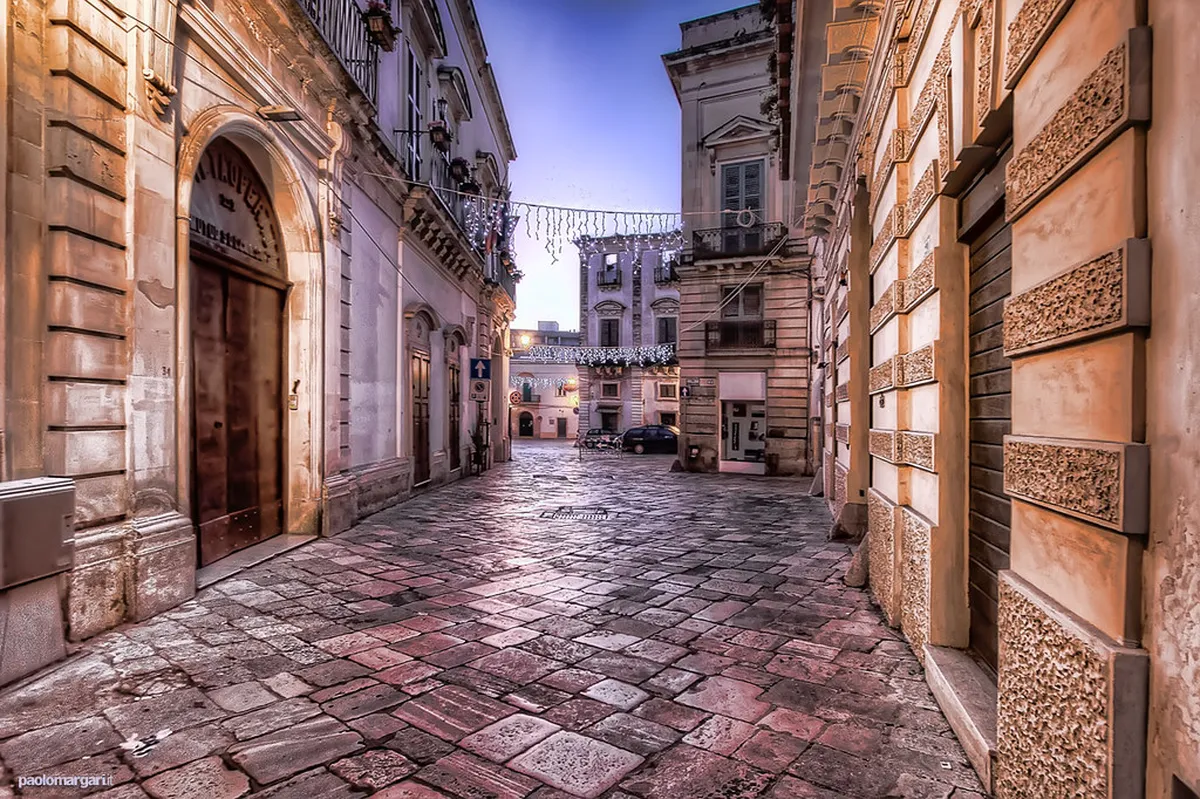
Finding these items is easy if you know which specific bakeries to look for near the Roman Amphitheatre. Most of these spots are open early, but the savory items typically appear in the display cases after 10:30 AM. Always look for shops that have a steady stream of locals, as they know exactly when the next batch is coming out.
High-quality street food has a short shelf life. If a bakery displays a steady stream of locals buying the same item, it's a sign of turnover and freshness. Skip shops where items sit in the window all day.
Prices have remained remarkably stable in Lecce compared to northern Italian cities like Milan or Florence. You can easily sample several of these specialties in a single afternoon without spending more than twenty euros. Make sure to carry some small change, as many tiny bakeries still prefer cash for small snack purchases.
Be careful ordering from late-night bars without internal bakeries. These often sell frozen, greasy rustici or other pre-made items. A high-quality rustico should have light, shattering pastry—not soggy or oily texture.
1. Rustico Leccese — Lecce's Signature Savory Pastry
The Rustico Leccese is the undisputed king of the city's savory snacks. Two discs of golden, laminated puff pastry enclose a molten core of béchamel sauce, stretchy fior di latte mozzarella, and a concentrated smear of tomato. When it is made correctly, the pastry shatters at the first bite — audibly — releasing a fragrant cloud of butter and steam. The filling should be creamy, never watery, and the underside of the pastry should be dry to the touch, never greasy.
Expect to pay €2.00–€3.00 at a reputable pasticceria. Look for a steady queue of locals and watch the counter closely: fresh rustici arrive in small batches, while frozen ones sit motionless under a heat lamp all morning.
2. Pasticciotto Leccese — The Sweet Symbol of Salento
If the rustico owns the mid-morning, the pasticciotto owns breakfast. This oval boat of crumbly pasta frolla (shortcrust pastry) is packed with thick crema pasticcera — a lemon-scented custard that stays soft even after baking. The top is burnished almost to black, giving way to a creamy interior that is best experienced warm, standing at the bar, espresso in hand.
The original recipe was created in 1745 in the nearby town of Galatina by the Ascalone family, whose pasticceria still operates today and is worth the 30-minute drive from Lecce. In the city itself, Bar Pasticceria Natale on Via Salvatore Trinchese is the reference point, serving the classic version for €1.50–€2.50 from 07:00 onward. You may also see an 'Obama' version with chocolate pastry and chocolate cream — it is good, but always try the classic first.
3. Puccia Salentina — The Sandwich You Cannot Miss
Born in the 1970s as working-class street food, the puccia is now Lecce's most satisfying meal. It is made from pizza-style dough baked at high heat so the interior becomes completely hollow, creating a perfect bread pocket. The crust is lightly crisp; the inside is soft and airy. A great puccia is filled to order while you watch — tuna and capers, grilled vegetables, cured meats, or the traditional pezzetti di cavallo (slow-stewed horse meat), a deeply local specialty. Expect to pay €4.00–€8.00 depending on fillings. L'Angolino di Via Matteotti is the city's most respected pucceria, with unlimited filling combinations on weekdays.
4. Panzerotto Fritto — Puglia's Golden Fried Classic
A half-moon of yeasted pizza dough stuffed with tomato and mozzarella, then dropped into hot oil until it blisters and turns a deep amber. The outside should be crisp and non-greasy; the interior molten enough to burn your tongue if you rush it. This is quintessential evening street food — €2.50–€4.00 — and the rule is simple: wait for one fried to order. Pre-made ones under a heat lamp are tough and greasy and not worth your time.
5. Pizzi Leccesi — Local Bakery Staples
These small, rustic bread rolls are studded with olives, onions, tomatoes, and sometimes a hint of chili pepper. They are available at almost every bakery for about €1.50 and make for a perfect portable lunch while sightseeing. The dough is often quite dense and chewy, providing a satisfying contrast to the lighter puff pastries.
6. Pitta di Patate — The Vegetarian-Friendly Choice
A savory potato cake layered with a rich filling of sautéed onions, olives, capers, and tomato sauce. Slices are usually sold by weight or in pre-cut squares for roughly €3.00–€5.00 at local deli counters. This dish is surprisingly filling and is one of the best vegetarian-friendly options for travelers on the go.
7. Caffè Leccese — The Essential Iced Coffee Ritual
On a hot Salento afternoon, a regular espresso simply will not do. The Caffè Leccese is the city's genius answer to summer: a shot of fresh, scalding espresso poured directly over ice cubes and sweetened with a swirl of latte di mandorla — an almond milk syrup produced from the bitter almonds grown across the Salento plain. The hot coffee melts a little of the ice while mixing with the cold, nutty syrup below. The result is simultaneously bitter, sweet, intense, and shockingly refreshing.
A glass costs €2.50–€4.00 at most bars. The insider move is to stir it from the bottom up — the syrup sinks — for the perfect blend of flavors. Do not order it as a take-away cup; it is meant to be consumed standing at the bar, watching the city pass by outside.
8. Scagliozzi — Fried Polenta Squares
Simple triangles of salted, fried polenta served in paper cones as a hot, crispy snack. A small bag usually costs around €2.00–€3.50 and is most commonly found at street stalls during festivals. They are best heavily salted and eaten immediately while the exterior is still crunchy.
9. Friseddha — Twice-Baked Bread
A ring-shaped hard bread that must be briefly soaked in water before being topped with fresh tomatoes, extra-virgin olive oil, and a pinch of dried oregano. In a cafe, a prepared friseddha costs about €4.00–€7.00 and is incredibly refreshing on hot days. The key is the soaking time: too brief and it is rock-hard; too long and it collapses into mush.
Where to Find the Best Street Food in Lecce
The highest concentration of quality bakeries is found within the triangle formed by Piazza Sant'Oronzo, the Cathedral, and Porta Rudiae. Every address below has been consistently recommended by Leccesi residents and food journalists rather than just guidebook writers.
Caffè Alvino (Piazza Sant'Oronzo, 30) is the city institution — its entrance remains almost unchanged from the 1800s. The rustici here are baked in multiple rounds throughout the morning and are among the best in the city. The street-side terrace overlooking the Roman Amphitheatre is a bonus, though expect slightly higher prices for the privilege of the view.
Bar Pasticceria Natale (Via Salvatore Trinchese, 7) is the go-to for pasticciotti. The staff moves with extraordinary speed, pulling trays from the oven from 07:00 onward and rotating stock continuously. Order one warm and eat it at the counter; the take-away version cools too quickly.
Pasticceria Citiso (Via D'Annunzio Gabriele, 23, Mazzini district) is the local secret for rustici. Slightly off the tourist path, it draws a dedicated neighborhood crowd and keeps prices at €1.50–€2.50 — lower than the piazza spots. Go around 11:00 for the freshest batch.
Cime di Rapa Urban Street Food (Via Guglielmo Oberdan, 55) is worth seeking out for a different reason: it is a brand built around biodiversity and social inclusion, conceived by Vita Basile and Elio Dongiovanni. Beyond its ethical purpose, the food is excellent — pizza alla pala, pitta di patate, and artisanal crackers made with heritage grains. It is a reminder that Salento cuisine is a living tradition, not a museum exhibit.
For a modern take on the classics, Boulangerie di Lecce works traditional doughs with alternative flours — spelt, ancient grains — that give the rustico and puccia a nuttier, slightly more complex base than the standard version. If you have already tried the classic, this is the natural next stop.
For those looking for a sit-down experience that still feels casual, I recommend checking out the best restaurants in lecce for lunch. But for true street food, nothing beats standing at a marble counter with a warm rustico and watching the morning unfold on Via Vittorio Emanuele II, the city's main food artery.
| Item | Type | Price | Best Time |
|---|---|---|---|
| Rustico Leccese | Savory pastry | €2–€3 | 11 AM |
| Pasticciotto | Sweet pastry | €1.50–€2.50 | Morning |
| Puccia Salentina | Sandwich | €5–€8 | Lunch/evening |
| Panzerotto Fritto | Fried pocket | €2.50–€4 | Evening |
| Caffè Leccese | Iced coffee | €2.50–€4 | Midday |
Is Lecce Street Food Expensive?
Compared to the rest of Western Europe, the street food in Salento is an absolute bargain for the quality provided. A full meal consisting of a savory rustico, a sweet pasticciotto, and a coffee will rarely exceed seven euros. This affordability allows you to sample a wide variety of flavors without worrying about your daily travel budget.
You can find many cheap eats in lecce that are both nutritious and culturally significant. Vegetarians will find plenty of options, as many traditional snacks are based on local vegetables and cheese rather than meat. The most expensive part of your meal is often the 'coperto' or sit-down fee, so eating while standing is a great way to save.
During my travels, I found that the price-to-joy ratio in Lecce is among the highest in all of Italy. The ingredients are usually sourced from within the province, keeping costs low and flavors remarkably vibrant. Even the most famous shops in the city maintain prices that are accessible to the local student population.
What to Skip: Avoiding Common Tourist Traps
While the food quality in Lecce is generally high, there are a few things that can dampen your culinary experience. Avoid buying rustici from late-night bars that don't have their own internal bakery, as these are often frozen and greasy. A high-quality rustico should have a light, shattering pastry, not a heavy or soggy texture that leaves oil on your fingers.
Skip the pre-packaged 'pizzette' found in souvenir-heavy areas, as they lack the soul of a fresh bakery item. Similarly, be wary of cafes that don't display their pastries in a heated or cooled case, depending on the item. Freshness is the most important factor, so if a pastry looks like it has been sitting out all day, it probably has.
I once made the mistake of ordering a pasticciotto at 11 PM, only to find it dry and disappointing. Stick to the local schedule: sweets in the morning and savory treats in the late morning or evening. By following the natural rhythm of the city, you ensure that every bite is as the baker intended.
The Rustico Quality Test: How to Tell Fresh from Frozen
Not all rustici are created equal. Lecce is full of bars and tourist-facing cafes that sell frozen, industrially produced versions alongside (or instead of) the real thing. Knowing the difference takes roughly thirty seconds and will save you from the most common culinary disappointment in the city.
A fresh, high-quality rustico has three identifying features. First, the pastry shatters audibly when you bite into it — you should feel it crack and flake, not compress. Second, the underside of the pastry is dry to the touch: a greasy bottom means the dough absorbed oil from a pan or was reheated improperly. Third, the filling is hot and slightly molten at the center, not lukewarm or congealed.
A frozen rustico has the opposite profile: dense, slightly compressed pastry that bends rather than breaks, an oily residue on the wrapper, and a filling that is either cold in the middle or rubbery from over-reheating. These versions are frequently found at bars without an internal bakery, particularly those operating late into the evening or near the main tourist entrances to the old city.
The simplest rule: if the counter shows a continuous turnover of small batches — fresh trays appearing every 30–40 minutes — you are in the right place. If a single tray has been sitting under a lamp for what looks like hours, walk on. The difference in quality is not subtle.
Your Lecce Street Food Map
Lecce's historic center is compact enough to cover on foot in a single morning, but knowing which spots to sequence makes the difference between a scattered crawl and an efficient, delicious tour. This itinerary follows the natural rhythm of the Leccese day.
Start at 07:00 — Piazza Sant'Oronzo area. Arrive at Bar Pasticceria Natale on Via Salvatore Trinchese for a warm pasticciotto and espresso at the counter. This is breakfast, Salento-style. The ovens are already running and the custard is fresh. Budget: €4.00 for pastry + coffee.
10:30–11:30 — The Rustico Window. Walk five minutes to Pasticceria Citiso in the Mazzini district (Via D'Annunzio Gabriele, 23) for the best price-to-quality rustico in the city, or return to Caffè Alvino for the iconic piazza backdrop. This is the peak freshness window — do not skip it. Budget: €2.00–€2.50.
13:00 — Puccia Lunch. Head to L'Angolino di Via Matteotti (Via Giacomo Matteotti, 29) for a filled puccia. Ask for pezzetti di cavallo if you want the most traditional filling, or build your own from the counter display. Budget: €5.00–€7.00.
15:00 — Caffè Leccese. By mid-afternoon the heat demands the city's iconic iced coffee. Any bar along Via Vittorio Emanuele II will serve a version; ask for it 'con latte di mandorla' to confirm the almond syrup is included. Budget: €2.50–€3.00.
19:00 — Panzerotto and Passeggiata. The evening street food scene comes alive along Via Vittorio Emanuele II. Find a rosticceria frying panzerotti to order and join the passeggiata — the city's nightly communal stroll — with one in hand. Budget: €2.50–€4.00. Finish at Cime di Rapa Urban Street Food on Via Guglielmo Oberdan for a plate of pitta di patate or an artisanal snack before calling it a night.
Frequently Asked Questions
What is inside a Rustico Leccese?
A Rustico Leccese contains a creamy filling of béchamel sauce, mozzarella cheese, and a small amount of tomato sauce. These ingredients are encased in two layers of flaky, golden puff pastry. It is best eaten warm when the center is slightly molten.
Where is the best place to eat a rustico in Lecce?
Caffè Alvino and Pasticceria Natale are the most famous spots located in Piazza Sant'Oronzo. For a more local feel, visit Boulangerie di Lecce. Always look for a spot that bakes them fresh on-site throughout the morning.
What is the difference between a rustico and a pasticciotto?
The rustico is a savory puff pastry filled with béchamel and cheese, usually eaten as a snack. In contrast, the pasticciotto is a sweet shortcrust pastry filled with lemon custard. Locals typically eat pasticciotti for breakfast and rustici at 11 AM.
Lecce offers a unique window into the soul of Salento through its vibrant and accessible street food scene. Whether you are biting into a shattering rustico or sipping an almond-scented coffee, the flavors are unforgettable. The city proves that the best travel experiences are often found in the simple pleasure of a well-made snack.
By following the local rituals and seeking out authentic bakeries, you will discover why this region is so beloved by foodies. Don't forget to explore our other guides on the ItalyWander blog for more Puglia travel inspiration. Enjoy your journey through the golden streets and delicious flavors of the Florence of the South.
You might also like
Continue reading
More guides you'll find useful