15 Essential Tips and Free Things to Do in Lecce (2026)
Discover the best free things to do in Lecce, from Baroque masterpieces and Roman ruins to hidden gardens and Salento's top free beaches. Plan your budget trip!
On this page
15 Essential Tips and Free Things to Do in Lecce (2026)
I have spent countless afternoons getting lost in the honey-colored maze of the Centro Storico, and every visit reveals a new hidden courtyard. Lecce is often called the 'Florence of the South' because of its ornate architecture, but it feels much more intimate and approachable for budget travelers. Our editors have vetted every corner of this Puglian gem to ensure you can experience its grandeur without spending a single Euro on entry fees.
Last refreshed June 2026, this guide focuses on the authentic soul of the city that remains accessible to everyone. The local limestone, known as Pietra Leccese, is so soft that artisans have carved the city into a permanent art gallery for your enjoyment. Whether you are traveling with kids or exploring solo, these free sites provide a deep dive into thousands of years of history.
Wander the Baroque Streets of the Centro Storico
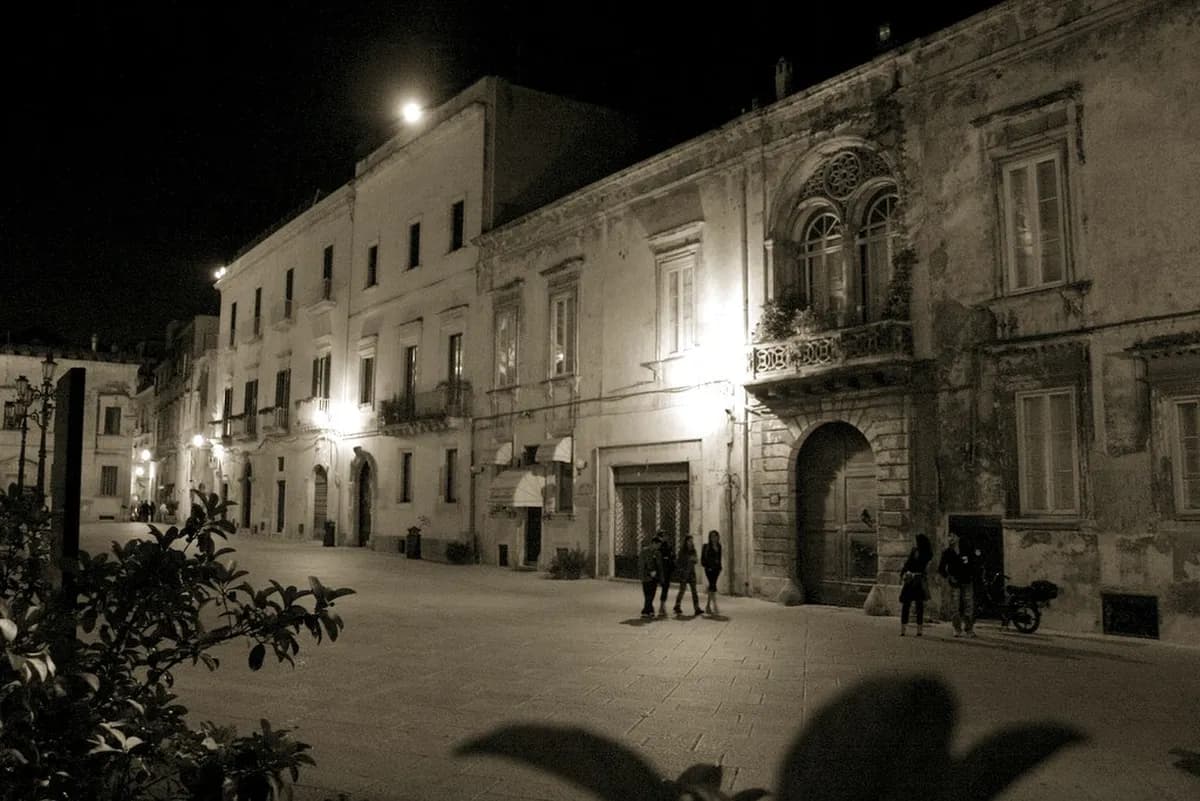
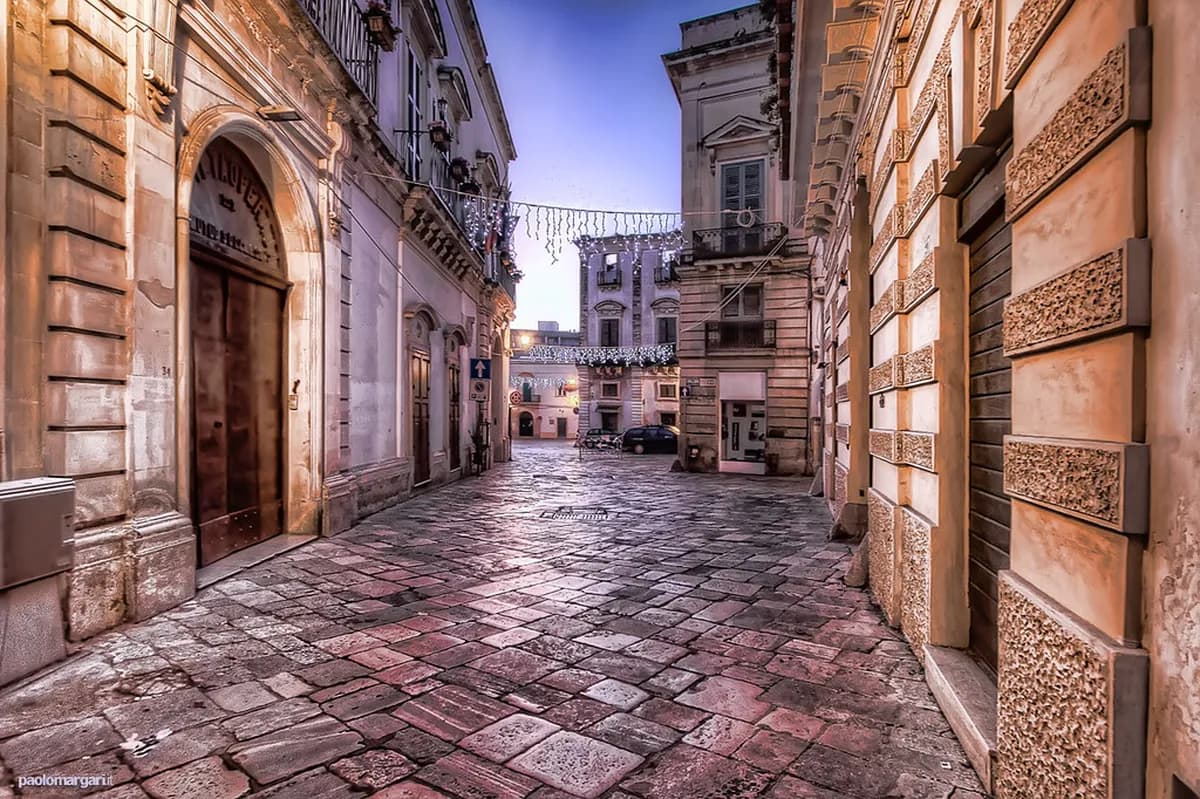
The heart of the city is a living museum where the Lecce Baroque guide style comes to life on every balcony. Walking through these streets costs nothing, yet it offers a masterclass in 17th-century decorative arts and southern Italian urban planning. The golden hue of the buildings is most vibrant during the 'golden hour' just before sunset when the stone seems to glow from within.
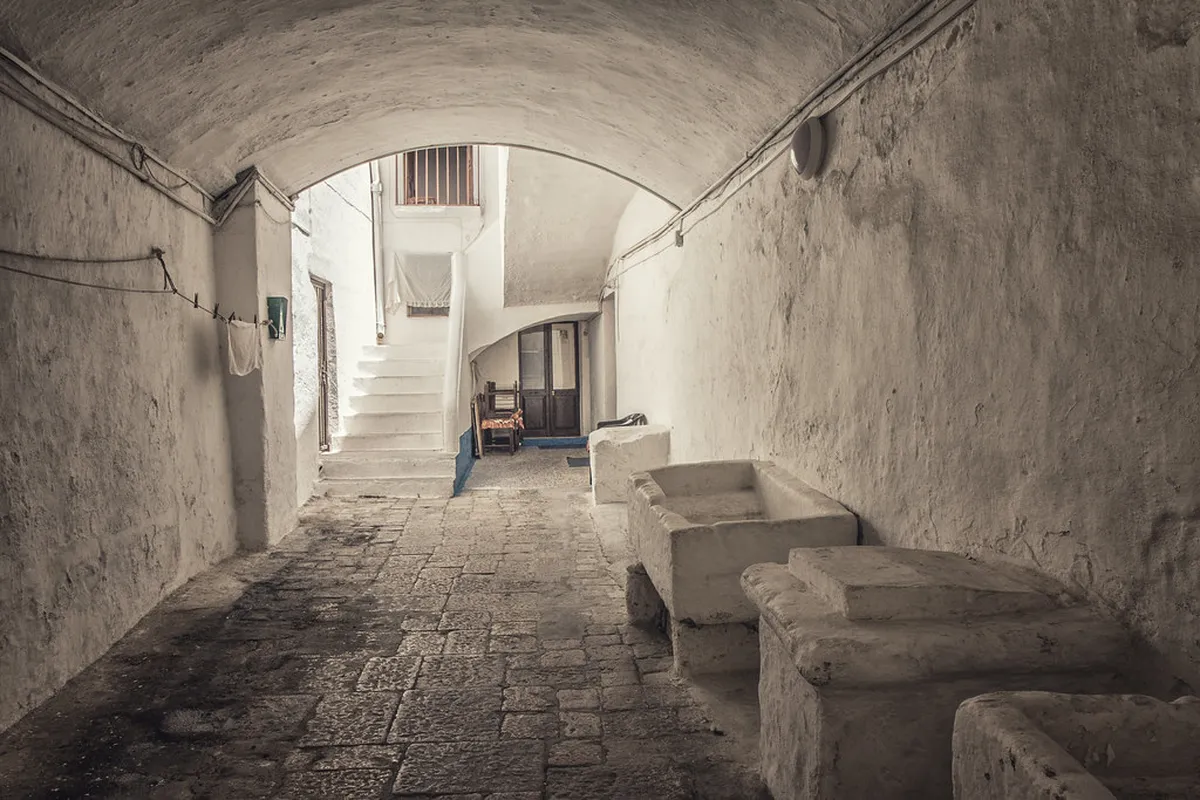
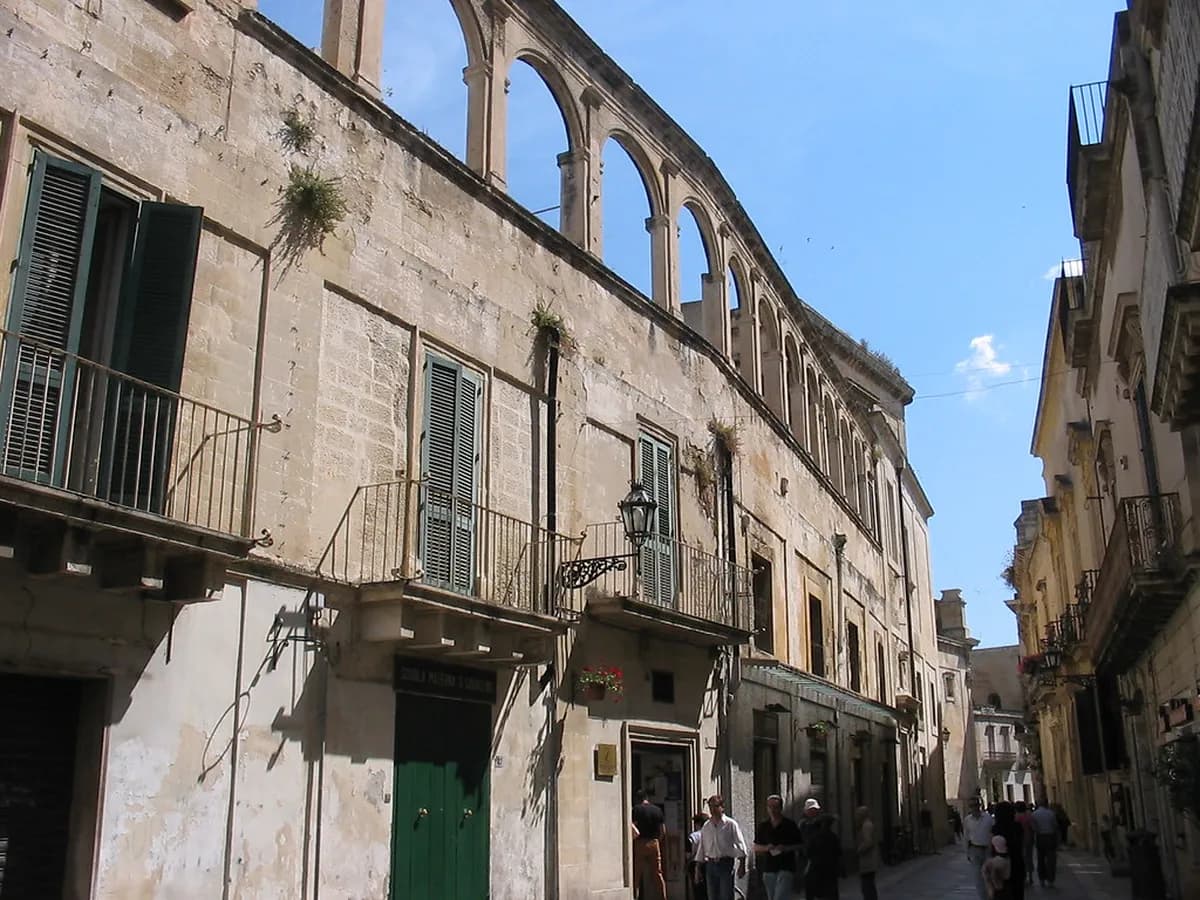
Many visitors rush between major landmarks, but the real magic happens in the quiet residential alleys away from the main thoroughfares. You might stumble upon a small shrine tucked into a wall or a local nonna hanging laundry over a centuries-old stone railing. This immersive atmosphere is the primary reason why so many travelers fall in love with the Salento region's capital.
To get the most out of your walk, start at one of the ancient city gates and simply follow the curve of the limestone. Most of the historic center is a restricted traffic zone, making it safe and pleasant for families with small children. It is quite easy to see the highlights of the things to do in Lecce list just by following your curiosity through these winding paths.
15 Essential Tips and Free Things to Do in Lecce
Budget-conscious travelers will find that the city's most impressive sights are often visible right from the public sidewalk. While some interior spaces now require a combined ticket, the exterior facades remain the true stars of the local architectural scene. This list includes a mix of ancient ruins, religious monuments, and natural escapes that define the Lecce experience.
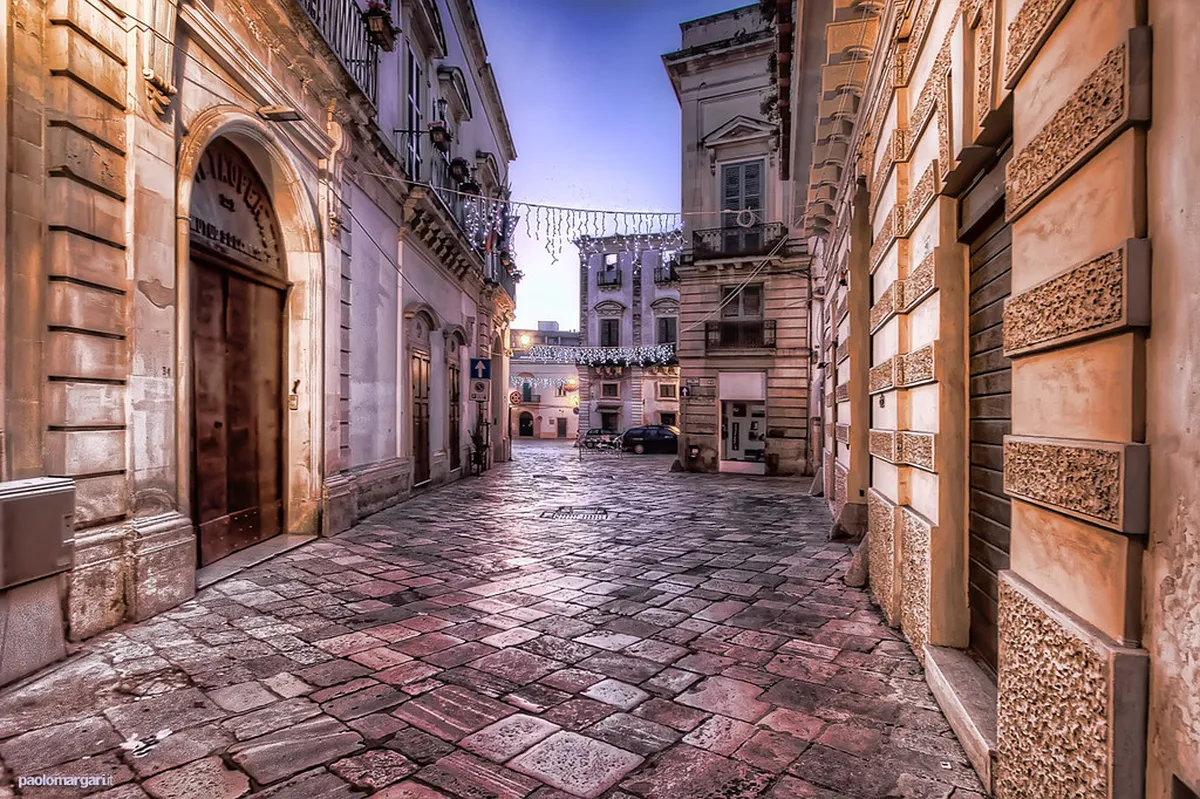
I remember sitting on the steps near the Roman Theatre at dusk when the local cats began their nightly patrol across the ancient stones. Moments like these don't cost a cent but stay with you much longer than any paid museum tour ever could. Planning your route efficiently will help you see all fifteen of these gems in a single relaxed weekend.
For those who want a deeper narrative, a Lecce walking tour with Paolo can provide context that makes these free sites even more meaningful. However, if you prefer to go at your own pace, these locations are all easily accessible on foot within the city walls. Keep an eye out for the specific opening hours of churches, as many close for several hours during the afternoon rest.
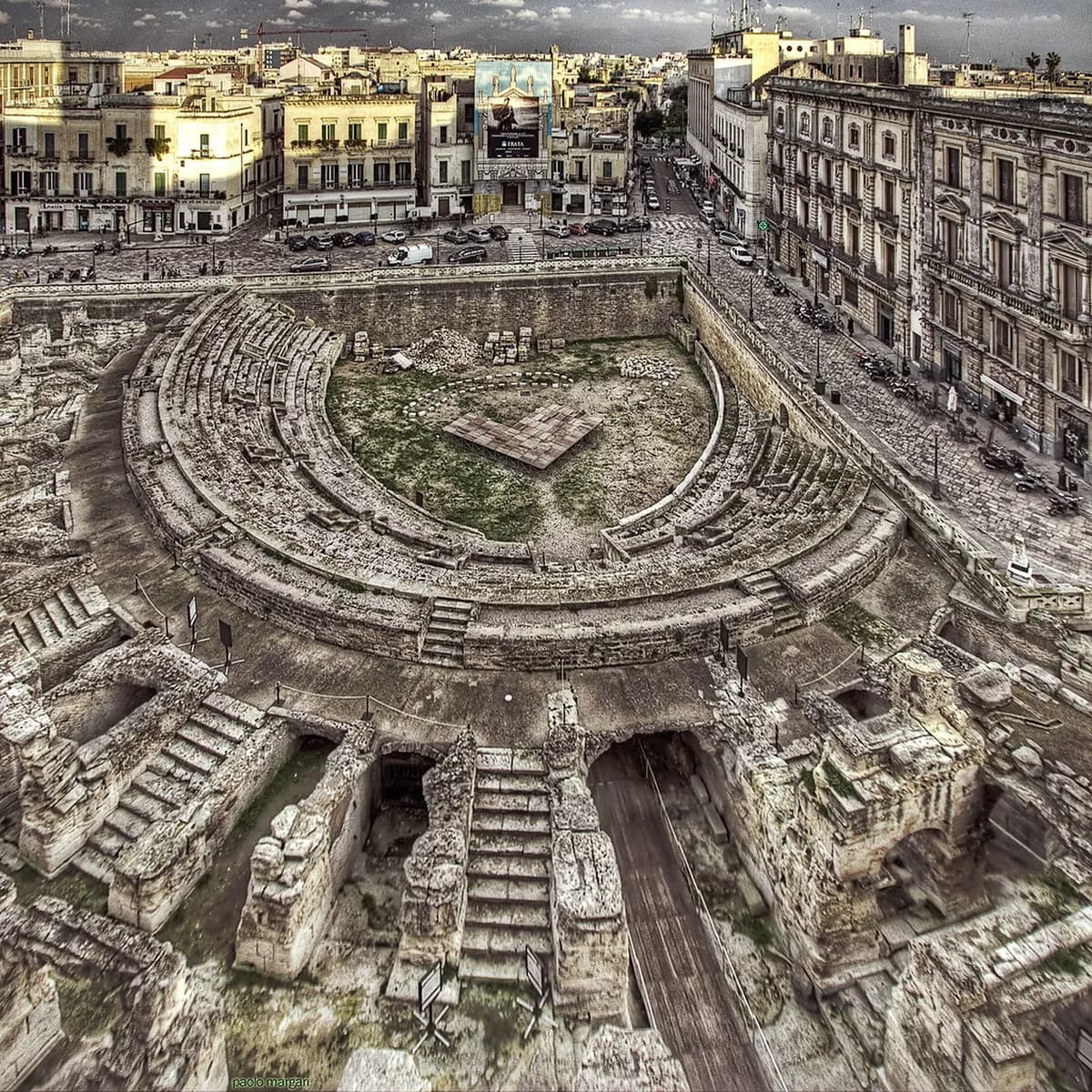
- View the Roman Amphitheatre from Piazza Sant'Oronzo
- This sunken arena dates back to the 2nd century AD and sits directly in the city's main square.
- It is free to view from the street level 24 hours a day, though the interior remains closed for preservation.
- Look for the bronze statue of Saint Oronzo perched high on a column overlooking the ruins.
- Discover the Hidden Roman Theatre (Teatro Romano)
- Tucked away behind modern buildings, this smaller theatre is a quiet alternative to the main amphitheatre.
- Visitors can view the semicircular seating and stage area for free from the surrounding railings daily until dusk.
- The entrance is located on Via Teatro Romano, just a short walk from the Roman Amphitheatre Lecce guide site.
- Admire the Facade of Basilica di Santa Croce
- This is the pinnacle of Baroque architecture in Puglia, featuring hundreds of intricate stone carvings of animals and saints.
- While the interior requires a ticket, the spectacular facade is free to admire from the street at any time.
- Check the Basilica Santa Croce Lecce guide for details on the specific symbolic meanings of the carvings.
- Experience the Grandeur of Piazza del Duomo
- This enclosed square functions like an outdoor cathedral hall and is one of the most beautiful plazas in Italy.
- Access to the square is entirely free, though entering the cathedral itself is part of a paid circuit.
- Visit after dark when the lighting creates a dramatic and romantic atmosphere across the limestone facades.
- Pass Through the Historic Porta Napoli Gate
- Built in 1548, this triumphal arch marks the traditional entrance for dignitaries arriving from the north.
- It is a massive free monument located near the obelisk and serves as a perfect starting point for city walks.
- The gate is open to pedestrians 24/7 and offers a grand backdrop for travel photography.
- Explore the Artisan Papier-Mâché Workshops
- Lecce's Cartapesta tradition dates to the 17th century, when local artisans pioneered paper-pulp sculpting as a cheaper alternative to stone or bronze for religious statues.
- Today you can watch craftsmen build life-size saints and nativity figures by hand at workshops clustered along Via Vittorio Emanuele II and the side streets behind the Basilica di Santa Croce — no ticket required, just respectful curiosity.
- Most studios keep morning hours (09:30–13:00) and re-open in the late afternoon (16:30–20:00); the work is most active in autumn ahead of Christmas commissions.
- Visit the Giant Chiesa di Sant’Irene
- Dedicated to the city's former patron saint, this church is famous for its massive scale and towering altars.
- Entry is typically free for worshippers and respectful visitors, though hours may vary by season.
- The interior remains cooler than the streets, making it a great midday escape from the Puglian sun.
- Relax in the Villa Comunale Gardens
- These public gardens offer a shaded retreat with fountains, statues, and a small playground for children.
- The park is free to enter and is open daily from 8am until late evening, depending on the season.
- It is the best spot in the city center for a budget-friendly picnic under the Mediterranean trees.
- Walk Through the Ornate Porta Rudiae
- This gate is topped with statues of the city's mythological founders and leads directly into the oldest part of town.
- Like the other city gates, it is free to visit at any hour and is beautifully illuminated at night.
- The surrounding area features several affordable bakeries where you can grab a quick snack while exploring.
- Spot the Devil at Chiesa di San Matteo
- This church features a unique curved facade that stands out from the typical flat Baroque designs of the city.
- Local legend says the devil interrupted the architect, leaving the upper cornice unfinished for eternity.
- The exterior is free to view 24/7, while the interior is usually open for free during morning and evening services.
- Find the Quiet Porta San Biagio
- As the smallest of the three main gates, San Biagio offers a more intimate look at the city's 18th-century defenses.
- It is located on the southern edge of the historic center and is free to access for all pedestrians.
- The nearby streets are known for their local bars where residents gather for an evening drink.
- Admire the Exterior of Castello Carlo V
- This massive 16th-century fortress was built to defend the city from Ottoman invasions.
- While the museum inside requires a fee, you can walk around the exterior walls and through the courtyard for free.
- The castle grounds are open daily from 9am to 9pm and provide a stark contrast to the nearby Baroque lace.
- Swim at the Free San Cataldo Beach
- Located just 15 minutes from the city, this is the closest spot to enjoy the Adriatic Sea for free.
- Public bus line 32 runs from the city center to the coast for about €1.50 each way.
- The beach is accessible 24/7, but arrive before 10am in summer to secure a spot on the sand.
- Visit the Coastal Ruins at Torre Chianca
- This beach features a 16th-century watchtower and crystal-clear waters that are perfect for a free day trip.
- There is no cost to access the public beach areas, and parking is generally available for free in nearby lots.
- According to the local tourism board, this area is a favorite for families due to the shallow water.
- Discover Hidden Gems in the Jewish Quarter
- The narrow alleys of the old Giudecca neighborhood are filled with medieval history and quiet charm.
- Walking through this area is free and offers a glimpse into the city's diverse cultural past.
- Look for small plaques and symbols carved into the stone that mark this as one of the Lecce hidden gems.
Is Lecce Walkable for Families and Budget Travelers?
Navigating the historic center on foot is the most practical way to see the city without spending money on transport. The streets are mostly flat, which is a relief for those traveling with strollers or elderly family members. Most of the primary attractions are clustered within a fifteen-minute walk of each other, making logistics very simple.
Families will appreciate the numerous pedestrian zones where children can run safely without the worry of heavy traffic. Public water fountains are scattered throughout the old town, providing free, cold drinking water to keep everyone hydrated. If you need a break, the Piazza del Duomo Lecce guide area offers plenty of space for kids to explore while parents rest.
Budget travelers should note that while walking is free, the stone can be slippery when wet or worn smooth. Comfortable shoes with good grip are essential for navigating the polished limestone pavings of the Centro Storico. Overall, the city's compact nature makes it one of the most accessible destinations in Italy for those watching their wallet.
Lecce's polished stone gets very slippery in rain—wear shoes with grip. Also, midday sun (12:00 PM–5:00 PM) is intense in summer; plan indoor time at museums or the cool Villa Comunale gardens. Avoid expensive cafe food on Piazza Sant'Oronzo—walk 2 blocks for authentic, cheap pasticciotto from local bakeries.
What to Skip: Overrated Attractions in Lecce
The tourist 'mini-train' that circles the historic center is often marketed as a convenient way to see the sights. In reality, the train cannot enter the narrowest and most beautiful alleys where the real charm of the city lies. Walking the same route is not only free but allows you to stop and photograph details the train would miss.
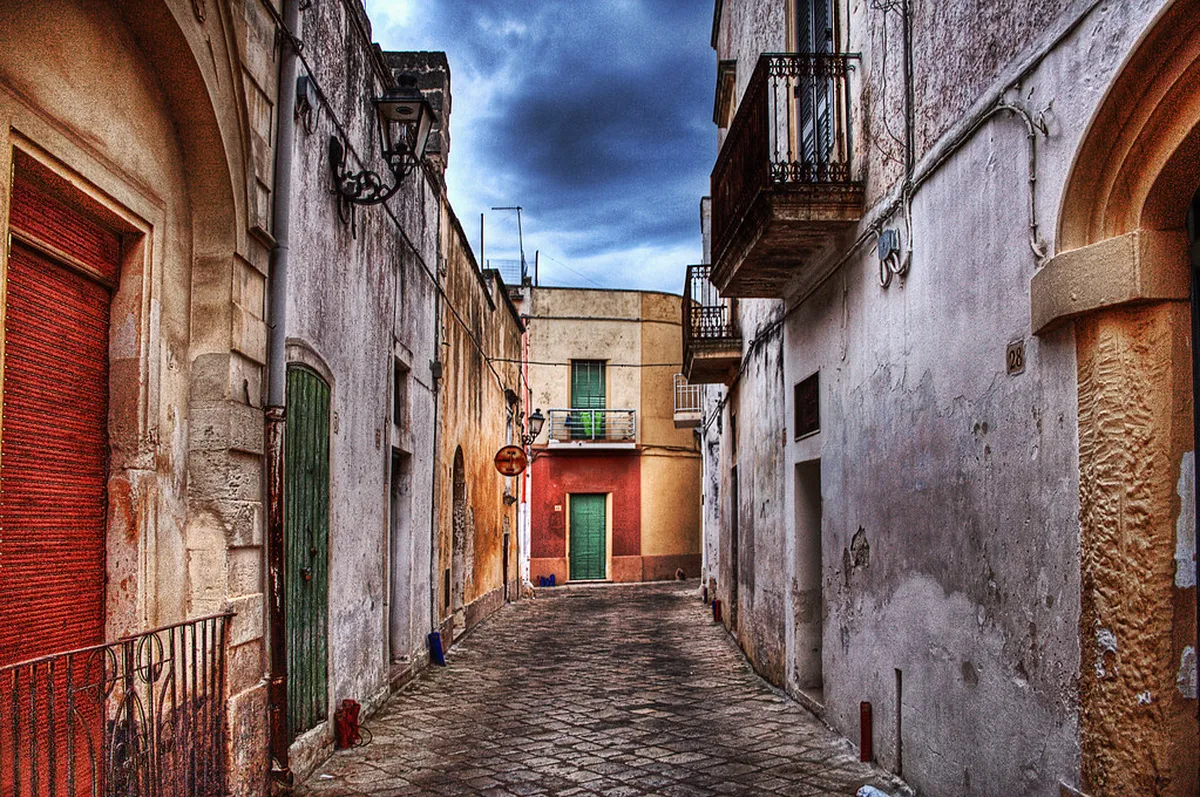
Many visitors feel pressured to buy the full multi-church ticket immediately upon arriving at the cathedral. If you are on a tight budget, viewing the facades of Santa Croce and San Matteo is often satisfying enough on its own. The exterior carvings are arguably more impressive than many of the interior chapels that require a paid entry.
Avoid the cafes directly on Piazza Sant'Oronzo for a full meal, as prices are significantly higher for the view. Walk just two blocks into the side streets to find local bakeries selling authentic rustico leccese for a few Euros. These small, independent shops offer a more genuine taste of the city at a fraction of the tourist-square cost.
How to Plan a Smooth Lecce Attractions Day
Starting your day early is the best way to enjoy the empty squares before the tour groups arrive at 10am. The morning light is particularly beautiful for photographing the Roman Amphitheatre and the city gates. Most shops and some smaller free sites will close between 1:30pm and 4:30pm for the traditional afternoon siesta.
During the hot afternoon hours, head to the Villa Comunale gardens or take a short trip to the coast. A Gems of the Salento coast day trip can be a great way to use your time when the city is quiet. Return to the historic center in the early evening when the locals emerge for the 'passeggiata' or evening stroll.
Parking for free is possible just outside the city walls, particularly near the university buildings on the west side. Always check the street signs for white lines, which indicate free parking, as blue lines require a paid ticket. Consult the ItalyWander blog for more tips on navigating Puglian cities without a car.
Local Food You Must Try in Lecce
No visit to Lecce is complete without a pasticciotto — a plump, oval shortcrust pastry shell packed with silky vanilla custard, always served warm. The treat was invented by accident in 1745 in nearby Galatina, where baker Nicola Ascalone mixed leftover scraps into what he called a pasticcio (a mess). Locals consider it breakfast food, so pair yours with a shot of espresso at around 08:00 before the queues form. Expect to pay €1.50–€2 at any good pasticceria; street-level bakeries two blocks off Piazza Sant'Oronzo charge far less than the tourist cafes on the square itself.
The second non-negotiable is caffè leccese — espresso poured directly over ice and sweetened with sciroppo di mandorla (almond syrup). It sounds simple, but the combination of bitter coffee, cold ice, and fragrant almond is uniquely refreshing in the Puglian heat. Most bars serve it for €1.50–€2. Ask for it by name; calling it "iced coffee" will get you something completely different. Both the pasticciotto and the caffè leccese are budget-friendly treats that define the Salento food culture better than any paid food tour.
If you want a heartier snack, look for rustico leccese — a flaky puff pastry parcel filled with béchamel, tomato, and mozzarella, sold hot from the oven at most rosticcerie for around €1.50. These three items together — pasticciotto, caffè leccese, rustico — constitute a Lecce street-food education for under €6 total in 2026.
Best Time to Visit Lecce
April through early June is the sweet spot for most travelers. Temperatures hover between 18°C and 26°C, the streets are alive with spring colour, and the worst summer crowds have not yet arrived. The Puglian sun is already strong enough to warm the limestone to its signature honey glow without making a midday walk genuinely unpleasant. Local restaurants and hotels are fully open from Easter onward, whereas a January visit can find some establishments shuttered until spring.
July and August bring intense heat — regularly above 35°C — and Lecce fills with both Italian holidaymakers and international tourists, especially during Ferragosto (the first two weeks of August). If summer is your only option, plan outdoor sightseeing before 10:00 and after 18:00, use the Villa Comunale gardens and church interiors as midday retreats, and book accommodation well in advance.
September and October offer a quieter version of the summer experience: the sea is at its warmest, evening temperatures are pleasant, and the city steps down from peak frenzy. November brings rain and a subdued atmosphere. December is underrated — Christmas light installations transform the Centro Storico and the weather stays mild by northern European standards, typically 10°C–15°C.
How to Get to Lecce
Lecce has no commercial airport of its own, so most international visitors fly into either Bari Karol Wojtyła Airport (roughly 2 hours by road) or Brindisi Airport (around 40 minutes by road or direct train). Brindisi is the more convenient gateway: regular trains on the Trenitalia regional line cover the 37 km in approximately 30–40 minutes and cost about €4–€6 one-way in 2026. A taxi from Brindisi airport to Lecce costs roughly €50–€60.
From further afield, Trenitalia's high-speed Frecciarossa service connects Roma Termini to Lecce in about 5.5 hours, with four to six departures per day; advance tickets start from €25 but peak-season prices can be significantly higher. The private rail operator Italo also serves the route and is worth comparing for price. Travelling by train is the most stress-free option as Lecce's Centro Storico is a restricted traffic zone — parking is only possible in designated lots and on-street spaces (white lines = free; blue lines = paid) on the ring road just outside the walls.
If you are on a road trip through Puglia, Lecce sits at the very tip of the peninsula and works best as a two- or three-night base rather than a single-day detour. The A14 motorway connects the city northward to Taranto, Bari, and eventually the rest of Italy. Allow 2 hours from Bari by car and 40 minutes from Brindisi.
Free Beach Day Trip: How to Reach Punta Prosciutto and San Isidoro
Punta Prosciutto, roughly 55 km south of Lecce on the Ionian coast, is consistently rated among the finest free beaches in Salento — a long arc of fine white sand backed by low dunes, with shallow, impossibly turquoise water. San Isidoro, a few kilometres further south, offers a slightly quieter alternative with a small seasonal fishing village atmosphere. Both beaches have public access stretches with no fee; the lidos (private beach clubs) occupy only part of the shoreline.
Getting there without a car is possible but requires planning. The most practical public-transport route from Lecce is to take a Trenitalia regional train to Nardò (journey: approximately 35 minutes, from around €3) and then a local FSE bus toward Gallipoli that passes through the coastal zone — confirm the timetable at lecce.trenitalia.it or the Nardò bus terminus, as schedules change seasonally. In summer (June–September) the Salento bus network (STP Lecce) runs dedicated coastal shuttles; check stp.le.it for the current schedule and ticket prices (usually €1.50–€2 each way). Arrive before 10:00 on weekends in July and August to secure a free public-sand spot.
If you want beaches closer to the city, San Cataldo (15 minutes east by bus 32, €1.50) and Torre Chianca are fine for a quick dip, but neither matches the clarity of the Ionian-side beaches. The trade-off is obvious: San Cataldo costs almost nothing in time and money; Punta Prosciutto rewards an earlier start with significantly more spectacular scenery.
Where to Stay in Lecce on a Budget
Staying inside the Centro Storico puts you within walking distance of every free sight in this guide, which removes any transport cost. The historic core is divided into micro-neighbourhoods with very different atmospheres: the streets immediately around Basilica di Santa Croce and Piazza Sant'Oronzo are vibrant until late; the lanes behind the Carmine church (Chiesa del Carmine) are quieter and darker at night but still perfectly central. Budget travelers often find better-value rooms in the area around Piazza Mazzini, just inside the walls, or in the streets immediately outside Porta Napoli — popular with university students and generally livelier.
Mid-range boutique B&Bs and restored palazzi rooms regularly appear on Booking.com for €80–€130 per night for a double in shoulder season; peak July–August prices can double. At the luxury end, properties like Palazzo Bozzi Corso (from around €400 per night) or Palazzo de Noha (from around €250 per night) offer the full restored-palazzo experience with rooftop terraces. For budget-first travelers, searching for affittacamere (licensed rooms-to-rent) in the old town yields genuinely affordable options from €50–€70 per night.
Wherever you stay, prioritise air conditioning if visiting between June and September — the stone buildings retain heat overnight and a fan alone is rarely sufficient. A central location also lets you take full advantage of the passeggiata culture: stepping out after 20:00 to join locals on their evening stroll through the lit Baroque streets costs nothing and is, without question, the best free experience Lecce offers.
Frequently Asked Questions
Is the Lecce Cathedral free to enter?
Entering the cathedral requires a ticket as part of the LeccEcclesiae circuit, which costs about €9. However, the Piazza del Duomo itself is free to enter and enjoy at any time.
What are the best free beaches near Lecce?
San Cataldo and Torre Chianca are the closest free public beaches, easily reached by local bus. These spots offer clear water and sandy shores without the high cost of private beach clubs.
Can you see the Roman Amphitheatre without a ticket?
Yes, the Roman Amphitheatre is located below street level in Piazza Sant'Oronzo and is fully visible from the public sidewalk. You do not need a ticket to admire the ancient architecture from above.
Lecce proves that you do not need a large budget to experience the height of Italian culture and history. From the intricate stone carvings of the Basilica to the ancient ruins of the Roman era, the city's best features are open to everyone. By focusing on these free activities, you can save your Euros for a delicious pasticciotto and a glass of local Salice Salentino wine.
We hope this guide helps you navigate the golden streets with ease and discover the magic of the Salento region. The beauty of the Baroque city is waiting for you, regardless of your travel budget or itinerary length.
You might also like



Continue reading
More guides you'll find useful