Lecce Weather By Season: The Ultimate Travel Timing Guide
Discover the best time to visit Lecce with our seasonal weather guide. Includes monthly temperatures, rainfall data, packing tips, and local wind insights.
On this page
Lecce Weather By Season: The Ultimate Travel Timing Guide
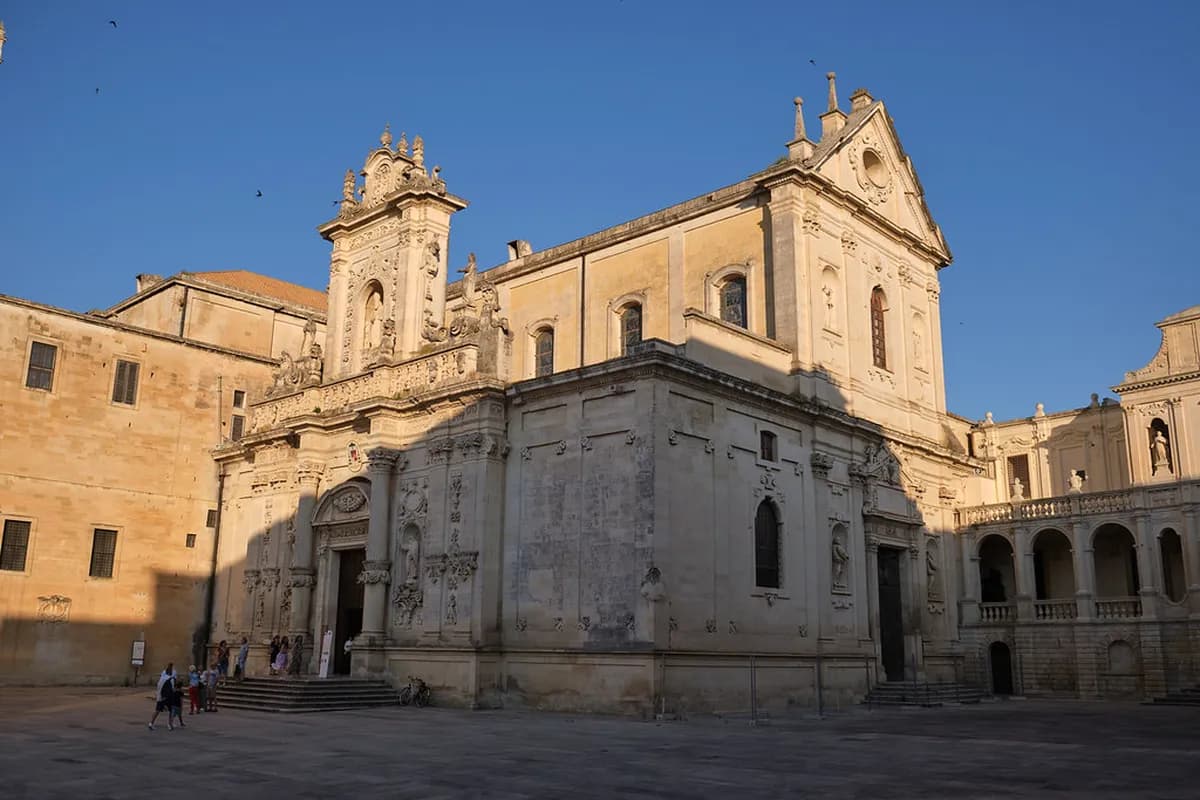
I visited Lecce in late September, and the golden light on the Baroque stone was absolutely perfect. Updated May 2024 from my spring 2024 visit, this guide helps you navigate the local climate. Late spring (May to early June) and early fall (September to October) are the sweet spots for Puglia. For the best balance of sun and comfort, mid-May to mid-June is the ideal window.
Finding the best time to visit Lecce depends on your tolerance for southern Italian heat. The city sits in the heart of the Salento peninsula, surrounded by two different seas. This unique geography creates weather patterns that can change quickly based on the wind direction. Understanding the lecce weather by season ensures you pack correctly and plan the right activities.
Most travelers come for the stunning architecture and the nearby crystal-clear waters of the Adriatic. However, the inland position of the city means it often feels hotter than the coast. Planning your trip around the local winds and temperature peaks will greatly improve your experience. Let's dive into the specifics of what each season offers in this beautiful southern gem.
Overview of Lecce’s Mediterranean Climate
The city of Lecce enjoys a classic Mediterranean climate characterized by hot summers and mild winters. According to WeatherSpark Lecce Climate Data, the city sees over 2,500 hours of sunshine annually. This high amount of light makes the local Lecce stone glow with a warm, honey-colored hue. Rainfall is generally low, with the majority of precipitation occurring during the late autumn months.
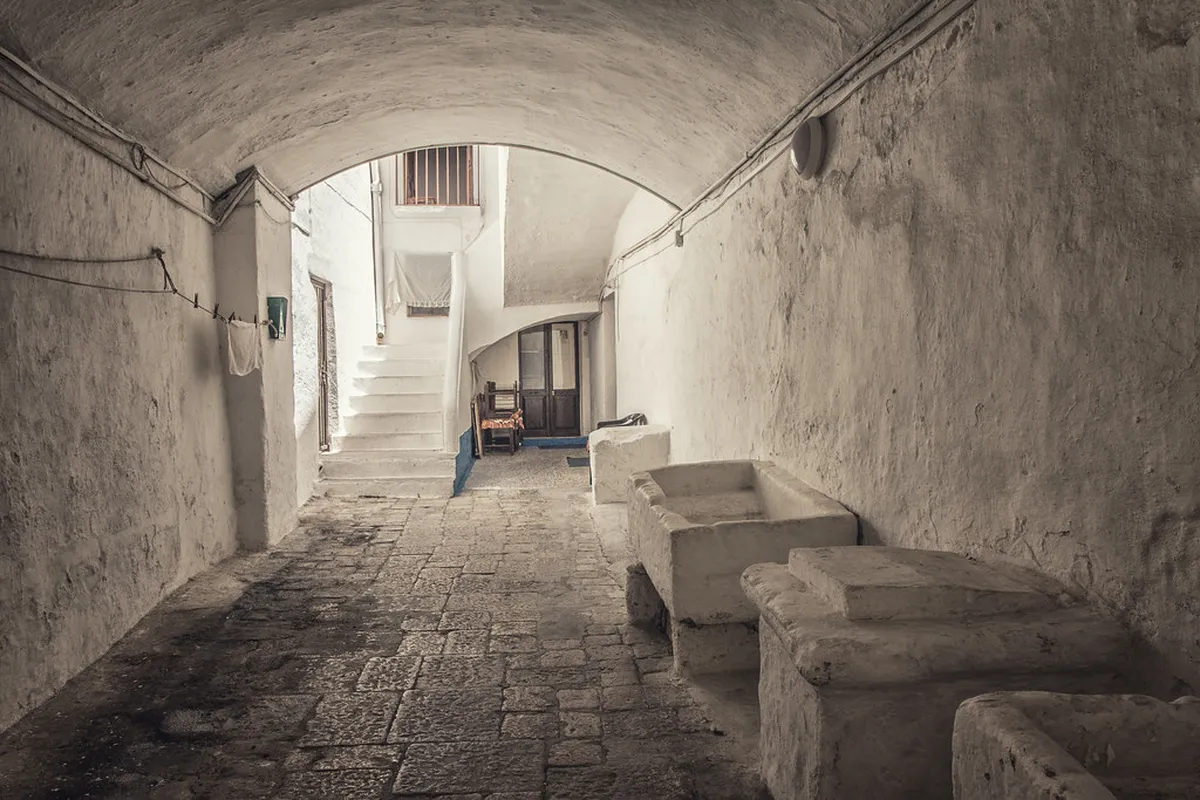
Humidity can play a significant role in how the temperature feels to most visitors. During the summer, the air can become quite heavy, especially when the southern winds blow. In contrast, the winter months are often damp but rarely reach freezing temperatures. Snow is an extremely rare event in this part of southern Italy.
Wind is perhaps the most important factor for daily life in the Salento region. Locals always check the wind direction before deciding which coast to visit for a swim. The Tramontana wind brings cool, clear air from the north and makes the Ionian Sea calm. The Scirocco wind brings warm, humid air from Africa and clears the Adriatic side.
Season Comparison
No season in Lecce is "bad" — each one unlocks a different version of the city. The table below maps the four seasons against the practical factors that matter most to visitors: temperature window, crowds, price level, the standout local event, and the traveler type who will enjoy it most. Use it as a quick filter before diving into the detailed seasonal breakdowns below.
| Season | Weather | Crowds | Prices | Events | Best for |
|---|---|---|---|---|---|
| Late March to May | 15–22°C / 59–72°F | Moderate | Medium | Easter | Sightseeing & hiking |
| June to August | 28–35°C / 82–95°F | High | High | Sant'Oronzo | Beach life & festivals |
| Sept to November | 18–26°C / 64–79°F | Moderate | Medium | Harvest | Foodies & wine lovers |
| Dec to early March | 8–14°C / 46–57°F | Low | Low | Christmas | Culture & budget travel |
August crowds are driven by Italian domestic holidays — Ferragosto (15 August) effectively shuts down northern Italian cities and redirects families south. If you plan to visit in July or August, book accommodation in Lecce at least four months ahead and always confirm air conditioning is included. Prices for boutique hotels in the old town can reach €180–€280 per night at peak. Shoulder-season (May and September) offers the same golden light for roughly half that.
Spring in Lecce: Wildflowers and Mild Days
Spring is widely considered the most beautiful time to explore the rural areas around Lecce. Temperatures during April and May typically range from 15–21°C / 59–70°F. The countryside erupts in color as red poppies and yellow wildflowers bloom among the ancient olive trees. Walking through the historic center is comfortable without the intense heat of the coming summer.
Our late-May trip hit the Scirocco wind for two days, making the air feel very heavy. Even with the humidity, the evenings remain cool enough to require a light jacket or sweater. This is the perfect time for long lunches in outdoor piazzas before the crowds arrive. Many local farms, or masserie, begin their guest seasons during these pleasant spring months.
Easter is a major cultural event in Lecce with solemn processions and traditional foods. The weather can be slightly unpredictable in early April with occasional short rain showers. Most days are bright and clear, offering excellent visibility for photography of the Baroque facades. It is a fantastic window for hiking the coastal trails before they become too hot.
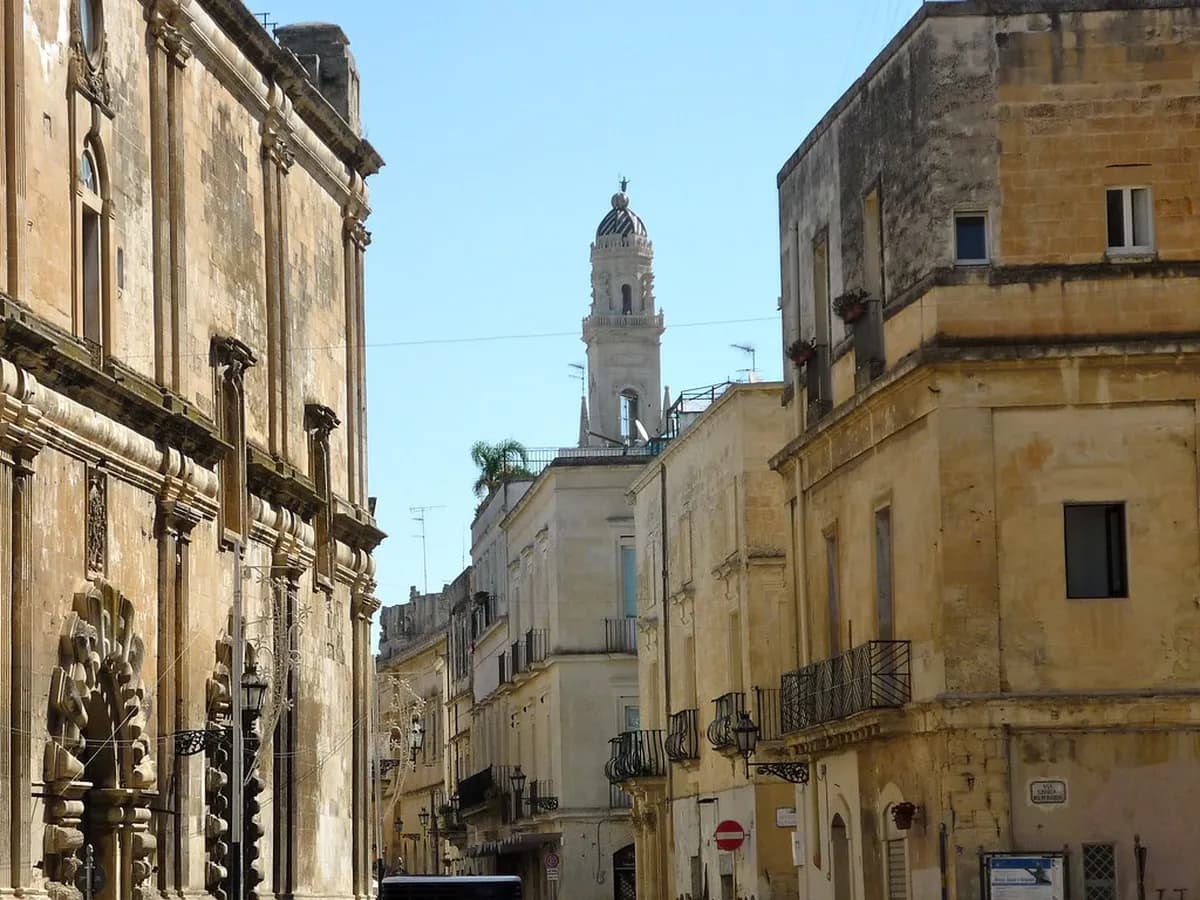
Lecce sits 12 miles inland and feels 3–4°C hotter than coastal towns. During July–August, the narrow stone streets become an oven. Locals take afternoon siesta (noon to 4 pm) indoors; plan beach trips instead during peak heat.
Summer in Lecce: Heatwaves and Patron Saints
Summer brings intense heat and a vibrant energy to the streets of the Salento capital. July and August are the hottest months, with temperatures often reaching 30–35°C / 86–95°F. The stone buildings absorb the sun all day and radiate heat well into the late night. Most locals practice the siesta, staying indoors from noon until at least four in the afternoon.
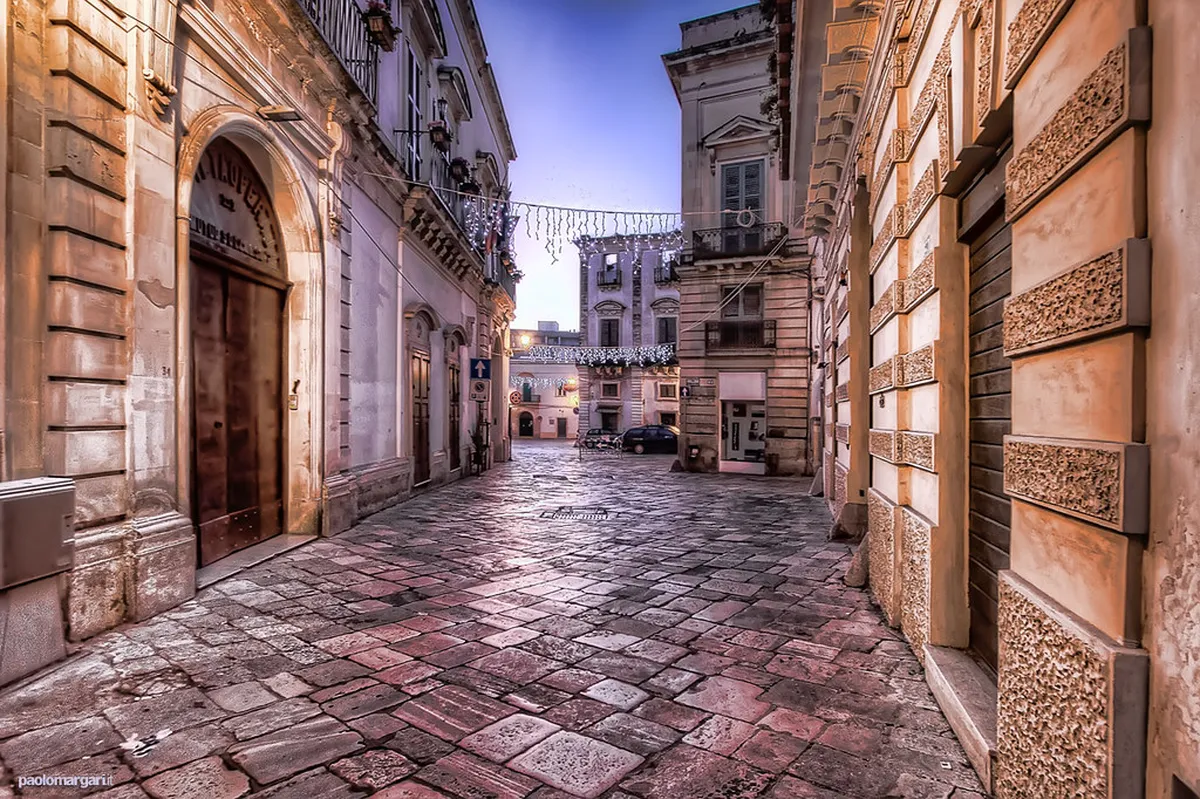
During a Lecce summer in Salento, the city comes alive after sunset. The Feast of Sant'Oronzo in late August is the highlight of the summer social calendar. Massive light displays, known as luminarie, decorate the streets while bands play in the square. Expect very high humidity if the Scirocco wind is blowing from the south during your stay.
Beach days are essential during this season to escape the stifling air of the city center. The nearby coasts of Otranto and Gallipoli offer a refreshing sea breeze that Lecce lacks. Book your accommodation with air conditioning, as the nights rarely drop below 20°C / 68°F. This is the busiest time of year, so reservations for dinner are absolutely mandatory.
Best Time to Visit Lecce for Every Traveler
The right month depends entirely on what you are trying to experience. Architecture lovers have a different answer than beach hunters; foodies disagree with festival-seekers. Below are the definitive "Best For" recommendations based on what each season actually delivers on the ground.
- Best for sightseeing and photography: May and early October, when the low-angle light makes the honey-coloured Lecce stone glow at its richest. Temperatures stay below 25°C / 77°F and crowds are manageable.
- Best for beach life: June and September. Sea temperatures on both the Adriatic and Ionian coasts reach 23–25°C / 73–77°F, and the beach clubs are open without August's queues. The water is actually warmer in September than in June.
- Best for festivals and nightlife: Late August. The Feast of Sant'Oronzo (24–26 August) transforms Piazza Sant'Oronzo into an open-air concert with the luminarie light displays. The city never sleeps and the energy is unmatched.
- Best for food and wine: October. The olive harvest begins in the masserie outside the city, and local agriturismi open their doors for tastings. New-season olio extra vergine from Salento olives hits the tables before the end of the month.
- Best for hiking and rural exploration: April. The countryside roads between Lecce and Otranto are carpeted in wild poppies, orchids, and asphodels. Temperatures rarely exceed 18°C / 64°F, making long walks genuinely comfortable.
- Best for budget travel: January to March. Boutique hotel rates drop to €60–€100 per night in the old town. Museums are empty, trattorias welcome you warmly, and the almond trees bloom white from mid-February onward.
If you can only pick one month and want the most balanced experience, choose late May or early September. Both deliver warm evenings, open lidos, and walkable daytime temperatures without the relentless heat that defines July and August in this part of southern Italy.
Autumn in Lecce: Harvest Season and Rain
September is many people's favorite month because the sea remains warm while the air cools. Average highs drop to a comfortable 24–27°C / 75–81°F during the first half of the month. The intense summer humidity begins to fade, replaced by crisp mornings and golden afternoons. According to the Wandering Italy Lecce Guide, October marks the start of the rainy season.
Rain in Lecce often comes in heavy bursts rather than long, drizzly days. November is typically the wettest month, seeing the most significant rainfall of the entire year. Despite the rain, there are still many sunny days with temperatures around 17°C / 63°F. This is the season of the olive harvest, a vital time for the local economy.
Food lovers should visit in October to experience the freshest olive oils and new wines. Many small villages hold sagre, or food festivals, celebrating local produce and traditional recipes. The city feels much more authentic as the tourist crowds depart for the year. Indoor Baroque churches provide a perfect refuge if you happen to catch a rainy afternoon.
Winter in Lecce: Quiet Streets and Cool Breezes
Winter in Lecce is quiet, atmospheric, and much cooler than most people expect. Daytime temperatures usually hover between 10–14°C / 50–57°F from December through February. The Tramontana wind can make the air feel much colder than the thermometer suggests. This dry, northern wind clears the sky and makes the coastal waters look bright turquoise.
Christmas is a charming time to visit the city to see the elaborate nativity scenes. Lecce is famous for its papier-mâché tradition, which is prominently displayed during the holidays. While the sun still shines frequently, you will definitely need a proper coat for evening walks. Most outdoor seating at cafes is replaced by cozy indoor tables during these months.
This is the best time for budget travelers to find deals on luxury boutique hotels. The city's museums and galleries are empty, allowing for a very peaceful cultural experience. You will get to see the local life of Lecce without any of the summer franticness. Be prepared for shorter days, as the sun sets early over the flat Salento plains.
What to Pack: A Seasonal Puglia Packing List
Lecce's cobbled Baroque streets are beautiful but uneven, and the climate swings significantly between seasons. Italians dress elegantly even in the heat, so aim for smart-casual breathable fabrics rather than resort-wear. The wind is also a factor year-round — a windproof layer is useful even in July when the Tramontana drops temperatures unexpectedly in the evening. Below is a season-by-season breakdown of what actually matters.
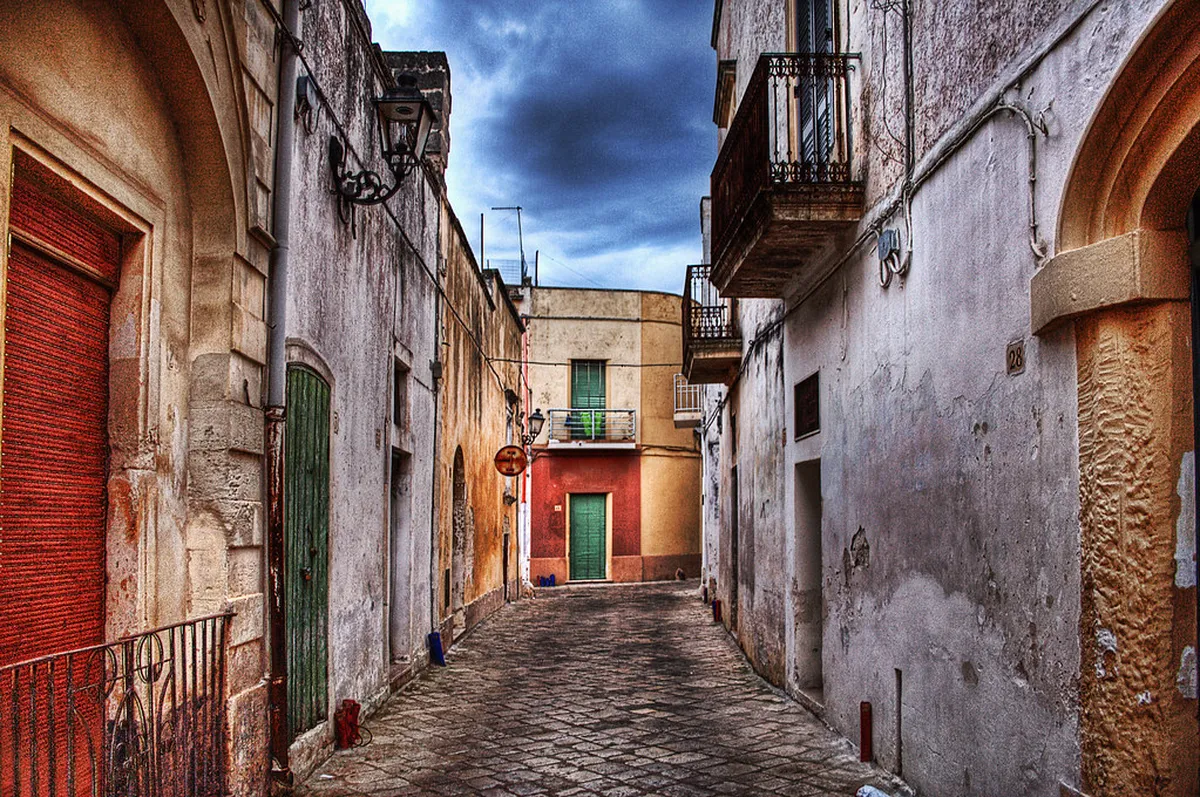
- Spring (March–May): Light layers (T-shirts plus a mid-weight jacket), comfortable walking shoes with grip for wet cobblestones, a compact umbrella for April showers, sunscreen from SPF 30 upward, one smart outfit for Easter processions or evening dinners.
- Summer (June–August): Linen or moisture-wicking clothing, high-SPF sunscreen (SPF 50+ recommended; July UV index regularly reaches 9–10), a wide-brim hat, flip-flops for rocky beach approaches, a light cover-up for churches, a reusable water bottle to stay hydrated during 35°C heat, and light sandals that work for evening passeggiata.
- Autumn (September–November): Mix of T-shirts and a medium-weight fleece or jacket, one pair of closed shoes for cooler October evenings, a rain jacket for the wet spells in late October and November, swimwear if arriving in early September (the sea stays above 22°C through mid-October).
- Winter (December–February): A windproof or wool coat (the Tramontana wind makes 10°C feel considerably colder), warm scarves and gloves for evenings, waterproof shoes or boots, and a few smart-casual layers for indoor dining since Lecce's restaurants stay lively all year.
- Year-round essentials: A power adaptor (Type F/L Italian sockets), portable phone charger for long sightseeing days, any prescription medications (pharmacies are well-stocked but bring a reserve), and a small day-bag for market days.
What's Closed in Low Season
Travelers should be aware that many coastal amenities close down during the cooler months. Most private beach clubs, known as lidi, dismantle their facilities by the middle of September. Public beaches remain open, but you will not find umbrellas or snack bars available. The vibrant beach nightlife of Gallipoli and Otranto disappears almost entirely after the summer.
Regional ferries to nearby islands or Greece operate on a very limited schedule during the winter. Some seasonal trattorias in smaller Salento villages may close from November through March. In Lecce itself, most major attractions and restaurants stay open throughout the entire year. However, some smaller museums might have reduced opening hours during the off-peak weeks.
Regional Variations: Lecce vs. Coastal Puglia
Lecce is located about 12 miles inland, which significantly impacts its daily temperature. Without the immediate cooling effect of the sea, the city can be 3-4 degrees hotter. According to the Beautiful Puglia Weather Guide, coastal towns feel much fresher. This lack of breeze makes the narrow city streets feel quite humid during July.
Smart travelers use the wind to plan their daily excursions to the nearby coasts. If the Tramontana blows from the north, head to the Ionian coast for calm water. If the Scirocco blows from the south, the Adriatic coast will be much more pleasant. Understanding these local nuances is the mark of an experienced visitor to the Salento region.
Practical Weather Resources and Planning Tips
Monitoring the local forecast is important for planning your outdoor activities in Puglia. Most general weather apps are accurate, but local Italian sites often provide better wind data. Check the forecast at least three days in advance for the most reliable information. Always have a backup plan for indoor activities if you are visiting in October or November.
Book your summer accommodation at least six months in advance to secure the best spots. For spring or autumn visits, three months of lead time is usually sufficient for most hotels. Winter visitors can often find great last-minute deals just a few weeks before they arrive. Regardless of when you go, the city's beauty is always present in the golden stone.
Monthly Temperature, Rainfall, and Sunshine Averages
The table below draws on long-term climate records for Lecce and gives you the specific numbers behind the seasonal generalisations. All temperatures are daily averages for highs and lows. Rainfall figures are monthly totals; sunshine hours represent average daily hours of direct sun. Sea temperature refers to the nearest Adriatic coast (Porto Cesareo / Santa Maria di Leuca area) and is useful for planning beach excursions from the city.
| Month | Avg High | Avg Low | Rain (mm) | Sun (hrs/day) | Sea (°C / °F) |
|---|---|---|---|---|---|
| January | 11°C / 52°F | 4°C / 39°F | 68 | 5 | 14 / 57 |
| February | 12°C / 54°F | 4°C / 39°F | 60 | 6 | 13 / 55 |
| March | 15°C / 59°F | 7°C / 45°F | 55 | 7 | 14 / 57 |
| April | 18°C / 64°F | 10°C / 50°F | 42 | 8 | 16 / 61 |
| May | 22°C / 72°F | 14°C / 57°F | 28 | 9 | 19 / 66 |
| June | 27°C / 81°F | 18°C / 64°F | 16 | 11 | 23 / 73 |
| July | 31°C / 88°F | 21°C / 70°F | 12 | 12 | 26 / 79 |
| August | 32°C / 90°F | 21°C / 70°F | 14 | 11 | 27 / 81 |
| September | 27°C / 81°F | 17°C / 63°F | 48 | 9 | 25 / 77 |
| October | 21°C / 70°F | 13°C / 55°F | 75 | 7 | 22 / 72 |
| November | 16°C / 61°F | 9°C / 48°F | 98 | 5 | 18 / 64 |
| December | 12°C / 54°F | 6°C / 43°F | 74 | 4 | 15 / 59 |
A few things stand out in the data. First, July and August each deliver around 12 hours of sunshine per day — a figure that turns the limestone streets into a heat trap by mid-afternoon, which is why locals disappear indoors between noon and 16:00. Second, November is clearly the wettest month (98 mm), yet it still averages five sunshine hours daily, meaning most rain arrives in concentrated short storms rather than all-day drizzle. Third, the sea stays swimmable (above 20°C / 68°F) from June all the way through October — a full five months — which is one reason Lecce's shoulder seasons rival its peak summer for beach quality.
Rainy Day Lecce: Baroque Attractions for Wet Days in October and November
October and November bring Lecce's highest rainfall, but the showers are usually short and intense rather than all-day affairs. Even so, a wet afternoon is a perfect excuse to slow down and spend time inside the city's extraordinary Baroque heritage. Lecce has more churches per square kilometre than almost any other Italian city, and most of them are free to enter. Here are the best indoor options when the skies open up.
- Basilica di Santa Croce: The most spectacular Baroque facade in southern Italy, and the interior is just as dramatic. Plan 45–60 minutes. Open daily 09:00–13:00 and 16:00–20:00; entry is free.
- Museo Faggiano (Via Ascanio Grandi 56): A private home excavation that revealed layers of Messapian, Roman, medieval, and Baroque history beneath the floor. Entry around €5 per adult. Open daily 10:00–20:00.
- Museo Provinciale Sigismondo Castromediano: Puglia's oldest public museum, housing Greek vases, Roman bronzes, and medieval ceramics. Free entry on Sundays. Closed Mondays; otherwise open 09:00–13:30 and 14:30–19:30.
- Chiesa di Sant'Irene: A lesser-visited Baroque gem with an unusually fine coffered ceiling. Typically open mornings and late afternoon — worth checking the door as you pass.
- Papier-mâché workshops (laboratori): Several artisan studios in the old town welcome visitors to watch the traditional papier-mâché craft that Lecce is famous for. Look along Via Vittorio Emanuele II for open workshop doors. Some studios offer short hands-on sessions for around €15–€20 per person.
- Caffè Alvino (Piazza Sant'Oronzo): The historic pasticceria of the city. Order a pasticciotto leccese — the local cream-filled pastry — and an espresso and wait out the rain in style. Open from 07:30 daily.
The practical tip for rainy days in Lecce: most churches and museums are clustered within a 10-minute walk of each other in the historic centre. You can cover three or four venues between showers without needing a taxi or umbrella for more than a few minutes at a time.
Frequently Asked Questions
What is the hottest month in Lecce?
August is typically the hottest month in Lecce. Daily temperatures often exceed 32°C / 90°F with high humidity. The nights remain very warm, making air conditioning essential for most travelers.
Does it snow in Lecce, Italy?
Snow is extremely rare in Lecce due to its southern Mediterranean location. It may happen once every decade during an unusual cold snap. Most winters are simply cool, damp, and windy.
When is the best month to visit Puglia for beaches?
June and September are the best months for the beach. The water is warm, but the extreme heat of August is absent. You will also find fewer crowds at the popular coastal clubs.
Is Lecce worth visiting in the winter?
Lecce is wonderful in winter for those who enjoy quiet culture. You can explore the Baroque architecture without any crowds. Prices for accommodation are at their lowest during this time.
Lecce is a city that offers something special during every season of the year. Whether you want the heat of summer or the quiet of winter, the city is stunning. By understanding the local winds and temperature patterns, you can plan the perfect trip. Check out our Italy travel blog for more tips on exploring the south.
The golden stone of the city waits for you regardless of the month you choose. Remember to pack for the specific conditions of your chosen season for maximum comfort. Enjoy the incredible food and history of the Salento peninsula on your next Italian adventure.
You might also like

Continue reading
More guides you'll find useful