Lecce Travel Tips Travel Guide
Plan lecce travel tips with top picks, neighborhood context, timing tips, and practical booking advice for a smoother trip.
On this page
Lecce Travel Tips
Lecce is often called the Florence of the South because of its stunning Baroque architecture. This golden-hued city sits in the heart of the Salento peninsula in southern Italy. You will find intricate stone carvings and ancient ruins around every corner. These lecce travel tips will help you navigate the winding streets with ease.
The city is famous for its warm hospitality and delicious regional cuisine. Travelers come here to see the unique Lecce stone that glows under the Mediterranean sun. You can enjoy a mix of Roman history and vibrant modern life. It is a destination that rewards those who take the time to explore slowly.
Planning a trip to Puglia often starts with a visit to this historic capital. The atmosphere is more relaxed than in larger Italian cities like Rome or Milan. You can find many expert travel guides to help plan your broader Italian journey. Let us dive into the best ways to experience Lecce in 2026.
Key Takeaways
- Visit the Basilica di Santa Croce for the best Baroque art.
- Respect the afternoon siesta when most shops and sites close.
- Use a combined ticket to save money on major city attractions.
- Stay in the historic center to experience the city's evening charm.
Must-See Lecce Attractions
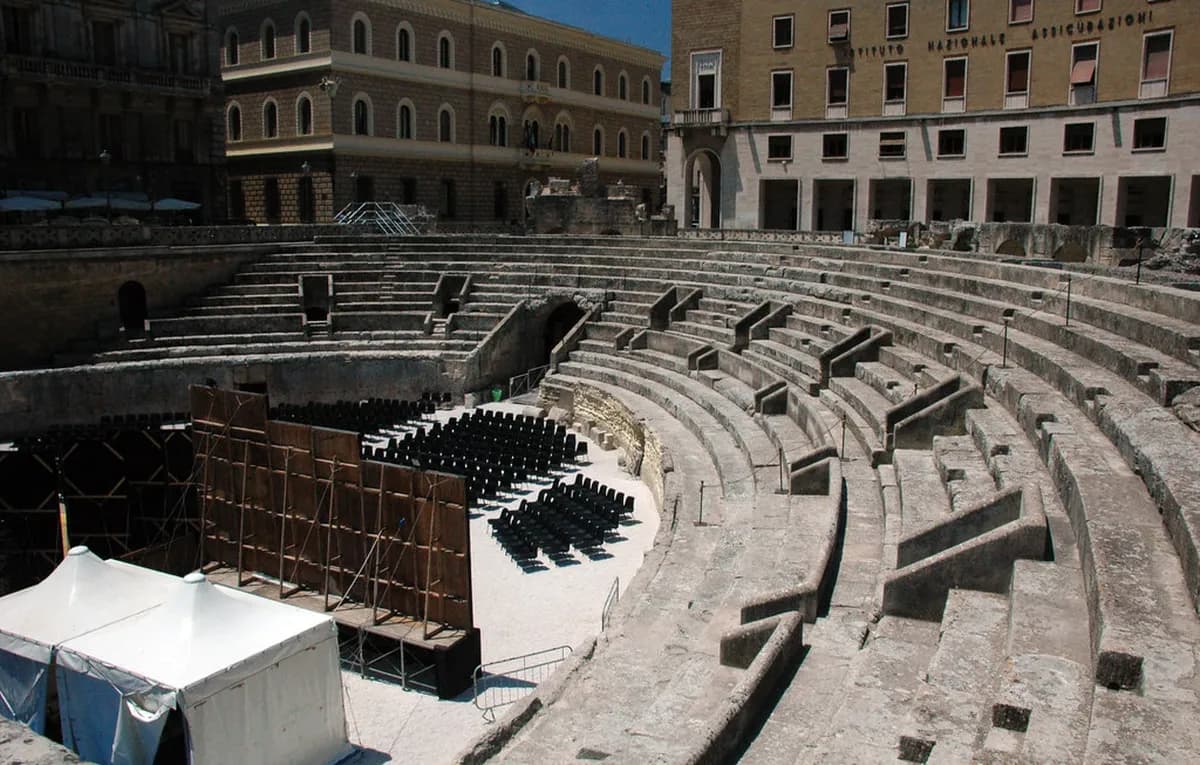
The historic center is the primary draw for most visitors to the city, and it rewards slow, purposeful wandering rather than map-dot jumping. Start at the Roman Amphitheatre in Piazza Sant'Oronzo. Built during Hadrian's reign in the 2nd century, it could hold at least 15,000 spectators and remained entirely hidden underground until workers uncovered it in 1901 while building a bank. Today most of the structure is still buried, but the horseshoe-shaped arena is clearly visible from the pedestrian street that runs through the square.
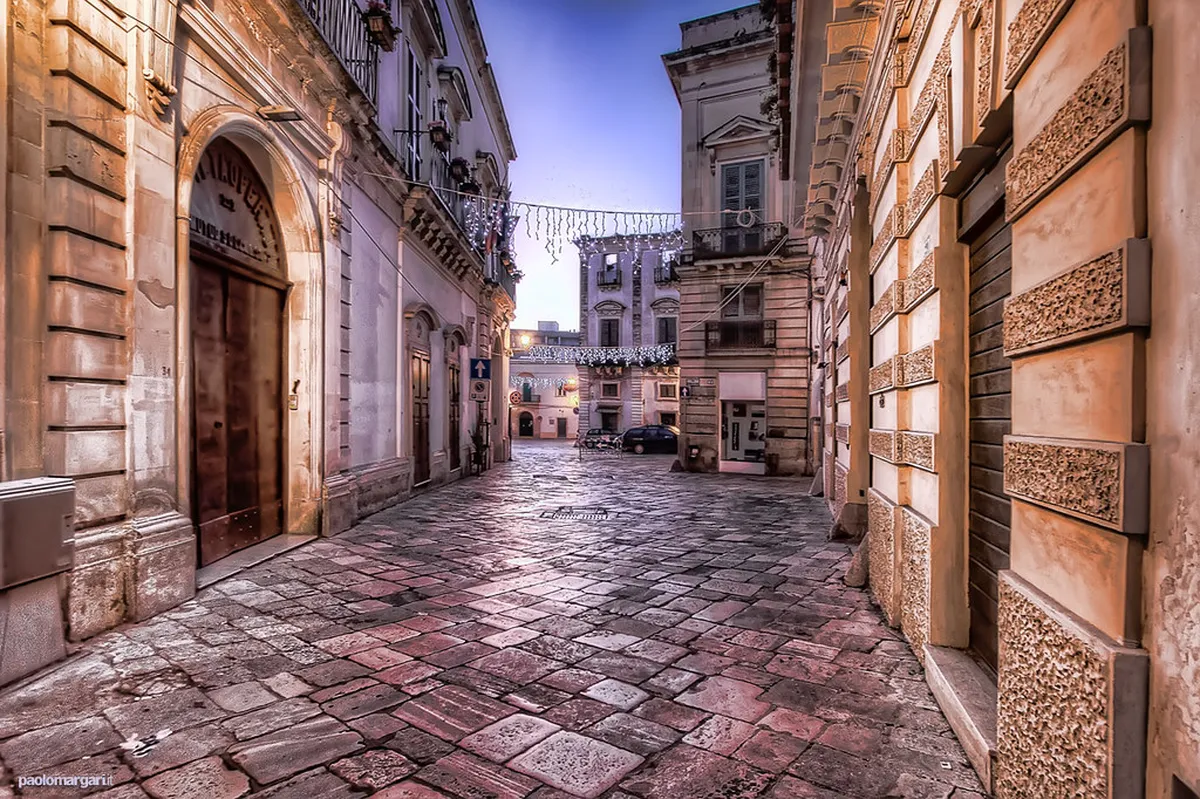
While you are in the square, consider also stopping at Castello Carlo V, the largest castle in Puglia. It began as a Norman stronghold in the 12th century before being expanded under Charles V into the heavy, bastioned fortress you see today. The interior now functions as a civic cultural space with temporary exhibitions. Standard tickets are around €10, with concession rates near €6 — check what is showing before you go, as the permanent spaces are fairly bare.
The winding streets around the centre are filled with small workshops where artisans carve Lecce stone, a local limestone so soft it can be shaped like wood. You can watch them create delicate figures and architectural details by hand. The stone hardens on exposure to air and gives the entire city its signature warm-honey glow when the light hits it at dusk.
Do not miss the chance to take a Lecce walking tour with Paolo for local insights. Having a guide helps you spot small details on the facades that most people miss. You will learn about the noble families who built these grand palaces. A guided walk ensures you see the most important landmarks in one afternoon.
Museums, Art, and Culture in Lecce
The Museo Faggiano is perhaps the most unique museum you will visit anywhere in Italy. It began in 2000 as a simple renovation job — a landlord trying to fix a leaking pipe before converting the building into a restaurant. What Luciano Faggiano found instead was a vertical timeline of Lecce's entire history: Messapian tombs, a Roman granary, Knights Templar engravings, a Franciscan chapel, and an emerald-encrusted gold bishop's ring. The restaurant never opened; the family turned the building into an independent museum instead. It is open 09:30–20:00 daily and costs €5 to enter. Follow the printed route guide — parts of the lower levels are cramped and atmospheric in equal measure.
MUST, the city's civic museum, is housed inside the beautifully restored 15th-century Monastery of Santa Chiara. It charts the history of Lecce from the Messapian age through to the 20th century and includes a small collection of modern and contemporary art. The rear windows offer an elevated view over the Roman Theatre that is genuinely worth the ticket price alone. Open Tuesday to Thursday 09:00–19:00, Fridays to Sundays until 20:00; tickets are €8 (concessions €6 or €3.50).
Two further museums round out a strong cultural itinerary. Fondazione Biscozzi Rimbaud, opened in 2018, showcases over 200 pieces of contemporary and modern art from leading regional artists alongside regular temporary exhibitions — open daily except Monday 16:00–19:00, admission €8. Museo Ebraico di Lecce tells the largely forgotten story of the city's expelled Jewish community through underground ruins of a synagogue, mikveh, and decorated doorways inside Palazzo Taurino; visits are by guided tour only, with options ranging from 20 minutes to three hours.
Check the local calendar for special events during your stay in the city. You can find more details about Lecce festivals and events to plan your timing. Seasonal celebrations often include music performances and traditional dances in the public squares. These events offer a deep look into the living culture of Salento.
Parks, Gardens, and Outdoor Spots in Lecce
The Villa Comunale is the most popular green space for locals and visitors alike. This public garden is located just outside the old city walls near the castle. You will find wide paths lined with statues of famous Italian figures. It is the perfect place to escape the heat of the midday sun.
The gardens feature a variety of Mediterranean plants and large shade trees. Children can enjoy the small play areas while parents rest on the many benches. You might even see local seniors gathering for a game of cards in the shade. It serves as a peaceful lungs for the busy urban center.
Evening strolls are a major part of life in this part of Italy. Locals take part in the traditional passeggiata along the main pedestrian streets. You can join the flow of people as they walk from the gates to the main squares. The outdoor atmosphere is lively and safe for everyone to enjoy.
Before you head out at night, you might ask is Lecce safe for late-night walks. The city is generally very welcoming and has a low crime rate for tourists. Staying in well-lit areas near the historic center is always a good practice. Most visitors feel very comfortable exploring the streets after dark.
Family-Friendly and Budget-Friendly Options in Lecce
Traveling with a family does not have to be expensive in this region. Many of the best sights are free to view from the outside. You can enjoy the incredible architecture just by walking through the different neighborhoods. The city is very walkable, which helps save on transportation costs.
Street food is a great way to eat well while keeping your budget in check. Try a rustico, which is a puff pastry filled with mozzarella and tomato. It is a local staple that costs very little and is quite filling. You can find these at almost every bakery and cafe in the center.
The public squares are natural playgrounds for children to run around safely. Piazza Sant'Oronzo is wide and open, making it a great spot for kids to burn energy. You can grab a gelato and sit on the steps to watch the world go by. It is a low-stress way to experience the local lifestyle.
- Traditional Pasticciotto Pastry
- Type: Sweet snack
- Best for: Breakfast
- Where: Local bakeries
- Cost: Under 2 Euros
- Public Water Fountains
- Type: Free water
- Best for: Hydration
- Where: City squares
- Cost: Free
- The City Gates
- Type: Historic site
- Best for: Photos
- Where: Old town borders
- Cost: Free
How to Plan a Smooth Lecce Attractions Day
Timing is everything when you are planning your day in southern Italy. Many shops and attractions close for a few hours in the afternoon for the siesta. This usually happens between 1:30 PM and 4:30 PM each day. Plan to have a long lunch or rest during these quieter hours.
Most major sites open around 9:00 AM for visitors. Early morning hours provide better light for photography and fewer crowds at popular churches.
Start your morning early to beat the crowds at the most popular churches. The light is also better for photography during the early morning hours. You can see the stone change color as the sun rises higher in the sky. Most major sites open around 9:00 AM for visitors.
Booking ahead is recommended for specific guided tours or popular restaurants. While you can wander freely, some experiences require a bit of advance planning. You might consider a Gems of the Salento coast day trip to see the nearby sea. These tours often fill up during the busy summer months.
Limestone streets are slippery and uneven. Flip-flops are not ideal for long walks on historic cobbles—wear sneakers or sturdy sandals to avoid discomfort.
Wear comfortable shoes because the limestone streets can be slippery and uneven. Flip-flops are not ideal for walking long distances on the historic cobbles. A good pair of sneakers or sturdy sandals will serve you much better. You will likely walk several miles without even realizing it.
Admire The Extravagant Basilica di Santa Croce
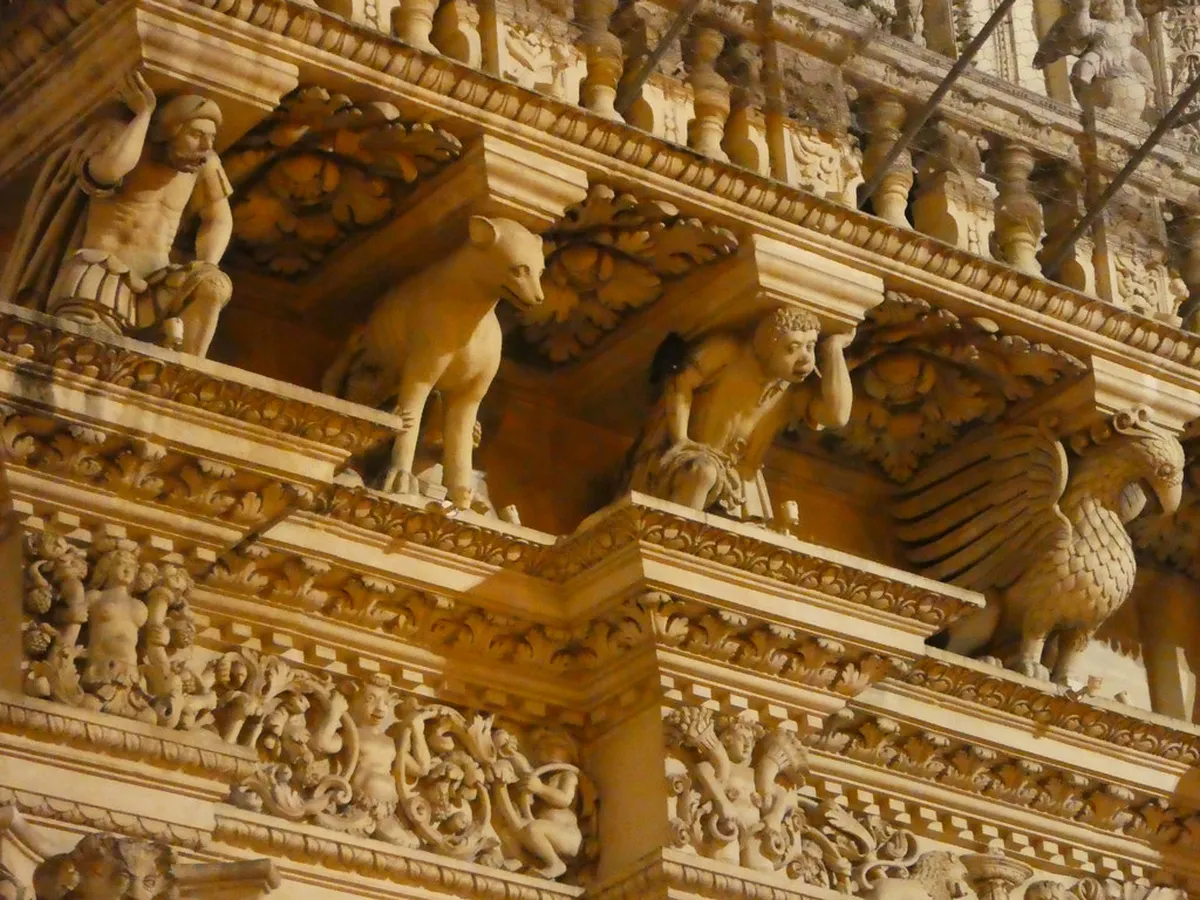
The Basilica di Santa Croce is the crown jewel of Lecce Baroque architecture. Its facade is famous for the incredible amount of detail carved into the stone. You can see lions, griffins, and cherubs decorating the different levels of the building. It took over a century to complete this masterpiece.
The large rose window is one of the most photographed spots in the entire city. It is surrounded by intricate floral patterns and figures that seem to come alive. You should take a moment to look closely at the lower columns as well. Every inch of the exterior tells a story from the past.
Inside, the church is just as impressive with its high ceilings and ornate altars. The wooden ceiling is carved with gold leaf details that catch the light beautifully. It offers a cool and quiet refuge from the bustling streets outside. Remember to dress modestly when entering any active place of worship.
For a unique stay nearby, look at the Baroque Light apartment for your trip. Staying close to the Basilica allows you to see it at different times of day. The stone looks particularly beautiful during the golden hour just before sunset. It is a sight you will never forget.
Be Amazed In Piazza Del Duomo
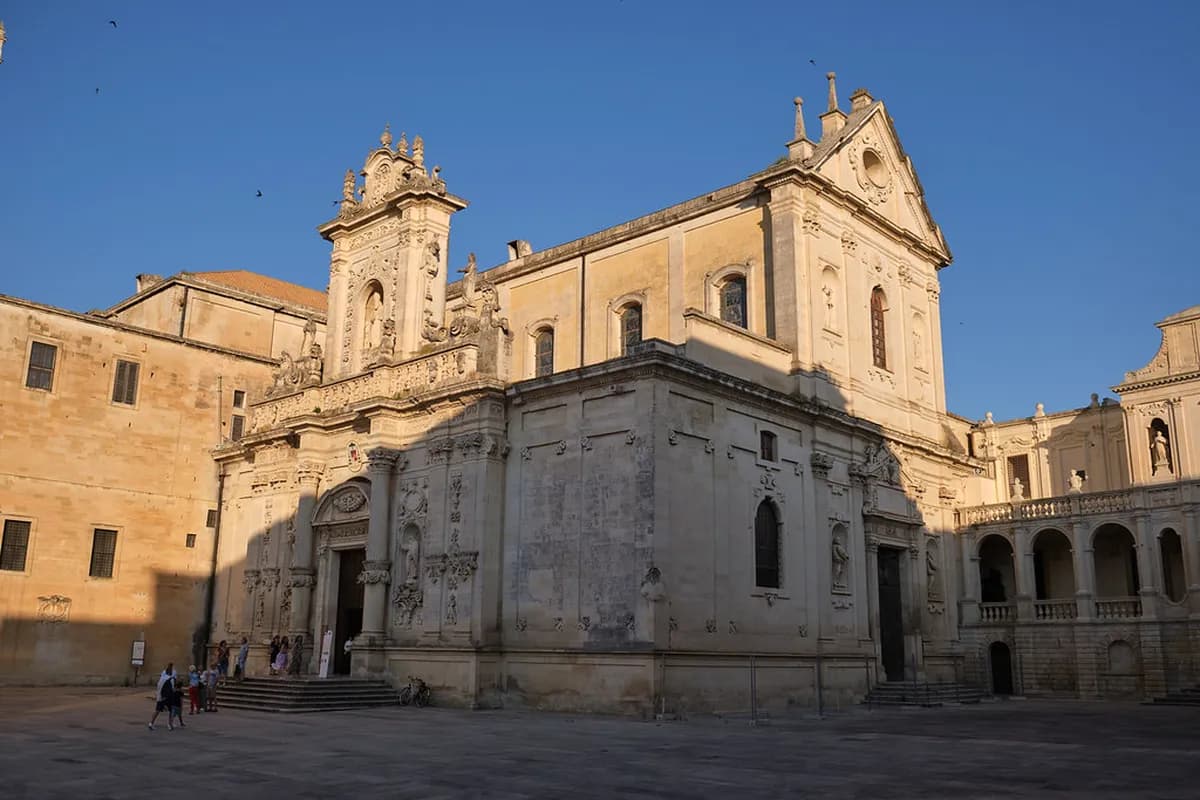
Piazza Del Duomo is unique because it is one of the few enclosed squares in Italy. It only has one main entrance, which makes it feel like an outdoor room. The space is surrounded by the Cathedral, the Bishop's Palace, and the Seminary. This layout creates a sense of grand harmony and peace.
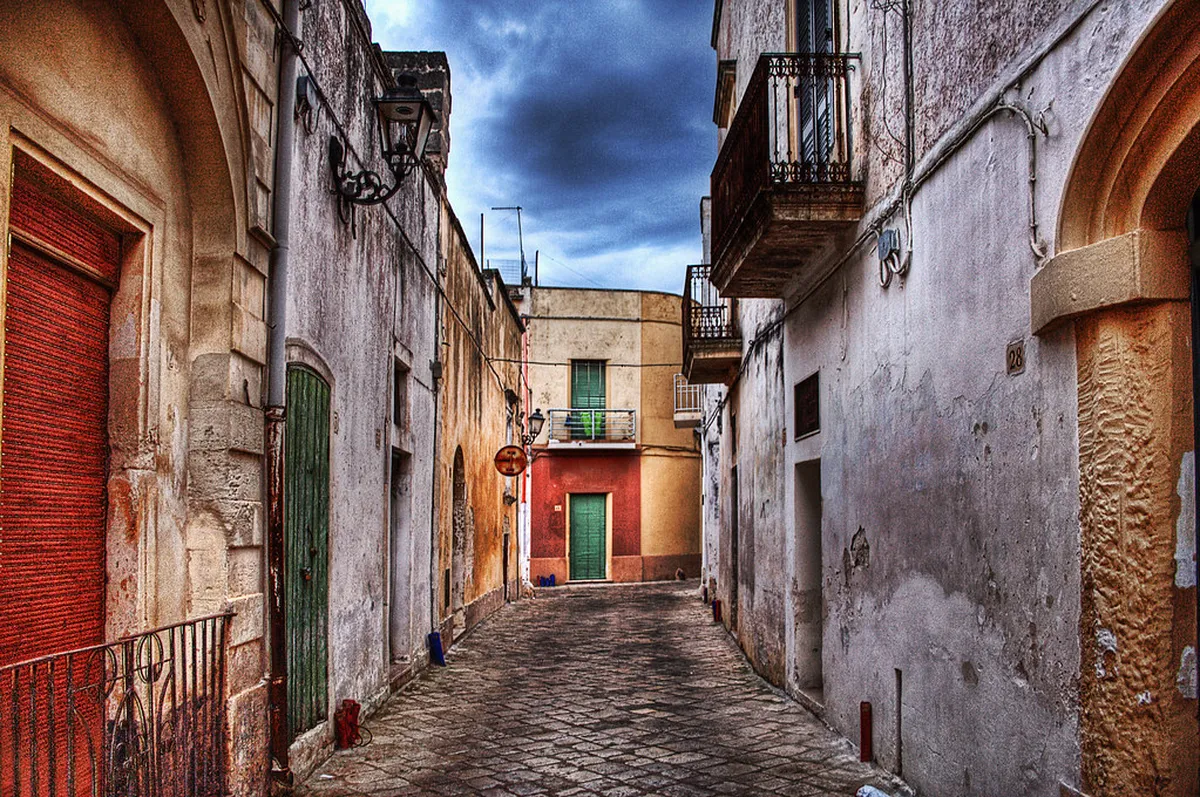
The Cathedral itself features two facades, though only one is the main entrance. This was designed so that visitors entering the square would always see a beautiful front. The bell tower stands tall over the square and can be seen from far away. It is one of the tallest structures in the region.
Visiting the square at night is a completely different experience than during the day. The buildings are illuminated with soft lights that highlight the stone carvings. It is much quieter in the evening and feels very magical. Many couples come here for a romantic walk after dinner.
You can find Charming Lecce's Heart nearby for a very central accommodation option. Being steps away from the Duomo means you can beat the tour groups in the morning. It is the perfect base for exploring the rest of the historic center. Enjoy the convenience of having world-class art right at your doorstep.
But Don’t Forget About The Roman Theatre
While the Amphitheatre is easy to find, the Roman Theatre is a hidden gem. It is tucked away behind modern buildings and requires a bit of searching. You can find the entrance on Via Arte della Cartapesta in the old town. It is much smaller and more intimate than the main arena.
The theatre was built during the 2nd century and could hold about 4,000 people. It was used for plays and musical performances rather than gladiator fights. Much of the seating area and the stage remains visible today. It provides a fascinating look at how the Romans enjoyed their leisure time.
There is a small museum attached to the site that displays artifacts found during excavations. You can see statues and everyday items used by the ancient residents of Lecce. It is rarely crowded, which allows for a very peaceful visit. Most people walk right past it without knowing it exists.
If you want to stay in this historic area, consider A terrace in the heart of Lecce for your visit. Having a view over the rooftops of the old town adds to the experience. You can easily walk to the theatre and other nearby ruins. It makes for a very authentic Italian holiday.
The LeccEcclesiae Combined Church Ticket
The most cost-effective way to visit Lecce's main religious monuments is the LeccEcclesiae combined ticket. It covers the Cathedral complex in Piazza Del Duomo (including the bell tower and treasury), the Basilica di Santa Croce with its adjacent Celestine Convent, and several other churches in the historic center. Buying the combined pass saves a significant amount compared to paying separate entry fees at each door. You can purchase it at the ticket desk inside the Cathedral or at the Basilica di Santa Croce.
The Roman Amphitheatre in Piazza Sant'Oronzo is largely free to view from the street-level walkway that passes through the square — no ticket needed for the exterior, which is the most impressive vantage point anyway. The Roman Theatre on Via Arte della Cartapesta charges €4 per adult to enter the site and attached museum; the external view from outside the gates is quite good if restoration works are ongoing and interior access is restricted, which has been the case intermittently in recent years.
Most of the city's Baroque churches charge no entry fee, though a small donation box is usually present at the door. Dress modestly — covered shoulders and knees — to avoid being turned away at the more active places of worship. Early morning visits (09:00–10:30) before tour groups arrive make a significant difference to the experience at both the Cathedral and the Basilica.
For a wonderful place to stay within easy reach of all these sites, check out this wonderful apartment in the center. It provides easy walking access to all the ticketed churches and main squares. Having a comfortable home base makes navigating the different sites across a couple of days straightforward.
Have Dinner At Alle due Corti
Alle due Corti is one of the most famous restaurants for authentic Salentine food. It focuses on traditional recipes that have been passed down through generations. The atmosphere is cozy and welcoming, making it feel like a local home. You will find many dishes that are unique to this specific part of Italy.
One of the signature dishes you must try is Ciceri e Tria. This is a pasta dish made with chickpeas and both boiled and fried noodles. The texture is very interesting and the flavor is deeply satisfying. It is a perfect example of the 'cucina povera' or peasant cooking of the region.
The restaurant is very popular, so making a reservation is highly recommended. You can often book a table a few days in advance to ensure you get a spot. It is located slightly away from the main tourist drag, which keeps it feeling local. The staff are usually happy to explain the menu in detail.
After a heavy meal, take a slow walk back to your room at Charming Lecce's Heart to digest. The city air at night is refreshing and perfect for a post-dinner stroll. Exploring the food scene is just as important as seeing the monuments. It completes your experience of the true Lecce lifestyle.
Walk Through The Ancient Portas
Very little of Lecce's original fortified walls survives, but three historic city gates still stand and each one is worth a deliberate visit rather than a passing glance. Porta Napoli, in the north of the historic center, is the grandest of the three. Built in 1548 to honor Emperor Charles V, it was modeled on a Roman triumphal arch with unmistakable Baroque ornamentation layered on top. A wide tree-lined avenue leads up to its entrance, making the approach as theatrical as the gate itself. This is the one most visitors photograph.
Porta Rudiae, to the southwest, is the oldest gate still standing. Much of the present structure was rebuilt in 1703 after the original collapsed, but the facades are decorated with carvings of local saints including Saint Oronzo, the patron and protector of the city. It receives far fewer visitors than Porta Napoli and the quieter street in front of it makes for a better photograph. Porta San Biagio, at the southernmost point of the historic center, is the least visited of the three and arguably the most beautiful. If you head there early in the morning, the small cafe directly in front of it is an excellent spot for a cappuccino and cornetto before the day begins.
All three gates are free to visit and are simply embedded in the streets of the center — no ticket, no queue, no set opening times. Allow around 20 to 30 minutes to walk between all three if you plan a dedicated gate loop, or fold them into a broader wander through the backstreets connecting them.
Local Food Worth Seeking Out
Lecce has a specific food identity that is distinct from the rest of Puglia, and understanding it before you arrive helps you make better choices. The pasticciotto is the defining local pastry — a crumbly shortcrust shell filled with silky custard, best eaten warm from the tray with a morning espresso. The recipe traces back to 1745 in the nearby town of Galatina, where a baker named Nicola Ascalone accidentally combined leftover shortcrust and custard. The mess — a pasticcio in Italian — turned out to be a success. In Lecce itself, the most respected address for pasticciotto is Natale Pasticceria, just off Piazza Sant'Oronzo. Expect to pay under €2 per pastry.
The rustico leccese is the savory counterpart: a double-layered puff pastry filled with mozzarella, tomato, and a whisper of nutmeg. It costs around €1.50 at any bakery in the center and is substantial enough to serve as a light lunch. Try it as a mid-morning snack to bridge the gap between breakfast and the long southern Italian lunch.
For something cold, caffè leccese — espresso poured over ice with sweet almond syrup — is the local afternoon drink. It sounds unusual but works extremely well in July or August when the heat is at its most intense. You will see it on the menu at almost every bar in the city center. Skip it in winter; it is unambiguously a hot-weather drink. For a full sit-down meal built around these culinary traditions, the reservation at Alle due Corti covered earlier in this guide remains the single most important booking you will make in Lecce.
Frequently Asked Questions
Which lecce travel tips options fit first-time visitors?
First-time visitors should focus on the historic center and the major Baroque churches. Walking is the best way to see the city, so bring comfortable shoes. You should also try local snacks like the pasticciotto and rustico early in your trip. Check is Lecce safe for more planning details.
How much time should you plan for lecce travel tips?
You should plan at least two to three days to see the main sights of Lecce. This allows you to explore the museums and churches without rushing. If you want to use the city as a base for day trips, stay for a full week. It is a great hub for Salento.
What should travelers avoid when planning lecce travel tips?
Avoid visiting during the hottest part of the day in July and August. Many things will be closed, and the heat can be very intense. Do not try to drive into the historic center, as there are strict traffic zones. Park outside the walls and walk in instead.
Is lecce travel tips worth including on a short itinerary?
Yes, even a single day in Lecce is worth the effort for the architecture alone. You can see the main squares and the Basilica in a few hours. It is a highlight of any trip to the Puglia region. The compact size makes it very efficient for short visits.
Lecce is a city that stays in your heart long after you leave its golden streets. From the Roman ruins to the Baroque masterpieces, there is something for every traveler. These lecce travel tips should provide a solid foundation for your upcoming Italian adventure.
Remember to slow down and enjoy the local pace of life while you are there. Savor the food, talk to the artisans, and wander the hidden alleys at night. The true magic of the city is found in its quiet moments and warm sun. We hope you have a wonderful journey to the Florence of the South.
Explore More: Lecce Travel Tips
Keep planning with these related guides.
You might also like


Continue reading
More guides you'll find useful