10 Best Things to Do While Staying in Lecce Centro Storico (2026)
Plan staying in lecce centro storico with our 2026 guide. Discover top Baroque sights, hidden gems, church ticket tips, and what to skip for a perfect trip.
On this page
10 Essential Things to Do When Staying in Lecce Centro Storico
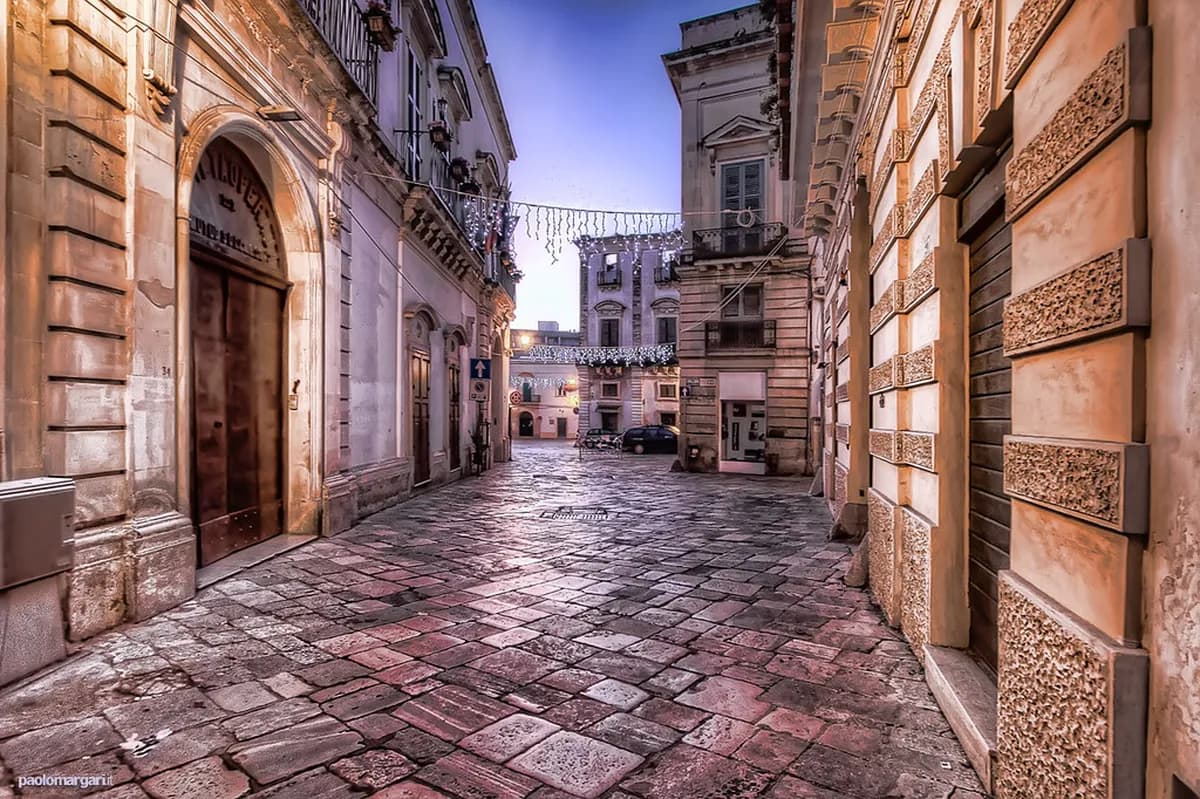
After my fourth visit to the Salento region, I realized that staying in Lecce centro storico is the only way to truly feel the city's pulse. The golden limestone buildings glow with a unique warmth as the sun sets over the narrow, winding alleys. Our editors have reviewed every corner of this Baroque masterpiece to ensure your 2026 trip is seamless and authentic. This guide reflects our most recent findings from a June return visit to the 'Florence of the South'.
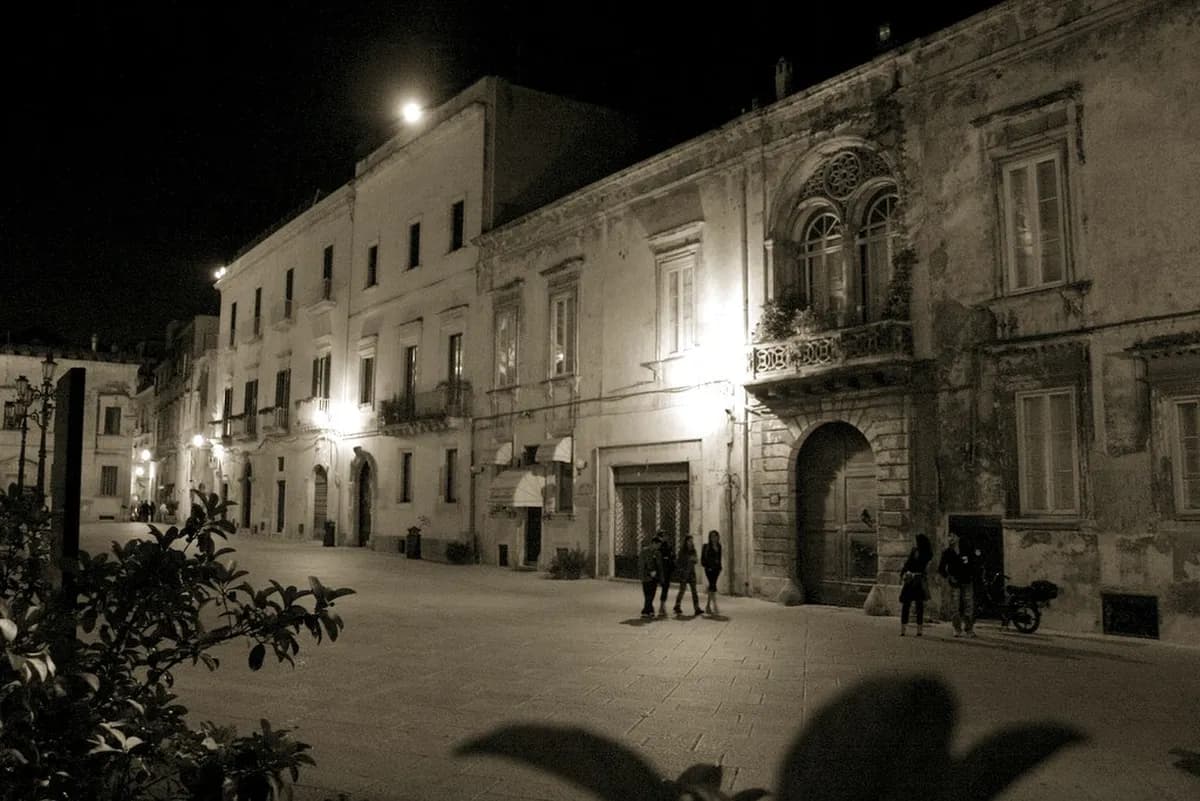
Lecce offers a dense concentration of history that requires a strategic approach to avoid the midday heat and heavy crowds. You will find that the best experiences often happen in the quiet moments between the morning espresso and the evening passeggiata. Whether you are here for the ornate churches or the rustic food, the historic center serves as the perfect home base. Check out our latest Puglia travel blog for deeper dives into the surrounding countryside.
10 Must-See Attractions While Staying in Lecce Centro Storico
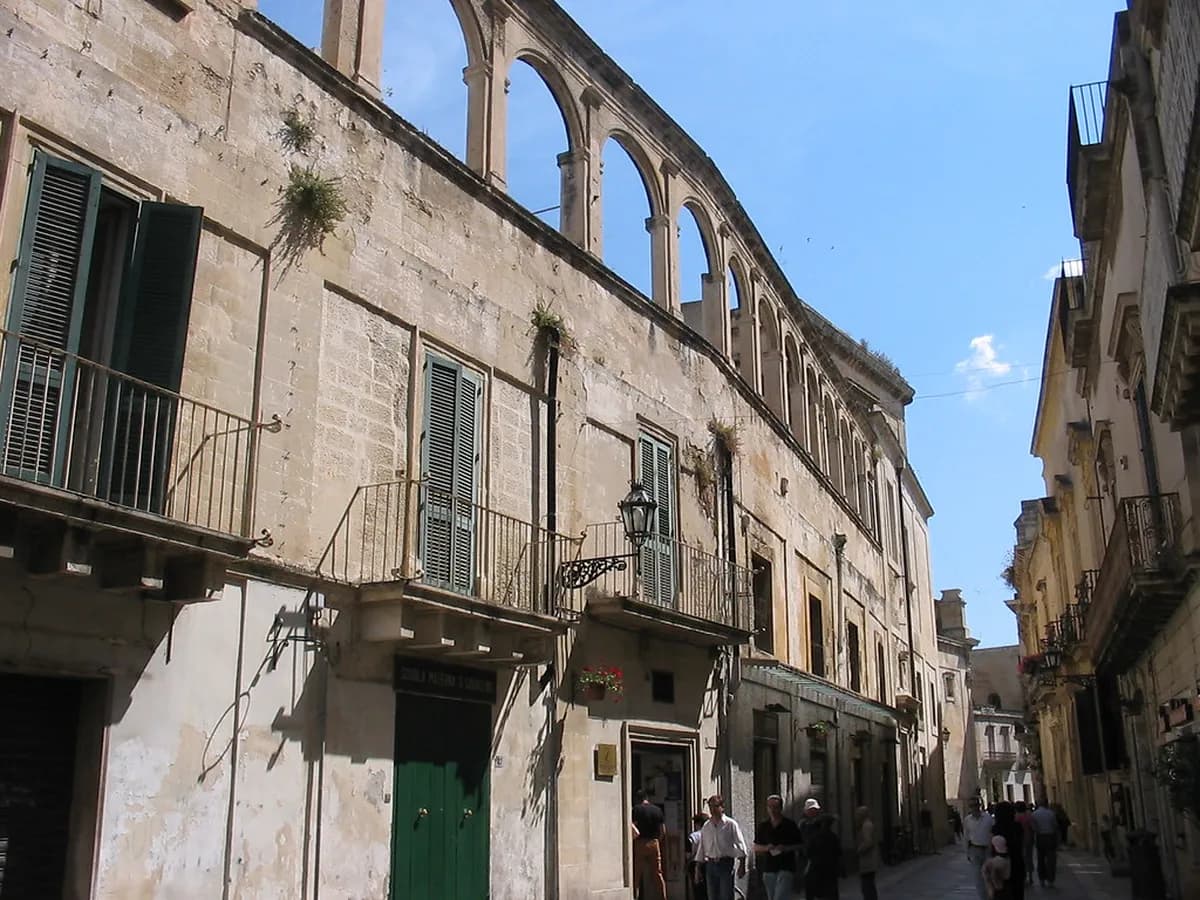
The historic center is a compact maze where every turn reveals a new masterpiece of 'Barocco Leccese' sculpture. Walking through these streets feels like moving through an open-air museum where the local stone is the primary medium. We have categorized these 10 items to include iconic landmarks, quiet nature spots, and essential cultural experiences. Consider booking a Lecce walking tour with Paolo to get the full historical context of these sites.
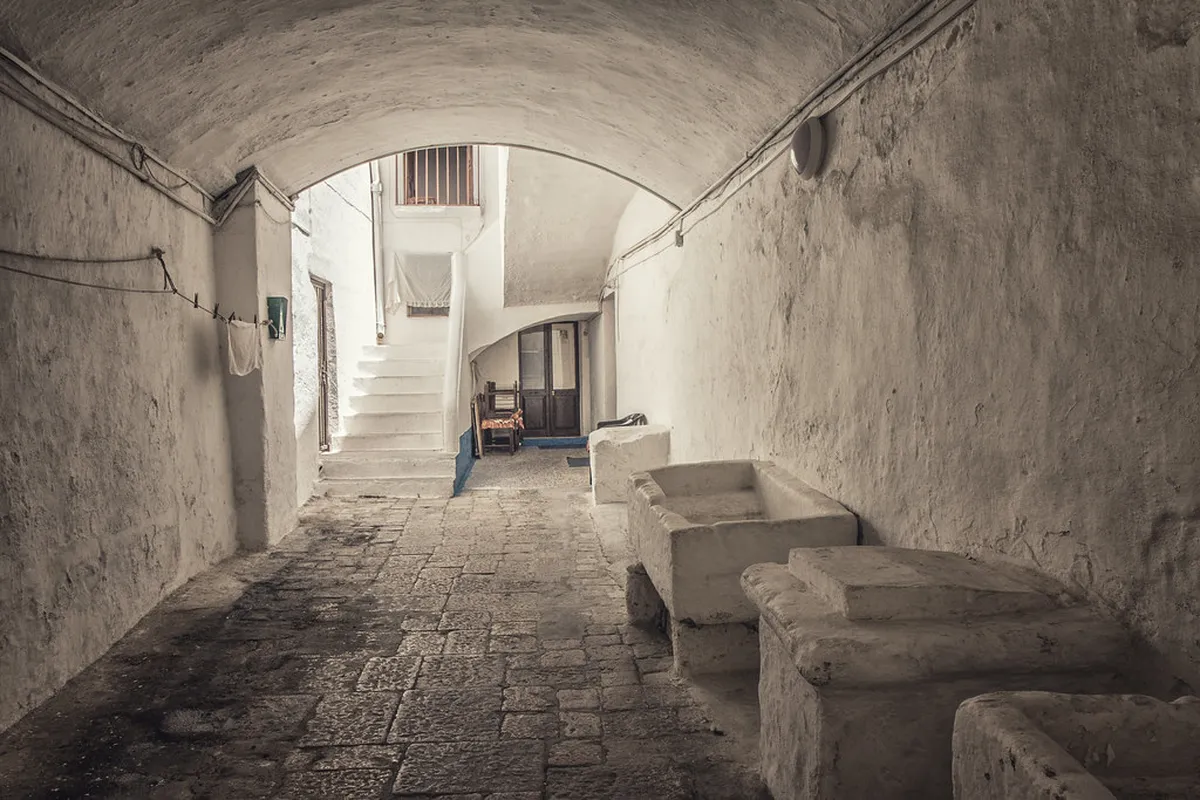
Most attractions are within a 15-minute walk of each other, making the centro storico incredibly accessible for all travelers. Keep in mind that many sites close for a few hours in the afternoon, following the traditional Italian siesta rhythm. Planning your route around these closures will save you from standing in front of locked doors in the summer heat.
Prices for entry vary, but a combined ticket is often the most economical way to see the major religious landmarks. Always carry a small amount of cash for smaller workshops or neighborhood markets that may not prefer credit cards. The following list represents the absolute best of what the city center has to offer this year.
- Basilica di Santa Croce
- This church is the ultimate example of Lecce's Baroque style with its incredibly intricate facade of sheep, cherubs, and fruit.
- Located near the Palazzo dei Celestini, it costs roughly €5 to enter or is included in the LeccEcclesiae pass.
- The interior is open daily from 9am to 9pm, though you should avoid visiting during active religious services.
- Look closely at the rose window to spot the hidden figures carved into the stone by 17th-century craftsmen.
- Roman Amphitheatre of Lecce
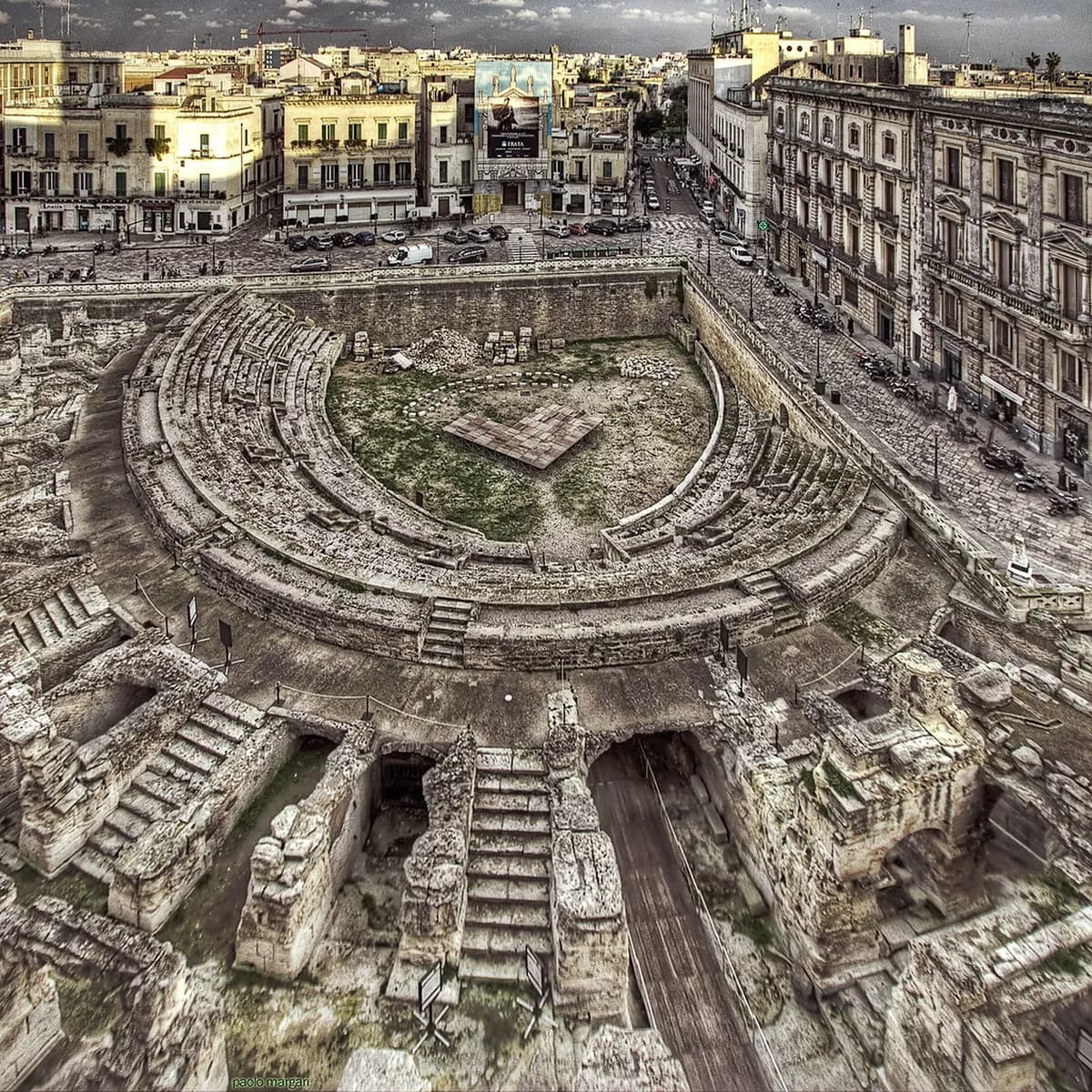
- Sunken into the main square, this 2nd-century arena once held over 25,000 spectators for ancient gladiatorial games.
- It sits directly in Piazza Sant'Oronzo and entry to the viewing area usually costs about €3 per person.
- Operating hours are typically 9am to 1:30pm and 2:30pm to 6pm, though it is easily viewed from the street level anytime.
- Visit at night when the ruins are illuminated to see the contrast between Roman history and modern city life.
- Piazza del Duomo
- This is one of the few 'closed' squares in Italy, accessible through a single grand entrance that creates a theatrical effect.
- The square contains the Cathedral, the Bell Tower, and the Seminary, all located in the heart of the historic district.
- Access to the square is free, but entering the Cathedral requires the combined ticket which costs about €9.
- Arrive just before sunset to watch the limestone walls change from bright yellow to a deep, honey-colored gold.
- MUST - Historical Museum of the City of Lecce
- Housed in a former monastery, this museum offers a deep dive into the city's artistic evolution through the centuries.
- It is located on Via Umberto I and charges an entry fee of approximately €5 for adults.
- The museum is open Tuesday through Sunday from 10am to 7pm but remains closed on most Mondays.
- The contemporary art wing provides a refreshing contrast to the ancient stone artifacts found in the lower levels.
- Villa Comunale di Lecce
- This public garden serves as the city's primary green lung, filled with fountains, busts of famous locals, and shaded paths.
- It is located just on the edge of the centro storico and is completely free for all visitors.
- The gates are open daily from 8am until 9pm, making it a perfect spot for a morning run or afternoon rest.
- Check the central bandstand for occasional free concerts that take place during the warmer summer months.
- Mercato di Porta Rudiae
- This local market near the Rudiae Gate is where residents shop for fresh produce, cheeses, and regional Salento specialties.
- The market is most active between 7am and 1pm, offering a raw look at daily life away from tourist crowds.
- While there is no entry fee, you should bring a few Euros to sample the local seasonal fruits.
- Try to visit on a weekday morning to see the local nonnas haggling over the best chicory and tomatoes.
- Traditional Cartapesta (Paper-Mache) Workshops
- Lecce is world-famous for its paper-mache art, a craft born from the need for lightweight religious statues in the 17th century.
- Several active workshops are scattered around Via Libertini, where you can watch masters at work for free.
- Most shops are open from 10am to 6pm, though artisans may step out for a long lunch break.
- Inhale the specific scent of the flour-based paste used by the artists to identify a truly authentic workshop.
- Castello Carlo V
- This massive fortification was built by Emperor Charles V to defend the city against Ottoman invasions in the 16th century.
- It sits near Piazza Sant'Oronzo and entry to the museum and grounds costs roughly €5 per adult.
- The castle is open daily from 9am to 9pm, though some interior rooms may have restricted access for events.
- Explore the underground tunnels and the paper-mache museum housed within the castle walls for a diverse experience.
- Otranto Coastal Day Trip
- Otranto is a stunning seaside town known for its turquoise waters and a cathedral featuring a massive medieval floor mosaic.
- It is located about 45 minutes south of Lecce and is reachable via the FSE train or local Salento in Bus.
- The bus or train fare is usually under €6, and the town is best explored during daylight hours.
- Consider a Gems of the Salento coast day trip to see Otranto and Leuca in one day.
- Galatina and the Basilica of Saint Catherine
- This nearby town houses a church with frescoes that rival those of Assisi, according to the Italian Ministry of Culture.
- Galatina is a 30-minute drive or train ride from Lecce, with transport costs ranging from €3 to €5.
- The Basilica is open daily from 9am to 12pm and 3:30pm to 7pm, and entry is currently free.
- Be sure to stop at a local bakery to try the original 'pasticciotto' pastry, which was invented in this town.
How Long to Spend and Best Time to Visit Lecce
To truly appreciate the rhythm of the city, we recommend staying at least three full days in the historic center. This duration allows you to see the major sights without rushing and leaves room for a coastal day trip. If you plan to use Lecce as a hub for all of Salento, a week is more appropriate for your itinerary.
The best time to visit is during the shoulder seasons of May, June, September, and early October. During these months, the weather is warm enough for outdoor dining but lacks the oppressive 40°C heat of August. You can check regional transit schedules on Moovit to plan your arrivals during these peak months.
Winter in Lecce is mild but can be surprisingly damp, with many coastal businesses closing for the season. However, the city remains lively with students and locals, offering a more authentic and less tourist-centric atmosphere. If you visit in December, the Christmas markets and elaborate nativity scenes made of paper-mache are a major draw.
Visiting in shoulder season (May or September–early October) gives you warm weather for outdoor dining and sightseeing without the extreme August heat (40°C+) or July crowds; three days is the minimum to enjoy the main Baroque sites and eat well without rushing.
Lecce, Puglia: Where It Is and Why It Matters
Lecce is the capital of the Lecce province and the cultural anchor of the entire Salento peninsula — the slender "heel" of Italy's boot that stretches between the Adriatic and Ionian seas. The city sits roughly 150 km south of the regional capital Bari and about 40 km from the nearest coastline. It is built almost entirely from 'pietra leccese', a soft local limestone that is easy to carve but hardens with age. This geological quirk is precisely why 17th-century architects were able to cover every facade, balcony, and portal with the exuberant carvings that define the 'Barocco Leccese' style found nowhere else in Europe.
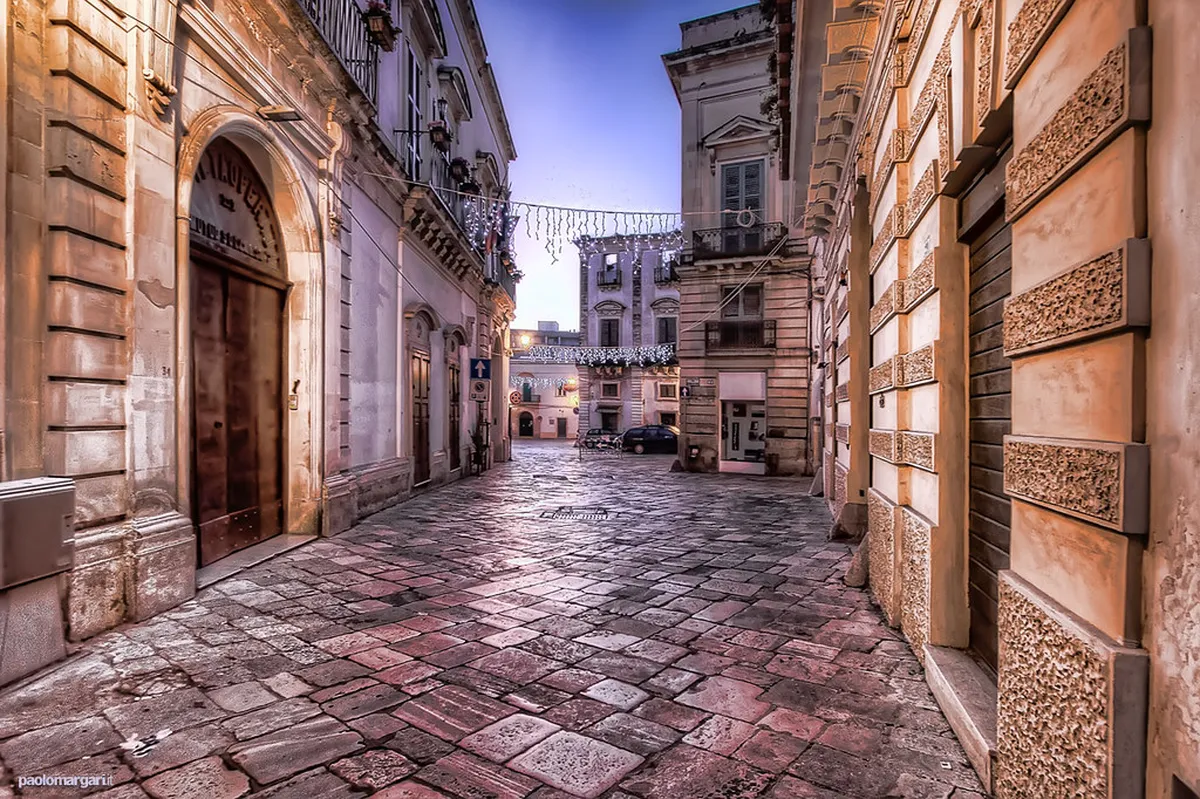
According to historical records on Lecce, the city has roots reaching back to the Messapian and Roman eras. Today, it balances its ancient heritage with a vibrant university population of roughly 25,000 students, which keeps the nightlife energetic year-round. Unlike many Italian art cities that feel like open-air museums after dark, Lecce remains genuinely alive — the locals reclaim the piazzas every evening for the 'passeggiata' and fill the wine bars until midnight. That combination of world-class Baroque architecture and authentic street-level energy is what makes it the most underrated city in Southern Italy for an extended stay in 2026.
How to Get to Lecce
Lecce has no airport of its own. The most convenient arrival is via Brindisi International Airport, roughly a 40-minute drive or €10–12 bus ride away. Bari Airport is the larger alternative with more international connections, but it adds about two hours of travel time to your journey. By train, Trenitalia runs Frecciarossa high-speed services from Rome Termini directly to Lecce in around 5.5 hours; tickets from €25 bought in advance. If you are already touring Puglia by car, note that driving into the centro storico is restricted — ZTL cameras operate 24 hours a day and fines start at €80. Park in the free lots near the train station (a 10-minute walk to the old walls) or in the paid garage near Porta Napoli and leave the car for the rest of your stay.
Lecce Church Ticket Types Explained
Navigating the entry fees for Lecce's many churches can be confusing for first-time visitors to the city. The 'LeccEcclesiae' project manages the main religious sites, including the Cathedral and the Basilica of Santa Croce. You can purchase a single-site ticket or a combined pass that covers all major churches and the Seminary museum.
The combined ticket currently costs around €9 and is valid for two consecutive days from the first use. This is significantly better value than paying for individual entries, which can cost €5 to €6 each. Tickets are available at the central office in Piazza del Duomo or at the entrance of Santa Croce.
Note that residents of the Lecce diocese usually enter for free, so do not be surprised to see locals bypassing the queue. Always dress respectfully when entering these sites, ensuring shoulders and knees are covered to comply with local customs. The ticket also includes access to the panoramic lift in the Bell Tower for an additional fee.
| Ticket Type | Cost | Valid For | Duration | Best For |
|---|---|---|---|---|
| Single site (e.g. Cathedral) | €5–6 | One church only | 1 visit | Visitors wanting to see just one landmark |
| LeccEcclesiae combined pass | ~€9 | Cathedral, Basilica Santa Croce, Seminary museum | 2 consecutive days | Most visitors; saves €6–9 vs individual entries |
| Bell Tower panoramic lift | €2–3 additional | Access to top of Bell Tower | 1 visit | Those wanting 360° city views |
| Free entry (residents) | Free | All major churches | Anytime | Lecce diocese residents only |
Lecce Planning Cheatsheet: What to Skip and Local Tips
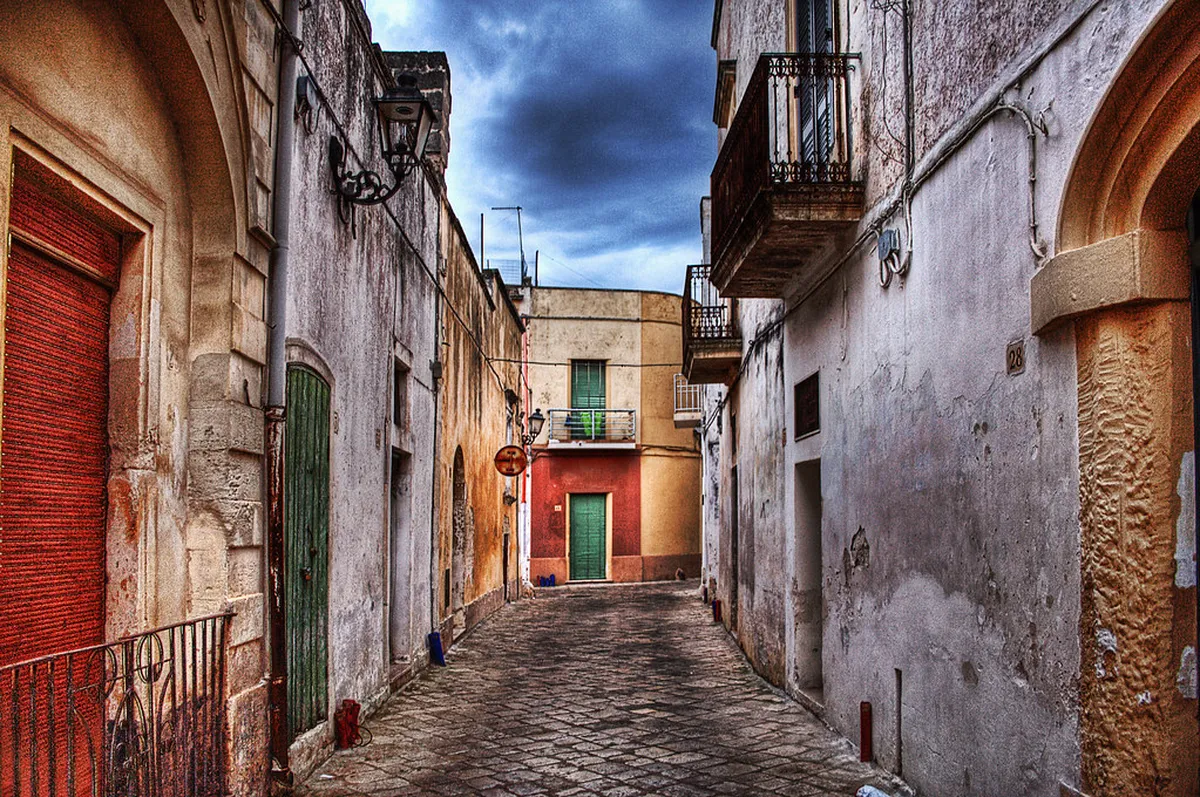
One major thing to skip is the 'tourist train' that circles the narrow streets of the centro storico. The city is small enough to walk, and the train often misses the quietest, most beautiful residential alleys. Walking allows you to stop at small boutiques and gelato shops that the train simply breezes past.
Avoid eating at the restaurants with large picture menus located directly on Piazza Sant'Oronzo. These spots are often overpriced and lack the quality found just two blocks away in the side streets. For better options, look for top-rated accommodations that feature their own local trattorias.
Parking inside the centro storico is restricted to residents with permits and is strictly enforced by cameras. Park your car in the large lots near Porta Napoli or the train station to avoid heavy fines. The city is very walkable, so once you drop your bags, you likely won't need your car again.
Which Part of the Centro Storico Should You Stay In?
The historic center divides into clearly distinct micro-zones, and the one you choose shapes the entire tone of your stay. Understanding these zones before booking will save you from either a noisy surprise or an unnecessarily long walk to everything you came to see.
The core Baroque belt — the streets around Basilica di Santa Croce, Corso Vittorio Emanuele, Via Libertini, and behind the Duomo — is where most shops, bars, and restaurants are concentrated. Staying here puts you within two minutes of the best architecture and the liveliest evening scene, but expect noise from restaurant terraces until 23:00 and weekend foot traffic from Thursday through Saturday. This is the right zone for first-timers and anyone who wants to maximize convenience. Boutique palazzo hotels here typically start at €150–200/night; B&Bs range €65–100.
The quieter residential pocket around the Church of Saint John the Evangelist (San Giovanni Evangelista) and the Carmine church is only 600 metres from the main sights but feels like a different city after dark — dimly lit, largely locals-only, and essentially silent by 22:00. This suits light sleepers, couples on a second visit, or anyone planning early morning walks before the day-trippers arrive.
A middle-ground choice is the area around Porta Napoli and Mazzini Square, just outside the northern gate. It is a favourite with the city's university students, meaning excellent street food, good wine bars at honest prices, and a genuinely Italian atmosphere that lacks the tourist-area gloss. Accommodation here tends to be 15–25% cheaper than the core Baroque belt, while remaining an easy 10-minute stroll from every major sight. For those arriving by car, the free parking lots are also a short walk from here — a practical advantage that the deeper centro storico cannot offer.
If you are on a tight budget, look for budget accommodation in Lecce located near the city gates. For those seeking luxury, there are several palazzo hotels that offer rooftop terraces with views over the Duomo. Ultimately, the magic of Lecce is best captured after the day-trippers leave and the locals reclaim the squares — and that reward is amplified whichever zone you sleep in.
Where to Eat and Drink in Lecce Centro Storico
The single biggest mistake most visitors make is eating at the restaurants with large laminated photo menus on Piazza Sant'Oronzo. Two blocks in any direction and the quality jumps noticeably while the prices drop. The street to head for is Via Spartaco Murri and its parallel lanes behind the Cathedral, where a handful of family-run trattorias still write the day's menu on a chalkboard and charge under €15 for a two-course lunch with wine.
Lecce's signature street food is the rustico leccese — a warm pastry shell filled with béchamel, mozzarella, and tomato. Bakeries sell them from about 07:00 for under €1.50, and they make a far better breakfast than anything on the tourist-facing menus. For the area's other iconic bite, the pasticciotto (short-crust pastry filled with warm custard cream), head to Caffè Alvino on Piazza Sant'Oronzo — the queue is always worth it and it costs around €1.80.
For evening aperitivo, the wine bars along Via Federico d'Aragona and around Piazza Mazzini (just outside Porta Napoli) serve local Negroamaro and Primitivo reds alongside free cicchetti-style snacks from around 18:30. This is where Lecce's student population and younger locals gather, making it the best low-cost introduction to the city's social rhythm. Expect to pay €6–9 for a generous glass of Salento rosato with complimentary nibbles. Reservations are rarely needed for aperitivo hour but are advisable at sit-down restaurants on Friday and Saturday evenings in June through September.
Hidden Gems and Day Trips Beyond the Centro Storico
Most visitors arriving in Lecce's centro storico overlook several nearby experiences that competitors writing from the outside often miss. The first is the Fondo Verri underground archaeological site, accessed via a small doorway on Via Augusto Imperatore, just three minutes from the Roman amphitheatre. Excavations revealed a Messapian well shaft and medieval cisterns beneath street level — entry costs €5 and it draws almost no queues even in peak summer.
For coastal escapes without the bus-tour crowds, the beach at San Cataldo (12 km east, reachable by the local Salento in Bus line or a €15 taxi) is the working-class seaside resort where Leccese families actually go. The water is shallow and crystal-clear, the beach bars serve proper fried seafood at non-tourist prices, and the whole place empties out by mid-September, leaving it essentially private in autumn. Compare this with the more photographed beaches at Torre dell'Orso or Porto Cesareo, where August sun-bed fees alone run €20–30 per person.
Further afield, the Valle della Cupa nature reserve south of Lecce offers a 12 km walking trail through ancient olive groves, menhirs (prehistoric standing stones), and abandoned farmhouses that the mainstream guidebooks still don't index. For a more curated experience of the Salento interior, consider a Gems of the Salento coast day trip that combines coastal stops with inland cultural sites — a genuinely efficient way to see the peninsula's diversity without a car if you are based in the centro storico.
Frequently Asked Questions
Which staying in lecce centro storico options fit first-time visitors?
First-time visitors should look for boutique B&Bs near Piazza del Duomo for the most central experience. These spots offer easy walking access to all major Baroque landmarks and traditional restaurants. Staying near the gates like Porta Napoli is also a great choice for those arriving by car.
How much time should you plan for staying in lecce centro storico?
Plan for at least three days to see the main city sights and enjoy the local food scene. If you intend to visit nearby coastal towns like Otranto or Gallipoli, extend your stay to five or seven days. This allows for a relaxed pace without missing the Salento highlights.
What should travelers avoid when planning staying in lecce centro storico?
Avoid driving into the ZTL restricted zones, as fines are high and cameras are everywhere. Skip the tourist-heavy restaurants on the main square in favor of side-street trattorias. Also, do not plan heavy sightseeing between 2pm and 5pm when most shops and churches close for siesta.
Staying in Lecce centro storico offers a rare chance to live inside a Baroque masterpiece. From the intricate carvings of Santa Croce to the quiet charm of the Villa Comunale, the city rewards those who slow down. By following this 2026 guide, you can navigate the church tickets and local markets like a seasoned traveler.
Whether you are exploring hidden gems in Puglia or enjoying a pasticciotto in a sunny square, Lecce will leave a lasting impression. Pack your walking shoes, respect the afternoon siesta, and prepare to fall in love with the golden city of Salento.
You might also like


Continue reading
More guides you'll find useful