
10 Best Bars in Rome: A Local's Guide to Wine and Views (2026)
Explore the 10 best bars in Rome for 2026. From hidden wine enoteche to stunning rooftops, discover the top spots for cocktails and aperitivo with local tips.
On this page
10 Best Bars in Rome
Rome's drinking scene rewards curiosity. The city holds world-class enoteche tucked down alleys, rooftop terraces overlooking the Colosseum, and speakeasies that require a password to enter. Finding the good ones means moving past the crowded piazza bars that survive on foot traffic rather than quality.
This guide covers the full range of what Rome does best in 2026: natural-wine enoteche, panoramic rooftop bars, craft cocktail bars, aperitivo spots, and the craft beer pub that locals never left. Navigating Rome Nightlife Guide: 10 Best Ways to Experience the City is far easier when you know which neighborhoods to target and which tourist-trap signals to ignore.
Each section below maps to a specific style of drinking, so you can build an evening that moves from a quiet enoteca in the centro storico through aperitivo and on to a late cocktail or rooftop drink. Prices are given in EUR and hours in 24h format for clarity.
The Best Wine Bars (Enoteche) in Rome
An enoteca is where Rome's drinking culture lives. These are not wine shops with a few stools — they are institutions that stock small-batch producers from Lazio, Campania, and beyond, and the best ones have been shaping local taste for decades. Many of the 12 Best Restaurants in Rome started as simple wine shops in exactly this mould.
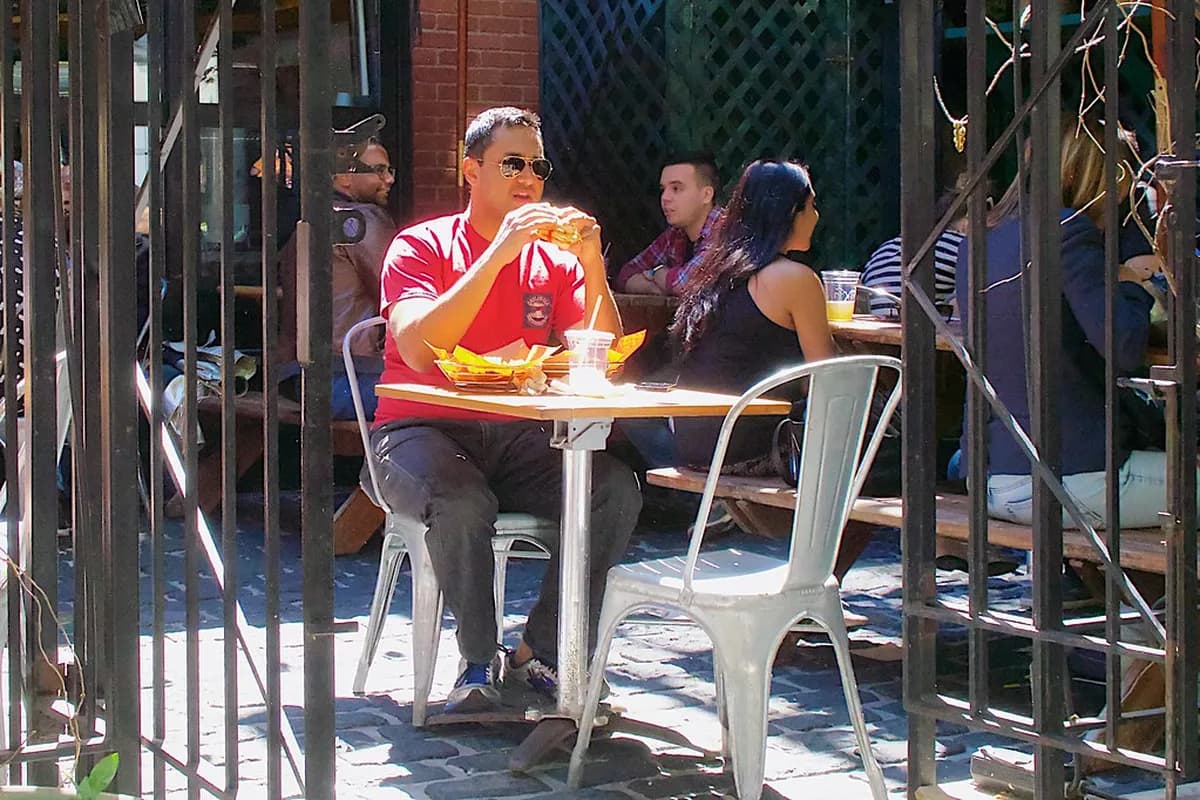
Enoteca Il Piccolo (Via del Governo Vecchio, near Piazza Navona) is the benchmark. The interior is tiny, dark, and almost aggressively unpretentious — mismatched outdoor tables, a wall of bottles, and a short list of natural wines from small producers. Order bruschetta and mortadella to accompany your glass. Wines start at around €8 per glass and the bar is open daily 12:00–01:00.
L'Angolo Divino near Campo de' Fiori has been run by Massimo Crippa since his grandfather founded it in 1946 as a vino e oli shop — the kind of place Romans once visited weekly to fill jugs with olive oil and house wine. The encyclopedic list covers obscure low-intervention bottlings alongside sought-after rarities. The brick interior feels genuinely historic because it is. Open Monday–Saturday 17:00–00:00.
Salumeria Roscioli (Via dei Giubbonari 21) blurs the line between enoteca, salumeria, and restaurant. Wine director Maurizio Paparello maintains a two-volume list running to hundreds of producers. Reserve well in advance — this place fills every night. It is the only wine bar recommended independently by both Michelin-tracked sommeliers and serious food writers as a non-negotiable Rome stop.
| Enoteca | Location | Known For |
|---|---|---|
| Enoteca Il Piccolo | Via del Governo Vecchio, near Piazza Navona | Natural wines from small producers, bruschetta & mortadella, €8/glass |
| L'Angolo Divino | Campo de' Fiori | Low-intervention bottlings, family-run since 1946, encyclopedic list |
| Salumeria Roscioli | Via dei Giubbonari 21 | Two-volume wine list (hundreds of producers), restaurant-level food |
| RetroBottega | Via della Stelletta 4, 10 min from Piazza Navona | Seasonal small plates, Italian natural wine focus, Lazio producer selection |
| Latteria Trastevere | Trastevere (across the river) | One of city's greatest lists, organic wines, Sicilian whites, Sardinian cheeses |
Why You Should Drink Lazio Wine in Rome
Most visitors to Rome order Chianti or Prosecco out of habit. Neither is from Lazio. The wines actually produced in the hills surrounding Rome — Frascati Superiore, Cesanese del Piglio (a red that is almost never exported), and Grechetto — are what you will find pouring at serious enoteche. They are cheaper, fresher, and they taste like where you are.
Cesanese del Piglio is a DOC red from the Ciociaria hills about 60 km south-east of Rome. It is earthy, medium-bodied, and rarely seen outside the region. Ask for it at Il Piccolo or L'Angolo Divino and you will likely be the only tourist who has ordered it that week. Frascati Superiore from the Castelli Romani is the white equivalent — steely and mineral, far removed from the thin caraffe versions that used to define it.
Natural wine bars have accelerated this local focus. RetroBottega (Via della Stelletta 4), a 10-minute walk from Piazza Navona, runs a hyper-seasonal small-plates menu from chef-owners who forage in Lazio and Abruzzo on their days off. The wine list prioritises Italian producers making minimal-intervention wines, and the Lazio section is genuinely outstanding. Open Tuesday–Sunday from 12:30 and from 19:30 for dinner.
In Trastevere, Latteria Trastevere is the natural wine destination on that side of the river. Wine writer Ray Isle described it as having "one of the greatest wine lists in the city, sitting there in plain sight among a bunch of tourist traps." Sicilian organic whites and Sardinian-sourced cheeses from owner Antonio Cossu make this an easy place to arrive for aperitivo and stay through dinner.
Frascati Superiore and Cesanese del Piglio are both DOC-protected Lazio wines rarely exported outside Italy. Ordering them at local enoteche supports regional producers and costs €12–€18 per bottle, 30–50% less than imported Tuscan reds. Most enoteche staff appreciate the question and will recommend a specific producer.
Top Rooftop Bars for Panoramic Views
Rome's skyline rewards height. The best rooftop bars in the city offer uninterrupted sightlines across domes, campanili, and ancient stone — but the gap between the genuinely good ones and the overpriced also-rans is wide. The three below consistently deliver on both view and drink quality.
The Court Bar Rome at Palazzo Manfredi is not technically on a rooftop — it is an open-air terrace at ground-plus-one — but the unobstructed Colosseum view from its outdoor tables is unmatched anywhere in the city. Cocktails run €25–€35 and a minimum spend applies, but the aperitivo included (truffle pizza, olives, cured meats) justifies it. Reservations open one week ahead and fill within hours. Open daily 18:00–01:00.
Terrazza Les Étoiles Roma, on the sixth through eighth floors of the Atlante Star Hotel, offers a 360-degree panorama spanning the Vatican, Villa Borghese, Monte Mario Observatory, and the hills of Frascati. Not every table has a view — shrubbery blocks some sightlines — so request a table near the central vista point when you book. Cocktails start at €18. The crowd skews Italian, the vibe is modern and social, and it gets very smoky at the packed outdoor tables. Reservations are essential year-round.
Mater Terrae Bistrot Bar on the roof of the Hotel Raphael Terrace is the choice for organic wine enthusiasts. The Bio Hotel Raphaël's sommelier program focuses on biodynamic and natural producers, and the sunset views over the Pantheon area are genuinely beautiful. Drinks run €20–€40. Open daily 11:00–23:00. The hotel's ivy-covered facade makes it easy to identify from the street.
The Six Senses Notos Rooftop is Rome's newest high-profile addition, with herbal-infused cocktails, a sustainable design ethos, and live music and DJ sets on selected evenings. Cocktails cost €22–€35. Open 12:00–00:00. Visit at golden hour to watch the terracotta rooftops shift colour. Book through the Six Senses Notos website — walk-ins are rarely accommodated on weekends.
Essential Cocktail Bars and Speakeasies
Rome's cocktail scene matured significantly in the last decade. A cluster of bars now compete on the same level as Milan or London for ingredient sourcing, technique, and menu originality. The best ones are not in hotel lobbies — they are in side streets where rents allow obsessive focus on what is in the glass.
Jerry Thomas Speakeasy in the centro storico set the template for Rome's cocktail renaissance. Entry requires a password obtained by booking online — the 1920s-inspired interior seats a small group at a time, and the bartenders hold genuine credentials in the history of classic cocktails and forgotten spirits. Cocktails cost €20–€30. Open 21:00–02:00; the online booking system releases passwords for each evening. This is the spot for anyone who wants to understand why serious bartenders moved to Rome.
Santa Cocktail Club Rome is the rooftop cocktail bar at Hotel L'Orologio, near the Pantheon. The critical detail: request a table on the rear side of the terrace when you reserve, which gives cathedral views. Tables at the front face the street and the views are unremarkable. The Santa Cocktail Club menu leans into Italian bitters and seasonal syrups. Open daily from 18:00. Cocktails run €18–€25.
For a more neighbourhood-level cocktail experience, the streets of Trastevere in Rome hold several small bars where bartenders work with local vermouth producers and Amaro producers from Abruzzo. These are not ticketed experiences — they are the bars where Romans drink on weekdays, and the prices (€10–€14 per cocktail) reflect it. The Stravinskij Bar at the Hotel de Russie (Piazza del Popolo end) is the hotel-bar exception worth making: the courtyard setting isolates you entirely from street noise, and the Roman G&T with celery shrub, sage, and black pepper is a genuine signature drink.
Rome's Aperitivo Culture and Where to Find the Best Amaro
Aperitivo hour in Rome runs roughly 18:30–21:00. The convention is simple: order a drink and receive a plate of snacks — olives, cured meats, bruschetta, sometimes warm bites at more generous bars. It is not brunch and it is not a full meal. The point is to sharpen appetite before a late Italian dinner at 21:00 or 21:30.
The Spritz is ubiquitous but not the only option. Locals ordering in an enoteca during aperitivo will typically ask for a glass of something local — a Frascati Superiore, a young Cesanese, or a lightly chilled Verdicchio. At cocktail bars, the Negroni remains the bartender's calibration drink: if it arrives balanced and not syrupy-sweet, the bar knows what it is doing.
Amaro is where Rome gets specific. The city has a long tradition with digestivi made from alpine herbs, gentian root, and citrus peel. The best amaro selections in Rome — at spots like L'Angolo Divino and specialist bars in Monti — run to thirty or more labels. Fernet-Branca is the most famous internationally, but locally you will encounter Amaro dell'Etna, Amaro Lucano, and small-batch producers from Lazio and Abruzzo that are virtually unknown outside Italy. Order a digestivo after dinner rather than mid-evening — the bitterness is designed to work on a full stomach.
Aperitivo hour is a distinct Rome ritual: 18:30–21:00, one drink + complimentary snacks (olives, cured meats, bruschetta), no full meal. Cocktail bars, wine bars, and beer spots all serve aperitivo. Most Romans arrive after 19:30 and expect dinner service to begin at 21:00 or 21:30, so plan your bar crawl to flow from aperitivo into a later dinner reservation.
Best Craft Beer Spots in Rome
Rome is a wine city, but a genuine craft beer scene has developed over the past fifteen years. The movement started in Trastevere and spread to Pigneto and Ostiense, neighbourhoods east and south of the centro storico that attract a younger local crowd. These bars are not trying to replicate northern European pub culture — they have developed their own aesthetic around Italian microbreweries.
Ma Che Siete Venuti a Fa (Via Benedetta 25, Trastevere) is the founding institution. The name roughly translates to "what did you come here for?" — which sums up its no-frills personality. There are no cocktails, no food beyond bar snacks, and barely any seating. The rotating tap list of 15–20 handles draws exclusively from Italian and international craft breweries that meet the owners' standards. Pints cost €7–€12. Open daily 12:00–02:00. Most customers drink on the street outside.
The craft beer scene in Rome benefits from several excellent Italian microbreweries supplying its bars. Birra del Borgo (from Rieti, north of Rome) and Revelation Cat (based in Pigneto) are the two most visible local producers. Ask for them by name at any decent beer bar — if the bar stocks neither, it is serving generic imports.
Historic Coffee Bars: Where to Drink Espresso in Rome
Sant'Eustachio il Caffè (Piazza di Sant'Eustachio 82) has been serving coffee since 1938. The espresso preparation here involves a process kept deliberately secret — the result is a dense, naturally sweet crema that is unlike any other espresso in the city. A coffee at the bar costs €2–€3. Standing at the counter, as Romans do, avoids the table service surcharge. Open 07:30–01:00 daily.
The rule at all traditional Italian coffee bars applies here: standing at the bar is the local way and the cheapest option. Sitting down adds a coperto charge. At Sant'Eustachio, the queue at the counter is part of the experience — move to the front when ready, order directly, and pay immediately. The bar is open until 01:00, making it an unusual option for a late-night espresso after dinner and drinks.
Hidden Gem Bars in Trastevere and Monti
Both neighbourhoods are well-known but neither is fully exploited by tour groups. The hidden gems in each are hidden by design — no signage, no social media advertising, no tourist menus. They rely on word of mouth among residents and regular visitors.
Bar San Calisto (Piazza di San Calisto, Trastevere) is a time capsule. The plastic chairs, the faded interior, and the cheap prices (€2–€10 for beer or a simple mixed drink) have not changed in decades. It is not a craft experience — it is where the neighbourhood actually drinks. Open 10:00–02:00. Arrive early evening to catch a mix of elderly locals, students, and the occasional bewildered tourist who stumbled in. Do not expect anyone to speak English or care that you are there.
In Monti, the cocktail bars are quieter and more design-conscious than their Trastevere counterparts. The neighbourhood sits between the Colosseum and Termini station, is genuinely walkable to most hotel districts, and offers bars that run creative menus without the premium pricing of the centro storico. Several small wine bars in Via Leonina and Via del Boschetto open in the afternoon and stay open until midnight or later without requiring reservations.
How to Avoid Tourist Trap Bars in Rome
The primary signal is location. Any bar on or immediately adjacent to Piazza Navona, the Spanish Steps, or the Trevi Fountain is almost certainly charging a 50–100% location premium for drinks. The quality rarely justifies it. A bar one or two streets back from the famous piazza will charge normal prices and often serve better drinks.
Staff standing outside with menus or verbal invitations is a universal red flag. Authentic Roman bars do not recruit pedestrians. Large laminated menus with colour photos of cocktails and Italian translations alongside five other languages are another reliable indicator. Trust menus written only in Italian — they signal a local clientele that would not tolerate poor quality or inflated prices.
The coperto (cover charge) applied to seated customers is legal and common in Rome, but a responsible bar discloses it on the menu. If a bill arrives with a coperto that was never mentioned, you are entitled to query it. Use a check of a Rome Neighborhoods Guide: 10 Best Areas before you arrive in an unfamiliar area — knowing which streets hold local bars versus tourist traps saves significant money across a multi-day stay.
Pro Tips: Rome Drinking Etiquette and Reservations
Book rooftop bars and speakeasies at least 48 hours ahead. The Court Bar at Palazzo Manfredi and Terrazza Les Étoiles both fill within hours of reservations opening — The Court releases slots exactly one week in advance. Jerry Thomas Speakeasy releases passwords the same week. For enoteche and neighbourhood cocktail bars, walk-in is fine but expect a short wait after 20:00 during summer.
Tipping is not culturally expected in Italian bars. Rounding up the bill or leaving a euro or two for exceptional table service at a high-end rooftop is appreciated but not anticipated. A coperto or servizio charge on the final bill covers basic service at seated venues — this is disclosed on the menu and is not a tip request.
The metro closes at midnight on weekdays and 01:30 on weekends. For late-night returns after rooftop bars or speakeasies, taxis and the Uber app are the reliable options. Always carry €20–€30 in cash for smaller bars that still prefer it for low-value orders. Roman bar culture is late by northern European standards — locals do not arrive before 20:00 and an evening that ends before midnight is considered early.
Frequently Asked Questions
Do I need to book bars in Rome in advance?
Yes, for popular rooftop spots and speakeasies, booking at least two days in advance is highly recommended. Many local enoteche are walk-in only, but they fill up quickly after 7pm during the aperitivo hour.
What is the average price of a cocktail in Rome?
A standard cocktail at a neighbourhood bar usually costs between €10 and €15. However, at luxury hotel rooftops or famous mixology bars, prices typically range from €20 to €35 per drink.
How do I avoid tourist traps when looking for a bar?
Avoid bars with employees standing outside trying to lure you in with menus. Look for places where locals are standing at the counter and where menus do not feature large photos of the drinks.
Rome's bar scene is stratified by intention. The enoteche reward patience and a willingness to ask what the sommelier recommends. The rooftop bars reward advance planning and a tolerance for spending more for the view. The speakeasies reward the effort of booking ahead. The neighbourhood bars in Trastevere and Monti reward simply showing up. For the full city overview, see our complete complete Rome travel guide guide.
Move through all four layers across a multi-night stay and you will understand why the city's drinking culture has sustained itself for centuries. Start with a glass of Cesanese at Il Piccolo, end on a terrace watching the Colosseum lights come up. Salute.
You might also like

Continue reading
More guides you'll find useful


