12 Best Restaurants in Rome (2026)
Discover the best restaurants in Rome, from historic trattorias in Trastevere to Michelin-starred views. Includes booking tips, local etiquette, and must-order dishes.
On this page
12 Best Restaurants in Rome: The Ultimate Dining Guide
The best restaurants in Rome are almost never on the main piazzas. True Roman dining is a sensory journey that rewards the visitor who wanders into quiet side streets where the scent of guanciale fills the air. Our editors have vetted these selections in 2026 to ensure you experience the most authentic flavors the Eternal City offers this year.
This guide covers iconic trattorias, Michelin-starred fine dining, legendary pizza spots, and neighborhood-specific picks across Trastevere, Testaccio, and the Jewish Ghetto. We have also included practical advice on reservations, tipping, dining hours, and the easiest way to tell a tourist trap from a local institution.
Ristorante, Trattoria, Osteria, Enoteca: What Is the Difference?
Before booking a table, it helps to understand what each type of establishment actually offers. The terminology matters in Rome because the wrong choice can mean paying twice as much for a less authentic experience. Here is a quick reference:
- Ristorante — formal dining room, printed menu, higher prices (typically €20–50 per main course), tablecloths and full service. Best for anniversaries or special occasions.
- Trattoria — family-run, casual atmosphere, handwritten or chalk-board menus that rotate daily. Pasta dishes usually €10–18. This is where most locals eat lunch.
- Osteria — wine-first, food-second concept that evolved from a simple wine bar. Food is simple and inexpensive; expect cured meats, bruschette, and one or two pasta dishes. A glass of house wine is €3–5.
- Enoteca — a dedicated wine shop that also serves food, ranging from bar snacks to a full tasting menu. Prices vary widely depending on the wine list.
If the menu is laminated and features colour photos of every dish, walk away regardless of which category the sign claims. That single rule will protect you from 90% of Rome's tourist traps. A short handwritten menu that changes daily is the clearest signal of a kitchen that buys from the market every morning.
Book your restaurants 1–2 weeks in advance for weekend dinners and at least one week ahead for weeknights. Use the Italian version of TheFork (La Fourchette) to spot availability that the English interface may not show. Always arrive with a printed confirmation — some traditional trattorias still rely on handwritten reservation logs.
For a deeper understanding of Roman culinary tradition before your first dinner, consider booking a food tour in Rome — a good guide will walk you through Testaccio market and explain why guanciale and not bacon is non-negotiable in a proper carbonara.
Iconic Roman Trattorias for Authentic Classics
Rome's trattorias are the backbone of the city's food culture. These are not destination restaurants in the modern sense — they are neighbourhood canteens that have been feeding locals for generations. The following four are the most consistently excellent in 2026.
Da Enzo al 29 (Trastevere) is widely regarded as the gold standard for classic Roman pasta. The carbonara and amatriciana here are prepared with the strict ratio locals expect: egg yolk, aged pecorino, guanciale, no cream. Pasta dishes run €12–16. Arrive 30 minutes before the 12:15 lunch opening because the line forms early, and they do not take phone reservations for lunch.
Armando al Pantheon (Centro Storico) has occupied the same narrow dining room steps from the Pantheon since 1961. It is one of the few restaurants in the tourist centre that locals still consider legitimate. Main courses average €18–28. Book online at least two weeks ahead for dinner; lunch slots open up more easily mid-week.
Flavio al Velavevodetto (Testaccio) is built into the side of Monte Testaccio — the ancient hill of pottery shards — giving the dining room an atmospheric cave-like feel. This is the place to try Roman offal dishes like trippa alla romana and rigatoni con la pajata alongside a reliably excellent cacio e pepe at €13. Most diners arrive at 20:00 and stay until late.
Cesare al Casaletto (Monteverde) requires a short tram ride on Line 8 but rewards the effort with an exceptional wine list and fried gnocchi with cacio e pepe sauce — a dish you will not find in the centre. A full three-course meal costs around €30. Closed Wednesdays.
Fine Dining and Michelin-Starred Restaurants in Rome
Rome has fewer Michelin stars per capita than Milan or San Sebastián, but what the city offers at the top end is genuinely world-class. The two most important names for 2026 are separated by their setting: one commands a panoramic city view, the other places you directly in front of the Colosseum.
La Pergola at the Rome Cavalieri hotel is Rome's only three-Michelin-starred restaurant and has held that rating for over a decade. Chef Heinz Beck's tasting menu starts at €270 per person and runs across seven to nine courses. The view over the Roman skyline from the rooftop is unmatched. Men must wear a jacket; dinner service only, Tuesday through Saturday. Book two months in advance for weekend tables.
Aroma sits directly opposite the Colosseum on the terrace of Palazzo Manfredi. The Michelin star here is almost secondary to the setting — a table on the outer edge at sunset is one of the most theatrical dining experiences in Italy. Tasting menus average €180. Open daily for both lunch and dinner, with lunch being slightly easier to book and offering the same kitchen quality in full daylight with an arguably more dramatic view of the ancient stones.
Antico Arco (Gianicolo Hill) offers modern Roman cooking at a more accessible price point — main courses €25–35 — and is one of the best restaurants in the city for a special occasion that does not require a six-month waiting list. Walk to the Gianicolo belvedere after dinner for one of the best night views of the Roman skyline.
Best Pizza and Street Food in Rome
Roman pizza is fundamentally different from Neapolitan pizza. The Roman style is thin, crispy, and baked in an electric deck oven rather than a wood-fired one — a point of civic pride that Romans defend vigorously. Pizza al taglio (by the slice, sold by weight) is the format most visitors should start with because it requires no reservation and costs €2–6 for a generous portion.
Pizzarium Bonci near the Vatican is the most influential pizza al taglio operation in Italy. Gabriele Bonci uses long-fermented dough made from heritage grains, and his toppings rotate seasonally. Expect to queue 10–15 minutes at peak hours. Prices are by weight, typically €10–20 for a satisfying mixed selection. Take your slices to the nearby park benches; eat standing or find a step — that is part of the experience.
Emma near Campo de' Fiori is the Roscioli family's gourmet pizzeria, serving thin Roman-style round pizza with high-quality ingredients at €12–19 per pizza. The supplì here — the Roman fried rice ball — is exceptional: order one as a starter. Open daily for lunch and dinner with a full sit-down service, which makes it the best choice when you want pizza with wine in a proper setting.
Supplì Roma in Trastevere is the best quick-stop for Rome's defining street snack. A classic supplì al telefono (named for the way the molten mozzarella stretches like a telephone wire) costs €2. The amatriciana version is worth trying for a spiced, tomato-forward variation. Open 10:00–22:00 most days; cash preferred.
Neighborhood Dining Guide: Trastevere, Testaccio, and the Jewish Ghetto
Where you eat in Rome matters as much as what you eat. Each neighbourhood has a distinct food identity shaped by its history, and choosing the right one for your evening sets the tone for the entire meal.
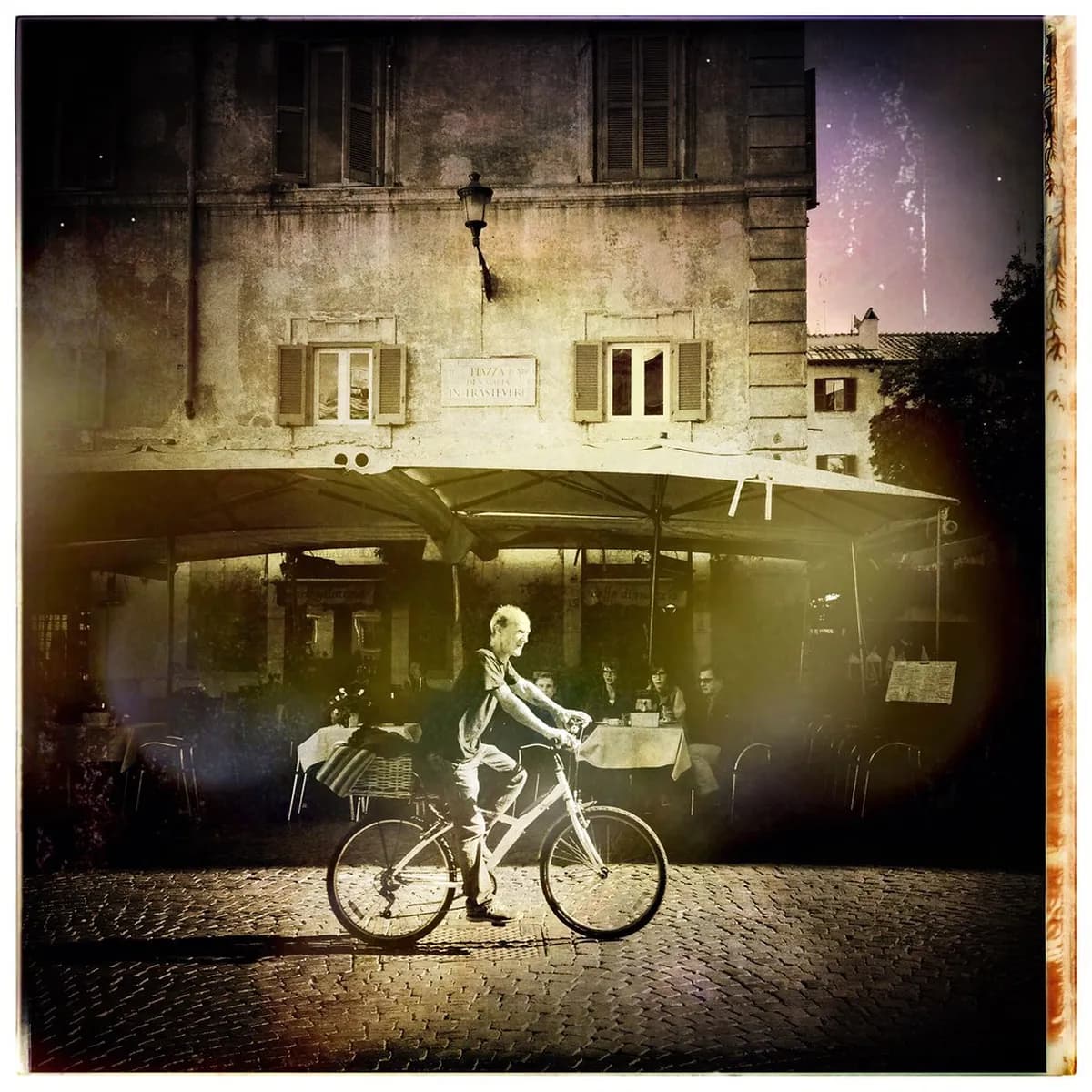
Trastevere is the most photogenic of Rome's dining neighbourhoods — cobblestones, ivy-covered walls, and outdoor terraces that fill up after 20:00. It is also the most tourist-heavy, which means the quality gap between good and bad restaurants is wider here than elsewhere. Stick to Da Enzo al 29 and Supplì Roma as anchors, then explore the quieter streets north of Viale di Trastevere for less-photographed alternatives. The neighbourhood is best experienced at dinner when the fairy lights come on.
Testaccio is the real food neighbourhood — the former slaughterhouse district that gave Roman cuisine its attachment to offal. The Testaccio covered market (open Monday–Saturday, 07:00–15:00) at Via Beniamino Franklin is worth a morning visit for cheese, cured meats, and the best arancini in the city at a fraction of restaurant prices. Flavio al Velavevodetto is the neighbourhood's flagship trattoria. The entire area is 15 minutes by foot from the Circus Maximus.
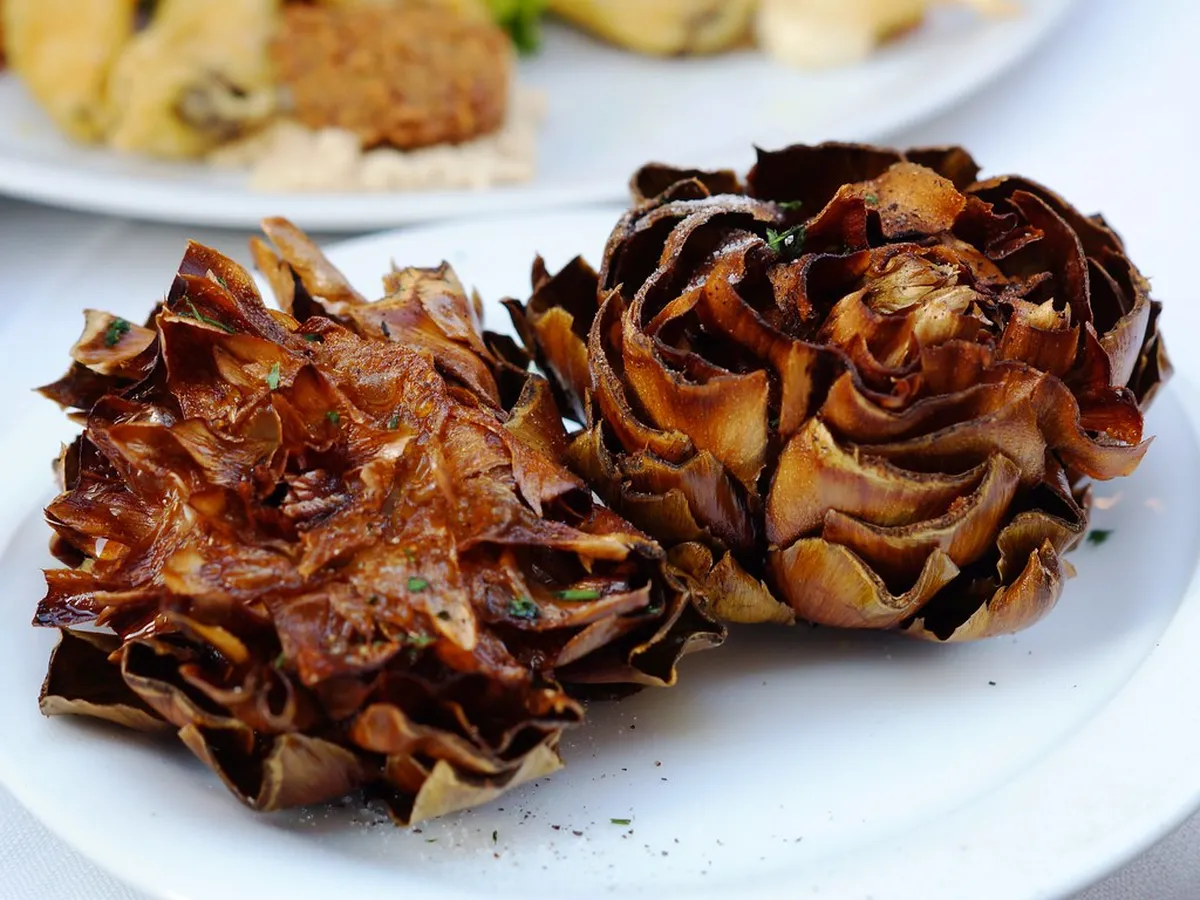
The Jewish Ghetto (Quartiere Ebraico) is the oldest continuously inhabited neighbourhood in Rome and home to one of the city's most distinctive culinary traditions: Roman-Jewish cooking. Carciofi alla Giudia — deep-fried whole artichokes — originated here and are best eaten in spring when the local Romanesco variety is at peak freshness. Restaurants like Ba'Ghetto and Nonna Betta on Via del Portico d'Ottavia serve the full Jewish-Roman menu including fritto misto and supplì with a slight sweet-savoury twist. Book ahead; both fill up fast on Friday evenings.
For a broader look at Rome by area — including where to stay near these food neighbourhoods — see our guide on 12 Best Things to Do in Rome.
The Best Dish at Each Restaurant: A Decision Guide
One of the most common mistakes in Rome is ordering the wrong dish at the right restaurant. Every serious Roman kitchen has a signature preparation — a dish where years of repetition have produced a version that is simply better than anyone else's in that neighbourhood. Use this pairing guide to plan your meals by dish rather than by venue.
- Best Carbonara: Da Enzo al 29 (Trastevere). The ratio of guanciale to egg yolk to aged pecorino is calibrated to a consistency that few kitchens maintain every service.
- Best Cacio e Pepe: Roscioli Salumeria con Cucina (Via dei Giubbonari). The version here uses Gragnano pasta and a blend of two pecorinos aged to different points — the complexity is noticeable.
- Best Amatriciana: Flavio al Velavevodetto (Testaccio). The sauce is built on San Marzano tomatoes reduced slowly with guanciale fat; it coats the rigatoni without pooling.
- Best Pizza al Taglio: Pizzarium Bonci (Prati, near Vatican). Heritage grain dough, 72-hour fermentation, seasonal toppings. No competition at this price point.
- Best Supplì: Supplì Roma (Trastevere). Fried to order, molten centre, €2 each. The amatriciana version is the locals' choice.
- Best Seafood: Pierluigi (Piazza de' Ricci). Established 1938. Fresh Mediterranean fish priced by weight; expect €40–70 for a main. The outdoor setting in the piazza is unbeatable in summer.
- Best Tasting Menu with a View: Aroma (opposite the Colosseum). Michelin-starred, ~€180. No other restaurant in Europe gives you this sight line during dinner.
- Best Gourmet Deli Experience: Roscioli Salumeria con Cucina. Sit at the counter and combine pasta, natural wines, and aged meats in one session.
This dish-first approach is especially useful when your group cannot agree on a single restaurant. Split across two or three of the above for different courses — Rome's compact historic centre makes restaurant-hopping across dinner entirely practical if you plan the geography.
| Restaurant | Neighbourhood | Known For |
|---|---|---|
| Da Enzo al 29 | Trastevere | Classic carbonara, amatriciana, €12–16 |
| Armando al Pantheon | Centro Storico | Roman pasta classics, €18–28 |
| Flavio al Velavevodetto | Testaccio | Offal dishes, cacio e pepe, €13 |
| Cesare al Casaletto | Monteverde | Fried gnocchi, wine list, €30 for 3 courses |
| La Pergola | Cavalieri Hotel | Three Michelin stars, tasting menu €270+ |
| Aroma | Palazzo Manfredi (Colosseum view) | Michelin-starred, tasting menu €180, view |
| Pizzarium Bonci | Prati (near Vatican) | Pizza al taglio, €10–20, heritage grains |
| Emma | Campo de' Fiori | Round Roman pizza, supplì, €12–19 |
| Roscioli Salumeria con Cucina | Via dei Giubbonari | Cacio e pepe, natural wines, cured meats |
| Pierluigi | Piazza de' Ricci | Seafood, established 1938, €40–70 |
What to Eat by Season in Rome
Roman menus follow the market. If a dish is on the menu year-round without variation, that is a warning sign. Knowing what is in season helps you order with confidence and catches ingredients at their peak. Here is a practical seasonal guide for 2026 visits:
- Spring (March–May): Carciofi alla Giudia (deep-fried Romanesco artichokes), fave e pecorino (fresh broad beans eaten raw with young cheese), vignarola (a Roman spring stew of artichokes, peas, and guanciale). The artichoke season typically peaks in April.
- Summer (June–August): Fiori di zucca fritti (fried courgette flowers, stuffed with mozzarella and anchovy), pomodori al riso (baked tomatoes stuffed with rice and herbs), fresh cherry tomatoes on bruschetta. Avoid heavy meat ragù in August heat.
- Autumn (September–November): Porcini mushrooms in pasta and risotto, grilled lamb scottadito, baccalà (salt cod) preparations that are a Jewish-Roman speciality, new olive oil on bread (November is frantoi season).
- Winter (December–February): Trippa alla Romana (tripe in tomato and mentuccia herb sauce), coda alla vaccinara (oxtail braised with pine nuts and cocoa), ribollita-style bean soups, and the full offal repertoire at Testaccio trattorias.
Seasonality also applies to gelato. In winter, look for flavours built on citrus, chestnuts, and dried fruit. Summer is the season for pistachio, stracciatella, and fresh fig. Avoid any gelateria displaying mountains of brightly coloured, airy mounds — real artisanal gelato is kept in deep metal pans with lids, and the colours are muted, not neon. Local experts like Katie Parla have long made this point, and it remains the most reliable quality test on any Roman street.
How to Avoid Tourist Traps in Rome
Rome's most famous spots — the Trevi Fountain, the Spanish Steps, Campo de' Fiori — are surrounded by restaurants that exist almost exclusively to capture tourists who have not done their research. Recognising the warning signs takes about 30 seconds per restaurant and will save both money and a disappointing meal.
The clearest red flags: a host standing outside waving a laminated menu at passers-by; the words "tourist menu" or "menù turistico" on a board; large plastic backlit photos of every dish; a menu printed in six languages with no Italian primary; and a location directly on the main pedestrian path between two monuments. None of these features individually guarantees a bad meal, but two or more together almost always do.
The positive signals are just as reliable: a dining room where most tables are occupied by Italian speakers; a chalkboard menu that lists today's date; a server who says "sorry, we are out of that" partway through the meal (fresh ingredients run out); and a neighbourhood location at least two or three blocks from the main tourist arteries. The Testaccio and Pigneto districts are almost entirely clear of tourist-trap economics.
A note on cover charges: the pane e coperto (bread and table cover charge) is legal in Italy and typically €2–4 per person. It is not a scam. What is a scam is a restaurant that charges €6 coperto and then brings industrially-produced bread from a bag. Check the Luggage and Life neighbourhood breakdown for street-level guidance on which specific streets to avoid near the Colosseum and Campo de' Fiori.
Essential Rome Dining Tips: Reservations, Tipping, and Timing
Dinner in Rome starts later than almost anywhere else in Western Europe. Most locals sit down at 20:30 or 21:00. Restaurants technically open at 19:30 or 20:00, but arriving then means an empty, slightly awkward dining room. The sweet spot is 20:15 — the room is filling, the energy is building, and your table will not feel rushed.
For the restaurants listed in this guide, reserve at least two weeks ahead for weekends and one week ahead for weeknights. La Pergola and Aroma need two months minimum for popular dates. Most places accept bookings via their own website or via TheFork (La Fourchette) — the Italian-language version often shows availability that the English UI does not. When you arrive, confirm your reservation with a printed confirmation; handwritten book systems occasionally lose digitally-placed bookings.
Tipping is not mandatory in Italy. A service charge called servizio (10–15%) is often already included in the bill at higher-end restaurants; always check before adding more. At traditional trattorias where no service charge is listed, leaving €2–5 per person for an excellent meal is appreciated but not expected. Never tip on the percentage model used in the US — Italians will find it confusing and it draws attention. Leave coins or a small note on the table as you leave.
The pane e coperto (bread and cover charge) of €2–4 per person is a legitimate charge and not a scam — it covers your table and the bread basket. However, if the restaurant charges €6 or more for coperto and serves only pre-packaged industrial bread, that is a sign of a tourist trap. Always verify the coperto cost on the menu before sitting down in areas near major monuments.
On coffee: Italians drink cappuccino only in the morning. After a lunch or dinner, order a caffè (espresso) or a caffè macchiato (espresso with a small touch of foam). Ordering a cappuccino after a meal will not get you thrown out, but it will raise an eyebrow or two. Stand at the bar for your espresso — it is cheaper than table service and the correct way to drink it. For a broader view of the city beyond the table, see our full Rome 3-day itinerary.
Frequently Asked Questions
Do you need to tip at restaurants in Rome?
Tipping is not expected in Rome as service is usually included in the bill or covered by the 'coperto' charge. You can leave 5-10% for exceptional service, but it is not a local requirement. For more details on budgeting, check our guide on Luggage and Life.
What time do restaurants open for dinner in Rome?
Most authentic Roman restaurants open for dinner service at 7:30 PM or 8:00 PM. Locals typically dine between 8:30 PM and 9:30 PM. Arriving earlier may result in finding the kitchen still closed or the dining room empty.
Is it easy to find vegetarian food in Rome?
Yes, Roman cuisine features many vegetable-forward dishes like pasta alla norma or fried artichokes. Most traditional menus clearly label ingredients, and chefs are generally accommodating to dietary preferences. Always ask for 'senza carne' if you are unsure about specific pasta sauces.
Rome remains one of the world's greatest food cities by balancing its ancient roots with a vibrant modern dining scene. By following this guide and venturing into the local neighbourhoods, you will discover the heart of Italian hospitality. Knowing which dish to order at which restaurant — and which season to visit for each ingredient — is what separates a good trip from an unforgettable one.
Book your tables early, explore beyond the tourist centre, and keep an open mind when the server recommends the offal special. The memories of a perfect meal in a sun-drenched piazza or a candle-lit Testaccio trattoria will likely be the highlight of your entire trip.
You might also like
Continue reading
More guides you'll find useful