14 Best Gelato Shops and Tips in Rome (2026)
Discover the best gelato in Rome with our expert guide to 14 top-rated shops. Learn how to spot real artisanal gelato and master the local ordering system.
On this page
14 Best Gelato Shops and Tips in Rome
After my fifth summer exploring the Eternal City, I have learned that finding the best gelato in Rome is a serious pursuit. The city contains hundreds of shops, but only a fraction serve the true artisanal product known as gelato artigianale. This guide identifies the elite spots where tradition meets high-quality ingredients for a perfect scoop.
Refreshed for 2026, this list reflects current rankings from the Gambero Rosso Gelateria Awards and on-the-ground local feedback. We have updated pricing and operating hours to keep your trip smooth. Whether you prefer classic pistachio or savory experimental blends, these selections represent the pinnacle of Roman craftsmanship.
Quick Reference: Best Gelato by Neighborhood
Rome's best gelaterias are spread across the city. Grouping them by neighborhood helps you plan each day without unnecessary crosstown detours. Use this summary to match a gelateria to wherever you happen to be.
| Shop | Neighborhood | Best For |
|---|---|---|
| Giolitti | Centro Storico | Classic flavors, iconic atmosphere |
| Gelateria del Teatro | Centro Storico | Artisanal, botanical pairings |
| Frigidarium | Centro Storico | Chocolate shell coating |
| Il Gelato di San Crispino | Trevi / Centro | Purist honey-sweetened bases |
| Fatamorgana | Monti (+ branches) | Wild flavors, gluten-free cones |
| Grezzo Raw Chocolate | Monti | Vegan, raw-ingredient gelato |
| Torcè | Aventino / EUR | Savory and experimental |
| Brivido Gelateria | Testaccio | Old-school, local prices |
| Come il Latte | Termini / Castro Pretorio | Chocolate-dipped cones |
| Otaleg | Trastevere | Gourmet savory, open lab |
| Fior di Luna | Trastevere | Organic, fair trade |
| Neve di Latte | Prati / Flaminio | Biodynamic milk, coffee |
| Gelateria dei Gracchi | Prati | Pistachio, seasonal sorbets |
| Gunther Gelato | Centro / Sant'Eustachio | Alpine milk, unusual pairings |
How to Spot Authentic Gelato vs. Tourist Traps
Authentic gelato should never look like a neon-colored mountain towering over the edge of a plastic tub. Natural ingredients produce muted tones — a pale brownish-green for pistachio rather than bright emerald, a grayish-white for banana rather than vivid yellow. If the colors look artificially saturated, synthetic dyes and stabilizers are almost certainly at work. High-quality shops often hide their product under metal lids called carapine to maintain the ideal serving temperature of around −11°C.
Real artisanal gelato uses banned synthetic colors like Amaranth (Red No. 2) and Tartrazine (Yellow No. 5) only in heavily regulated amounts — or not at all. Bright neon pink, electric green, or artificial-looking yellow are immediate red flags. Natural pistachio gelato will always appear muted, grayish-green rather than vibrant. Check the ingredient placard for color additives; authentic gelaterias proudly display ingredient transparency.
Texture provides another vital clue when you are searching for the best food in Rome. Real gelato is dense and silky because it contains far less air than industrial ice cream — typically 20–30% overrun versus 50–100% in supermarket ice cream. It should melt relatively quickly on a warm day, indicating a lack of heavy chemical emulsifiers. Avoid any shop where the gelato looks fluffy or holds its shape unnaturally high above the cooling line.
The ingredient list is a legal requirement in Italy and must be clearly displayed near the counter. Check for seasonal fruits, named milk sources, and chocolate producers on those placards. Many top-tier gelaterias proudly list specific partnerships — Amadei chocolate, Parisi eggs, hazelnuts from Piemonte. This transparency is the hallmark of a master gelataio who values craft over volume. The Gambero Rosso Gelateria Awards also publish an annual shortlist you can use to cross-check any shop's credentials before visiting.
Centro Storico: Historic Shops Near the Pantheon and Navona
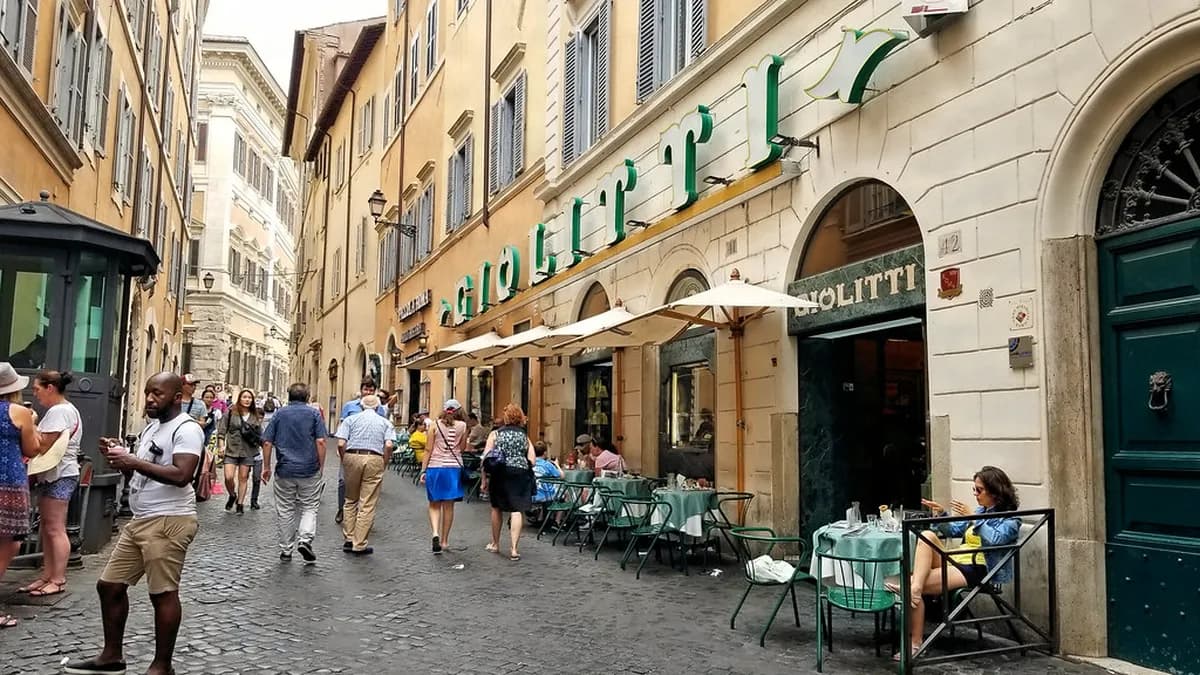
The historic center holds Rome's most famous gelaterias. Giolitti on Via degli Uffici del Vicario has served Romans and royalty since 1900. White-jacketed servers, marble counters, and a repertoire of 50-plus flavors make this the grand dame of the city's gelato scene. Prices run €3–€6 and the shop is open daily from 07:00 to 01:00. Order the mixed berry sorbet or the pure chocolate and ask the server whether you would like panna montata on top — it is typically included at no extra charge here.
Gelateria del Teatro on Via dei Coronari lets you watch chefs peel and chop fresh fruit through a street-level window. Ingredients are sourced from specific Italian producers — Amalfi lemons, Sicilian almonds, Valrhona chocolate — and posted on handwritten boards inside. A standard cone costs €3–€7 and the shop is open daily from 10:30 to 23:00. The Raspberry and Sage pairing is refreshing and genuinely surprising; the white chocolate and basil is a close second. You can read more about their exact location and map pin on the Gelateria del Teatro location.
Frigidarium sits just off Piazza Navona and stays open until 01:00 daily. It is not classified as fully artigianale by local purists, but the chocolate shell dip is executed better here than anywhere else in the city. A generously sized cone costs €3–€5. Choose the signature Frigidarium flavor — a caramel base layered with cookie crumbles and dark chocolate — and always opt for the chocolate dip to finish. Il Gelato di San Crispino near the Trevi Fountain is the purist's choice: they serve only cups (no cones) and sweeten their dairy bases with rare honeys rather than refined sugar. Cups run €3–€7, open 11:00–24:00 daily. The eponymous honey flavor is the one to try first.
Monti and East Rome: Botanical and Vegan Options
Fatamorgana has multiple Rome locations — the Monti branch on Via Lago di Lesina is the original — and all are fully gluten-free by design. Owner Maria Agnese Spagnuolo sources inspiration from global flavor traditions, producing combinations like Kentucky (chocolate, licorice, tobacco), basil-walnut-honey, and baklava. Small cups start at €2.50 and most branches are open from 12:00 to 23:00 daily. The official Fatamorgana website lists all current branch addresses. For first-timers, the "Pensiero" blend of pink grapefruit, ginger, horseradish, and lemon zest is a strong starting point.
Grezzo Raw Chocolate in Monti is the best option in Rome for dairy-free travelers. All gelato here uses cashew or almond milk as a base, sweetened with coconut sugar rather than refined sugar, making it suitable for vegan, lactose-intolerant, and refined-sugar-avoiding visitors simultaneously. Prices reflect the premium raw ingredients at €4–€8, with daily hours from 11:00 to 23:00. The raw chocolate flavors are intensely concentrated — richer than many dairy equivalents — and the shop can confirm gluten-free status on request. If you are building a food tour in Rome around dietary needs, Grezzo and Fatamorgana are the two non-negotiables.
Trastevere: Gourmet Labs and Organic Sourcing
Otaleg — "gelato" spelled backward — is run by Marco Radicioni in Trastevere and treats gelato as a fine-dining discipline. The open laboratory showcases vertical batch freezers and ingredient displays, making the process transparent. Expect to spend €3–€6 for a serving during their 12:00–24:00 daily hours. The savory pistachio, gorgonzola and pear, and parmesan with balsamic are not novelties for novelty's sake — each combination is precisely calibrated. The pecan gelato topped with freshly whipped panna is also excellent if you want something more familiar.
Fior di Luna on Vicolo della Scala in Trastevere is the organic counterpart to Otaleg's laboratory approach. Every ingredient here carries a fair trade or organic certification, and the shop changes its menu strictly with the season. Prices are very reasonable at €3–€5, open daily 12:00–23:00. Their chocolate sorbets use single-origin cocoa and contain no dairy, making them the deepest-flavored dairy-free chocolate option in the neighborhood. The "Duetto" — hazelnut and pistachio blended together — is the house signature and worth ordering even if you normally pick fruit flavors.
When evaluating gelato texture, press your finger gently against the surface — real gelato will be dense and firm, not fluffy or light. It should retain a slight indentation and never feel airy. The serving temperature is critical: authentic gelato served too cold becomes hard to taste properly, while gelato kept too warm loses its structure. If the gelato feels like industrial ice cream on your tongue (light, quick-melting), you are likely at a tourist shop. Stick to places with visible metal containers and visible chill management.
Prati and North Rome: Premium Ingredients Worth the Journey
Neve di Latte near the MAXXI museum and Auditorium uses biodynamic milk from named Piemontese farms and eggs from Parisi heritage breeds. The working laboratory is visible from the shop floor. Simone Romano, the owner, is frequently present and will explain his ingredient sourcing if you ask. A premium scoop costs €3–€8 and the shop is open daily 12:00–23:00. The coffee gelato — made with high-end single-origin roasted beans — is widely considered the best in the city. A second location at Piazza Cavour in Prati is more convenient for visitors staying near the Vatican.
Gelateria dei Gracchi nearby is the gold standard for nut flavors in Rome. The pistachio is made from a Sicilian cultivar, never dyed, and the result is a dense, brownish-green scoop that tastes exclusively of the nut itself. Standard portions run €3–€6 and the shop is open daily from 11:00 to midnight. Fruit sorbets change strictly with the season — you will never find strawberry here in November. Pair the toasted almond with the dark chocolate for a classic combination that showcases the shop's restraint. Gunther Gelato in the Sant'Eustachio area brings South Tyrolean alpine milk, buffalo milk, and unusual mountain botanicals — pine, cinnamon from Indonesia, caramel with Himalayan salt — to central Rome. Three central locations mean you can usually find one nearby.
Testaccio and Beyond: Local Neighborhood Favorites
Brivido Gelateria in Testaccio serves traditional Roman-style gelato at prices that reflect a local clientele rather than tourist traffic — €2.50–€5. The atmosphere is unpretentious and the focus is on recipes that have been refined over decades. Open daily from 10:00 to midnight. The zabaglione flavor is rich and gently alcoholic, perfect for an evening stroll through the neighborhood's market streets. Come il Latte near Termini is famous for its chocolate fountain that coats the inside of your cone before any gelato is added. Prices range from €3 to €6 daily from 12:00 to 23:00. Ask for the dark chocolate dip to seal the cone and then add salted caramel — the combination of crunchy shell, caramel, and buttery milk base is difficult to improve upon.
For a complete picture of eating in Rome beyond gelato, the 12 Best Restaurants in Rome guide covers the full range from trattorie to modern Roman cuisine. If you are planning your days around food stops, the 12 Best Things to Do in Rome pillar lists gelaterias alongside markets, food tours, and neighborhood walks so you can sequence everything efficiently.
Seasonal Flavor Calendar: When to Visit for Specific Gelato
Rome's best gelaterias rotate their menus with the harvest calendar, and the difference between an in-season and out-of-season fruit sorbet is substantial. Knowing what to look for each month helps you make the most of whichever shop is nearest. The following guide reflects what the city's top ingredient-focused gelaterias typically offer, though exact availability varies by shop and year.

Spring (March–May): Fragoline di bosco (wild strawberries) appear from late March and are gone by mid-May. These tiny Italian woodland strawberries produce a gelato nothing like commercial strawberry — intensely aromatic, slightly tart, deep red. Gelateria dei Gracchi and Gelateria del Teatro typically carry them. Lemon sorbets using Amalfi or Sicilian lemons peak in April when the harvest ships north. Summer (June–August): White peach, fig, and melon sorbets define the season. Gelateria del Teatro's lavender and white peach is only available in July and August. Watermelon granita is widely available but quality varies — stick to shops that display whole fruit.
Autumn (September–November): Chestnut gelato arrives in October at shops like Neve di Latte and Fatamorgana. The nutty, slightly smoky base pairs well with dark chocolate. Late autumn also brings persimmon (cachi) sorbets, which are rarely found outside Italy. Pumpkin gelato is a genuine curiosity at Gelateria del Teatro in October, though it disappears quickly. Winter (December–February): Blood orange sorbets from Sicily peak in January and February. Fatamorgana runs a seasonal panettone flavor each December. Citrus combinations — bergamot, clementine, Amalfi lemon — dominate the sorbet section. Winter is also the easiest time to taste-test without queues, especially at Fatamorgana's smaller branches.
The Scontrino Workflow: How to Order Like a Local
Ordering gelato in a busy Roman shop can feel chaotic if you do not know the system. First, find the cash register (cassa) and decide which size of cup or cone you want. After paying, you will receive a paper receipt known as the scontrino. Take this receipt to the gelato counter and hand it to the server before choosing your flavors. The system exists because Rome's busiest gelaterias — Giolitti especially — would face complete chaos without it.
One of the most important questions you will face is whether you want panna montata. This fresh whipped cream can be placed on top of your gelato or at the bottom of the cone to create a creamy base layer. At most traditional shops including Giolitti, the panna is free and the server will ask "con panna?" as a matter of course. Some modern artisanal spots charge a small surcharge of around €0.50. Simply say "con panna" if you want it, or "senza panna" if you prefer to skip it.
Most shops allow at least two flavors even for the smallest size. This is a good way to test how different ingredients complement each other — a classic pairing is dark chocolate with hazelnut, or raspberry with lemon sorbet for a sharper contrast. If you are following a Rome 3-day itinerary, try a new pairing every afternoon. Do not hesitate to ask for a small taste of an unfamiliar flavor before committing — most artisanal gelaterias offer this freely and view it as part of the service.
What to Skip: Avoiding Rome's Gelato Tourist Traps
The most common mistake is stopping at the first shop near the Colosseum or Trevi Fountain. High-traffic areas are filled with shops selling industrial products made with vegetable fats and artificial colorings. Look for signs that say "Produzione Propria" or "Artigianale," but verify them using the visual cues described above — these phrases have no legal protection in Italy and anyone can display them. If the shop also sells giant slices of pre-made pizza and souvenir magnets, the gelato is almost never high quality.
Predatory pricing is a reliable warning sign. Any shop that does not display prices clearly by size before you order is likely targeting one-time tourists. A cone near the Spanish Steps or Colosseum that costs €8–€12 is not premium gelato — it is a location surcharge. The artisanal shops in this guide charge €3–€8 for even their most elaborate offerings. Steer clear of shops where the gelato is decorated with plastic fruit or where mounds tower 20–30 cm above the container.
A true master lets the texture and color of the gelato speak for itself without gimmicks. If a shop is empty while a nearby competitor has a queue of locals, follow the crowd. Romans are protective of their gelato standards and will not return to a shop that cuts corners on ingredients. The shops in the Testaccio and Prati neighborhoods tend to have particularly honest price-to-quality ratios because their clientele is predominantly residential rather than tourist.
Frequently Asked Questions
Do you pay before or after getting gelato in Rome?
In most traditional Roman gelaterias, you must pay at the cash register first to receive a receipt. You then take this scontrino to the counter to choose your flavors. Some modern shops have changed this, so observe the locals when you enter.
Is whipped cream free on gelato in Rome?
Whipped cream, or panna montata, is traditionally free at many historic Roman shops like Giolitti. However, some newer artisanal spots may charge a small fee of around 50 cents. Always ask "con panna?" to see if there is an extra cost.
What is the difference between gelato and ice cream?
Gelato is churned at a slower speed than ice cream, resulting in less air and a denser texture. It also contains less butterfat and is served at a slightly warmer temperature. This allows the natural flavors of the ingredients to shine more brightly.
Finding the best gelato in Rome is one of the most rewarding parts of any Italian holiday. By looking for natural colors, metal containers, and clearly posted ingredient lists, you can avoid tourist traps and support local artisans. Whether you stick to the classics or try savory innovations, the quality of Roman gelato is genuinely world-class.
Remember to master the scontrino workflow and let the seasonal calendar guide which flavors to prioritize. For more dining tips, check out our guide on 12 Best Restaurants in Rome. Enjoy your sweet journey through the Eternal City and savor every artisanal scoop.
You might also like
Continue reading
More guides you'll find useful