12 Best Things to Do in Rome (2026)
Plan things to do in rome with top picks, neighborhood context, timing tips, and practical booking advice for a smoother trip to the Eternal City.
On this page
12 Best Things to Do in Rome
After five visits to the Eternal City over the last decade, I have realized that Rome never actually stops changing. The layers of history here are so thick that every construction project or renovation seems to reveal a new ancient secret. Our editors have reviewed every neighborhood to ensure this guide helps you balance iconic sites with quiet, local corners.
This guide was last refreshed in June 2026 following our most recent visits to the city. Rome is currently the second most visited city in Europe, right after Paris, which means crowds are a permanent reality. Understanding how to navigate the surge in visitors while still finding authentic moments is the key to a successful Italian holiday.
You will find that the best experiences often happen in the gaps between the famous monuments. Whether you are sipping espresso in a hidden piazza or exploring an industrial museum, the city rewards those who look deeper. This list highlights twelve essential experiences that define the modern and ancient character of Rome today.
Key Takeaways
- Best overall: The Colosseum and Roman Forum (book 30 days ahead).
- Best for families: Villa Borghese Gardens for its wide-open spaces and bike rentals.
- Best rainy-day activity: The Pantheon or the Palazzo Doria Pamphilj galleries.
- Best free experience: Walking through the Trevi Fountain and Pantheon area late at night.
- Always carry a reusable water bottle to use the free public drinking fountains (nasoni).
Must-See Rome Attractions
Selecting the top sights in a city with three millennia of history is a daunting task. We have focused on a mix of world-famous landmarks and specific cultural experiences that provide a well-rounded view of the city. Each item on this list represents a unique facet of Roman life, from imperial grandeur to modern neighborhood charm.
Planning your daily route is essential because many of these locations are spread across different districts. You should check the Best Time To Visit Rome: Seasonal Guide & Weather Tips to align your sightseeing with better weather and lower crowds. Most major attractions now require timed entry tickets that must be purchased several weeks in advance.
Keep in mind that some areas are more walkable than others, particularly the historic center. If you are wondering 10 Best Neighborhoods for Where to Stay in Rome, choosing a central base will save you hours of transit time. The following picks are the absolute non-negotiables for a first or second trip to the capital.
- The Colosseum and Roman Forum. This massive amphitheater is the ultimate symbol of Imperial Rome and sits adjacent to the sprawling ruins of the ancient city center. Standard tickets cost €18–€24 per adult and include entry to the Forum and Palatine Hill, with hours typically from 09:00 until sunset. Book your entry at least 30 days in advance on the official site — tickets that include the underground levels and arena floor sell out almost immediately on release day.
Colosseum tickets including underground levels and arena floor sell out immediately on release day. Book at least 30 days in advance to secure timed entry slots.
- St. Peter's Basilica and Vatican Museums. Located within the world's smallest sovereign state, these sites house the Sistine Chapel and the largest church in Christendom. The Basilica is free to enter, but the Museums cost roughly €20–€30 per person and are open Monday to Saturday from 08:00 to 19:00. Arriving at the Basilica by 07:30 lets you skip the massive security lines that form by mid-morning near the colonnades. Consider an early-access guided tour if you want the Sistine Chapel to yourself — some tours now enter as early as 08:00 following a 2024 schedule change.
- The Pantheon in Piazza della Rotonda. This former Roman temple features the world's largest unreinforced concrete dome and remains one of the best-preserved ancient buildings on earth. Entry costs €5 for tourists, and the site is open daily from 09:00 to 19:00. Visit during a rainstorm to watch water fall through the oculus and disappear into the original Roman drainage system below. Budget tip: entry is free for everyone on the first Sunday of each month.
The Pantheon is free on the first Sunday of each month, saving €5 per person. Visit between 09:00–19:00 daily, and plan a rainy-day visit to see water cascade through the oculus dome opening.
- Trevi Fountain. This Baroque masterpiece is tucked into a small piazza and is famous for the tradition of tossing coins to ensure a return to Rome. As of February 2026, €2 tickets are required to access the lower steps and throw a coin; the fountain can still be viewed from the square above for free. The queues thin out before 09:00 and after midnight, when the floodlit marble is genuinely spectacular.
- Trastevere Neighborhood Evening Walk. This medieval neighborhood across the Tiber River is famous for its narrow cobblestone alleys and vibrant ivy-covered trattorias. Exploring the area is free, though most visitors spend several hours here dining and drinking at local bars until late at night. Avoid the main piazzas for dinner and head into the quieter side streets to find more authentic Roman pasta dishes.
- Palatine Hill and the Roman Forum. Everyone who visits the Colosseum tends to rush through the Forum on the lower level. Walk up to the Palatine Hill plateau at the back of the Forum and you get panoramic views over the ruins, the Circus Maximus, and the Colosseum — some of the best in Rome — at no extra cost beyond your Colosseum ticket. Look for the Farnese Gardens on the upper level, among the first private botanical gardens in Renaissance Europe.
Museums, Art, and Culture in Rome
The sheer volume of art in Rome can be overwhelming for even the most dedicated museum-goer. Beyond the Vatican, the city is filled with smaller galleries that house masterpieces by Caravaggio, Bernini, and Raphael. You can find many of these works inside churches, which often act as free public museums for those in the know.
The Centrale Montemartini in the Ostiense neighborhood is one of the most photogenic museums in the city. Ancient Roman statues stand between massive diesel engines and turbines in a former power plant, creating an extraordinary visual contrast between the classical and the industrial. Tickets cost around €11 per adult and the museum is open Tuesday to Sunday until 19:00; it is consistently among the least crowded major museums in Rome.
The Palazzo Doria Pamphilj is another overlooked gem sitting right between Via del Corso and Piazza Navona. This private palace still belongs to an aristocratic Roman family and houses works by Caravaggio, Titian, and Velázquez in gilded galleries that rival Versailles for opulence. Entry costs approximately €16 and includes a remarkable audio guide narrated by a current member of the Pamphilj family. The Capitoline Museums and the Altar of the Fatherland are within easy walking distance of each other near Piazza Venezia, so grouping them saves you significant transit time.
If you are interested in a deeper dive into the city's culinary heritage, consider booking a food tour in Rome to see how culture and dining intersect. Many food tours take place in neighborhoods like Testaccio, where the city's original wholesale markets once operated. Always check the official websites for temporary closures, as many historic buildings undergo periodic restoration work.
Parks, Gardens, and Outdoor Spots in Rome
Rome is surprisingly green, offering several large parks that provide a much-needed respite from the summer heat. The giant Villa Borghese Gardens, Rome's Central Park, is the most famous of these spaces and covers around 80 hectares above the Via Veneto. Locals use it for jogging, picnics, and weekend walks, creating a relaxed atmosphere far removed from the tourist crowds down below.
The Borghese Gallery sits on the eastern edge of the park and is one of the finest art collections in the world — Caravaggio, Bernini, and Raphael all represented in a small building that limits visitors strictly to two-hour time slots. Tickets are released roughly five weeks in advance and sell out almost instantly, so set a calendar reminder and be ready. If you miss the Gallery, the park itself offers rowboats on a lake in front of a Roman temple, free to explore and consistently beautiful in all seasons.
The Orange Garden on the Aventine Hill is another favorite spot for sunset views over the St. Peter's dome. Just a few steps away, you can find the famous Knights of Malta Keyhole, which frames a perfectly aligned view of the Basilica at the end of a long cypress avenue. These outdoor spots are generally free to access and provide some of the best photographic opportunities in the capital. For those who enjoy a longer trek, the Appian Way offers miles of ancient history set against a rural landscape, with the various catacombs along the route charging separate entry fees of about €10–€12 each.
Exploring Lesser-Known Southeast Rome
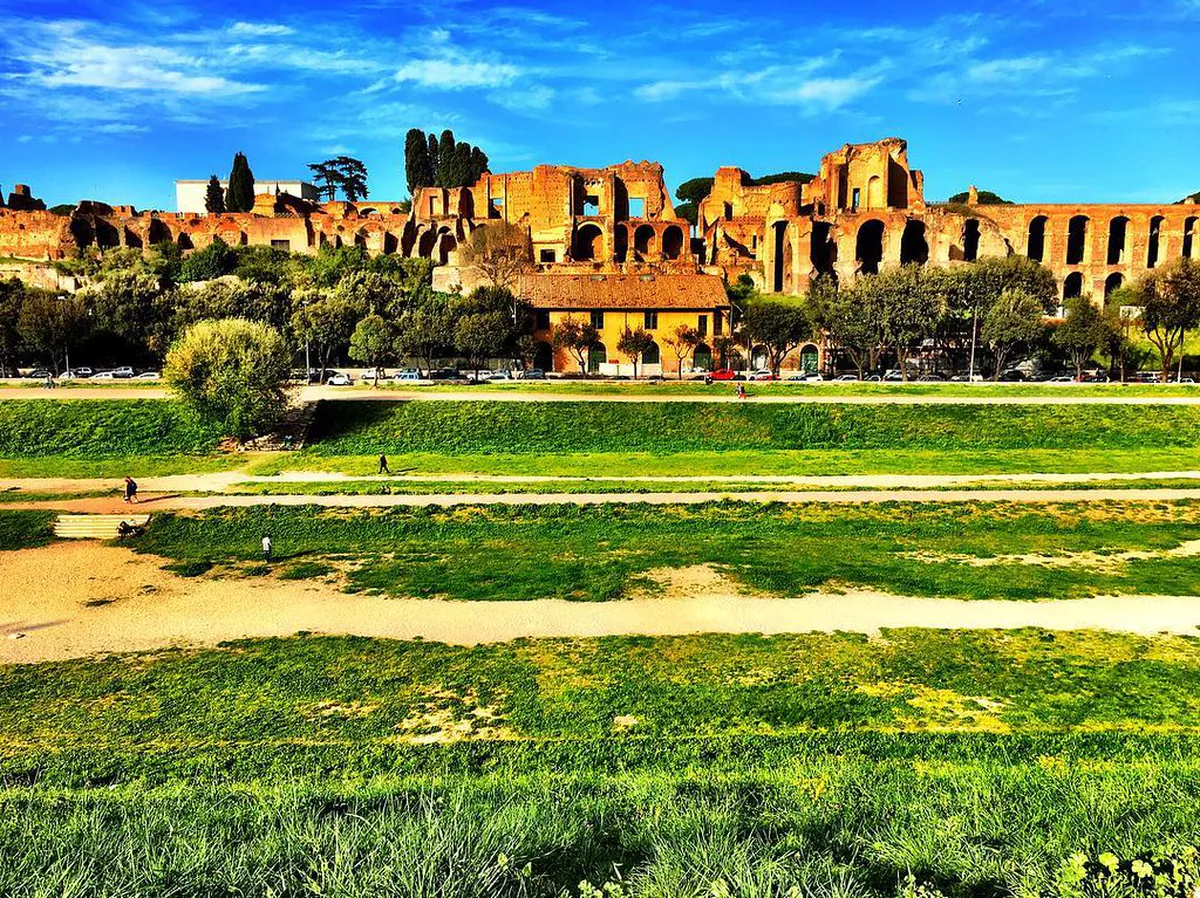
Southeast Rome from the Circus Maximus down through Ripa, San Saba, and Ostiense is one of the most rewarding walks in the city for travelers who have already covered the centro storico. The Circus Maximus itself once held chariot races in front of 250,000 Romans — the sheer scale of the grassy oval is startling even in its empty, partially excavated state today. From there, the Roseto Comunale and the Giardino degli Aranci (the Orange Garden on the Aventine) are a short uphill walk with a terrace that looks directly across the river to Trastevere.
The Baths of Caracalla, a little further south, are one of the best-value ancient sites in Rome at around €8–€12 per adult. The complex was built in 215 AD and could serve 1,600 bathers at once; some operators now offer 4D augmented-reality goggles on site to overlay digital reconstructions of the original interiors, which makes the ruins considerably easier to imagine at their original scale. Entry is quiet compared to the Colosseum, particularly on weekday mornings.
The Piramide di Caio Cestio near the Ostiense metro station is genuinely strange — a full-scale Egyptian pyramid built in 18–12 BC as a Roman tomb, sitting beside the Porta San Paolo gate. The Non-Catholic Cemetery next to it is where Keats and Shelley are buried and is one of the most peaceful green spaces inside the city walls. The Centrale Montemartini museum is also in this neighborhood, making southeast Rome an efficient half-day route for travelers who want something different from the standard Vatican–Forum–Trevi triangle.
Family-Friendly and Budget-Friendly Options in Rome
Rome can be expensive if you default to tourist-facing services, but a thoughtful itinerary brings the cost down significantly without sacrificing quality. The Pantheon is free on the first Sunday of each month — a concrete saving for a family of four. The nasoni (public drinking fountains) scattered across the city provide free cold water all day, which alone eliminates a major daily expense in summer. Walking the major piazzas — Navona, del Popolo, Venezia — costs nothing and keeps children moving between landmarks.
Villa Borghese Gardens is the best family space in Rome. Rowboat hire on the lake runs around €3–€5 per person per hour, bike and surrey rentals are available near the main entrances, and the wide-open lawns give children room to run. The park connects directly to the Pincio Terrace, which has the best free panoramic view over the city. Families with older children often find the Appian Way on a Sunday (when the road is closed to cars) one of the most memorable experiences of their trip — renting a bicycle and cycling past ancient tombs and original basalt paving stones is free beyond the bike hire cost of around €10–€15 per day.
Budget-conscious adults should note that several major churches function as free museums. Santa Maria Maggiore, San Giovanni in Laterano, and Santa Maria in Trastevere all house significant art and history at zero entry cost. The Campo de' Fiori morning market runs 07:00 to 14:00 except Sundays and is free to browse — it is the most famous market in Rome and the produce stalls give way to outdoor cafes by early afternoon. Buying lunch ingredients here and eating in a piazza is both cheaper and more authentic than any restaurant in the tourist center.
Roman Food: What to Eat and Where
Roman cuisine is one of the most cohesive regional food cultures in Italy. The four canonical pasta dishes — cacio e pepe, carbonara, amatriciana, and gricia — are all made with just a handful of ingredients but executed with a precision that separates good restaurants from great ones. Order carbonara everywhere and avoid any place that adds cream; real carbonara uses only egg yolk, guanciale, Pecorino Romano, and black pepper.
Testaccio is the neighborhood for serious eating. The Mercato Testaccio is an indoor covered market where you can eat Roman street food alongside locals for very little money — trapizzino (triangular pizza pockets stuffed with Roman stews) and supplì (fried rice balls) are the two things to eat before anything else. The neighborhood is a 20-minute walk from the Circus Maximus, which makes it a natural lunch stop if you are doing the southeast Rome route described above.
Trastevere has more restaurants per square metre than anywhere else in the city, but the tourist-facing places on the main piazzas charge a significant premium. Walk two blocks off the main drag and the quality-to-price ratio improves dramatically. For a quick and affordable lunch anywhere in the city, look for a forno (bakery) selling pizza al taglio — pizza sold by weight, priced at around €3–€5 for a satisfying portion. Italy Magazine has a useful guide to the best things to do in Rome at night, including aperitivo bars where the snacks are substantial enough to substitute for dinner.
How to Plan a Smooth Rome Attractions Day
Navigating the city requires a bit of strategy, especially when it comes to Getting Around Rome: The Ultimate 2026 Transport & Walking Guide efficiently. The metro system is limited due to the archaeological remains underground, so buses and trams are often your best options. Download a reliable transit app to track live arrival times for the city's sometimes unpredictable bus network.
Wear comfortable walking shoes, as you will likely cover several miles on uneven cobblestones every single day. Many travelers make the mistake of overpacking their itinerary, leading to exhaustion by the second afternoon. Aim for one major ticketed attraction in the morning and leave the afternoon open for wandering through neighborhoods like Trastevere. The light in the Roman Forum is best in the early morning and the late afternoon — plan accordingly if photography matters to you.
Water is readily available throughout the city from the 'nasoni' or public drinking fountains. The water is cold, clean, and free, so carrying a reusable bottle will save you money and reduce plastic waste. This is a practical tip that locals rely on, especially during the intense heat of the Roman summer. Booking tickets for the Colosseum, Borghese Gallery, and Vatican Museums before you board your flight is not optional — all three sell out weeks in advance in peak season.
Offbeat Neighborhoods: Can You Really Get Off the Beaten Track?
Finding quiet spots in such a popular destination is difficult but certainly possible if you leave the historic center. There is a great list from the New York Times of off-beat, out of the way places in Rome that highlights residential neighborhoods including Parioli, Trieste, and Garbatella. These areas offer a look at early 20th-century architecture — rationalist, Art Nouveau, and fascist-era modernism — that feels worlds away from the Renaissance palaces of the centro storico.
The Quartiere Coppedè in the Trieste neighborhood deserves particular attention. Built between 1913 and 1926, this small cluster of apartment buildings around a central fountain mixes Baroque, Gothic, and Liberty (Italian Art Nouveau) elements in a way that has no parallel in Rome. It is genuinely little-visited despite being extraordinary, and it takes about 20 minutes to walk around fully. The neighborhood sits on the 3 or 19 tram line from the center.
Garbatella, to the south, was built in the 1920s and 1930s as a planned workers' neighborhood with a distinctive low-rise courtyard style that the rest of Rome never replicated. It is currently popular with younger Romans and has good independent bars and restaurants without the tourist pricing. If you have extra time, consider taking 11 Best Day Trips from Rome to see the surrounding Lazio region — places like Tivoli with Hadrian's Villa or the ruins of Ostia Antica provide a different perspective on Roman civilization at lower crowd levels than any central monument.
What to Skip in the Eternal City
Some attractions in Rome have gained fame more for their social media potential than their actual historical value. The Mouth of Truth (Bocca della Verità) often has a line stretching down the street for a five-second photo opportunity. I suggest skipping the line and instead visiting the beautiful interior of the Santa Maria in Cosmedin church where it is located.
Avoid eating at any restaurant that has a staff member out front trying to wave you inside with a 'tourist menu'. These spots typically serve frozen pasta and subpar wine at inflated prices to unsuspecting visitors. Instead, consult a guide on 10 Best Places to Eat in Rome to find places where locals actually dine.
The Spanish Steps are beautiful, but sitting on them is now strictly prohibited and can result in a significant fine. Rather than lingering there, walk up to the Pincio Terrace for a much better view and a place where you can actually sit. Being an informed traveler helps you avoid these common pitfalls and focus on the experiences that truly matter.
Frequently Asked Questions
Which things to do in Rome fit first-time visitors?
First-time visitors should prioritize the Colosseum, Vatican Museums, and the Pantheon. These iconic sites provide the essential historical context of the city. We also recommend an evening walk through Trastevere for a taste of Roman nightlife.
How much time should you plan for things to do in Rome?
You should plan for at least four full days to see the major highlights without rushing. This allows one day for the Vatican, one for Ancient Rome, and two for exploring central neighborhoods and museums. If you have a week, you can include day trips.
Is it worth buying a Roma Pass for attractions?
The Roma Pass is worth it if you plan to use public transit frequently and visit at least two major museums. It includes free entry to the first one or two sites and discounts on others. Check current prices to ensure it fits your specific itinerary.
Rome is a city that demands your patience and rewards your curiosity with every corner you turn. By balancing the major landmarks with smaller, offbeat discoveries, you will experience the true soul of the capital. We hope this guide helps you navigate the ancient streets with confidence and wonder.
Remember to book your tickets early and take time to simply sit in a piazza and watch the world go by. The best version of Rome is the one you discover when you aren't looking at a map. Enjoy your journey through history in one of the most beautiful cities on earth.
Explore More Rome Guides
Plan every part of your trip with our in-depth Rome guides — where to stay and what to eat, the best neighborhoods, itineraries, getting around, and the city after dark.
Top Experiences
- 11 Best Day Trips from Rome
- 18 Best Free Things to Do in Rome: A Budget Guide
- How to Visit the Colosseum: 7 Essential Planning Steps
- 10 Pro Tips for Visiting the Vatican
- 15 Best Things to Do in Rome with Kids: A Family Guide
Neighborhoods
- 8 Essential Things to Know About the Monti Neighborhood in Rome
- Rome Neighborhoods Guide: 10 Best Areas
- Trastevere Rome Neighborhood Guide: Stay, Eat, and Explore
Food & Drink
- 14 Best Gelato Shops and Tips in Rome
- 12 Best Restaurants in Rome
- 7 Best Rome Food Tours: Expert Reviews & Neighborhood Guide
- 20 Best Foods to Eat in Rome: The Ultimate Local Guide
- 10 Best Places to Eat in Rome
Where to Stay
When to Visit
- Best Time To Visit Rome: Seasonal Guide & Weather Tips
- Rome in Summer: 8 Essential Tips for Heat, Crowds, and Packing
- Rome In Winter Travel Guide
- Rome Weather By Month: 17 Essential Seasonal Insights
Itineraries & Planning
- How Many Days in Rome? 10 Essential Planning Tips & Itineraries
- One Day in Rome: The Ultimate 24-Hour Itinerary Guide
- Rome 2 Day Itinerary: 11 Essential Planning Tips
- Rome 3 Day Itinerary: The Perfect Guide to the Eternal City
Getting Around
Nightlife
- 10 Best Bars in Rome: A Local's Guide to Wine and Views
- Rome Nightlife Guide: 10 Best Ways to Experience the City
Shopping
You might also like



Continue reading
More guides you'll find useful