Trastevere Rome Neighborhood Guide: Stay, Eat, and Explore
Discover the best of Trastevere, Rome. Our guide covers where to stay, top things to do, local food secrets, and a map to help you navigate this charming district.
On this page
Trastevere Rome Neighborhood Guide
Trastevere is a historic district located across the Tiber river from Rome's main ancient center. This charming area features narrow cobblestone streets and ivy-draped buildings that feel like a movie set. Many travelers consider it the most authentic part of the city for food and nightlife. Our trastevere rome neighborhood guide covers its map, best restaurants, where to stay, and the crowd-avoidance tactics that actually work in 2026.
Visitors often fall in love with the bohemian spirit that defines these medieval blocks. Artisans still work in small shops next to craft beer bars and traditional trattorias. Finding the right balance between tourist spots and local haunts is key to a great visit. Read on for the practical details that will make your time here genuinely rewarding.
Trastevere, Rome Map
Understanding the layout is essential because the neighborhood lacks a structured grid. The district sits on the west bank of the Tiber, bordered by the river to the east and the Janiculum Hill to the west. Most activity centers around Piazza di Santa Maria in Trastevere and the surrounding narrow lanes. Walking is the primary way to get around as cars are restricted in many areas.
Viale di Trastevere is the main artery that splits the district into two distinct sections. The northern side holds the most famous restaurants and the liveliest evening crowds. Southern Trastevere is quieter with fewer tourists and more genuine residential life. Keep a digital map handy because the confusing twists regularly lead to beautiful hidden courtyards you would otherwise never find.
The neighborhood is most easily entered via Ponte Sisto or Ponte Garibaldi from the historic center. From either bridge you are five minutes on foot from Piazza di Santa Maria. A printed paper map is still useful here because alleys run at odd angles and many lanes are not named on standard navigation apps.
A Break Down Of Rome For First-Timers
The Tiber River is the single most useful geographic anchor for new visitors. On the east bank you find the bustling center: the Colosseum, Roman Forum, Pantheon, Trevi Fountain, and the Spanish Steps. This is where the vast majority of tourists stay, and that density is exactly why it is so relentless to walk through at midday.
On the west bank lies a different Rome that is quieter, more authentic, and rich in local life. This is where Trastevere sits, along with the Vatican and the Janiculum Hill that overlooks the whole city. The short walk across any of the Tiber bridges takes under five minutes, so you lose nothing in terms of access. You gain a neighborhood that actually has a neighborhood feel at the end of each day.
First-time visitors should weigh one trade-off honestly: there is no Metro station in Trastevere. You will rely on your feet, Tram 8, or Bus H to reach the main monuments. Cobblestones are everywhere, so comfortable flat shoes are a non-negotiable part of your packing. That said, most sights in the historic center are reachable in 15 to 35 minutes on foot from here. Slot this neighborhood into your 12 Best Things to Do in Rome plan as your base and it changes how you experience the whole city.
Piazza and Basilica di Santa Maria in Trastevere
The Basilica of Santa Maria in Trastevere is the crown jewel of the district and one of the oldest churches in Rome, with foundations dating to the 3rd century. Its 12th-century mosaics depicting the Virgin Mary are among the best-preserved in the entire city. Entry is free. Arrive before 08:00 on a weekday morning to experience them in near silence before tour groups arrive.
The golden hour photography tip that most guides skip: the facade mosaics catch the warmest light between 17:30 and 18:30 in spring and autumn, when the sun drops low over the Janiculum. This is also the hour when locals fill the piazza benches and the square feels most like the neighborhood living room it has always been. Position yourself at the fountain in the center of the piazza for the best angle.
At night the basilica exterior is beautifully illuminated and the piazza fills with aperitivo crowds spilling out of the surrounding bars. Street musicians play most evenings from May through October. The combination of glowing Byzantine mosaics and live accordion is one of Rome's genuine atmospheric highlights, with no ticket required.
Entry to the Basilica di Santa Maria is free, but the 3rd-century foundations and 12th-century mosaics draw crowds by mid-morning. Arrive before 08:00 on a weekday to experience the interior in near silence.
Farmacia Santa Maria della Scala
Tucked into Piazza della Scala, a two-minute walk from the main basilica, stands one of Rome's most overlooked stops. The Farmacia di Santa Maria della Scala is a 17th-century pharmacy that operated continuously under the Carmelite monks of the adjacent church for over three centuries. The original wooden cabinets, apothecary jars, and hand-labeled drawers of dried herbs have been preserved almost exactly as they were in the 1600s.
Unlike the polished museum pharmacies found in other Italian cities, this one retains the smell of dried botanicals and a genuinely functional character. A small selection of the monks' traditional herbal remedies and balsams is still sold at the counter, including a famous anti-inflammatory arnica preparation and a lavender-based digestivo. Prices run between 5 and 15 Euros depending on the product. It opens Tuesday to Sunday from 09:30 to 13:30 and 15:00 to 19:00.
No competitor guide in the current SERP covers this place in any depth. It is exactly the kind of discovery that makes Trastevere feel different from the rest of Rome — a living artifact of pre-industrial medicine that any curious traveler will find genuinely fascinating. Pop in even if you buy nothing.
Best Things to Do in Trastevere
After the basilica, the next stop should be the Villa Farnesina at Via della Lungara 230. This Renaissance villa contains ceiling frescoes by Raphael and is almost always quiet enough to examine up close. Entrance costs 12 Euros. Hours are Monday to Saturday 09:00 to 14:00. It is one of the most overlooked art destinations in the whole city.
The Orto Botanico (botanical garden) at Largo Cristina di Svezia 24 is a peaceful retreat on the lower slopes of the Janiculum. Admission is 10 Euros for adults. The garden is open daily from 09:00 to 17:30 and includes a sensory herb section, a tropical greenhouse, and a Japanese garden with a small bamboo grove. It earns at least an hour of your time.
Climbing the Janiculum Hill for sunset is a Trastevere ritual. The 15-minute uphill walk from the neighborhood center passes the Fontana dell'Acqua Paola — a monumental Baroque fountain worth stopping at — and arrives at Piazza Giuseppe Garibaldi with a panoramic view of Rome that is broader and less crowded than any rooftop terrace in the center. Come 30 minutes before sunset and stay until the city lights come up.
The Mercato di San Cosimato at Piazza di San Cosimato is open Monday to Saturday from 06:30 to 14:30. It is Trastevere's main local market and a genuinely good place to buy seasonal produce, fresh pasta, and cured meats at prices aimed at residents rather than tourists. Worth a walk through if you are an early riser.
| Attraction | Location | Hours | Admission |
|---|---|---|---|
| Basilica di Santa Maria in Trastevere | Piazza di Santa Maria in Trastevere | Daily, 24 hours | Free |
| Villa Farnesina | Via della Lungara 230 | Mon–Sat 09:00–14:00 | €12 |
| Orto Botanico | Largo Cristina di Svezia 24 | Daily 09:00–17:30 | €10 |
| Farmacia di Santa Maria della Scala | Piazza della Scala | Tue–Sun 09:30–13:30, 15:00–19:00 | €5–15 |
| Mercato di San Cosimato | Piazza di San Cosimato | Mon–Sat 06:30–14:30 | N/A (market) |
Trastevere has no Metro station, so plan on using Tram 8, Bus H, or your feet to reach major monuments. The 15-minute walk across Ponte Sisto or Ponte Garibaldi from the historic center is a pleasant approach and gives you a real sense of crossing into a different Rome.
Walk Until Your Feet Hurt
The best Trastevere walking route starts at Ponte Sisto, the pedestrian bridge that connects the neighborhood to Campo de' Fiori. Cross into the district and immediately turn left onto Via di Santa Dorotea. This street is lined with ivy-covered facades and leads south along a series of interlocking alleys that most visitors never find.
From Via di Santa Dorotea continue to Vicolo del Cinque and then onto Via del Moro, which deposits you directly into Piazza di Santa Maria in Trastevere. This is roughly a 20-minute walk from the bridge if you do not stop, but stopping is the point. Look for doorways with trailing geraniums, laundry stretched between buildings, and the occasional Roman cat asleep in a flower box.
From the piazza, continue south along Via della Lungaretta. This is the quieter residential axis of the neighborhood and has excellent, unpretentious restaurants that close at irregular hours and take no reservations. Head as far as Piazza di San Cosimato before looping back north via Via di San Francesco a Ripa. The whole circuit covers about 2.5 kilometers and takes 90 minutes at a comfortable pace.
Bars and Cafes in Trastevere
The morning coffee ritual here is anchored by Bar San Calisto at Piazza di San Calisto 3–4. It is a no-frills cafe where locals drink standing at the bar, play cards in the afternoon, and expect no elaborate orders. An espresso costs 1.00 Euro standing and the cornetti are baked fresh until mid-morning. Order at the bar, do not wait to be seated, and do not ask for oat milk.
As the day shifts toward aperitivo, Freni e Frizioni at Via del Politeama 4–6 becomes the most important address in the district. It opens at 18:30 and the spritz costs around 7 Euros, which comes with access to a free vegetarian buffet that genuinely functions as dinner for most of the regulars. The courtyard fills fast — arrive by 19:00 if you want a seat outside.
For craft beer, Ma Che Siete Venuti a Fà at Via Benedetta 25 is a narrow bar that carries around 15 rotating Italian and international taps. It has no kitchen and no food, which is the point. This is a place to have one very good beer and talk to the person next to you. It closes late and draws a local crowd of Trastevere residents rather than tourists on day trips.
Late evenings rotate around Piazza Trilussa, the wide square at the western end of Ponte Sisto. Street musicians, gelato cones, and outdoor seating from a dozen surrounding bars make this the unofficial social center of the neighborhood after 21:00. Stay for at least one drink and watch how the piazza fills and empties over the course of an hour.
Cafes, Restaurants, and Eateries In Trastevere
Dining is the main event in Trastevere, but the famous spots require patience. Da Enzo al 29 at Via dei Vascellari 29 is one of Rome's most reliable trattorias for traditional Roman pasta: Cacio e Pepe, Amatriciana, and Carbonara all executed without shortcuts. It takes limited reservations online — book at least three days ahead in peak summer. For Cacio e Pepe at a lower price point, the unfussy tables at La Tavernaccia da Bruno on Via Giovanni da Castel Bolognese deliver the same quality with a shorter wait.
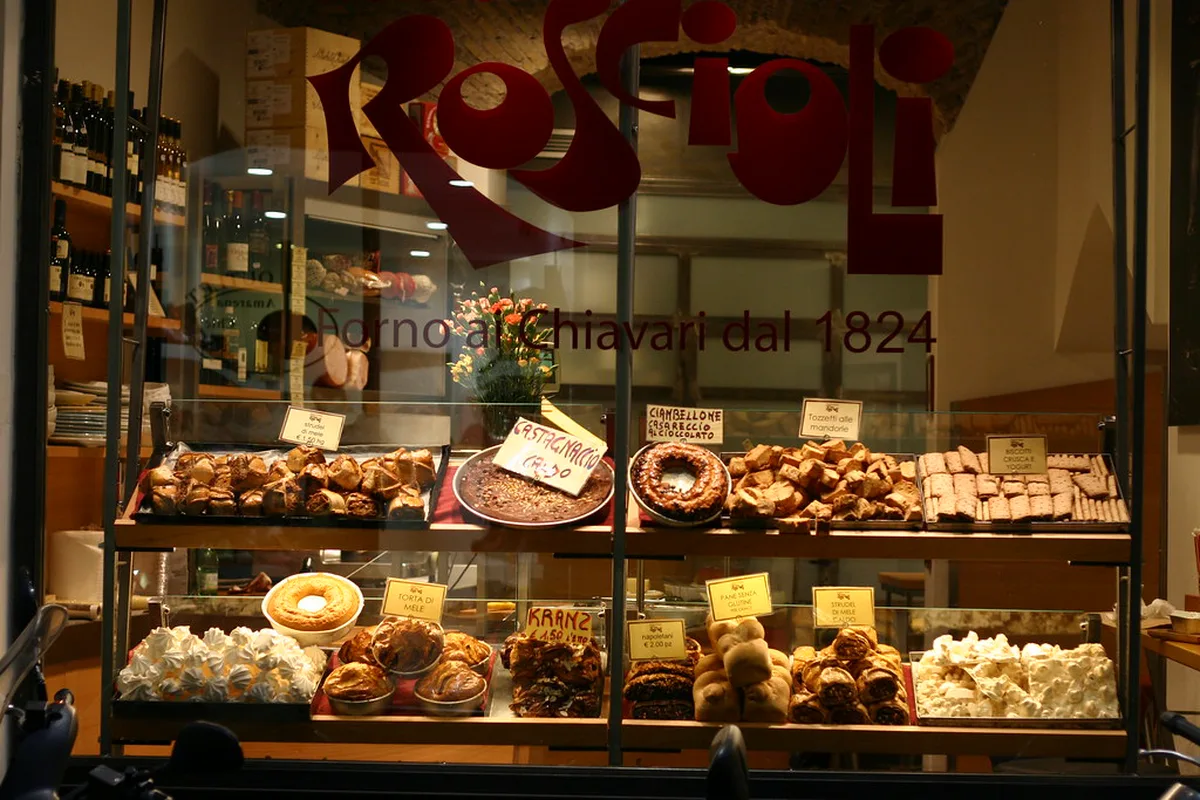
Street food is an equally serious business here. Trapizzino at Via Giovanni da Castel Bolognese 56 sells pizza-dough pockets stuffed with braised Roman meats and vegetables, costing around 3 to 4 Euros each. Supplì Roma at Via di San Francesco a Ripa 137 does the definitive fried rice balls at roughly 2 Euros apiece. Grab both from the counter, eat outside, and move on — these are standing-up, walking-around foods.
For gelato, Otaleg! at Via di San Cosimato 21 is consistently ranked among the best in Rome. The flavors change seasonally and lean toward inventive combinations: ricotta and fig in summer, pear and dark chocolate in autumn. A two-scoop cup runs around 3.50 Euros. Fior di Luna at Via della Lungaretta 96 is the organic alternative with strong fruit-forward flavors that suit the warmer months.
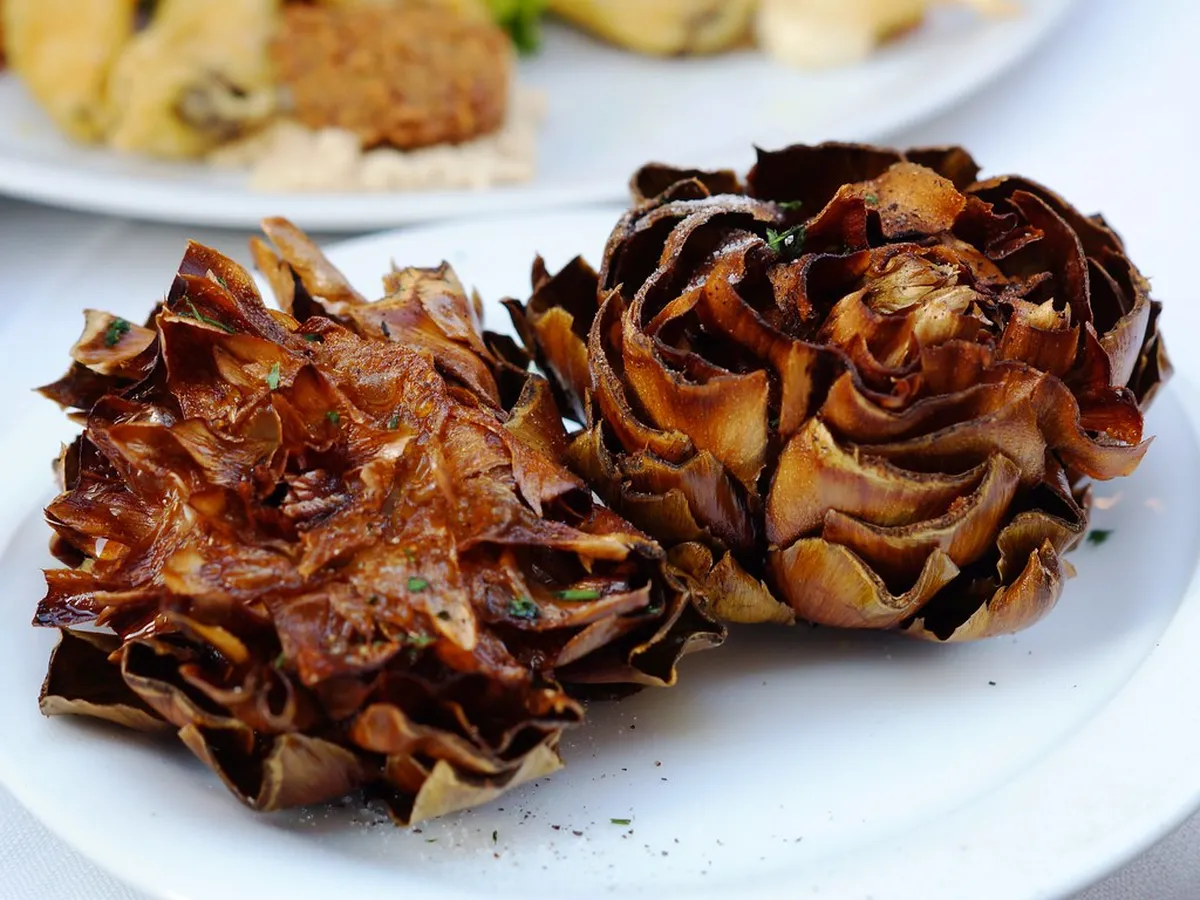
Avoid restaurants where staff stand outside to flag you in, and skip any menu posted in five languages with photos of every dish. Roma Sparita at Piazza di Santa Cecilia 24 is famous from Anthony Bourdain's visit and worth going for the fried artichokes and the carbonara served in a Parmesan bowl, but book ahead as it fills every service. Tonnarello on Via della Lungaretta is popular and crowded; try to arrive by 18:30 or after 21:30 to avoid the worst of the queue.
Distances To Major Landmarks from Trastevere
Trastevere is more central than it appears on a map. Starting from Piazza di Santa Maria in Trastevere, here are honest walking times and the Tram 8 alternative where it applies.
- Pantheon: 18 minutes on foot via Ponte Garibaldi. No useful tram route — walking is faster.
- Piazza Navona: 15 minutes on foot via Ponte Sisto.
- Campo de' Fiori: 12 minutes on foot via Ponte Sisto.
- Colosseum: 35 minutes on foot via Lungo Tevere. By Tram 8 to Piazza Venezia then bus 75: approximately 20 minutes.
- Vatican Museums: 25 minutes on foot via Via della Lungara along the river.
- Trevi Fountain: 30 minutes on foot via Ponte Garibaldi then northeast through the center.
- Janiculum Hill viewpoint: 15 minutes on foot uphill from the neighborhood center.
- Tiber Island: 8 minutes on foot via Ponte Cestio.
For the Colosseum and Roman Forum, Tram 8 from Viale di Trastevere to Piazza Venezia (7 minutes, 1.50 Euros per ticket, valid 100 minutes) then bus 75 or a 15-minute walk east is the practical choice on a hot day. Trams run approximately every 10 minutes from 05:30 to midnight. Validate your ticket immediately on board to avoid fines of 100 Euros.
How to Get to Trastevere
From Fiumicino Airport (FCO), take the FL1 regional train directly to Trastevere station. The journey takes around 35 minutes and costs 8 Euros. From Trastevere station it is a 20-minute walk or a short bus ride to the neighborhood center. This is the most efficient airport connection and avoids the need to go via Termini entirely.
From Termini station, Bus H runs directly along Viale di Trastevere and stops close to the main piazza. The journey takes 20 to 30 minutes depending on traffic and costs 1.50 Euros. From Piazza Venezia in the historic center, Tram 8 covers the route in about 10 minutes. Walking from Largo di Torre Argentina takes roughly 15 minutes across Ponte Garibaldi.
From Ciampino Airport (CIA), take one of the airport coaches to Termini then switch to Bus H. A licensed taxi from Ciampino has a fixed rate of 30 Euros to anywhere within the city walls. From Fiumicino the fixed taxi rate is 48 Euros. Taxis are metered for journeys within the city; always confirm the fixed rate before departure from the airport.
Where To Stay In Trastevere
Trastevere has fewer large hotels than other Rome neighborhoods, which is part of its appeal. The best strategy is to choose your exact street carefully: blocks within 200 meters of Piazza di Santa Maria are lively until well past midnight, while the quieter residential streets south of Viale di Trastevere offer better sleep at lower rates. For a neighborhood comparison with Prati or the historic center, see our full Rome Neighborhoods Guide: 10 Best Areas.
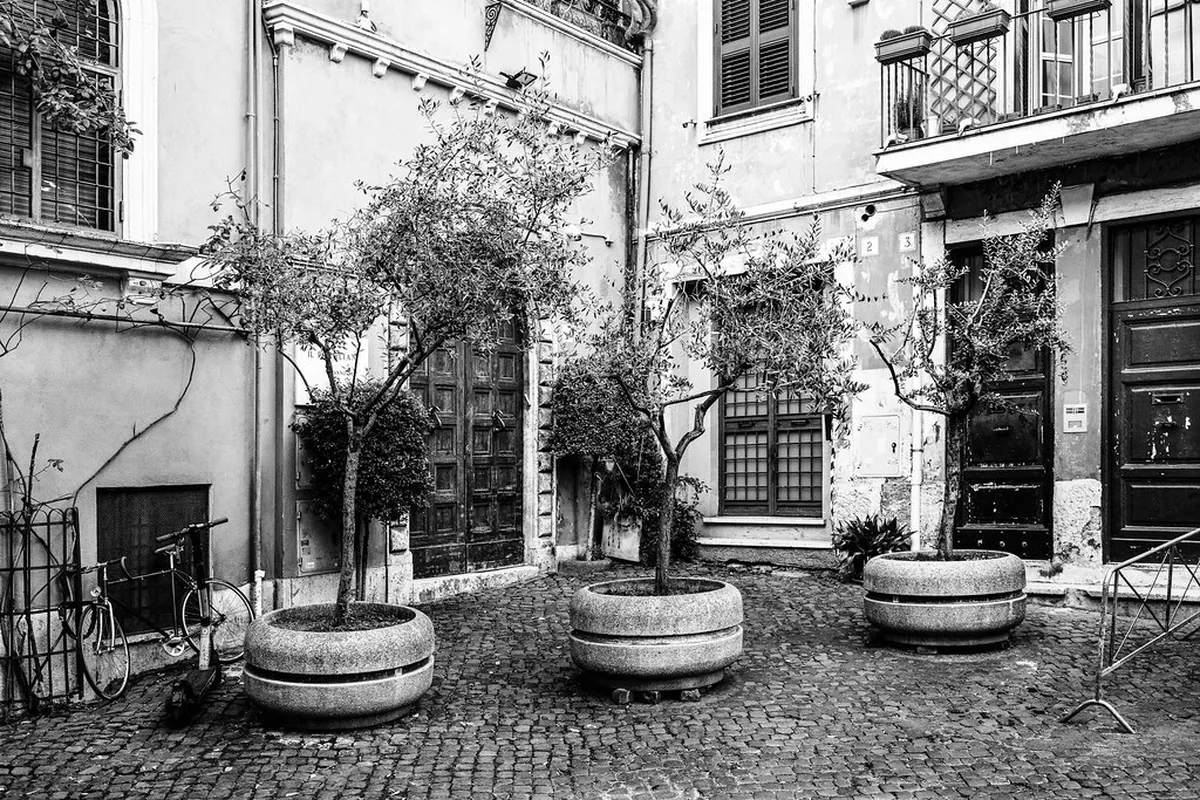
For hotels, UNAHOTELS Trastevere Roma is the best-located large hotel in the district. The rooms blend contemporary design with exposed brick and the bar terrace is genuinely good. Grand Hotel del Gianicolo sits further up the hill with a rooftop view of the Vatican and an outdoor pool — the right choice if you want a quiet retreat that is still 10 minutes on foot from the neighborhood center. Nikis Collection Trastevere is a smaller boutique option near the main piazza with a hot tub suite that books out months ahead in summer.
Apartment rentals dominate the accommodation landscape here. Sonder Trastevere near Ponte Sisto offers clean, well-equipped flats with full kitchens and washing machines — essential for a stay of more than two nights. La Gatta De Lisa near Piazza di Santa Maria sleeps four comfortably and places you in the heart of everything. Benedetta 22 has a private balcony overlooking cobblestone streets and works well for couples or small groups. For all of these options, book at least six weeks ahead for any dates between June and September.
Budget travelers should look at the streets south of Viale di Trastevere, which are within a 10-minute walk of the main sights but see fewer tourists and charge accordingly. Manara 4 is a simple apartment option with good access to local cafes and lower nightly rates than comparable rooms near the piazza. Read our broader 12 Best Restaurants in Rome guide for tips on eating economically without sacrificing quality.
How To Avoid The Crowds In Rome. Sort of.
The most effective crowd strategy is a reverse commute: visit the major monuments at sunrise and retreat to Trastevere for a long, slow lunch. The Colosseum, Pantheon, and Vatican all see their lightest crowds in the first 90 minutes after opening. Book timed-entry tickets in advance for the Vatican and Colosseum — walk-up queues in July can consume two hours before you even reach the door.
Within Trastevere itself, crowds gather around Piazza di Santa Maria between 19:00 and 23:00 on Friday and Saturday. If you dislike noise and density, this is the wrong time to be near the main square. The back streets near Via della Lungaretta and Vicolo del Cinque remain genuinely quiet even on peak evenings. According to whereandwander.com, the residential streets south of Viale di Trastevere stay peaceful regardless of what is happening at the piazza.
Early mornings in Trastevere are remarkable. By 07:30, the only people out are residents walking dogs, market vendors at San Cosimato, and the occasional early-rising tourist. The mosaics at the basilica catch the morning light beautifully and the piazza is empty enough to sit and drink a coffee from the nearest bar in actual silence. This window closes by 10:00 when the day-trip crowds begin arriving from the hotels in the center.
The best times to visit Rome overall are April to early June and mid-September through November. Heat, crowds, and accommodation prices all drop significantly once the summer peak ends. If you must visit in July or August, staying in Trastevere rather than the tourist center gives you a quieter base to return to each afternoon. Plan your visit around Rome's rhythms and the neighborhood rewards you.
The Best Local Neighborhood To Stay In Rome
Trastevere is regularly cited as the Rome Nightlife Guide: 10 Best Ways to Experience the City hub and the most characterful base for a Rome stay. Its appeal against other popular neighborhoods comes down to one thing: it still functions as a real neighborhood rather than a holding zone for tourists. Laundry hangs between windows. Residents walk to the same market every morning. The bars are genuinely local-facing.
Compare this to Prati, which sits on the Vatican side of the river and is quieter but more residential and less interesting for evening dining. Termini is the worst base in the city: convenient for trains, grim for everything else. The Centro Storico — the area around Piazza Navona and the Pantheon — is magnificent during the day and exhausting to sleep in because noise levels stay high until 03:00 on weekends.
Trastevere's primary disadvantage is the cobblestones, which can be genuinely difficult for travelers with mobility issues or rolling luggage. The lack of Metro access means every journey to the main monuments starts with a walk or a tram. For visitors who want to be within 500 meters of the Colosseum, this is simply the wrong neighborhood. For everyone else — first-timers, foodies, couples, slow travelers — it is the right choice.
Frequently Asked Questions
Is Trastevere safe for tourists at night?
Yes, Trastevere is generally very safe at night due to the high volume of people and active nightlife. However, you should stay alert for pickpockets in crowded piazzas and bars. It is always wise to keep your belongings secure while enjoying the local Rome Nightlife Guide: 10 Best Ways to Experience the City scene.
Do I need to book restaurants in Trastevere in advance?
Booking is highly recommended for famous spots like Da Enzo or Spirito Di Vino. Many traditional trattorias like Tonnarello do not take bookings, so you should arrive early to wait in line. Expect waits of 30 to 60 minutes at peak dinner times during the summer months.
Is there a Metro stop in Trastevere?
No, there is no Metro station directly in the Trastevere neighborhood. You must use Tram 8, Bus H, or the regional train at the Trastevere Station located further south. Most visitors find that walking or taking the tram from Piazza Venezia is the most convenient option.
Trastevere captures the heart of Rome with its timeless beauty and incredible culinary tradition. Whether you are visiting for the first time or returning in 2026, this neighborhood always has something new to offer. Plan your transit carefully, wear your best walking shoes, and leave time for the unexpected alleys and hidden pharmacies that make this district genuinely different from the rest of the city.
You might also like
Continue reading
More guides you'll find useful