14 Best Things to Do in Matera: A Complete Sassi Guide (2025)
Discover the best things to do in Matera, Italy. From ancient cave dwellings and rupestrian churches to James Bond filming spots and the best cave hotels.
On this page
14 Best Things to Do in Matera
Standing on the edge of the Gravina ravine, I felt as though I had stepped back two thousand years into a world of stone. Matera is not just a city but a living testament to human resilience and architectural ingenuity carved directly into the calcarenite rock. Our editors have explored these winding alleys multiple times to bring you a guide that balances ancient history with modern practicalities. This guide was last refreshed in May 2025 to reflect the latest ticketing rules and seasonal opening hours.
The city gained international fame as the 2019 European Capital of Culture, yet its past is far more complex. Once labeled the 'Shame of Italy' due to extreme poverty in the 1950s, the Sassi districts were completely evacuated before their triumphant reclamation. Today, those same caves house boutique hotels and world-class museums that draw travelers from across the globe. Whether you are here for the James Bond filming locations or the rupestrian art, Matera offers an experience unlike any other in Europe.
Key Takeaways
- Quick Pick: Best overall experience is the Palombaro Lungo cistern tour.
- Best for Families: The Casa Grotta di Vico Solitario offers a tangible look at history kids can understand.
- Best Rainy-Day: Explore the MUSMA sculpture museum which is mostly underground.
- Best Free Activity: Watching the sunset from Belvedere di Piazza Giovanni Pascoli.
- Practical Tip: Buy a 'Sassi Card' to save money on multiple rock church entries.
Wander Through the Sassi di Matera
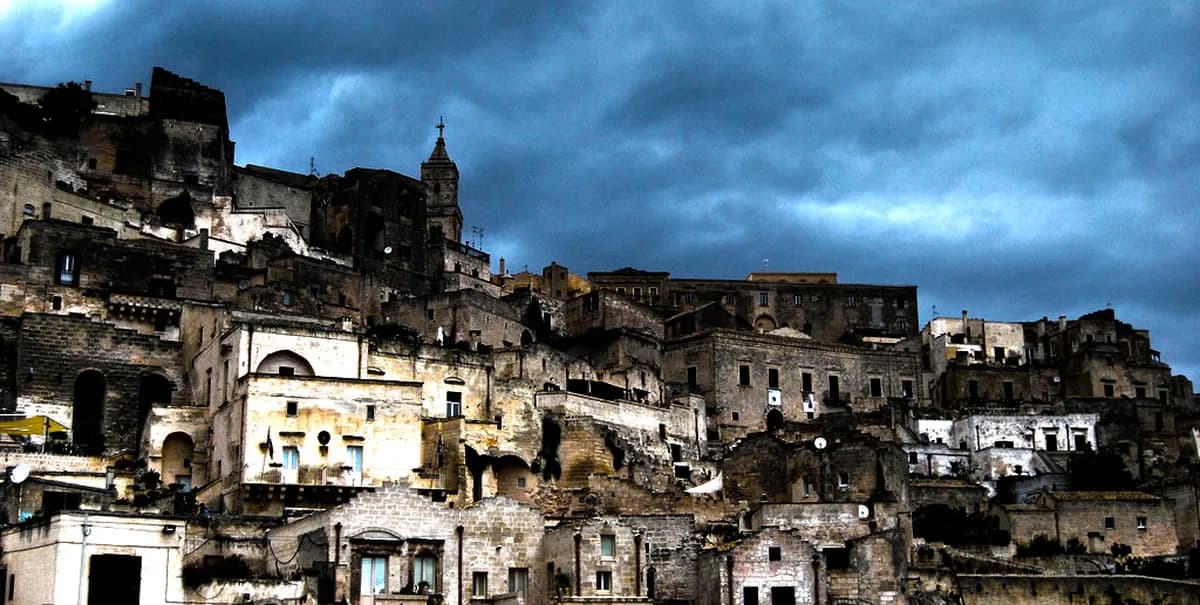
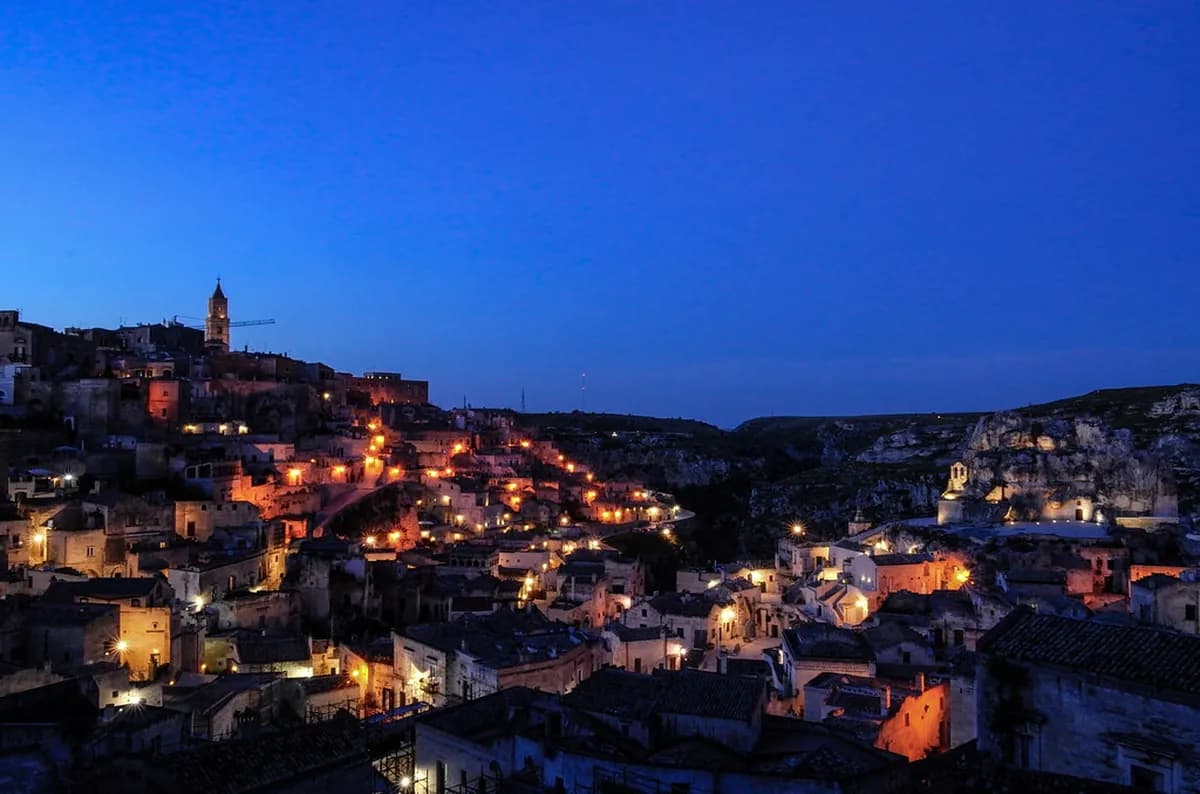
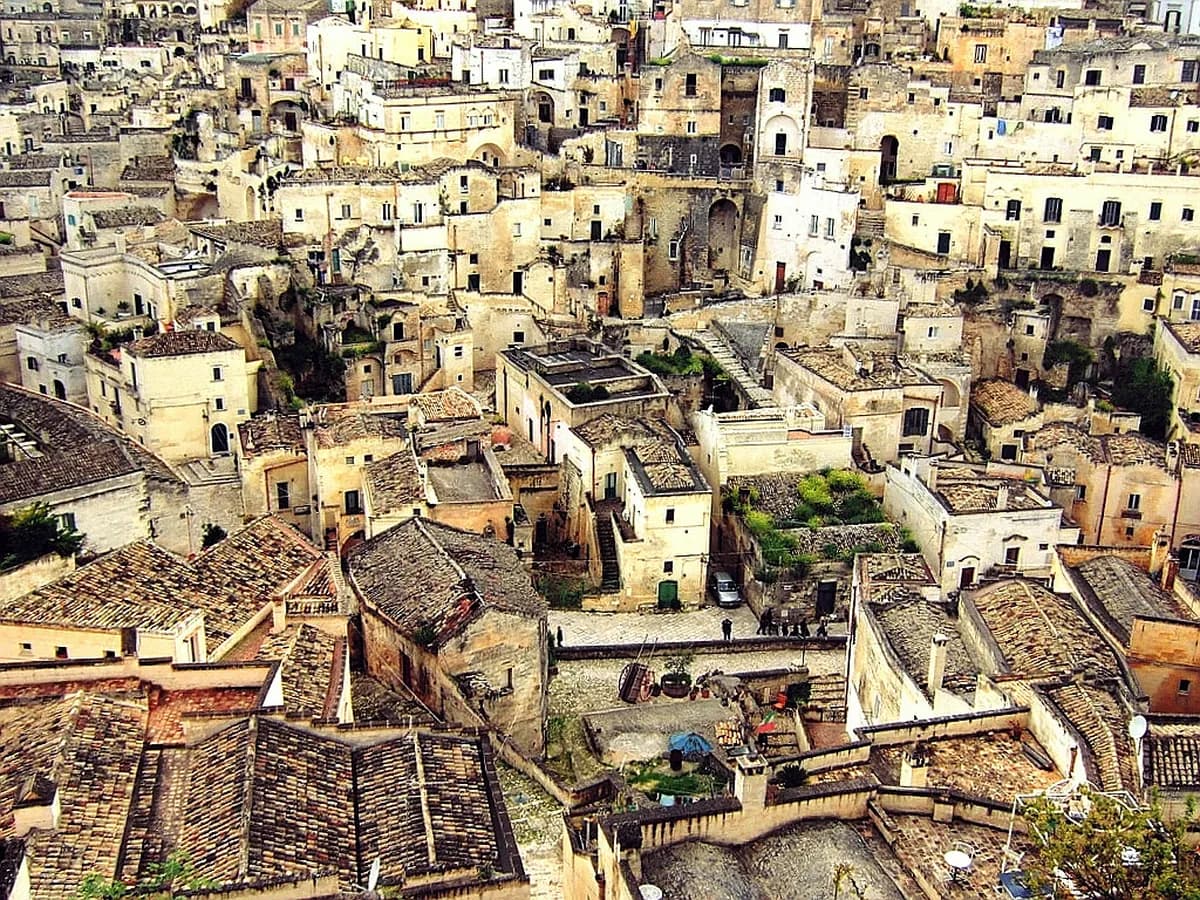
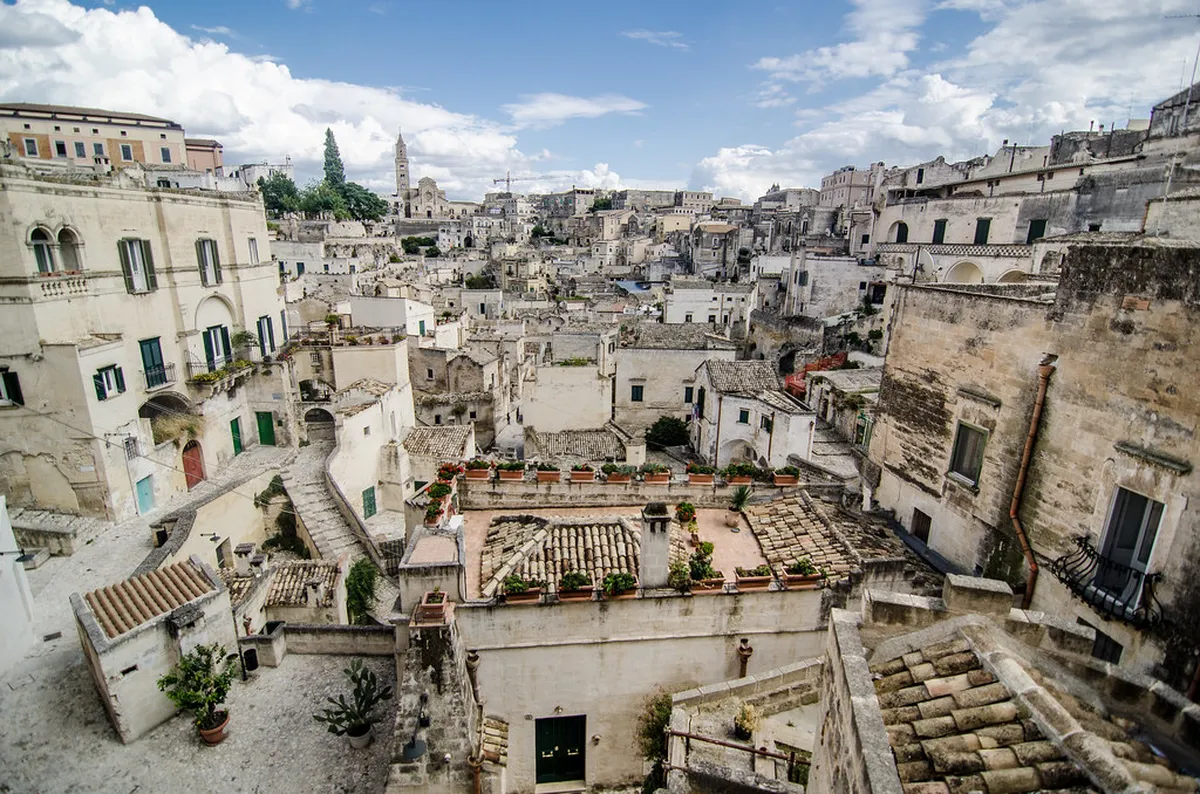
The Sassi di Matera are divided into two main districts known as the Sasso Barisano and the Sasso Caveoso. Walking through these areas requires a sturdy pair of shoes and a willingness to get lost in a vertical labyrinth. The Barisano district is generally more renovated with cafes and shops, while Caveoso retains a more rugged, ancient atmosphere. I recommend starting your walk at the top of the ridge to see how the dwellings stack atop one another.
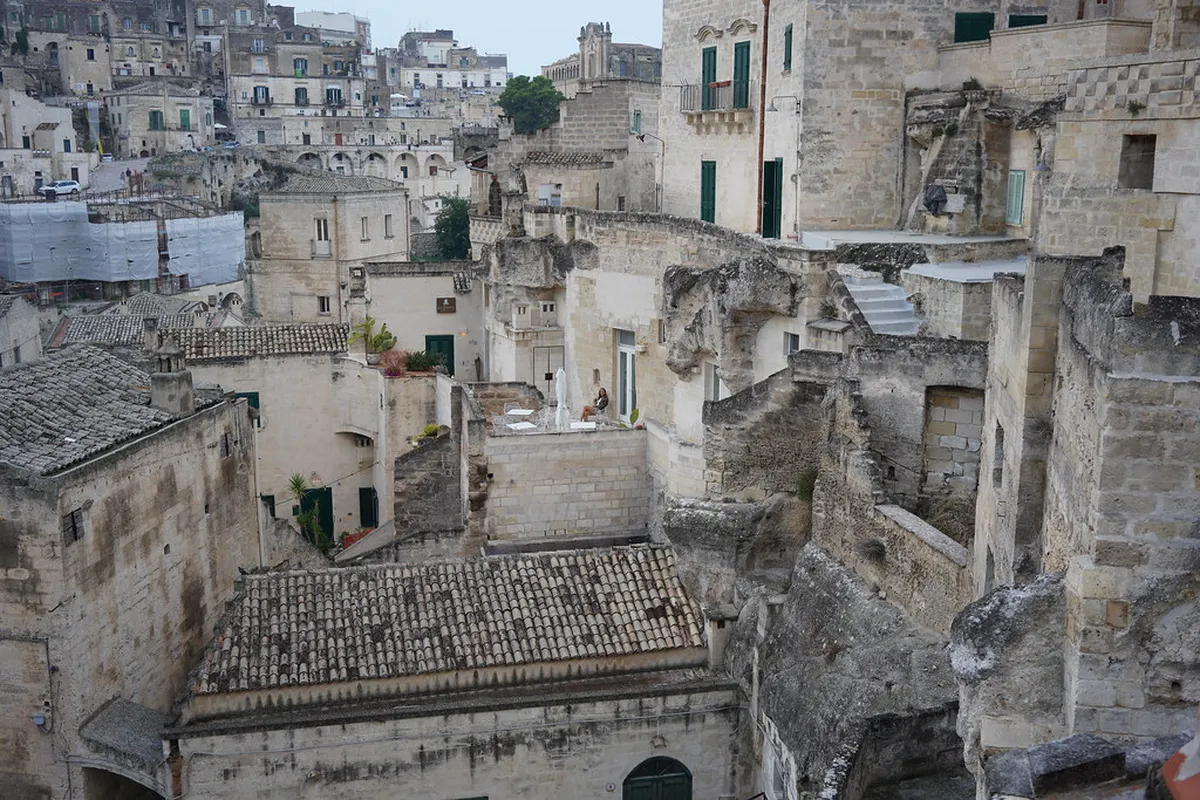
Most visitors are surprised to learn that people lived in these caves without running water or electricity until the mid-20th century. The government-ordered evacuation in the 1950s moved nearly 15,000 residents to modern housing projects on the hill above. This history is essential to understanding why the city feels so well-preserved yet hauntingly quiet in certain corners. A Matera Sassi walking guide can help you find the specific alleys where the most iconic photos are taken.
If you have limited time, focus your energy on the Caveoso district where the rock-hewn architecture is most visible. Many of the facades you see are actually stone fronts built over much deeper natural caverns. The ingenious water management systems here are a marvel of ancient engineering that eventually earned the city UNESCO status. Do not forget to look across the ravine toward the Murgia Park to see the original Neolithic caves.
14 Best Things to Do in Matera (2025)
Our curated list of the best things to do in Matera covers everything from subterranean cisterns to high-altitude viewpoints. We have grouped these into three thematic clusters: iconic landmarks, hidden underground wonders, and local culinary experiences. This selection ensures you see the famous sights while also discovering the quieter corners that most day-trippers miss. Be sure to check the seasonal hours for the rock churches, as they can change based on the religious calendar.
The following items represent the absolute highlights of the city based on historical significance and visitor satisfaction. I suggest tackling the high-energy hikes like the Tibetan Bridge in the morning before the Basilicata sun becomes too intense. For the museums and indoor sites, keep them as afternoon retreats when you need a break from the stone-reflected heat. Prices listed are typical for the 2025 season and may vary slightly during peak festivals.
Remember that Matera is a city of stairs, so plan your route to minimize unnecessary climbing between these attractions. Many sites offer a combined ticket known as the 'Sassi Card' which can save you several euros if you plan to visit multiple churches. Always carry a refillable water bottle, as there are ancient public fountains with drinkable water scattered throughout the districts. Here are the 14 unmissable experiences that define a trip to this ancient stone city.
The 'Sassi Card' combined ticket saves money on rock church entries (typically €8 for 3 churches). Most sites open 10 AM–7 PM in summer, but check seasonal hours before visiting as they shift in winter.
- Explore the Sasso Barisano District
- This northern district serves as the more polished half of the ancient city with beautifully restored cave dwellings and shops.
- Expect to pay nothing to wander the streets, though individual shops and small exhibits may have modest entry fees.
- Most businesses operate from 10am to 8pm, and the area is easily reached by walking down from the main Piazza Vittorio Veneto.
- Look for the smaller side alleys near the church of San Pietro Barisano for the best artisan workshops.
- Discover the Rugged Sasso Caveoso
- The Caveoso district feels more authentic and ancient because many caves here remain in their original, less-renovated state.
- Walking these streets is free and provides a stark contrast to the more commercialized Barisano area nearby.
- It is best to visit during the golden hour before sunset when the stone takes on a deep orange glow.
- Wear shoes with excellent grip as the limestone steps can be incredibly slippery even when dry.
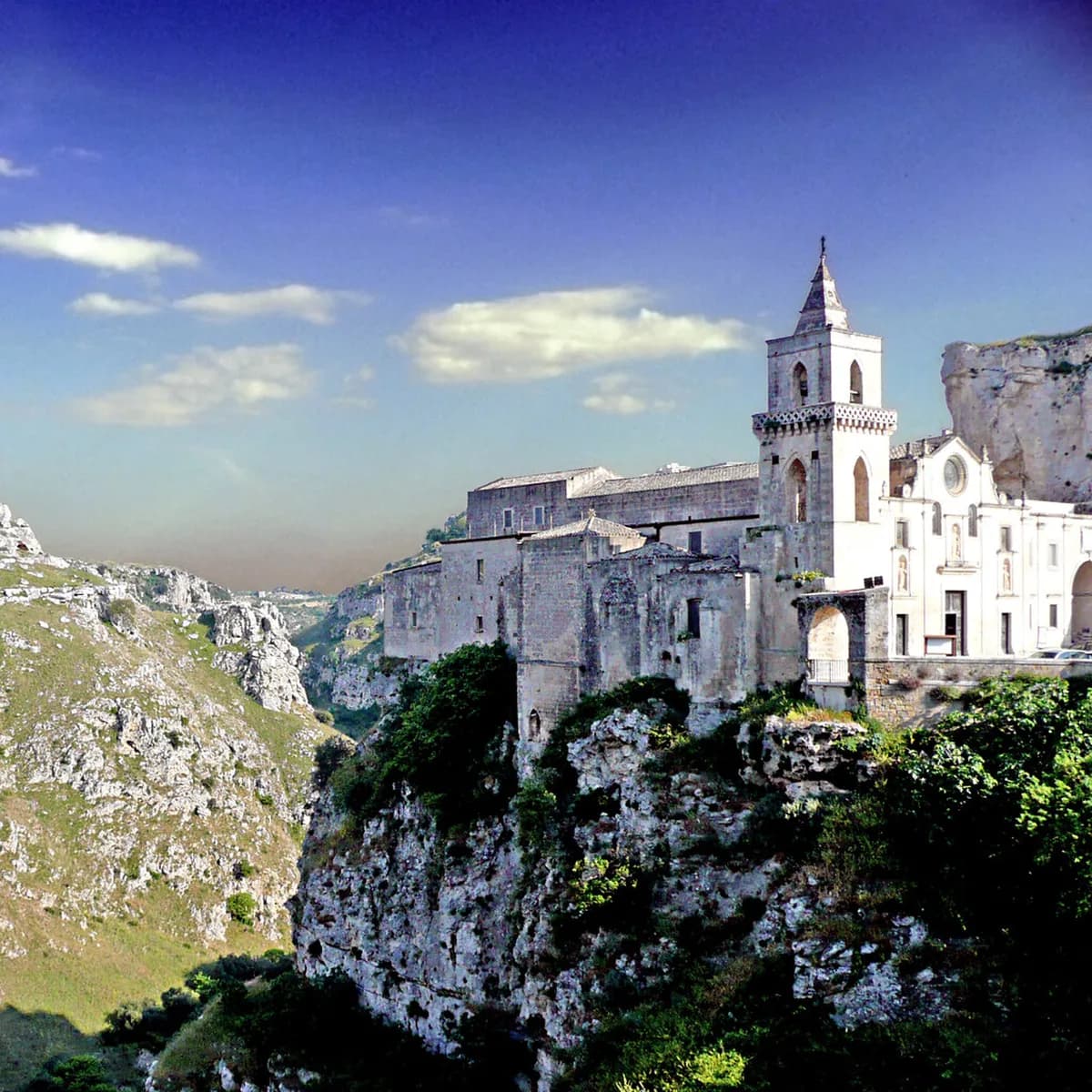
- Visit the Church of Santa Maria de Idris
- This iconic rupestrian church is carved into a massive limestone rock that dominates the skyline of the Caveoso district.
- Entry typically costs around $5 per adult, and it is usually open daily from 10am to 7pm during the summer.
- The interior features stunning Byzantine frescoes that have survived for centuries in the cool, damp cave environment.
- Photography is strictly forbidden inside to protect the ancient pigments, so enjoy the view with your eyes only.
- Descend into the Palombaro Lungo
- Located beneath the main square, this massive cathedral-like cistern once held five million liters of water for the city.
- Guided tours cost approximately $4 per person and run every 30 minutes from 10am until early evening.
- The temperature drops significantly inside, making it a perfect escape during the sweltering afternoon heat of Basilicata.
- Book your time slot at the kiosk in Piazza Vittorio Veneto as soon as you arrive in town.
- Photograph the Belvedere di Piazza Giovanni Pascoli
- This viewpoint offers the most famous panoramic shot of the Sassi, looking directly over the crowded stone rooftops.
- Access to the balcony is free and open 24 hours a day, though it gets very crowded during sunset hours.
- It is located right next to the Palazzo Lanfranchi museum at the edge of the modern city center.
- Arrive at least 30 minutes before sunset to secure a spot at the railing for your tripod.
- Tour the Casa Grotta di Vico Solitario
- This museum recreates a traditional cave home exactly as it looked before the 1950s evacuation of the Sassi.
- Tickets are around $3 and include a multi-language audio guide explaining how families and livestock lived together.
- It is located in the heart of Sasso Caveoso and is open daily from 9:30am to late evening.
- This is the best place to understand the 'Shame of Italy' narrative through the lens of daily domestic life.
- Cross the Tibetan Bridge to Murgia Park
- The Ponte Tibetano suspended bridge connects the Sassi to the wild hiking trails of the Murgia Materana Park.
- The hike is free, but you must check for seasonal closures or bridge maintenance on the official park website.
- Plan for at least 2-3 hours for a round trip if you intend to hike up to the caves on the far side.
- Bring plenty of water as there are no facilities or shade once you leave the city limits.
- Admire the Matera Cathedral (Duomo)
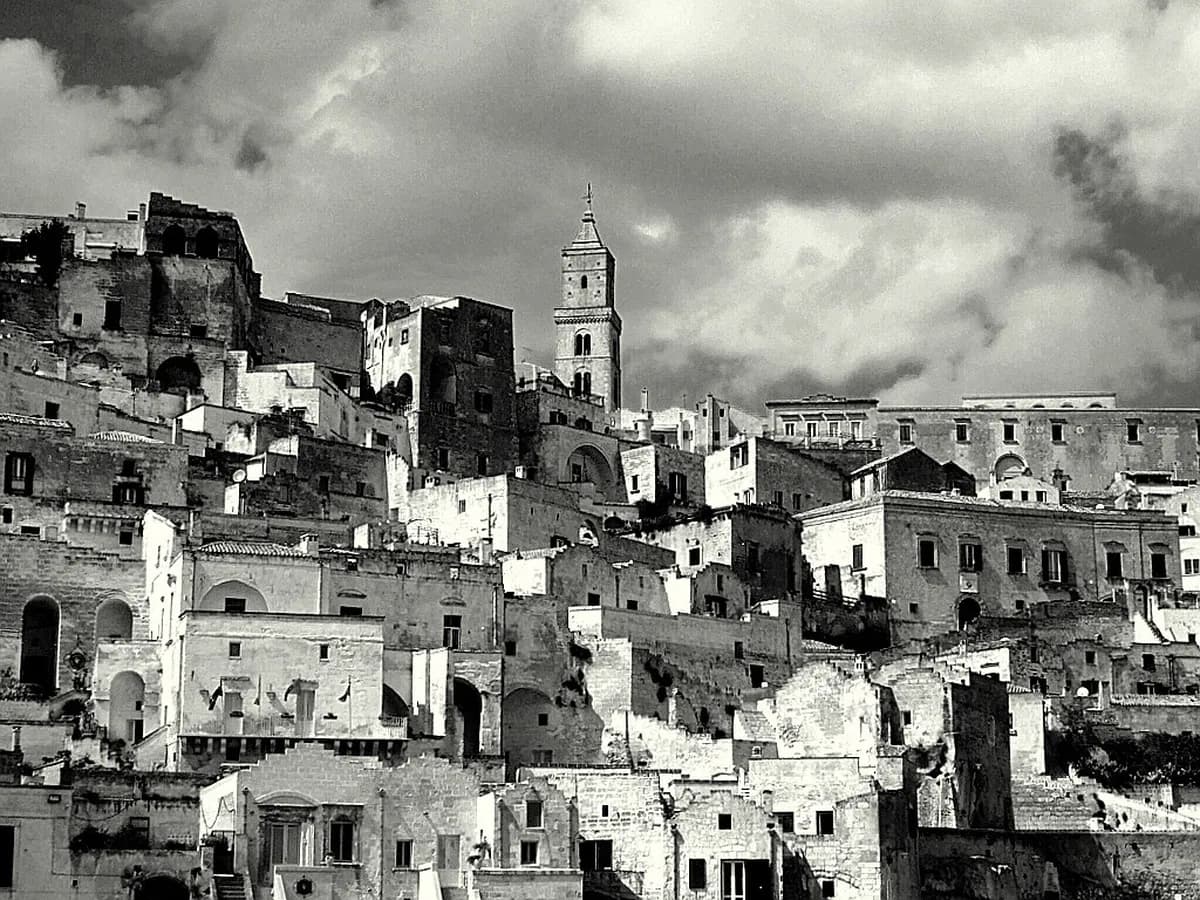
- The 13th-century Apulian Romanesque cathedral sits on the highest point of the city, separating the two Sassi districts.
- Entry is roughly $2 per person, and the church is open daily with a break for midday services.
- The interior is surprisingly ornate with gold leaf and Baroque details that contrast with the rugged stone outside.
- Check the official schedule for mass times to ensure you don't arrive during a private service.
- Explore the MUSMA Sculpture Museum
- Housed in the 17th-century Palazzo Pomarici, this is the most important museum for contemporary sculpture in Italy.
- Adult tickets cost about $8, and the museum is typically closed on Mondays throughout the year.
- The galleries extend deep into the rock caves, creating a unique dialogue between modern art and ancient stone.
- Give yourself at least 90 minutes to explore the subterranean levels which are the museum's highlight.
- Discover the Crypt of Original Sin
- Often called the 'Sistine Chapel of Rupestrian Art,' this cave features 9th-century frescoes of incredible detail.
- Tickets are $11 and must be booked in advance online as entry is limited to small guided groups.
- The site is located a short drive outside the city center, so you will need a car or a shuttle.
- The light and sound show inside the crypt is expertly designed to highlight the biblical narratives on the walls.
- Taste Peperoni Cruschi at a Local Osteria
- These sun-dried and flash-fried peppers are the 'red gold' of Basilicata and offer a unique, crunchy texture.
- A plate of these as an appetizer usually costs between $6 and $10 at most traditional restaurants.
- Most osterias serve lunch from 12:30pm to 3pm and dinner from 7:30pm until late at night.
- Try them crumbled over handmade orecchiette pasta for the most authentic Materan dining experience.
- Walk the James Bond Filming Locations
- Matera served as the primary backdrop for the high-octane opening chase in the movie 'No Time to Die.'
- Walking the route is free, though several local companies offer guided cinema tours for around $25.
- Key spots include the Piazza Duomo and the narrow steps of Via San Biagio where the motorcycle jump occurred.
- Note that the famous bridge jump actually took place in the nearby town of Gravina in Puglia.
- Watch the Casa Noha Multimedia Exhibit
- This FAI-protected site offers a powerful film projected onto the cave walls that explains Matera's history.
- Entry is approximately $7 for adults and the site is open daily from 10am to 6pm.
- It is located near the Cathedral and serves as the perfect historical introduction before you explore the Sassi.
- The film is available in several languages and provides the emotional context that static museums often lack.
- Visit the Church of San Pietro Barisano
- This is the largest rupestrian church in Matera and features a fascinating underground 'purgatory' for draining bodies.
- Entry is included in the combined rock church ticket or costs about $4 as a single visit.
- It is located at the edge of the Barisano district and is open daily during standard tourist hours.
- The underground niches where monks were once placed are a macabre but essential part of local history.
Is Matera Italy Worth Visiting?
Many travelers wonder if Matera is worth the detour from the popular coastal towns of Puglia. The answer is an emphatic yes — no other city in Italy confronts you so directly with the gap between ancient endurance and modern reinvention. It provides a jarring, necessary contrast to the Baroque splendor of Lecce or the whitewashed trulli of Alberobello. Be prepared for a physically demanding visit: thousands of uneven stone steps and steep inclines define every route through the Sassi, and the terrain is genuinely inaccessible for some mobility needs.
What elevates Matera beyond a photogenic backdrop is its raw historical honesty. Until the late 1950s, as many as 15,000 people — roughly half the city's population — lived without running water, sewage, or electricity in the same cave dwellings that tourists now photograph adoringly. Malaria was endemic and infant mortality rates rivaled those of the developing world. Carlo Levi's memoir Christ Stopped at Eboli (1945) brought national attention to the squalor, and a 1948 visit by Alcide De Gasperi, Italy's then prime minister, prompted him to call the Sassi "a national disgrace" — the phrase that became Matera's unwanted epithet: la vergogna d'Italia, the shame of Italy. By 1968 the last residents had been forcibly relocated to the modern residential blocks on the hill above. The caves sat empty for over two decades until architects, hoteliers, and cultural preservationists began to see what the government had tried to erase: one of the most complete examples of Neolithic-to-medieval urban continuity anywhere on earth. UNESCO granted World Heritage status in 1993, and in 2019 Matera was named European Capital of Culture — a reversal of fortune that few cities in the world can match. Understanding this arc is essential; it transforms every alley from a picturesque backdrop into a chapter of a deeply human story.
Regarding seasonal timing, Matera is most atmospheric in December when the Presepe Vivente (Living Nativity) fills the Sassi with candles and costumed figures. July and August are genuinely oppressive, regularly exceeding 38°C (100°F) in the stone-radiated heat. May, June, September, and October deliver the best balance of warm days, manageable crowds, and golden evening light. Avoid major Italian bridge holidays (Ferragosto in mid-August, Easter weekend) if you want to experience the quieter Matera that rewards slow exploration. If you are looking for a list of Matera hidden gems, you will find them in the quiet corners of the Sassi at dawn, when the day-trippers have not yet arrived.
Navigating the ZTL and Parking Logistics
Driving into Matera can be a nightmare if you are not aware of the ZTL (Zona a Traffico Limitato) boundaries. The entire Sassi district is off-limits to non-resident vehicles, and cameras will automatically issue heavy fines to violators. I recommend heading straight for the Parcheggio Sant'Isidoro or the multi-story garage in Via Saragat. These peripheral lots are safe and offer easy access to the historic center via a short walk or shuttle.
Many cave hotels offer a valet service or a special permit to enter the ZTL for luggage drop-off only. You must communicate your license plate number to your hotel in advance to avoid being flagged by the police. The walk from the main parking areas into the Sassi can take 10 to 15 minutes depending on your hotel's location. Consider using the 'Miccolis' shuttle buses if you are arriving from Bari airport without a rental car.
What many people skip is checking the ZTL status on Sundays, as the rules can sometimes be even more restrictive. Parking in the 'blue lines' on the street requires a ticket from a nearby machine and is often limited to two hours. For a stress-free visit, leave your car in a guarded garage and rely on your feet for the duration of your stay. The local police are very efficient at ticketing rental cars, so do not risk parking in unauthorized white or yellow lines.
Where to Stay: Choosing the Best Cave Hotels
Sleeping in a cave is the quintessential Matera experience, but not all cave hotels are created equal. Some are authentic caverns with minimal natural light, while others are luxurious suites with private plunge pools. The Sasso Barisano hotels tend to be more spacious and easier to access with heavy luggage. In contrast, the Caveoso hotels offer more dramatic views of the ravine and a deeper sense of isolation.
When booking, look for rooms that mention 'natural ventilation' or modern dehumidification systems. Caves can naturally be quite damp, and high-end hotels invest heavily in keeping the air fresh and dry. I personally prefer staying near the Matera Belvedere viewpoints to catch the sunrise over the Sassi. Prices for a quality cave room generally range from $150 to $400 per night depending on the season.
If you have mobility issues, ask specifically about the number of steps required to reach the hotel entrance. Some properties are located down long, winding staircases that are not accessible by any vehicle. Porter services are often available for a small fee and are worth every penny if you have large suitcases. Booking at least 4-6 months in advance is essential for the top-rated boutique cave hotels.
How Many Days to Spend in Matera?
While many people visit Matera as a day trip from Bari, this barely scratches the surface of the city's history. One day allows you to walk the main loops and see the Cathedral, but you will miss the magic of the evening lights. Two full days is the ideal timeframe for most travelers to explore both Sassi districts and the rock churches. This pace allows for long, leisurely lunches and time to visit the Crypt of Original Sin outside of town.
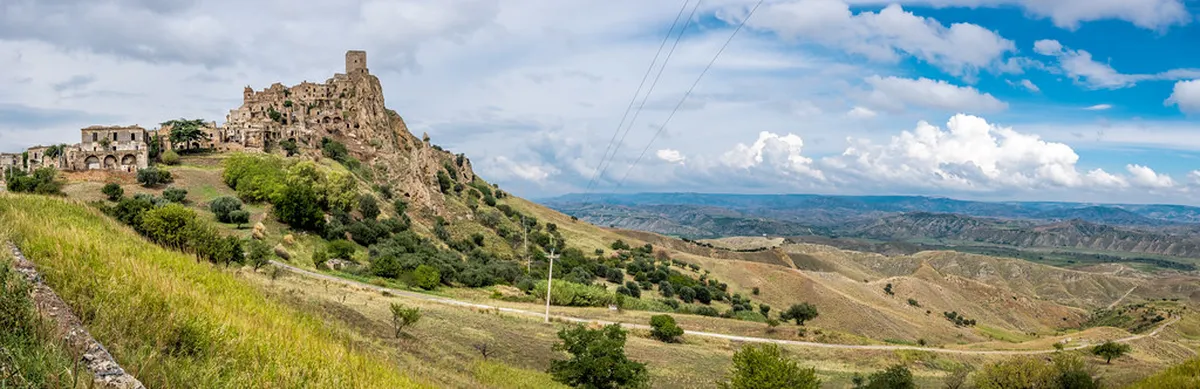
If you have three days, you can add a hike across the Tibetan Bridge and explore the Murgia Materana Park. The park contains dozens of abandoned rupestrian churches that are far less crowded than those in the city center. You could also take a short drive to the nearby 'Ghost Town' of Craco for a truly eerie experience. Matera also serves as an excellent base for exploring the inland hills of Basilicata.
For those on a tight schedule, focus your morning on the Caveoso district and your afternoon on the Palombaro Lungo. Make sure to book your dinner reservations in advance, as the best cave restaurants fill up quickly every night. Even a single night stay will significantly change your perspective on the city compared to a rushed day visit. Check out our Italy Wander blog for more southern Italy itinerary ideas.
Matera Italy Map
Matera's geography is the single biggest reason first-time visitors get confused. The city splits into two distinct halves: the Città Nuova (modern town) on a flat hilltop plateau, and the ancient Sassi below, draped across the two ravine-facing slopes. Within the Sassi, Sasso Barisano curves to the northwest — more restored, better lit at night, and home to most boutique hotels — while Sasso Caveoso falls away to the south, rawer and wilder, with the iconic silhouette of Santa Maria de Idris rising from its central rock. Separating the two Sassi is the ridge on which the Duomo stands. The deep Gravina canyon forms the eastern boundary, and the Murgia Materana Park with its Neolithic caves stretches across the opposite hillside. Almost everything on this list sits within a 20-minute walk of Piazza Vittorio Veneto, the main square where the Palombaro Lungo cistern entrance and the ZTL boundary are both located. The Crypt of Original Sin and Belvedere Murgia Timone viewpoint require transport, as they lie several kilometres outside the city centre. Use the map below to orient yourself before you start walking.
How to Get to Matera
Matera sits in the remote interior of Basilicata, which is part of its charm and part of its logistical challenge. The nearest major airport is Bari Karol Wojtyla Airport (BRI) in Puglia, approximately 65 km to the northeast and around 50–60 minutes by road. This is the gateway used by the overwhelming majority of international visitors. Brindisi Airport (BDS) is also an option — served by more budget airlines — but it adds roughly 50 km and a full extra hour to the drive. Naples Capodichino (NAP) is a secondary option at around 230 km and 2.5 hours by car.
By rental car is the most flexible option, especially if you plan to visit the Crypt of Original Sin, Craco ghost town, or Alberobello on the same trip. Take the SS7 or the fast Autostrada A3/SS407 Basentana from Bari and budget around €10–15 in fuel each way. Remember: once inside Matera, you must park outside the ZTL boundary (see the Navigating the ZTL section above). By bus is the budget-friendly alternative: FlixBus and Ferrovie Appulo Lucane (FAL) operate direct coaches from Bari airport and Bari Centrale station to Matera's bus terminal (Via Aldo Moro) for around €4–7. Journey time is typically 1 hour 15 minutes to 1 hour 45 minutes depending on the service. Check current timetables on the FAL website or via Omio as schedules change seasonally. By train, the FAL railway also connects Bari to Matera via Altamura, but the journey involves a change and takes closer to 2 hours; direct coaches are faster for most travellers. There is no Trenitalia high-speed service to Matera. Transfers and taxis: private door-to-door transfers from Bari Airport run approximately €60–80 one-way for up to four passengers and are worth considering if you have heavy luggage, arrive late at night, or simply want to skip the parking headache entirely. Book in advance during peak season.
If you fly into Bari and plan to rent a car, pick it up at the airport, drive directly to Matera, park in a peripheral garage (Parcheggio Sant'Isidoro or Via Saragat are reliable), then return the car at Bari on your way out. This avoids all ZTL stress while keeping full road-trip flexibility for the rest of Basilicata and Puglia.
James Bond Filming Locations in Matera
When No Time to Die (2021) opened with a high-speed motorcycle chase through a sunlit stone city, millions of viewers found themselves Googling "where was that filmed?" The answer was Matera — and the film turned the city from a well-kept Italian secret into one of Southern Europe's most-searched travel destinations overnight. Production crews spent several weeks in the city in 2019, and the impact on tourism has been sustained ever since. If you want to walk the same stones as Daniel Craig's final Bond outing, here is exactly where to look.
The main chase sequence runs through the Piazza Duomo, down the steep steps of Via San Biagio, and along the narrow Via Madonna delle Virtù. The chase scenes between the white Aston Martin and the black motorcycles used the natural stairways of Sasso Caveoso as a vertical racetrack — look for the distinctive arch on Via Fiorentini where Bond's car appears to scrape through an impossibly narrow gap. The Piazzetta Pascoli viewpoint (Belvedere di Piazza Giovanni Pascoli) features in several wide establishing shots that show the full panoramic sweep of the Sassi. Several local tour operators offer dedicated Bond location walks lasting around 2 hours for approximately €20–25 per person; these are worth taking if you want to identify the exact camera positions used in the film.
One important clarification that competitors consistently get wrong: the dramatic bridge stunt and fall in the film's opening — where Bond drops off a high bridge into water below — was not filmed in Matera. It was shot on the Ponte dell'Acquedotto near Gravina in Puglia, approximately 30 km north of Matera. If you are a serious Bond enthusiast, it is worth the short detour on your way in or out of the city; the aqueduct bridge is one of the most photogenic structures in Southern Italy regardless of its cinematic fame. Local signs and online sources sometimes conflate the two locations, so plan accordingly.
Frequently Asked Questions
Is Matera difficult to walk for seniors?
Matera is very physically demanding due to thousands of uneven stone steps and steep inclines. Seniors should stick to the flatter areas of Sasso Barisano or hire a local Ape Calessino (tuk-tuk) for a guided tour. Always wear supportive walking shoes with non-slip soles.
What is the best month to visit Matera?
May, June, and September offer the most pleasant temperatures for exploring the stone city. October is also beautiful as the crowds thin out and the light becomes softer for photography. Avoid August if you are sensitive to extreme heat.
Can you drive inside the Sassi di Matera?
No, the Sassi districts are strictly ZTL zones where only residents and authorized vehicles can enter. Visitors must park in garages outside the historic center to avoid heavy automated fines. Most hotels provide a shuttle service or luggage assistance from the parking areas.
Matera is a destination that defies easy description, blending a tragic past with a vibrant, artistic present. By following this guide, you can navigate the complex geography and history of the Sassi with confidence. Whether you are dining in a cave or hiking the ravine, the city's ancient energy is sure to leave a lasting impression.
Take your time to wander away from the main viewpoints and find the quiet, sun-drenched alleys where the real Matera lives. The stone city is waiting to tell you its story, one step at a time.
Planning more of the region? See our using Bari as your gateway guide.
Explore More: Things to Do in Matera
Keep planning with these related guides.
You might also like

Continue reading
More guides you'll find useful