Craco Ghost Town From Matera: The Ultimate Visiting Guide
Discover how to visit Craco ghost town from Matera. Includes driving routes, guided tour info, the Craco Card, film locations, and essential safety tips.
On this page
Craco Ghost Town From Matera: The Ultimate Visiting Guide
Craco stands as a haunting silhouette against the rugged hills found in the Basilicata region. This abandoned settlement offers a unique glimpse into a tragic past for travelers visiting from nearby Matera. Exploring the craco ghost town from matera allows you to witness the power of nature over human architecture.
The town was once a thriving medieval center before natural disasters forced the entire population to flee. Today, it serves as an open-air museum where history feels frozen within the crumbling stone walls. Visitors often describe the atmosphere as both eerie and profoundly beautiful during the golden hour. This guide provides everything you need to plan a safe and memorable journey to these famous ruins.
Why Visit Craco: The Abandoned Ghost Town of Basilicata
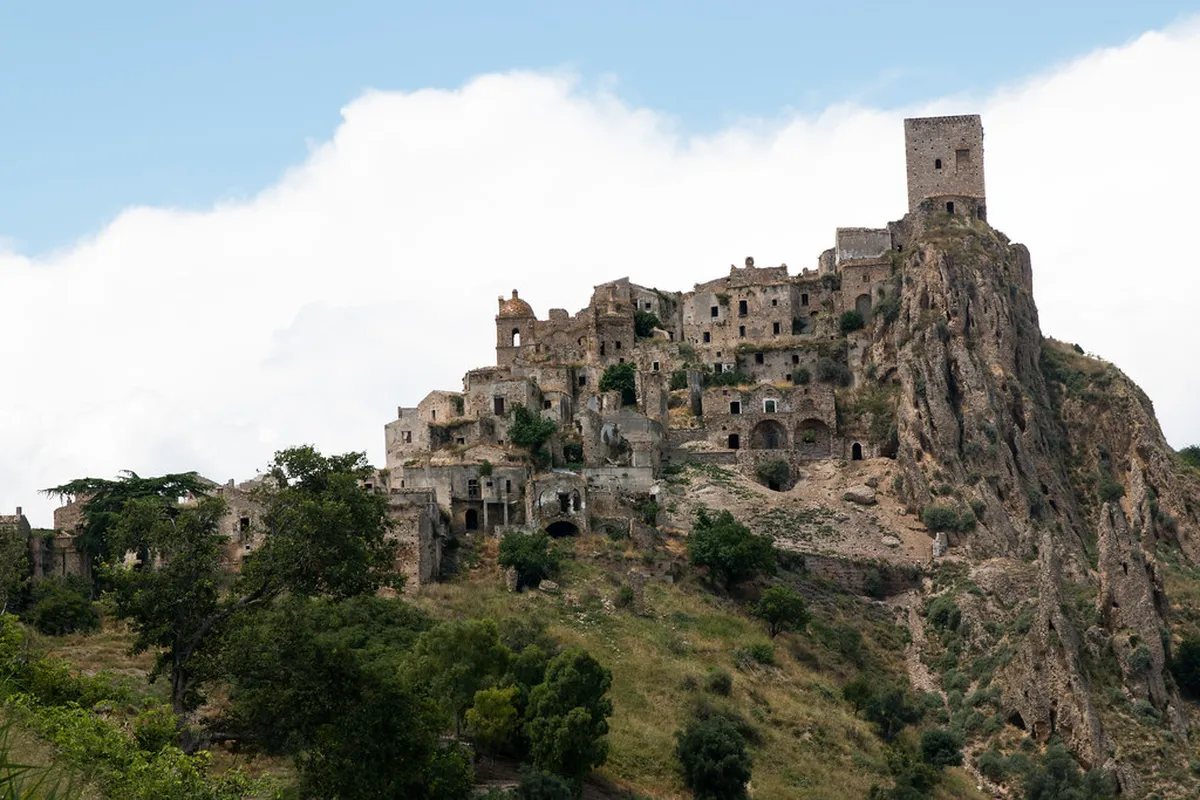
Walking through Craco feels like stepping onto the set of a post-apocalyptic movie because of its stark desolation. The town clings precariously to a steep cliff overlooking the vast agricultural valleys of southern Italy. Every arched doorway and collapsed roof tells a story of a community that vanished within a single generation. It remains one of the most evocative examples of an Italian ghost town still standing today.
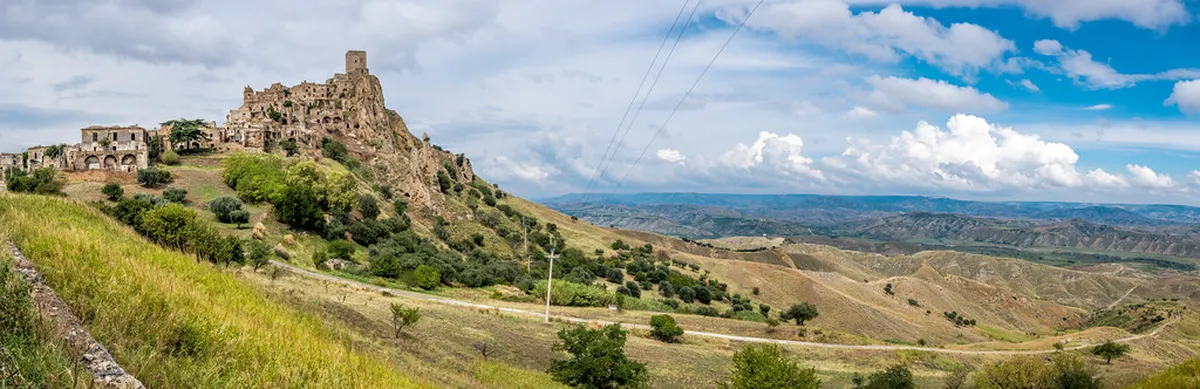
The visual contrast between the ancient stone structures and the white clay hills is truly striking. Photographers flock to this location to capture the dramatic interplay of light and shadow across the ruins. Unlike many tourist sites, Craco maintains an authentic sense of decay that feels respectful rather than commercialized. A visit here offers a somber reminder of the geological instability that defines much of the Italian landscape.
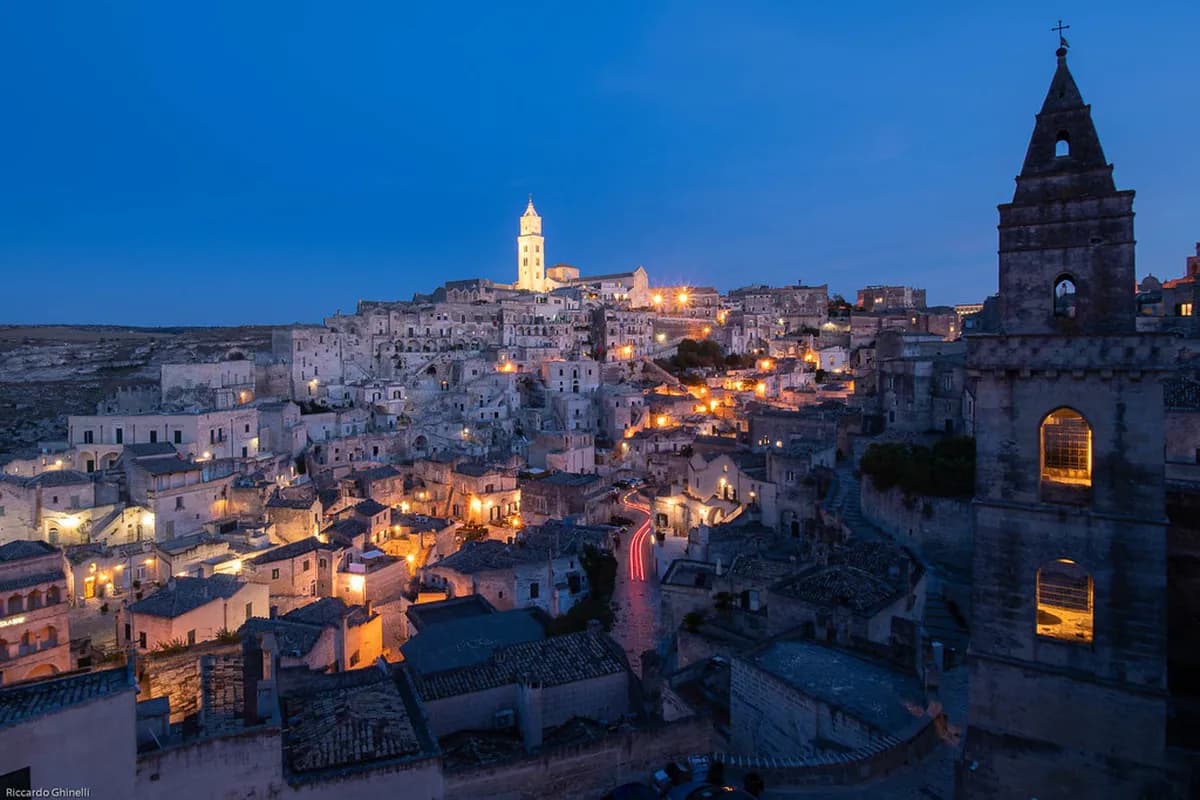
Many travelers choose this destination to complement their exploration of the ancient Sassi districts in Matera. While Matera represents a successful rebirth, Craco serves as a preserved monument to total abandonment. Understanding both sites provides a deeper perspective on how humans have adapted to the harsh terrain of Basilicata. You will find that the silence of the ruins provides a powerful contrast to the bustling city streets.
How to Get to Craco from Matera: Driving Routes and Tours
Reaching the ruins requires a drive of approximately fifty minutes through the scenic Basilicata countryside. Most travelers choose to rent a car to navigate the winding roads at their own pace. You can find several options for day trips from Matera that include professional transportation. Having a private vehicle provides the most flexibility for exploring the surrounding rural areas.
The most direct route involves taking the SS103 highway followed by the SP176 provincial road. You should be aware that the final eight kilometers of the climb feature several deep potholes. Drive slowly as you approach the town to avoid damaging your vehicle on the uneven asphalt surfaces. The road conditions can worsen after heavy rain because of the high clay content in the soil.
Public transport options are extremely limited and generally not recommended for a standard day trip. Buses from Matera to the nearby modern settlement of Craco Peschiera run infrequently throughout the day. If you do not have a car, booking a guided tour from the city center is your best alternative. These tours often combine a visit to the ghost town with other regional highlights like Pisticci.
The History of Craco: From Prosperity to Abandonment
The story of Craco began over a thousand years ago when Greeks first settled in the area. Throughout the medieval period, the town flourished as a strategic military and agricultural hub. You can read more about the early history of Craco on official historical archives. These ancient foundations eventually succumbed to the unstable clay soil beneath the buildings.
Before the disaster, Craco was known locally as the "city of wheat." The valleys below the cliff were blanketed with cereal fields, and the town's coat of arms shows three wheat spikes gripped by a human arm — a symbol of the agricultural strength that sustained the community for centuries. The settlement itself dates to at least the eighth century BC, and in 1164 a Norman lord established the feud of Cracum, raising the defensive tower that still dominates the skyline today.
A massive landslide in 1963 triggered the initial evacuation of the historic centre for safety reasons. The geology was always precarious: the hill consists of soft clay undermined by groundwater, and poorly planned well-digging during the early twentieth century accelerated the movement. Engineers attempted to stabilise the cliff, but their interventions worsened the instability. Most residents were relocated to the newly built village of Craco Peschiera in the valley below, where the municipal administration moved permanently.
Secondary disasters compounded the tragedy. A severe flood in 1972 damaged the remaining structures, and the powerful Irpinia earthquake of 1980 rendered the site completely uninhabitable. Government authorities officially sealed the town, declaring it a restricted zone. What had been a thriving community of roughly 2,300 people became a silent monument of stone within a single generation.
Guided Tours and the Craco Card: Essential Entry Info
Entry into the restricted zone requires the Craco Card, officially tied to the Museo Emozionale di Craco (MEC). Here is how to obtain it in 2026: arrive at the MEC visitor centre, which sits at the foot of the hill just before the locked gate. Present your booking confirmation (or purchase on the spot if availability permits) and pay the admission fee of approximately €10–€15 per adult. Staff will hand you a numbered token and a mandatory safety helmet. The official Italia.it portal carries current pricing and seasonal opening hours; pre-booking online at least 24 hours ahead is strongly recommended from May through September. Groups of more than five people should book at least three days in advance.
You cannot explore the abandoned streets alone because of the constant risk of falling masonry. Every visitor must join a guided tour led by a certified local expert for safety. The guides keep you on reinforced paths and away from structurally compromised archways. Tours last roughly 75 to 90 minutes and run two to three times daily; the first slot typically starts at 10:00 and the last at 16:00 in summer, with a reduced schedule in winter. If thick fog or rain appears, morning tours can be cancelled without notice — wear layers and check the weather before you drive out from Matera.
Craco is closed without a guide—no exceptions, even for experienced hikers. Tours last ~1 hour and run 2–3 times daily (fewer in winter). Tours may cancel during fog, rain, or high winds. Book online 24 hours ahead during peak season (May–September). The Craco Card (€10–€15) is non-refundable. Wear closed-toe hiking boots (mandatory); no sandals or high heels. The road's final 8 km has deep potholes—drive slowly.
Tours typically last about an hour and cover the most significant historical landmarks. It is wise to check the schedule in advance as tour times can vary by season. During the winter months, tours may be canceled if heavy fog or rain creates dangerous conditions. Booking your spot online during the peak summer season helps you avoid long wait times.
Must-See Highlights Among the Ruins
The skyline of the town is dominated by a massive Norman tower that dates back to the eleventh century. This fortification once served as a lookout point for defending the territory against invaders. You can see the tower from miles away as you approach the town on the winding provincial roads. It remains one of the best-preserved structures within the entire abandoned complex.
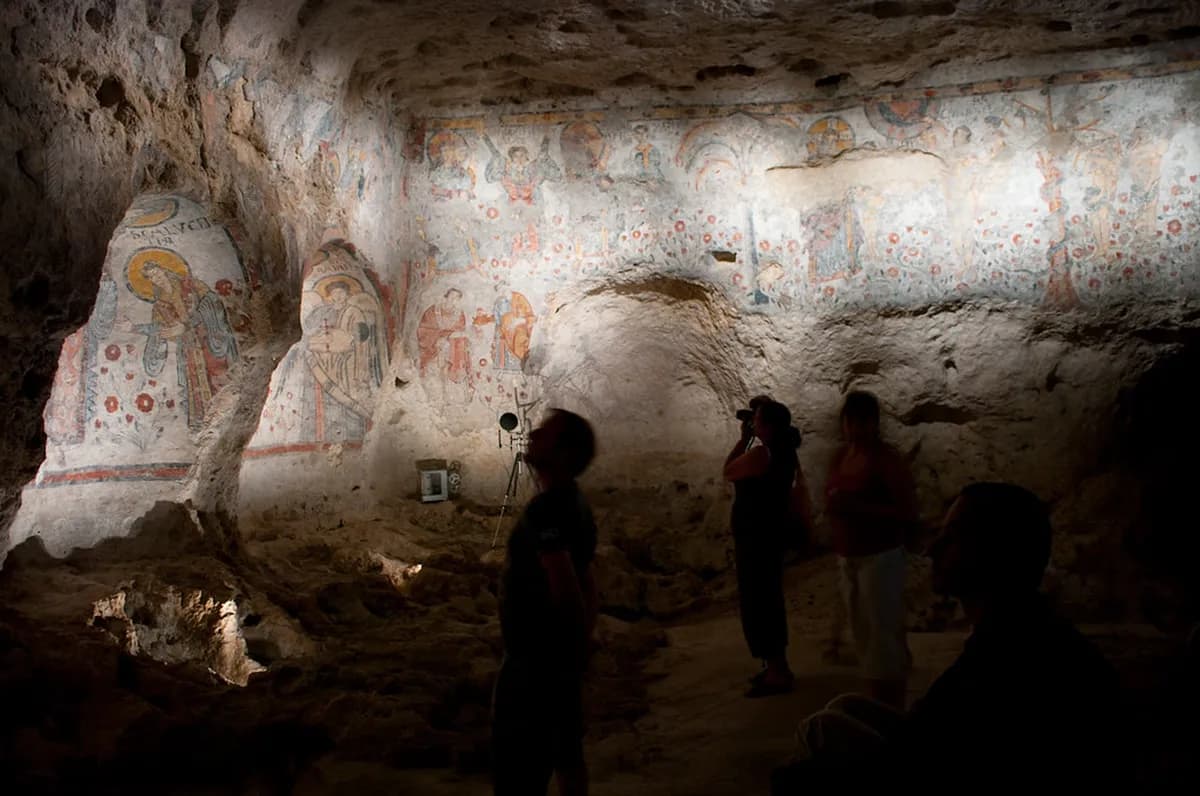
Another significant landmark is the Church of San Nicola with its distinctive tiled dome. The interior once housed beautiful frescoes and religious relics before they were moved for safekeeping. You can still observe the elegant architectural details that defined this central place of worship. The church stands as a focal point for the community that once gathered in the main square.
- The Norman Tower Lookout
- Type: Medieval fortification
- Best for: Panoramic views
- Where: Highest town point
- Status: Structurally reinforced
- San Nicola Church Dome
- Type: Religious landmark
- Best for: Architectural photography
- Where: Central district
- Status: Partially collapsed
- Palazzo Grossi Arches
- Type: Noble residence
- Best for: Artistic details
- Where: Near main square
- Status: Exterior viewing only
Craco on the Silver Screen: Famous Filming Locations
The dramatic aesthetic of the ruins has attracted numerous film directors from around the world. One of the most famous appearances occurred in the James Bond movie titled Quantum of Solace. Cinematographers used the desolate streets to create a sense of mystery and international intrigue. Fans of the franchise often visit to see the specific locations used in the aerial shots.
Mel Gibson also chose this location for several pivotal scenes in The Passion of the Christ. The ancient stone architecture provided a convincing backdrop for the historical setting of the film. The town's tragic history adds a layer of emotional depth to the visual storytelling on screen. You may recognize the steep alleys from the dramatic sequences filmed within the town center.
Other notable productions include Saving Grace and the classic Italian film Christ Stopped at Eboli. Directors appreciate that the site requires very little set dressing to look authentically ancient. The local film commission works to balance production needs with the fragile nature of the ruins. Visiting these spots allows you to experience the cinematic magic of Basilicata in person.
Practical Tips: What to Wear and When to Go
Proper footwear is the most important consideration for anyone planning to walk through the ruins. The terrain is covered in loose gravel, broken stone, and uneven clay surfaces. Wear sturdy hiking boots or sneakers with excellent grip to prevent slipping on the steep inclines. Sandals or high heels are strictly prohibited for safety reasons during the guided tour.
Choosing the right season dramatically changes the experience. In July and August, temperatures on the hilltop regularly exceed 35°C, and there is almost no shade once you pass through the gate. Carry at least 1.5 litres of water per person and apply high-factor sunscreen before you leave the car. The white clay Calanchi reflect heat upward, so the ambient temperature feels even higher than the thermometer suggests. Plan to arrive at the 10:00 tour slot to finish before the midday heat peaks. Spring (late March to May) and autumn (September to October) offer the most comfortable walking temperatures — typically 18°C to 24°C — and the light is superb for photography during these months. Winter visits (November to February) carry a different reward: morning fog pools in the ravines and wraps the ruins in an atmospheric mist that summer tourists never see. Winter tours are shorter, however, and may cancel on foggy mornings for safety. Always call the visitor centre the evening before if you plan a December or January visit.
Do not confuse the historic ghost town with the modern settlement of Craco Peschiera, located a few kilometres down the hill. Peschiera is where the displaced residents rebuilt their lives from the 1960s onward and is where you will find the nearest petrol station and a basic bar for coffee before ascending to the ruins. The MEC visitor centre is on the approach road above Peschiera, just before the perimeter fence — follow the brown tourist signs after leaving the SP176 main road. Check the Altamura from Matera guide if you wish to combine multiple towns in one trip.
Exploring the Calanchi: The Rugged Landscape of Basilicata
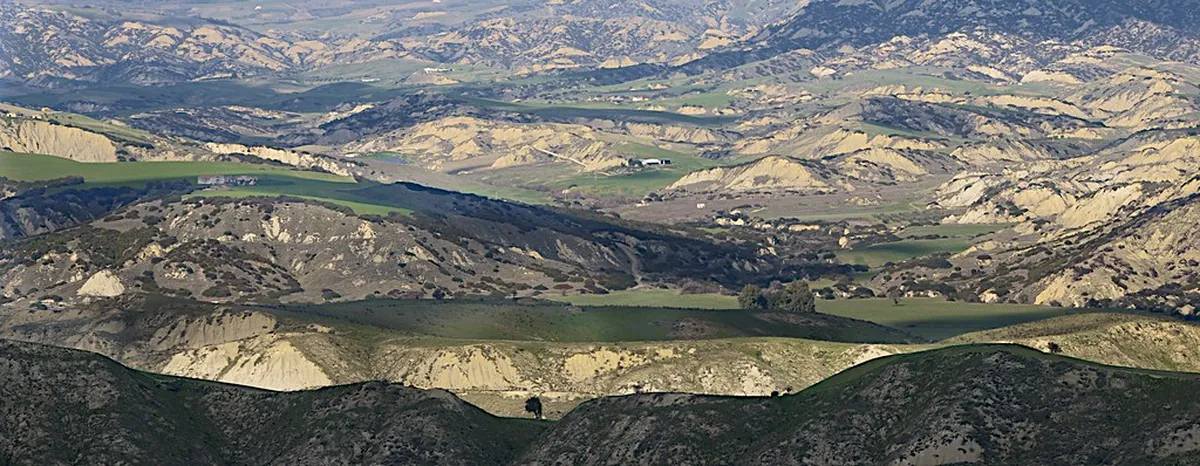
The surrounding landscape is defined by the Calanchi, which are distinctive white clay mounds shaped by erosion. These geological formations create a lunar atmosphere that contrasts sharply with the green valleys nearby. You will find the best panoramic views along the SP176 road before reaching the main gates. Stopping at the designated pull-offs allows you to photograph the town from a distance.
The Calanchi are a result of centuries of rainwater carving deep furrows into the soft clay soil. This process is ongoing and continues to reshape the hillsides after every major storm. You can learn more about this unique geology on the Italy Wander blog for regional insights. The landscape is particularly beautiful during the winter when mist clings to the deep ravines.
Many visitors find the drive to be just as impressive as the destination itself. The vast open spaces of Basilicata offer a sense of solitude that is hard to find elsewhere. Keep an eye out for local wildlife and traditional sheep herds grazing along the hillsides. Taking the time to appreciate the natural surroundings completes the experience of visiting Craco.
Photography Vantage Points on the SP176 Road
The most iconic images of Craco are taken from outside the perimeter fence, not from within the ruins themselves. As you climb the SP176 provincial road toward the gate, the hillside opens up on your left to reveal the full silhouette of the ghost town against the surrounding Calanchi. There are two unofficial pull-off points where it is safe to stop the car: the first appears roughly two kilometres from the gate and gives a low-angle view framing the Norman Tower against open sky; the second is about 700 metres further and is elevated enough to show the entire ridge with the terraced houses cascading down the slope. Arrive at either spot during the first hour after sunrise for warm, raking light that deepens the texture of the stone facades. The late afternoon — from 17:00 onward in summer — produces a similar quality of light, and the clay hills glow a warm amber that provides a striking contrast to the grey masonry. A standard 24–70 mm lens covers both wide establishing shots and tighter details of the bell tower and dome from these distances. Tripods are permitted at the roadside pull-offs. If you continue past the gate without stopping, you will miss the best exterior panoramas entirely, so build this into your schedule before the guided tour begins.
Combining Craco with Pisticci and the Amaro Lucano Museum
The 54-kilometre drive from Matera to Craco passes close to two destinations worth pairing for a full day out in southern Basilicata. The first is Pisticci, a white-washed hilltop town that sits roughly 15 kilometres south-east of Craco along the SP176 and SP3. Its stacked, sugar-cube architecture is unique in the region and typically quiet enough to walk freely without crowds — a good contrast to the restrictions of the ghost town visit. Allow 45 to 60 minutes to wander the panoramic terrace and the historic centre. The second stop is the Museo del Liquore Amaro Lucano in Pisticci, dedicated to the famous bitter liqueur that has been produced here since 1894. The museum is free to enter, runs guided tastings for a small fee (approximately €5 per person in 2026), and closes on Mondays. Combining Craco, Pisticci, and the Amaro Lucano Museum turns the journey into a coherent Basilicata day trip rather than a long drive for a single hour-long tour. A practical order: leave Matera by 08:30, arrive Craco for the 10:00 tour, drive to Pisticci for lunch (local agriturismi serve solid pasta with ricotta forte), visit the museum in the early afternoon, and return to Matera by 17:00 to 18:00. This itinerary covers roughly 130 kilometres of driving in total — manageable and well worth the fuel cost.
Frequently Asked Questions
Can you visit Craco without a guide?
No, you cannot visit the ruins of Craco without a certified guide for safety reasons. The town is fenced off to prevent accidents from falling stones and unstable ground. You must join an official tour and wear a safety helmet provided by the visitor center. Check day trips from Matera for guided options.
How far is Craco from Matera?
Craco is located approximately 54 kilometers from Matera, which takes about 50 to 60 minutes to drive. The route follows the SS103 and SP176 roads through the hilly countryside. Most travelers find that a rental car is the most convenient way to make the journey.
Is Craco ghost town safe to visit?
Craco is safe to visit as long as you remain with your guide and follow all safety instructions. You must wear the provided helmet and stay on the designated paths at all times. The site is monitored regularly to ensure that the tour routes remain stable for visitors.
How do I buy a Craco Card?
You can purchase the Craco Card at the municipal visitor center located near the entrance to the historic site. This card acts as your entry ticket and supports the emotional museum project. It is often possible to buy tickets on arrival, but booking ahead is recommended for large groups.
A journey to Craco offers a hauntingly beautiful experience that you will remember long after leaving Italy. The combination of tragic history and stunning architecture creates a unique atmosphere found nowhere else. Planning your trip from Matera allows you to witness the resilience and fragility of human settlements. Respect the ruins and follow the local guidelines to help preserve this incredible site for future generations.
You might also like


Continue reading
More guides you'll find useful