How To Get To Lecce: 8 Essential Travel Tips
Discover the best ways to get to Lecce by plane, train, car, or bus. Includes local tips on airport shuttles, ZTL parking, and regional train booking.
On this page
How To Get To Lecce: 8 Essential Travel Tips
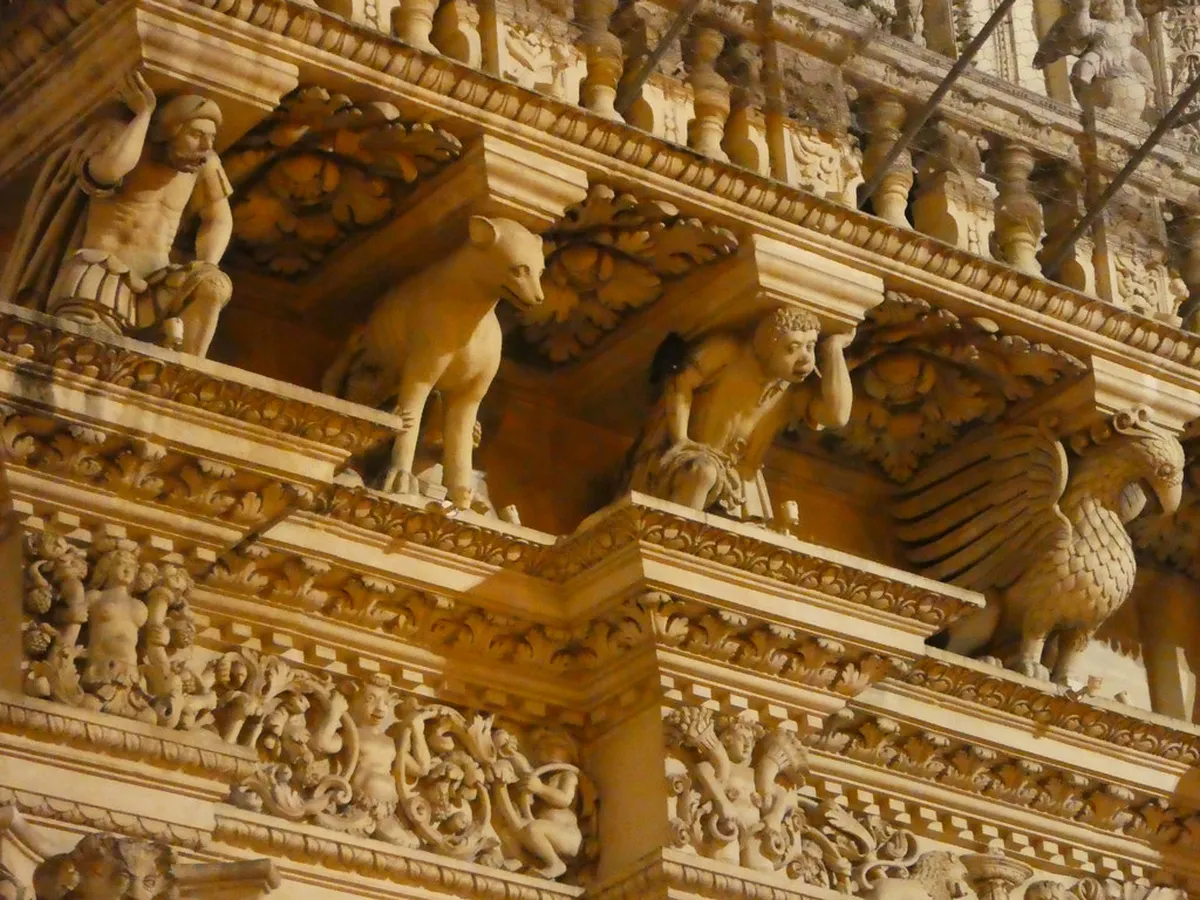
Lecce sits in the heart of the Salento peninsula within the beautiful Puglia region of southern Italy. Often called the Florence of the South, this city captivates visitors with its ornate Baroque architecture and golden limestone buildings. Reaching this southern gem requires some planning as it lies far down the Italian heel.
Travelers can choose between flying into nearby airports or taking scenic train rides through the Italian countryside. Each transport method offers different benefits depending on your starting point and overall travel budget. This guide breaks down every logistical detail to help you plan a smooth journey to the Salento capital.
Understanding the local transit landscape is essential for avoiding common tourist mistakes like entering restricted driving zones. We will cover airport shuttles, high-speed rail connections, and seasonal bus routes that connect the city to the coast. Prepare to discover the most efficient ways to reach one of Italy's most stunning historic centers.
Whether you are arriving from Rome or flying in from abroad, these tips ensure you arrive without stress. You will find practical advice on booking platforms, parking locations, and the best times to travel for 2026. Let us explore the various routes that lead to the magnificent gates of Lecce.
Key Takeaways
- Fly into Brindisi Airport for the shortest transfer time to Lecce.
- Avoid ZTL fines by parking your rental car outside the historic walls.
- Use high-speed rail for a comfortable 5.5-hour journey from Rome.
- Download the Moovit app to navigate local city bus schedules easily.
How to Get to Lecce by Plane
Flying is the most practical way for international travelers to reach the Salento region, and in 2026 two airports compete for your arrival: Brindisi Salento Airport (BDS) and Bari Karol Wojtyła Airport (BRI). Brindisi wins on transfer speed — just 45 kilometres from Lecce — while Bari wins on flight variety, with more year-round routes from Northern Europe, the UK, and North America. Choosing correctly before you book your flight can save an hour or more on the ground.
| Airport | Code | Distance to Lecce | Transfer Time | Pugliairbus Shuttle Cost | Flight Range |
|---|---|---|---|---|---|
| Brindisi Salento Airport | BDS | 45 km | 40 minutes | 8 EUR | Budget EU airlines, seasonal |
| Bari Karol Wojtyła Airport | BRI | 165 km | ~2 hours by coach/train | 25 EUR (Pugliairbus via Taranto) or ~12 EUR train via Bari Centrale | International + year-round |
Once you land at Brindisi, the Pugliairbus shuttle is the smartest ground transfer. The service departs from just outside the arrivals terminal roughly every hour between 06:00 and 23:00, and drops passengers at the Brindisi Airport to Lecce City Terminal on Viale Porta d'Europa — a ten-minute walk from the first Baroque gates. Book online at the Pugliairbus (Sita Sud) website to lock in your ticket; the interface is in Italian, so have Google Translate handy and look for the "BDS – Lecce" route under "Aeroporti".
From Bari Airport the fastest option is the shuttle train: take the Bari Airport rail link into Bari Centrale (20 minutes, 5 EUR), then a direct Trenitalia regional train to Lecce (80–100 minutes, 11–15 EUR). Total cost is roughly 17–20 EUR and total elapsed time around two hours. Private transfers from either airport are available for door-to-door comfort; expect 60–80 EUR from Brindisi and 110–140 EUR from Bari.
How to Get to Lecce by Train
The train is the single most comfortable overland route to Lecce and, if booked in advance, surprisingly affordable. High-speed Frecciarossa services from Rome Termini reach Lecce in roughly 5.5 hours with no changes required — Trenitalia typically runs four to six departures per day and advance tickets start from around 25–40 EUR. Italo, the private operator, also serves the Rome–Lecce corridor with comparable speeds and its own early-bird pricing. For the Rome to Lecce journey, booking three to four weeks out almost always drops the fare significantly below walk-up prices.
Travelers already in Puglia benefit from the dense regional network. The Bari to Lecce train departs roughly every 30 to 60 minutes throughout the day and takes 80–100 minutes; tickets cost a flat 11–15 EUR regardless of when you buy. From Brindisi city the regional hop takes only 30 minutes and costs under 5 EUR — this is the train to catch if you arrive at Brindisi Airport and walk to the nearby Brindisi station rather than taking the Pugliairbus shuttle.
Book high-speed Frecciarossa tickets from Rome several weeks in advance for significant savings. Regional train tickets maintain fixed prices and do not require advance booking.
A second local rail network, FSE (Ferrovie del Sud Est), operates slower but useful lines that connect Lecce to Gallipoli (1.5 hours direct), Galatina (45 minutes), and — in summer — a direct service toward Otranto. FSE trains are slower and less frequent than Trenitalia, but they reach coastal towns that the main network bypasses. Always cross-check return times before committing to an FSE day trip; Sunday services are significantly reduced. Validate all paper regional tickets at the yellow or green machines on the platform before boarding, or risk an on-the-spot fine of 50 EUR.
How to Get to Lecce by Car
Driving to Lecce is the most flexible option if you plan to explore the Salento coastline independently. From Bari the A14 motorway south connects to the SS16 coastal highway, giving you a mostly straight run of about two hours. From Brindisi the drive takes just 40 minutes, and from Naples roughly 3.5 hours via the A3 and SS106. Pick up your rental at Brindisi or Bari airport for the widest choice of vehicles; Lecce's own rental agencies are limited.
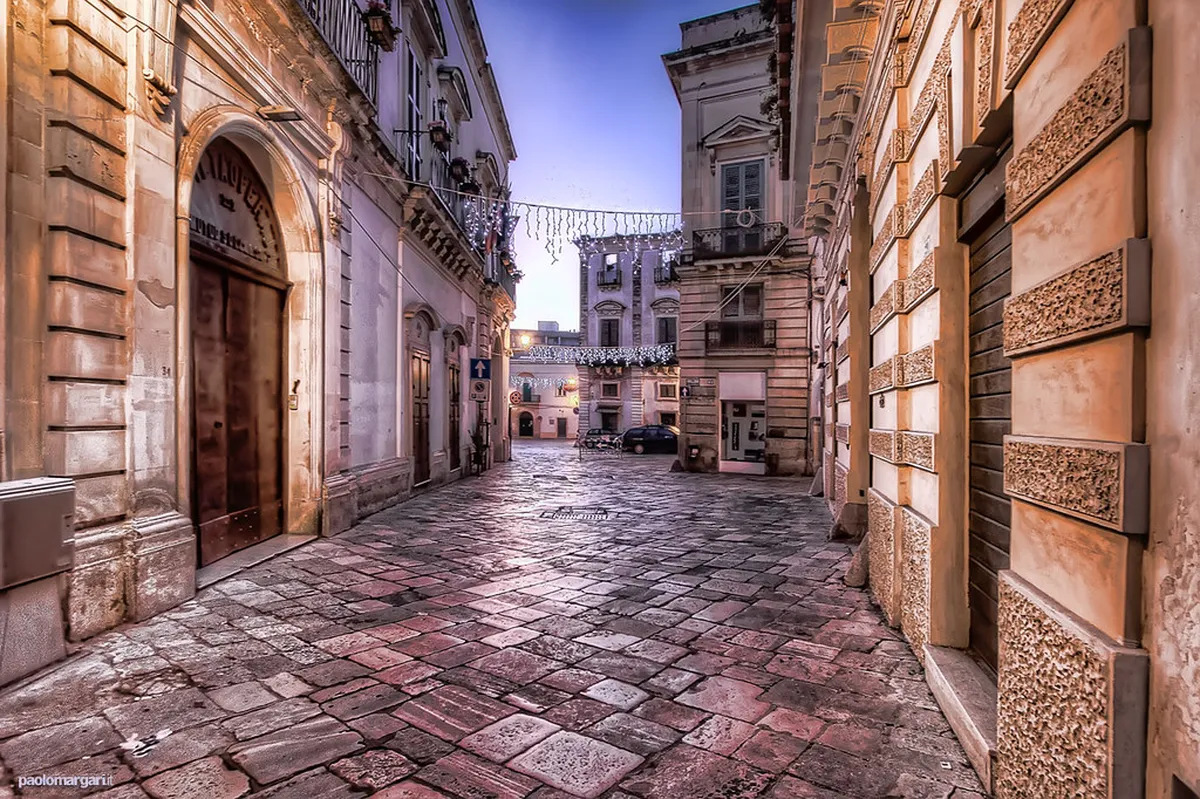
The historic center of Lecce is a Limited Traffic Zone (ZTL). Unauthorized drivers face automated camera fines. Always park outside the old town walls at Parcheggio Oberdan or the City Terminal lot.
The ZTL (Zona a Traffico Limitato) covers the entire historic core and is enforced by cameras mounted at each entry road. The zone is active 24 hours a day, seven days a week for most access points — there is no off-peak window for tourists. Fines issued to non-resident plates typically run 70–165 EUR and arrive by post weeks after your trip, often through your rental agency which adds an administrative surcharge on top. Do not follow GPS directions that route you through Porta Napoli, Porta Rudiae, or Porta San Biagio unless your accommodation has provided written ZTL authorization linked to your number plate.
The safest parking strategy is to stop at one of two lots just outside the walls. Parcheggio Oberdan (Viale Oronzo Quarta, near Porta Napoli) is large, well-lit, and within a five-minute walk of the Basilica di Santa Croce. The City Terminal lot (Viale Porta d'Europa) sits next to the bus terminal and is convenient if you arrive from the north. Both charge around 1–2 EUR per hour. Your hotel inside the ZTL can apply for a temporary permit on your behalf if you need to unload luggage — always call ahead to arrange this before you drive in. Non-EU visitors should carry an International Driving Permit alongside their national licence to avoid issues at car rental desks.
How to Get to Lecce by Bus
Long-distance buses are the cheapest way to reach Lecce from Rome or Naples. FlixBus operates overnight coaches that typically cost 15–40 EUR depending on how early you book, with several daily departures from Rome Tiburtina and Naples. The journey from Rome takes 7–9 hours, so overnight departures are popular — you arrive at the City Terminal on Viale Porta d'Europa just as Lecce wakes up. Always buy FlixBus tickets online; the terminal has no ticket desk. Keep a printed or digital copy because inspectors board at stops.
During the summer months, the Salento in Bus network is the key to reaching Lecce's nearby beaches without a car. This seasonal system operates from roughly mid-June through early September and links Lecce to Otranto (about 60 minutes), Gallipoli (about 55 minutes), Santa Maria di Leuca, and a string of Adriatic and Ionian coastal villages. Routes fan out from the Lecce City Terminal and tickets are sold at tobacco shops (tabaccherie) throughout the city for around 2–5 EUR per leg. The service does not operate year-round, and frequencies drop sharply in early September, so check the current timetable on the STP Lecce website before planning a coastal day trip. Without this network, reaching many smaller beach towns on a summer visit requires either a rental car or an expensive taxi.
| Transport Method | Travel Time | Cost (approx.) | Best For | Frequency |
|---|---|---|---|---|
| Brindisi shuttle bus | 45 minutes | 8 EUR | Quick airport transfer | Hourly (6am-11pm) |
| Rome-Lecce train | 5.5 hours | 40-90 EUR | Long-distance comfort | Multiple daily |
| Bari-Lecce train | 80-100 min | 11-15 EUR | Regional budget travel | Every 30-60 min |
| Private taxi | 35 minutes | 60-80 EUR | Door-to-door service | 24/7 |
| Long-distance bus (FlixBus) | 8-10 hours | 15-40 EUR | Budget travelers | Daily options |
Tickets for regional buses can often be purchased at local tobacco shops or directly from the driver in some cases. However, for long-distance routes, it is always best to buy your tickets online through the official company websites. This ensures you have a guaranteed seat on your preferred departure time during the peak travel season.
Using the bus is a great way to save money while enjoying the varied landscapes of southern Italy. While travel times may be longer than the train, the modern coaches are typically equipped with Wi-Fi and power outlets. Travelers on a budget will find the bus network to be a reliable and extensive transport alternative.
How to Get Around Lecce City
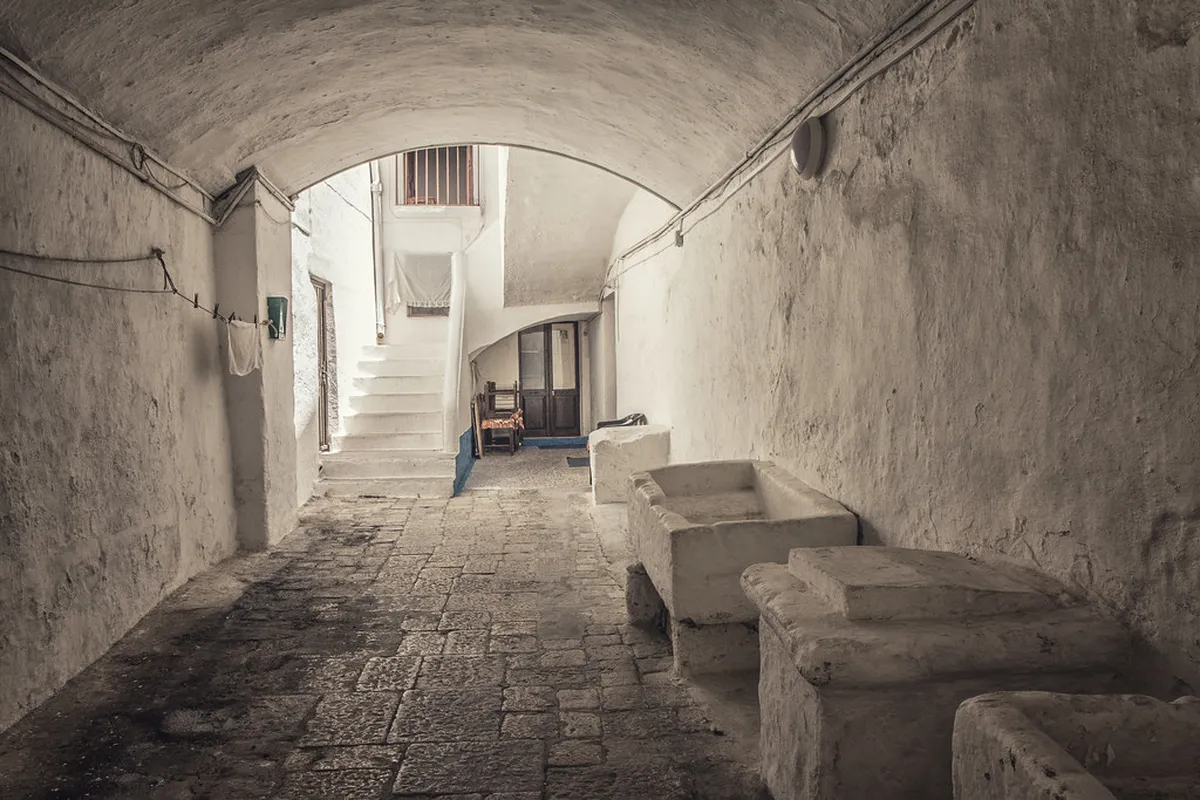
Once you arrive, getting around Lecce is best done on foot to fully appreciate the historic architecture. Most of the main attractions, including the Basilica di Santa Croce, are located within a compact pedestrian-friendly zone. Walking allows you to discover hidden courtyards and charming cafes that cars simply cannot reach.
For longer distances within the city, the SGM local bus network provides several lines that circle the historic perimeter. You can find real-time route information and schedules by using the Moovit Lecce Transit app on your smartphone. This tool is particularly helpful for navigating the local bus stops which can sometimes be poorly marked.
Taxis are available at the train station and near major squares like Piazza Sant'Oronzo for quick trips across town. It is important to note that taxis in Lecce do not cruise for passengers and should be booked by phone or at a stand. Always ask for an estimated fare before starting your journey to ensure a fair price.
Bicycle rentals are another fantastic way to explore the city and the nearby parks at your own pace. Several shops in the center offer daily rentals and can provide maps of local cycling routes. This eco-friendly option is perfect for reaching the quieter residential neighborhoods outside the main tourist path.
Best Time of Year to Visit Lecce
The best time to visit Lecce is during the spring months of April to June when the weather is mild and pleasant. During this period, the city is vibrant with blooming flowers and the outdoor cafes begin to fill with locals. You can enjoy long walks through the historic center without the intense heat of the southern Italian summer.

Fall is another excellent season for a trip, particularly in September and October when the harvest season begins. The temperatures remain warm enough for exploring while the peak summer crowds have largely dispersed. This is a great time to find better deals on accommodations and enjoy a more authentic local atmosphere.
Summer in July and August can be very hot, with temperatures often exceeding 35 degrees Celsius during the day. While this is the peak season for beach lovers, the city itself can feel quite draining in the midday sun. Many locals head to the coast during this time, making the city feel quieter but also more expensive for tourists.
Winter offers a different perspective of Lecce, with fewer tourists and a focus on traditional cultural events. While it can be chilly and rainy, the city's golden stone looks beautiful under the winter light. Visiting in the off-season allows for a much slower pace and easier access to the most popular museums and churches.
Is Lecce Worth Visiting?
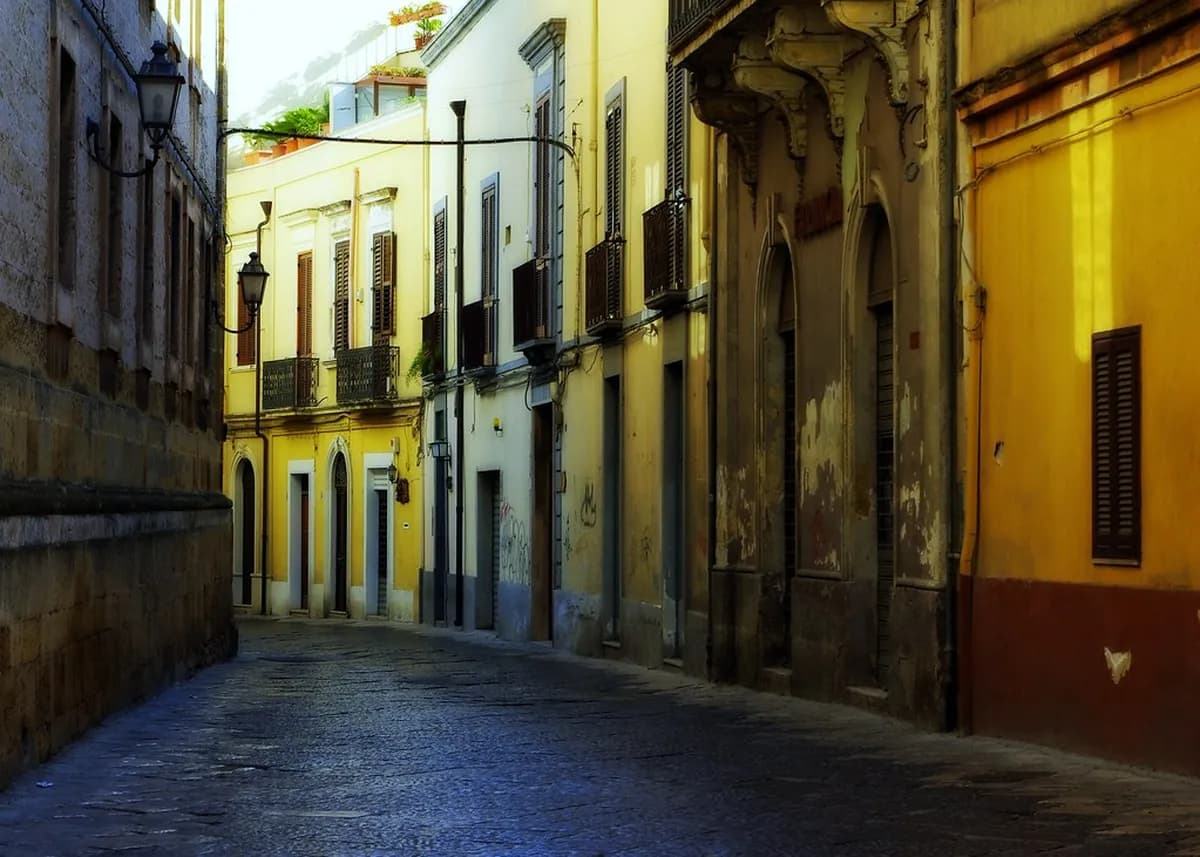
Lecce is absolutely worth visiting for anyone who appreciates deep history and stunning architectural detail. The city's unique style of Baroque art is so distinct that it has its own name, Barocco Leccese. Every corner of the old town reveals intricate carvings and grand facades that make it a photographer's paradise.
The culinary scene in Lecce is another major draw, featuring unique local specialties like the pasticciotto pastry and rustico leccese. Food lovers can immerse themselves in the local culture by taking a class at the Cooking Experience Lecce school. Learning to make traditional orecchiette pasta is a highlight for many travelers visiting the Salento region.
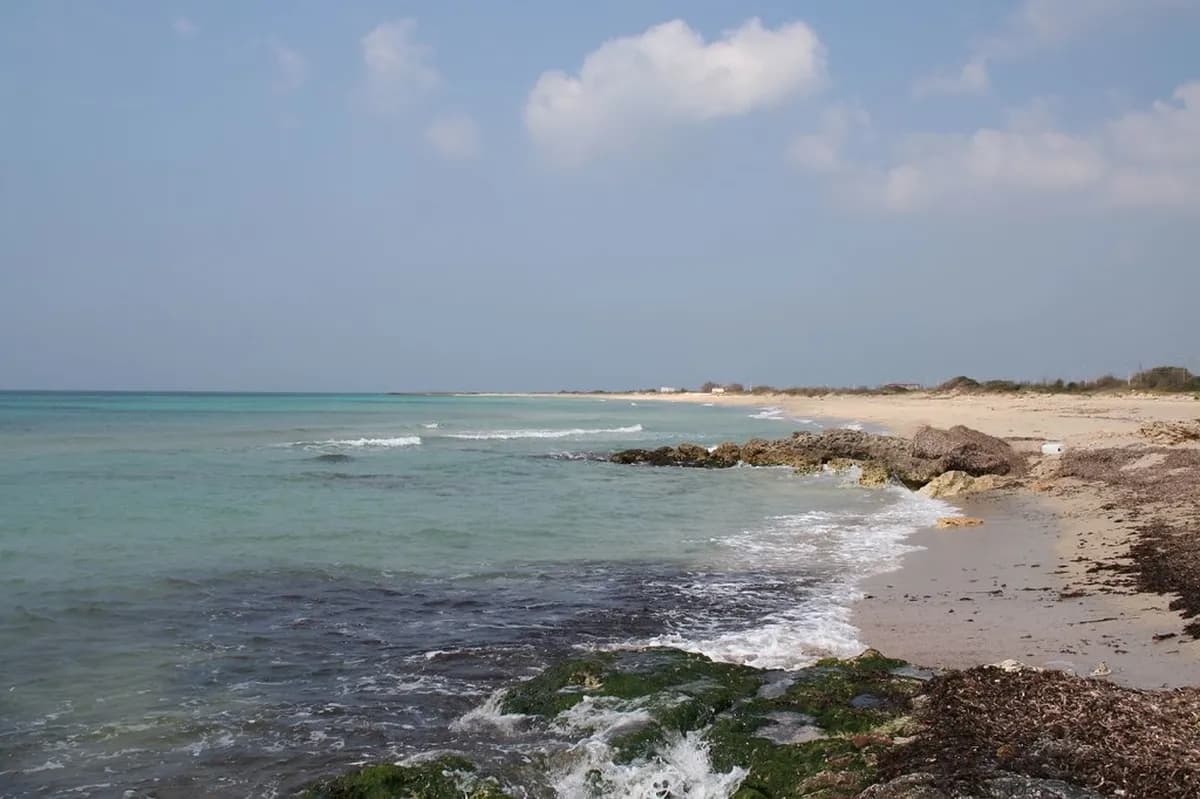
Beyond the city walls, Lecce serves as the perfect base for exploring the dramatic coastline of the Salento peninsula. You can easily take a Gems of the Salento coast day trip to see crystal-clear waters and rugged cliffs. The proximity to both the Adriatic and Ionian seas makes it a versatile destination for all types of travelers.
The city maintains a lively yet relaxed atmosphere that captures the essence of the Italian southern lifestyle. Evenings are dedicated to the passeggiata, where locals and visitors alike stroll through the illuminated squares. This blend of artistic beauty and vibrant local life makes Lecce a truly unforgettable stop on any Italian itinerary.
Lecce Planning Cheatsheet
Planning your trip to Lecce is much easier when you have all the essential booking resources in one place. Using the right platforms ensures you get the best prices and the most accurate schedule information for your journey. This cheatsheet summarizes the top tools for every transport mode available to travelers.
For a deeper dive into the city's secrets, consider booking a Lecce walking tour with Paolo to learn about the hidden history. Expert guides can show you details in the Baroque carvings that most visitors would simply overlook. Local knowledge is the best way to transform a simple visit into a truly enriching cultural experience.
Always remember to check for any travel updates or service changes on the ItalyWander blog before you depart. Staying informed about local events or strikes can help you avoid unexpected delays during your vacation. Proper preparation is the final step in ensuring your trip to the Florence of the South is a complete success.
- Train Booking Platforms
- Site: Trenitalia.com
- Site: Italotreno.it
- Best for: High-speed rail
- Tip: Book 3 weeks early
- Bus and Shuttle Services
- Site: Pugliairbus (Sita)
- Site: FlixBus.com
- Best for: Airport transfers
- Tip: Print your tickets
- Local Navigation Tools
- App: Moovit
- App: Google Maps
- Best for: City buses
- Tip: Check ZTL boundaries
Brindisi vs. Bari Airport: Which to Choose for Lecce?
The single most common planning question for first-time visitors is whether to fly into Brindisi or Bari. Both work, but they suit different travel profiles. Brindisi (BDS) wins on ground logistics: at 45 kilometres it is less than half the distance of Bari (BRI) at 165 kilometres, and the Pugliairbus shuttle from BDS to Lecce City Terminal is a simple 40-minute, 8 EUR trip. If you are flying from a UK or European city that connects directly into BDS — easyJet, Ryanair, and Wizz Air all serve the route seasonally — Brindisi is the clear choice for a Lecce-centred trip.
Bari is the right call when your flight options are limited or when you plan to spend time in the Puglia region more broadly. BRI handles more year-round routes including connections from North America via Rome or Amsterdam. From Bari airport the bus-plus-train combo (airport shuttle to Bari Centrale, then regional Trenitalia to Lecce) costs roughly 17–20 EUR in total and takes around two hours door-to-door. Bari itself is worth a half-day stop: the old quarter around Basilica San Nicola is one of Puglia's underrated highlights and makes the longer transit feel like a bonus.
One practical note: if you book at Brindisi and your flight is delayed or cancelled, onward connections to Lecce are limited after 23:00, when the last Pugliairbus of the day departs. Bari has later trains and a taxi infrastructure that functions around the clock. For travellers with tight connections or late arrivals, Bari's larger ecosystem offers a safety net that Brindisi cannot match.
Frequently Asked Questions
Which airport is closest to Lecce?
Brindisi Salento Airport (BDS) is the closest airport to Lecce, located just 45 kilometers away. You can reach the city center in about 40 minutes using the Pugliairbus shuttle. It is much closer than Bari Airport, which requires a two-hour journey to reach Lecce center.
Is there a direct train from Rome to Lecce?
Yes, there are several direct high-speed Frecciarossa and Italo trains from Rome Termini to Lecce every day. The journey typically takes around five and a half hours across the Italian peninsula. It is a comfortable way to travel while enjoying views of the rural landscape.
Can you drive into the historic center of Lecce?
No, the historic center of Lecce is a Limited Traffic Zone (ZTL) restricted to residents and authorized vehicles. Unauthorized drivers will face heavy fines captured by automated enforcement cameras. It is best to park in the large lots near the City Terminal or Viale Oberdan.
What is the cheapest way to reach Lecce from Bari?
The cheapest way to reach Lecce from Bari is by taking a regional Trenitalia train. Tickets cost around 11 to 15 Euros and the journey takes about 90 minutes. You can find more details in our guide on the Bari to Lecce train options.
How do I get from Brindisi Airport to Lecce city center?
The most efficient method is the Pugliairbus shuttle service which runs directly from the arrivals terminal. Tickets can be purchased online or at the airport for approximately 8 Euros. The bus drops you at the Lecce City Terminal, which is a short walk from the old town.
Reaching Lecce is a rewarding journey that leads to one of Italy's most beautiful and historic cities. Whether you choose the speed of a flight or the scenic route by train, your arrival in Salento will be memorable. By following these logistical tips, you can navigate the local transport systems with total confidence.
Remember to plan for ZTL restrictions if you are driving and book your high-speed train tickets in advance for the best rates. Exploring the golden streets of the Florence of the South is an experience every traveler should have. We hope this guide makes your trip to Lecce smooth, enjoyable, and filled with incredible Baroque discoveries.
Explore More: Getting to Lecce
Keep planning with these related guides.
You might also like
Continue reading
More guides you'll find useful