Getting Around Lecce Travel Guide
Plan getting around lecce with top picks, neighborhood context, timing tips, and practical booking advice for a smoother trip.
On this page
Getting Around Lecce
Lecce stands as a stunning jewel in the heart of the sunny Puglia region of southern Italy. Many travelers call this place the Florence of the South because of its incredible Baroque architecture and limestone buildings. You will find that the city center is remarkably compact and perfectly suited for slow exploration on foot. Understanding the local layout is essential before you finalize your plans for how to get to Lecce this year.
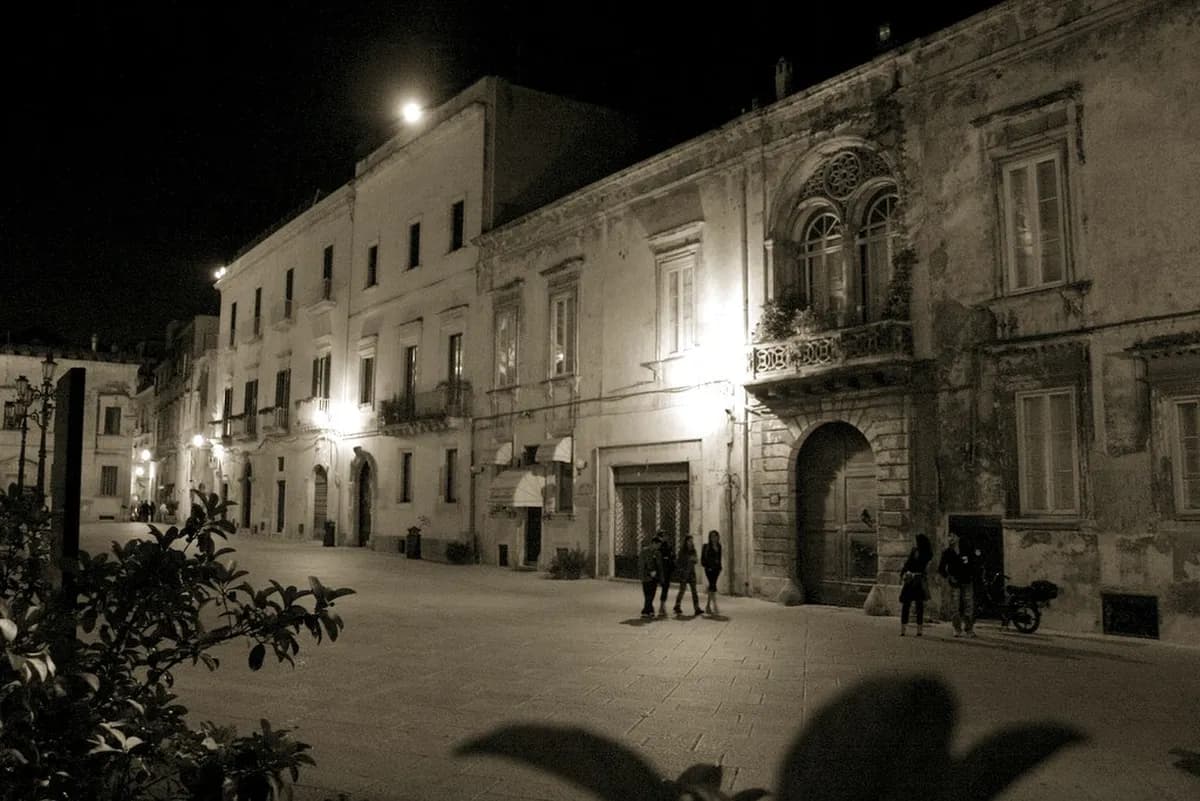
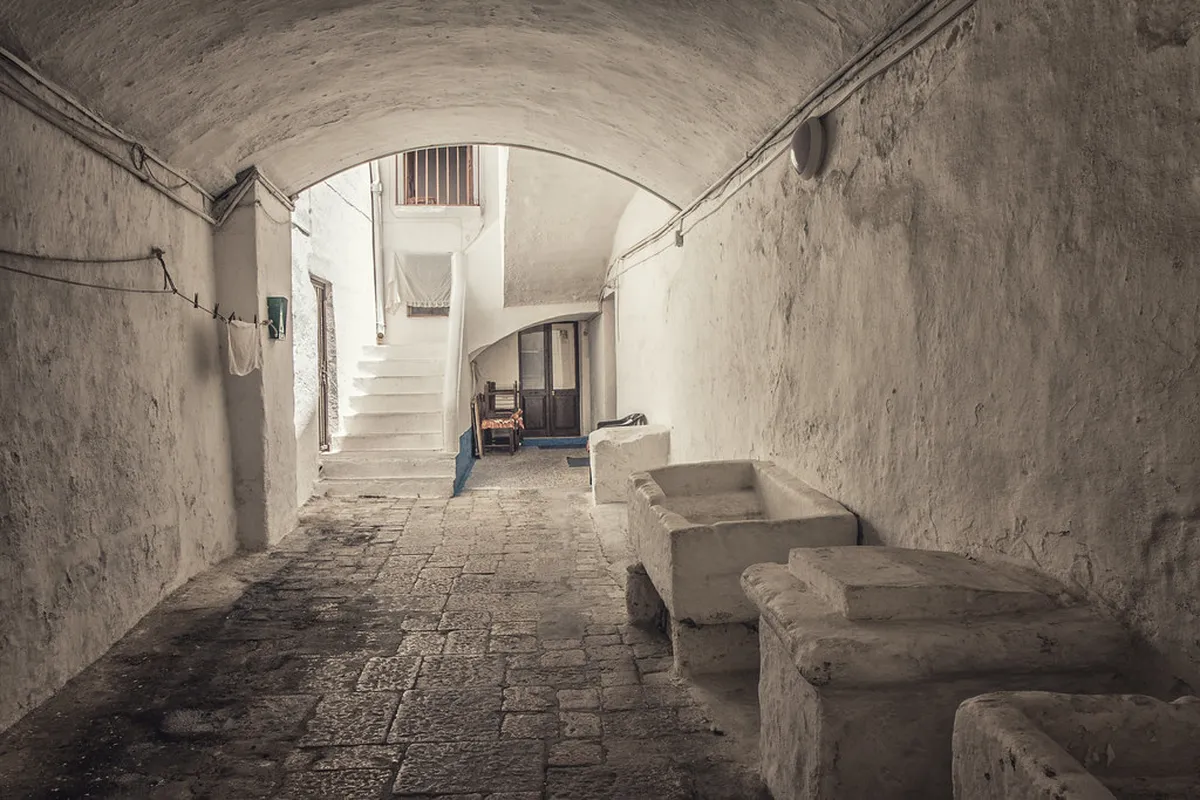
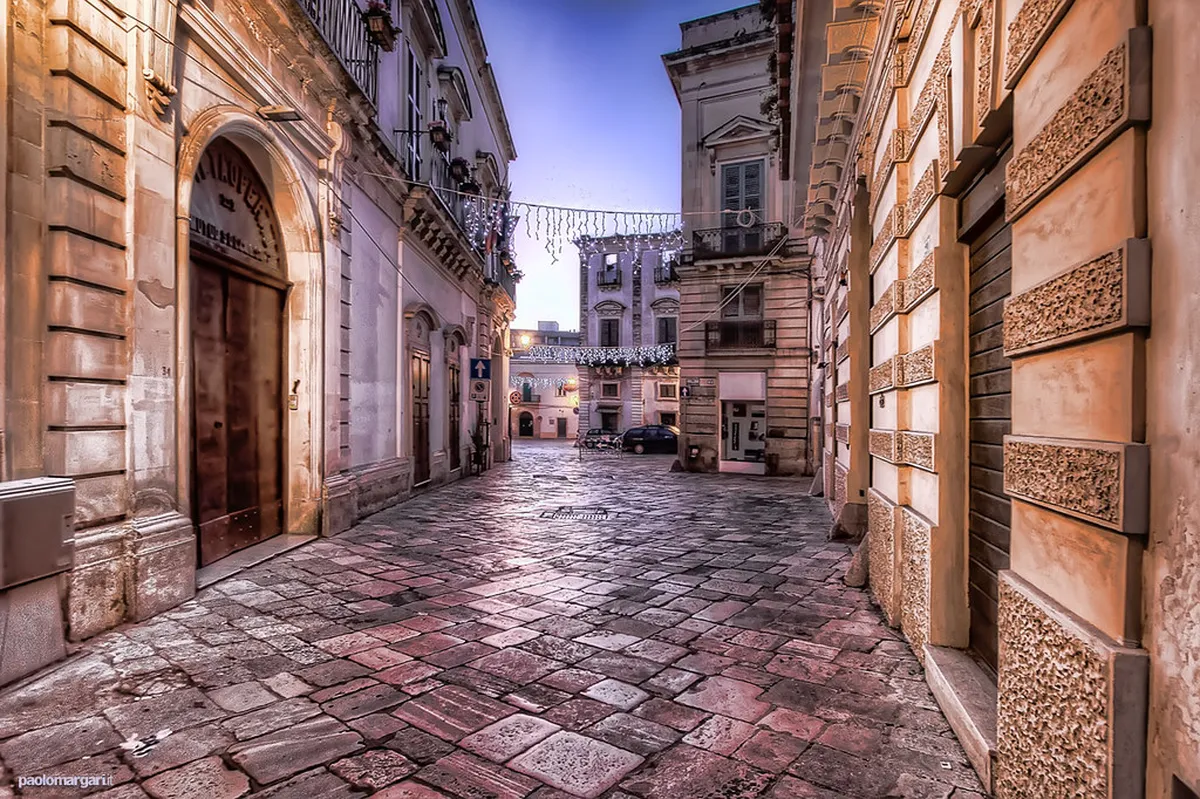
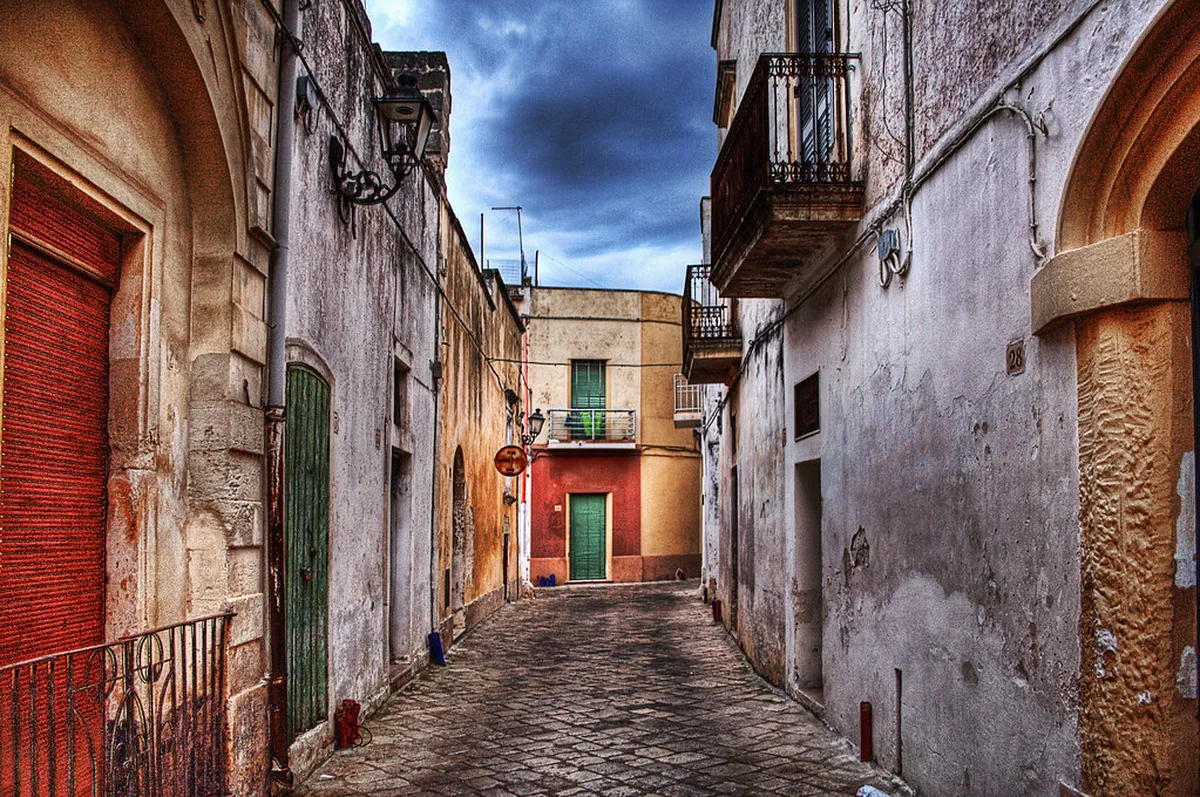
The golden-hued streets offer a warm welcome to anyone looking for authentic Italian culture and history. Navigating the winding alleys requires a bit of patience but rewards you with hidden courtyards and ornate balconies. Most primary attractions sit within a pedestrian-friendly zone where modern vehicle traffic remains strictly limited. This guide provides everything you need to know about navigating the city with ease and confidence.
Must-See Getting Attractions
The historic core of Lecce packs its most impressive landmarks into a remarkably compact zone where every street turn reveals another carved limestone facade. Walking is the only way to properly absorb the density of Baroque detail here — no bus or taxi can slow you down enough. Begin at Piazza Sant'Oronzo, the city's social hub, where you can see the sunken Roman amphitheatre, the column of the city's patron saint, and the sweeping lines of the old buildings all at once. Consider booking a Lecce walking tour with Paolo to decode the architectural layers that most visitors walk past without recognising.
From Piazza Sant'Oronzo, the natural walking route takes you northwest toward the Basilica di Santa Croce and then south into the enclosed drama of Piazza del Duomo — a loop that most visitors complete in a morning but which rewards a slower second pass in the evening when golden floodlights transform the stone. If you are arriving from the capital, check the latest options for the Rome to Lecce train before you leave. The main streets thread between the three historic gate towers and give you a reliable framework when the narrower residential alleys start to feel disorienting.
The historic center is completely pedestrian-friendly with smooth limestone streets. Most attractions are within 10-15 minutes of each other. Wear comfortable walking shoes and bring water. Start exploration early (8am) to avoid midday heat and tour groups.
Museums, Art, and Culture in Getting
Lecce punches well above its size for museum depth, and the best places here feel lived-in rather than institutional. The stand-out is Museo Faggiano (Via Ascanio Grandi 56, open 09:30–20:00, €5), which began as a private home repair job in 2000. Owner Luciano Faggiano set out to fix a leaking pipe and ended up uncovering Messapian tombs, a Roman granary, a Franciscan chapel, Knights Templar etchings, and an emerald-encrusted medieval bishop's ring — all layered beneath his single residential building. The family converted the hollowed-out property into an independent museum after years of painstaking excavation at their own cost. It is claustrophobic in the deeper sections and deliberately unpolished, which makes it far more compelling than the average civic collection.
MUST (Museo Storico della Città di Lecce, open Tue–Sun 09:00–19:00, standard ticket €8) is housed inside the beautifully restored 15th-century Monastery of Santa Chiara and traces the city from the Messapian age through to the 20th century. The history displays are uneven, but the contemporary art wing is genuinely strong and the back-room view over the Roman Theatre is worth the ticket price alone. For more focused contemporary work, Fondazione Biscozzi Rimbaud (open daily except Monday 16:00–19:00, €8) opened in 2018 around a private collection of more than 200 pieces by southern Italian artists. Finally, the Museo Ebraico di Lecce, set in the basement of Palazzo Taurino, tells the forgotten history of the city's medieval Jewish community through underground ruins of a synagogue, a mikvaot, and original carved doorways — accessible only on guided tours, with 20-minute, one-hour, and three-hour options depending on your appetite.
| Transport Option | Cost | Coverage | Best For | Notes |
|---|---|---|---|---|
| Walking | Free | Historic center | Main sightseeing | 15-min max distance between major sites |
| SGM Local Bus | 1-2 EUR | City-wide | Outer areas, train station | Buy tickets at tobacco shops |
| Taxi | 8-15 EUR | Point-to-point | Quick trips across town | Phone only, no street hailing |
| Tourist Train | Moderate | Loop route | Families, no walking | Departs from main square |
| Bicycle rental | Daily rate | City + parks | Flexible pace | Flat terrain outside center |
Parks, Gardens, and Outdoor Spots in Getting
The Villa Comunale serves as the main green lung for both residents and visitors seeking a quiet break. This park features wide gravel paths, shaded benches, and statues of famous figures from Italian history. It provides a perfect escape from the midday sun during the warmer months of the summer season. Families often gather here in the late afternoon for a relaxing stroll before heading to a local restaurant.
The gardens are located just a short walk from the busy shopping streets of the modern city center. You can enjoy the variety of Mediterranean plants and flowers that bloom throughout the different seasons. The park is free to enter and offers a peaceful atmosphere away from the main tourist crowds. It is an ideal spot to sit and plan your next destination while enjoying a local gelato.
Family-Friendly and Budget-Friendly Options in Getting
Exploring the city on foot is entirely free and serves as the best budget activity for any traveler. You can also use the local SGM buses to reach residential areas located outside the historic stone walls. Tickets are very affordable and available at most tobacco shops or through convenient mobile phone applications. If you are arriving by air, the Brindisi Airport to Lecce shuttle is a cost-effective transport choice.
Many families enjoy the small tourist train that loops around the main monuments for a reasonable flat fee. This train provides a fun way for children to see the sights without getting tired from long walks. You can also find several bike rental shops that offer family-sized cycles for exploring the flatter parts of town. Planning a Gems of the Salento coast day trip is another great way to see the region.
- Local SGM Bus System
- Type: public transit
- Best for: budget travel
- Where: city wide
- Cost: very low
- City Sightseeing Train
- Type: tourist shuttle
- Best for: young families
- Where: historic center
- Cost: moderate
- Bicycle Rentals
- Type: active transport
- Best for: flexible pace
- Where: local shops
- Cost: daily rates
How to Plan a Smooth Getting Attractions Day
Start your morning early to avoid the heat and the largest tour groups in the main squares. Most shops and churches close for several hours in the afternoon for the traditional Italian riposo break. You should use this quiet time to enjoy a long lunch or a restful break at your hotel. Check the latest bus and train schedules on Moovit to coordinate any trips to nearby coastal towns.
The city becomes vibrant again in the late evening when locals come out for the traditional passeggiata stroll. If you are coming from the north, the Bari to Lecce train offers a scenic and reliable arrival. Plan your most important museum visits for the morning hours when energy levels and light are at their best. Always carry a small map or use a reliable GPS app to navigate the more confusing residential alleys.
Admire The Extravagant Basilica di Santa Croce
The Basilica di Santa Croce is the defining image of Lecce and one of the most extravagantly decorated church facades in all of Italy. Construction stretched from 1549 to 1695 — a period long enough that different architects left their individual marks on the exterior, which explains the almost overwhelming density of carvings: dragons, cherubs, Turks, floral garlands, and grotesque faces cover the facade in a way that defies easy reading. The best time to photograph it is mid-morning when the sun hits from the south and pulls out the warmth of the local pietra leccese stone.
Entry to the basilica is free, but the attached Palazzo dei Celestini (the former monastery that now houses the regional government) requires a ticket if you want to access it on a guided visit. Worth noting: the LeccEcclesiae combined ticket (€6 in 2026) covers entry to the basilica's interior spaces, the Palazzo dei Celestini loggia, and two other historic churches. If you plan to visit more than one religious site seriously, the combined ticket saves money and provides better audio-guide support than individual entrances. The basilica is a two-minute walk from Piazza Sant'Oronzo along Via Umberto I.
Be Amazed In Piazza Del Duomo
Piazza del Duomo works differently from any other square in Lecce, or most of Italy. It is nearly completely enclosed, with access through a single archway off the main street. Walking through that arch produces a genuine moment of spatial surprise — the square opens up to reveal the 70-metre bell tower, the 17th-century cathedral facade, and the Bishop's Palace lined up along the same warm limestone plane. The enclosure also makes it acoustically exceptional, which is why the city stages summer concerts and evening events here regularly.
The cathedral interior is free to enter and contains five naves with elaborate chapels and ceiling frescoes. The bell tower is separate and opens for climbs on certain days — worth checking locally as the view over the rooftops is one of the best in the centro storico. Visit twice if you can: once during the day when the details are clearest, and once after 20:00 when the floodlights make the entire square feel like a theatrical set. This remains the single most memorable Baroque space in the Salento peninsula and should anchor the first evening of any itinerary.
But Don’t Forget About The Roman Theatre
Few visitors realise that Lecce has two Roman entertainment structures. While the amphitheatre in Piazza Sant'Oronzo is hard to miss, the Roman Theatre sits hidden in the alleys of the historic centre and is genuinely easy to walk past without noticing. Built in the 2nd century and designed for approximately 4,000 spectators, it was rediscovered in 1929 after centuries of being buried under medieval construction. Opening hours run 09:00–13:00 Monday to Saturday, and the adult entry ticket is €4 covering both the theatre and the attached Museum of the Roman Theatre.
The museum is worth the small entry fee for the marble statues of Greek gods uncovered on-site during excavation. The external view from the street is also good if you prefer not to pay, and the general consensus among visitors is that you need at least 20 minutes here for the setting to land properly. Note that restoration works have been ongoing in recent years and parts of the site may still be closed to internal access in 2026 — check locally before buying a ticket if interior access is your priority. The theatre sits a five-minute walk south from Piazza Sant'Oronzo through the narrow Via Arte della Cartapesta.
Walk Through The Ancient Portas
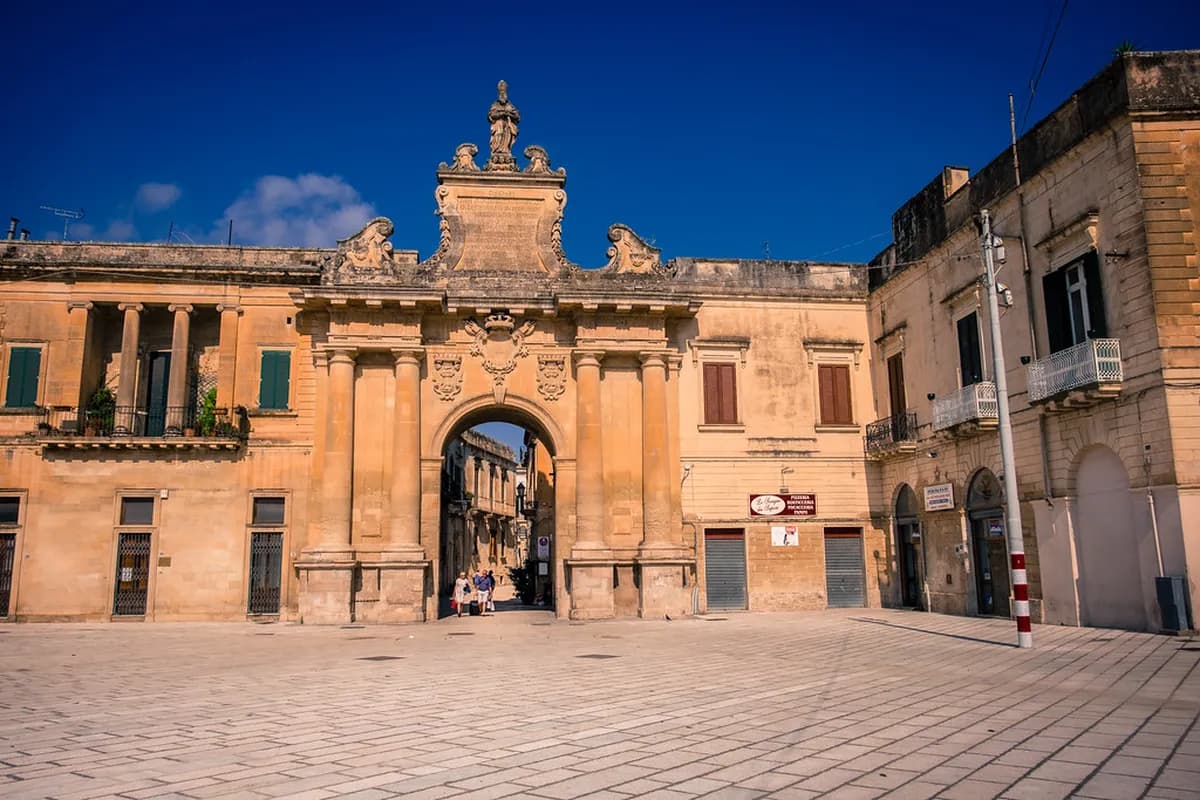
Very little of Lecce's original fortified walls remains, but three of the city's historic entrance gates still stand and each tells a distinct story. Porta Napoli (north side) is the most photographed: built in 1548 in honour of Charles V and modelled on a Roman triumphal arch with a characteristically Baroque flourish, it marks the start of the old road toward Naples and is framed by a tree-lined avenue that makes the approach feel ceremonial. Porta Rudiae (northwest) is the oldest surviving gate and is decorated with statues of local saints including Sant'Oronzo, the city's patron — though much of what stands today was rebuilt in 1703 after the original collapsed.
Porta San Biagio (south) is the quietest and arguably the most beautiful of the three, positioned at a point most tourists never reach on a standard morning circuit. If you are staying in Lecce for more than one day, walk down to Porta San Biagio early in the morning and take a coffee at the small bar directly in front of it in the sun — a genuinely local ritual that puts you well outside the day-tripper traffic. You can walk the outer ring road connecting all three gates in under 30 minutes, which also gives you a useful sense of how compact the entire historic centre really is.
Marvel at the Roman Amphitheatre
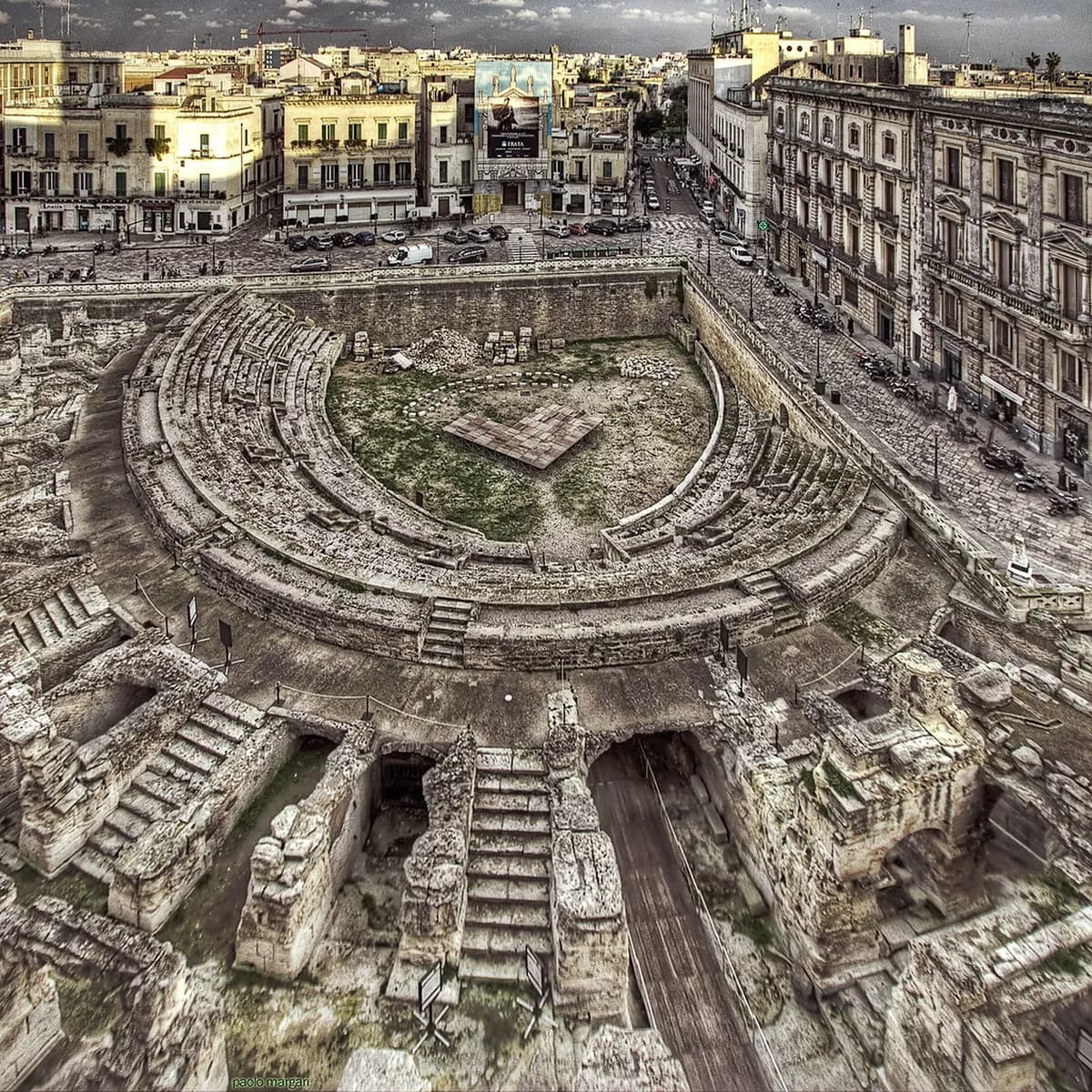
The Roman Amphitheatre in Piazza Sant'Oronzo was built during the reign of Emperor Hadrian in the 2nd century and at its peak could hold at least 15,000 spectators. Its existence was entirely unknown until 1901, when workers digging foundations for a new bank hit the upper rows of stone seating. Today, only about a third of the structure is fully visible — the rest remains buried under the modern piazza — but what you can see from street level is substantial: the horseshoe-shaped arena floor, multiple rows of stone seating, and the vaulted passageways beneath.
Entry to the lower level is occasionally possible when it opens for temporary exhibitions or events, but viewing from the pedestrian walkway that rings the sunken site is free and gives a clear perspective on the scale. The nearby Castello Carlo V, a trapezoid-shaped fortress that began as a Norman stronghold in the 12th century and was massively expanded by Charles V in the 16th century, is worth 30–60 minutes if a current exhibition appeals — standard adult tickets are around €10. Both sites sit within the same piazza, making this the most historically layered square in all of Puglia.
Where to Eat in Lecce: Pasticciotto, Cucina Povera, and Budget Options
No visit to Lecce is complete without eating a pasticciotto, the city's signature pastry. These crumbly shortcrust shells filled with silky custard (the question of whether to spike the filling with lemon is still debated fiercely among locals) were invented by accident in 1745 by a baker named Nicola Ascalone in the nearby town of Galatina, where the original Pasticceria Ascalone still operates after nearly 280 years. In Lecce itself, the best place to try one is Natale Pasticceria just off Piazza Sant'Oronzo — a polished local institution that opens early, making it ideal for a pre-sightseeing breakfast alongside a shot of espresso. Also worth trying is caffè leccese (espresso poured over ice with sweet almond syrup), the region's defining afternoon drink.
For dinner, the most serious culinary experience in the city is Alle Due Corti, a family-run restaurant that pioneered bringing Lecce's traditional cucina povera back to the table — a cuisine built from centuries of poverty in which meat was unaffordable and every ingredient had to work harder. Rosalba De Carlo opened it in 1998 and it gained international attention through Anthony Bourdain's visit in Parts Unknown and a New York Times feature. Dishes like ciceri e tria (fried chickpeas standing in for the pork fat the poor couldn't afford) and polpette di melanzane (aubergine meatballs with an impossible texture) are not found in this form anywhere else. Reserve ahead by calling +39 0832-242223 or emailing info@alleduecorti.com — the restaurant opens 12:40–14:00 and 19:40–22:30, closed Sundays. For a more casual and budget-friendly meal, Pescheria con Cottura Lecce offers excellent-quality local seafood at accessible prices, and Mezzo Quinto does fast, affordable southern Italian street plates near the historic centre.
Lecce Planning Cheatsheet: How Long, When, and What to Skip
Two full days is the minimum to cover Lecce properly without rushing. Day one works well as a walking circuit: Piazza Sant'Oronzo and the amphitheatre in the morning, Basilica di Santa Croce before lunch, then Museo Faggiano in the early afternoon (allow 60–90 minutes), and Piazza del Duomo in the evening when the floodlights come on. Day two leaves time for the Roman Theatre, the three historic gates, a museum from the secondary tier (MUST or Fondazione Biscozzi Rimbaud depending on your interest), and a proper dinner reservation at Alle Due Corti.
The best months to visit are April to early June and September to October — temperatures are comfortable, the long summer queues are absent, and the golden light that defines the city's atmosphere is consistent. July and August are hot (mid-30s Celsius at peak), crowded, and expensive; if you have no choice, start every morning before 09:00 and treat 13:00–17:00 as a rest period. Lecce makes a strong base for the Salento peninsula: the coastal towns of Otranto (1 hour by bus or car) and Gallipoli (45 minutes) are easy day trips, and a Gems of the Salento coast day trip can be booked as a guided excursion from the city. Parking is a genuine issue — if you are driving, use the paid lots outside the historic walls and walk in rather than attempting to navigate the pedestrianised centre.
Frequently Asked Questions
Is Lecce a walkable city for tourists?
Yes, Lecce is extremely walkable, especially within the historic center where most attractions are located. The streets are mostly flat and paved with smooth limestone, making it easy to explore on foot. You can reach almost every major landmark within a fifteen-minute walk from the central square.
How do I use public transport in Lecce?
The city uses a network of SGM buses that connect the center with outer neighborhoods and the train station. You should buy tickets at tobacco shops or newsstands before boarding the bus. Digital tickets are also available through local apps for a more convenient travel experience.
What is the best way to see the city on a budget?
Walking is the best budget-friendly option since the historic center is compact and full of free architectural sites. You can also enjoy affordable local food at places like Pescheria con Cottura Lecce for a high-quality meal. Many of the most beautiful squares and gates cost nothing to visit.
Are there tourist trains or buses in Lecce?
A small tourist train operates in the historic center, offering a guided loop around the most famous Baroque monuments. This is a great choice for families with children or those who prefer not to walk long distances. The train departs regularly from near the main square during the peak tourist season.
Getting around Lecce is a delightful experience that rewards those who choose to explore at a slower pace. Whether you are walking through ancient gates or taking a local bus, the city is easy to navigate. The combination of Roman history and Baroque beauty makes every corner of the city feel like a discovery. You should take the time to get lost in the alleys and find your own favorite limestone courtyard.
Remember to plan your day around the local riposo to ensure you have the best experience possible. The city truly shines in the evening when the golden stone glows under the warm street lights. You can find more inspiration for your southern Italy trip by visiting the Italy Wander blog today. Lecce is waiting to show you its secrets if you are ready to walk its historic paths.
You might also like
Continue reading
More guides you'll find useful