8 Reasons to Use Lecce As A Base For Salento
Is Lecce the best base for Salento? Discover 8 reasons why it's the perfect hub, including day trip drive times, parking tips, and a comparison with Otranto.
On this page
8 Reasons to Use Lecce As A Base For Salento
Welcome to the Salento peninsula, where the city of Lecce stands as the undisputed cultural capital of southern Italy. Many travelers wonder if staying in this historic inland city provides enough access to the famous surrounding coastline.
Choosing Lecce as a base for Salento allows you to balance urban luxury with rugged beach adventures across two different seas. This guide explores why this Baroque gem is the perfect hub for your upcoming 2026 Italian holiday.
The city offers a sophisticated atmosphere that coastal villages often lack during the quieter shoulder seasons. You will find better dining, more reliable transport, and a deeper sense of local history by staying here.
Why Lecce is the Strategic Heart of Salento
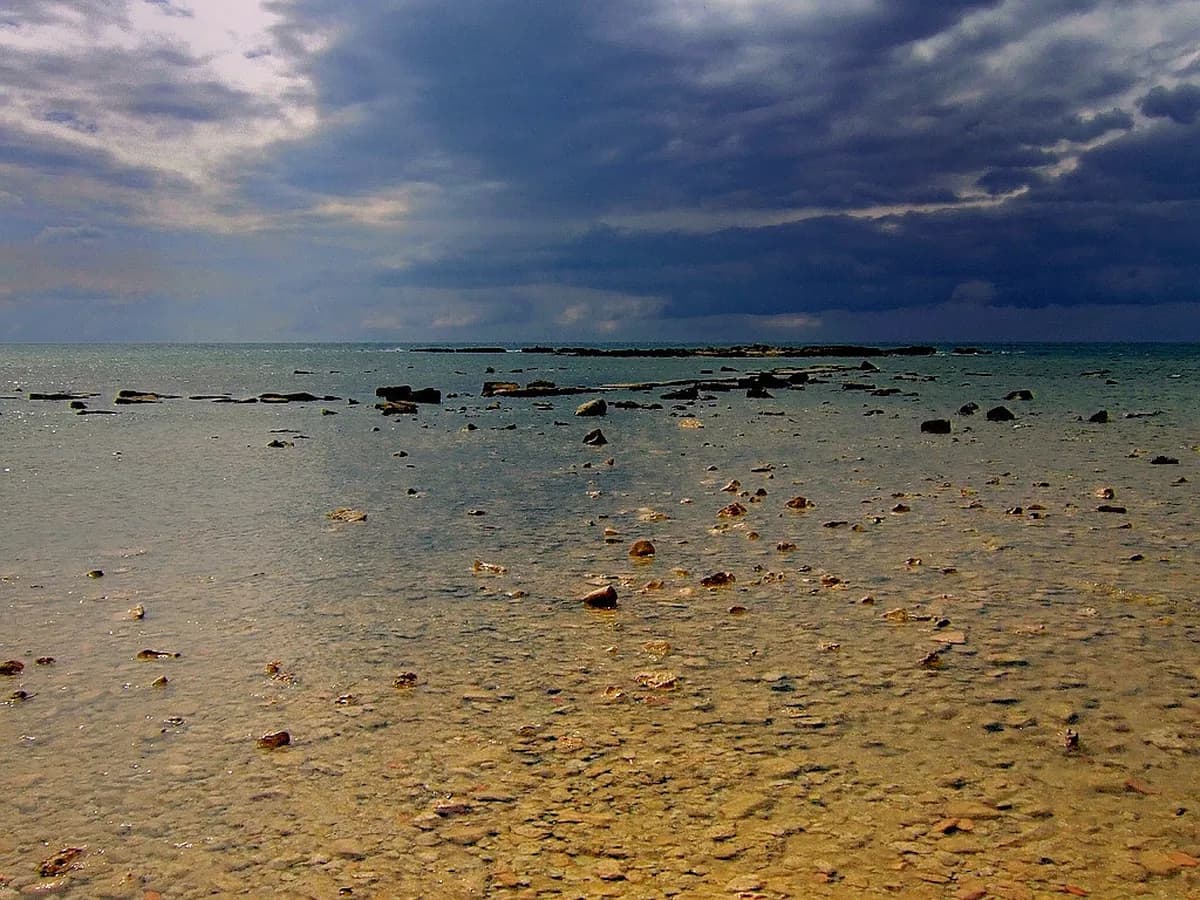
Lecce sits right in the geographical center of the heel of Italy's boot, making it a perfect anchor. This central position means you can reach both the Adriatic and Ionian coasts in under thirty minutes by car. Most visitors find that Lecce is worth visiting specifically for this logistical advantage. You can easily pivot your plans based on the daily wind direction to find the calmest beach conditions.
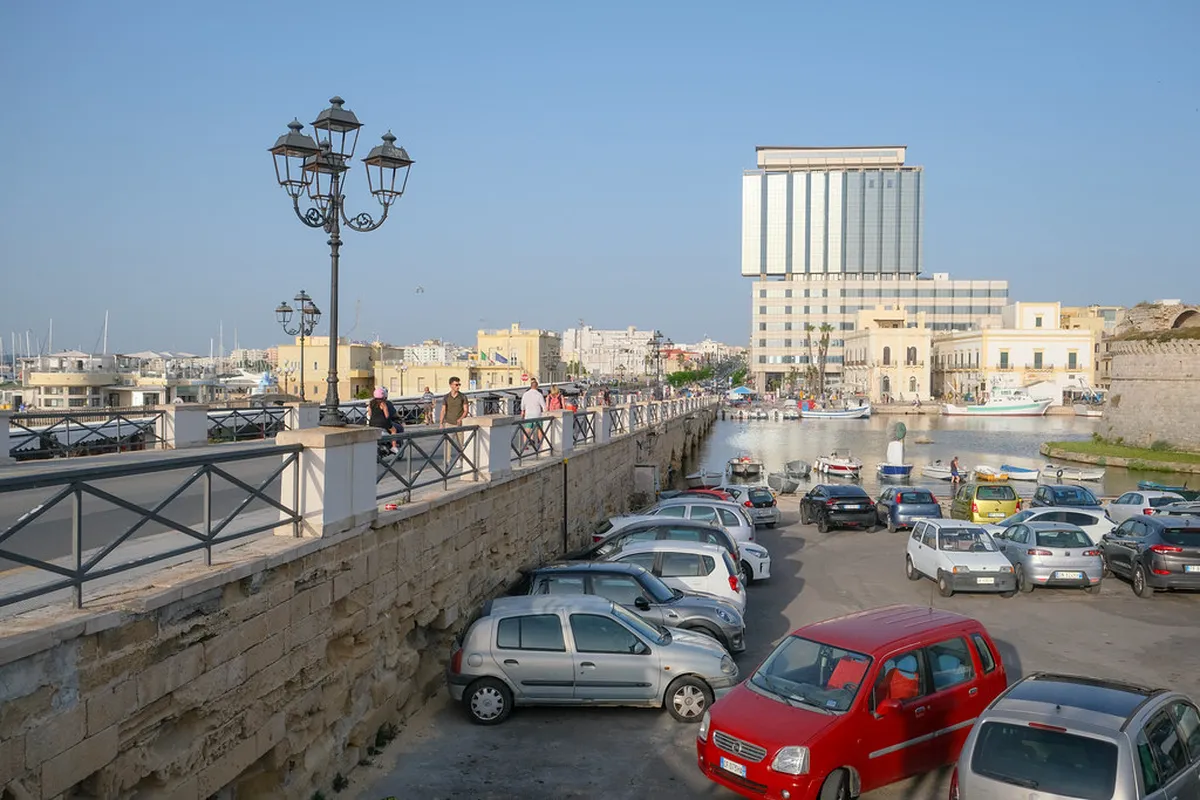
The city serves as the regional transport hub, offering the best connections for those exploring Puglia. While coastal towns may feel deserted in the winter, this city maintains a vibrant energy throughout the entire year. You will enjoy a wider range of services, from high-end boutiques to authentic local trattorias. This stability makes it an ideal choice for travelers who prefer a mix of relaxation and cultural immersion.
- Central geographic location for easy road access
- Type: Logistics
- Best for: Drivers
- Where: Salento center
- Benefit: Equal distance to seas
- Superior dining and nightlife options
- Type: Lifestyle
- Best for: Foodies
- Where: Old Town
- Cost: Varies
- Access to two different coastlines
- Type: Nature
- Best for: Beach lovers
- Where: Adriatic and Ionian
- Time: 30 mins drive
- Stunning Baroque architecture and history
- Type: Culture
- Best for: Photographers
- Where: City center
- Cost: Free to walk
Logistics: Getting to Lecce and Getting Around
Arriving in the region usually involves flying into Brindisi Airport, which is only forty kilometers north of the city. Frequent shuttle buses and private transfers connect the terminal to the Lecce city center throughout the day. If you prefer driving, you should book a vehicle through DiscoverCars Italy before your arrival. Having your own wheels is essential for reaching the more secluded coves of the southern coast.
Navigating the city requires an understanding of the Limited Traffic Zones, known locally as the ZTL. Driving inside the historic walls without a specific permit will result in heavy automated fines. Look for parking lots near the Porta Napoli or the main train station to avoid these restricted areas safely. Walking remains the most efficient way to explore the narrow limestone streets once you have parked your car.
- Average drive times from Lecce hub
- Otranto: 35 minutes
- Gallipoli: 40 minutes
- Galatina: 25 minutes
- Leuca: 75 minutes
Must-See Lecce Attractions and Cultural Highlights
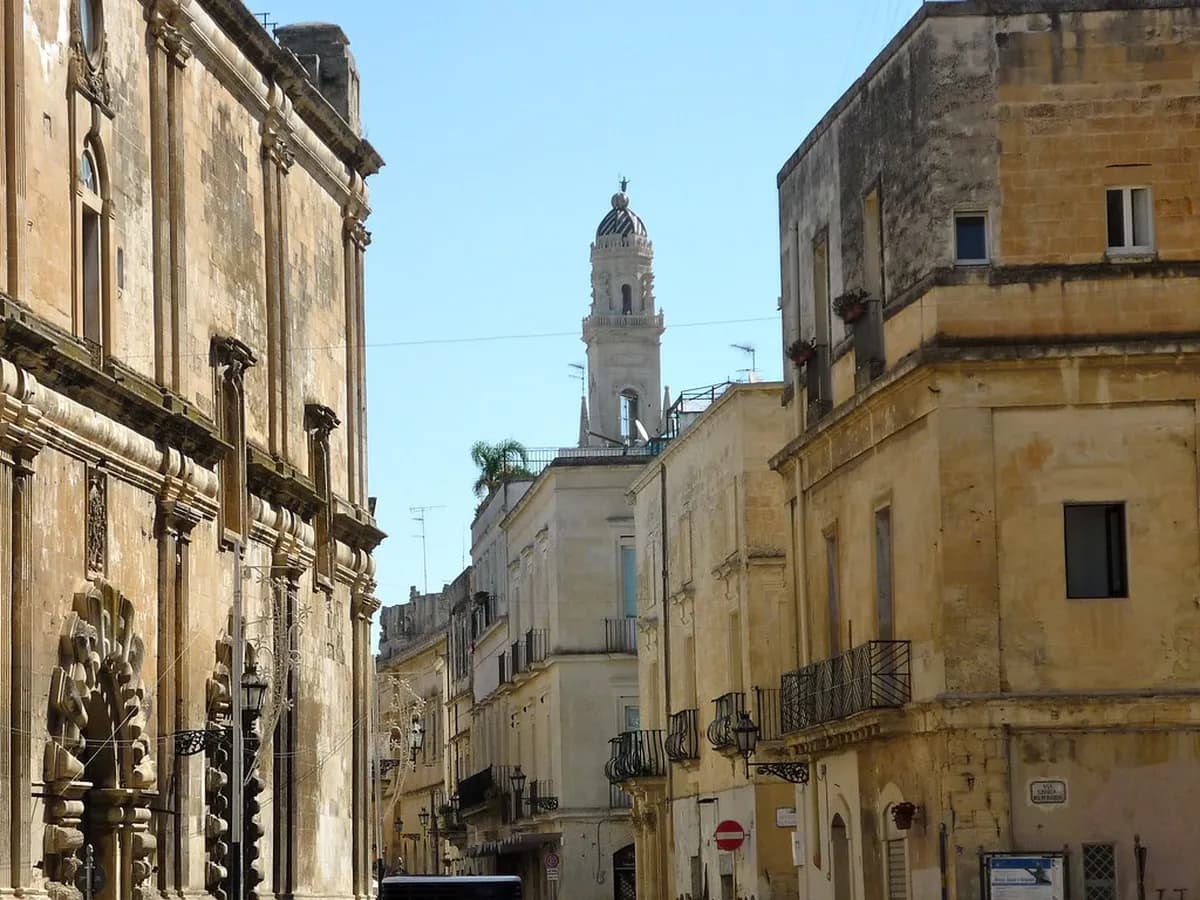
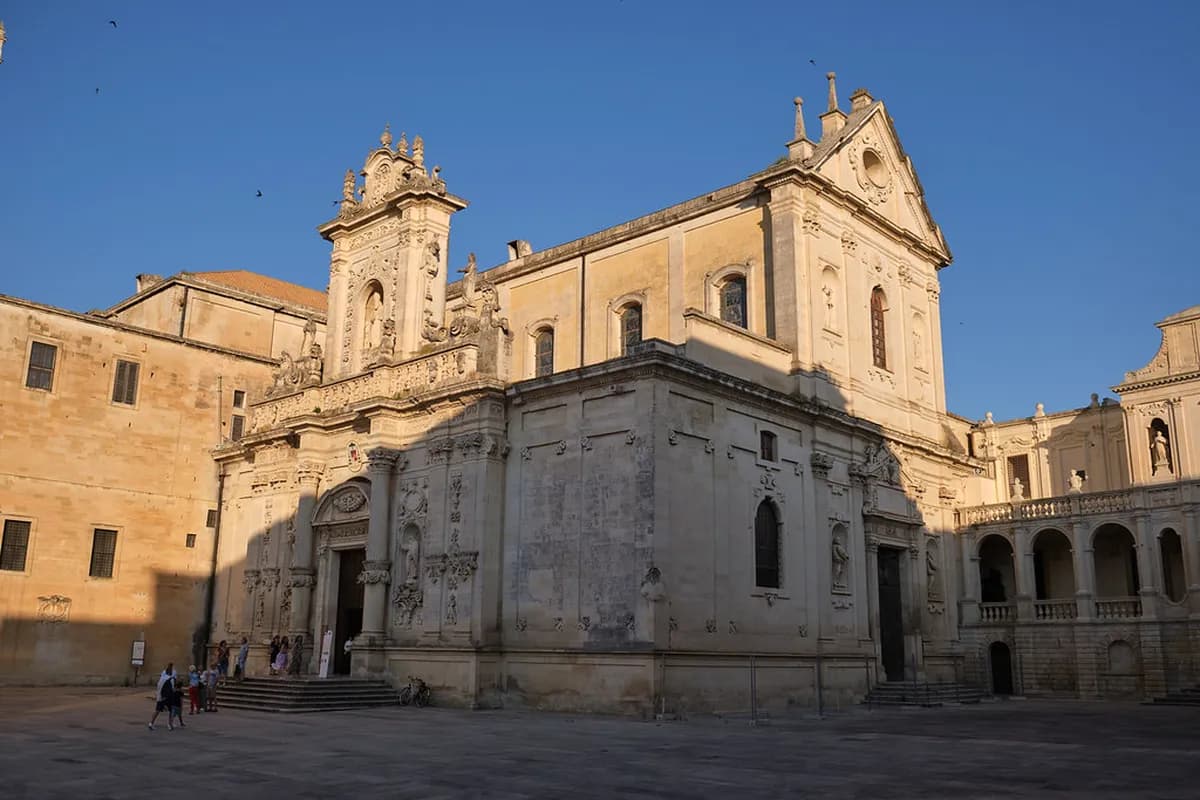
The city is famous for its ornate architecture made from local Pietra Leccese limestone. You will see intricate carvings on the Basilica di Santa Croce — the most theatrical Baroque facade in all of southern Italy — and the ensemble of bishop's palace, cathedral, and bell tower that frames Piazza del Duomo. The Roman Amphitheater sits right in the modern city's main square, Piazza Sant'Oronzo, open to the air and free to view from street level. Taking a Lecce walking tour with Paolo helps connect these set pieces into a coherent story of how one limestone city outlasted every empire that tried to claim it.
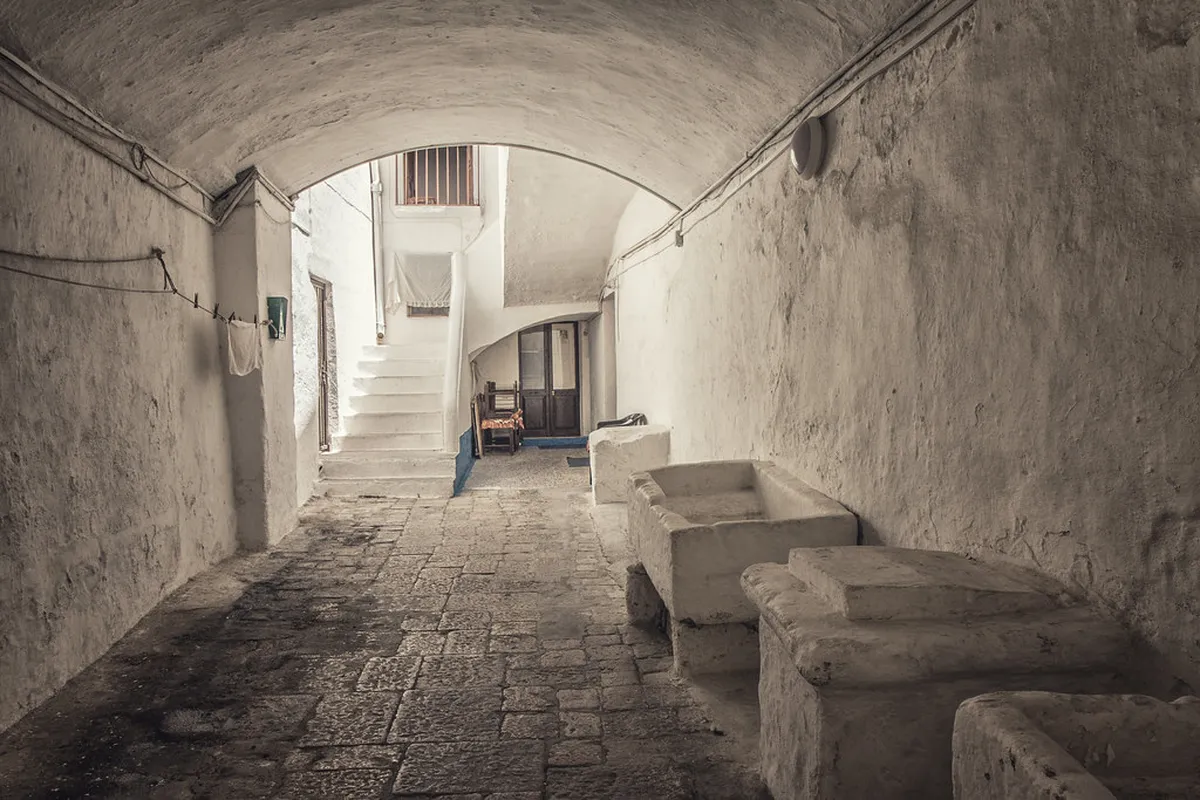
Beyond the churches, the city has a distinct craft identity: Lecce is the Italian capital of Papier Mâché, and old-town workshops still produce hand-painted saints, nativity figures, and theatrical masks in the same tradition as the Baroque stonecutters. The Museo Faggiano on Via Ascanio Grandi is worth an hour of anyone's time — dig down through a private cellar and you descend through Messapian, Roman, medieval, and Renaissance layers, all exposed in situ. Admission is around EUR 6 in 2026. For those who prefer Roman antiquity to Baroque excess, the Museo Provinciale di Lecce holds the region's best collection of red-figure Messapian ceramics.
The "Riposo" is not an inconvenience — it is the single best productivity hack in Lecce. Shops and most churches close between 13:30 and 17:00. Use that window to drive twenty-five minutes to a beach, eat a slow lunch, and swim. Return by 17:30 when the city reopens and the evening passeggiata begins. Travelers who fight the Riposo — standing outside locked doors, wondering what happened — consistently report frustration. Travelers who embrace it consistently report that Lecce is one of the most enjoyable bases they have ever used in Italy.
Top Salento Day Trips Within One Hour of Lecce
Within a short drive, you can explore the white sands of Pescoluse or the rocky cliffs of Castro. The Gems of the Salento coast day trip offers a curated look at these stunning coastal locations. Travelers often spend their mornings by the sea before returning to the city for a late dinner. This rhythm ensures you never feel rushed during your regional explorations in Puglia.
Galatina is a nearby hidden gem that features the stunning frescoes of the Basilica di Santa Caterina. It is much quieter than the coastal hotspots and offers an authentic glimpse into inland life. You can reach this town in twenty minutes by car or via the local train line. It is also the birthplace of the pasticciotto, a delicious custard-filled pastry you must try.
- Nardò historic village and square
- Utility Score: 9/10
- Best for: Baroque fans
- Drive time: 25 mins
- Tip: Visit at sunset
- Otranto coastal town and cathedral
- Utility Score: 10/10
- Best for: History
- Drive time: 35 mins
- Tip: See the mosaics
- Gallipoli old town and beaches
- Utility Score: 8/10
- Best for: Seafood
- Drive time: 40 mins
- Tip: Walk the walls
Driving vs. Public Transport: A Salento Reality Check
The main Bari–Brindisi–Lecce Trenitalia line is modern, air-conditioned, and runs to schedule. From Lecce you can reach Brindisi in around twenty-five minutes and connect onward to Bari in another hour — useful if you want to visit the Puglia capital without driving. For Salento's coastal towns, the Ferrovie del Sud Est (FSE) network runs to Otranto, Gallipoli, and Galatina with varying frequency. Use the Moovit Public Transit Lecce app to verify current timetables before setting your alarm. In summer (mid-June to mid-September) the Salento in Bus seasonal network supplements FSE routes. Outside that window, especially on Sundays, service thins considerably and journeys that take twenty minutes by car can stretch past ninety minutes by rail and connecting bus.
Renting a car through DiscoverCars Italy is the practical choice for reaching the smaller Lidi and beach clubs that sit several kilometres off any station. Italian "Lidi" — privately managed beach concessions — are how locals structure a full beach day: you rent a sunbed and umbrella (typically EUR 15–25 per person in 2026), order drinks and cold panini, and stay put for five or six hours. The best Ionian Lidi, around Porto Cesareo and Punta Prosciutto, require a car to reach and have shallow, bathtub-warm water that is markedly different from the deep turquoise coves on the Adriatic side near Otranto and Castro. The car also means you can stay late for dinner in a coastal trattoria and drive back at your own pace rather than chasing the last FSE train at 20:30.
Where to Stay in Lecce for Maximum Convenience
For the most convenient experience, look for accommodation just outside the ZTL boundary lines. This allows you to walk into the historic center while keeping your car accessible for daily trips. Many boutique hotels and B&Bs offer parking passes or private garages for their guests upon request. Knowing how many days in Lecce you plan to stay helps you choose between a hotel or an apartment.
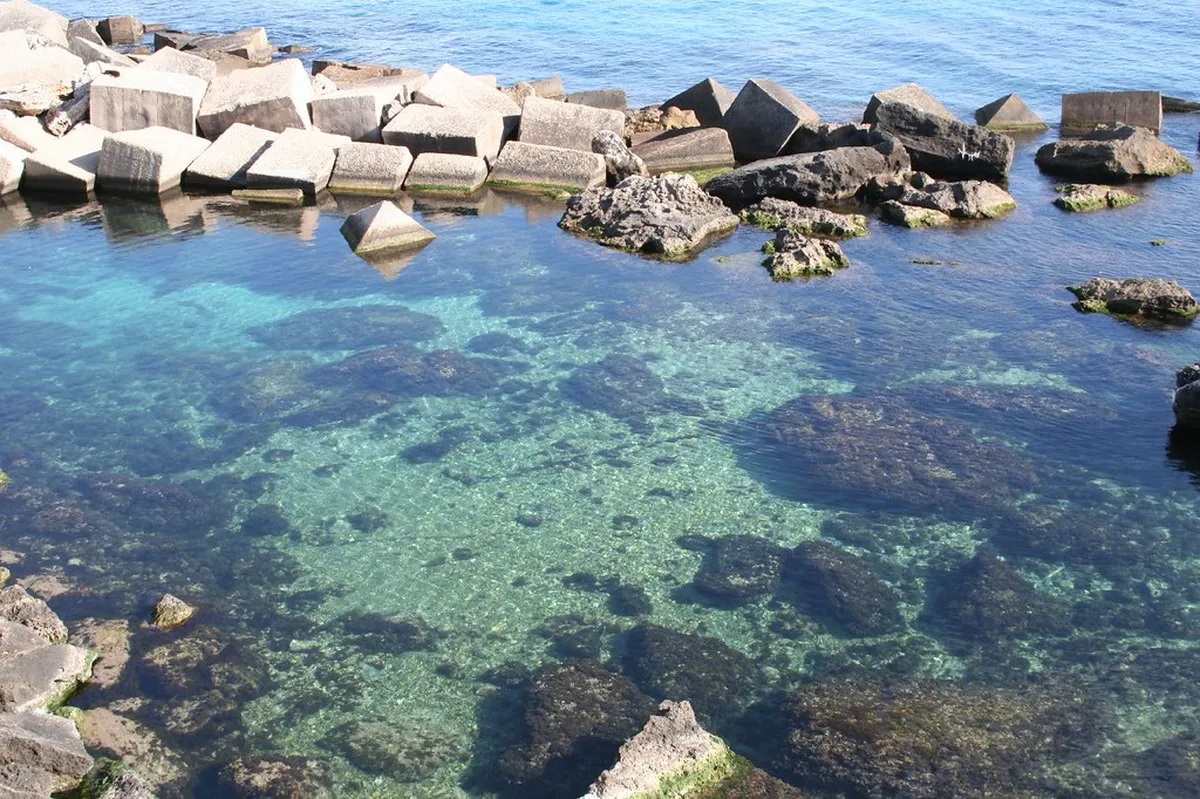
The area near the Mazzini district offers modern amenities and easier parking than the old town. You will still be within a fifteen-minute walk of the main Roman Amphitheater and the cathedral. If you prefer a more atmospheric stay, choose a restored palazzo inside the historic walls. Just ensure the property has a clear plan for managing your luggage and vehicle access upon arrival.
Comparing Lecce to Other Salento Bases (Otranto & Gallipoli)
Otranto is genuinely beautiful — the Norman castle, the extraordinary mosaic floor inside the cathedral, and the deep blue Adriatic channel make it a highlight of any Salento trip. But as a base it has real limitations. The accommodation supply is thin, prices run high relative to quality in peak season, and once you have walked the old town and done a boat tour, there is limited daily variety. Distances to the Ionian coast are also longer from Otranto than from Lecce.
Gallipoli is the nightlife capital of Salento and its Ionian beach access is superb, but it becomes extremely crowded between late July and mid-August, with traffic jams on the single approach road and accommodation that books out months in advance. If your trip falls in peak summer and you prioritize sandy beaches over everything, Gallipoli makes sense. For shoulder-season trips or for travelers who want a city with year-round restaurants, transport, and services, Lecce outperforms it clearly.
| Factor | Lecce | Otranto | Gallipoli |
|---|---|---|---|
| Beach access | 30 min drive (both coasts) | On-site (Adriatic only) | On-site (Ionian) |
| Nightlife | Strong year-round | Quiet off-season | Best in July–Aug |
| Public transport | Main Trenitalia line | FSE line (limited) | FSE line (limited) |
| Year-round restaurants | Excellent | Seasonal closures | Seasonal closures |
| Inland day trips | All directions easy | Long drives inland | Moderate |
| Parking | ZTL — park outside walls | Limited; narrow streets | Limited in summer |
Essential Tips for Using Lecce as Your Hub
The classic 10–14 day Puglia itinerary divides naturally into two regions separated by about two hours of driving. Spend the first half in the Valle d’Itria — based in Ostuni or Martina Franca, day-tripping to Alberobello, Locorotondo, Cisternino, and the Adriatic coast around Monopoli and Polignano a Mare. Then drive south to Lecce for the second half and use it as your Salento base. This split avoids the constant check-in fatigue of changing accommodation every night and gives each region the time it deserves. Following a one day in Lecce itinerary on your first afternoon sets the city up clearly before you start radiating outward on day trips.
Always check wind forecasts before choosing which coast to visit. Local residents use the names "Tramontana" (north wind) and "Scirocco" (south wind) to predict which sea will be calm and which will be choppy. When the Tramontana blows, the Ionian side of the coast (Gallipoli, Porto Cesareo) is sheltered and flat; when it dies, the Adriatic coves near Otranto and Santa Cesarea Terme are glassy. Checking the free Windy app the night before and pivoting to the calmer coast adds noticeably more swimming time to your days. Allow at least three nights in Lecce as a minimum; five nights is a more comfortable rhythm if you want to do two coastal day trips and still spend a full day in the city itself.
Parks, Gardens, and Outdoor Spots in Lecce
Lecce is an inland city, which means its outdoor life is built around parks, squares, and the long evening promenade rather than the sea. Villa Comunale, the main public park just south of the old town walls, is where locals walk dogs, let children loose on the equipment, and sit on benches under umbrella pines in the early evening. It is free, shaded, and mercifully quiet compared to the tourist streets around Piazza del Duomo. The park connects easily to the old town via a ten-minute walk through the Parco di Belloluogo area, where a modest stretch of medieval walls and a ruined Norman tower offer an unpeopled alternative to the main monument circuit.
The gardens of the Botanical Garden of the University of Salento on Via Monteroni are often overlooked by visitors. Admission is low (typically EUR 2 in 2026) and the collection of Mediterranean and subtropical plants gives a genuine sense of the agricultural landscape that surrounds the city — centuries-old olive trees, prickly pear cactus groves, and almond orchards that bloom white in February. If you are traveling in spring, the surrounding Salento countryside between Lecce and Nardò is covered in wildflowers, and the flat roads make it popular with road cyclists. Bike rentals are available near the main train station for EUR 15–20 per day.
Family-Friendly and Budget-Friendly Options in Lecce
Families traveling with children will find Lecce surprisingly accommodating. The compact, mostly pedestrianized historic center means that strollers and small legs can cover the main sights without the anxiety of heavy traffic. The Roman Amphitheater in Piazza Sant'Oronzo is free to view from street level and genuinely impresses children who like the idea of gladiators and chariot races. The Papier Mâché workshops in the old town — most with open frontages where you can watch artisans paint figures — hold children's attention far better than another Baroque church facade.
For budget travelers, Lecce punches well above its weight. Accommodation in B&Bs inside the old town starts at around EUR 60–80 per night for a double in 2026, and apartment rentals just outside the ZTL can bring that down further for longer stays. The city's street food scene is affordable and excellent: a warm pasticciotto from a bar near Piazza Sant'Oronzo costs around EUR 1.50, a pitta di patate (potato-filled flatbread) from a takeaway bakery is EUR 2.50, and a generous aperitivo spread at most bars runs EUR 8–12 including a glass of local Negroamaro or Primitivo. Daily food costs for a self-catering couple keeping one restaurant meal per day are consistently below EUR 50 — a figure that would be difficult to match in Otranto or Gallipoli during high season.
Understanding the Lido Culture on Salento Beaches
The Italian "Lido" system is the dominant format for spending a day at the beach in Salento, and understanding it before you arrive saves frustration on your first morning. A Lido is a privately managed beach concession where you rent a sunbed and parasol for the day. The rate in 2026 typically runs EUR 15–25 per person at Ionian Lidi around Porto Cesareo, Torre Lapillo, and Punta Prosciutto, and EUR 12–20 at Adriatic-side Lidi near Otranto and Castro. In exchange, you get a reserved spot, beach showers, toilets, and usually a beach bar serving coffee, cold drinks, and simple panini. Italian beach culture is structured: you arrive by 09:30 to secure a front-row position, take a long lunch break during the hottest hours, then return to the water in the late afternoon when the light turns golden.
The Ionian and Adriatic Lidi serve different needs. Ionian Lidi near Porto Cesareo and Punta Prosciutto are known for shallow, incredibly warm turquoise water and long sandy beaches that have earned the nickname "Puglia's Maldives." They suit young children and those who prefer calm, flat water. Adriatic Lidi near Otranto are carved into rocky coves with deeper, cooler, clearer water — better for snorkeling and cliff-jumping but less suitable for toddlers. Both coasts are within thirty to forty minutes of Lecce, which is the decisive argument for using the city as your base rather than committing to one coast or the other before you have had a chance to experience both.
Frequently Asked Questions
Is Lecce a good base for exploring Puglia?
Yes, Lecce is an excellent base for exploring the southern Salento region of Puglia. Its central location allows for easy day trips to both the Adriatic and Ionian coasts. You will enjoy better dining and transport options than in smaller villages. Check out more Puglia travel tips for your trip.
How many days should I stay in Lecce?
You should plan to stay at least three to four nights in Lecce to fully experience the city and its surroundings. This timeframe allows for one full day in the city and several coastal excursions. Longer stays are ideal if you want to explore hidden inland gems like Galatina.
Can you visit Salento without a car from Lecce?
It is possible but challenging to visit Salento without a car using the local train and bus lines. Public transport schedules can be limited, especially on weekends and during the off-season. For the most flexibility and access to secluded beaches, renting a car is highly recommended for all travelers.
Which is better as a base: Lecce or Otranto?
Lecce is generally better for those who want a wider variety of dining, shopping, and cultural attractions. Otranto is a beautiful choice for travelers who prioritize immediate beach access and a smaller town vibe. Lecce offers a more strategic central location for visiting both sides of the peninsula.
Lecce offers a unique combination of historical grandeur and modern convenience that makes it the ultimate Salento hub. By choosing this city as your base, you gain access to the best of both the land and the sea.
The strategic advantages of its location ensure that you can see more of the region with less travel time. Whether you are admiring Baroque carvings or swimming in turquoise waters, this city provides a perfect home away from home.
Start planning your 2026 adventure today to experience the magic of the Florence of the South. Your journey through the heart of Puglia begins in the limestone streets of this magnificent capital.
You might also like


Continue reading
More guides you'll find useful