Rome to Matera: 7 Best Ways to Travel & Tips
Discover the best ways to get from Rome to Matera. Compare high-speed trains, direct buses, driving routes, and flight options with expert local tips.
On this page
Rome to Matera: 7 Best Ways to Travel & Tips
Traveling from Rome to Matera takes you from the Eternal City to a stunning UNESCO World Heritage site. This journey covers roughly 370 kilometers across the beautiful landscapes of Southern Italy. Most travelers find that the trip takes between five and seven hours depending on their chosen transit mode. Navigating this route effectively requires understanding the mix of high-speed rail, regional buses, and driving paths.
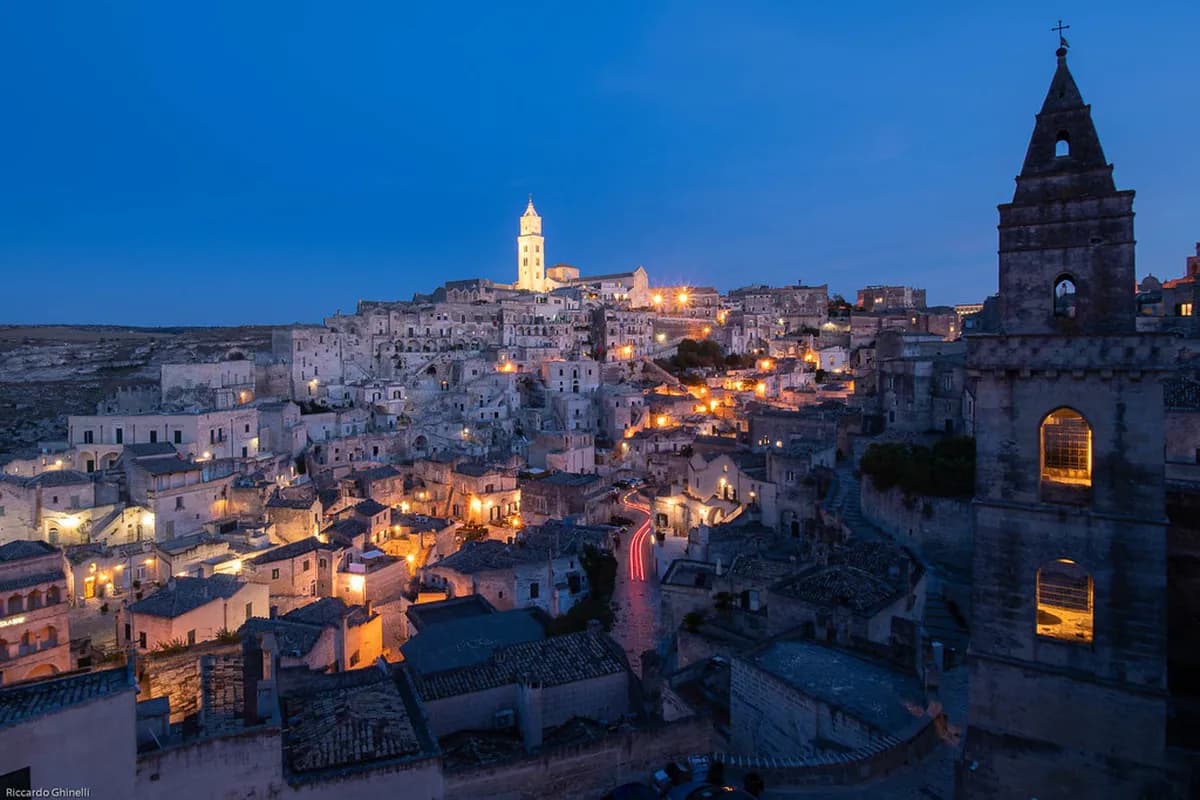
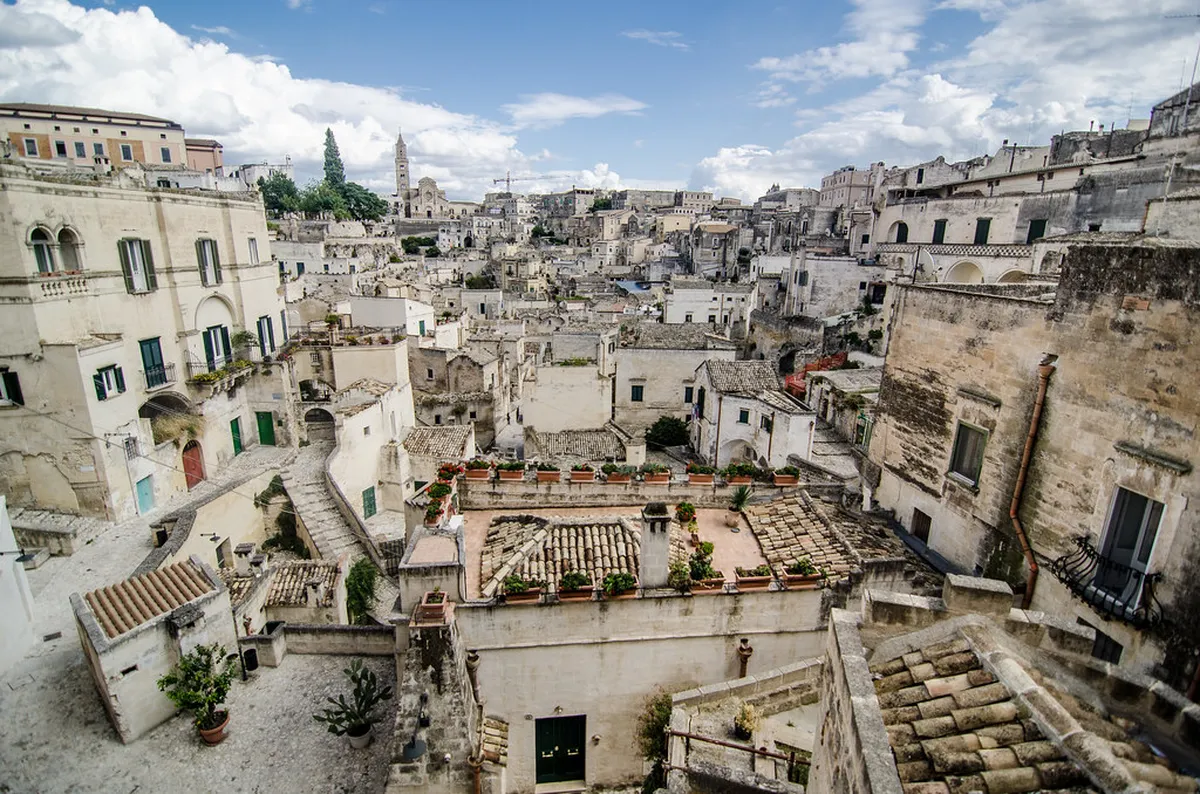
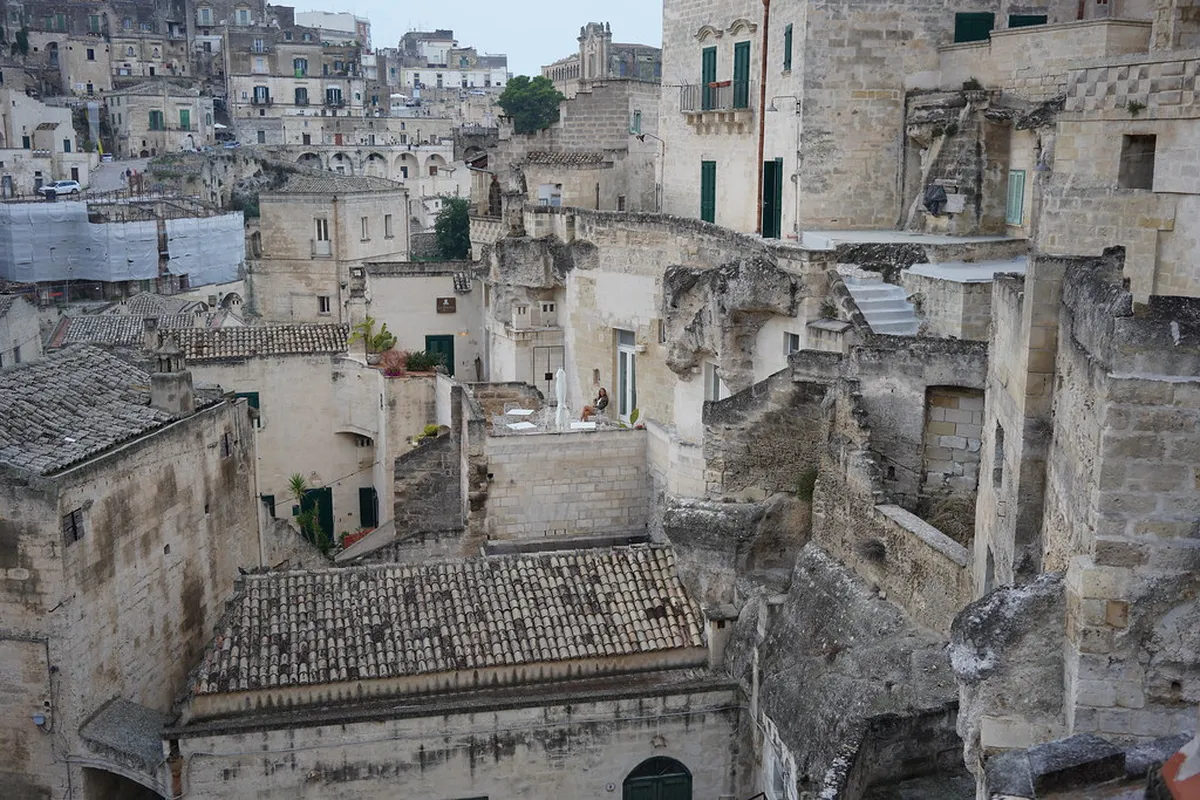
Matera is famous for its ancient cave dwellings known as the Sassi, which offer a unique historical experience. Reaching this remote destination from the capital is easier than it was in previous years. You can choose between budget-friendly direct buses or comfortable high-speed train combinations. This guide explores every option to help you find the most efficient way to reach your destination.
Planning ahead is essential because Matera does not have its own high-speed train station. You will likely need to coordinate a transfer in cities like Salerno or Bari to complete your trip. Learning how to get to Matera properly will save you significant time and stress. Read on to discover the best schedules, costs, and local tips for a smooth Italian adventure.
Rome to Matera by High-Speed Train (Italo & Frecciarossa)
High-speed trains offer the most comfortable start to your journey toward the Basilicata region. No direct high-speed line reaches Matera, so the journey splits into two legs: a Frecciarossa (Trenitalia) or Italo high-speed train from Roma Termini to an interchange city, followed by a bus or regional rail to Matera itself. The two most practical interchange points are Salerno (for the western approach) and Bari Centrale (for the eastern approach via Puglia). You can check the latest schedules and prices on Trenitalia for your planned dates.
The most popular rail option involves taking a high-speed train to Salerno station. From Salerno, you can board a dedicated link bus that takes you directly to the heart of Matera. This combined ticket ensures that your bus waits even if the train experiences a slight delay. It is a seamless way to handle the transition between rail and road transport.
The ItaloBus service is one of the most seamless options on this corridor. You purchase a single combined ticket — high-speed Italo train to Salerno plus a dedicated Italo coach to Matera — starting from around €25.90 if booked early on italotreno.com. The coach departs from outside Salerno station and is held until the connecting train arrives, so you never miss your bus if the train runs slightly late. Coaches are modern, air-conditioned, and fitted with free Wi-Fi and overhead luggage racks. This is the option that best replicates a near-direct rail experience for most travelers.
If you are arriving in Bari first — whether by high-speed train from Rome or by flight — the Ferrovie Appulo Lucane (FAL) regional railway is the dedicated link to Matera. The FAL station is on the upper level of Bari Centrale, accessible via the internal staircase at the rear of the main hall. Trains run roughly every one to two hours and the journey to Matera Centrale takes about 1 hour 30 minutes. Fares are inexpensive, typically around €5–6 for a single ticket purchased at the FAL ticket window or machines. The narrow-gauge line cuts through rolling Pugliese countryside before descending into the ravines of Basilicata — a scenic ride worth enjoying rather than sleeping through.
For Frecciarossa travelers, Trenitalia releases tickets up to 120 days in advance and early-bird fares can be significantly lower than walk-up prices. The four service classes — Standard, Premium, Business, and Executive — all include free Wi-Fi, power outlets at every seat, and access to the FRECCIABistrò dining car. Always validate your regional FAL tickets at the green stamping machines on the platform before boarding; the FAL system still requires physical validation and inspectors issue on-the-spot fines to passengers without a stamped ticket.
Direct Bus Services from Rome to Matera (FlixBus & MarinoBus)
Direct buses are often the most affordable and straightforward way to travel from Rome to Matera. Nearly all long-distance coach services depart from Roma Tiburtina coach station — not from the more central Termini. This distinction catches many first-time travelers off guard. From Termini, take Metro Line B (the blue line) two stops east to Tiburtina; the journey takes about five minutes and costs €1.50. Tiburtina station is a combined rail and bus hub: the intercity bus bays are on the ground floor below the railway platforms, clearly signed in Italian and English. Allow at least 20 minutes from Termini to your bus bay, and 30 minutes if you have large luggage to manoeuvre.
FlixBus operates several daily departures that provide a budget-friendly alternative to the train. The journey typically takes around six to seven hours depending on traffic and stops. Buses are equipped with free Wi-Fi, power outlets, and onboard restrooms for passenger comfort. It is wise to book a seat in advance to ensure availability during peak travel seasons.
MarinoBus is a highly respected Italian coach company with long experience on southern routes. Their coaches are known for extra-wide seats and high standards of cleanliness. Many services call at two stops in Matera: Matera Villalongo (a suburban terminus near the SS7 bypass) and Matera Centrale (closer to the old town and Sasso Caveoso). When booking, confirm which stop your service uses — if you are staying in the Sassi district, Centrale is the better alighting point, roughly a 15-minute walk downhill to the cave quarter, while Villalongo requires a local bus or taxi to reach the historic center.
Night buses are also available for those who want to save on a night of lodging. These services usually depart late in the evening and arrive in Matera early the next morning. While it saves time, the winding roads in the south might make sleeping difficult for some. Pack a small travel pillow and a light blanket to make the overnight trip more pleasant.
Driving from Rome to Matera: Best Routes and Stops
Driving provides the most flexibility for travelers who want to explore the Italian countryside. The fastest route follows the A1 motorway toward Naples before switching to the A3 and A14. You will enjoy well-maintained roads, though toll fees apply on most major Italian highways. The total driving time is usually around five hours without counting any planned stops.
A road trip allows you to visit incredible sites like the Royal Palace of Caserta. This massive palace is often called the Versailles of Italy and features stunning garden landscapes. You might also consider a quick detour for Naples to Matera transit routes to see the coast. Breaking up the drive makes the journey feel much shorter and more enjoyable.
The single most important rule for drivers is to understand Matera's ZTL (Zona a Traffico Limitato). The entire Sassi district — Sasso Caveoso and Sasso Barisano — is closed to non-resident vehicles at all hours, enforced by automatic cameras at every entrance. Fines for unregistered foreign plates typically arrive by post weeks after your trip, often exceeding €100 per infraction. Park in one of the designated garages outside the ZTL boundary, such as Parcheggio Lanera near Piazza Vittorio Veneto or the paid lots on Via Lucana. From there, the Sassi is an easy 10-minute walk. If your hotel is inside the ZTL, call ahead — many can register your plate for a timed entry window. Consult a Matera parking guide for the latest garage locations and daily rates.
Renting a car at Rome Fiumicino Airport is often easier than renting in the city center. Ensure you have an International Driving Permit if your license was issued outside the EU. Gas stations along the motorway are frequent and usually include small cafes for snacks. Keep some cash or a credit card ready for the toll booths along the way.
Flying from Rome to Matera via Bari Airport
Flying is a practical option for time-pressed travelers willing to pay a premium. ITA Airways and low-cost carriers such as Ryanair and Volotea operate short-haul routes from Rome Fiumicino (FCO) to Bari Karol Wojtyła Airport (BRI); the flight itself takes just under one hour. Factor in check-in, security, and the 35-minute drive from Fiumicino to the terminal, and door-to-Bari time realistically runs about three hours. From Bari Airport the remaining journey to Matera adds another hour, giving a combined travel time of roughly four hours — faster than any ground option but at a noticeably higher total cost once you include airport transfers and baggage fees.
Once you land in Bari, you need to complete the final leg of the journey. A direct shuttle bus runs from the airport to Matera several times per day. This shuttle is specifically timed to meet arriving flights for maximum convenience. Reviewing the Bari to Matera transport options will help you time your arrival perfectly.
You can also take a train from the airport to Bari Centrale station. From Bari Centrale, the regional FAL train will take you the rest of the way. This is often the cheapest way to reach Matera from the airport if the shuttle is full. The train station at the airport is modern and very easy to navigate with luggage.
Comparing Travel Costs and Duration
Choosing the right transport mode depends on your specific priorities for the trip. Buses offer the best value for solo travelers or those on a strict budget. High-speed trains provide the best balance of speed and comfort for most tourists. Driving is often the most cost-effective choice for families or groups of four people.
| Transport Mode | Duration | Cost (EUR) | Frequency | Best For |
|---|---|---|---|---|
| Direct Bus (FlixBus/MarinoBus) | 6-7 hours | 15-35 | Multiple daily | Budget travelers, solo journeys |
| High-speed train + Salerno bus | 5-6 hours | 45-90 | Multiple hourly trains | Comfort and speed balance |
| Rental car drive | 5 hours | 100+ (tolls, fuel, parking) | Any time | Families, groups of 4+, flexibility |
| Flight to Bari + shuttle | 4 hours (total) | 60-150 | 2-3 flights daily | Time-conscious travelers |
Consider the hidden costs of each option before you make a final decision. Flights require extra spending on airport transfers and checked baggage fees. Driving involves tolls and expensive fuel costs that can add up quickly. The following list compares the typical requirements for each major travel method.
Book train or bus tickets 90+ days in advance for lowest fares. Direct buses from Roma Tiburtina are usually cheaper than train combos. Day trips are not recommended due to 10-hour round-trip travel time.
- Direct Bus Service
- Time: 6-7 hours
- Cost: 15-35 Euro
- Best for: Budget travelers
- Comfort: Standard
- High-Speed Train & Bus
- Time: 5-6 hours
- Cost: 45-90 Euro
- Best for: Comfort seekers
- Comfort: High
- Rental Car Drive
- Time: 5 hours
- Cost: 100+ Euro
- Best for: Families
- Comfort: Flexible
- Flight via Bari
- Time: 4 hours
- Cost: 60-150 Euro
- Best for: Speed
- Comfort: Variable
Navigating Matera: Arrival and Local Transport
Arriving at Matera Centrale station puts you about 1.5 km from the Sassi viewpoint above Sasso Caveoso — a 15-to-20-minute walk along Via Dante and then Via Ridola. The route is manageable on flat ground until you reach Piazza Vittorio Veneto, after which the lanes drop steeply into the ravine. Note the distinction between Matera's two train/bus arrival points: Matera Centrale (FAL rail terminus and most coach services) sits closer to the historic center, while Matera Villalongo is a suburban stop about 3 km further out — if you alight there, take local bus line 2 or a taxi to Piazza Vittorio Veneto rather than walking.
Luggage logistics deserve real planning in Matera. The Sassi are threaded with narrow stone stairways and ramps that are simply impassable with wheeled suitcases. Most cave hotels and boutique stays inside the Sassi offer a porter or shuttle pick-up from Centrale or from the nearest accessible road — always call ahead to arrange this. If you arrive without a meeting point arranged, licensed taxis wait outside Matera Centrale and the short ride to a Sassi entrance costs around €8–10. Pack a smaller day bag so your heavy luggage can go straight to your hotel while you explore on foot.
Matera also has a small network of local buses that circle the historic center. The 'Linea Sassi' bus is specifically designed to transport tourists through the main attractions. Tickets are inexpensive and can be purchased at local newsstands or tobacco shops. This is a great way to see the sights without exhausting yourself on the hills.
Booking Windows: When to Buy Tickets for the Best Prices
Trenitalia and Italo open their high-speed rail tickets up to 120 days in advance, and the cheapest promo fares sell out quickly on this corridor. For a summer or public-holiday trip in 2026, booking in late February or March can cut your rail costs by 40–60% compared to a last-minute purchase. Bus fares follow a similar pattern: FlixBus releases seats on a dynamic pricing model, and the lowest fares — often under €20 — appear immediately after a timetable opens, months before departure.
If your dates are fixed, set a reminder to check ticket availability as soon as the booking window opens. Flexible travelers can use Trenitalia's fare calendar to identify the cheapest day of the week — mid-week departures (Tuesday–Wednesday) are typically 15–25% cheaper than Friday or Sunday services. For the ItaloBus combined ticket, book directly on italotreno.com rather than third-party aggregators to avoid service surcharges and to guarantee your seat on the coordinated coach leg. MarinoBus tickets can be purchased at the Tiburtina coach station on the day, but pre-booking online eliminates queue time and sometimes unlocks web-only discounts of €3–5 per ticket.
Frequently Asked Questions
Is there a direct train from Rome to Matera?
No, there is currently no direct train service between these two cities. You must take a high-speed train to Salerno or Bari and then transfer to a bus or regional train. Most travelers find the Salerno transfer with a coordinated bus to be the most efficient rail option.
How long is the bus ride from Rome to Matera?
The bus ride typically takes between six and seven hours depending on the specific route. Direct services from Rome Tiburtina are usually the fastest way to travel by road. Traffic conditions near Rome or Naples can occasionally add time to the total journey duration.
What is the cheapest way to get to Matera from Rome?
Taking a direct bus like FlixBus or MarinoBus is almost always the most affordable choice. Tickets can cost as little as 15 Euro if you book well in advance. This is significantly cheaper than flying or taking high-speed trains, especially during the busy summer months.
Can you do a day trip from Rome to Matera?
A day trip is not recommended because the travel time alone takes at least ten hours round-trip. You would only have a few hours to explore the Sassi, which deserve much more time. It is better to stay at least one or two nights to experience the city's magic.
Where should I stop when driving from Rome to Matera?
The Royal Palace of Caserta is the most popular stop along the main driving route. You could also visit the historic center of Salerno or stop for lunch in the mountains of Basilicata. These stops provide a perfect break during the five-hour drive across the southern peninsula.
Reaching Matera from Rome is a rewarding journey that connects two of Italy's most iconic locations. Whether you choose the speed of a flight or the value of a bus, the destination is worth the effort. The ancient beauty of the Sassi will surely leave a lasting impression on every traveler. Plan your logistics early to ensure a stress-free transition between these historic Italian cities.
Remember to check for updated schedules and ZTL rules before you begin your trip in 2026. Staying informed about transit changes helps you avoid common travel mistakes in Southern Italy. You can find more expert advice and travel stories on the Italy Wander blog for your next trip. Enjoy your time exploring the incredible cave dwellings and unique culture of Matera.
For the bigger picture, see our How to Get to Matera guide — or dive into Bari to Matera by Train and Bus and Naples to Matera.
You might also like


Continue reading
More guides you'll find useful