10 Best Hidden Gems in Lecce (2026): A Local's Secret Guide
Discover the best hidden gems in Lecce with our 2026 guide. Explore secret churches, underground museums, and local workshops in Italy's Baroque capital.
On this page
10 Hidden Gems in Lecce to Discover the Secret Puglia (2026)
After three visits to Lecce over five years, I am still finding secret corners in this limestone labyrinth. The city is often called the Florence of the South, but its true magic lies away from the main crowds. I have personally walked every alleyway mentioned here to ensure these spots remain authentic and rewarding.
This guide was last refreshed in October 2024 to include updated ticket prices and new seasonal opening hours. Whether you are a first-time visitor or a seasoned Italy traveler, these sites offer a deeper look at Salento culture. Lecce's honey-colored stone glows brightest at dusk, making it the perfect time for quiet exploration.
Before we dive in, I recommend skipping the Lecce Centro Storico Mini Train during your stay. While it looks convenient, the noisy engine ruins the quiet atmosphere of the narrowest, most beautiful pedestrian streets. Walking allows you to smell the fresh pasticciotto pastries and hear the local artisans at work.
Be Amazed In Piazza Del Duomo
Most visitors enter the main square and stop at the cathedral facade without looking at the corners. The Piazza del Duomo is unique because it is one of the few fully enclosed squares in Europe — three monumental buildings seal the perimeter so completely that the outside city vanishes the moment you step through the narrow entrance arch. It feels like an outdoor theater where the limestone walls amplify every whisper and footstep.
During my last trip, I discovered that the best view of the 72-metre bell tower is from the far left corner of the square. The perspective from this angle reveals the intricate cartouches and carved foliage that most people miss when standing dead-center. Stand here at around 09:00 when a slant of morning light catches the pilasters and the stone shifts from cream to warm gold in under ten minutes. You should also aim to return after 21:00 when the day-trippers have cleared and the facade is lit from below, creating a depth to the carvings that photographs in daylight simply cannot capture.
If you want to understand the layers of power embedded in the square's architecture — bishop, nobility, and townspeople each claiming their own building — consider booking a Lecce walking tour with Paolo for expert context. Local guides can point out the specific heraldic symbols carved into the residential palaces surrounding the square. Many of these buildings are still privately owned and hold centuries of family history within their walls.
10 Hidden Gems in Lecce to Explore (2026)
Finding the best things to do in Lecce requires leaving the main thoroughfares of Via Palmieri. The following list focuses on sites that offer high cultural value but lower foot traffic than the main Basilica. Each location has been vetted for its historical significance and the quality of the visitor experience.
Hidden gems are scattered across the centro storico—most sites close 1:00 PM to 4:30 PM for riposo. Wear comfortable, flat-soled shoes (the polished limestone is slippery), carry water, and navigate by the bell tower if you get lost. Skip the mini-train—walking reveals details the train misses.
I have grouped these items to help you plan a logical walking route through the historic center. Lecce is a very walkable city, but the heat can be intense during the summer months. Always carry a refillable water bottle to use at the public fountains scattered throughout the old town.
Prices for these attractions generally range from free to about €10 per person for private museums. Most sites close for a few hours in the afternoon for the traditional 'riposo' or siesta. Plan your most active sightseeing for the morning or late afternoon to match the local rhythm.
- Museo Faggiano Underground Layers
- This private museum reveals 2,500 years of history discovered during a simple plumbing repair in a family home.
- Visitors can descend into Messapian tombs, Roman granaries, and Templar symbols located right beneath the floorboards.
- It is located near the Porta San Biagio and typically costs €5 per adult for a self-guided tour.
- Open daily from 9:30 am to 8:00 pm, it is best for those who enjoy archaeology and mystery.
- Wear flat shoes as the metal stairs leading to the lower levels are quite narrow and steep.
- Chiesa di Sant’Irene the Giant
- Often overshadowed by the Santa Croce, this massive church was the former patron saint's primary home in the city.
- The interior feels much cooler and quieter than other sites, featuring incredible altarpieces carved from local stone.
- Entry is usually free, though a small donation is appreciated to keep the lights on for visitors.
- It is open most days from 9:00 am to 12:30 pm and again from 4:00 pm to 7:00 pm.
- Look for the giant statue of Saint Irene on the facade which protected the city from lightning.
- The Roman Theatre Hidden Courtyard
- While everyone visits the amphitheater, this smaller theater is tucked away behind modern residential apartment buildings.
- It offers a more intimate look at Roman entertainment and often hosts small acoustic concerts in the summer.
- Access is via Via Arte della Cartapesta and costs roughly €3 per person for the small museum.
- Hours are typically 9:30 am to 1:00 pm, so plan this as a mid-morning stop during your walk.
- The best view is actually from the street level above if the gates happen to be closed.
- Lecce Papier-mâché Cartapesta Workshops
- The art of cartapesta is a centuries-old tradition where artisans create lifelike statues using paper and straw.
- Walking into a workshop like those near the Church of Santa Chiara allows you to see the process firsthand.
- Watching the artists work is free, though many offer short workshops starting around €30 for a small souvenir.
- Most workshops are open during standard business hours but close from 1:00 pm to 4:30 pm for lunch.
- Ask the artisan about the 'focheggiamento' technique which uses hot iron tools to smooth the paper surface.
- Museo Castromediano Archaeological Finds
- This is the oldest museum in Puglia and houses an impressive collection of Greek vases and Messapian artifacts.
- The modern renovation makes the ancient exhibits very accessible and easy to understand for international travelers.
- Entry is currently free of charge, making it one of the best free things to do in Lecce.
- It is located slightly outside the main gates and is open Tuesday through Sunday until late evening.
- The prehistoric section features whale fossils found in the local fields that are millions of years old.
- Palazzo Taurino Jewish History Center
- Located in the heart of the old Jewish quarter, this center preserves the history of the local community.
- You can see the remains of medieval ritual baths and learn about the vibrant culture that once thrived here.
- Tickets are around €9 and include a very informative guided tour that lasts about 45 minutes.
- They are open daily from 10:00 am to 6:00 pm, though booking ahead is recommended in high season.
- The quiet courtyard is a perfect place to escape the midday sun and reflect on the city's diverse past.
- Porta Napoli Triumphal Arch
- This grand gateway was built in 1548 to honor Charles V and marks the historic entrance from Naples.
- The carvings on the arch are incredibly detailed and represent the military triumphs of the Spanish Empire.
- It is a public monument that is free to view at any time of the day or night.
- The surrounding plaza is a popular meeting spot for locals and features several excellent gelato shops.
- Photograph the gate at sunrise to avoid the cars and capture the stone in its softest pink hue.
- Abbazia di Santa Maria di Cerrate
- This Byzantine-style abbey is located about 15 minutes north of the city and is managed by the FAI.
- It features stunning frescoes and an ancient olive press that shows how the region's 'liquid gold' was made.
- Tickets cost approximately €8 per person and the site is closed on Mondays throughout the year.
- You will need a car or a private driver to reach it as public transport is limited here.
- The gift shop sells high-quality local olive oil that makes for a perfect authentic Puglia souvenir.
- Melograni Martino Pomegranate Farm
- This sustainable farm near the city offers tours focused on the local pomegranate and olive harvests.
- It is a fantastic experience for families who want to see the agricultural side of the Salento region.
- Tours usually require a reservation and prices vary based on whether a tasting lunch is included.
- Check their website for seasonal event times as the harvest typically happens in the late autumn months.
- Wear comfortable walking shoes as you will be traversing uneven farm tracks during the tour.
- San Cataldo Coastal Escape
- San Cataldo is the closest beach to the city and offers a glimpse into local life during the summer.
- While not as famous as the Maldives of Salento, it features a charming lighthouse and fresh seafood stalls.
- A bus ride from the city center costs about €1.50 and takes roughly 20 minutes each way.
- The beach is free to access, though private lidos charge around €20 for a set of umbrellas.
- Visit on a weekday to avoid the heavy Sunday crowds when the entire city heads to the water.
Wander the Historic Centre
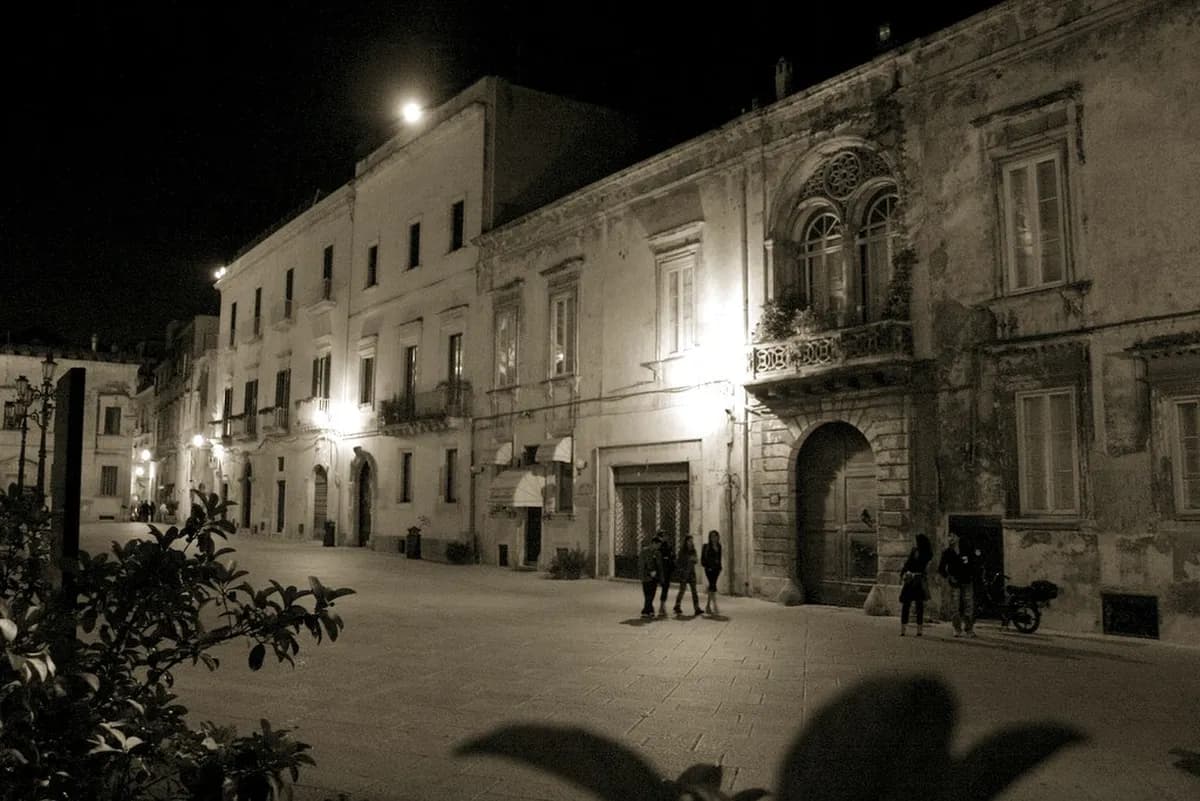
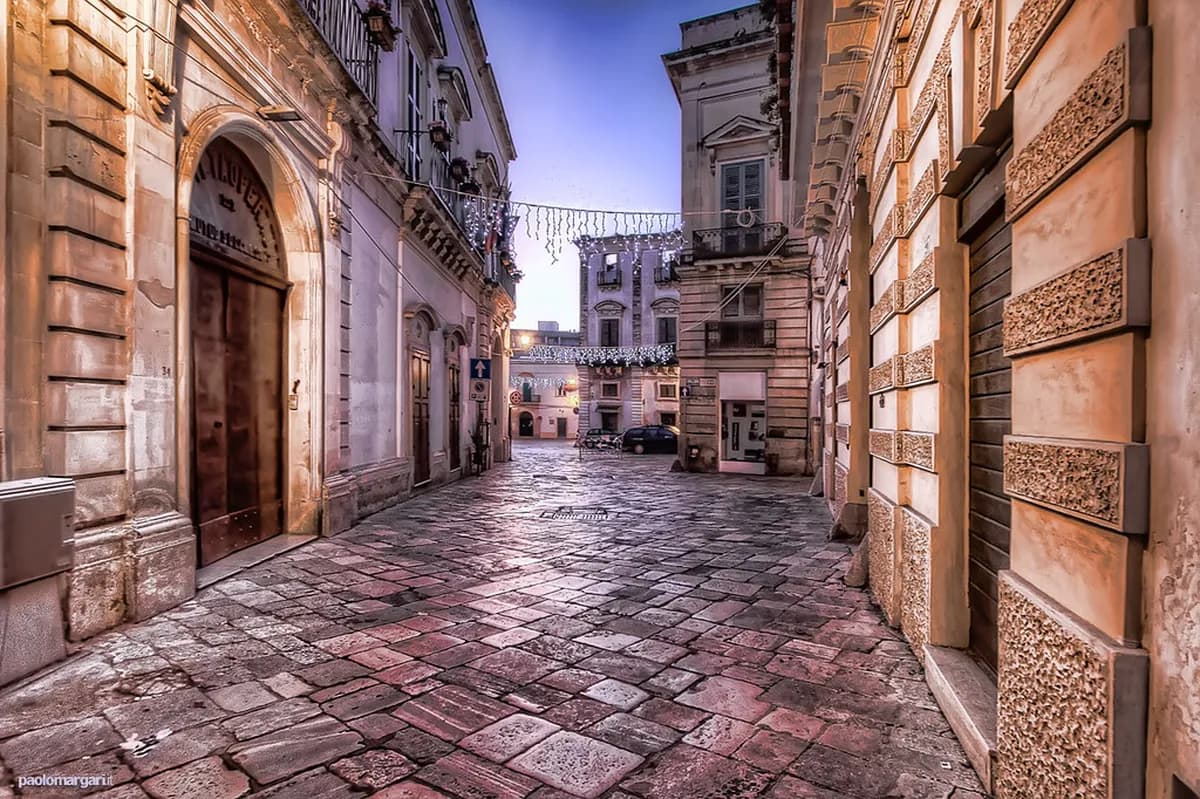
The Lecce Baroque style is best appreciated when the streets are empty of delivery trucks. I recommend starting your walk at 07:30 when the local cafes are just opening their shutters. You will have the famous facades all to yourself for photography before the heat becomes overwhelming. The same walk at 20:00 in summer is equally rewarding — the golden stone glows warm under the street lamps and the evening passeggiata fills the piazzas with locals, not guided groups.
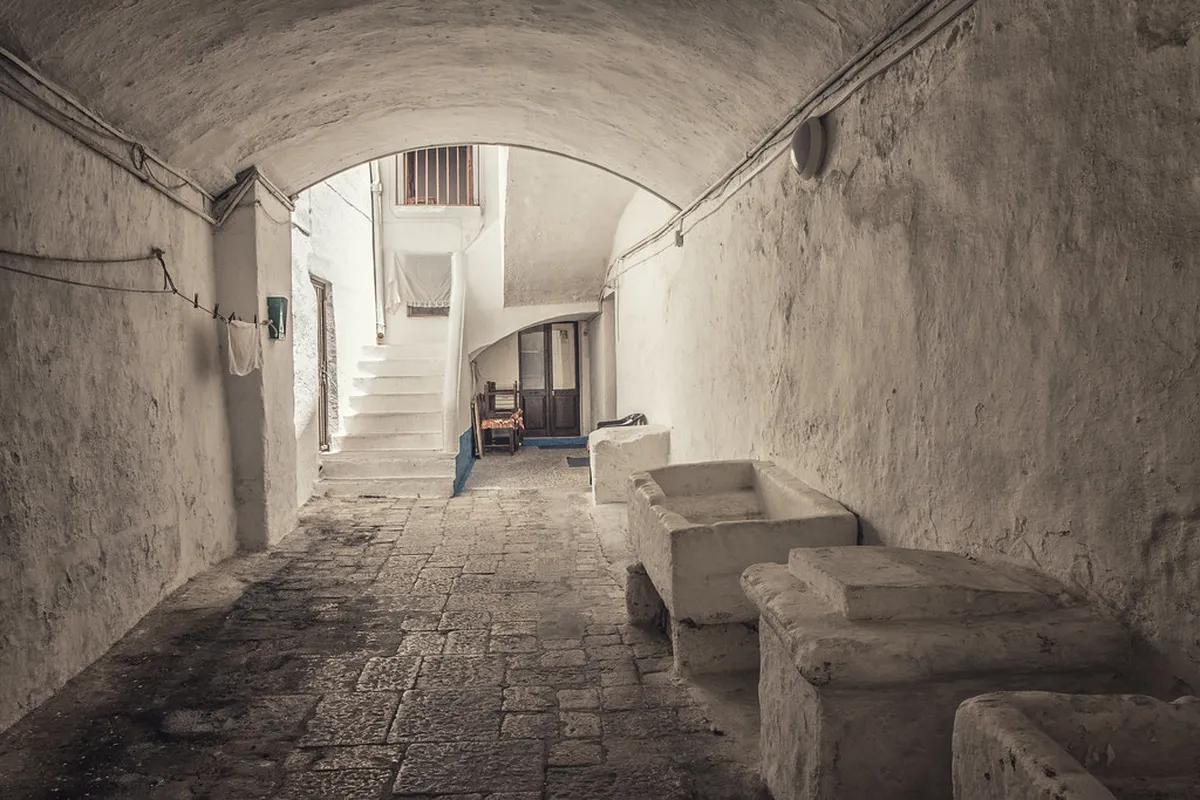
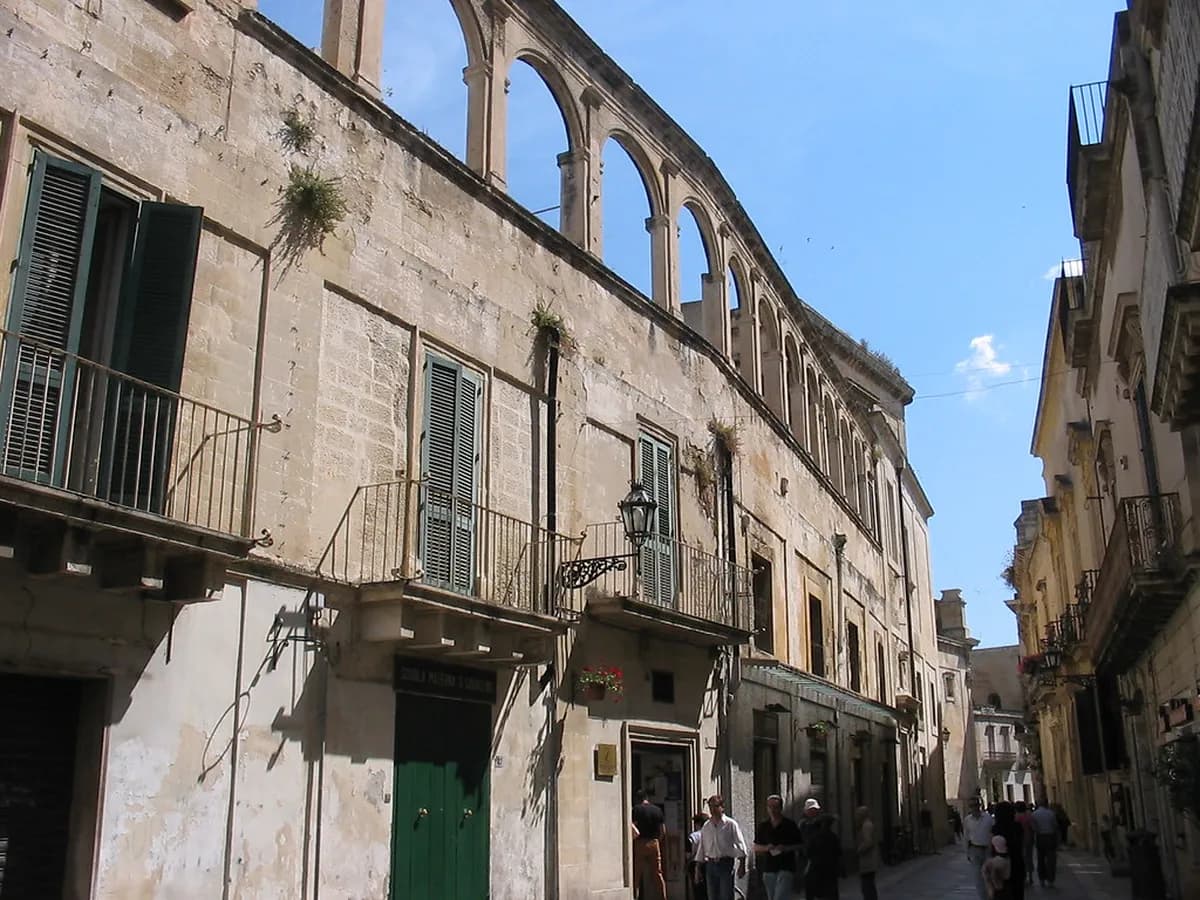
The centro storico is set over a relatively compact area but its labyrinthine nature means you can spend hours wandering contentedly without a fixed plan. Do not simply jump from map-dot to map-dot. Instead, slow down and look upward: private palazzi along Via Vittorio Emanuele II display balconies encrusted with garlands, masks, and twisting foliage that were designed to be seen from the street — and to surprise you each time you pass. Even apartment doorways carry carved cartouches that would be museum-worthy in any other city.
Navigating by grid logic will frustrate you — the streets follow ancient property boundaries, not a plan. If you get lost, look for the 72-metre bell tower of the Cathedral and use it as your compass. The local Lecce stone (pietra leccese) polishes smooth over centuries and becomes very slippery when wet, so flat-soled shoes are not optional. Many of the best artisan workshops are tucked away in courtyards that look like private residences at first — push the gate gently if it is ajar. Most streets inside the walls are restricted to local traffic, particularly in the morning delivery window, so leave the car outside the gates and walk.
Visit Museo Faggiano for Deep History
The story of Museo Faggiano is one of the most famous local legends among travel enthusiasts. Luciano Faggiano bought the building to open a trattoria but found a historical treasure trove instead. He spent years excavating the site by hand with his sons to preserve the various layers of history.
Inside, you can see how different civilizations built directly on top of their predecessors for millennia. The site includes a Franciscan convent, a medieval well, and even a secret escape tunnel for the knights. It is a rare example of a private citizen protecting world-class heritage without initial government funding.
I suggest spending at least an hour here to read the detailed placards in each room. The museum is a great rainy-day activity because it is entirely indoors and mostly underground. You can find more historical context on my Italy travel blog for planning your Puglia route.
Chiesa di San Matteo: The Church with a Devil's Tale
The facade of Chiesa di San Matteo is an architectural masterpiece of concave and convex curves. It is unique in the city because the lower half is convex while the upper half is concave. This creates a waving effect in the stone that looks different depending on where you stand.
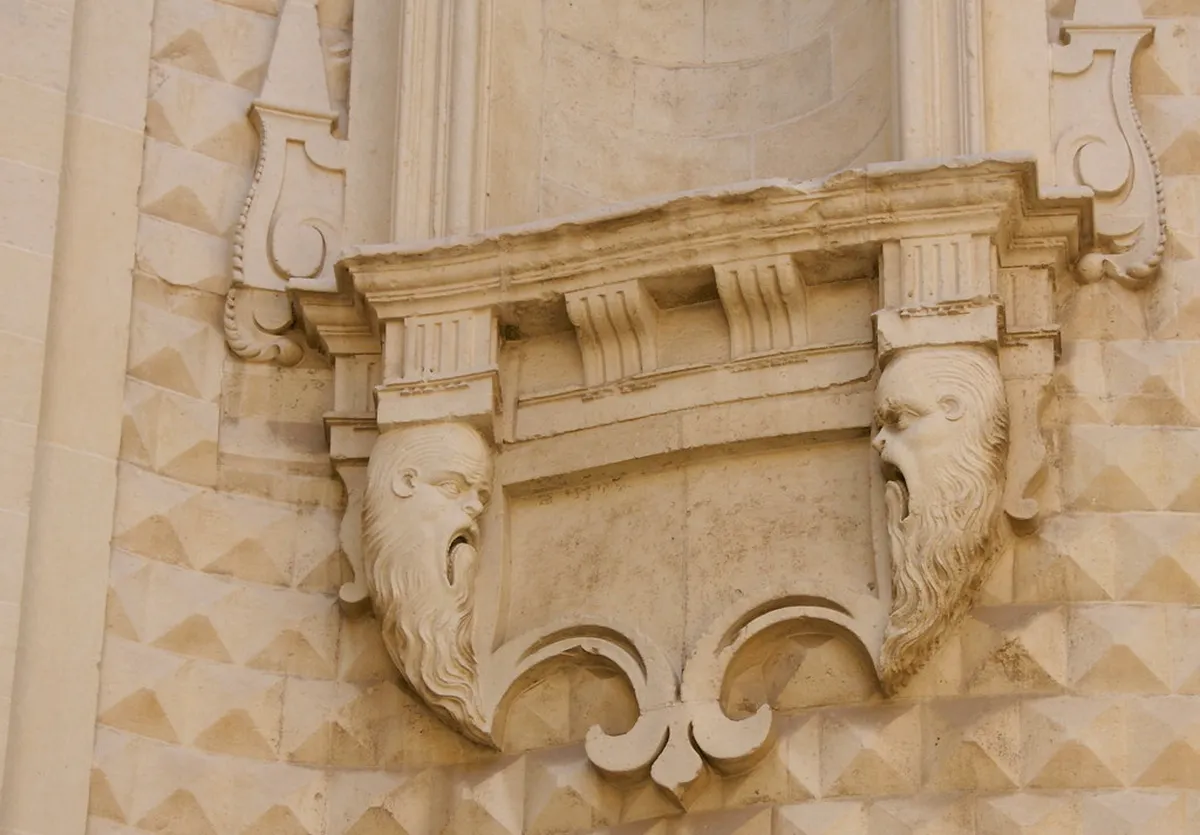
Local legend says the devil was so jealous of the beauty that he stopped the construction of the cornice. If you look closely at the top, you will see a section that remains unfinished to this day. The interior contains 12 statues of the apostles that are considered some of the finest in the region.
This church is usually much quieter than the Basilica of Santa Croce nearby. It is a perfect spot for quiet reflection or to admire the intricate altars without the tourist crowds. The church is open daily and entry is free, though it closes for the afternoon riposo period.
Explore Other Parts of Puglia on Day Trips
Lecce serves as the perfect base for a Gems of the Salento coast day trip. The Adriatic and Ionian coasts are both within a 30-minute drive of the city gates. I highly recommend visiting the coastal town of Otranto to see its famous mosaic floor in the cathedral.
For those without a car, the local train and bus network can be a bit challenging to navigate. I suggest using the Moovit app to check the latest regional transport schedules. Buses are often more reliable than trains for reaching the smaller seaside villages in the summer.
If you are traveling with kids, the nearby beaches offer shallow, crystal-clear water perfect for swimming. Many beach clubs provide full amenities including restaurants, changing rooms, and umbrella rentals. Always book your beach spot in advance during August, as the entire region becomes very crowded with Italian vacationers.
Marvel at the Roman Amphitheatre
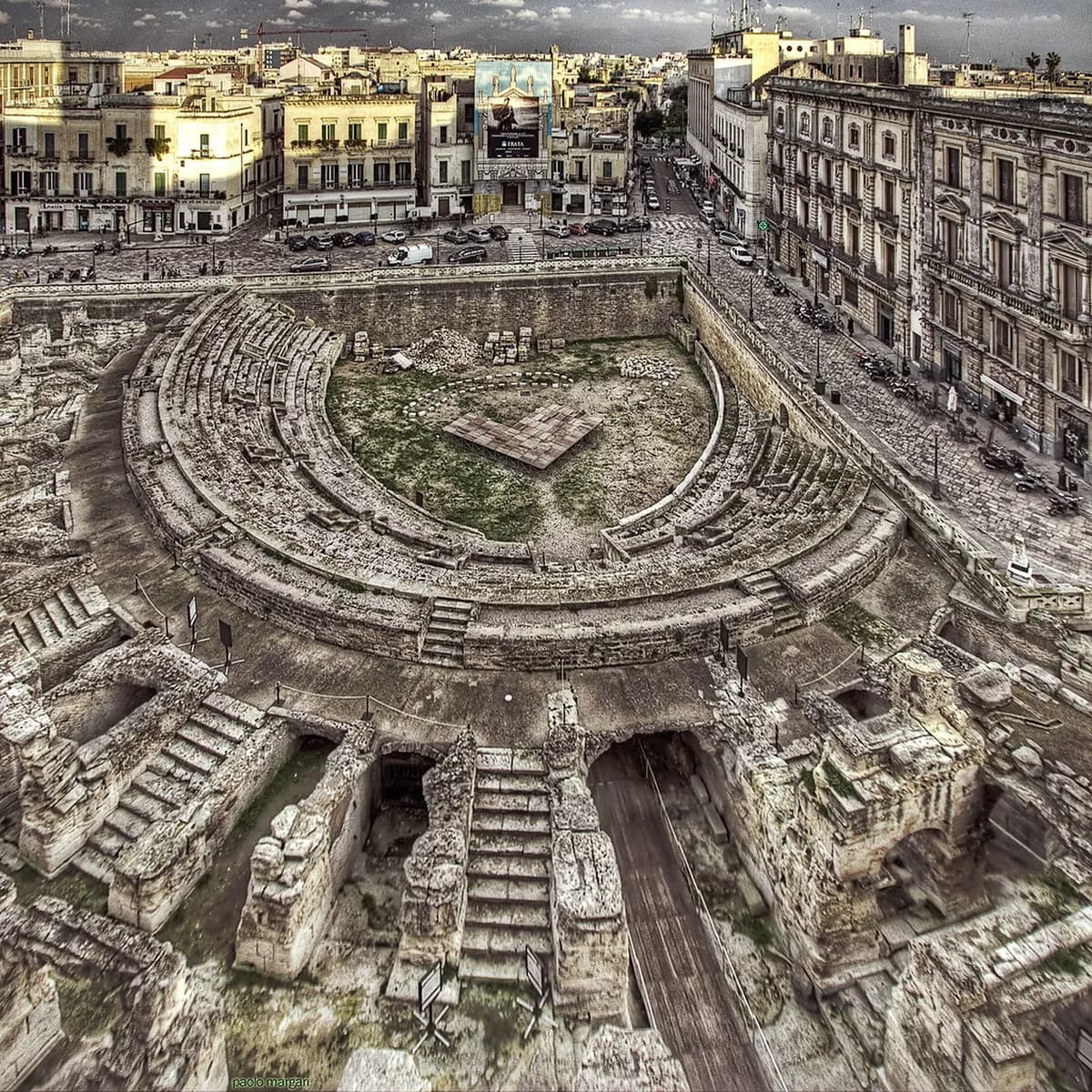
Located in the grand Piazza Sant'Oronzo, Lecce's Roman amphitheatre is a startling reminder that before the elaborate Baroque skyline rose in the 17th century, this was a thriving Roman city. Built during the reign of Hadrian in the 2nd century AD, the structure lay completely buried and unknown until 1901, when construction workers excavating for a new bank uncovered its curved walls. Even today, most of the structure remains underground — what you see from the pedestrianised road is only the upper tier of an arena that once held at least 15,000 spectators.
Entry to the excavated portion is free from street level, and that is honestly the best vantage point for photographs. The horseshoe outline reads clearly from above, and the contrast between the Roman stone and the surrounding 17th-century buildings — including the column of Sant'Oronzo, the city's patron saint, which stands on a Roman base — makes for a striking composition. The amphitheatre is occasionally opened for evening concerts in summer (check the municipality website in 2026 for the current programme). Directly adjacent, Castello Carlo V offers ticketed temporary exhibitions for €10 per adult (reduced €6) if you want 30 to 60 minutes of additional history in a Spanish-era fortress whose career spanned prison, barracks, and court before becoming a civic cultural space.
Chiesa di Santa Croce: The Crown Jewel of Lecce Baroque
If the city has one facade that earns the phrase "Florence of the South", it is the Basilica di Santa Croce on Via Umberto I. The construction spanned more than 150 years, from 1549 to 1695, which is why the lower tier reads as restrained Renaissance and the upper tier erupts into full Baroque excess: grotesque faces, fat cherubs, writhing plant forms, and a rose window that organises the chaos into a single hypnotic focal point. Every carving was worked in pietra leccese, the soft local sandstone that allowed craftsmen to cut details here that the harder stones of Rome or Florence would have resisted.
Go at 08:00 before the tour groups arrive and read the facade slowly from left to right across each register — you will find monks, monsters, and a cow's head that art historians still debate. Entry to the basilica is free and the interior is cool and relatively restrained by comparison, which makes the exterior all the more astonishing. The attached Celestini Palace (now the Puglia Regional Government offices) can be visited briefly for its baroque courtyard at no charge. Budget 30 to 45 minutes here and return at dusk when the stone turns deep amber.
Lecce Papier-Mâché (Cartapesta) Workshops: Watch Artisans at Work
Cartapesta is Lecce's most distinctive craft — a centuries-old technique in which artisans build up layers of paper and straw over a clay mould, then hollow out the hardened shell to create lightweight but eerily lifelike religious statues. The craft thrived here because pietra leccese could not be carved into statues small enough for domestic altarpieces, so paper stepped in. Walking into an active workshop today is one of the best genuinely local experiences in the city, entirely free of admission fees and tourist stage management.
The cluster of workshops near the Church of Santa Chiara and along Via Arte della Cartapesta is your best starting point. Look for open doorways where the smell of paste and the scrape of the 'focheggiamento' iron — a heated tool used to smooth paper fibres — gives away a working studio. Many artisans sell small souvenir figures from €15 and offer short hands-on sessions from around €30 per person; book same-day by simply asking at the door. Workshops keep standard shop hours (09:00–13:00 and 16:30–20:00) and close Sunday afternoon. Even if you skip the workshop, buying a cartapesta figure here rather than a mass-produced souvenir elsewhere puts money directly into one of Italy's most endangered traditional crafts.
Where To Stay In Lecce
The universal answer from locals is: stay inside the old town. The centro storico has been meticulously restored over the past two decades and the experience of waking up to empty limestone alleys before the day-trippers arrive is worth paying for. Different pockets of the historic centre have noticeably different characters. The zone around the Basilica di Santa Croce, Piazza Sant'Oronzo, and Corso Vittorio Emanuele is busy with shops and restaurants until midnight. The streets near the Church of Saint John the Evangelist and the Carmine church are extremely quiet and dimly lit after dark — fine for confident travellers but disorienting if you arrive late.
| Budget | Property type | Nightly rate (2026 guide) | Best for |
|---|---|---|---|
| Luxury | Noble palazzo hotel (e.g. near Basilica di Santa Croce) | €350–700 | Couples, architecture lovers |
| Mid-range | Boutique B&B with rooftop or courtyard | €150–280 | Slow travellers, 3+ nights |
| Budget | Family-run B&B on old-town edge | €80–130 | First-timers, solo travellers |
Book three to six months ahead for July and August — the best central rooms sell out entirely. For September or October visits, you can usually secure a mid-range room two to three weeks in advance and pay roughly 20–30% less than peak rates. If you want the local-neighbourhood feel rather than the hotel strip, look for apartments near Piazza Mazzini or just outside Porta Napoli, where university students live year-round and the riposo quiet is genuine rather than performative.
How to Get to and Around Lecce
Lecce has no commercial airport. The closest international gateways are Brindisi (BDS, approximately 40 minutes by car or train) and Bari (BRI, approximately 90 to 120 minutes). In 2026 both airports receive direct flights from London, Paris, Amsterdam, and major Italian hubs. From Brindisi, Trenitalia runs direct trains to Lecce throughout the day for around €5; taxis to Lecce cost approximately €50 to €60. From Bari, high-speed Frecciarossa trains reach Lecce in about 75 minutes and cost from €15 upward depending on booking date. If you are coming from Rome, the direct Frecciarossa takes roughly 5.5 hours and costs from €25.
Once in Lecce, the entire historic centre is walkable in under 20 minutes end to end — leave your car at one of the paid car parks just outside the gates (Piazzale Rudiae is the most convenient) and walk everywhere. For day trips, the Moovit app gives accurate regional bus and train schedules. Buses to San Cataldo beach (20 minutes, €1.50 each way) run roughly every 30 minutes in summer. For the Salento coast and smaller towns, renting a car at Brindisi airport on arrival is usually the most flexible option — Lecce-based rental agencies carry limited stock and charge a premium in peak season.
Frequently Asked Questions
Which hidden gems in Lecce fit first-time visitors?
Museo Faggiano and the Roman Theatre are perfect for first-timers. They are located in the historic center and provide a quick but deep look at the city's ancient layers. Both sites are affordable and take less than an hour to visit.
How much time should you plan for hidden gems in Lecce?
Allow at least two full days to see the major sites and secret corners. This gives you time to enjoy the slow pace of the city and explore workshops. Most hidden gems only require 45 to 60 minutes each.
What should travelers avoid when planning hidden gems in Lecce?
Avoid visiting major churches and museums during the afternoon riposo from 1:00 pm to 4:00 pm. Most sites will be closed, and the streets can be very hot. Plan your indoor activities for the morning or late evening instead.
Lecce is a city that rewards those who take the time to look behind its golden facades. From the underground mysteries of Museo Faggiano to the quiet beauty of the Roman Theatre, there is always something new to discover. I hope this guide helps you find the same magic that has brought me back to this city year after year.
Remember to walk slowly, eat plenty of local pastries, and don't be afraid to get lost in the limestone alleys. The true heart of the Salento region is found in its hidden details and the warm hospitality of its people. Enjoy your journey through the Baroque capital of Italy and safe travels on your Puglia adventure.
You might also like

Continue reading
More guides you'll find useful