10 Best Lecce Festivals and Events to Experience
Discover the best Lecce festivals and events. From the Sant'Oronzo celebrations to the Notte della Taranta, plan your Salento trip with our seasonal calendar.
On this page
10 Best Lecce Festivals and Events
The best months to visit Lecce for festivals are mid-May to June and the entire month of September. Updated May 2024 from my spring 2024 visit, this guide covers the most vibrant local celebrations. I visited Lecce in late August during the massive Sant'Oronzo festival and loved the electric atmosphere. Our late-August trip hit a significant heatwave, so planning your timing carefully is essential for comfort.
Lecce serves as the cultural heart of the Salento region in southern Italy. Visitors can find a rich Italy travel blog worth of events here. Local traditions range from giant winter bonfires to summer folk dances in the streets. Understanding the timing of these The Thinking Traveller highlights ensures a memorable trip.
Season Comparison
Spring offers mild temperatures ranging from 15–22°C / 59–72°F during the day. Crowds remain manageable before the heavy summer tourist rush begins in July. Prices for local accommodations are often lower than peak August rates. Check these Lecce travel tips to find the best spring lodging options.
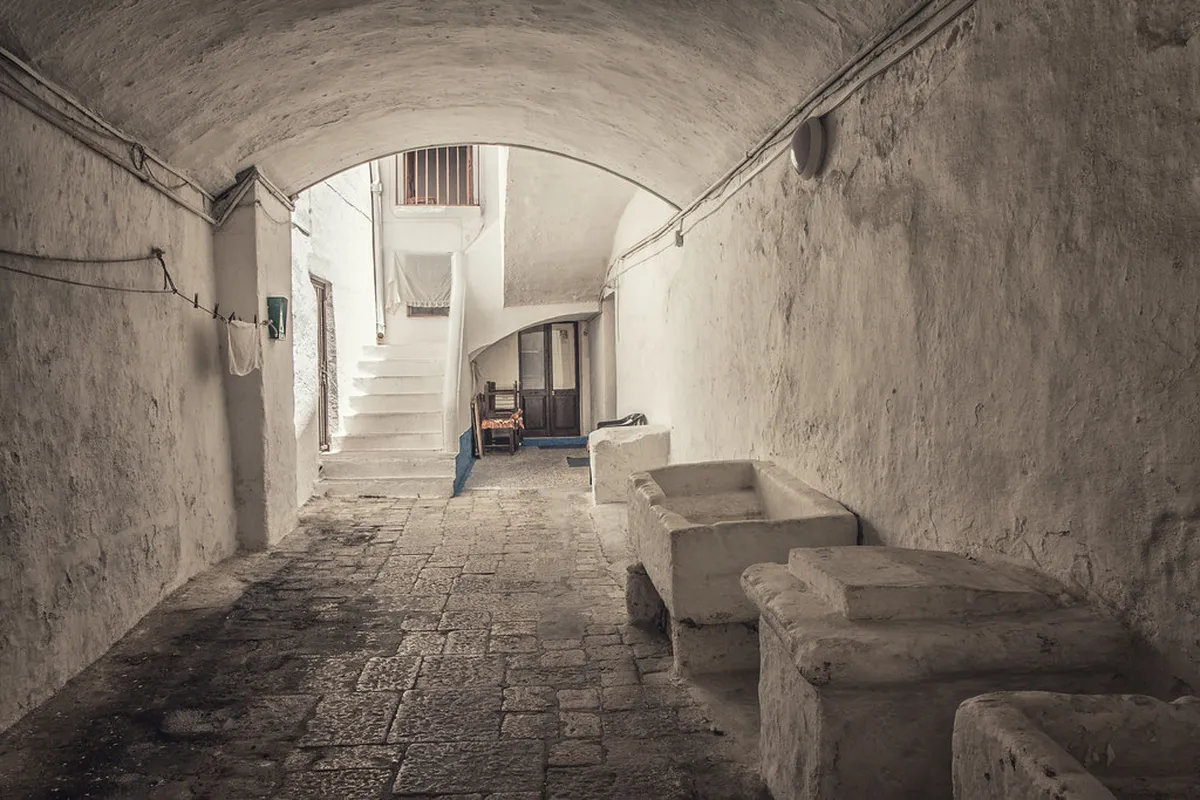
Summer brings intense heat with averages of 28–35°C / 82–95°F in July and August. The Scirocco wind can bring humid heat from Africa during these peak months. Festival season reaches its height with nightly music and outdoor food markets. Most major events occur in the cooler evening hours to avoid the midday sun.
Autumn sees a return to pleasant weather and fewer crowds in the city center. Temperatures typically hover around 20–25°C / 68–77°F throughout the month of September. Harvest festivals celebrate local wine and olive oil production across the province. Winter is much quieter but features unique fire-based traditions in nearby towns.
| Season | Weather | Crowds | Prices | Events | Best for |
|---|---|---|---|---|---|
| Spring (Mar-May) | 15-22°C / 59-72°F | Moderate | Mid-range | Holy Week | Culture |
| Summer (Jun-Aug) | 28-35°C / 82-95°F | High | Peak | Sant'Oronzo | Nightlife |
| Fall (Sep-Nov) | 18-25°C / 64-77°F | Low | Low | Wine Harvest | Foodies |
| Winter (Dec-Feb) | 8-14°C / 46-57°F | Very Low | Budget | Focara | Tradition |
Winter Fire Festivals: Sant’Antonio and the Focara
The Focara of Novoli is one of Europe’s largest bonfires, built each year to honor Sant’Antonio Abate, the patron saint of animals and fire. Volunteers spend weeks stacking over 100,000 vine branches into a tower roughly 25 meters tall and 20 meters in diameter. The official ignition happens on the evening of January 16, kicking off three days of celebrations that run through January 18.
Getting there from Lecce is straightforward: Ferrovie del Sud Est runs dedicated late-night trains directly to Novoli for the festival, departing from Lecce central station from around 19:00 and returning until well past midnight — no car needed and no parking headaches. The round trip costs a few euros. Arrive by 20:00 to secure a good vantage point before the crowds swell. Pack warm layers, as temperatures typically drop to 6–8°C / 43–46°F once the sun sets, and the event unfolds entirely outdoors over a large open field.
Once there, follow the food stall perimeter to find vendors selling hot puccia bread, roasted chestnuts, and local wine. The bonfire radiates tremendous heat, so the crowd naturally forms a wide circle — moving closer requires patience but rewards you with a wall of warmth as the fire peaks around 21:00. This is one of the most visceral and genuinely local winter traditions in all of southern Italy.
Carnevale and Spring Religious Rites
The Carnevale della Grecìa Salentina in Martignano runs from early February through Shrove Tuesday. Unlike the more commercial carnivals to the north, this event leans into the Greek-Messapian heritage of the nine villages that form the Grecìa Salentina linguistic enclave. Costumed groups parade through narrow streets to Pizzica rhythms, and the atmosphere stays genuinely village-scale — no barriers, no VIP sections, just the community celebrating in its own piazza. Families with children find this one of the most accessible carnivals in Salento. The Carnival of Putignano (province of Bari, about 1.5 hours north) runs longer, from late December to Shrove Tuesday, and features enormous papier-mâché allegorical floats that rival anything in Venice — worth the day trip if your dates align.
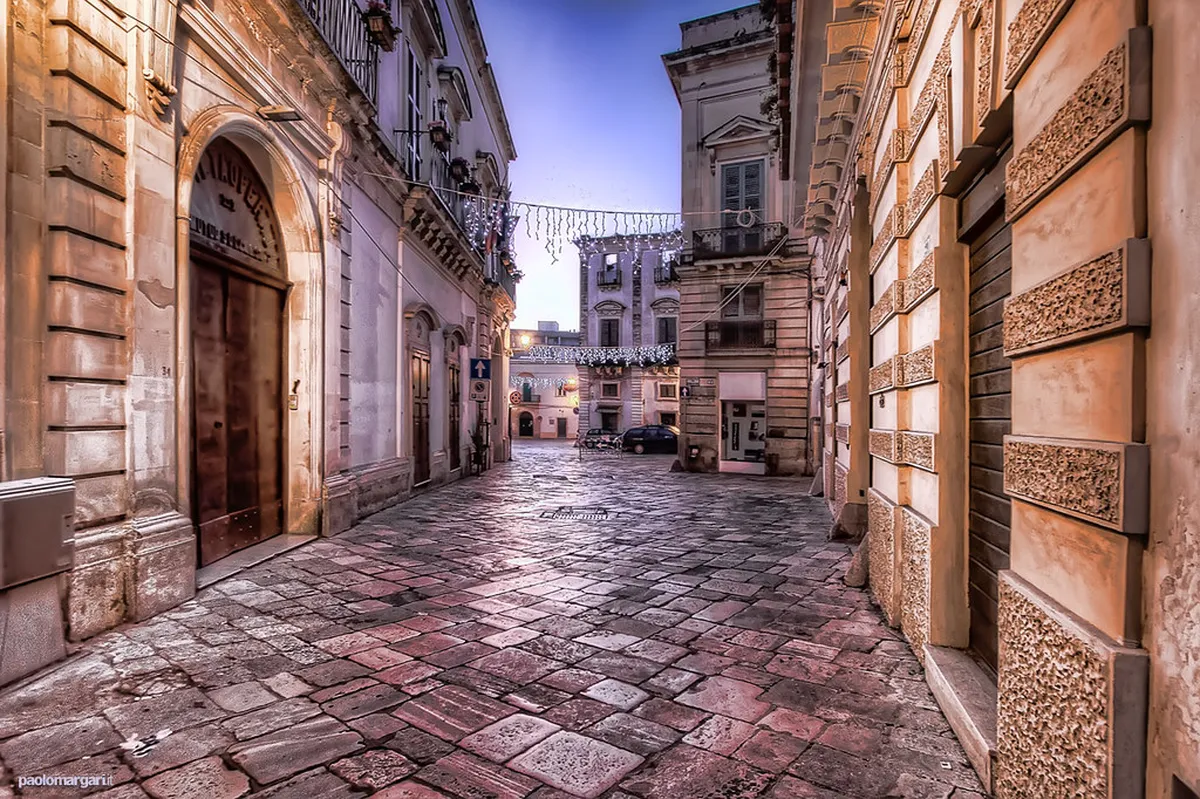
Settimana Santa (Holy Week) processions in late March or April rank among the most profound religious experiences in southern Italy. In Lecce and across Salento towns like Gallipoli and Taranto, hooded confraternities carry heavy wooden statues of the Virgin and Christ through candlelit streets for hours. Participants often walk barefoot over cobblestones in an act of penance; the silence in the crowd between each mournful brass band refrain is genuinely moving. Many visitors wonder is Lecce safe during these crowded night events.
Cortili Aperti (Open Courtyards) takes place on the last Sunday of May each year, typically around May 25. For one day, the owners of Lecce's most spectacular private Baroque palaces throw open their hidden interior courtyards — spaces that are completely invisible from the street the other 364 days a year. You will find Renaissance gardens, frescoed loggias, ancient wells, and citrus trees tucked behind façades you have walked past a hundred times. Entry is free and no advance registration is required, but start before 10:00 to beat the queues at the most sought-after palaces; by midday the main courtyards can be packed three-deep. The Fiera di Sant'Irene, also in May, is a more traditional street fair with artisan stalls, livestock displays, and local produce filling the roads around the historic center.
Summer Folk Music and Patron Saint Festivities
The Notte della Taranta is a massive folk music festival held in August. Melpignano hosts the final concert which attracts over a hundred thousand people. Musicians play the Pizzica, a fast-paced traditional dance from the Salento area. Attending this event is a high-energy experience that lasts until the early morning.
Festa di Sant’Oronzo is the most important religious event in Lecce city. It occurs from August 24 to 26 to honor the patron saint. The streets are decorated with elaborate Luminarie light displays that glow brilliantly. Processions and fireworks conclude the three-day celebration in the main square.
August brings intense heat of 28–35°C (82–95°F) and the Scirocco wind can make it very humid. Most events occur during cooler evening hours—plan to rest indoors during the intense midday heat.
Food festivals known as Sagre dot the summer calendar across every town in Salento. Navigating your first Sagra is simple once you understand the token system: look for the booth marked Cassa (cashier), buy a book of printed tokens (usually €1–€2 each), then exchange those tokens at the individual food stalls rather than paying cash. Keep a handful of tokens in your pocket — most dishes cost between 2 and 5 tokens — and return any leftovers to the Cassa for a refund at the end of the evening. The Sagra del Pesce Spada in Gallipoli, held over several August evenings, is a favorite for seafood lovers. The Festa te la Uliata in Caprarica di Lecce (July) celebrates the local olive-stuffed bread roll; order the version drizzled with local olive oil for the full effect.
| Festival | When | Where | Highlight |
|---|---|---|---|
| Notte della Taranta | Throughout August, final concert in Melpignano | Melpignano & Lecce region | Over 100,000 gather for traditional Pizzica folk dancing |
| Festa di Sant'Oronzo | August 24–26 | Lecce city center | Elaborate Luminarie light displays, processions, fireworks |
| Sagra del Pesce Spada | Summer (dates vary) | Gallipoli | Seafood festival featuring swordfish and fresh catch |
| Various Sagre | Throughout summer | Towns across Salento | Local specialties: olive oil, wine, regional cuisine |
Autumn Cinema: Festival del Cinema Europeo
Each November, Lecce transforms into a hub for European cinema with the Festival del Cinema Europeo, one of the most important film festivals in southern Italy. Founded in 2000 and held across the city's historic cinemas and open-air venues, the festival runs for about a week and screens dozens of feature films, shorts, and documentaries from across the continent — most with Italian subtitles, and many with Q&A sessions with directors. The Ulivo d'Oro (Golden Olive) is the festival's top prize, and past editions have hosted acclaimed directors from France, Germany, Spain, and Eastern Europe alongside Italian cinema figures.
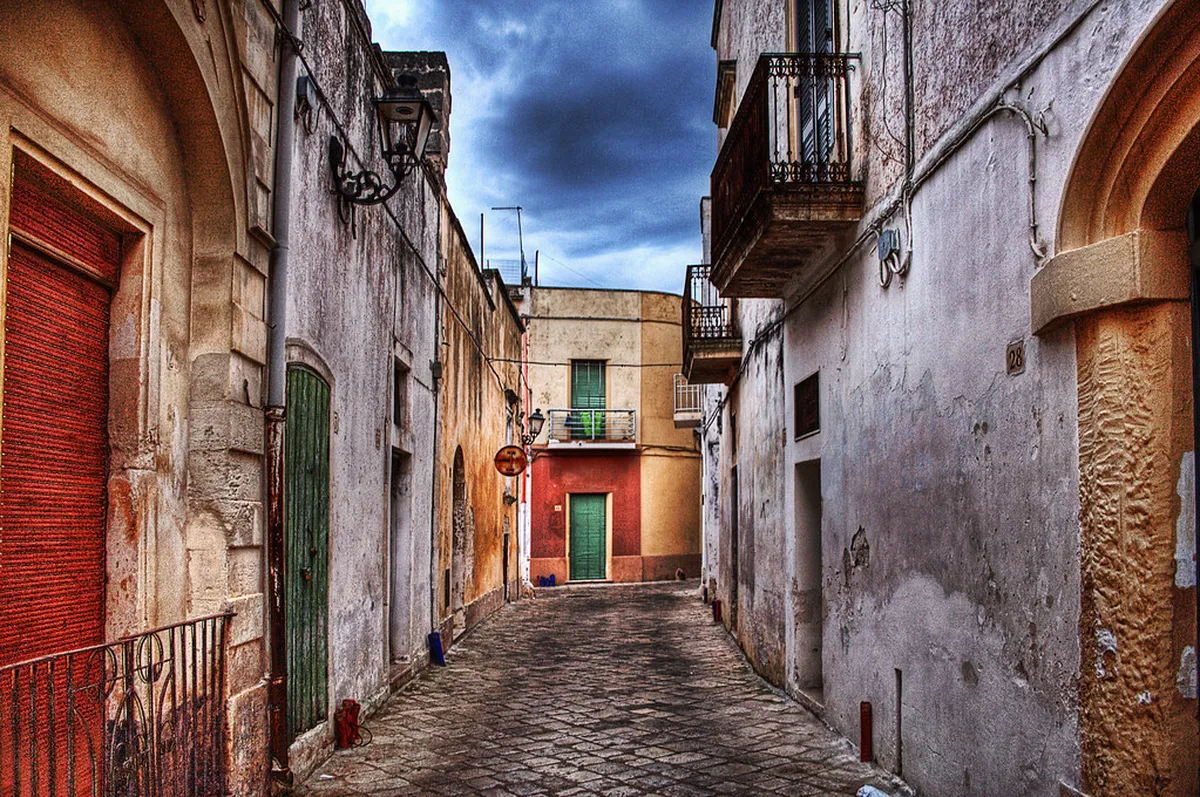
Single screenings typically cost €5–€8; a multi-day pass runs around €30–€40 and is worth it for film enthusiasts staying in the city for several days. November is also one of the most pleasant months weather-wise — daytime temperatures sit around 17–20°C / 63–68°F — and the city is entirely free of summer crowds. Book accommodation well ahead regardless, as the festival draws visitors from across Italy. Check the Museo dei Bambini Lecce regional calendar for exact dates each year, as the festival window shifts slightly between editions.
The surrounding weeks in late autumn bring smaller but charming harvest celebrations. The Festa te lu Mieru (wine festival) in Carpignano Salentino, about 25 km southeast of Lecce, fills the old town's stone alleys with barrels of newly pressed Negroamaro wine, folk music, and grilled food stalls every September — an easy half-day trip from Lecce by car.
Patron Saint Celebrations: Festa di Sant'Oronzo and the Luminarie
The Festa di Sant'Oronzo is the single most important event in the Lecce civic calendar, running every year from August 24 to 26 to honor the city's patron saint. Sant'Oronzo is credited with having saved Lecce from a plague in the first century AD, and the gratitude runs deep — the celebrations are neither tourist-facing nor performative; they are a genuine expression of civic and religious identity that has been enacted for centuries.
The festival's visual centerpiece is the Luminarie: elaborate hand-crafted light installations built from thousands of colored bulbs strung across the main streets and piazzas of the historic center. Local artisan firms spend weeks assembling these towering archways and cathedral-like canopies of light, which are switched on each evening to gasps from the crowd filling Piazza Sant'Oronzo. The same artisan tradition of luminarie construction has been exported to festivals across Italy and even abroad — seeing the craft at its origin is particularly special.
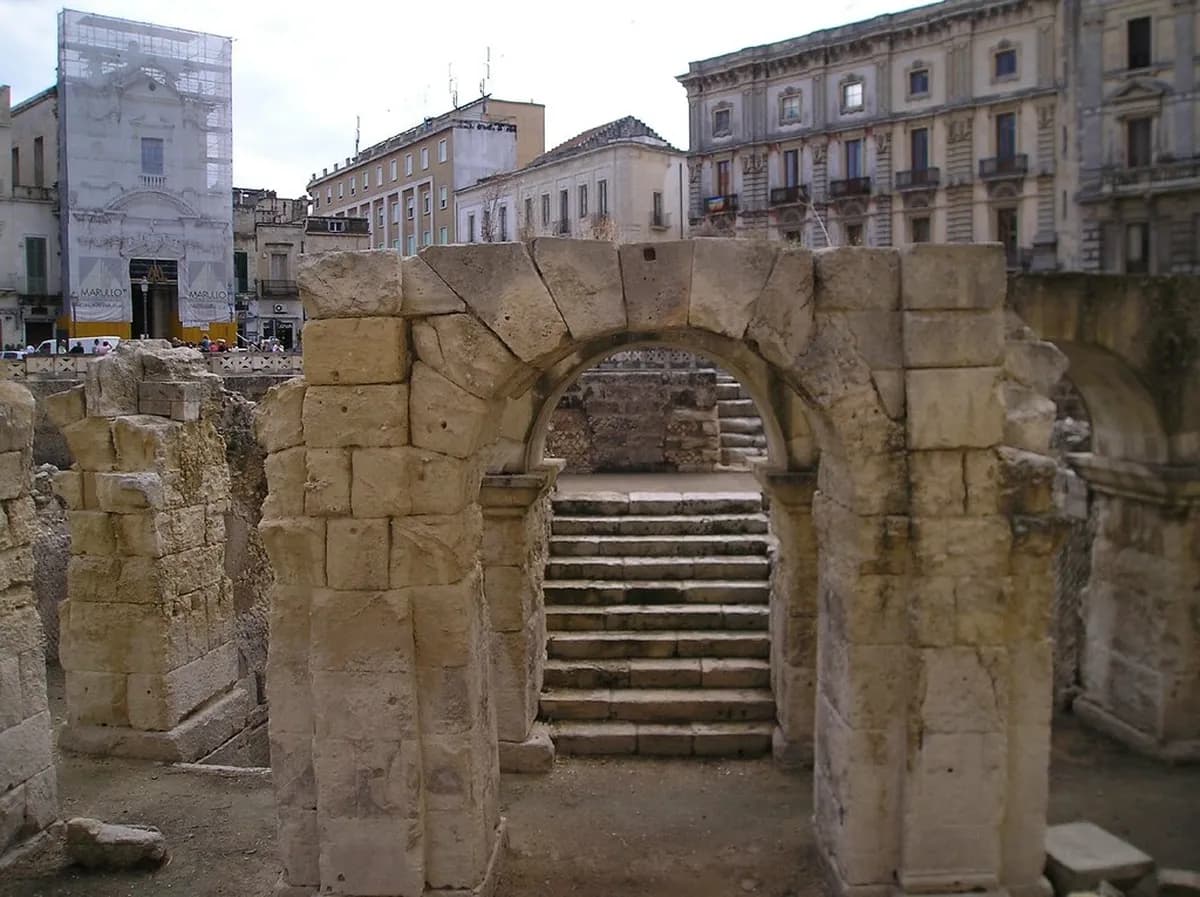
Processions carry the silver statue of Sant'Oronzo from the Cathedral through the city streets on the evening of August 25. The route is lined three-deep with locals who have saved their spots hours in advance. Arrive by 20:00 to find a good position. The procession concludes with a fireworks display launched from the Roman amphitheater area, with the Baroque skyline as a backdrop. Most food stalls around the historic center remain open until 01:00 or later during all three days.
Harvest Fairs and Christmas in Salento
November brings the Fiera di San Martino, the ancient harvest fair traditionally held around November 11 (the feast of Saint Martin) in towns across Salento, with the version in Taviano being among the most established. Stalls sell pressed olive oil from the new harvest, local cheeses, dried figs, and the first bottles of novello wine. The fair is not polished for tourists — it is a working agricultural market where the growers of the region sell directly, and prices reflect that. San Martino is also the traditional day to begin opening aged wine in Puglia, so expect tastings at most stalls.
Christmas in Lecce centers on the Presepe Vivente (Living Nativity) tradition, with the most famous version held in Tricase, about 55 km south of Lecce, across several evenings in late December. Hundreds of costumed volunteers re-enact the Nativity and scenes of ancient village life in the town's historic streets, complete with live animals and working craftsmen. The atmosphere is intimate and the scale is impressive: attendance is free, but arriving before 18:30 avoids the longest entry queues. Lecce itself strings its Baroque streets with light installations in December, and the Christmas markets around Piazza Duomo sell handmade ceramics, papier-mâché figures, and local preserves.
For the full 2026 calendar of dates across the province, the Museo dei Bambini Lecce event calendar is the most comprehensive free resource and is updated monthly.
Frequently Asked Questions
What is the biggest festival in Lecce?
The Festa di Sant’Oronzo is the largest event in the city center. It honors the patron saint every August 24 to 26. Expect massive light displays, music, and fireworks.
When is the Notte della Taranta held?
This folk music festival takes place throughout the month of August. The final concert is always held in Melpignano. It features traditional Pizzica dancing and music.
Are festivals in Lecce free to attend?
Most religious processions and town festivals are free for the public. Some music concerts or specific food events might require a ticket. Always check local listings for details.
Lecce offers a diverse calendar of events that appeal to every type of traveler. From the winter bonfires to the summer folk dances, the city is always alive. Plan your visit around these dates to experience the true soul of Salento.
You might also like


Continue reading
More guides you'll find useful